Fourteen days is one of the most practical durations for a private India holiday. It provides enough time to visit the Taj Mahal, experience Delhi and Jaipur properly, continue deeper into Rajasthan, or add a completely different destination such as Varanasi without making the entire holiday feel like a sequence of hotel check-ins and long transfers.
A well-arranged 2 week India tour package should not be judged by the number of cities included. India is geographically large, road journeys can occupy several hours, domestic flights require airport time, and major monuments deserve more than rushed photo stops. A better fourteen-day journey normally includes five or six carefully selected destinations with two or three nights in the most important cities.
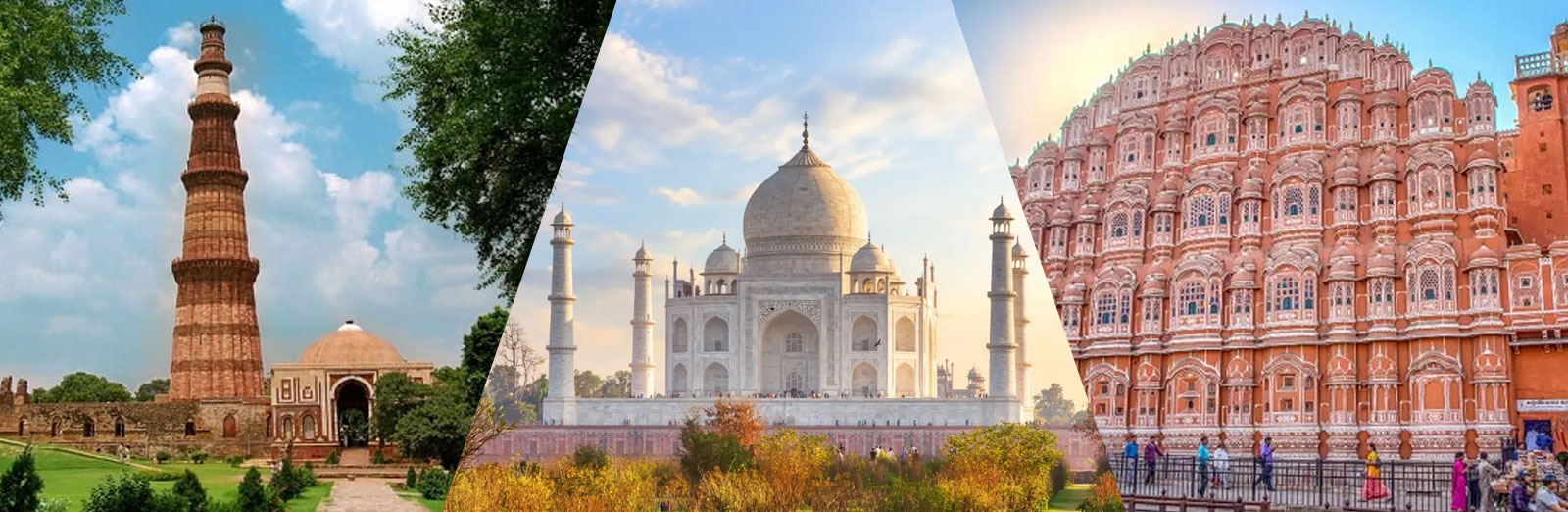
For first-time visitors, Delhi, Agra and Jaipur form the strongest starting point. This famous route can then continue towards Jodhpur and Udaipur for a Rajasthan-focused holiday. Travellers interested in wildlife can include Ranthambore, while those seeking a stronger cultural and spiritual element can add Varanasi.
Private travel makes a two-week itinerary considerably easier. An air-conditioned private car with driver in India can handle the road sectors, local guides can join for important sightseeing, and longer distances can be covered by domestic flights where they genuinely save time. Travellers can also choose their own hotel standard rather than being restricted to the properties used by a fixed group departure.
Cost varies considerably according to accommodation. A comfortable four-star journey can provide excellent value, while five-star hotels, palace properties, premium suites and special room categories can increase the budget substantially.
For two travellers sharing one room, a realistic higher-side land budget for a quality 14 day private India tour can begin around US$3,800 to US$5,500 for two people with good four-star accommodation. Five-star private arrangements can reasonably reach US$6,000 to US$9,000 for two, while premium luxury itineraries can exceed US$10,000 to US$15,000 depending on the hotels and services selected.
International airfare is normally separate unless specifically included.
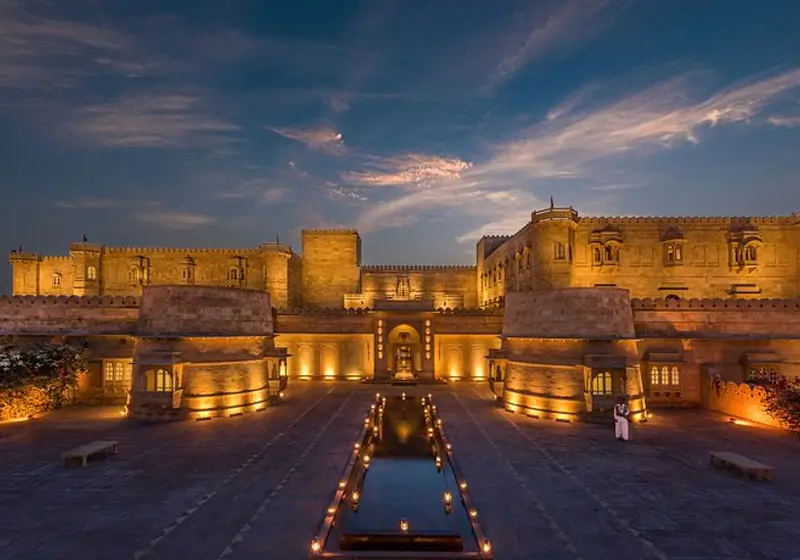
For travellers who want India's famous monuments together with Rajasthan's forts, palaces and heritage hotels, Delhi, Agra, Jaipur, Jodhpur and Udaipur make one of the strongest two-week routes.
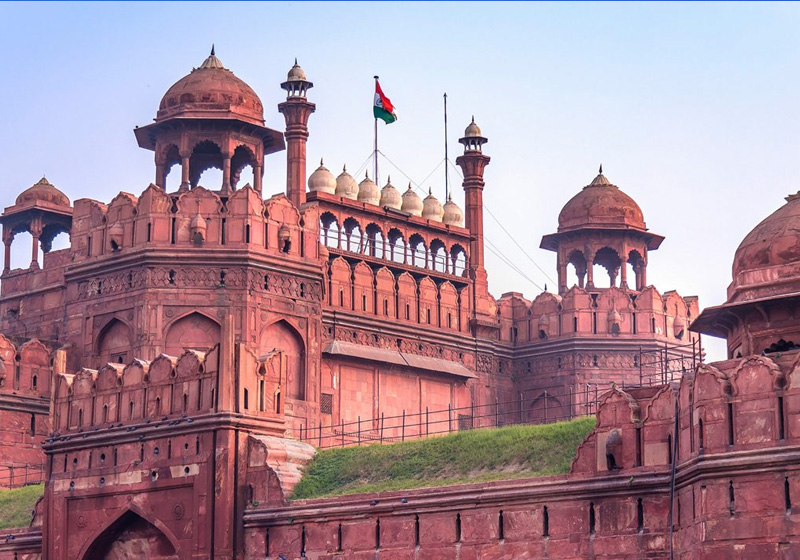
The journey can begin with three nights in Delhi. This gives international visitors an arrival day plus two days to see the capital without trying to fit Old Delhi and New Delhi into a single exhausting schedule.
The arrival day should normally remain light. After an international flight, airport procedures and the drive to the hotel, travellers may prefer a relaxed dinner and an early night. Starting major sightseeing the following morning generally produces a much better experience.
Delhi sightseeing can then be divided sensibly.
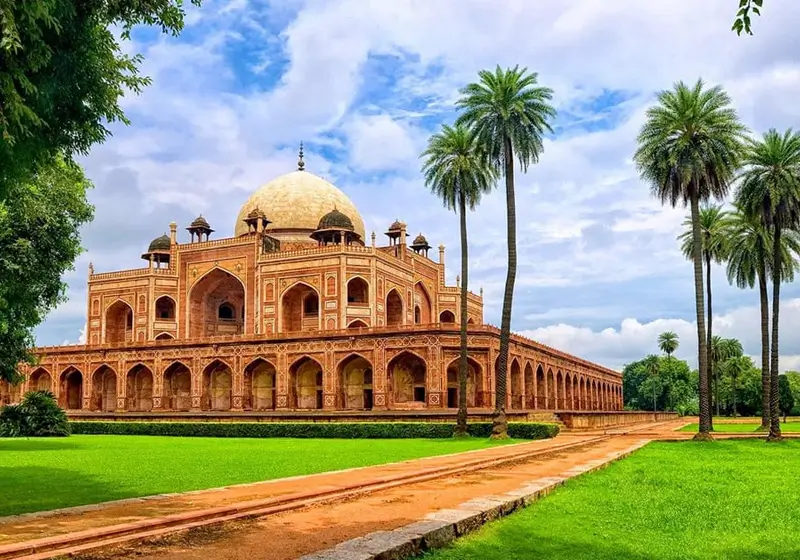
One section can concentrate on Old Delhi, including Jama Masjid and the historic Chandni Chowk area. Another can cover major New Delhi attractions such as Humayun's Tomb, Qutub Minar and India Gate.
A private guide is valuable because Delhi contains monuments from very different historical periods. Rather than simply driving between famous landmarks, travellers can understand how the city's various empires and political eras shaped its architecture.
After Delhi, the journey continues to Agra. The drive generally requires around four hours in normal conditions, although actual travel time depends on traffic and the pickup location.
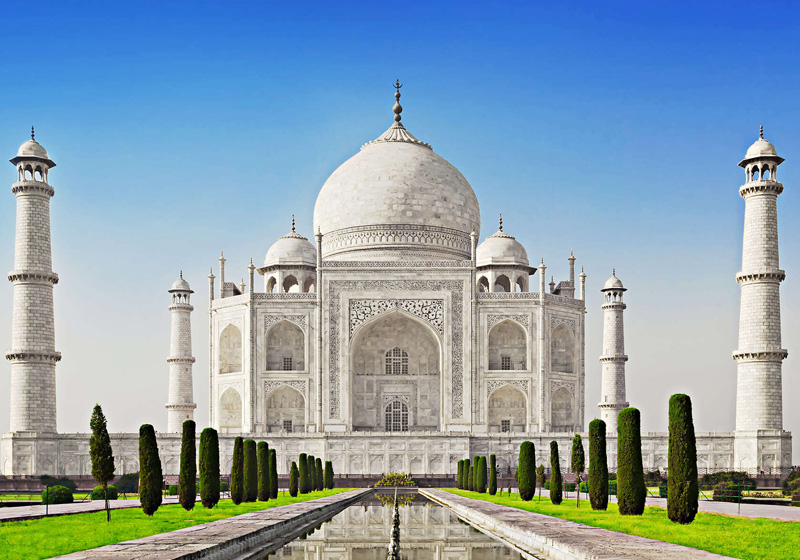
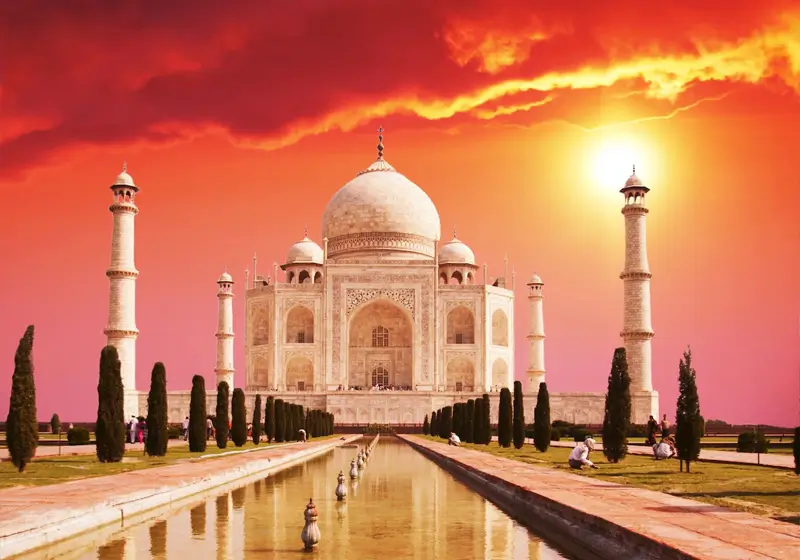
Two nights in Agra can be justified on a two week India itinerary, particularly for travellers who want a relaxed Taj Mahal visit.
Agra Fort can be visited after arrival, while the Taj Mahal can be kept for the following morning. Sunrise is popular for photography and comparatively cooler conditions during suitable periods, although travellers do not have to visit at sunrise.
The Taj Mahal is closed to general visitors on Fridays. This weekly closure should be considered before fixing the complete route.
A second night in Agra can also allow Mehtab Bagh or additional local time without rushing directly towards Jaipur after the Taj Mahal.
The road from Agra to Jaipur can include Fatehpur Sikri. Travellers should allow extra time because a proper visit adds substantial walking and sightseeing to the transfer day.
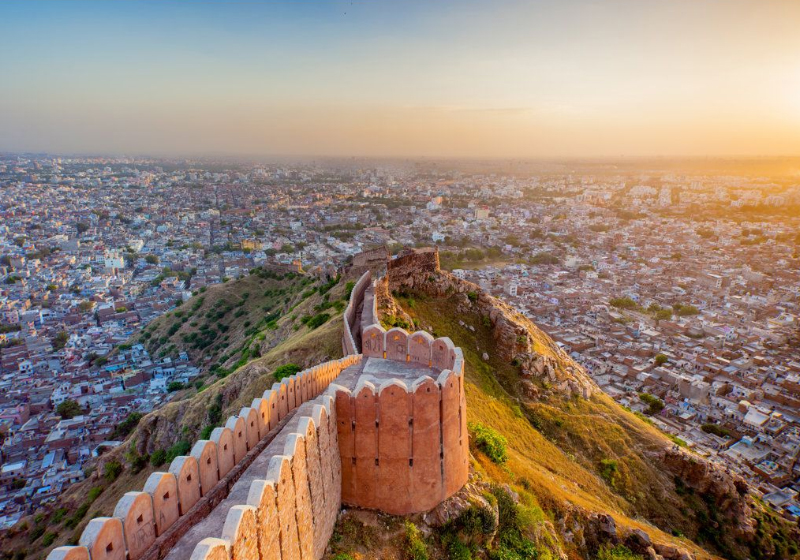
Jaipur deserves approximately three nights on a fourteen-day holiday.
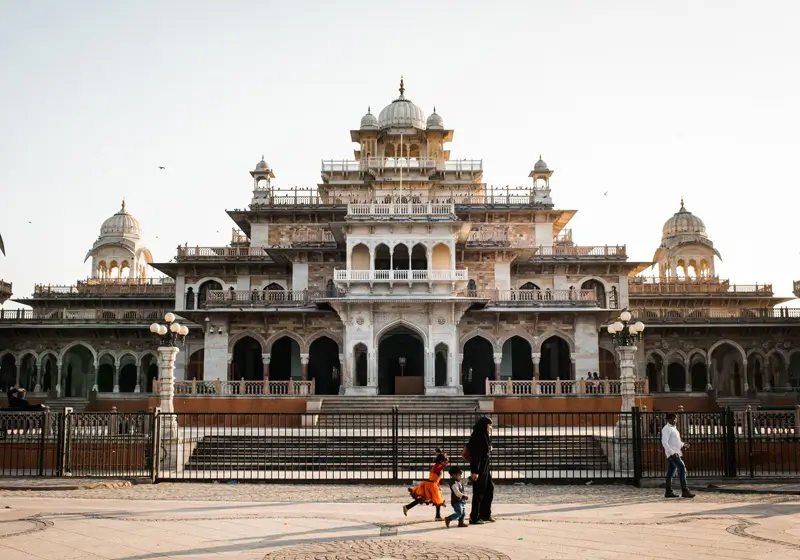
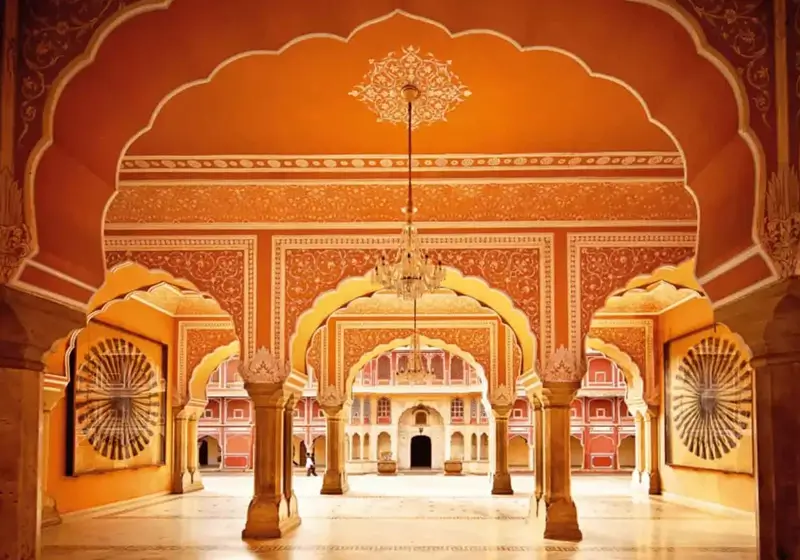
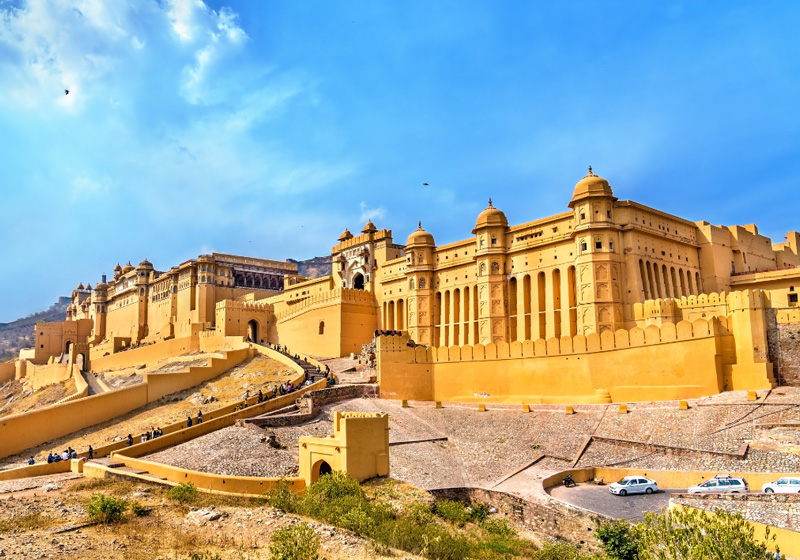
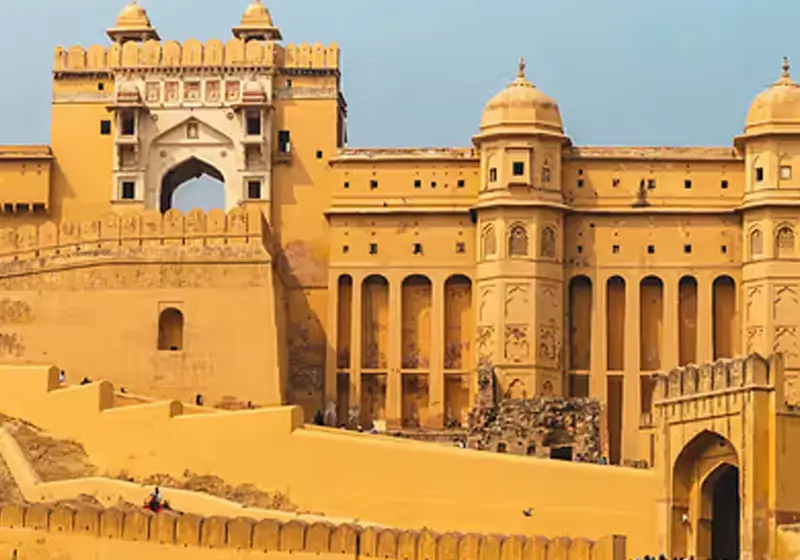
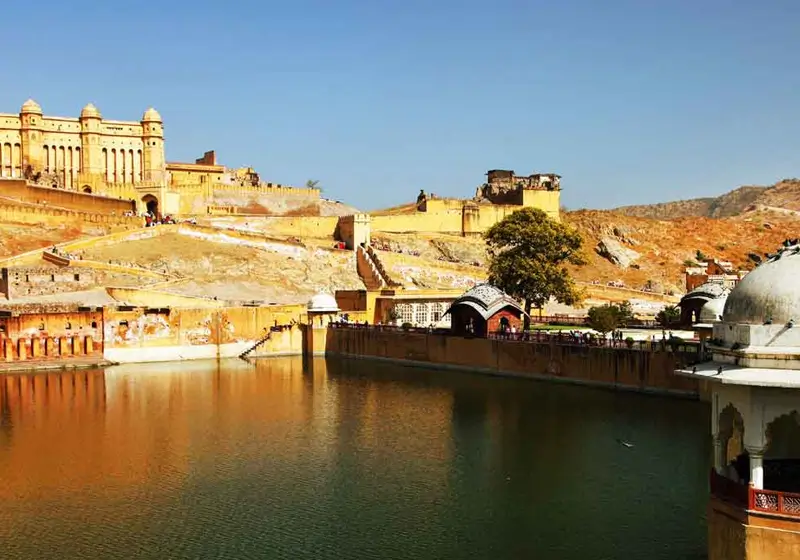
Amber Fort should receive a substantial morning. City Palace, Jantar Mantar and the Hawa Mahal area can form another sightseeing section. The additional time allows travellers to visit markets, see traditional crafts, enjoy a good restaurant or simply return to the hotel during the afternoon.
From Jaipur, the private Rajasthan tour can continue to Jodhpur.
The drive occupies a significant part of the day, so the arrival evening should normally remain free. This is where realistic pacing becomes important. Adding another two-hour sightseeing programme after a long road journey may make the itinerary look fuller, but it does not necessarily make the holiday better.
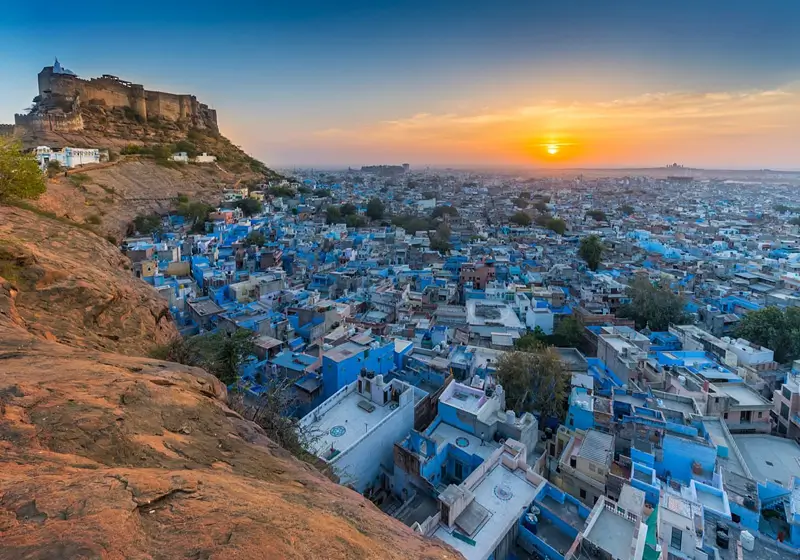
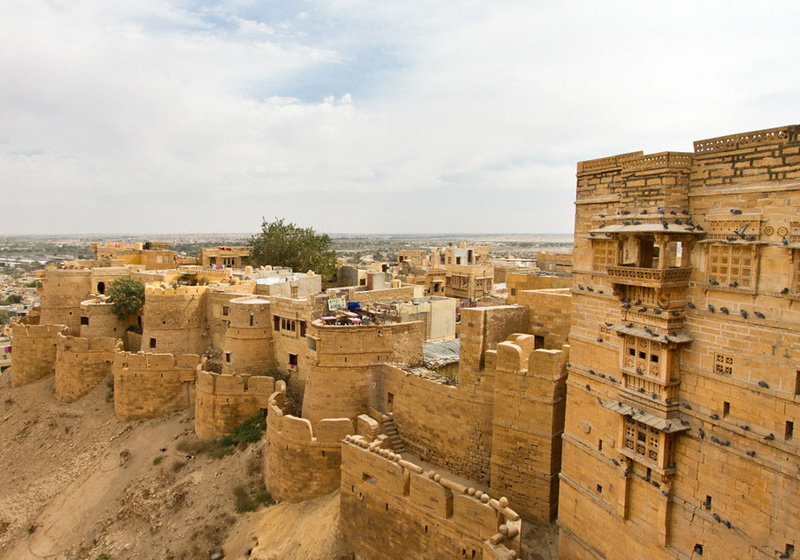
Jodhpur deserves two nights. Mehrangarh Fort is the principal attraction and can easily occupy several hours for travellers interested in history and architecture. The blue neighbourhoods and old-city markets provide another side of the destination.
The route can then continue towards Udaipur, potentially incorporating a stop around Ranakpur when suitable.
Udaipur can receive the final three nights, depending on international departure arrangements.
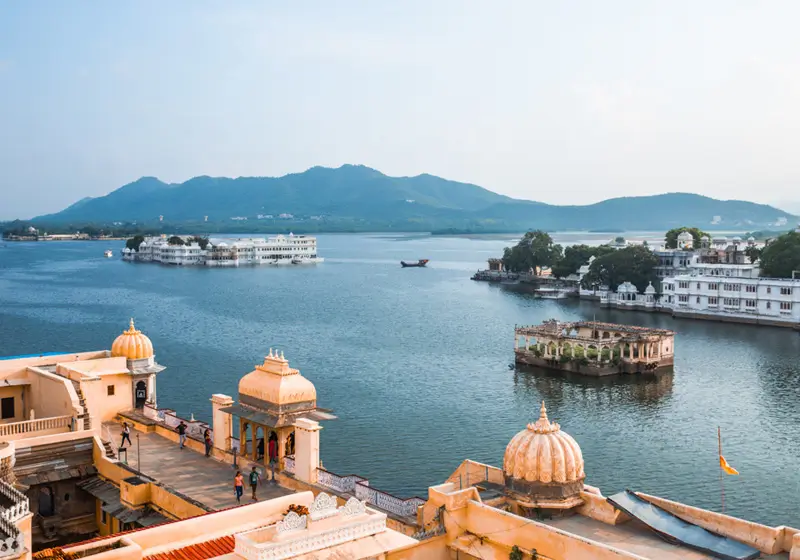
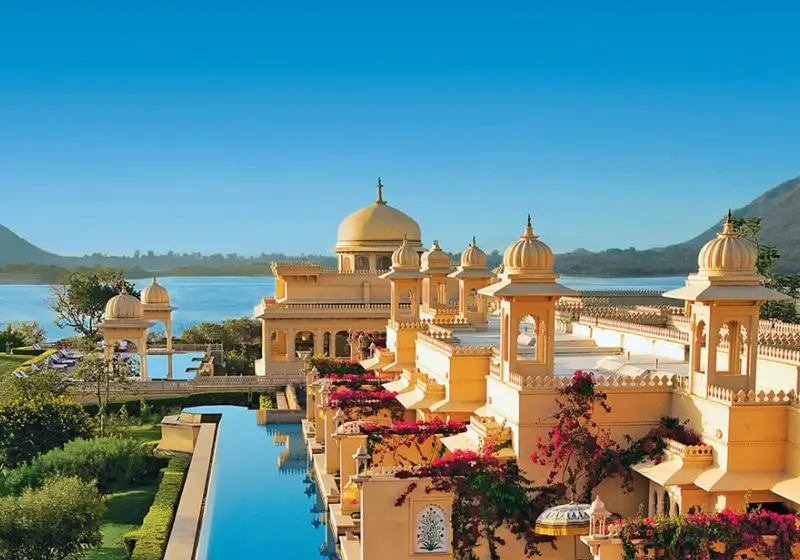
City Palace and Lake Pichola are the major attractions, but Udaipur also works extremely well as a slower final section. Travellers staying at a lake-facing or heritage hotel should have enough time to enjoy the property rather than spending every daylight hour outside sightseeing.
This Delhi-Agra-Jaipur-Jodhpur-Udaipur combination provides substantial variety without requiring a domestic flight between every city.
Explore India in 14 days with a personalised private tour covering the Golden Triangle, Rajasthan, Ranthambore or Varanasi. Enjoy a private driver, comfortable hotels, expert local guides and a flexible itinerary tailored to your travel style.
Travellers who want both historic monuments and wildlife can use their two weeks differently.
A Golden Triangle with Ranthambore tour can begin with Delhi, continue to Agra and then move towards Ranthambore before reaching Jaipur and Udaipur.
This route works particularly well for couples and families who do not want fourteen consecutive days of forts, palaces and monuments.
Delhi can receive two or three nights, depending on arrival time.
Agra can then receive one or two nights for the Taj Mahal and Agra Fort. The next transfer takes travellers towards Ranthambore using the most practical available road, rail or combined arrangement for the selected dates.
Ranthambore should receive at least two nights.
The purpose is not simply to put "tiger safari" on the itinerary. Safari schedules operate at specific times and are subject to availability, zones, vehicle allocation and local rules. Arriving one evening, taking one safari the following morning and immediately leaving provides little flexibility.
With two nights, travellers can potentially arrange more than one safari according to availability and budget.
Jeep safaris are highly requested because of the smaller vehicle format. Larger shared safari vehicles may also be available. The exact booking arrangements and charges should be confirmed at the time of reservation.
Tiger sightings cannot be guaranteed.
Ranthambore is a natural wildlife reserve, and animal movement changes from one safari to another. A responsible Ranthambore tiger safari package should never promise a tiger sighting as though the reserve were a controlled animal park.
The journey can continue to Jaipur for approximately three nights.
After Jaipur, travellers can continue towards Udaipur using the most suitable route. Depending on the total schedule, an intermediate stop or carefully selected transport connection may be required.
Udaipur provides an excellent finish because the pace can become slower after the early safari mornings and Rajasthan road journeys.
For two travellers, a good four-star 14 day Golden Triangle Ranthambore Rajasthan tour can realistically cost around US$4,200 to US$6,000, depending on safari arrangements and accommodation.
Five-star hotels and a premium wildlife resort can move the total to approximately US$6,500 to US$9,500 for two.
Luxury safari accommodation, premium palace hotels and upgraded room categories can take the price beyond US$11,000.
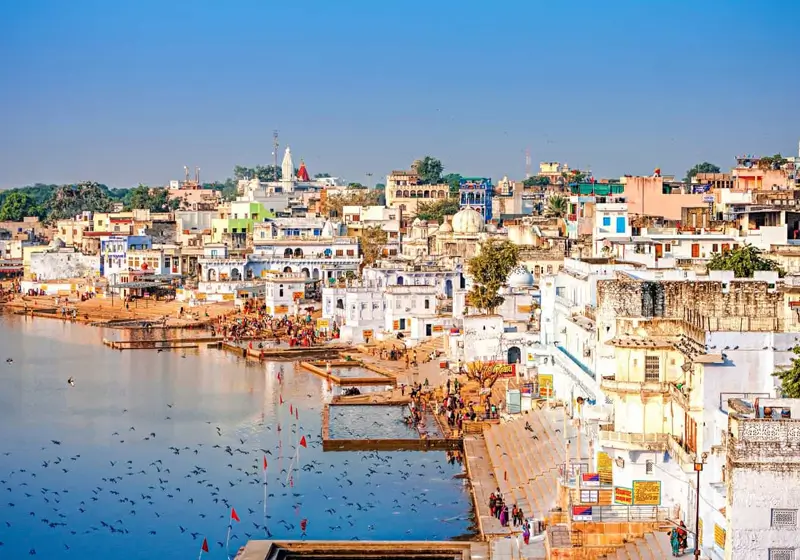
Varanasi creates one of the strongest alternatives for travellers who want more than Rajasthan.
A Golden Triangle and Varanasi tour combines monumental northern India with one of the country's most historically significant living cities. The route can cover Delhi, Agra and Jaipur before using a domestic flight or another appropriate long-distance connection for Varanasi.
Fourteen days means Varanasi does not have to be treated as a rushed one-night addition.
Delhi can receive three nights, Agra two and Jaipur three. Varanasi can then receive three nights, with the remaining time used for transport and the final departure city.
The exact sequence should depend on available domestic flights and the international arrival and departure airports.
Varanasi has a completely different atmosphere from the Golden Triangle.
The city's significance is closely connected with the Ganges, its ghats, temples, old lanes and religious traditions. An evening near the riverfront is usually one of the major experiences, while an early-morning boat ride provides another perspective when river and weather conditions permit.
A knowledgeable private guide is particularly valuable.
Many old-city lanes cannot be entered by standard tourist vehicles. Visitors should therefore expect some walking. Senior travellers and guests with mobility limitations should discuss their requirements before the booking is confirmed.
Three nights can provide enough time for the riverfront, old city and selected surrounding attractions without making every morning and evening compulsory sightseeing.
This route is particularly suitable for travellers interested in India cultural tour packages, photography, history and religious traditions.
For two people, a four-star fourteen-day Golden Triangle and Varanasi itinerary can realistically cost approximately US$4,000 to US$5,800, including normal private ground arrangements but excluding international airfare.
A five-star itinerary can cost approximately US$6,000 to US$8,500 for two.
Premium accommodation, flexible domestic airfare and high-end private services can take the total beyond US$10,000.
The price of a 2 week India tour package for two should always be connected to specific inclusions.
A low advertised amount has little meaning when travellers later need to pay separately for airport transfers, monument tickets, guides, domestic flights, tolls and major activities.
For a private fourteen-day journey using reliable four-star hotels, an air-conditioned vehicle and selected local guides, approximately US$270 to US$390 per day for two travellers is a practical higher-side land budget.
That places many four-star itineraries around US$3,800 to US$5,500 for two people.
A five-star private journey can require approximately US$430 to US$650 per day for two, placing a fourteen-day package around US$6,000 to US$9,000.
Premium luxury can exceed US$750 to US$1,100 per day for the couple.
At this level, travellers may be using prestigious palace hotels, premium suites, luxury vehicles, exclusive dining arrangements and high-category resorts.
International airfare is generally separate.
Domestic flights should also be clearly identified. A Delhi-Agra-Jaipur-Jodhpur-Udaipur road itinerary may need little or no domestic air travel depending on the final departure arrangement. Adding Varanasi makes a flight considerably more useful.
Entrance fees can form another noticeable expense across fourteen days.
Major sites such as the Taj Mahal, Agra Fort, Qutub Minar, Humayun's Tomb, Amber Fort and City Palace have separate admission arrangements. Foreign visitor rates can be higher than domestic rates.
A complete India private tour cost should therefore state whether entrance fees are included or payable directly.
Meals need the same clarity.
Breakfast is commonly included with hotels. Keeping lunch and dinner independent provides flexibility, particularly in Delhi, Jaipur and Udaipur where travellers may want to select their own restaurants.
At wildlife resorts or remote heritage properties, half-board or full-board can be more practical.
Make your two weeks in India unforgettable with a tailor-made private itinerary. Combine Delhi, Agra, Jaipur, Jodhpur, Udaipur, Ranthambore or Varanasi with private transportation and carefully selected hotels. Get your free custom itinerary today.
Accommodation has a major impact on the final price of a fourteen-day holiday.
Good four-star hotels are suitable for travellers who want clean, comfortable rooms, breakfast and reliable facilities without paying heavily for the hotel name.
This category can work especially well for active travellers who expect to spend most of the day sightseeing.
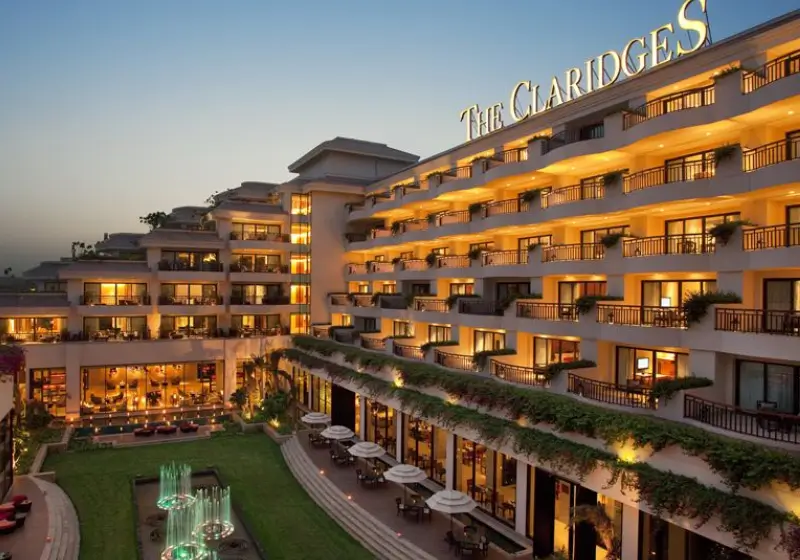
Five-star hotels offer more facilities, higher service standards and often stronger locations. They can also provide welcome comfort after long Rajasthan road journeys.
Luxury heritage hotels and palace properties are different again.gar
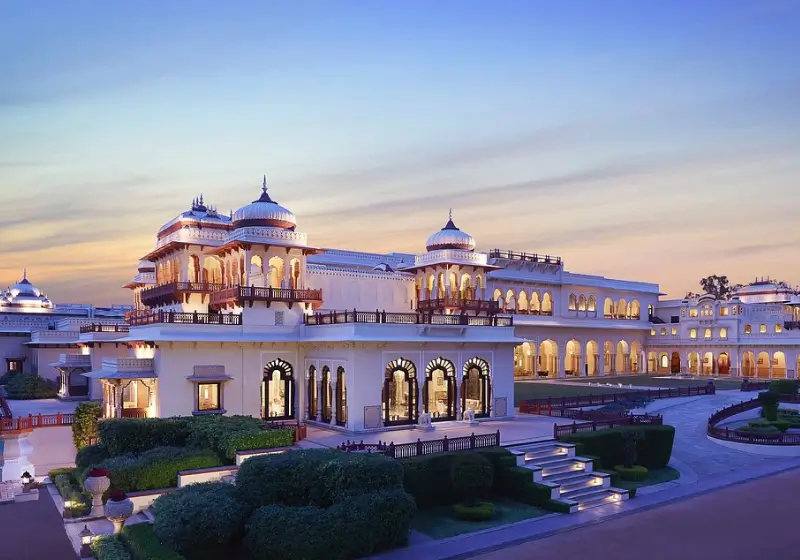
Jaipur, Jodhpur and Udaipur have some of India's most distinctive historic accommodation. Travellers can sleep in restored residences and former royal properties rather than conventional modern hotels.
A luxury Rajasthan tour package can therefore become significantly more expensive even when the route itself remains unchanged.
Room category is crucial.
In Agra, a room marketed with a Taj Mahal view can cost substantially more than a standard room in the same property.
In Udaipur, lake-facing rooms and suites may carry significant premiums.
Travellers should therefore ask for the exact room name rather than accepting a quotation that simply says "five-star hotel."
Couples may decide that a premium Udaipur room is worth the extra expense, while families may prefer to spend the same budget on two larger rooms at another hotel.
A balanced fourteen-day itinerary can combine categories.
For example, travellers might use four-star or standard five-star hotels in Delhi, upgrade for a Taj-view stay in Agra, select a heritage hotel in Jaipur and reserve their largest accommodation budget for Udaipur.
This approach can provide memorable hotels without making every night extremely expensive.
A dedicated vehicle is one of the most valuable services on a road-based northern India holiday.
A 14 day India tour with private driver allows travellers to move directly from one hotel to another without repeatedly handling luggage at railway stations or following fixed group schedules.
Delhi to Agra and Agra to Jaipur are particularly practical private-road sectors.
Rajasthan also works well by car, although journeys between Jaipur, Jodhpur and Udaipur are longer. Travellers should treat these as transfer days rather than expecting full sightseeing before and after every drive.
Vehicle selection matters.
Two passengers travelling lightly may be comfortable in a sedan. An MPV can provide more space on long road journeys and may be preferable when travellers have larger luggage.
Families require careful calculation of both seating and luggage capacity.
A vehicle that technically seats six people may not have enough storage for six international-size suitcases. The booking should therefore specify passenger and luggage requirements.
The transport quotation should include or clearly identify fuel, tolls, parking, applicable interstate taxes and driver expenses.
The driver is responsible for transportation and should not automatically be treated as a professional sightseeing guide.
Local guides can join in Delhi, Agra, Jaipur and other destinations. Their specialist knowledge makes historic monuments considerably more meaningful.
Fourteen days provides enough time for a substantial holiday, but only when the daily pace remains sensible.
A common mistake is to schedule early sightseeing, a six-hour road journey and evening activities on the same day. Repeating this several times can make travellers exhausted by the second week.
A better private India itinerary for 14 days uses two- and three-night stays.
Three nights in Delhi allow recovery after the international journey. Three nights in Jaipur create time for sightseeing and shopping. Two nights in Jodhpur avoid an immediate departure after a long arrival drive. Three nights in Udaipur allow the holiday to finish at a slower pace.
Families should include hotel time.
Children may enjoy forts, tuk-tuk rides, markets and the Taj Mahal, but repeated museum-style sightseeing can become tiring. A free afternoon at a hotel with a swimming pool may improve the overall family holiday more than another monument.
Senior travellers benefit from later departures, comfortable vehicles and reduced walking where possible.
Historic attractions can involve uneven surfaces, stairs and substantial distances. Accessibility requirements should be discussed before arrival.
Couples may want free evenings, especially in Jaipur and Udaipur.
Private travel makes these adjustments possible because the holiday is not tied to the timetable of a large group.
A detailed quotation should identify every major component before payment.
Hotel names and room categories should be stated for every night. Breakfast or other meal arrangements should be clear.
The vehicle category should be named, together with driver expenses, tolls and parking where included.
Airport transfers should cover both international and any domestic flights forming part of the itinerary.
Local guides should be identified by city.
Domestic flight sectors should state whether airfare is included or charged separately.
Ranthambore travellers should have safari arrangements clearly listed, including the number of drives and the booked vehicle type where confirmed.
Monument entrance fees should either be included or specifically shown as excluded.
Taxes and mandatory charges should also be clear.
This level of detail makes it possible to compare two 14 day India tour packages properly. A quotation that appears several hundred dollars cheaper may offer no saving at all once entrance tickets, guides, transfers and activities are added later.
Yes. Fourteen days is enough for a substantial private journey when the route is concentrated. Delhi, Agra, Jaipur, Jodhpur and Udaipur make an excellent two-week combination, while Ranthambore or Varanasi can be included in alternative routes.
A good four-star private itinerary can realistically cost around US$3,800–US$5,500 for two travellers, excluding international flights. Five-star arrangements can range around US$6,000–US$9,000, while premium luxury can exceed US$10,000.
Delhi, Agra, Jaipur, Jodhpur and Udaipur provide one of the strongest first-time routes. It combines the Taj Mahal, major Mughal monuments and several important Rajasthan cities without requiring excessive domestic flights.
Yes. At least two nights should be allocated to Ranthambore. Safari bookings depend on availability and local regulations, and tiger sightings cannot be guaranteed.
Yes. Fourteen days gives enough time to cover all four destinations comfortably, particularly when a domestic flight is used for the longer Varanasi sector.
Three nights work very well within a fourteen-day itinerary. This provides time for Amber Fort, City Palace, Jantar Mantar, the old city, shopping and some free time.
Yes. A private India tour with car and driver is particularly useful across Delhi, Agra and Rajasthan because it provides direct hotel-to-hotel transfers, flexible rest stops and control over departure times.
Four-star hotels can provide excellent comfort at a lower total price. Five-star hotels offer more facilities and premium service, while heritage and palace properties can make the accommodation itself a major part of the Rajasthan experience.
It depends on the package. Some quotations include all listed entrance fees, while others leave them payable locally. The inclusion sheet should state this clearly before booking.
Yes. A 2 week private India tour can be adapted according to the travellers. Couples can include heritage hotels and free evenings, families can use larger vehicles and lighter sightseeing days, while senior travellers can have slower starts, additional rest periods and fewer hotel changes.
Fill in the details below. Our expert consultant will respond within 4 hours with a bespoke itinerary crafted just for you — completely free, no obligation.