Golden Triangle Tour for Food Lovers: What to Eat & Where

Golden Triangle Tour for Food Lovers: What to Eat & Where

Golden Triangle Tour for Food Lovers: What to Eat & Where

Golden Triangle Tour for Food Lovers: What to Eat & Where


India is a paradise for food lovers, and nowhere is that more evident than in its iconic Golden Triangle circuit Delhi, Agra, and Jaipur. For first-time visitors and seasoned travelers alike, these three cities offer a culinary journey that’s as rich and varied as India’s culture itself. From spicy street food and Mughal-era kebabs to decadent sweets and royal Rajasthani feasts, every bite tells a story.

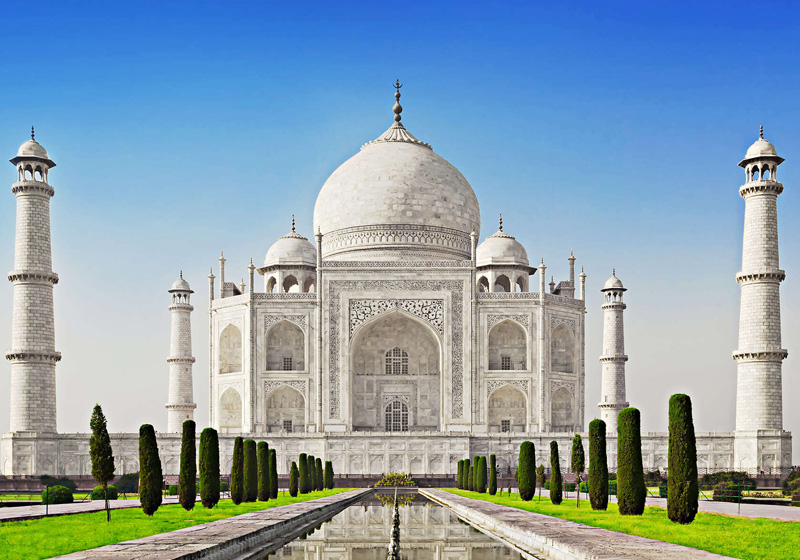
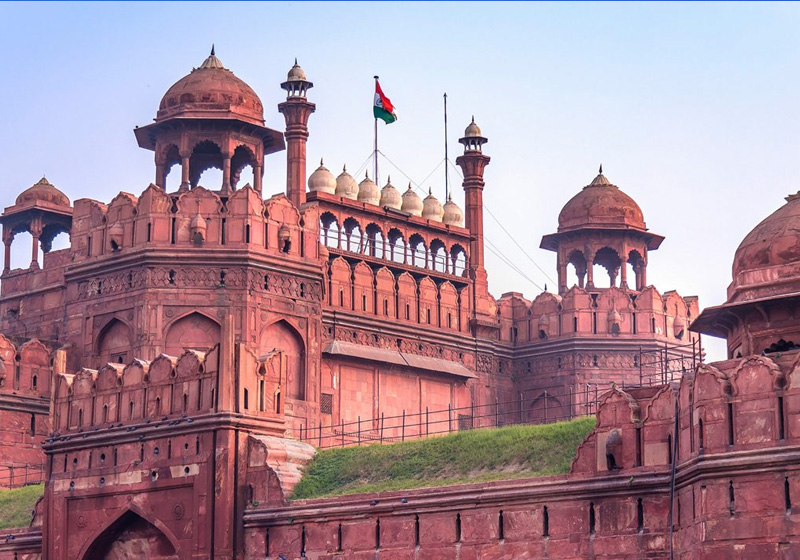
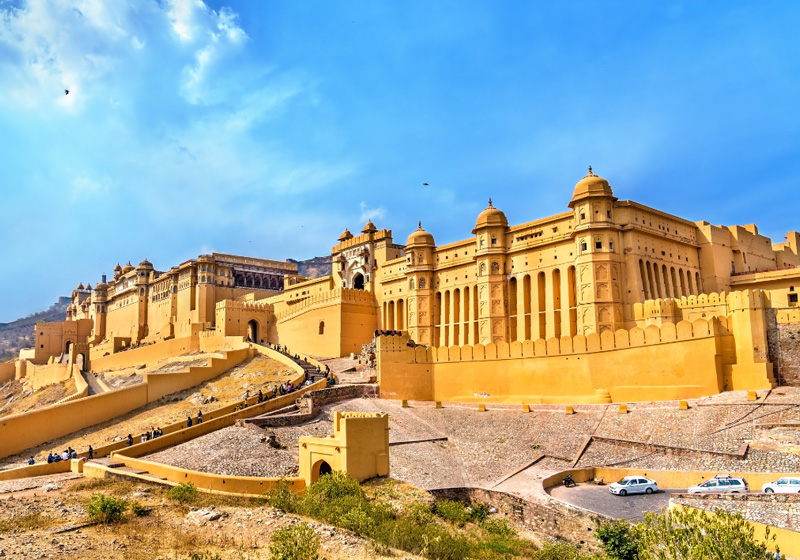
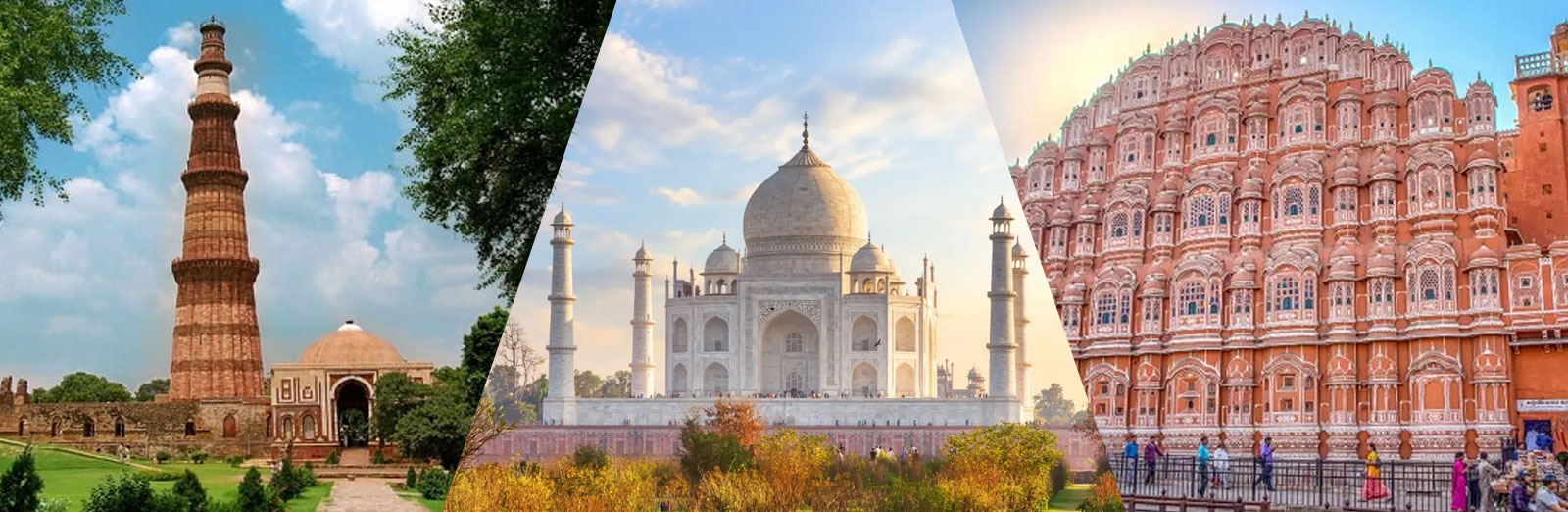
The Golden Triangle Tour is already popular for its historical landmarks — the Taj Mahal, Amber Fort, and Old Delhi. But for foodies, it becomes a gastronomic adventure through centuries of tradition, regional identity, and royal indulgence. This blog is a guide for anyone who wants to explore India through its most powerful sense: taste.

We’ll explore:

  • The top must-try dishes in Delhi, Agra, and Jaipur
  • Street food vs fine dining
  • Vegetarian and non-vegetarian options
  • Food hygiene and safety tips for foreigners
  • Premium restaurants for a luxury food tour
  • Local ingredients and spice culture
  • Insider tips on food walks, cooking classes, and authentic dining experiences

So, get ready to eat your way through the Golden Triangle — one flavorful, spiced, and unforgettable stop at a time.


Why the Golden Triangle is a Culinary Heaven

The beauty of the Golden Triangle’s food lies in its diversity:

  • Delhi blends Mughlai cuisine with Punjabi flavors and street food innovation.
  • Agra retains its Persian-inspired royal recipes alongside sweet shops passed down generations.
  • Jaipur offers fiery Rajasthani dishes and royal kitchen secrets rarely found elsewhere.

This region represents North India’s culinary evolution — from Mughal emperors to local dhabas, from spice bazaars to Michelin-rated chefs.

And whether you’re a fan of vegetarian thalis, succulent kebabs, creamy gravies, or milky desserts, the Golden Triangle has it all.


Delhi: The Street Food Capital of India

Delhi is India’s undisputed capital of street food. Here, you’ll find ancient Mughal recipes, Punjabi comfort food, and experimental modern fusions — often side by side on the same street.

Must-Try Dishes in Delhi

  • Chole Bhature: Puffy fried bread with spicy chickpea curry — perfect breakfast or brunch.
  • Butter Chicken: Born in Delhi’s Moti Mahal — creamy, smoky, unforgettable.
  • Aloo Tikki & Chaat: Spiced potato patties with yogurt, tamarind, and crunchy sev.
  • Paranthas: Stuffed flatbreads with fillings like potato, cauliflower, or paneer.
  • Kebabs: Seekh, kakori, and galouti kebabs served with mint chutney.
  • Kulfi: Traditional Indian ice cream, often served on a stick or in clay pots.

Don’t miss Old Delhi’s Chandni Chowk, where every alley leads to a new flavor.

Top Food Experiences in Delhi

Paranthe Wali Gali – 150-year-old shops serving deep-fried stuffed breads.
Karim’s near Jama Masjid – legendary Mughal meat dishes.
Khan Market & Connaught Place – modern cafés and fusion food spots.
India Habitat Centre – cultural food festivals and regional cuisine.

Tip: Join a Delhi food walk with a local guide to understand food history and try authentic dishes safely.


Agra: Mughlai Cuisine and Iconic Sweets

Agra’s food legacy is deeply tied to its Mughal roots. This is a city where kebabs were perfected, meats were slow-cooked for hours, and desserts were designed to impress royalty.

Must-Try Dishes in Agra

  • Mutton Korma: Rich and aromatic, slow-cooked in copper pots.
  • Tandoori Chicken: Cooked in clay ovens with smoky spice rubs.
  • Nihari: Spicy stew often enjoyed as a breakfast delicacy by locals.
  • Dalmoth: Crunchy snack made of fried lentils and spices.
  • Petha: Agra’s most famous sweet — a translucent, soft candy made from ash gourd.
  • Bedai & Aloo Sabzi: Breakfast combo found at every local corner — spicy and satisfying.

Top Food Spots in Agra

  • Dasaprakash – For South Indian meals in a classic setting.
  • Jahanpanah – Known for Lucknowi and Awadhi delicacies.
  • Mama Chicken Mama Franky House – Local favorite for non-veg rolls and grilled meats.
  • Panchi Petha – Multiple outlets offering over 30 varieties of Petha.

For a royal Mughlai experience, dine at a heritage haveli or book a curated dinner near the Taj Mahal.


Jaipur: Royal Kitchens, Spices & Rajasthani Thalis

If Delhi and Agra offer spice and silk, Jaipur brings color and courage to the plate. Known for its fiery food, rich ghee-based cooking, and vegetarian variety, Jaipur’s cuisine reflects its arid geography and martial traditions.

Must-Try Dishes in Jaipur

  • Dal Baati Churma: Round wheat dumplings served with lentils and sweetened crushed wheat — Rajasthan on a plate.
  • Gatte Ki Sabzi: Chickpea flour dumplings in a spicy yogurt curry.
  • Ker Sangri: Desert beans cooked in spices — an acquired taste, but unique to Rajasthan.
  • Laal Maas: Spicy red mutton curry originally served to Rajput warriors.
  • Rabri: Thickened sweet milk, often flavored with saffron and cardamom.
  • Mirchi Bada: Deep-fried green chili stuffed with potato mash.

Rajasthani cuisine is bold — for the adventurous food lover who loves heat, flavor, and depth.

Top Food Spots in Jaipur

  • Laxmi Mishthan Bhandar (LMB) – Iconic for sweets and thalis.
  • 1135 AD (at Amber Fort) – Royal dining experience in a palace setting.
  • Chokhi Dhani – Folk-themed village with traditional Rajasthani buffet.
  • Bar Palladio – Italian cuisine in a palace ambiance — great for food variety seekers.

Vegetarian vs Non-Vegetarian: India’s Inclusive Food Culture

India is heaven for vegetarians, with 40% of the population avoiding meat. But it’s equally satisfying for meat lovers, especially in the Golden Triangle.

Category Recommended Dishes
Vegetarian Dal Baati, Paneer Butter Masala, Chole, Gatte Ki Sabzi, Chaat
Non-Vegetarian Butter Chicken, Nihari, Mutton Korma, Laal Maas, Kebabs

Many restaurants in Jaipur and Agra specialize in vegetarian royal cuisine, using lentils, yogurt, and local spices innovatively.


Sweet Tooth? You’re in the Right Country

India's desserts are an event in themselves — syrupy, milky, sometimes nutty, and always rich. In the Golden Triangle, sweets are often offered after meals or during festivals, and every region has its specialty.

Must-Try Desserts

  • Gulab Jamun – Deep-fried dough balls in rose syrup
  • Jalebi – Orange coils of crunchy sweetness
  • Petha (Agra) – Soft candy made from white pumpkin
  • Ghewar (Jaipur) – Disc-shaped honeycomb sweet soaked in syrup
  • Kheer – Indian rice pudding with saffron and cardamom

For a royal dessert experience, try Rabri Ghewar or Saffron Rasmalai served at palace hotels.


Food Safety Tips for International Travelers

  • Always eat at busy places with good turnover — freshness guaranteed.
  • Drink only bottled or filtered water — never tap water.
  • Avoid raw salads unless in upscale or hotel restaurants.
  • Be cautious with street food — try only where it's being cooked hot and fresh.
  • Carry basic medicines for digestion and hydration.

Tip: Use hand sanitizers and avoid ice in drinks outside hotels.


Premium Food Experiences for the Luxury Traveler

If you're a gourmet traveler looking for more than just “good food,” India offers curated culinary experiences that blend culture and cuisine:

  • Private royal dining in Jaipur with musicians and candlelight
  • Food walks with chefs in Old Delhi and local bazaars
  • Cooking classes with Rajasthani home chefs
  • Taj Mahal view dinners with Mughlai tasting menus
  • Heritage hotel breakfasts with traditional Indian recipes

Combine your Golden Triangle trip with culinary tourism and you’ll leave with both memories and mouthwatering stories.


Exploring Local Markets: Where India’s Food Journey Begins

To understand Indian cuisine, one must visit its local markets. These vibrant spaces are the soul of every Indian kitchen — brimming with spices, seasonal produce, grains, sweets, and street food stalls.

Top Food Markets in the Golden Triangle

  • Chandni Chowk (Delhi)
  • A culinary maze dating back to the Mughal era. Discover lanes like Khari Baoli (Asia’s largest spice market), and Paranthe Wali Gali for deep-fried bliss.
  • Sadar Bazar (Agra)
  • Ideal for dry fruits, local snacks like dalmoth, and sweet shops selling freshly made petha and gajak.
  • Tripolia Bazaar (Jaipur)
  • While known for textiles and jewelry, you’ll find stalls selling Rajasthani spices, papads, and pickles.

Visiting these markets with a local food guide can give you insider access to the best stalls, trusted vendors, and even small spice-blending workshops.


Understanding Indian Spices: The Heart of Every Dish

Indian food is not just spicy — it’s spice-full, meaning every dish is a symphony of flavors layered with intention. The Golden Triangle is a masterclass in spice usage.

Commonly Used Spices

  • Turmeric (Haldi) – Anti-inflammatory and adds earthiness.
  • Cumin (Jeera) – Toasted or ground, adds smokiness.
  • Coriander (Dhaniya) – Bright and citrusy; used in powder or seed form.
  • Red Chili Powder (Lal Mirch) – Heat varies by region.
  • Garam Masala – A warm spice blend, each region makes it differently.
  • Asafoetida (Hing) – Pungent but essential in many vegetarian dishes.

Spice blends are usually toasted, ground, and added in layers during cooking — a technique best understood during a cooking class or kitchen demo.


Cooking Classes & Culinary Workshops in the Golden Triangle

Want to bring Indian flavors home? Join a hands-on cooking class or workshop. Many are hosted by home chefs, heritage hotels, or curated travel experiences.

Popular Experiences

  • Home-style cooking in Jaipur: Learn how to make dal baati churma, chapatis, and traditional chutneys from a Rajasthani host.
  • Delhi kitchen walk: Visit a spice market, followed by a demo in an old Haveli-style home.
  • Mughlai masterclass in Agra: Recreate rich gravies and kebabs from the royal era.

Classes often include a full meal, recipes to take home, and a cultural exchange that makes it more than just a food activity.


Fusion & Modern Indian Cuisine: For the Experimental Palate

While traditional recipes dominate, the Golden Triangle is also home to a growing modern Indian dining scene, where chefs fuse age-old ingredients with international techniques.

Top Fine Dining Options

  • Indian Accent (Delhi) – Internationally acclaimed, serves blue cheese naan, meetha achaar pork ribs, and reinterpretations of classics.
  • Varq (Delhi, The Taj Mahal Hotel) – Art on a plate. Great for seafood lovers.
  • Baradari (Jaipur, City Palace) – Modern Indian in a heritage setting with royal recipes reimagined.
  • Peshawri (ITC Mughal, Agra) – Famous for its tandoori fare, served rustic-style without cutlery.

These restaurants offer tasting menus, wine pairings, and plush settings — ideal for foodies looking to indulge in luxury India travel with a culinary twist.


Cultural Etiquette Around Food in India

  • Eat with your right hand — left is considered impolite.
  • Don’t waste food — take small portions, especially at homes.
  • In homes or small dhabas, shoes may need to be removed before entering.
  • Be open to sharing — Indian meals are often served communally.
  • Say “Namaste” or “Dhanyavaad” to express gratitude.

When in doubt, your private guide will assist you in navigating culinary customs respectfully.


Premium Culinary Tips for Food-Loving Travelers

  • Book guided food tours, not just restaurant tables — the stories are as flavorful as the dishes.
  • Opt for heritage hotels with regional chefs — many offer authentic menus from royal kitchens.
  • Request custom meals in hotels if you have dietary preferences — India accommodates vegetarian, vegan, gluten-free diets.
  • Learn basic spice terms — it helps when customizing your spice level.
  • Stay hydrated, especially when sampling spicy or street food.

Book a tour with us

We are delighted that you reached here.
Please share your queries with us regarding the booking tour with us.


Faq's

Are there Michelin-starred restaurants in India?

India doesn’t have Michelin stars yet, but several are Michelin-rated or internationally awarded.

Is Indian street food safe for foreigners?

Yes — if chosen wisely. Eat where it’s cooked fresh and hot, or go with a guide.
 

What if I can’t handle very spicy food?

Just say “less spicy, please” — most chefs can adjust spice levels.

Are there vegetarian and vegan options?

Absolutely — India has perhaps the world’s richest vegetarian cuisine.

What’s the best city in the Golden Triangle for food?

All three are amazing: Delhi for variety, Agra for Mughlai, and Jaipur for Rajasthani.

Are cooking classes included in tour packages?

They can be — ask your travel planner to include culinary activities.

Can I buy spices to take home?

Yes, just declare them at customs. Buy sealed packets from trusted shops.

What time do Indians usually eat lunch and dinner?

Lunch: 1–2 PM, Dinner: 8–9 PM (but tourists can eat earlier).

What should I drink with Indian meals?

Try lassi, masala chai, or stick to bottled water.

Is tipping expected in restaurants?

Yes — 5–10% is customary in mid to upscale places.

Are desserts served after meals?

Yes, especially in North India. Expect a sweet ending!

Can I eat beef or pork in India?

Rarely. India is predominantly vegetarian; pork is available in some places, but beef is avoided due to religious reasons.

Can I get alcohol with meals?

Yes, especially in luxury hotels and restaurants (except in some dry states).

What’s a “thali”?

A traditional platter with small servings of several dishes — a complete meal experience.