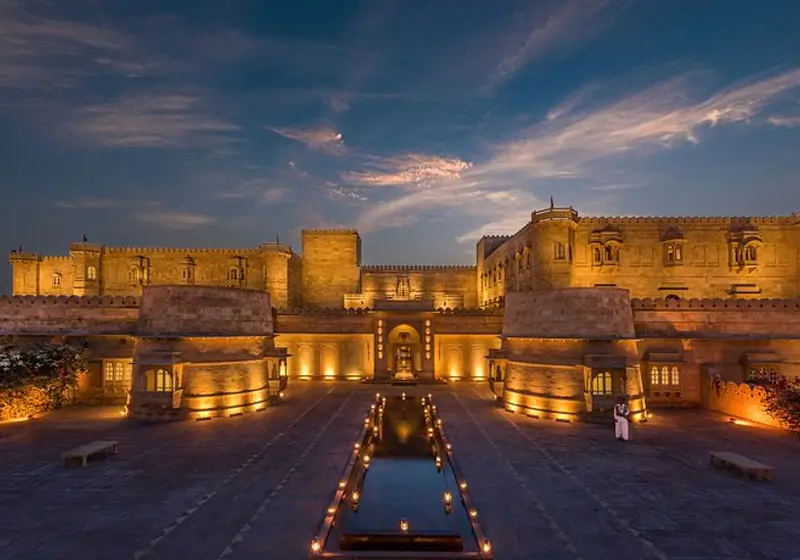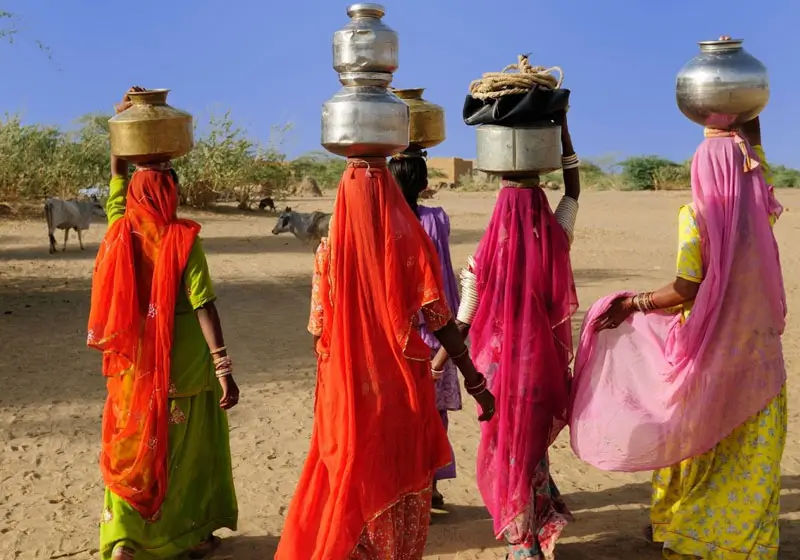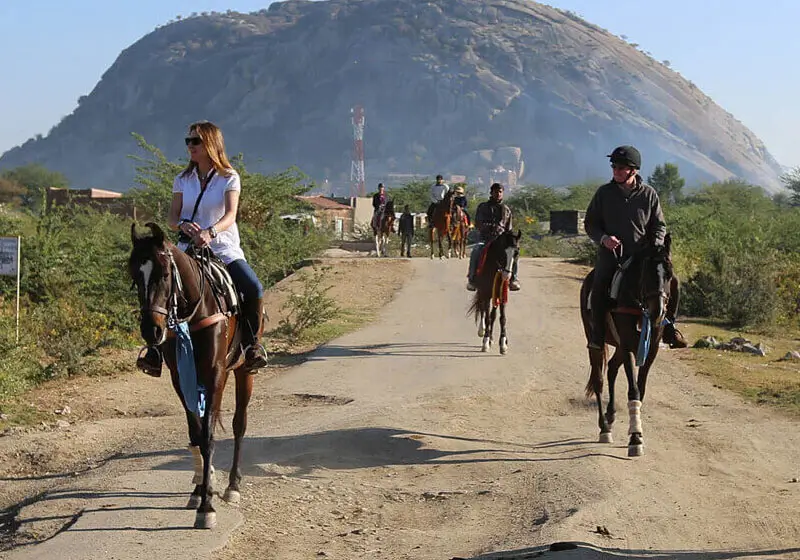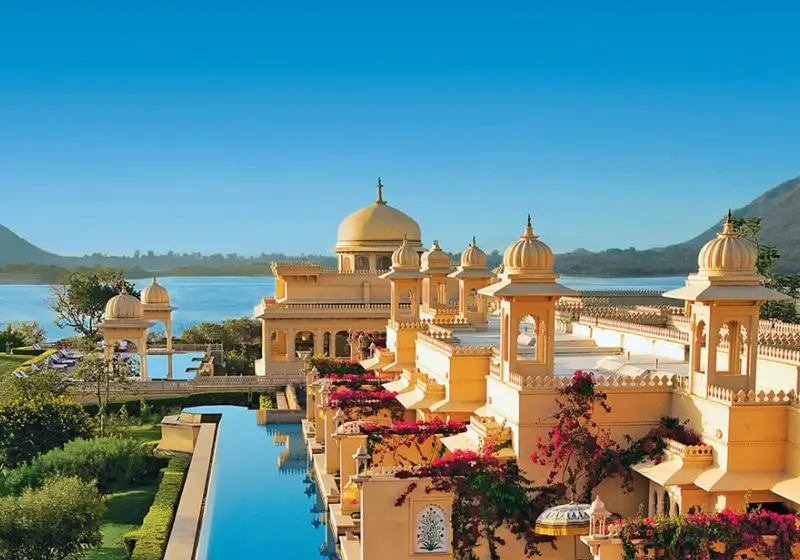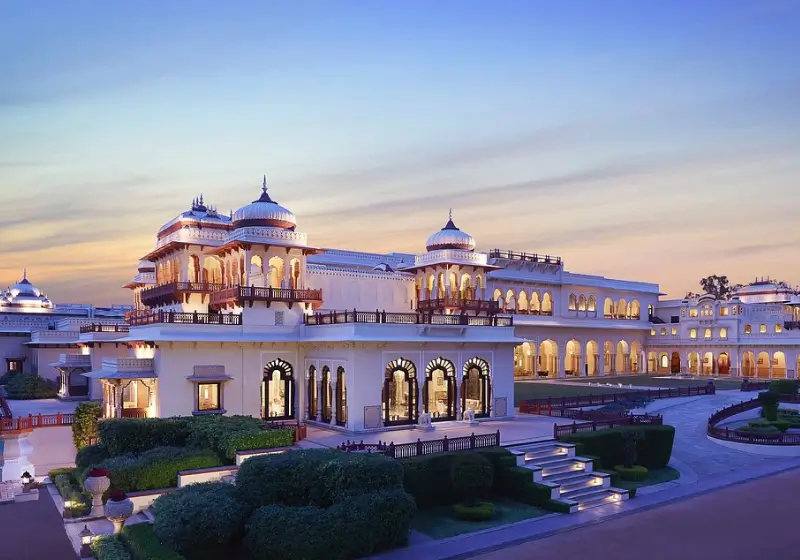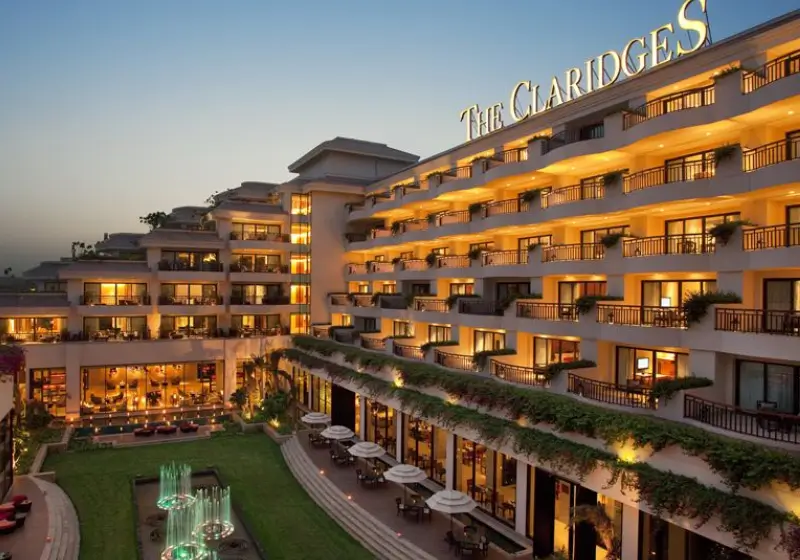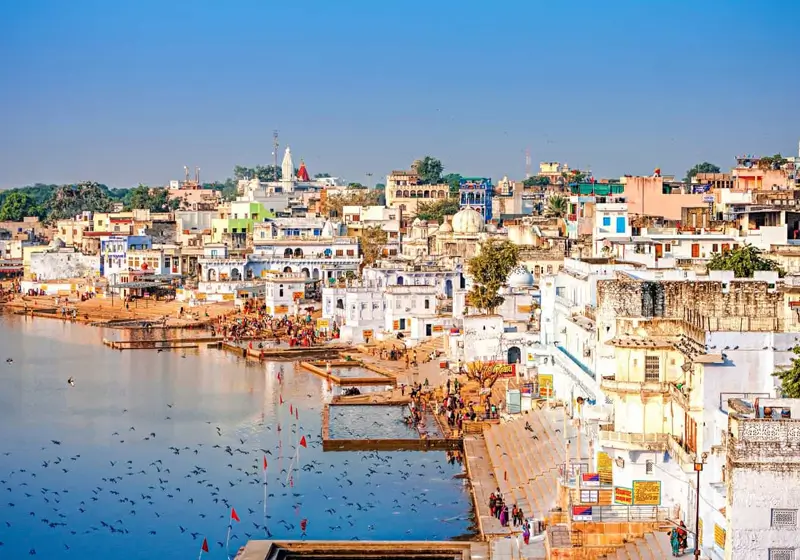
Jaipur, the vibrant capital of Rajasthan, is a city of royal splendor and cultural heritage. Known as the Pink City for its distinctive pink architecture, Jaipur offers a fascinating blend of history, art, architecture and vibrant local culture. Whether you’re a history lover, a photographer, or simply want to experience the charm of this majestic city, Jaipur has something special for everyone.
If you’re planning a trip to Jaipur and only have three days to explore, you’ll want to make the most of your time. In this guide, we’ve outlined a three-day itinerary of the best places to visit in Jaipur, so you can enjoy the city’s rich heritage, majestic palaces, bustling markets, and more.
Amber Fort -
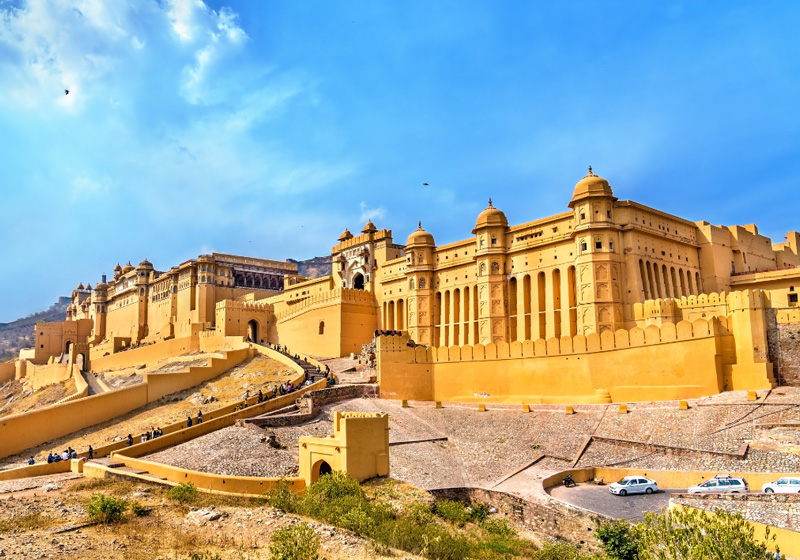
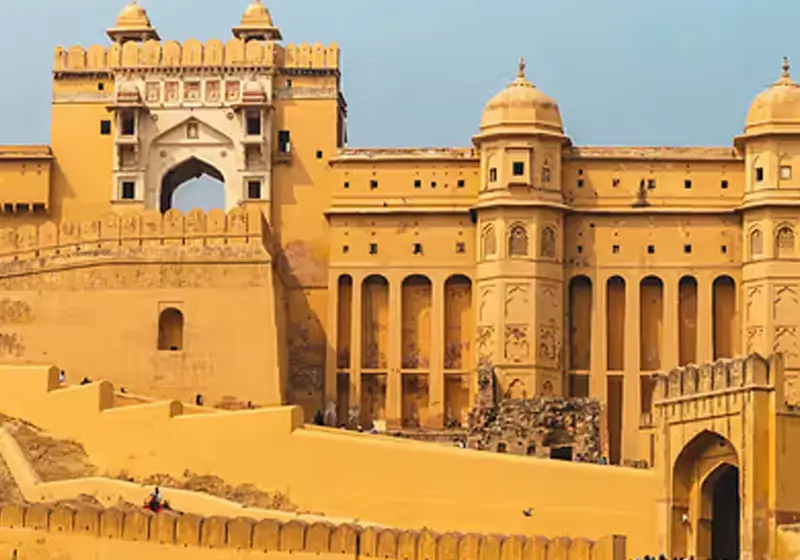
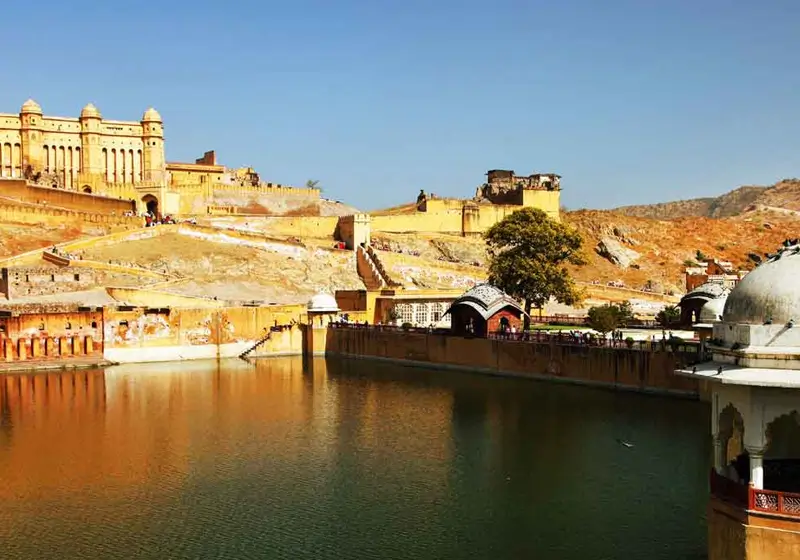
Start your Jaipur adventure at the iconic Amber Fort, located about 11 kilometers from the city center. The Amber Fort is a wonderful blend of Rajput and Mughal architecture and offers a glimpse into the grandeur of Rajasthan's royal history. The fort is located on a hilltop and offers a spectacular view of the surrounding area. You can take an elephant ride up to the fort or walk on the scenic route. Once inside, explore the intricately designed rooms, including the Sheesh Mahal (Mirror Palace), which is a masterpiece of glass work. The fort also has beautiful gardens, courtyards, and a museum showcasing the rich culture of Rajasthan.
Tips: Arrive early in the morning to avoid the crowds and the midday heat.
City Palace -
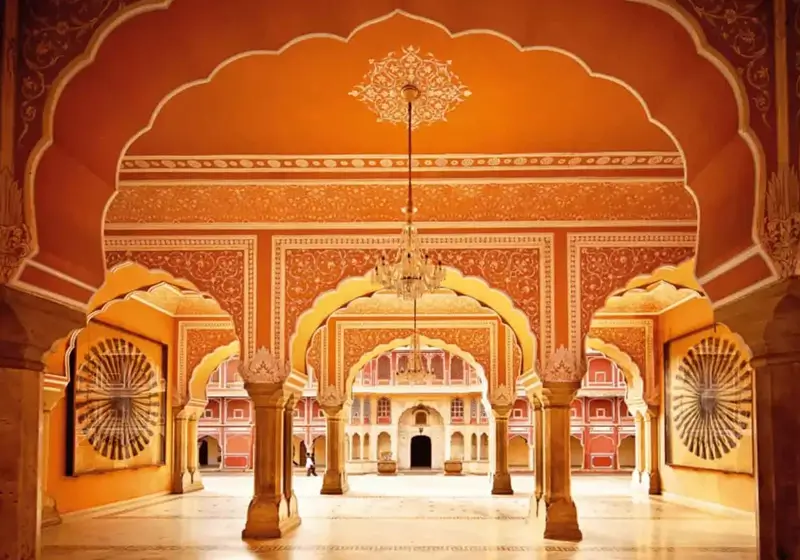
Next, head to the City Palace, located in the heart of Jaipur. This massive palace complex was the seat of the Maharaja of Jaipur and houses several courtyards, gardens, and museums. The palace displays a blend of Rajasthani and Mughal architectural styles. Don't miss the beautiful Chandra Mahal (Moon Palace), which is still the residence of the royal family. The museum at the City Palace houses an impressive collection of royal attire, armor and historical artifacts. The palace is also home to the Maharaja Sawai Man Singh II Museum, where you can see rare paintings, manuscripts, and royal artifacts.
Tips: Wear comfortable shoes, as you’ll be doing a fair bit of walking in the palace complex.
Jantar Mantar -
End your day with a visit to Jantar Mantar, an astronomical observatory built by Maharaja Jai Singh II in the 18th century. The observatory is home to a collection of huge instruments used for astronomical measurements and tracking celestial objects. The most impressive of these is the Samrat Yantra, the world's largest stone sundial. The observatory is a UNESCO World Heritage Site in Jaipur and a must-visit for anyone interested in science and history.
Tips: Jantar Mantar is best visited late in the afternoon or early evening to enjoy the cooler temperatures.
Hawa Mahal -
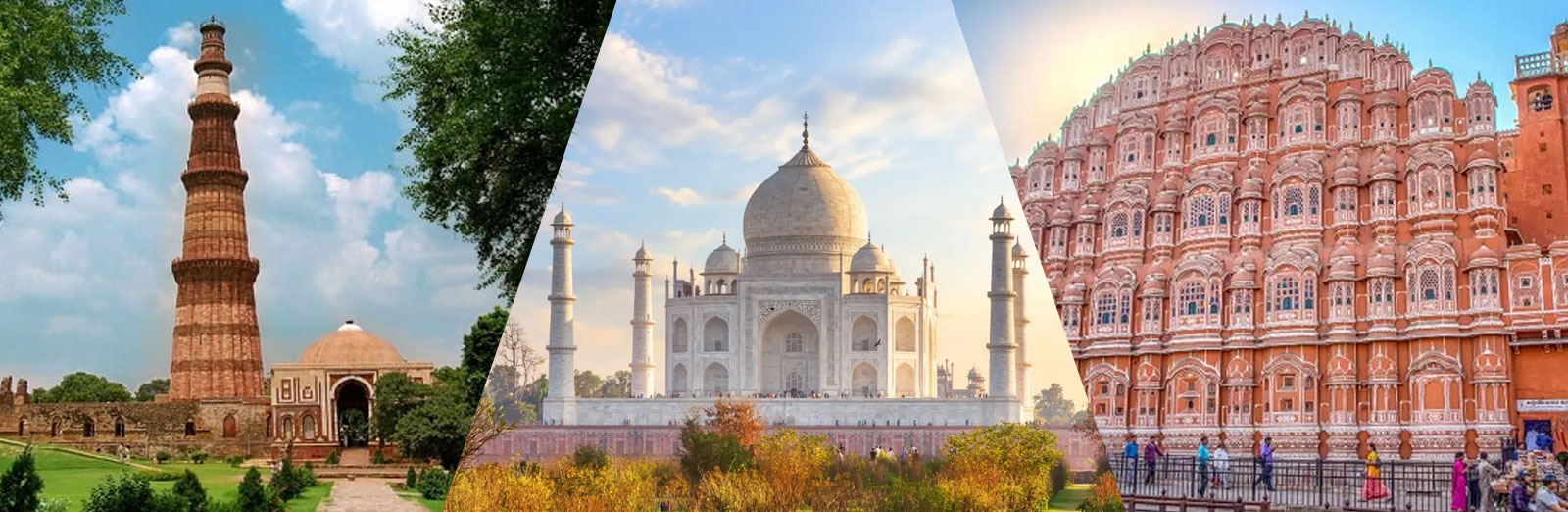
Start your second day at the Hawa Mahal, also known as the Palace of the Winds. This five-story palace is one of Jaipur's most iconic landmarks with its intricate jaali and stunning facade. It was built by Maharaja Sawai Pratap Singh in 1799 to allow the royal women to observe street festivals and processions without being seen by the public. You can visit the small museum located inside the Hawa Mahal and climb to the upper floors for a panoramic view of the city.
Tips: The best time to visit Hawa Mahal is early morning to avoid crowds and capture stunning photos of the building’s facade.
Albert Hall Museum -
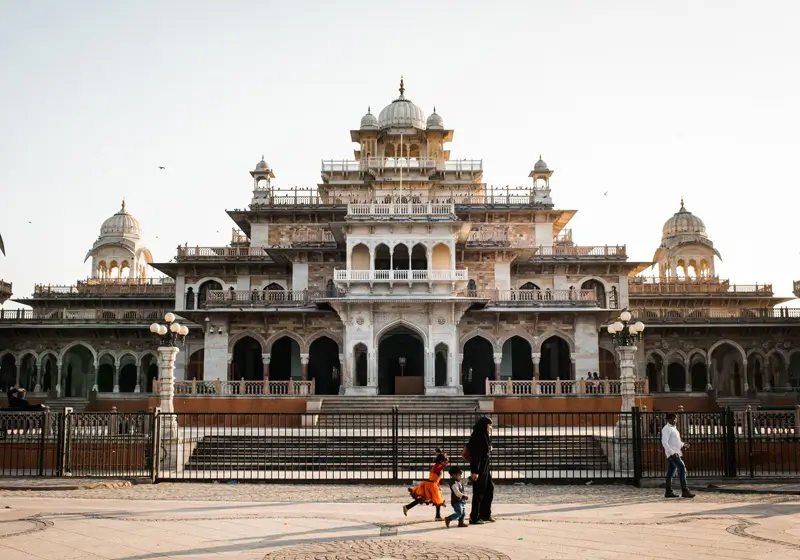
Next, head to the Albert Hall Museum, one of the oldest museums in Rajasthan. Located in the heart of the city, the museum is housed in a magnificent Indo-Saracenic-style building with a magnificent dome. Inside, you will find an extensive collection of artifacts, including ancient sculptures, paintings, textiles, and weapons. The museum's most famous exhibit is the Egyptian mummy, which draws a lot of attention from visitors. The museum's peaceful setting makes it an ideal place to learn more about Rajasthan's rich cultural heritage.
Tips: The museum is a great place to cool off during the hotter parts of the day.
Jaipur Markets -
In the evening, explore Jaipur's vibrant bazaars. Johari Bazaar, Bapu Bazaar and Tripolia Bazaar are filled with colourful textiles, jewellery, handicrafts and souvenirs. You can shop for traditional Rajasthani items like block-printed textiles, pottery, silver jewellery and camel leather goods. Be prepared to bargain to get the best deals!
For a truly unique experience, try local sweets like mawa kachori, ghevar and lassi.
Tips: Keep some cash handy, as many shops in the markets prefer cash transactions.
Nahargarh Fort -
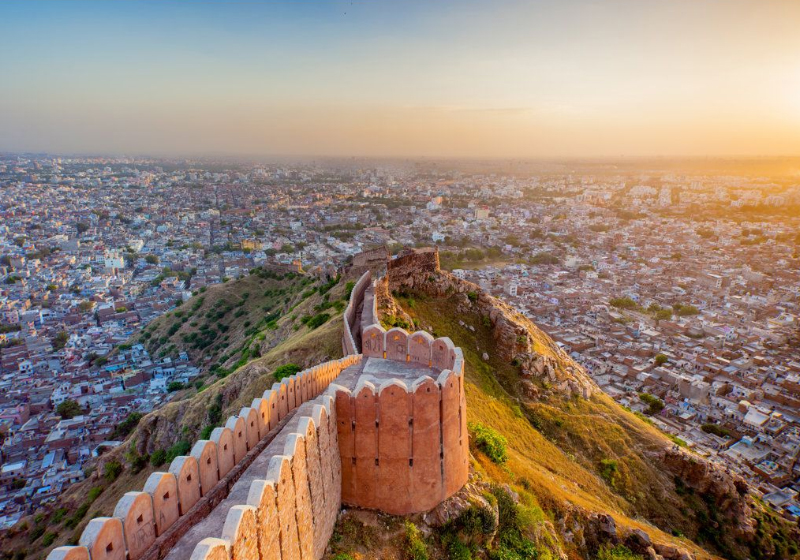
Start your third day with a visit to the Nahargarh Fort, situated on the Aravalli Hills. The fort offers some of the best panoramic views of Jaipur and is a great place to enjoy a peaceful morning. The fort was originally built as a retreat for the royal family, and today, it is a popular spot for both locals and tourists. The fort's stepwells, palaces, and even the unique Madhavendra Mahal, known for its beautiful frescoes, are worth visiting. It is a great place to relax and enjoy the stunning views of Jaipur at sunrise or sunset.
Tips: Don’t forget to bring your camera for breathtaking photos of the city.
Jaigarh Fort -
Close to the Nahargarh Fort, the Jaigarh Fort is another architectural marvel worth visiting. The fort is known for housing the world's largest wheeled cannon, Jaivana, and offers a fascinating look at the military history of the region. The fort is well-preserved and offers stunning views of the Amber Fort and the surrounding landscape. You can explore the fort complex, which includes temples, water tanks, and storage rooms. The well-maintained gardens and beautiful surroundings make the Jaigarh Fort a peaceful and less crowded place to visit.
Sisodia Rani Garden -
End your Jaipur adventure with a visit to the Sisodia Rani Garden, a beautiful historic garden built by Maharaja Sawai Jai Singh II for his queen Sisodia Rani. The garden features terraced levels, fountains, and murals depicting the love story of Radha and Krishna. This tranquil space is ideal for a relaxing walk or a peaceful afternoon. The garden is less touristy than other attractions, making it a perfect place to relax before your departure.
Tips: The best time to visit is during the early morning or late afternoon when the weather is cooler.
Conclusion
Jaipur is a city full of history, culture and vibrant energy, offering something for every kind of traveler. Whether you’re exploring the majestic forts and palaces, strolling through its colorful bazaars, or enjoying its beautiful gardens, Jaipur is sure to leave a lasting impression. By following this 3-day Jaipur itinerary, you’ll be able to experience the best the city has to offer, while making the most of your short stay. So pack your bags, put on your exploring shoes and get ready to experience the magic of Jaipur.
Amber Fort, Jal Mahal, City Palace, Hawa Mahal, Jantar Mantar, Jaipur Bazaar, Jaigarh Fort and Nahargarh Fort. For a cultural touch, don’t forget to visit Albert Hall Museum, Govind Devji Temple and Birla Mandir.
The most famous markets in Jaipur include
Johari Bazaar (for jewelry and traditional Rajasthani items)
Bapu Bazaar (for textiles and souvenirs)
Tripolia Bazaar (for brassware and home decor).
Yes, it’s possible to visit both in a single day. Start early with Amber Fort (about 11 km from the city center) and return to visit the City Palace in the afternoon. With this, you can also visit Jantar Mantar.
You can explore Jaipur by buying a sightseeing tour, hiring a local cab or auto-rickshaw, using the Jaipur Metro, or renting a bike/scooter for flexibility. Many attractions are close to each other, making taxis a convenient option.
Yes, hiring a local guide can enrich your experience, as they provide in-depth knowledge about the history and culture of Jaipur’s attractions. It’s especially helpful with historical places and offbeat places.
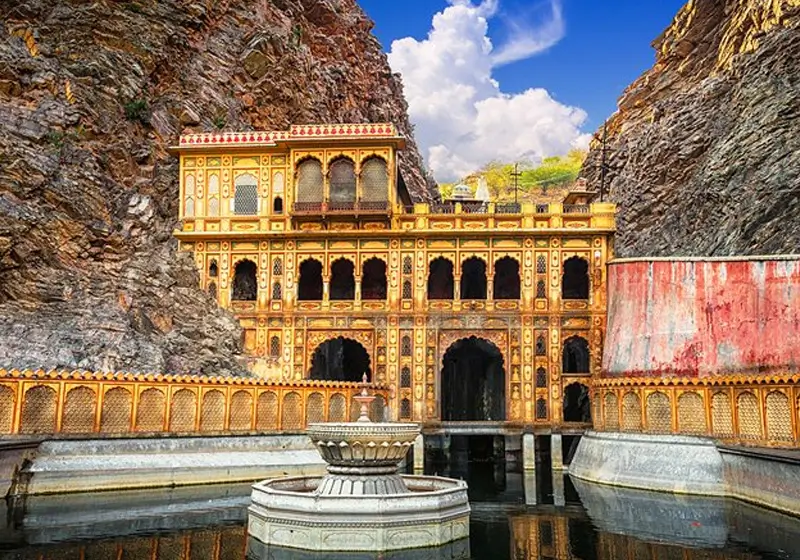
Apart from popular attractions, consider visiting the Galta Ji Temple (also called the Monkey Temple), Panna Meena ka Kund (a stepwell), and the Patrika Gate for colorful photo ops. Elefantastic is also a unique experience for animal lovers.
Fill in the details below. Our expert consultant will respond within 4 hours with a bespoke itinerary crafted just for you — completely free, no obligation.