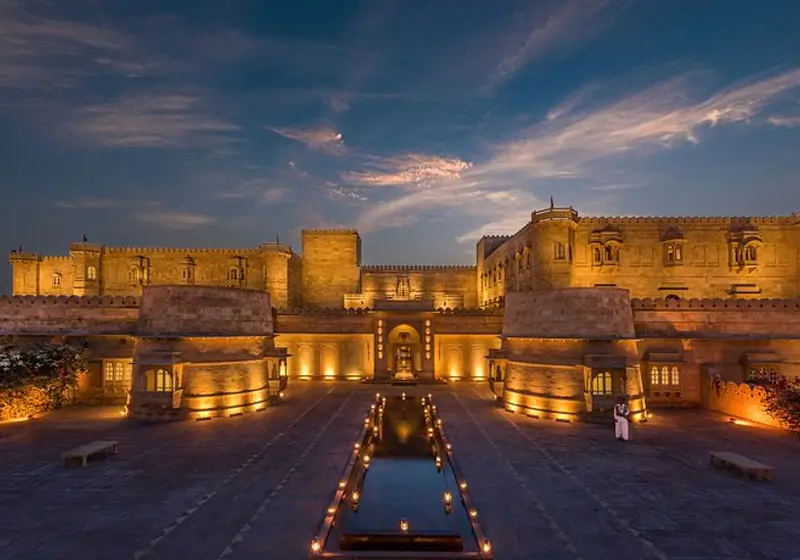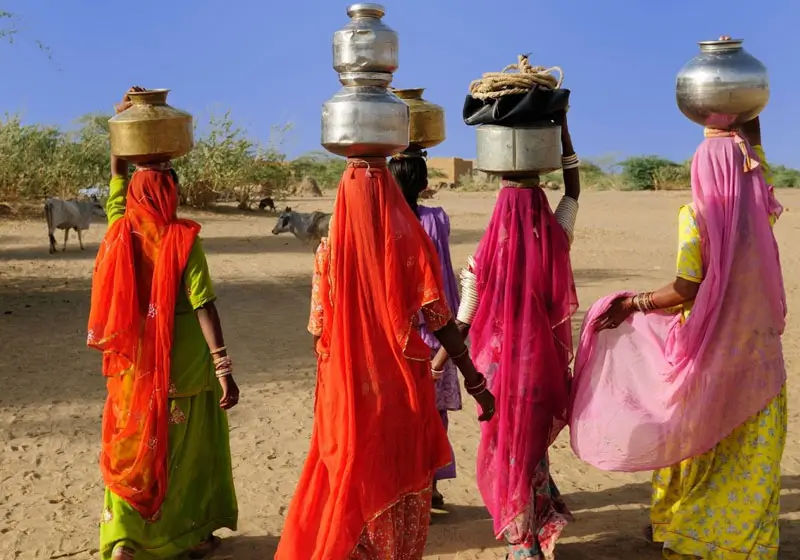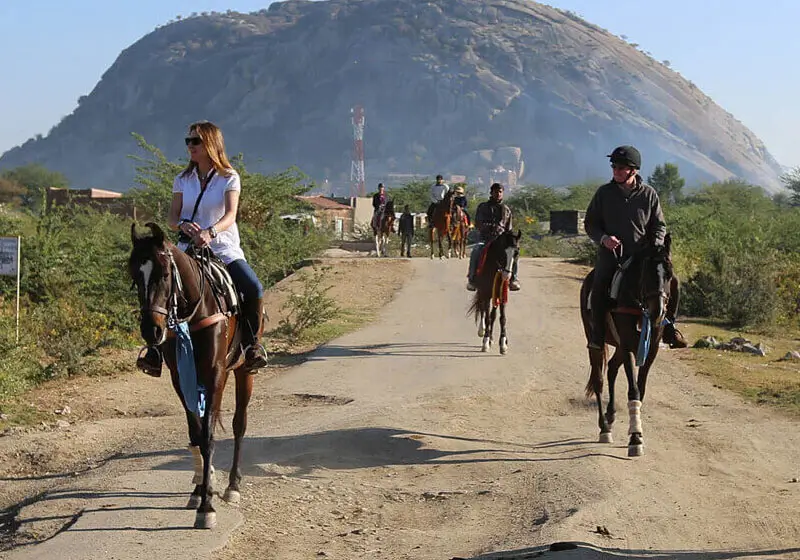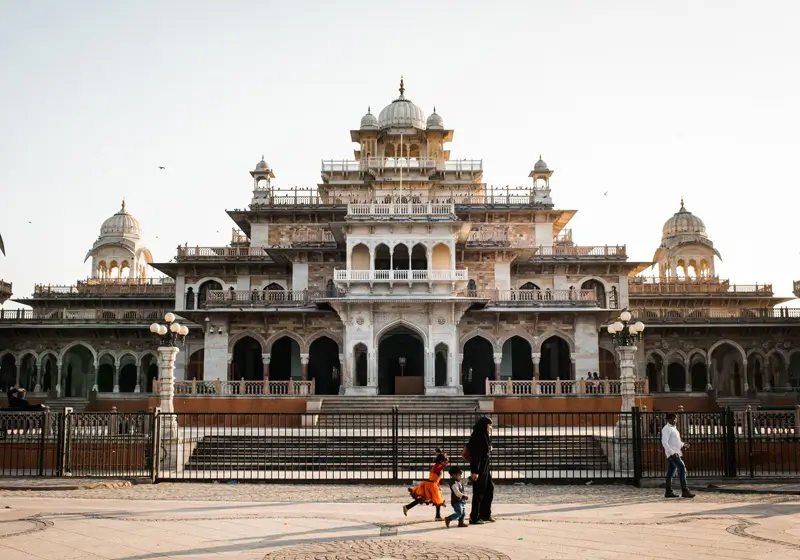
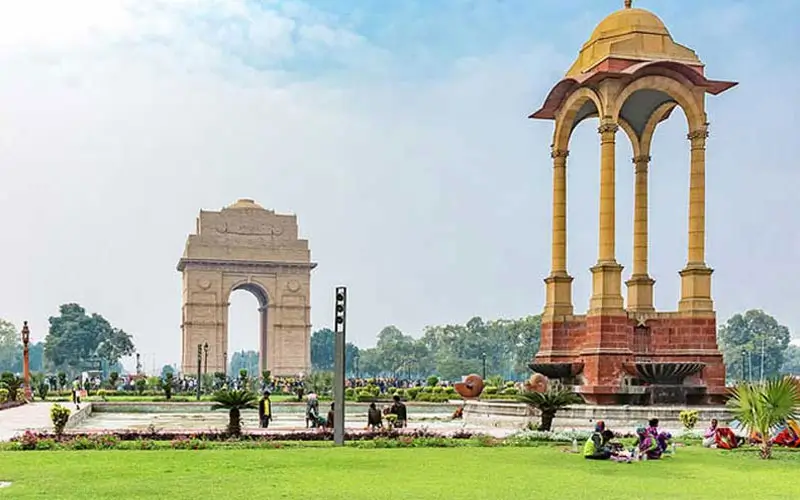
The Golden Triangle, formed by Delhi, Agra and Jaipur, is India’s most iconic and culturally diverse travel route. First-time visitors often arrive with excitement but also curiosity about how to interact respectfully with local customs, traditions and people. Understanding Indian cultural etiquette transforms the Golden Triangle journey into a more meaningful, comfortable and enriching experience. Simple gestures—how to greet someone, what to wear at temples, how to behave in markets, how to interact with locals—can create warm, memorable moments throughout your trip.
India is a country where traditions blend with modern life. The Golden Triangle is a concentrated reflection of this blend. Delhi’s ancient lanes sit beside contemporary districts. Agra’s Mughal heritage stands tall beside bustling markets. Jaipur’s royal grandeur flows harmoniously with colourful bazaars and artisan communities. Learning cultural etiquette helps travellers navigate this blend with confidence and respect.
This guide offers clear, practical, human-friendly advice on how to respectfully interact with India’s culture, people, food, traditions, spiritual spaces and daily environment. Throughout the blog, natural placement of essential search terms such as Golden Triangle etiquette, India cultural tips, Delhi behaviour guide, Jaipur dress code, temple etiquette India, Taj Mahal visitor rules, and first-time India travel advice enhances relevance while maintaining a premium narrative.
India’s traditional greeting is Namaste, performed by joining both palms together with a slight bow. It is warm, respectful and universally understood. Locals appreciate when foreign travellers use it, especially in Jaipur and Agra’s older neighbourhoods. While handshakes are common in modern settings, Namaste remains the most comfortable greeting across all age groups.
Indian social behaviour values respect, kindness and modesty. People appreciate politeness, soft tones and warm gestures. Travellers often notice how locals maintain personal warmth even during brief interactions. People will frequently use honorifics like “ji” after names as a sign of respect. Understanding these small gestures creates effortless cultural harmony.
Direct staring is common in public places, especially in markets, but it is usually curiosity, not discomfort. People in India are expressive, and eye contact or smiles often lead to helpful conversations rather than awkwardness.
India does not require strict traditional dress for visitors, but modest clothing is appreciated and creates comfortable interactions. The Golden Triangle attracts millions of international travellers every year, and locals are familiar with varied dress styles, yet cultural sensitivity enhances comfort and respect.
Loose, breathable clothing works best for India’s climate. Covering shoulders and knees is suggested, especially during temple visits or while exploring older neighbourhoods. Clothing like linen pants, comfortable trousers, long skirts, light shirts, tunics, cotton tops and scarfs blend comfort with cultural harmony.
Many travellers enjoy wearing Indian kurtas or stoles, which enhances both comfort and photography within Jaipur’s pink streets or Agra’s Mughal backdrops. Dressing modestly also reduces unwanted attention, especially for solo female travellers.
While visiting spiritual places, removing footwear is essential. Some temples also require covering heads, and scarves help with this.
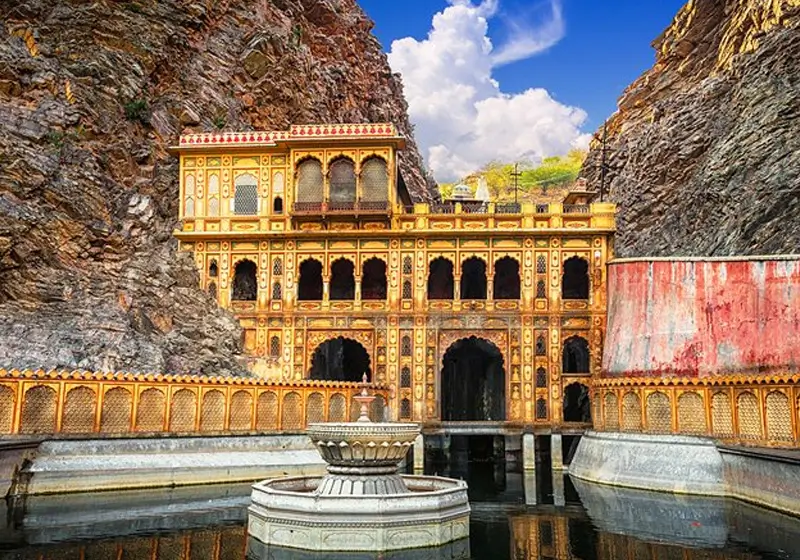
Spiritual spaces form a significant part of the Golden Triangle. Temples, mosques, gurudwaras and sacred sites reflect India’s heritage and diversity. Respectful behaviour enhances these experiences.
Footwear must always be removed at temples and sometimes at mosque courtyards. Scarves are useful for covering heads in gurudwaras and certain temples. Photography may be restricted inside spiritual interiors, especially in Jaipur’s ancient temples or Delhi’s Sikh gurudwaras.
Silence is appreciated inside prayer halls. Sitting on the floor is common in gurudwaras, where equality is a core principle. Never touch idols or religious objects. Offerings like flowers or sweets should be purchased from authorised stalls rather than street vendors.
Visitors often observe rituals such as aarti, a spiritual ceremony involving light and hymns. These moments feel deeply peaceful and connect travellers to India’s spiritual undercurrent.
Learn cultural etiquette, travel tips and plan your Golden Triangle tour with ease. Contact us for personalised help.
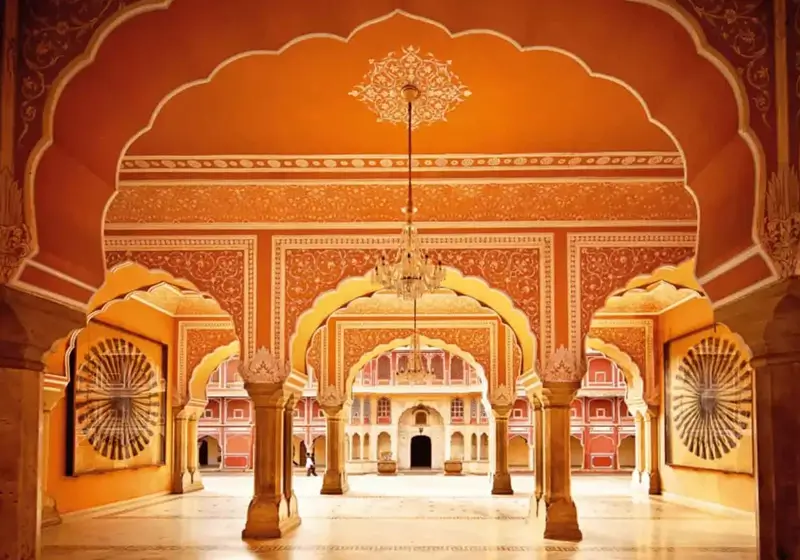
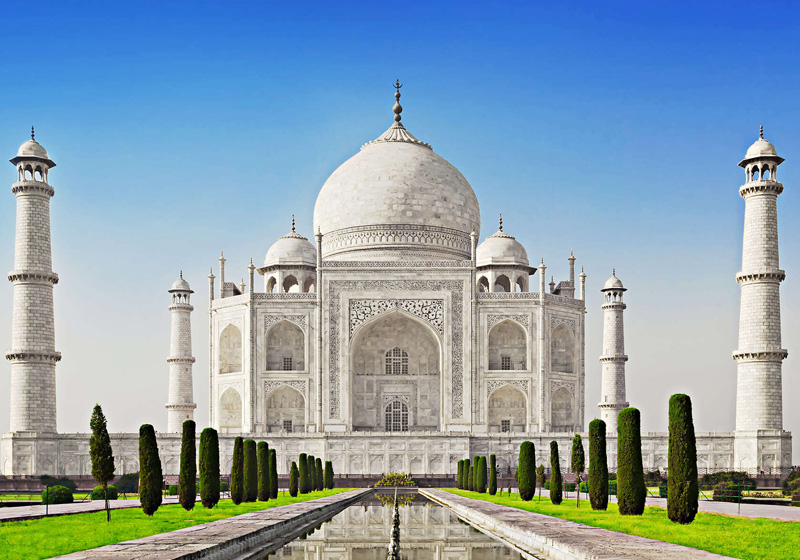
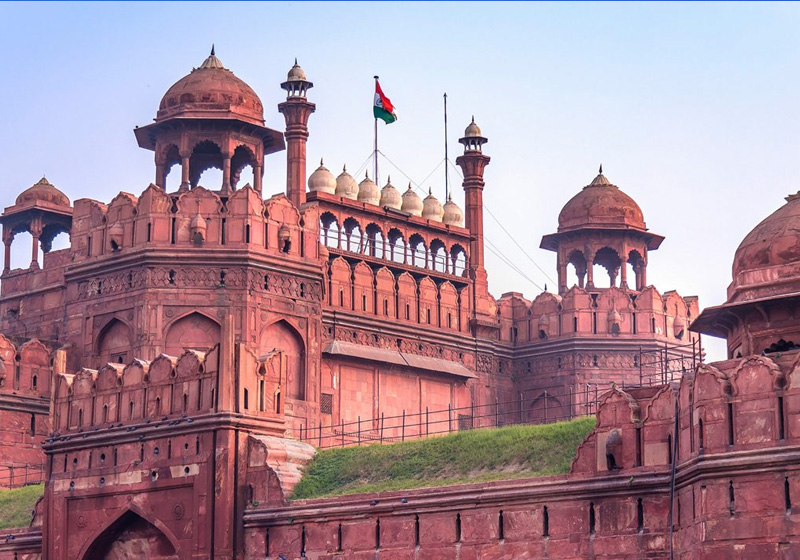
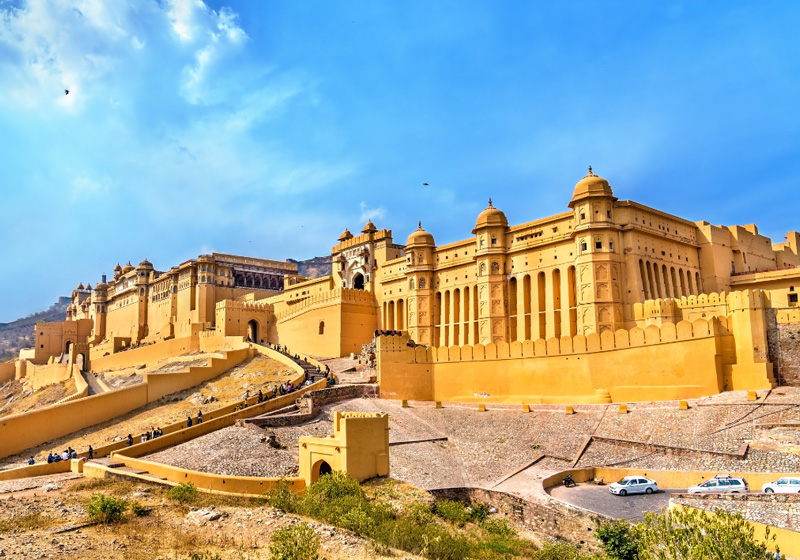
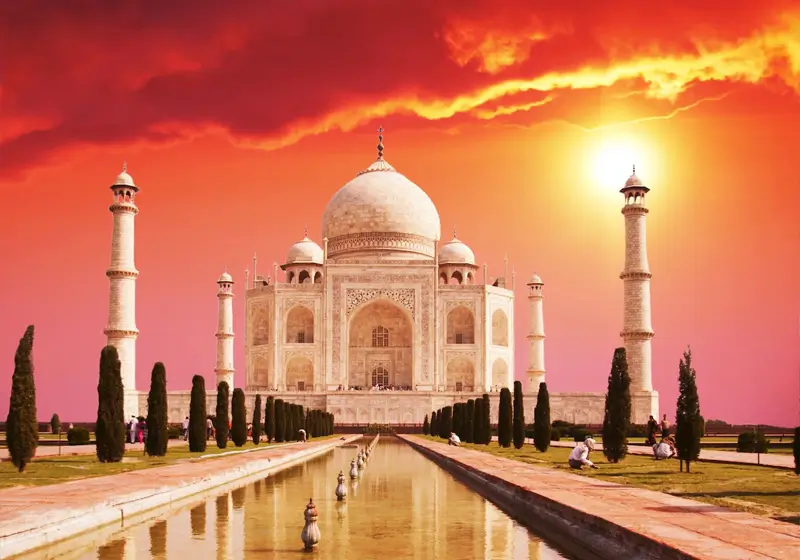
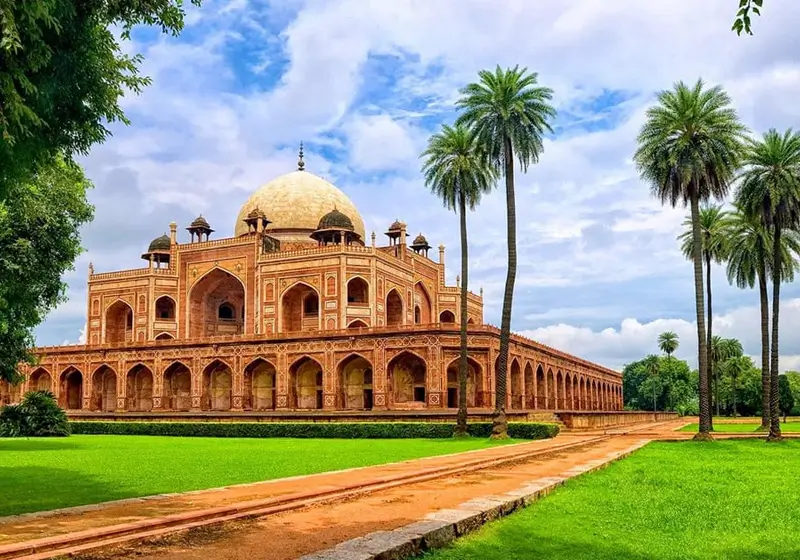
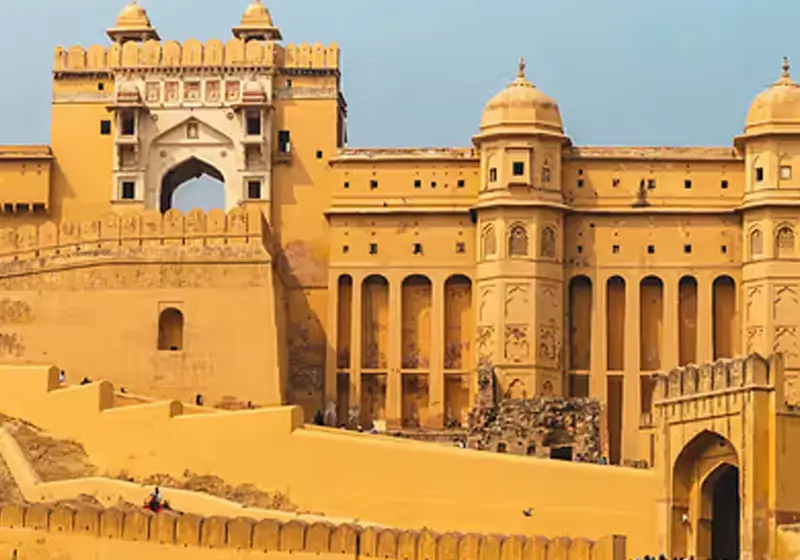
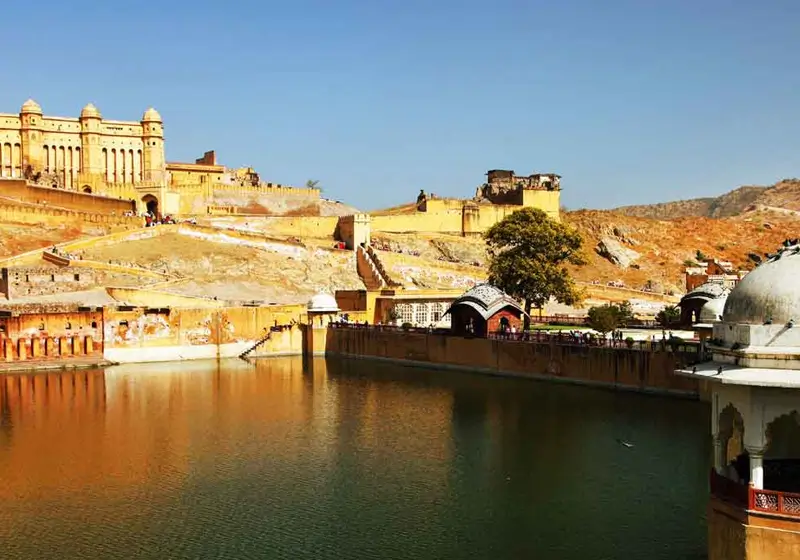
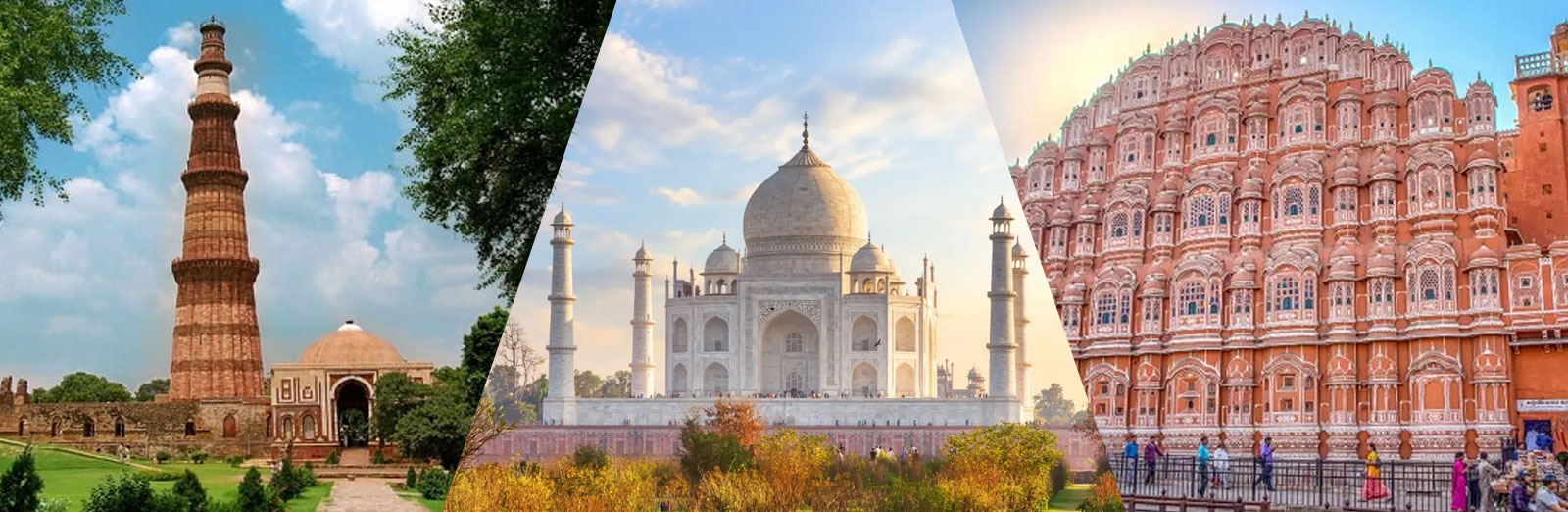
WhatsApp Now Contact UsThe Golden Triangle houses world-famous landmarks: Taj Mahal, Agra Fort, Amer Fort, Qutub Minar, City Palace Jaipur and many more. Understanding etiquette enhances the experience.
Patience is important, as monuments attract large crowds. Security checks are thorough but polite. Some items such as tripods, drones or large bags may be restricted at the Taj Mahal.
Walking on gardens, sandstone surfaces and marble floors requires care. Monuments like the Taj Mahal require travellers to wear shoe covers when entering marble areas. Touching delicate carvings or leaning on structures is avoided to preserve heritage.
Guides at monuments add incredible depth to the visit. Licensed guides offer cultural context, history, architecture details and storytelling that transform sightseeing into understanding.
Markets are one of the liveliest experiences of the Golden Triangle. Delhi’s bazaars buzz with spices, textiles and jewellery. Jaipur’s markets overflow with handicrafts, gemstones and traditional fabrics. Agra’s streets shimmer with marble artistry and Mughal-style souvenirs.
Bargaining is common but should be friendly. Vendors enjoy conversation and humour. A polite negotiation creates mutual respect. Showing interest and appreciating craftsmanship builds warm interactions. Avoid photographing artisans without permission; a simple gesture or smile usually grants easy approval.
In crowded markets, keeping personal belongings secure is essential. Walking slowly and absorbing the colours, aromas and textures of everyday life makes market visits memorable.
Food is a cultural highlight of the Golden Triangle. Each city offers irresistible flavours: Delhi’s street snacks, Agra’s Mughlai dishes, Jaipur’s royal thalis and Rajasthani kachoris. Understanding dining etiquette enhances comfort.
Indian meals often mix sweet, spicy, sour and tangy flavours. Eating with the right hand is traditional in many places, though cutlery is widely available. Some restaurants serve in thali style, where multiple small dishes appear on a single plate. Asking about spice levels is helpful for travellers unfamiliar with strong flavours.
Street food is a cherished cultural element. Trying famous dishes with a local guide or choosing trusted vendors ensures comfort. Drinking bottled water and avoiding raw or peeled street fruits helps maintain health.
Sharing food is common in India and often reflects warmth. Accepting small gestures such as tea or snacks from hospitality-driven vendors creates meaningful memories.
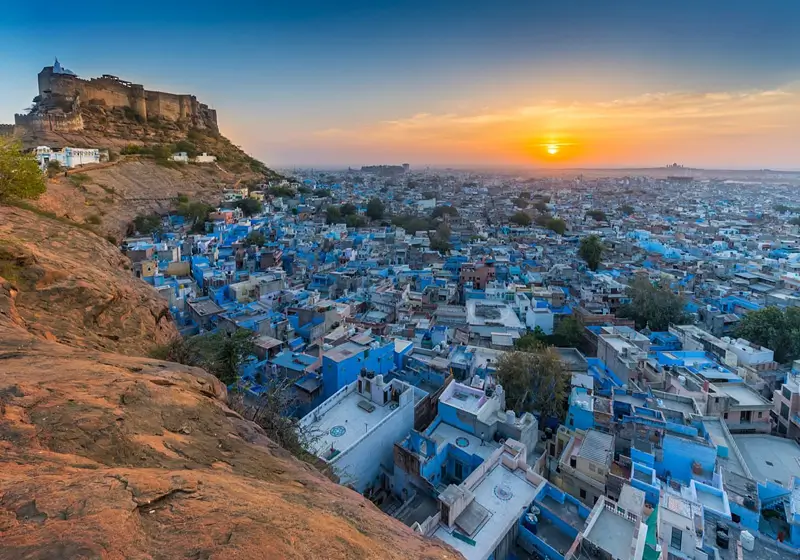
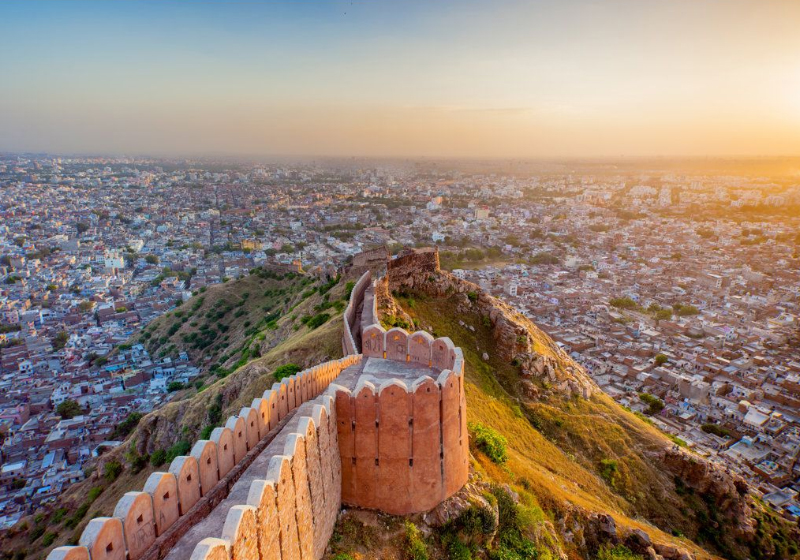
Photography opportunities are endless across the Golden Triangle — palaces, forts, stepwells, temples, markets, cafes and countryside landscapes. Being respectful enhances your photos and leaves positive impressions.
Always ask before photographing people, especially women, children and shopkeepers. A small gesture or smile communicates respect. Photographers should avoid blocking pathways or entering restricted areas for shots. Using drones is restricted at many monuments including the Taj Mahal, Qutub Minar and Jaipur’s royal sites.
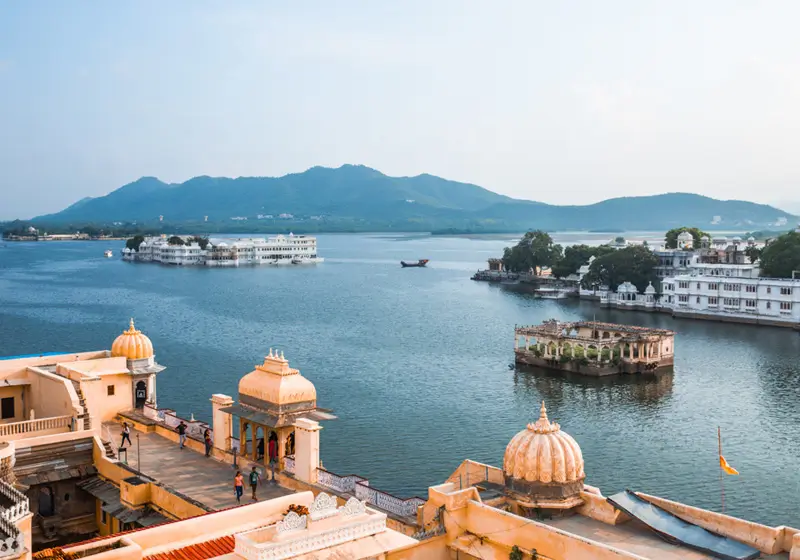
Morning and evening light creates extraordinary images at Amer Fort, Taj Mahal, Jal Mahal, Agra streets and Jaipur’s colourful bazaars.
Daily life in the Golden Triangle is lively and warm. Locals appreciate politeness and patience. Standing in queues, giving space to elders, respecting personal boundaries during conversations, and speaking gently are all valued.
India is expressive, and people may ask curious questions about your home country or language. Responding kindly often leads to friendly connections. Offering a smile opens doors to helpful guidance at markets, taxis, shops and tourist places.
Avoid public displays of affection, as Indian society remains conservative in many areas. Respecting these norms ensures comfortable interaction.
India is diverse, and traditions vary across families, communities and religions. Sensitivity toward religious symbols, rituals and objects is essential. Avoid touching sacred items unless invited. Respect fast days, prayer timings and traditional ceremonies.
During festivals such as Diwali or Holi, locals may invite travellers to join celebrations. Participating respectfully creates unforgettable cultural memories.
Many Golden Triangle travellers choose a private car with driver, which enhances comfort and safety. Interactions with drivers are warm and respectful. Greeting them with a smile, using their name with “ji,” and showing appreciation builds a positive connection.
Drivers often share local insights, restaurant suggestions, hidden viewpoints and cultural stories. Treating them kindly creates a smooth, enjoyable journey.
Light, modest, breathable clothing that covers shoulders and knees is comfortable and culturally respectful.
Yes, Namaste is widely appreciated and understood across all cities.
Temples warmly welcome foreign travellers; respectful behaviour is all that is needed.
Friendly bargaining is common and part of the cultural experience.
The Golden Triangle is widely travelled and considered safe with basic precautions.
Footwear must be removed at temples and some mosque courtyards.
Yes, with permission; a small gesture or smile is usually enough.
Jaipur markets are colourful, lively and friendly for travellers.
Food tours enhance understanding of culture and cuisine.
English is widely spoken in tourism areas, markets and hotels.
Fill in the details below. Our expert consultant will respond within 4 hours with a bespoke itinerary crafted just for you — completely free, no obligation.