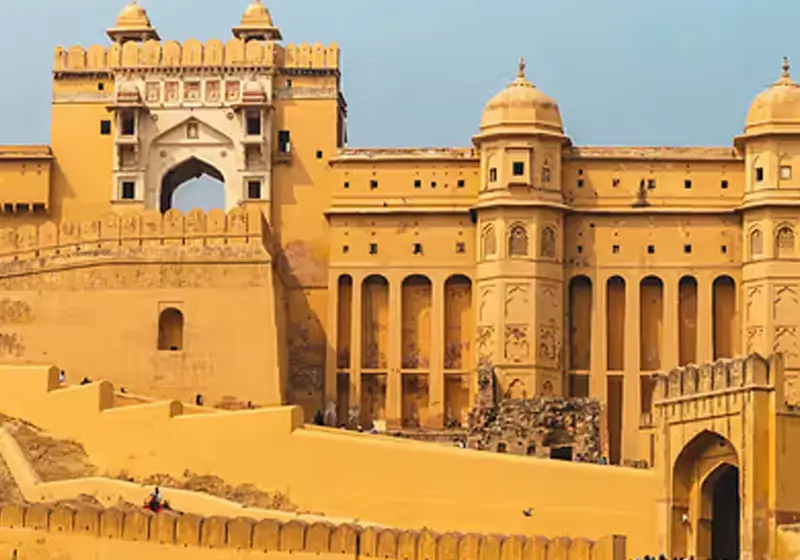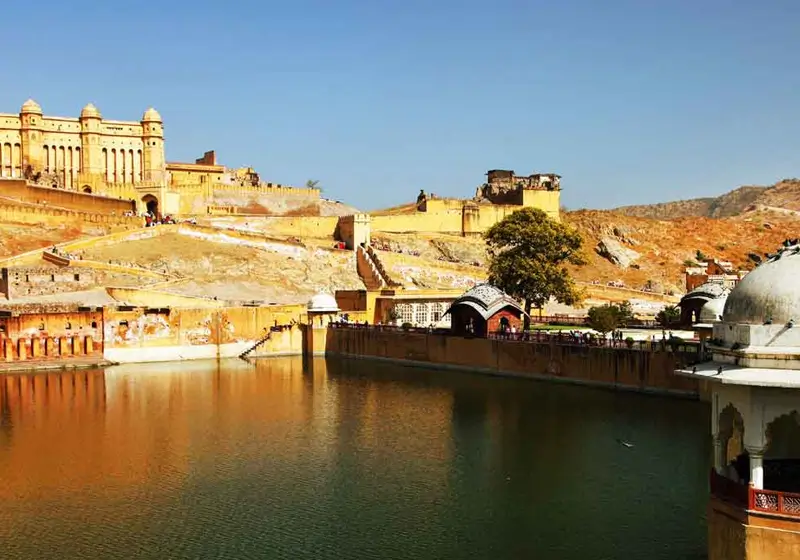
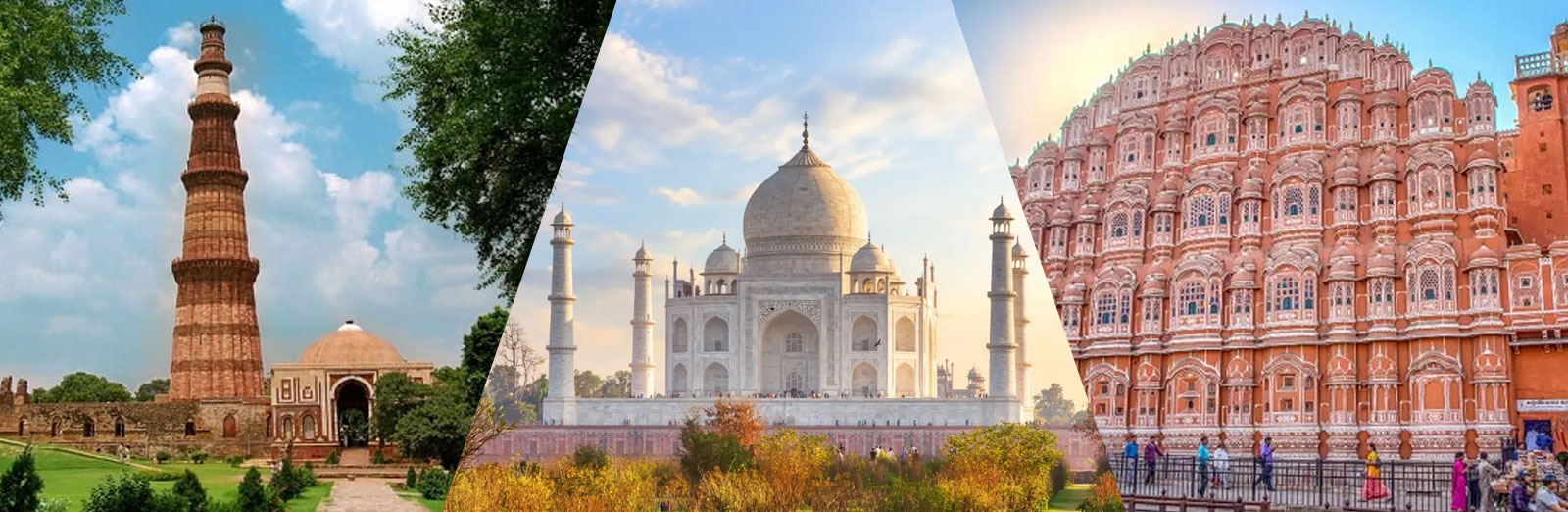
Itinerary ideas, cultural insights, luxury tips and practical planning guides for every India traveller.
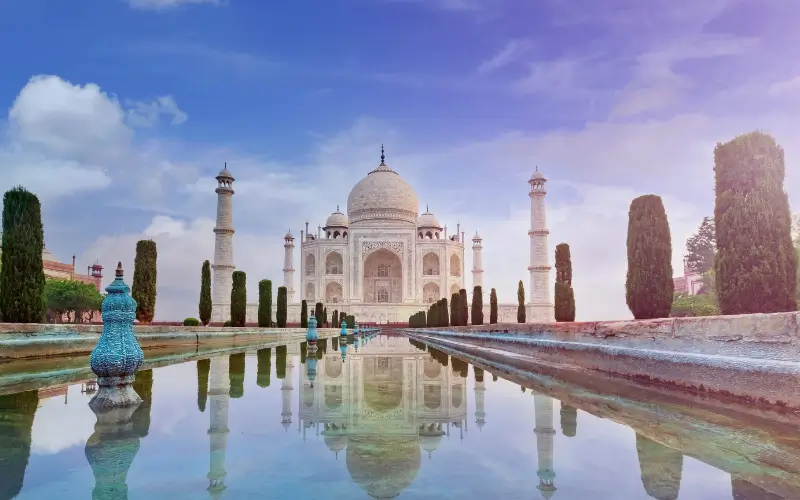
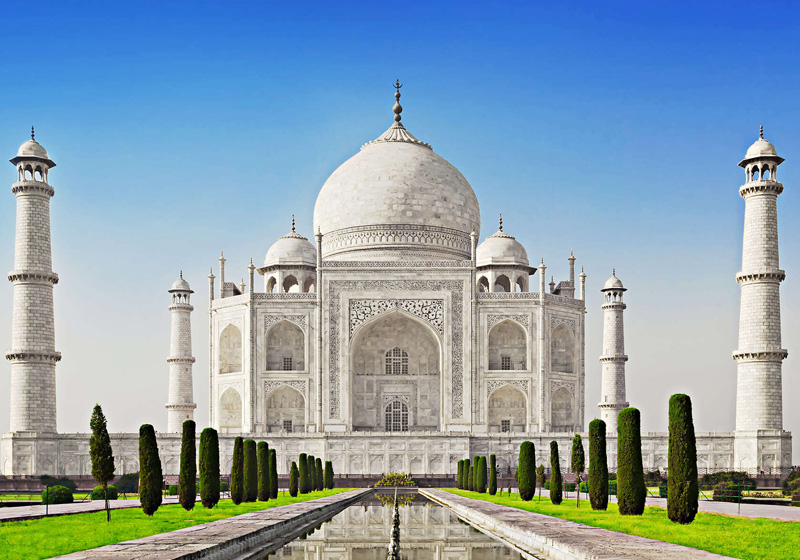
A visit to Agra Fort is an essential part of every Golden Triangle Tour and one of the finest historical experiences in India. Located just 2.5 km from the Taj Mahal, this magnificent UNESCO World Heritage Site represents the political heart of the Mughal Empire for several generations. While the Taj Mahal symbolizes eternal love, Agra Fort tells the story of imperial power, royal administration, military strength, and extraordinary architectural achievement.
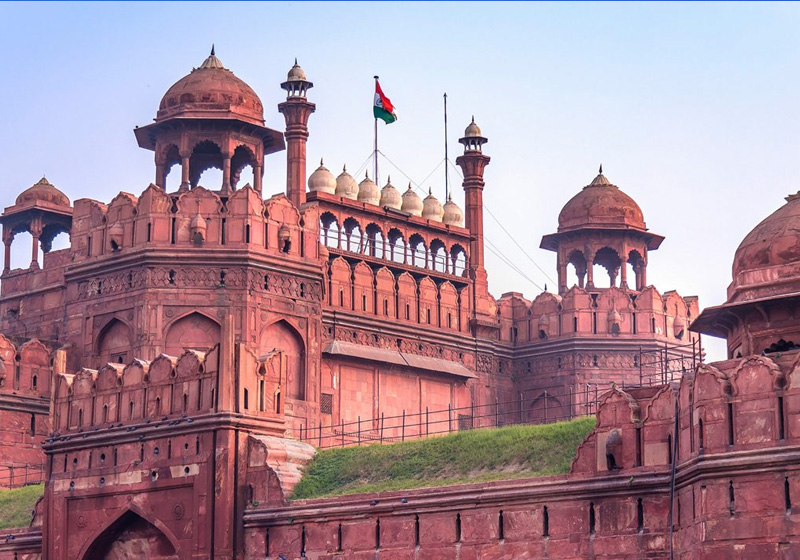
Constructed primarily from red sandstone with later additions in white marble, Agra Fort covers approximately 94 acres and contains magnificent palaces, audience halls, royal courtyards, mosques, gardens, and defensive walls stretching over 2.5 km in length. Every section of the fort reflects the vision of different Mughal emperors, particularly Emperor Akbar, Jahangir, and Shah Jahan, each contributing unique architectural elements that transformed the fortress into one of India's greatest royal complexes.
Many international visitors are surprised by the enormous size of the monument. Unlike ordinary forts built solely for defence, Agra Fort functioned as a royal city containing administrative offices, residential palaces, ceremonial halls, military barracks, gardens, and places of worship. Although only a portion of the original complex is accessible today, visitors still explore numerous remarkable structures that reveal the splendour of Mughal architecture.
Because of its close proximity to the Taj Mahal, most travellers visit both monuments on the same day. A common itinerary begins with a sunrise visit to the Taj Mahal, followed by breakfast before continuing to Agra Fort. This schedule provides pleasant weather, excellent photography conditions, and sufficient time to appreciate both UNESCO World Heritage Sites without rushing.
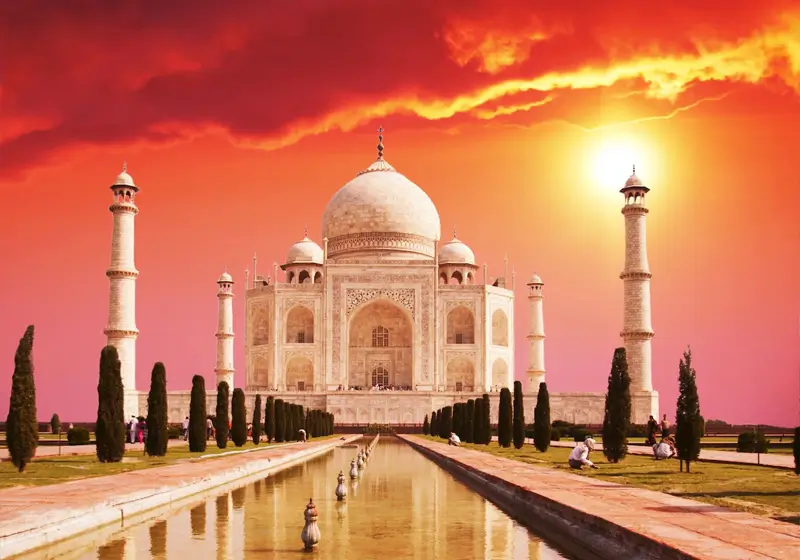
The Taj Mahal tells a story of eternal love. Agra Fort tells the story of imperial power, royal life, and Mughal grandeur. Explore magnificent palaces, audience halls, courtyards, marble pavilions.
Planning your visit in advance allows you to make the most of your time while avoiding unnecessary delays.
Opening Hours
Most visitors spend between 2 and 3 hours exploring the fort comfortably. History enthusiasts and photographers often remain longer because of the extensive palace complex and numerous architectural details.
Approximate Entry Fee
Foreign Visitors
Indian Visitors
Government ticket prices may occasionally change, so visitors should verify the latest official rates before travelling.
Distance from Major Attractions
Taj Mahal
Agra Cantonment Railway Station
Agra Airport
Expected Local Transportation Cost
Auto-Rickshaw
App-Based Taxi
Private Half-Day Agra Sightseeing Tour
Hiring a licensed guide is highly recommended because the fort contains numerous buildings with fascinating historical stories. Professional guides generally charge between INR 1,000 and INR 2,500, depending on language preference and tour duration.
Visitors entering Agra Fort should wear comfortable walking shoes because the complex covers a large area with stone pathways, courtyards, staircases, and elevated viewing points. Carrying drinking water, sunglasses, sunscreen, and a hat is advisable, especially during warmer months.
One of the highlights of the fort is its elevated viewpoint overlooking the Taj Mahal across the Yamuna River. According to historical records, Emperor Shah Jahan spent his final years imprisoned inside Agra Fort by his son Aurangzeb, where he is believed to have gazed toward the Taj Mahal, the mausoleum built in memory of his beloved wife Mumtaz Mahal.
Photography is permitted throughout most outdoor sections of the monument, making Agra Fort one of India's finest destinations for architectural and heritage photography. The combination of red sandstone walls, elegant marble palaces, carved pillars, royal balconies, and landscaped gardens provides outstanding opportunities for visitors throughout the day.
Because the fort is centrally located, many travellers combine their visit with Mehtab Bagh, Itmad-ud-Daulah, local marble workshops, and traditional markets, creating a complete day of sightseeing in Agra before continuing toward Jaipur as part of a Golden Triangle Tour Package.
Entering Agra Fort feels like stepping into the centre of the Mughal Empire. Beyond the massive red sandstone walls lies a magnificent complex of royal residences, audience halls, gardens, mosques, and courtyards that once housed thousands of people, including members of the royal family, soldiers, administrators, and servants. Although only a section of the original fort is accessible today, visitors can still explore several of its most important architectural masterpieces.
One of the first buildings encountered is the Amar Singh Gate, which serves as the main entrance for visitors today. The impressive gateway immediately demonstrates the fort's defensive design, with high walls, sharp turns, and multiple security layers intended to slow invading armies.
Continuing inside, visitors reach the Jahangiri Mahal, one of the oldest surviving palaces within Agra Fort. Built by Emperor Akbar for the royal women of the palace, this structure beautifully combines Mughal and Rajput architectural styles. Intricately carved pillars, decorative balconies, spacious courtyards, and detailed stone carvings make it one of the most admired buildings in the complex.
Another remarkable attraction is the Diwan-i-Aam (Hall of Public Audience), where Mughal emperors listened to petitions from their subjects and conducted official ceremonies. The elegant colonnades and elevated royal throne area provide insight into how imperial administration functioned during the height of the Mughal Empire.
Nearby stands the magnificent Diwan-i-Khas (Hall of Private Audience), reserved for meetings with ambassadors, nobles, and distinguished guests. The marble architecture and refined decorative details reflect the growing artistic sophistication introduced during the reign of Shah Jahan.
Visitors should also explore the beautiful Musamman Burj, an octagonal marble tower overlooking the Yamuna River. This viewpoint is historically significant because Shah Jahan is believed to have spent the final years of his life here after being imprisoned by his son Aurangzeb. From this elegant balcony, visitors enjoy one of the finest panoramic views of the Taj Mahal, making it one of the most photographed locations inside the fort.
Other highlights include the Khas Mahal, Sheesh Mahal, Anguri Bagh, Moti Masjid, and beautifully landscaped royal gardens. Each structure reflects different periods of Mughal architecture, illustrating how the fort evolved over several generations.
Photography enthusiasts should allocate extra time because every courtyard, marble pavilion, sandstone corridor, and elevated terrace provides outstanding opportunities for architectural photography. Morning visits offer softer natural lighting, while late afternoon creates warm golden tones across the red sandstone walls.
A visit to Agra becomes far more powerful when you experience both sides of its Mughal legacy. Begin with the timeless beauty of the Taj Mahal.
The most comfortable time to visit Agra Fort is between October and March, when pleasant daytime temperatures make walking around the large complex much more enjoyable. Morning visits between 8:00 AM and 10:00 AM are especially recommended because crowds are lighter, temperatures remain comfortable, and photography conditions are excellent.
Most visitors spend approximately 2 to 3 hours exploring the monument. History enthusiasts, architecture lovers, and photographers may wish to allow additional time to fully appreciate the numerous buildings and viewpoints inside the fort.
Because of its central location, Agra Fort can easily be combined with several nearby attractions during the same day.
Nearby Attractions
Taj Mahal
Mehtab Bagh
Itmad-ud-Daulah (Baby Taj)
Many travelers also visit Agra's famous marble inlay workshops, where skilled artisans continue the traditional craftsmanship associated with the Taj Mahal. Demonstrations of marble inlay techniques provide valuable insight into the artistry that has been preserved for generations.
Visitors should carry comfortable walking shoes, sunglasses, sunscreen, drinking water, and a hat, particularly during warmer months. Since much of the sightseeing takes place outdoors, these simple preparations make the visit considerably more comfortable.
Licensed guides are available near the entrance, and choosing an officially authorised guide is strongly recommended. Professional guides explain the history of the Mughal Empire, architectural details, royal traditions, and fascinating stories behind each palace, greatly enhancing the overall experience.
Security screening is mandatory before entering the monument. Large bags, drones, tobacco products, and certain restricted items are not permitted inside. Carrying only essential belongings helps speed up the security process.
For travelers following a Golden Triangle Tour, Agra Fort serves as the perfect complement to the Taj Mahal. While the Taj Mahal represents love and artistic perfection, Agra Fort showcases the political strength, architectural brilliance, and royal lifestyle of the Mughal Empire. Together, these two UNESCO World Heritage Sites provide one of the most rewarding historical experiences in India and remain essential stops on every visit to Agra.
The fort is generally open every day from 6:00 AM to 6:00 PM.
Foreign visitors usually pay around INR 650, while Indian visitors pay approximately INR 50.
Most visitors spend 2 to 3 hours exploring the major palaces, gardens, and viewpoints.
The distance is approximately 2.5 km, and the drive usually takes around 10 minutes.
Yes. Licensed guides provide detailed historical explanations and usually charge between INR 1,000 and INR 2,500, depending on language and duration.
Yes. The Musamman Burj offers one of the best views of the Taj Mahal across the Yamuna River.
Yes. Photography is permitted in most outdoor public areas of the monument.
Visitors generally enter through the Amar Singh Gate.
Comfortable shoes, sunglasses, sunscreen, drinking water, a hat, and a camera are recommended.
Yes. Nearly every Golden Triangle Tour Package includes Agra Fort together with the Taj Mahal as the city's two primary attractions.
Fill in the details below. Our expert consultant will respond within 4 hours with a bespoke itinerary crafted just for you — completely free, no obligation.