There are sacred places that impress the eyes, and there are sacred places that quiet the heart. Ajmer Sharif Dargah belongs firmly to the second kind. It does not overwhelm visitors with architectural grandeur or ritual complexity. Instead, it draws people inward through simplicity, humility, and an atmosphere of deep emotional surrender. For centuries, devotees of all faiths have arrived here with folded hands and unspoken prayers, seeking peace rather than spectacle.
Located in the historic city of Ajmer, the dargah is the resting place of the revered Sufi saint Khwaja Moinuddin Chishti, lovingly known as Khwaja Gharib Nawaz, the benefactor of the poor. A visit to Ajmer Sharif is not a religious obligation in the conventional sense. It is a spiritual calling that transcends labels, beliefs, and boundaries.
This guide explores the deeper history of Ajmer Sharif Dargah, the spiritual meaning of ziyarat, and how thoughtful travel planning can help devotees experience the shrine with clarity, dignity, and inner stillness.
To understand Ajmer Sharif, one must first understand the man whose presence continues to define it. Khwaja Moinuddin Chishti arrived in India carrying a message rooted in compassion, service, and universal love. His teachings were simple yet profound. He believed that closeness to the divine could only be achieved through kindness to humanity.
Unlike scholars who preached from institutions, Khwaja Sahib lived among ordinary people. He listened more than he spoke. He served before he instructed. His khanqah became a refuge for the hungry, the broken, and the forgotten. Over time, devotion gathered around him not because of authority, but because of sincerity.
The Ajmer Sharif Dargah stands today as a continuation of that spirit. Devotees do not come seeking miracles alone. They come seeking relief from inner burdens, clarity in confusion, and peace in chaos.
Visit the sacred Ajmer Sharif Dargah with a private car, experienced driver, and a peaceful, well-organized pilgrimage experience.
One of the most remarkable aspects of Ajmer Sharif is its universality. People of different religions, cultures, and backgrounds enter the dargah with the same humility. Inside, identity dissolves. Titles fade. Only intention remains.
This inclusiveness is not symbolic. It is lived daily. The language of prayer may differ, but the emotion is the same. The act of bowing the head becomes an equalizer. The dargah does not ask who you are. It asks what you carry in your heart.
For many devotees, this is the first moment of spiritual relief. The feeling of being accepted without explanation is rare in modern life. Ajmer Sharif offers that acceptance quietly.
Ziyarat at Ajmer Sharif is not a ritual performed mechanically. It is an act of presence. Walking toward the sanctum, devotees often feel an emotional shift. Conversations soften. Movements slow. Silence becomes natural.
The act of offering flowers, chadar, or prayers is symbolic rather than transactional. There is no demand, only surrender. Devotees are encouraged to approach the shrine with humility rather than expectation.
Those who understand the meaning of ziyarat often describe the experience as deeply personal. Even amidst crowds, there is an unmistakable sense of inner quiet. This quiet is the true essence of Ajmer Sharif.
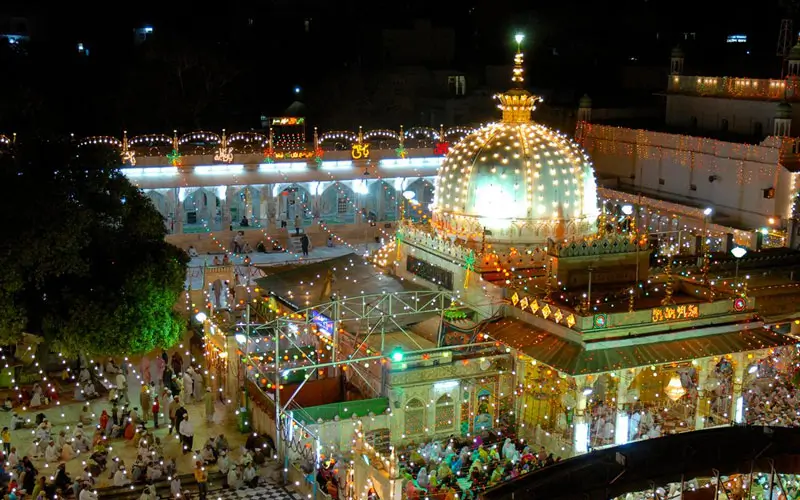
The dargah complex itself reflects simplicity rather than grandeur. Narrow pathways lead inward, gently guiding devotees away from the outside world. Each step feels intentional. Each turn feels like a shedding of distraction.
Inside, the air carries the scent of incense and rose petals. Devotional music echoes softly, creating an atmosphere that feels timeless. There is no urgency here. Time seems to pause, allowing visitors to breathe differently.
For first-time visitors, this atmosphere can feel overwhelming in an unexpected way. It does not excite. It calms. Many devotees leave the shrine with fewer thoughts than they arrived with.
People often associate Ajmer Sharif with fulfillment of wishes. While stories of answered prayers are common, the deeper gift of the dargah lies elsewhere. It offers emotional release.
Devotees come carrying grief, anxiety, regret, or longing. Standing before the shrine allows these emotions to surface without judgment. Tears flow freely. Silence feels supportive. This emotional release is not forced. It happens naturally in a space where vulnerability is accepted.
This is why many visitors return repeatedly. Ajmer Sharif becomes a place where the heart feels lighter each time.
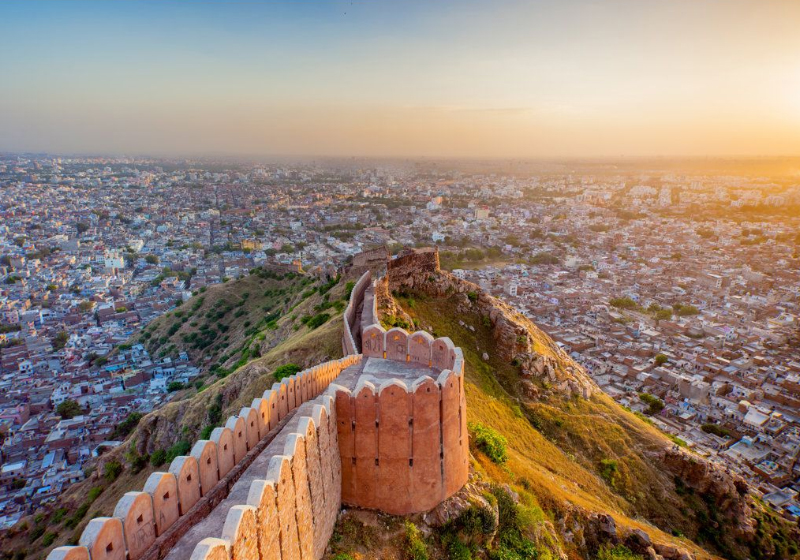
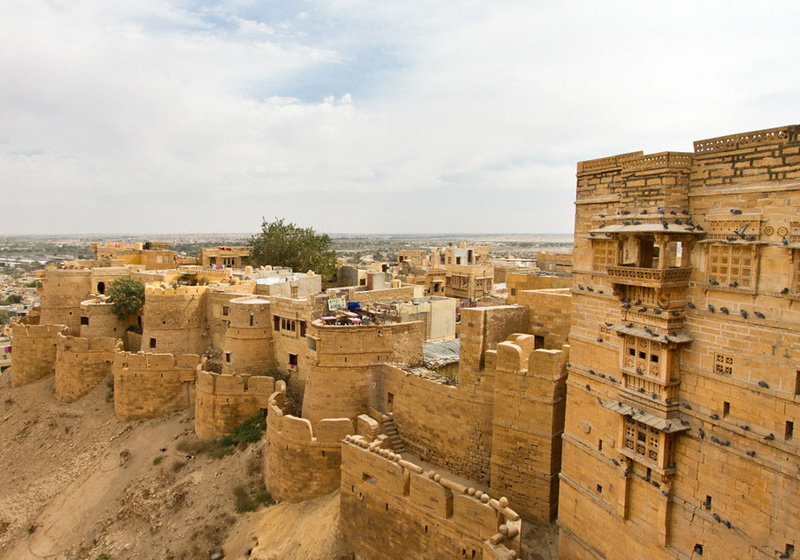
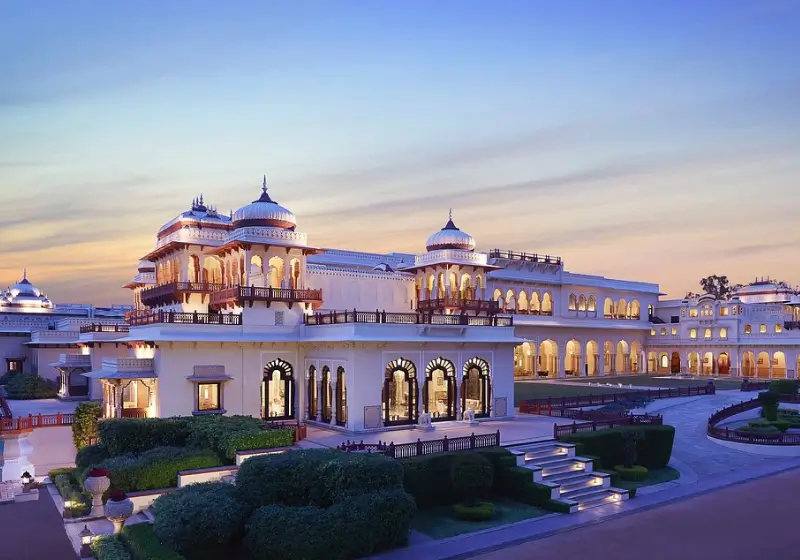
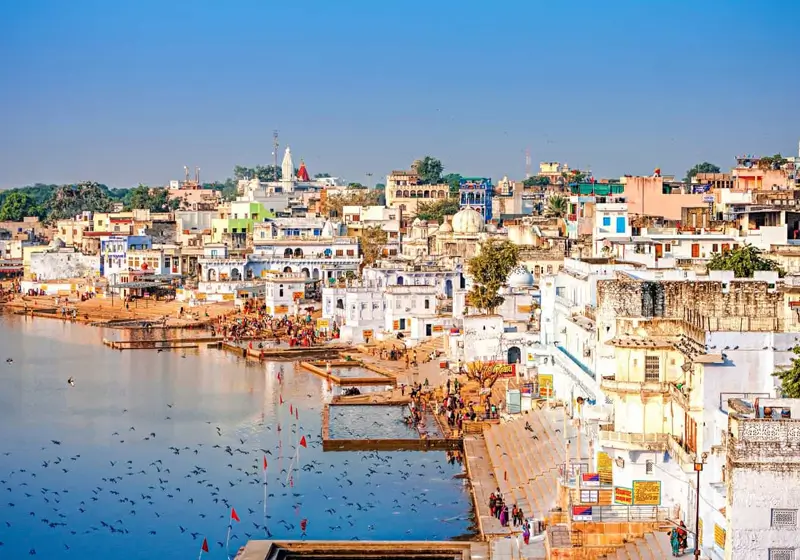
Rajasthan is often associated with forts and royalty, yet Ajmer Sharif adds a deeply spiritual dimension to the region. It complements nearby sacred towns like Pushkar, creating a balance between devotion and reflection.
For pilgrims, combining Ajmer Sharif with other spiritual destinations allows for a holistic journey. Ajmer offers surrender. Other sites offer contemplation. Together, they create emotional equilibrium.
This balance makes Ajmer Sharif tour planning particularly meaningful for families and senior devotees.
Reaching Ajmer is relatively straightforward, but the experience within the city requires thoughtful planning. The old areas around the dargah are narrow and crowded. Movement is slow by design.
Devotees benefit from arriving rested and mentally prepared. Rushing through ziyarat often diminishes its impact. Staying close to the dargah allows early morning or late evening visits, when the atmosphere is calmer.
A well-planned Ajmer Sharif tour prioritizes spiritual readiness over convenience.
Travel to Ajmer Sharif with comfort and peace. Choose a private car, courteous driver, and flexible tour plan for a soulful ziyarat.
Ajmer Sharif welcomes devotees throughout the year, yet certain periods carry heightened spiritual energy. Urs, commemorating the saint’s union with the divine, draws large gatherings. While emotionally powerful, these times require patience.
Those seeking quiet reflection often prefer non-festival days, when the dargah feels more intimate. Early mornings and evenings are particularly serene, allowing deeper connection.
Understanding this rhythm helps devotees choose the experience that aligns with their intent.
Families visiting Ajmer Sharif often describe the journey as grounding. Elders find comfort in familiar devotion. Younger members witness humility in action.
For senior devotees, pacing is essential. Slow movement, seating availability, and calm timing enhance comfort. The dargah’s inclusive environment ensures that no one feels rushed or excluded.
This makes Ajmer Sharif a suitable pilgrimage across generations.
Ajmer Sharif teaches etiquette without instruction. Silence emerges naturally. Respect becomes instinctive. Visitors learn by observing others.
Maintaining calm, avoiding haste, and respecting shared space preserves the sanctity of the experience. Devotees who approach the shrine with patience often leave with deeper fulfillment.
Centuries have passed, yet the appeal of Ajmer Sharif remains unchanged. This is because human longing has not changed. People still seek peace, reassurance, and connection.
The dargah does not promise solutions. It offers solace. That offering remains timeless.
People of all faiths and backgrounds are welcome.
It represents compassion, humility, and universal devotion.
No, sincerity matters more than form.
Yes, with gentle pacing and proper planning.
Early mornings, evenings, or non-festival days offer calm experiences.
Yes, it is a meaningful multigenerational pilgrimage.
Devotees believe sincere prayers are heard, but inner peace is the deeper gift.
Yes, it is a key spiritual destination in Rajasthan.
Enough time to sit, reflect, and not rush ziyarat.
Because each visit brings emotional clarity and inner calm.
Fill in the details below. Our expert consultant will respond within 4 hours with a bespoke itinerary crafted just for you — completely free, no obligation.