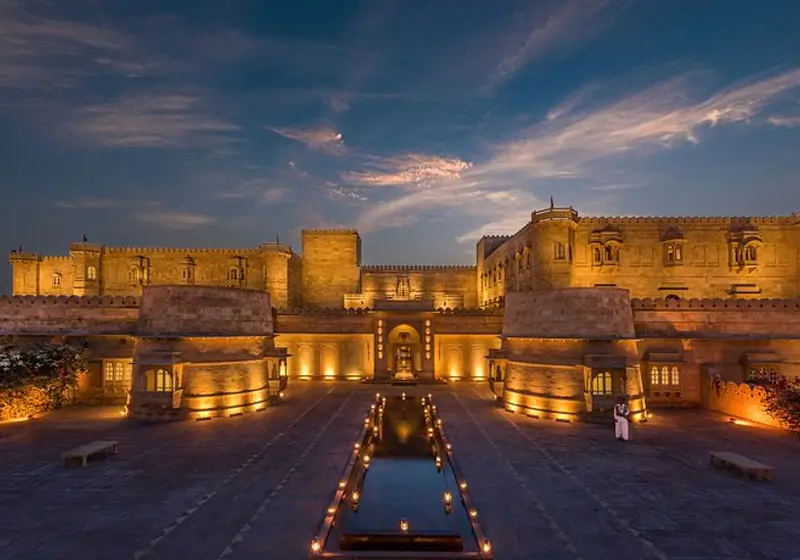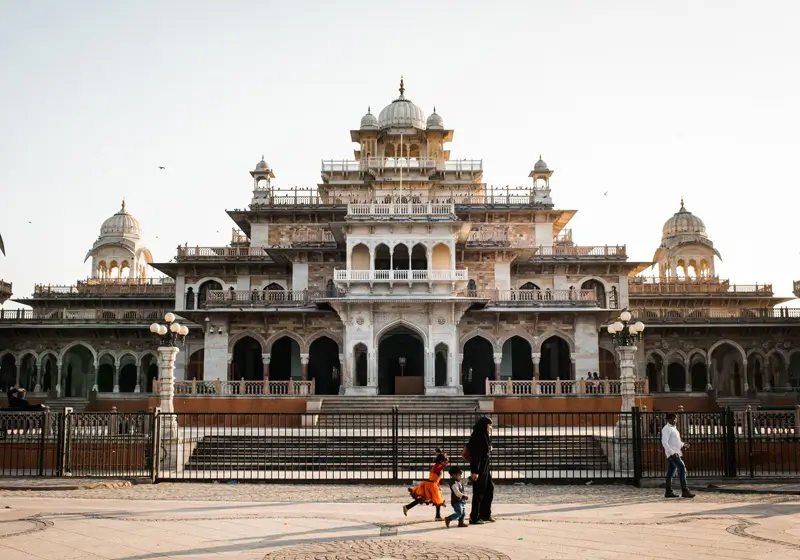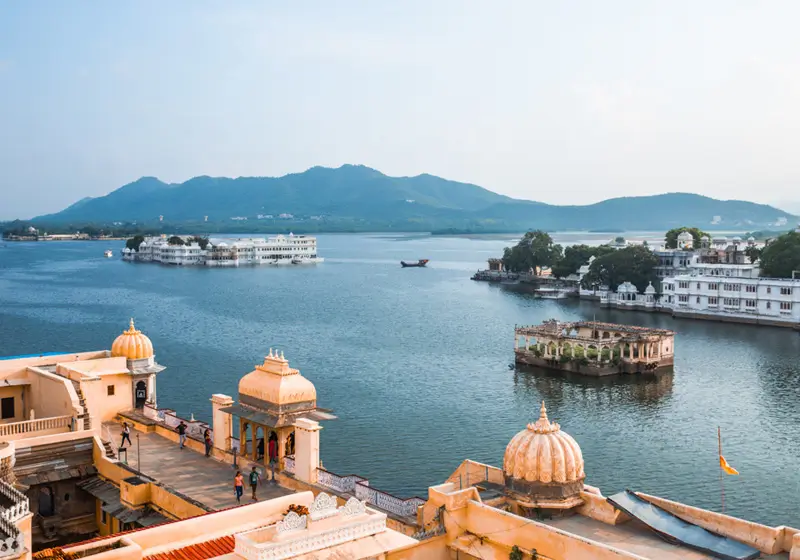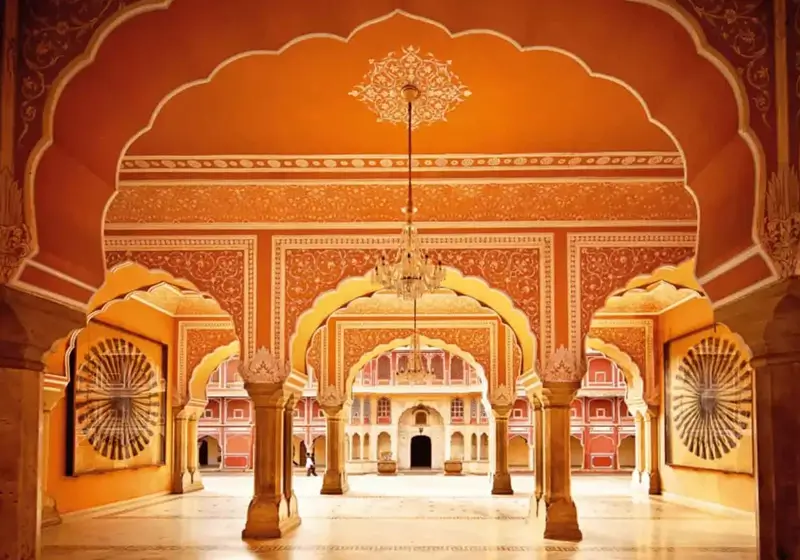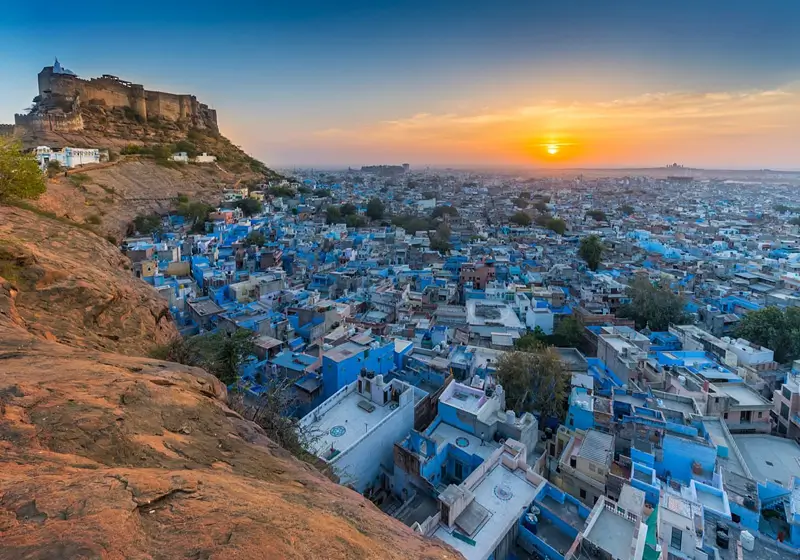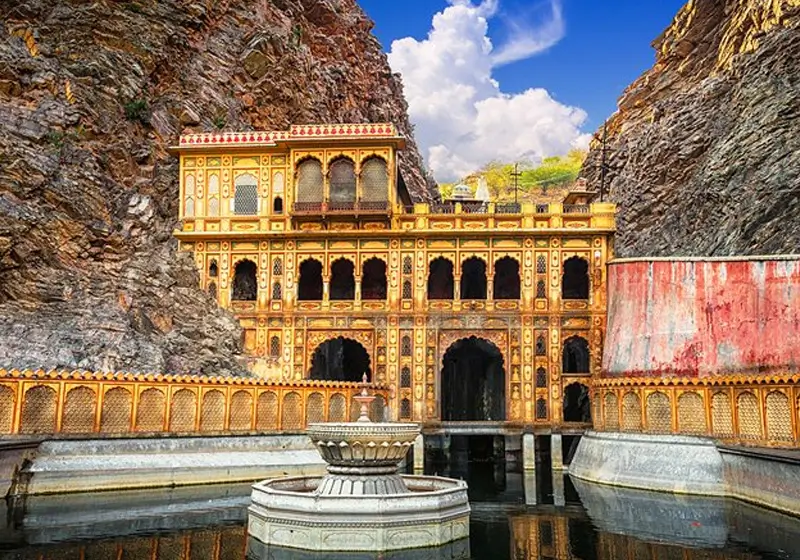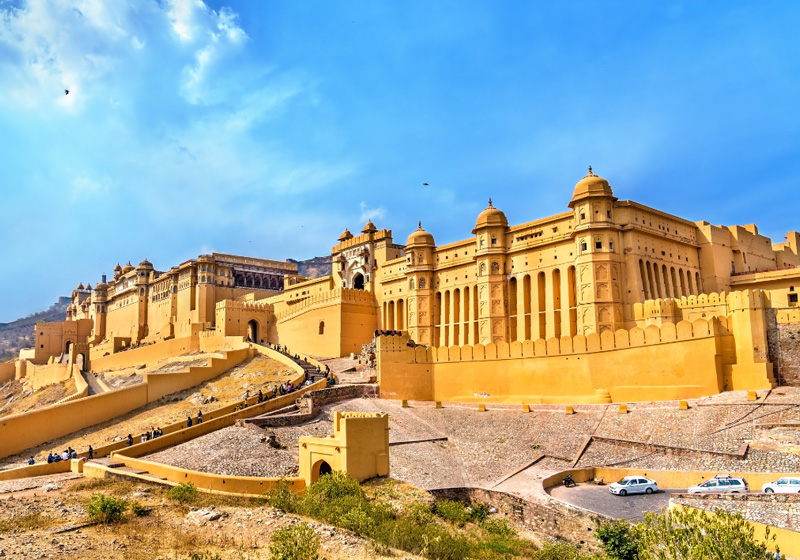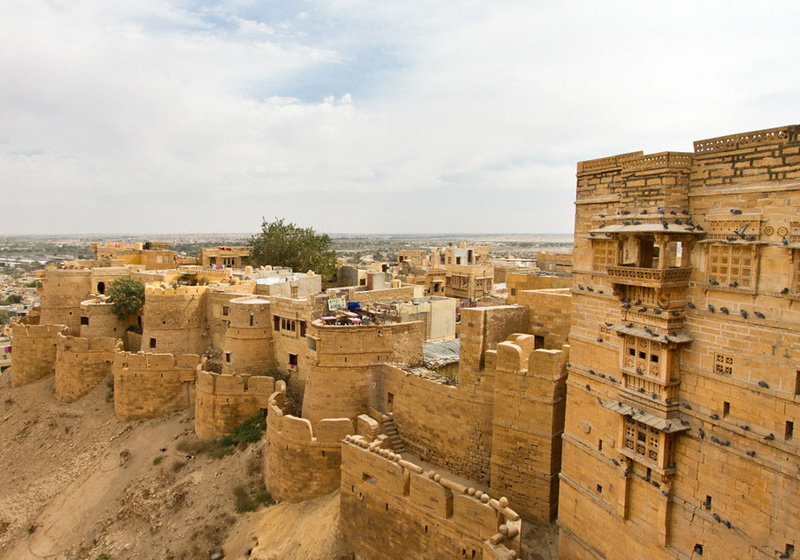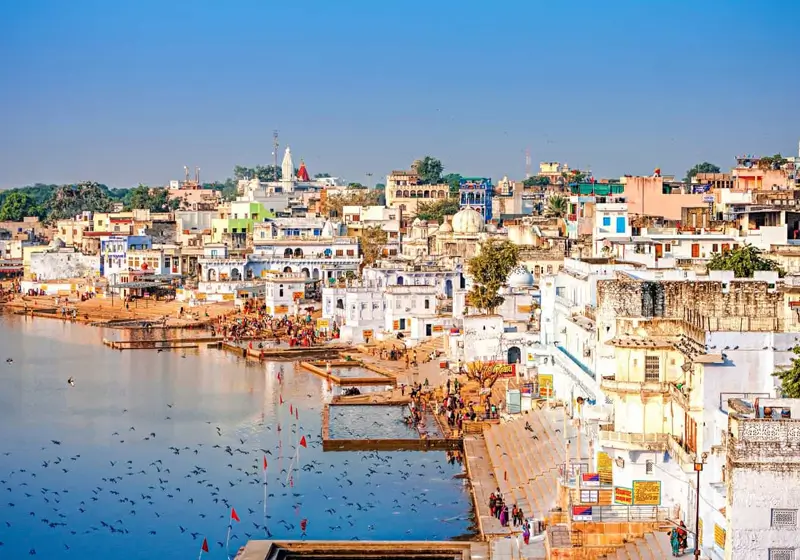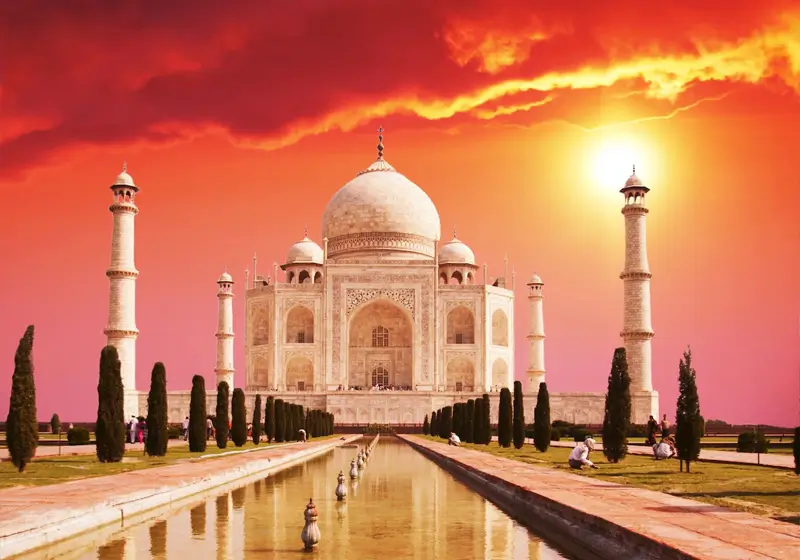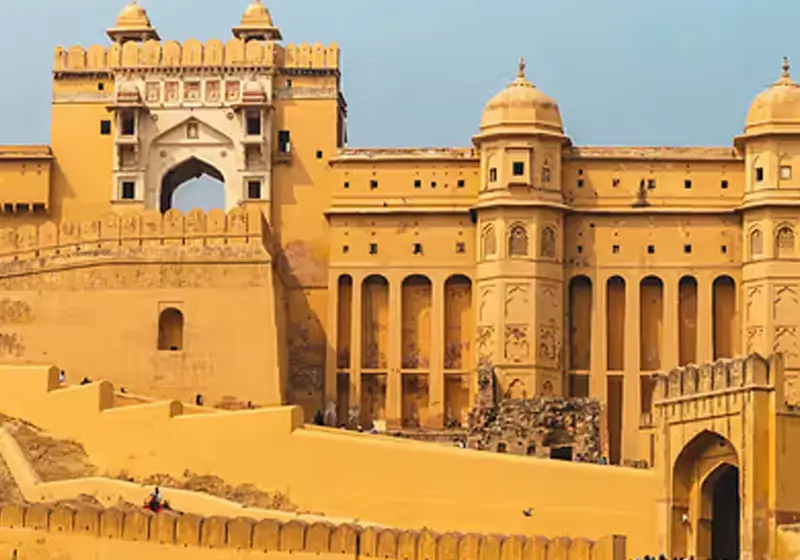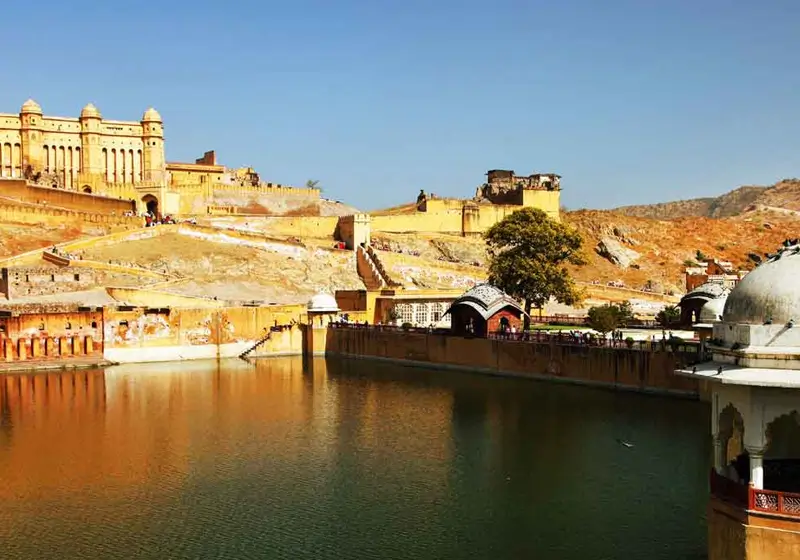
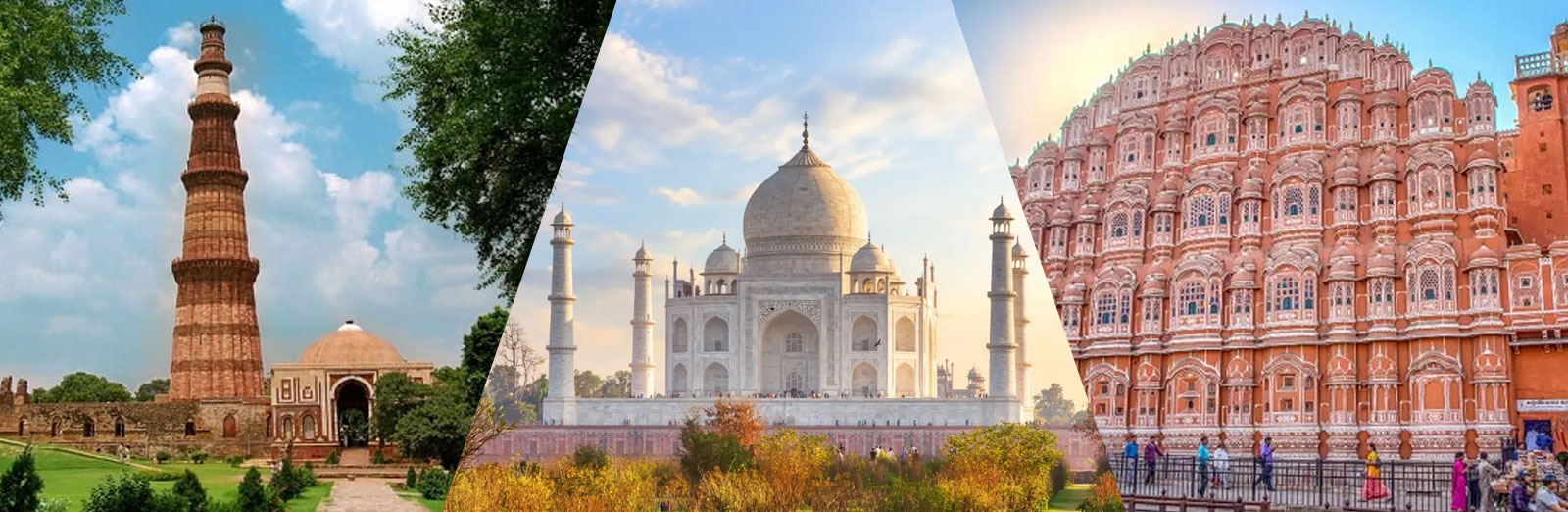
Most travelers arrive in Rajasthan with a list of famous attractions they want to visit. Amber Fort in Jaipur, Mehrangarh Fort in Jodhpur, City Palace in Udaipur, desert landscapes in Jaisalmer, and colorful local markets often dominate travel itineraries. These places deserve their reputation, yet they reveal only part of Rajasthan's story. To truly understand the region, visitors must look beyond palaces and monuments and spend time with the people who continue to preserve its artistic traditions. This is where Artisan Tours in Rajasthan become one of the most rewarding cultural experiences available in India.
For centuries, Rajasthan has been home to extraordinary craftsmen whose skills have been passed from one generation to another. Long before industrial manufacturing existed, artisans created textiles, pottery, jewelry, woodwork, paintings, leather goods, stone carvings, and decorative objects that supplied royal courts, merchant families, and communities throughout the region. These traditions continue today, not as museum displays but as living professions practiced by thousands of skilled craftsmen.
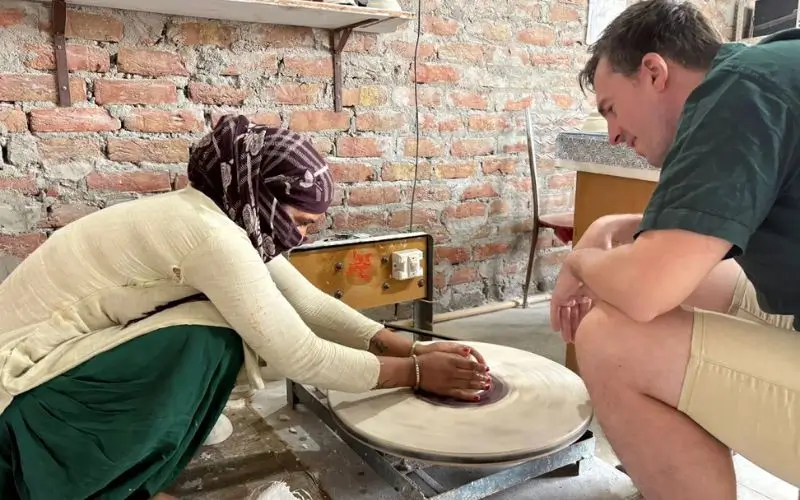
An Artisan Tour Rajasthan provides access to workshops, studios, family businesses, and creative communities where visitors can witness craftsmanship firsthand. Unlike conventional sightseeing, these experiences focus on people rather than places. Travelers observe how products are made, learn about artistic techniques, understand the cultural significance of different crafts, and interact directly with the artisans responsible for preserving them.
One of the most remarkable aspects of Rajasthan's artisan heritage is its diversity. Different cities and regions specialize in distinct crafts. Jaipur is known for jewelry, block printing, blue pottery, and gemstone cutting. Jodhpur is famous for furniture making and leather craftsmanship. Udaipur has strong traditions in miniature painting and decorative arts. Rural communities contribute weaving, embroidery, pottery, and numerous other forms of craftsmanship that remain deeply connected to local identity.
International travelers increasingly seek authentic cultural experiences rather than passive tourism. Meeting artisans satisfies this desire because it creates genuine human connections. Visitors are not simply observing demonstrations designed for tourists. They are entering working environments where real products are created using techniques that often require years or decades to master.
Another reason Craft Tours in Rajasthan have become popular is the growing appreciation for handmade products. In a world dominated by mass production, travelers value the opportunity to understand the human skill behind handcrafted objects. Observing a master craftsman at work often transforms how visitors perceive quality, creativity, and artistic excellence.
Many artisan communities also represent important examples of sustainable economic development. Traditional skills provide livelihoods for families while preserving cultural heritage. Tourism helps support these communities by creating direct economic opportunities and encouraging younger generations to continue learning ancestral crafts.
The educational value of artisan tourism should not be underestimated. Visitors gain insight into history, design, economics, culture, and social traditions through the lens of craftsmanship. Every workshop tells stories about trade routes, royal patronage, cultural influences, technological change, and artistic innovation.
For travelers seeking meaningful engagement with local culture, few experiences compare to spending time with Rajasthan's artisans. These encounters reveal the creativity, resilience, and dedication that continue to shape the region's identity. The result is a richer and more personal understanding of Rajasthan than can be achieved through monuments alone.
The true beauty of Rajasthan isn't only found in its forts—it's found in the skilled hands of its artisans. Step inside traditional workshops, meet master craftsmen.
Jaipur occupies a unique position within Rajasthan's artisan landscape. Known internationally as the Pink City, it has served as a center of craftsmanship for centuries. The city's founders actively encouraged skilled artisans to settle and establish workshops, creating an environment where artistic traditions could flourish. Today, Jaipur remains one of India's most important destinations for visitors interested in traditional craftsmanship.
A Jaipur Artisan Tour often begins with gemstone and jewelry workshops. Jaipur is recognized globally for gemstone cutting and jewelry production. Skilled craftsmen transform rough stones into polished gems using techniques refined over generations. Visitors observing this process quickly appreciate the precision, patience, and expertise required to achieve professional results.
The jewelry industry also provides insight into Jaipur's historical importance as a trading center. Precious stones from around the world have passed through the city for centuries, contributing to the development of specialized skills and artistic traditions. Many family-owned businesses continue to operate today, maintaining strong connections to their heritage while adapting to modern markets.
Blue pottery represents another iconic Jaipur craft. Unlike conventional pottery traditions, Jaipur's blue pottery uses a distinctive production method that incorporates quartz and specialized glazing techniques. The resulting products feature beautiful floral patterns, geometric designs, and vibrant blue colors that have become synonymous with the city. Visiting a Blue Pottery Workshop Jaipur allows travelers to observe every stage of production, from shaping and decorating to firing and finishing.
Block printing workshops provide additional highlights. Families in Jaipur and nearby artisan communities continue to create hand-printed textiles using carved wooden blocks and traditional dyeing methods. Visitors often participate in hands-on workshops where they learn basic printing techniques while gaining appreciation for the skill required to produce professional-quality fabrics.
The city's artisan traditions extend beyond these well-known crafts. Leather goods, metalwork, miniature paintings, hand-made paper, lacquer work, and decorative arts all contribute to Jaipur's creative identity. Each workshop reveals different aspects of Rajasthan's artistic heritage while highlighting the adaptability of traditional skills in contemporary markets.
One of the most valuable aspects of visiting artisan workshops is the opportunity to engage directly with craftsmen. Conversations about techniques frequently evolve into discussions about family histories, market challenges, artistic influences, and the realities of maintaining traditional professions. These interactions provide perspectives rarely encountered through conventional tourism.
Luxury travelers increasingly seek curated artisan experiences that include private workshop visits, personalized demonstrations, and opportunities to commission custom pieces. Such programs combine cultural immersion with exclusive access, creating memorable experiences for visitors interested in design, craftsmanship, and heritage.
Jaipur demonstrates how traditional skills can remain economically relevant while preserving cultural authenticity. The city's artisans continue to innovate and evolve without abandoning the techniques that define their heritage. For travelers, this balance between tradition and modernity makes Jaipur one of the most fascinating cultural destinations in India.
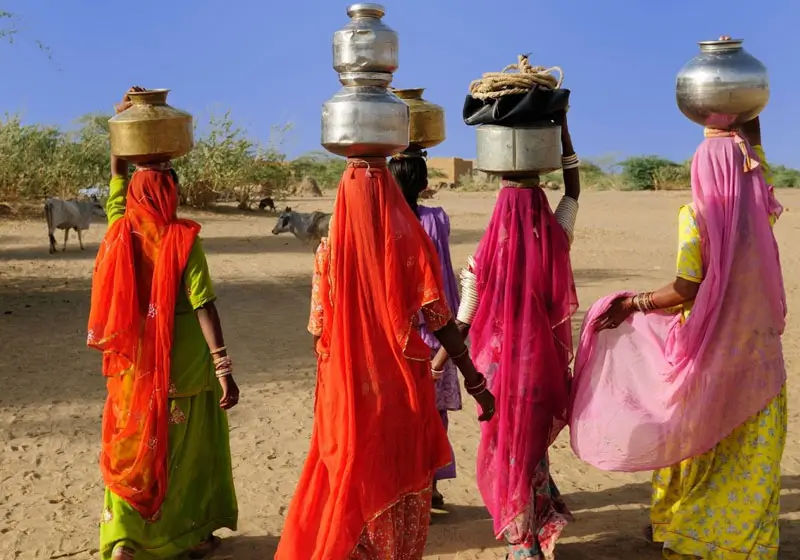
While Jaipur attracts significant attention, some of the most authentic artisan experiences occur in rural Rajasthan. Away from major tourist centers, countless villages continue to preserve traditional skills that remain integrated into everyday life. These communities offer travelers opportunities to witness craftsmanship in its most natural and culturally meaningful context.
A Village Artisan Tour Rajasthan often reveals forms of creativity that receive less international recognition but are equally impressive. Weaving communities produce textiles using traditional looms and locally developed techniques. Pottery villages create functional and decorative items that serve both practical and artistic purposes. Embroidery groups maintain intricate handwork traditions that reflect local cultural identities.
The pace of life in these communities differs significantly from urban environments. Workshops are frequently located within family homes or small community spaces rather than commercial facilities. Visitors observe how craftsmanship is integrated into daily routines, providing a more complete understanding of artisan life.
Many rural artisans learn their skills from parents and grandparents. Knowledge is transferred through observation, practice, and direct instruction rather than formal education. This apprenticeship model helps preserve techniques that might otherwise disappear. Spending time with these craftsmen allows travelers to appreciate the dedication required to master traditional arts.
Textile-producing villages are particularly popular among cultural travelers. Weavers, embroiderers, dyers, and printers collaborate to create products that reflect regional traditions while meeting contemporary market demands. Observing these interconnected production systems highlights the complexity of handmade craftsmanship.
Interactions with rural artisans often feel more personal than experiences in larger cities. Smaller communities create opportunities for meaningful conversations and cultural exchange. Visitors learn not only about craft techniques but also about local customs, celebrations, economic challenges, and aspirations for the future.
These experiences also contribute to sustainable tourism development. By directing visitors toward artisan communities, tourism creates alternative income sources while encouraging heritage preservation. Travelers benefit from authentic cultural encounters, while artisans gain economic support and international recognition.
Photography enthusiasts frequently find rural artisan communities particularly rewarding. Workshops, traditional tools, colorful materials, and skilled craftsmen at work provide compelling visual subjects. However, the true value of these visits lies in the stories behind the images. Every object created by hand represents years of learning, cultural knowledge, and personal dedication.
For travelers seeking deeper understanding of Rajasthan, rural artisan communities offer invaluable perspectives. They demonstrate how traditional skills continue to adapt and survive despite rapid economic and technological change. These communities embody resilience, creativity, and cultural continuity in ways that enrich any journey through the region.
From hand-block printing and blue pottery to gemstone cutting and miniature painting, experience Rajasthan's most celebrated crafts through immersive workshops and hands-on cultural experiences.
The rise of artisan tourism reflects broader changes in traveler preferences. Increasing numbers of visitors seek experiences that provide authenticity, education, and human connection rather than simply entertainment. Artisan tours satisfy these desires by creating opportunities for direct engagement with local culture.
One reason Cultural Tours in Rajasthan centered on artisans are so rewarding is that they reveal the human side of heritage. Monuments tell stories about rulers and historical events, but artisans demonstrate how culture is lived and transmitted from one generation to the next. Their work represents continuity, creativity, and adaptation across centuries.
Travelers often report that meeting artisans changes their understanding of value. Observing the time, effort, and expertise required to create handmade products encourages greater appreciation for craftsmanship. Items that might appear expensive at first suddenly seem remarkably affordable when visitors witness the labor involved.
Artisan tours also support responsible tourism. Purchasing directly from craftsmen ensures that economic benefits reach local communities. This direct connection creates positive outcomes for both travelers and artisans while reducing reliance on intermediaries.
Another important benefit is educational enrichment. Visitors learn about history, materials, production techniques, cultural symbolism, and economic realities through firsthand observation. Such knowledge creates more meaningful travel experiences and deeper appreciation for local traditions.
The emotional impact of these encounters often exceeds expectations. Travelers remember conversations, demonstrations, and personal interactions long after details of conventional sightseeing have faded. Human connections create lasting memories because they engage curiosity, empathy, and shared experience.
As tourism continues to evolve, experiences that emphasize authenticity and cultural engagement are likely to become increasingly important. Rajasthan's artisan communities are exceptionally well positioned to meet this demand because they offer genuine access to living traditions that remain relevant in contemporary society.
For international visitors seeking meaningful travel, artisan tours provide opportunities to move beyond observation and become participants in cultural exchange. The result is a richer understanding of Rajasthan and a deeper appreciation for the people whose skills continue to shape its identity.
Travelers increasingly value authentic cultural experiences, sustainability, craftsmanship, and meaningful interactions with local communities.
Yes. Jaipur is part of the Golden Triangle, making artisan experiences easy to include within broader itineraries.
Many luxury travel programs include private artisan visits and curated cultural experiences.
Yes. Direct purchases and workshop visits help generate income for artisan families and support heritage preservation.
Blue pottery is a distinctive ceramic tradition known for its vibrant blue designs and unique production techniques.
Absolutely. Families often enjoy interactive workshops and opportunities to meet local craftsmen.
Yes. Many artisan workshops offer hands-on experiences where visitors can learn basic techniques.
Popular crafts include block printing, blue pottery, jewelry making, weaving, embroidery, miniature painting, leatherwork, and wood carving.
Jaipur is the most popular destination because of its concentration of jewelry makers, block printers, blue pottery artists, and other craftsmen.
An artisan tour focuses on visiting workshops, studios, and craft communities where traditional handmade products are created.
An artisan tour focuses on visiting workshops, studios, and craft communities where traditional handmade products are created.
Jaipur is the most popular destination because of its concentration of jewelry makers, block printers, blue pottery artists, and other craftsmen.
Popular crafts include block printing, blue pottery, jewelry making, weaving, embroidery, miniature painting, leatherwork, and wood carving.
Yes. Many artisan workshops offer hands-on experiences where visitors can learn basic techniques.
Absolutely. Families often enjoy interactive workshops and opportunities to meet local craftsmen.
Blue pottery is a distinctive ceramic tradition known for its vibrant blue designs and unique production techniques.
Yes. Direct purchases and workshop visits help generate income for artisan families and support heritage preservation.
Many luxury travel programs include private artisan visits and curated cultural experiences.
Yes. Jaipur is part of the Golden Triangle, making artisan experiences easy to include within broader itineraries.
Travelers increasingly value authentic cultural experiences, sustainability, craftsmanship, and meaningful interactions with local communities.
Fill in the details below. Our expert consultant will respond within 4 hours with a bespoke itinerary crafted just for you — completely free, no obligation.