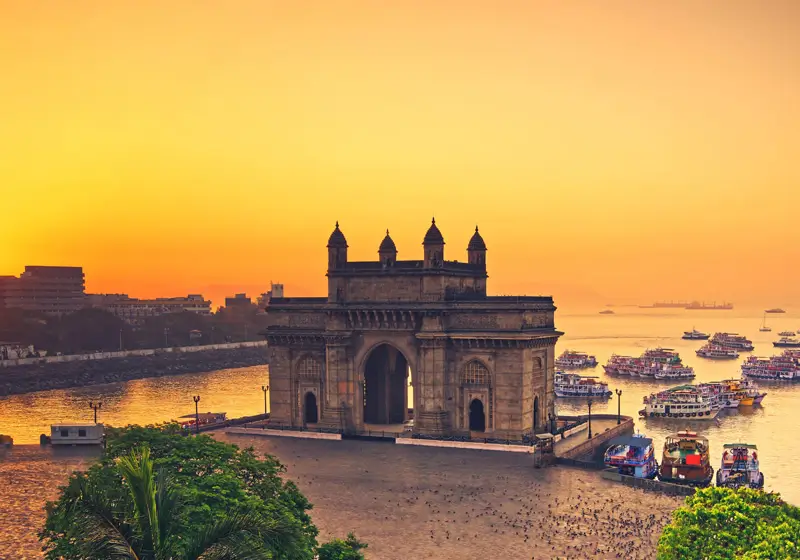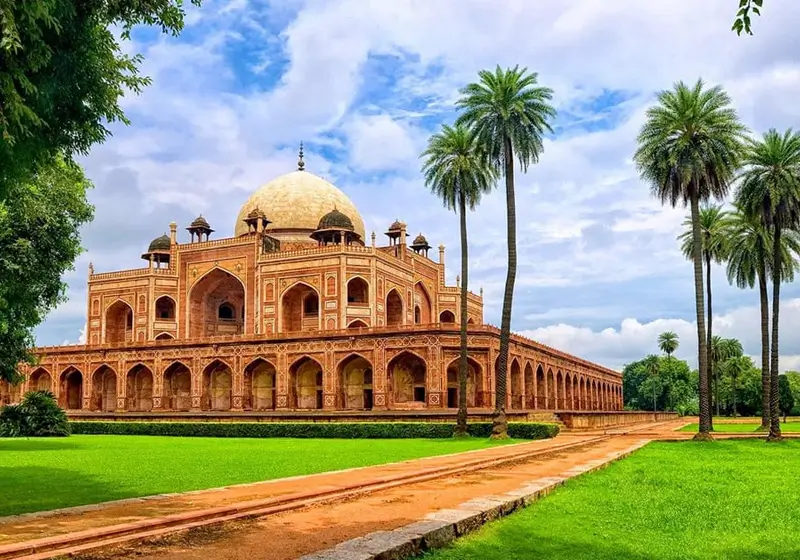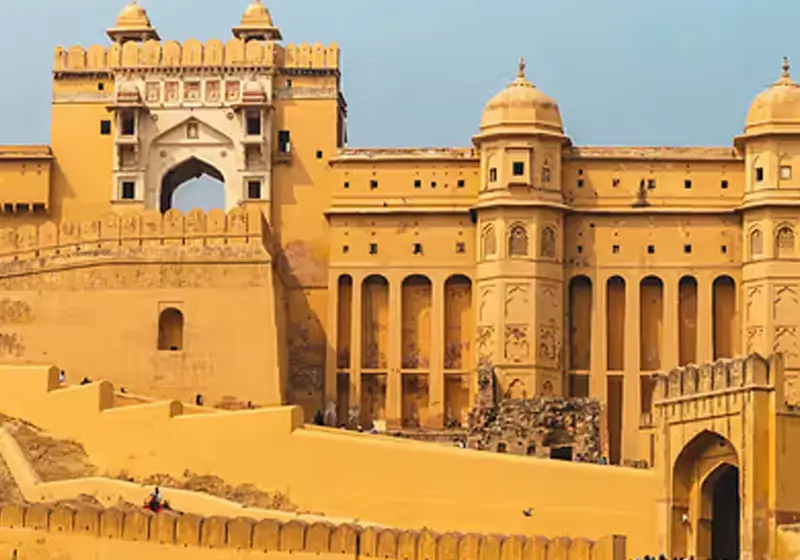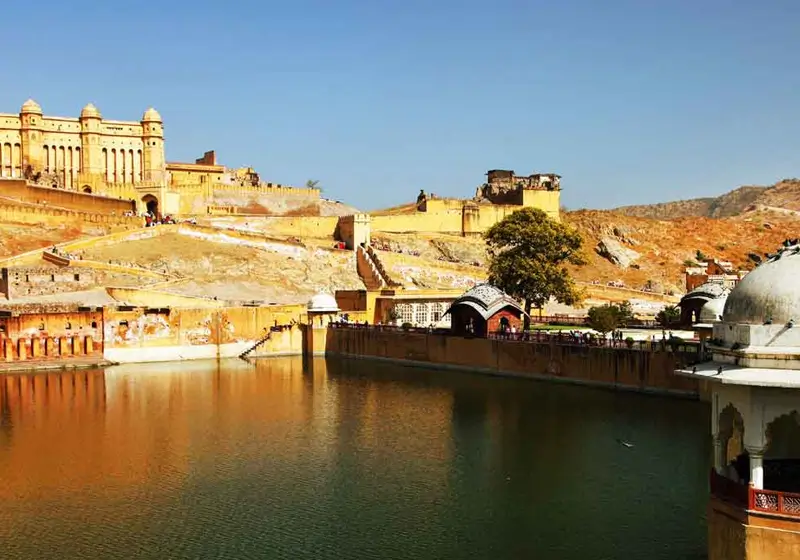
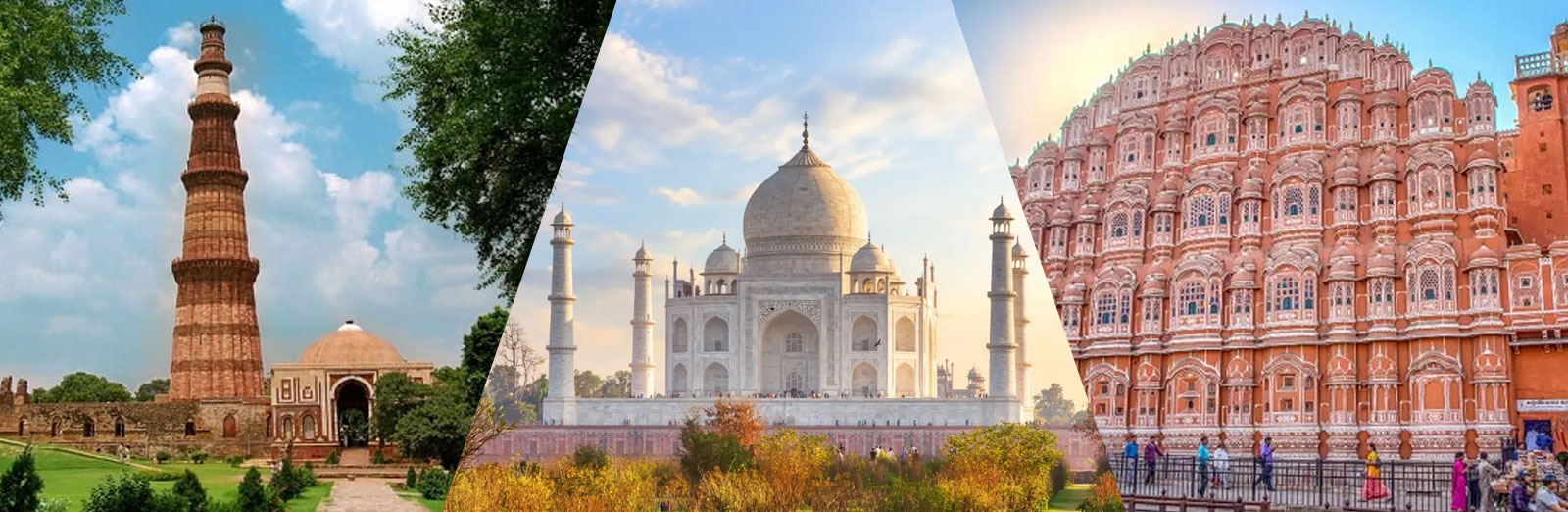
Traveling across India is an extraordinary experience. The country offers an incredible combination of historic monuments, royal palaces, spiritual sites, bustling cities, and breathtaking landscapes. Many international travelers choose multi-city itineraries so they can experience the diversity of India within a limited time. Popular routes such as the Golden Triangle tour in India or extended journeys across Rajasthan and northern India allow visitors to see several iconic destinations during a single trip.
However, traveling across multiple cities in a short period can sometimes lead to travel fatigue during long trips. Constant transportation, new environments, busy sightseeing schedules, and changes in climate can make travelers feel tired or overwhelmed if the itinerary is not planned carefully.
Fortunately, with thoughtful planning and a balanced travel pace, visitors can enjoy a multi-city India tour comfortably while maintaining energy and enthusiasm throughout the journey. The key is understanding how to manage travel schedules, sightseeing activities, and rest periods effectively.
When travelers plan their journeys with the right strategies, exploring multiple destinations in India becomes not only manageable but also deeply rewarding.
Travel fatigue occurs when travelers experience physical or mental exhaustion caused by constant movement, packed itineraries, and unfamiliar environments. On a multi-city India tour, visitors often travel long distances between destinations while trying to see as many attractions as possible.
India is a vast country, and although major tourist routes are well connected, travel between cities still requires time and energy. Long drives, early morning sightseeing schedules, and crowded tourist attractions can gradually create fatigue if travelers do not balance activity with relaxation.
Another factor contributing to fatigue is sensory overload. India’s vibrant culture, busy streets, colorful markets, and diverse experiences stimulate the senses constantly. While this intensity is part of what makes India fascinating, it can also feel overwhelming if travelers do not take occasional breaks.
Understanding the concept of travel fatigue in India tours helps travelers recognize when they need to slow down and recharge during their journey.
Avoid long tiring journeys and poorly planned routes. Let our experts design a smooth multi-city itinerary with comfortable travel, proper rest breaks, and seamless experiences—so you enjoy every moment of your trip.
Chat On WhatsApp Contact UsOne of the most effective ways to avoid exhaustion is to design a balanced itinerary that allows time for both sightseeing and rest. Travelers sometimes try to visit too many destinations within a limited schedule, which leads to rushed experiences and unnecessary stress.
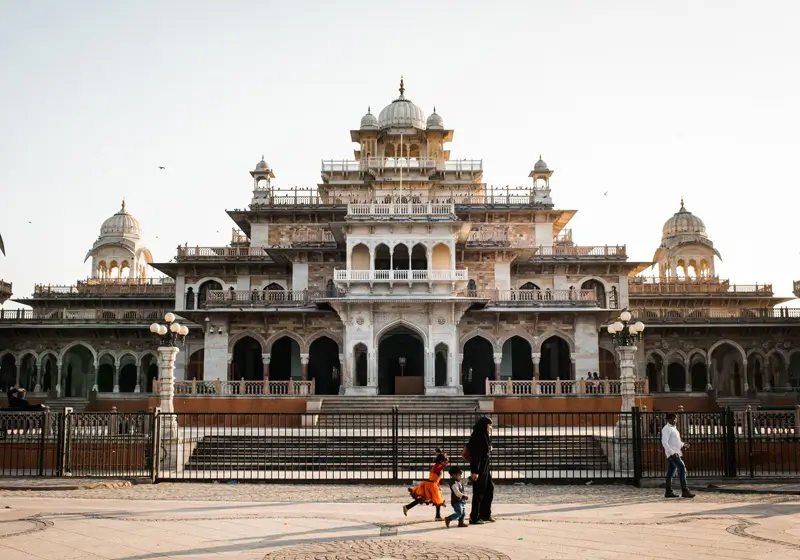
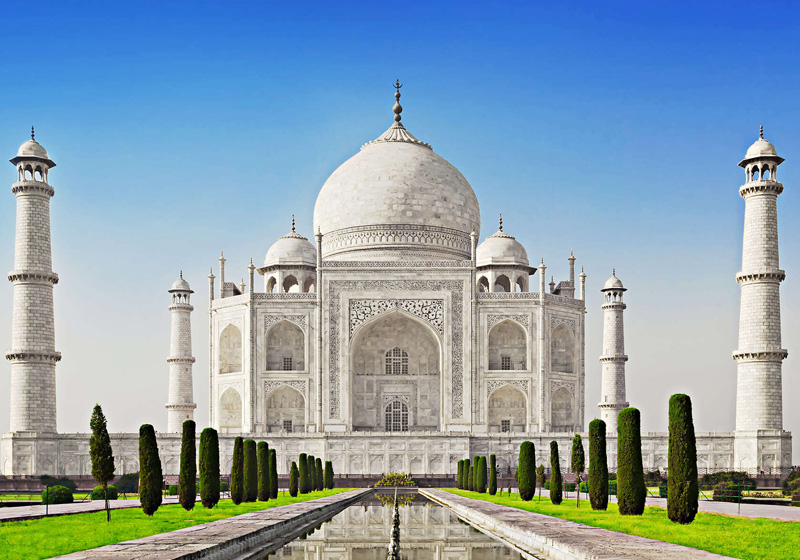
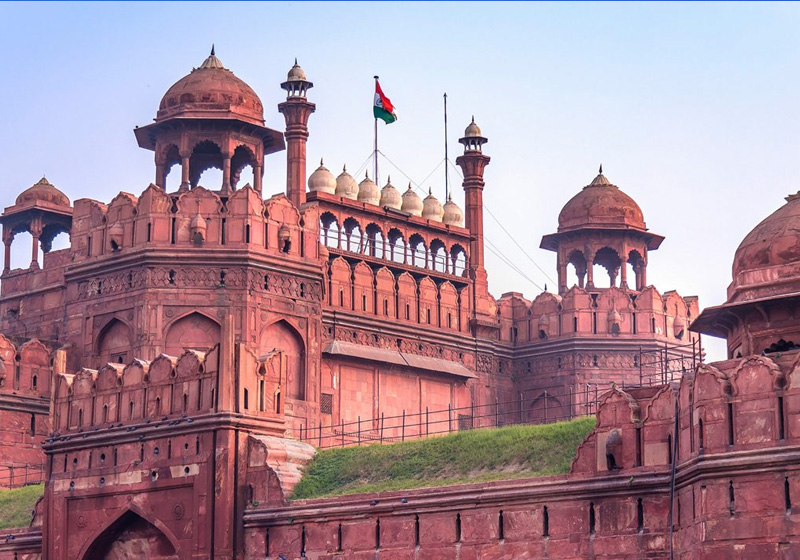
Instead of including numerous cities in a short period, it is often better to focus on a few key destinations and explore them thoroughly. For example, a classic Golden Triangle itinerary includes Delhi, Agra, and Jaipur over five to seven days. This pace allows visitors to enjoy the major attractions without feeling hurried.
Adding buffer days between long travel segments can also help maintain energy levels. These rest days allow travelers to enjoy local experiences such as walking through markets, visiting cafes, or simply relaxing at the hotel.
A carefully designed itinerary ensures that the journey remains enjoyable rather than exhausting.
Transportation choices play a major role in reducing travel fatigue. Traveling between cities in India can be comfortable if the right transport options are selected.
Many travelers prefer private car tours in India because they offer flexibility and convenience. With a private vehicle and driver, visitors can travel at their own pace, stop for breaks, and explore attractions along the route.
Private car travel also eliminates the need to navigate busy train stations or airports repeatedly. Instead, travelers can enjoy scenic drives and observe rural landscapes while moving between cities.
In some cases, trains may also be convenient, particularly for shorter routes. However, planning train schedules carefully is important to avoid early departures or late arrivals that disrupt sleep patterns.
Comfortable transportation significantly reduces the physical strain of long journeys.
Another essential factor in avoiding fatigue is maintaining proper hydration and nutrition during travel. Climate conditions in India can vary widely depending on the region and season.
Travelers exploring cities during warm weather should drink plenty of water throughout the day to stay hydrated. Carrying a reusable water bottle is a simple way to ensure regular hydration while sightseeing.
Eating balanced meals also helps maintain energy levels. Indian cuisine offers a wide variety of nutritious dishes, including lentils, vegetables, rice, and freshly prepared breads.
Travelers who try a mix of traditional meals and lighter foods often feel more energized during long sightseeing days.
Maintaining healthy habits while traveling helps prevent exhaustion and allows visitors to fully enjoy their journey.
One common mistake travelers make is trying to fill every hour of the day with sightseeing activities. While it is exciting to explore famous monuments and cultural attractions, rest is equally important.
Scheduling short breaks during the day allows travelers to relax, drink tea, or enjoy a quiet moment before continuing their exploration.
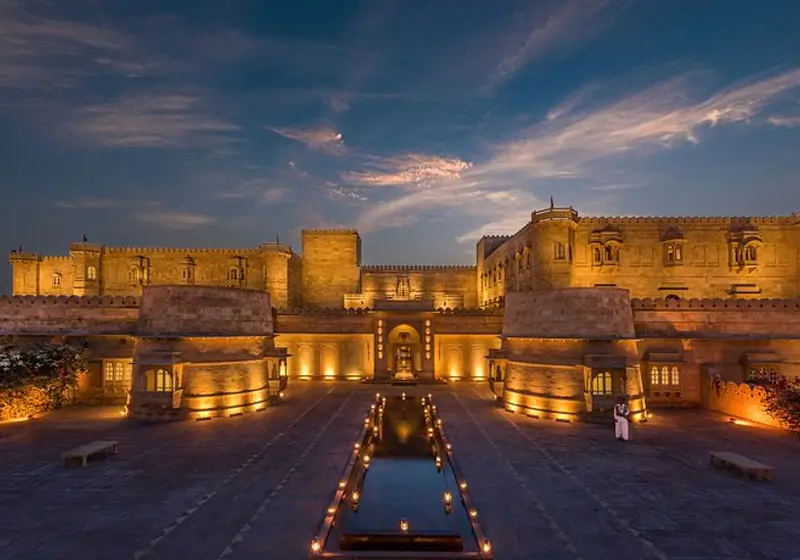
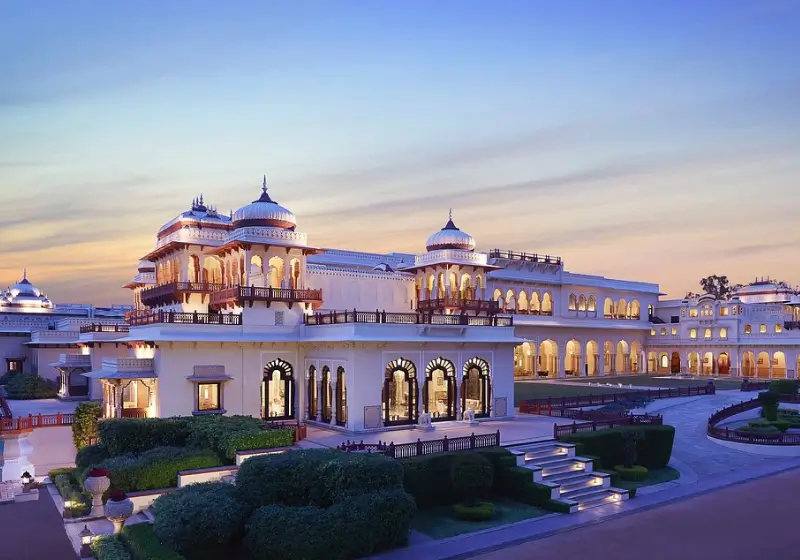
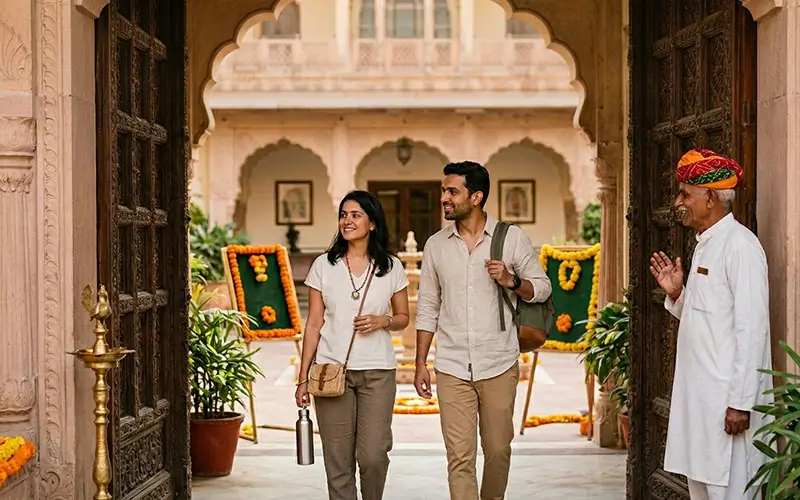
Many luxury hotels and heritage properties in India offer beautiful gardens, courtyards, and lounges where visitors can unwind after a day of sightseeing.
Even a short rest period can help travelers regain energy and continue exploring with renewed enthusiasm.
Balancing activity and relaxation is essential for avoiding tour travel fatigue.
International travelers often experience jet lag when arriving in India after long flights. Adjusting to the new time zone can take a few days, and planning the itinerary accordingly helps reduce fatigue.
Allowing a relaxed schedule during the first day after arrival gives travelers time to recover from jet lag and adapt to the local climate.
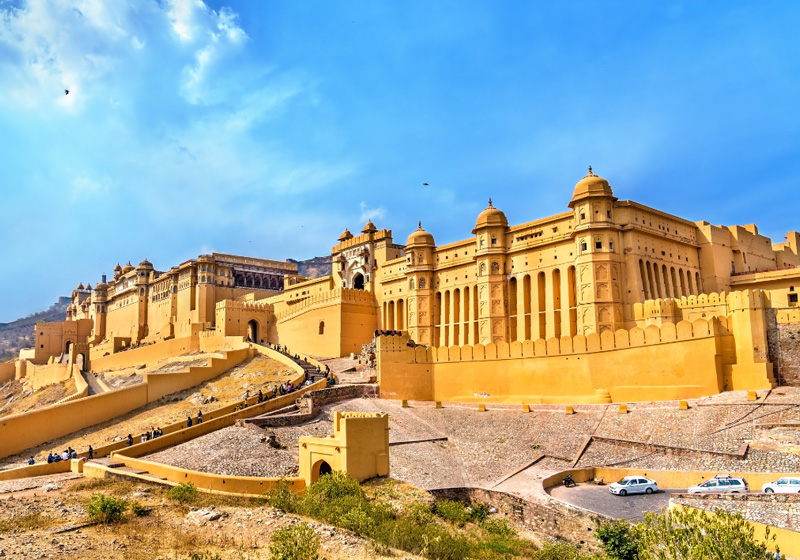
India’s weather can vary greatly depending on the region and season. Northern cities may experience cooler winters while desert regions such as Rajasthan can become quite warm during the day.
Wearing comfortable clothing, using sun protection, and planning outdoor sightseeing during cooler hours of the day can help travelers maintain energy levels.
Understanding how to adapt to local conditions ensures a smoother travel experience.
Skip hectic schedules and exhausting travel days. We create well-balanced itineraries with the right pacing, comfortable transport, and enough time to relax—so you can truly enjoy your multi-city India tour.
Chat On WhatsApp Contact UsSlow travel is a growing trend among visitors who want to experience destinations more deeply rather than rushing through multiple locations.
Instead of visiting many cities quickly, slow travel focuses on spending more time in fewer destinations. This approach allows travelers to explore local culture, cuisine, and neighborhoods at a relaxed pace.
Walking through historic markets, attending cultural performances, or enjoying a traditional meal can provide meaningful experiences without physical exhaustion.
For many travelers, adopting a slow travel approach in India leads to richer memories and a deeper connection with the places they visit.
Every traveler has different energy levels and travel preferences. Paying attention to personal comfort is important during long journeys.
If a sightseeing schedule feels overwhelming, it is perfectly acceptable to skip an activity and rest instead. Travel should be enjoyable rather than stressful.
Some travelers prefer early morning sightseeing followed by relaxed afternoons, while others enjoy evening cultural experiences. Adjusting the itinerary to suit personal rhythms helps maintain enthusiasm throughout the trip.
Listening to your body ensures that the journey remains comfortable and memorable.
Traveling across India offers far more than simply visiting famous landmarks. The journey itself—through landscapes, villages, and historic towns—is an important part of the experience.
When travelers focus on enjoying the journey rather than rushing between destinations, they often discover unexpected moments of beauty and cultural insight.
Observing daily life from a car window, stopping for tea at roadside cafes, or chatting with local artisans can become some of the most memorable parts of the trip.
By embracing a balanced pace and thoughtful itinerary, travelers can avoid fatigue and fully enjoy their multi-city India tour.
Long travel distances, busy itineraries, and lack of rest can cause fatigue.
Planning balanced itineraries and taking regular breaks helps.
Yes, it provides comfort and flexibility.
Focusing on fewer destinations allows a more relaxed experience.
Yes, staying hydrated improves energy levels.
Yes, rest days help maintain energy during long journeys.
Yes, spending more time in fewer places reduces fatigue.
Yes, international travelers may need time to adjust.
Yes, adapting to local weather helps maintain comfort.
A balanced pace ensures travelers enjoy the journey without exhaustion.
Fill in the details below. Our expert consultant will respond within 4 hours with a bespoke itinerary crafted just for you — completely free, no obligation.