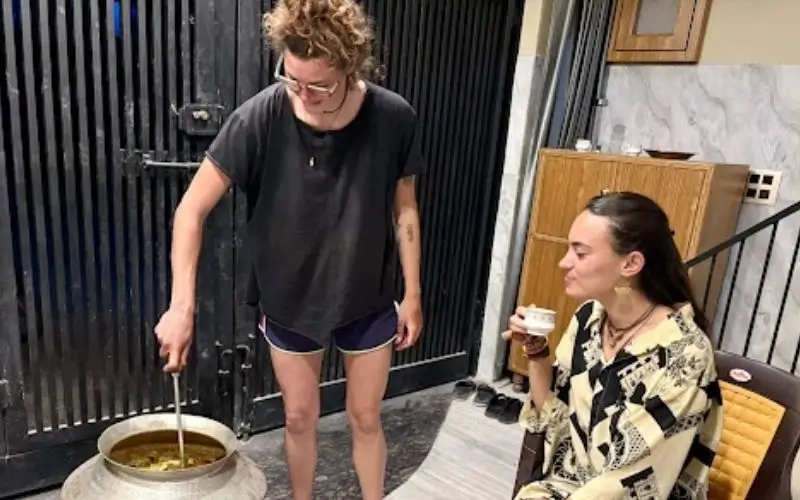
For many international travelers, food becomes one of the strongest memories of a journey through India. The aromas of freshly ground spices, the sight of colorful ingredients in bustling markets, the warmth of traditional hospitality, and the incredible diversity of regional cuisines create experiences that remain unforgettable long after the trip ends. While dining in restaurants provides an introduction to Indian cuisine, participating in Cooking Classes in India offers something much deeper. It allows travelers to move beyond tasting food and understand the culture, history, traditions, and people behind every dish.
Across India, cooking is far more than a daily activity. It represents family heritage, regional identity, seasonal traditions, religious influences, and centuries of culinary evolution. Recipes are often passed down through generations, preserved through practice rather than written instructions. When foreign visitors join a cooking class, they gain access to knowledge that is rarely available through guidebooks or restaurant menus.
The growing popularity of Culinary Tours in India reflects a broader shift in global travel trends. Modern travelers increasingly seek authentic experiences that create meaningful connections with local communities. Rather than simply observing a destination, they want to participate in everyday life. Cooking classes provide one of the most effective ways to achieve this because food naturally brings people together.
Many visitors are surprised to discover that Indian cuisine is not a single cuisine at all. Every region has developed distinctive flavors, ingredients, cooking techniques, and culinary traditions. A traveler exploring Rajasthan encounters dramatically different dishes than someone visiting Kerala, Bengal, Punjab, or Tamil Nadu. Participating in cooking classes across different regions reveals the extraordinary diversity that exists within Indian food culture.
Another reason Indian Cooking Experiences have become so popular among international visitors is their educational value. Travelers learn how spices are used, how flavors are balanced, why certain ingredients are combined, and how regional cuisines evolved over time. These insights help visitors appreciate Indian food on a much deeper level than simply ordering dishes in restaurants.
Cooking classes also provide opportunities for genuine cultural exchange. Many sessions take place in family homes rather than commercial kitchens. Guests meet local hosts, learn about daily life, discuss traditions, and share stories while preparing meals together. These personal interactions frequently become the most memorable aspects of the experience.
For travelers concerned about recreating Indian dishes after returning home, cooking classes provide practical skills that continue to deliver value long after the journey ends. Participants leave with recipes, techniques, and confidence that allow them to bring a taste of India into their own kitchens. Many travelers report that cooking Indian food at home helps them reconnect with cherished travel memories.
The appeal extends across all age groups and travel styles. Solo travelers, couples, families, luxury tourists, food enthusiasts, and cultural explorers all find value in culinary experiences. Whether someone is an experienced cook or a complete beginner, Indian cooking classes are designed to be accessible, engaging, and enjoyable.
As Experiential Travel in India continues to grow, cooking classes have emerged as one of the most rewarding activities available to foreign tourists. They combine education, culture, hospitality, and gastronomy into a single experience that enriches any itinerary. For travelers seeking authentic connections and lasting memories, few activities offer greater rewards than learning to cook alongside the people who keep India's culinary traditions alive.
The secret ingredient isn't a spice—it's the people who share their traditions with you. Join authentic cooking experiences, explore local markets, and learn family recipes that transform your India trip into a lifelong memory.
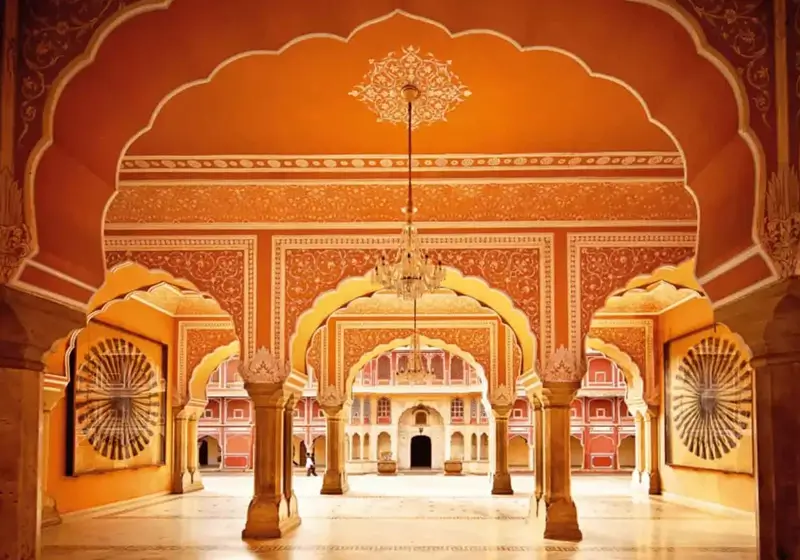
Among the many destinations offering cooking experiences, Rajasthan occupies a special place due to its rich culinary heritage and strong traditions of hospitality. Travelers visiting Jaipur often discover that participating in a Cooking Class in Jaipur provides insights into local culture that cannot be gained through sightseeing alone.
Rajasthani cuisine evolved under unique environmental conditions. The desert climate encouraged the development of dishes that could be preserved for extended periods while remaining flavorful and nutritious. As a result, many traditional recipes rely on ingredients such as lentils, gram flour, dried vegetables, yogurt, clarified butter, and aromatic spices. These ingredients are transformed into dishes that are both distinctive and deeply satisfying.
Many cooking classes in Jaipur take place within family homes where guests are welcomed as temporary members of the household. The experience often begins with introductions over tea before moving into the kitchen. Hosts explain the significance of different ingredients, discuss regional traditions, and demonstrate techniques that have been passed through generations.
Travelers frequently learn to prepare iconic dishes such as Dal Baati Churma, Gatte Ki Sabzi, Ker Sangri, Bajra Roti, and various traditional sweets. However, the educational value extends beyond recipes themselves. Participants gain insight into how food reflects Rajasthan's history, geography, and cultural identity.
One of the most fascinating aspects of Food Tours in Rajasthan is the opportunity to learn about spice usage. Contrary to common assumptions, Indian cooking is not simply about making food spicy. Instead, spices are carefully balanced to create complexity, aroma, and depth of flavor. Understanding these principles often changes the way visitors think about Indian cuisine entirely.
Many hosts also include visits to local markets where participants learn how ingredients are selected. Walking through Jaipur's bustling bazaars introduces travelers to seasonal produce, traditional cooking tools, regional specialties, and ingredients that may be unfamiliar to international visitors. These market visits provide valuable context for the cooking experience.
Luxury travelers increasingly seek private culinary experiences that combine cooking instruction with cultural immersion. Premium programs may include personalized menus, heritage property settings, chef-led demonstrations, and curated dining experiences. Such offerings have become popular additions to Luxury Rajasthan Tours.
Cooking classes also complement traditional sightseeing itineraries beautifully. After visiting forts, palaces, and historic attractions, travelers gain a deeper appreciation for local culture by spending time with residents in a domestic setting. This balance between landmark tourism and personal interaction creates a more complete understanding of Rajasthan.
For foreign visitors seeking authentic experiences, Jaipur's cooking classes represent far more than culinary lessons. They offer opportunities to connect with local families, understand regional traditions, and participate in cultural exchanges that remain memorable long after the trip concludes.
While Rajasthan introduces travelers to royal and desert-influenced cooking traditions, South India provides a completely different culinary experience. The region's tropical climate, coastal geography, abundant produce, and distinctive cultural influences have produced some of the most diverse and flavorful cuisines in the country.
Participating in a Cooking Class in Kerala allows visitors to explore ingredients and techniques that differ significantly from those found in northern India. Coconut plays a central role in many dishes, appearing in various forms including grated coconut, coconut milk, coconut oil, and roasted coconut preparations. Combined with fresh seafood, tropical fruits, curry leaves, mustard seeds, and local spices, these ingredients create flavors that are unique to the region.
Many culinary experiences in Kerala begin with visits to local markets or spice plantations. Travelers learn about cardamom, black pepper, cinnamon, cloves, nutmeg, and other spices that have shaped global trade history for centuries. Understanding the origins of these ingredients adds depth to the cooking process and highlights Kerala's historical importance as a center of international commerce.
Cooking classes often focus on traditional family recipes rather than restaurant-style dishes. Participants may learn to prepare fish curries, vegetable stews, appams, puttu, avial, sambar, and various coconut-based specialties. The emphasis is frequently placed on balancing flavors, understanding ingredient combinations, and appreciating seasonal variations.
The educational value of these experiences extends beyond food preparation. Hosts often discuss local customs, agricultural traditions, festivals, and the role of food in community life. Such conversations provide valuable cultural context while creating meaningful interactions between visitors and residents.
South Indian cooking classes are particularly appealing to travelers interested in healthy eating. Many regional dishes emphasize fresh ingredients, vegetables, legumes, and balanced nutrition. Visitors often leave with practical recipes that can be easily adapted for home cooking.
Another attraction is the relaxed pace of life found in many parts of Kerala. Cooking sessions frequently take place in peaceful settings surrounded by gardens, backwaters, or countryside landscapes. The tranquil environment enhances the overall experience and allows participants to fully immerse themselves in the learning process.
For travelers seeking a deeper understanding of Authentic Indian Food Experiences, South India offers exceptional opportunities. The region's culinary diversity, cultural richness, and welcoming hospitality create memorable experiences that consistently rank among visitors' favorite travel activities.
Monuments tell India's history—but its kitchens tell its heart. Experience authentic cooking classes that connect you with local families, regional flavors, and unforgettable cultural moments.
Many travel experiences focus primarily on observation. Visitors view monuments, attend performances, or listen to guided explanations while remaining largely separate from local daily life. Cooking classes differ because they encourage active participation and meaningful interaction.
When travelers enter a family kitchen, barriers often disappear quickly. Preparing food together creates a natural environment for conversation and cultural exchange. Discussions about recipes frequently lead to broader conversations about traditions, family life, celebrations, education, and everyday experiences. These interactions provide insights that are rarely accessible through conventional tourism.
A Cultural Cooking Experience India also encourages travelers to slow down and engage more deeply with their surroundings. Rather than rushing between attractions, participants spend several hours focused on a single activity. This slower pace often leads to more meaningful memories and stronger emotional connections.
Food serves as a universal language that transcends cultural differences. Even when participants come from different backgrounds, shared interest in cooking creates common ground. Hosts and guests often discover similarities in family traditions, cooking practices, and culinary preferences despite geographic distance.
Many travelers report that cooking classes become highlights of their journeys because they provide authentic human connections. The experience feels personal rather than transactional. Guests are not simply customers; they are welcomed into homes, kitchens, and family traditions.
The lasting value of these experiences should not be underestimated. Unlike many travel activities that remain confined to memories, cooking skills continue to provide benefits long after returning home. Preparing dishes learned during a trip allows travelers to revisit their experiences repeatedly while sharing them with friends and family.
For foreign tourists seeking deeper engagement with Indian culture, cooking classes offer exceptional opportunities. They combine education, hospitality, cultural exchange, and practical learning in ways that few other travel activities can match. This unique combination explains why culinary tourism continues to grow and why cooking classes have become essential components of many India itineraries.
Most classes provide everything needed. Comfortable clothing and enthusiasm for learning are usually sufficient.
Absolutely. Jaipur and Delhi offer excellent cooking experiences that fit naturally into Golden Triangle itineraries.
Jaipur, Delhi, Udaipur, Kochi, Mumbai, and Varanasi are among the most popular culinary destinations.
Yes. Reputable providers maintain excellent standards and welcome international visitors regularly.
Many premium and cultural cooking experiences include guided visits to local markets.
Most classes last between three and five hours, including meal preparation and dining.
Most hosts can adapt menus for dietary requirements if informed in advance.
Yes. Many Indian cooking classes focus entirely on vegetarian cuisine.
Classes vary by region but often include curries, breads, rice dishes, snacks, desserts, and traditional family recipes.
Yes. Most cooking classes are designed for all skill levels, including complete beginners.
Yes. Most cooking classes are designed for all skill levels, including complete beginners.
Classes vary by region but often include curries, breads, rice dishes, snacks, desserts, and traditional family recipes.
Yes. Many Indian cooking classes focus entirely on vegetarian cuisine.
Most hosts can adapt menus for dietary requirements if informed in advance.
Most classes last between three and five hours, including meal preparation and dining.
Many premium and cultural cooking experiences include guided visits to local markets.
Yes. Reputable providers maintain excellent standards and welcome international visitors regularly.
Jaipur, Delhi, Udaipur, Kochi, Mumbai, and Varanasi are among the most popular culinary destinations.
Absolutely. Jaipur and Delhi offer excellent cooking experiences that fit naturally into Golden Triangle itineraries.
Most classes provide everything needed. Comfortable clothing and enthusiasm for learning are usually sufficient.
Fill in the details below. Our expert consultant will respond within 4 hours with a bespoke itinerary crafted just for you — completely free, no obligation.