Itinerary ideas, cultural insights, luxury tips and practical planning guides for every India traveller.
The Golden Triangle is the most famous travel circuit in India, connecting Delhi, Agra and Jaipur into a journey filled with royal palaces, Mughal monuments, vibrant markets, ancient streets, and unforgettable cultural encounters. For first-time visitors, choosing the ideal Golden Triangle route is not always easy. Some travellers want a quick introduction to India through a short itinerary, while others prefer slow travel, cultural immersion, photography, shopping and memorable local experiences. Selecting the right duration can transform the trip from ordinary to extraordinary.
This guide compares the three most popular Golden Triangle itineraries — 5-day, 7-day and 9-day options — designed especially for foreign travellers experiencing India for the first time. Each duration offers unique advantages, different sightseeing experiences, and varied cultural depth. Whether the goal is to see the Taj Mahal, explore Delhi’s heritage, experience Jaipur’s royal charm or enjoy artisan workshops, each route creates its own pace and personality.
Throughout the blog, natural placement of key travel terms such as Golden Triangle itinerary, Delhi Agra Jaipur tour, best Golden Triangle route, private car with driver, Taj Mahal sunrise visit, Jaipur sightseeing, Old Delhi markets, Agra Mughal architecture, and heritage experiences supports search relevance while maintaining a premium writing tone.
Travellers from around the world often choose the Golden Triangle as their introduction to India because it delivers a perfect balance of culture, history, comfort, architecture, spirituality and food diversity. The three cities offer contrasting experiences but share deep cultural threads that make the journey immersive and emotionally rich.
Delhi presents a dramatic blend of ancient and modern India. Old Delhi bursts with narrow spice lanes, traditional shops, historical mosques, and vibrant street scenes, while New Delhi showcases grand avenues, museums, gardens and colonial architecture. Together, they offer a sweeping snapshot of India’s evolving identity.
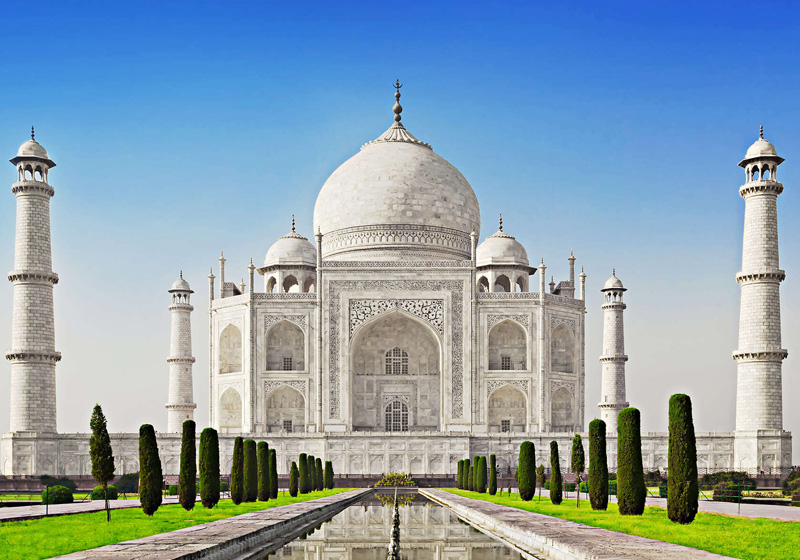
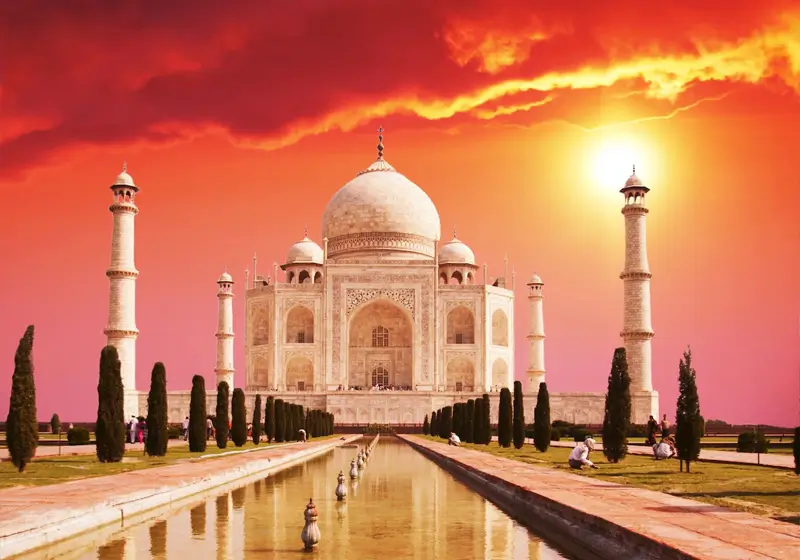
Agra is globally celebrated as the home of the Taj Mahal, a masterpiece of marble symmetry, emotional storytelling and architectural brilliance. Beyond the Taj, Agra offers the sprawling Agra Fort, Mughal-era gardens, artisan workshops, miniatures, marble-inlay craft and delicious historic sweets.
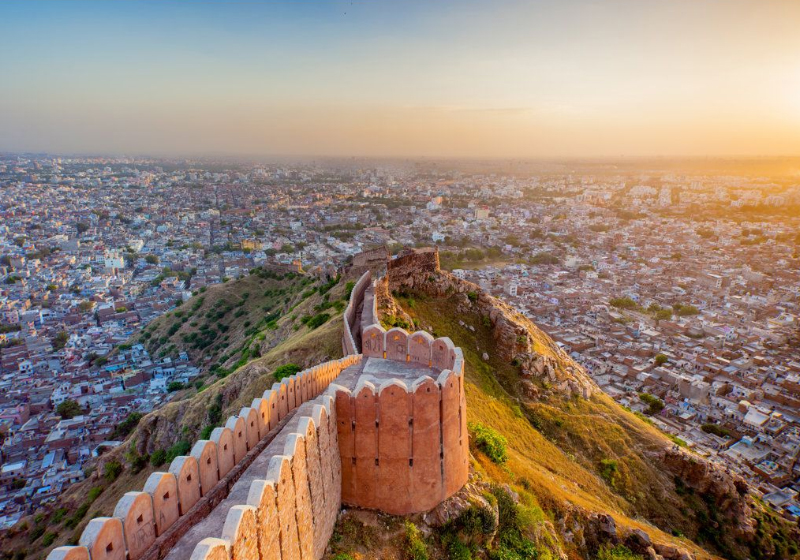
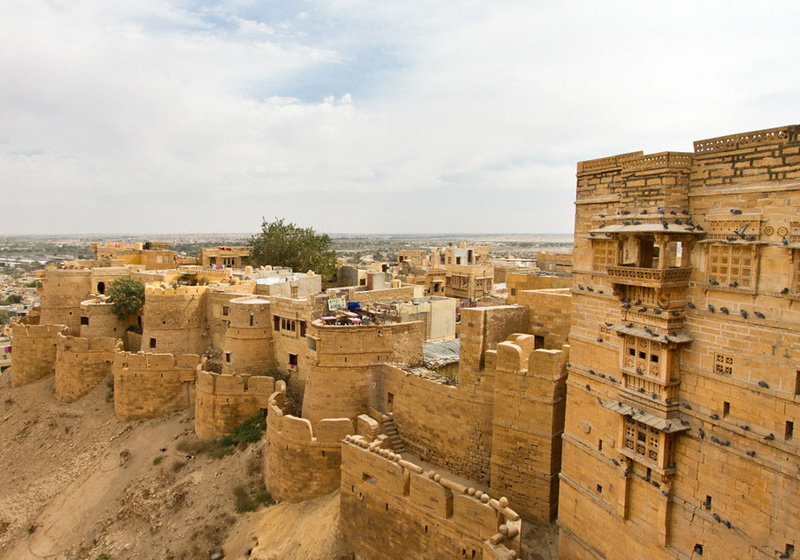
Jaipur, the Pink City, completes the triangle with majestic palaces, hilltop forts, stepwells, painted city gates, textile craftsmen, gemstone markets and traditional Rajasthani culture. From folk dances to block-printing workshops, Jaipur enriches the journey with colour and creativity.
This combination creates a powerful introduction to India — visually stunning, culturally layered, historically meaningful and emotionally captivating.
A 5-day Golden Triangle itinerary is ideal for travellers with limited time who want to cover all major highlights without compromising comfort. It is perfect for:
Despite the short duration, the 5-day Golden Triangle route can be smooth and enjoyable when planned with a private car and driver, allowing flexible departures, early-morning monument visits, and comfortable highway travel.
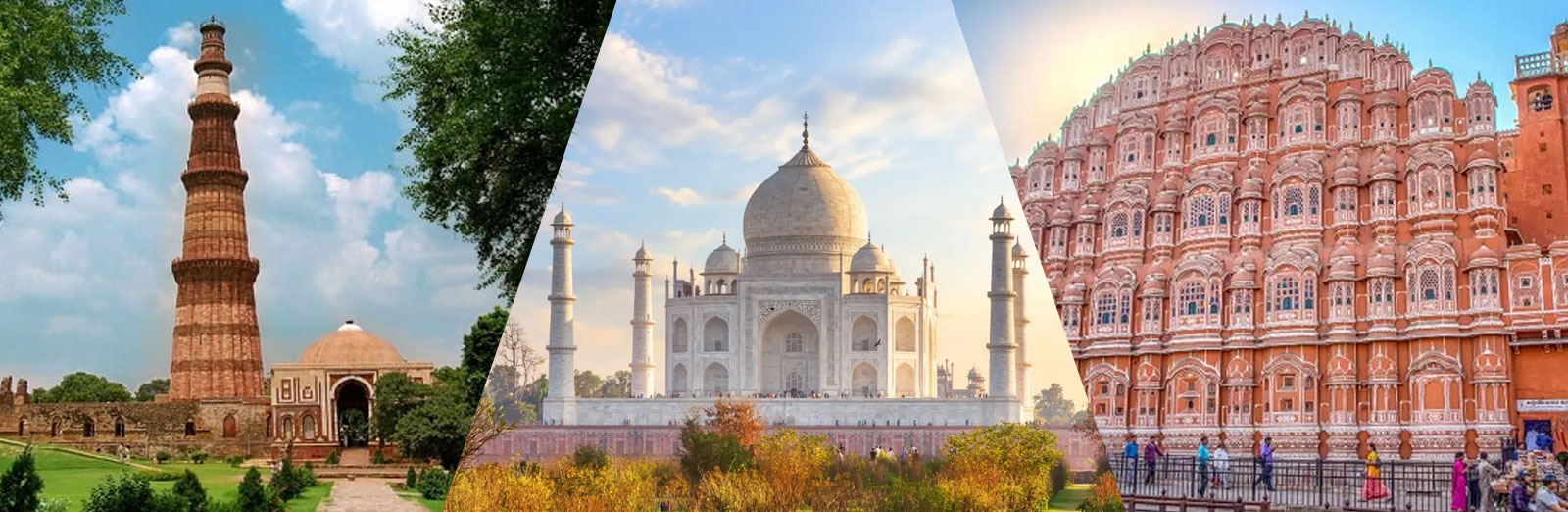
Travellers experience Delhi’s essential monuments such as Qutub Minar, India Gate, Humayun’s Tomb and Jama Masjid, along with Old Delhi’s charismatic markets. Agra offers the Taj Mahal sunrise, the grand Agra Fort and a taste of Mughal artistry. Jaipur brings magnificent attractions such as Amer Fort, the City Palace, Jantar Mantar and heritage bazaars.
The pace is energetic but not overwhelming when logistics are well organised.
A 7-day Golden Triangle itinerary is the most balanced option for first-time travellers, offering comfortable pacing and enough time to enjoy cultural depth without rushing.
It suits travellers who want:
Delhi becomes more immersive with heritage walks, museums, gardens, Mughal food tours and neighbourhood explorations. Agra’s extended stay allows for second Taj Mahal viewing, riverfront photography, Mughal retreats and village visits. Jaipur’s stay expands into experiences like block printing, artisan workshops, stepwell visits, rooftop dining and traditional cooking experiences.
Seven days give travellers the freedom to enjoy India at a gentle rhythm while still covering all major attractions.
Discover the best routes, travel tips, and custom itineraries for your first Golden Triangle trip in India.
WhatsApp Now Contact UsA 9-day Golden Triangle itinerary transforms the trip into a deeply immersive cultural journey. It is ideal for travellers who appreciate slow travel, relaxation, boutique stays and meaningful human connections.
It suits:
This route includes time for Old Delhi’s hidden alleys, Lodhi art district explorations, Mehtab Bagh sunset sessions, Agra’s wildlife SOS centre, rural drives around Jaipur, pottery villages, textile block-printing, temple aartis and nature viewpoints around the Aravalli hills.
Travellers leave with a deeper understanding of India’s cultural layers, artisan communities and traditional way of life.
A 5-day itinerary focuses on landmark sightseeing without unnecessary detours, delivering a strong introduction to India’s heritage.
Delhi
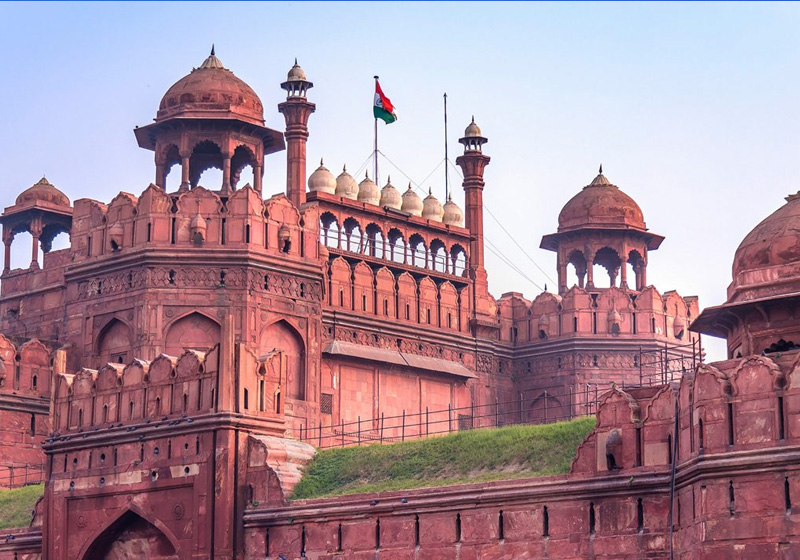
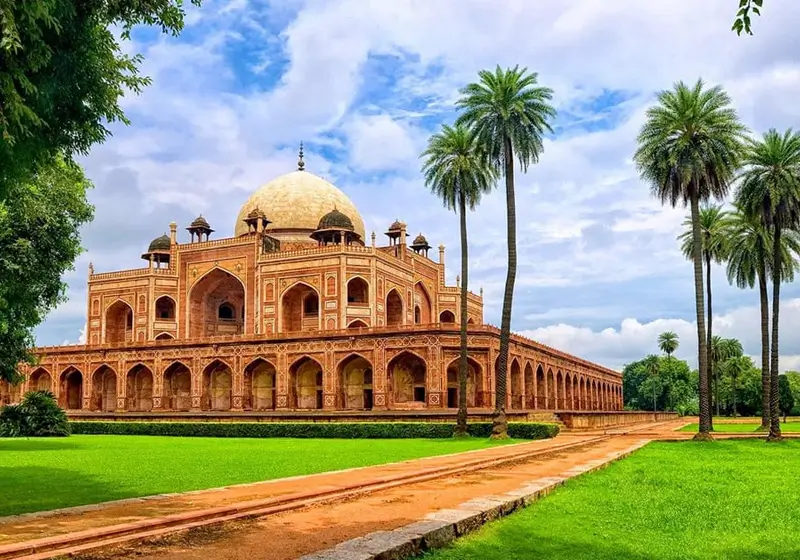
Travellers often begin with the UNESCO landmarks such as Humayun’s Tomb, Qutub Minar, and the monumental boulevards of New Delhi. Old Delhi reveals the soul of the city through Chandni Chowk, spice markets, temple–mosque contrasts, and traditional food stalls. The blend of heritage and modernity sets the tone for the journey ahead.
Agra
The highlight is the Taj Mahal at sunrise, where soft golden light creates unforgettable photographs. Agra Fort, a massive structure filled with palaces and courtyards, presents Mughal power and artistry. Marble artisans demonstrate the craft that decorated historic monuments, making Agra not just a sightseeing stop but a cultural centre.
Jaipur
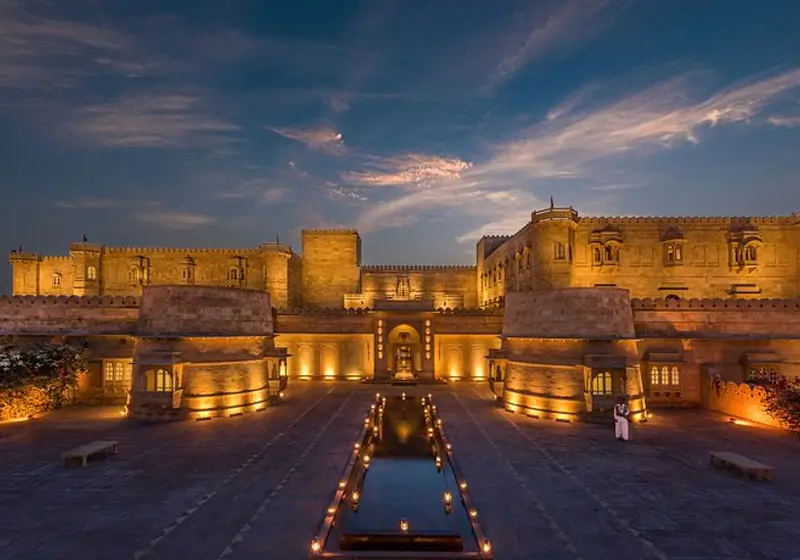
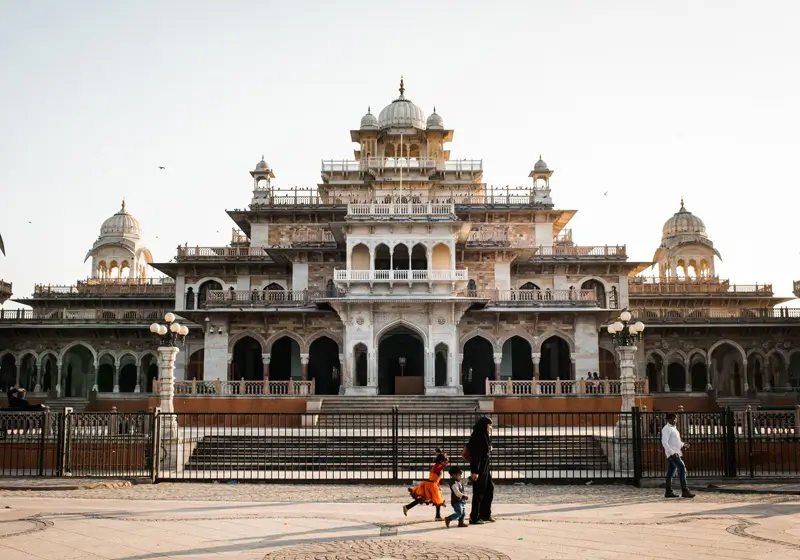
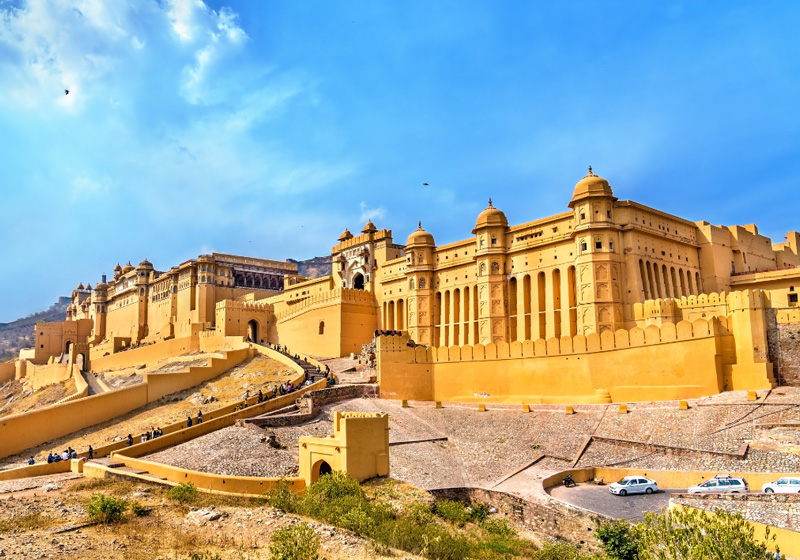
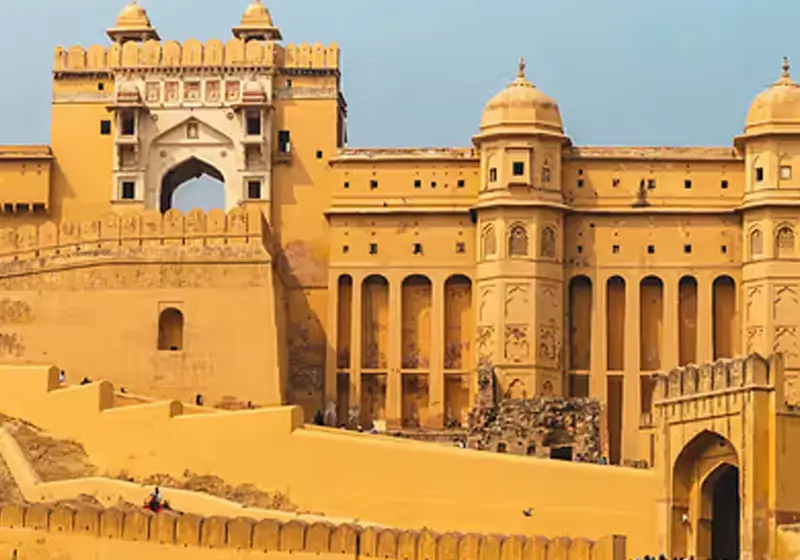
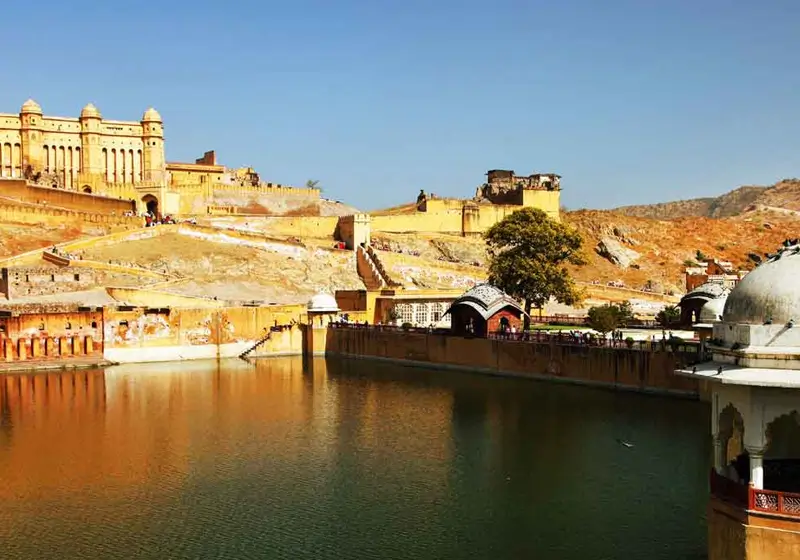
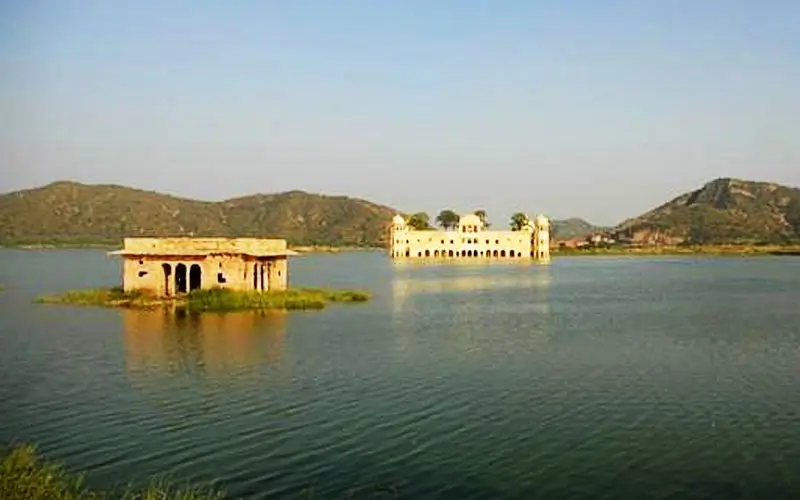
Jaipur concludes the route with royal palaces, vibrant markets and architectural beauty. Amer Fort offers sweeping views, mirror-studded halls and grand gateways. The City Palace reveals royal artefacts and courtyards. Hawa Mahal, Jal Mahal and traditional bazaars filled with textiles, jewellery and handicrafts complete the experience.
This 5-day route balances speed and comfort, offering a polished introduction to India’s royal heritage.
The 7-day version lets travellers go beyond must-see attractions to include local culture, food, workshops and storytelling.
Delhi
With an extra day, travellers enjoy guided heritage walks through Old Delhi, Mughal food tastings, art galleries, cultural districts such as Hauz Khas Village and gardens like Lodhi Gardens. The slower exploration reveals Delhi’s hidden charm beyond monuments.
Agra
Travellers can revisit the Taj Mahal from across the river at Mehtab Bagh, explore Itmad-ud-Daulah, enjoy sunset photography or take a short trip to Fatehpur Sikri. The Wildlife SOS bear rescue centre offers a meaningful conservation experience.
Jaipur
The additional days allow deeper involvement in cultural activities. Block-printing workshops, blue-pottery demonstrations, gemstone learning sessions, and traditional cooking experiences bring travellers closer to Rajasthan’s artistic legacy. Evenings can be spent at folk dance shows, rooftop restaurants or peaceful lakeside viewpoints.
The 7-day route blends sightseeing with cultural immersion, perfect for thoughtful travellers.
This slow-travel version allows emotional and sensory immersion into India’s culture.
Delhi
Travellers explore the Lodhi Art District, small museums, historic stepwells, local craft centres and quiet morning walks around tomb complexes. Delhi becomes not just a capital but a living cultural canvas.
Agra
Beyond the Taj Mahal, Agra reveals Mughal gardens, rustic countryside lanes, hidden viewpoints, craftsman workshops and traditional sweet shops. Travellers enjoy long photography sessions and peaceful riverside views.
Jaipur
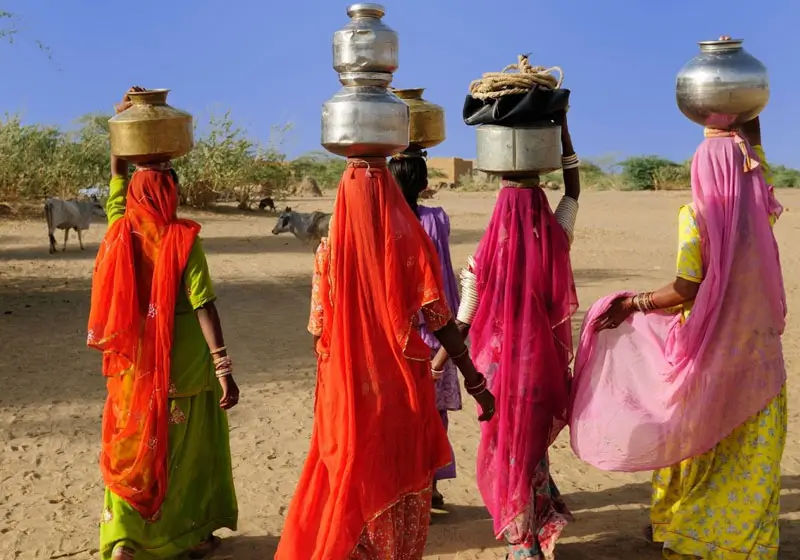
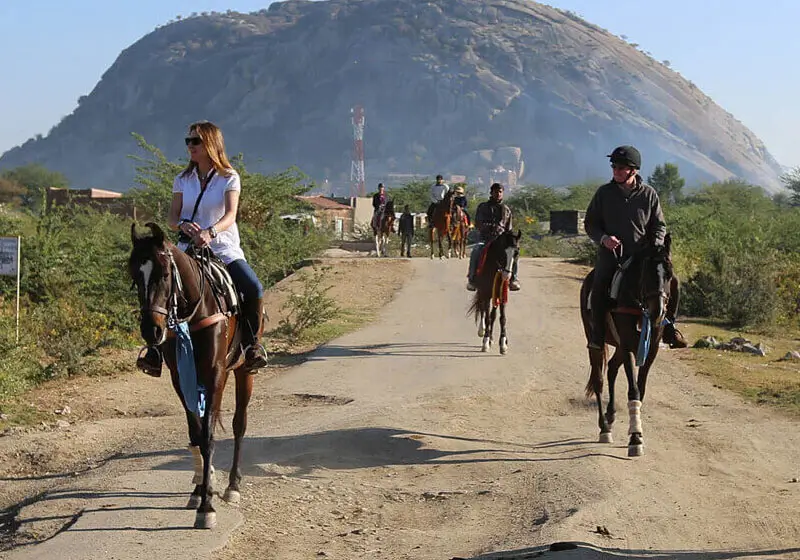
Jaipur becomes an intimate cultural journey with pottery villages, rural farm visits, stepwells, hidden temples, organic cafés, elephant care centres, art colonies and peaceful nature retreats. The city is experienced through conversations with artisans, relaxed drives, rooftop sunsets and slow exploration.
The 9-day route is ideal for travellers who want India to unfold gradually through stories, flavours, landscapes and daily life.
Travellers should consider their preferred pace, interest areas, time of year, cultural curiosity, and comfort preferences before selecting a route. Choosing a private car and driver significantly enhances the experience by ensuring safety, flexibility and personalised support. Timing also matters; early morning visits to landmarks such as the Taj Mahal, Amer Fort and Qutub Minar offer better light, fewer crowds and more intimate experiences.
Shopping enthusiasts benefit from longer routes that allow market time in Delhi and Jaipur. Food travellers enjoy evening hours dedicated to tasting tours. Photography travellers gain from sunrise–sunset windows in Agra and Jaipur. Senior travellers and families enjoy spacious days with fewer transfers.
A well-planned route ensures that every moment feels meaningful rather than rushed, making the Golden Triangle not just a trip but a memorable cultural journey.
The ideal duration depends on pace preferences, but most travellers find the 7-day itinerary perfectly balanced.
The route is considered safe, especially when travelling with a private car and staying in trusted hotels.
The most pleasant months are October to March due to cooler temperatures.
Jaipur offers the most diverse shopping options, especially for textiles, jewellery and handicrafts.
Yes, sunrise offers softer light, comfortable temperatures and fewer crowds.
Yes, especially with longer itineraries allowing easier pacing.
Delhi provides the most variety, from street snacks to culinary trails.
Licensed guides enhance understanding of history, architecture and cultural context.
The route is extremely photogenic, offering a wide range of architectural and cultural subjects.
Travellers walk moderately at monuments, but pacing is easy to manage with flexible planning.
Fill in the details below. Our expert consultant will respond within 4 hours with a bespoke itinerary crafted just for you — completely free, no obligation.