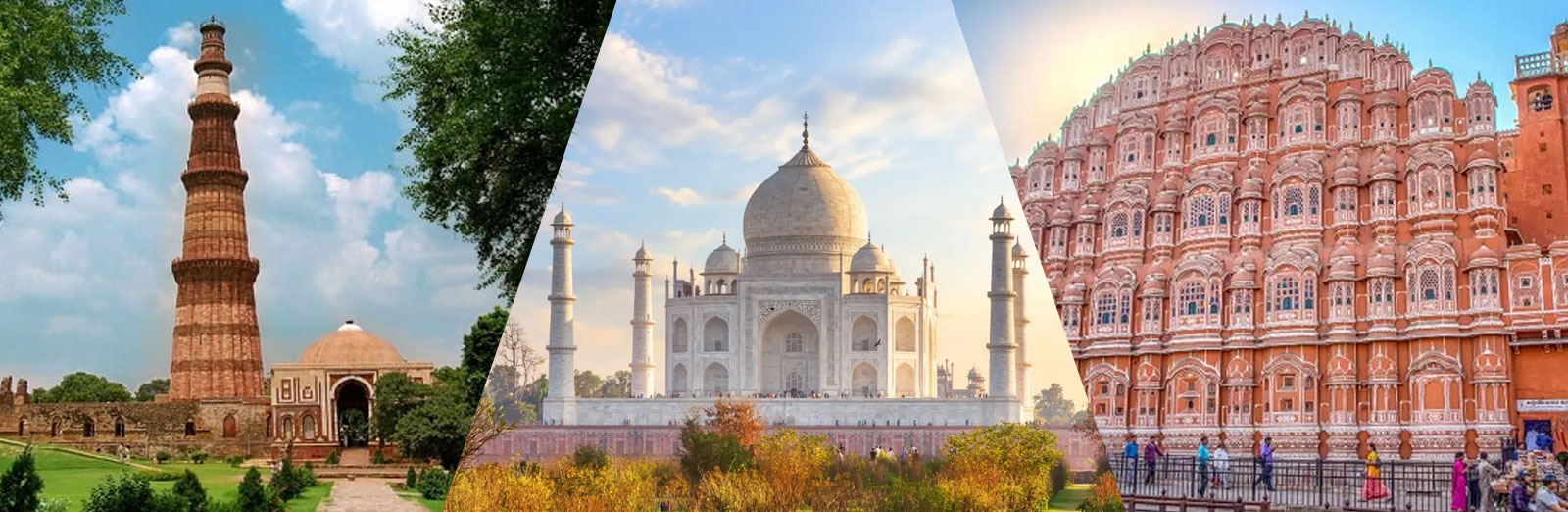
Light transforms India. From the first golden rays that kiss Himalayan peaks to the fiery evenings melting over Rajasthan’s dunes, the country glows differently at every horizon. For photographers, few destinations on Earth offer such drama, contrast, and emotion in natural light.
Whether you’re a professional traveler with a tripod or a first-time visitor carrying a phone camera, the sunrise and sunset spots in India provide endless inspiration. Every region — north to south, desert to coast — tells its story in color and shadow.
This guide uncovers India’s most breathtaking places to witness the magic of dawn and dusk, each perfect for capturing postcard-worthy images during your India photography tour.
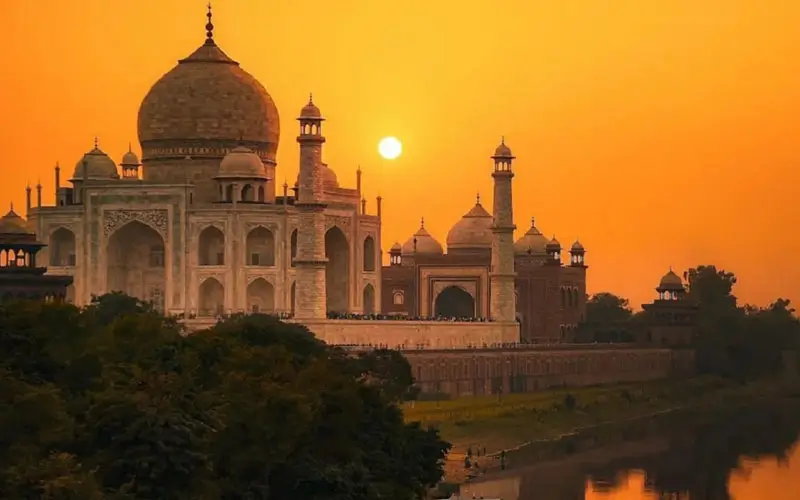
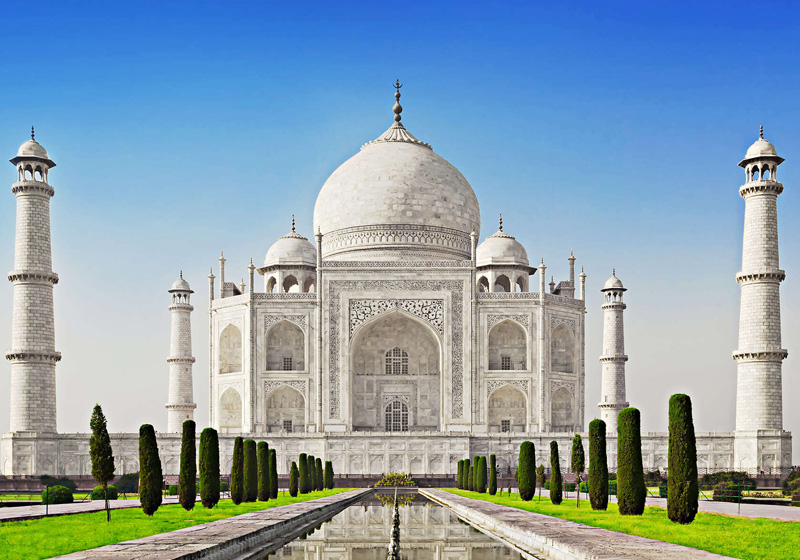
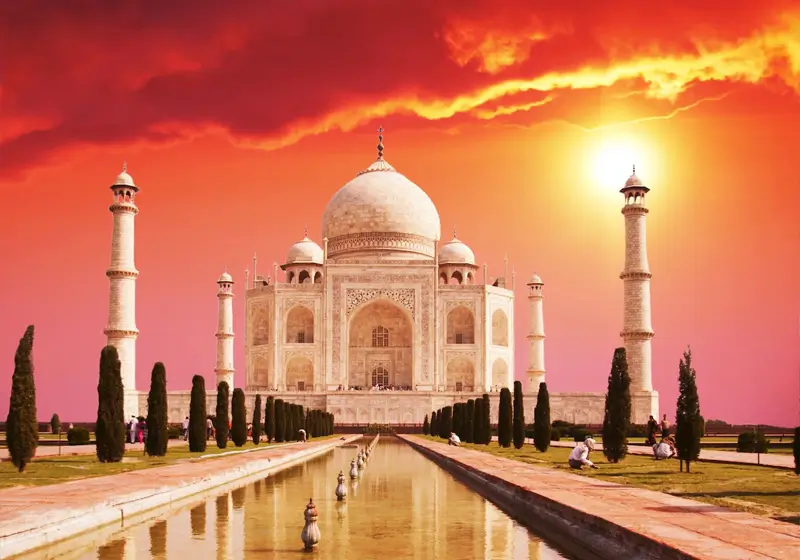
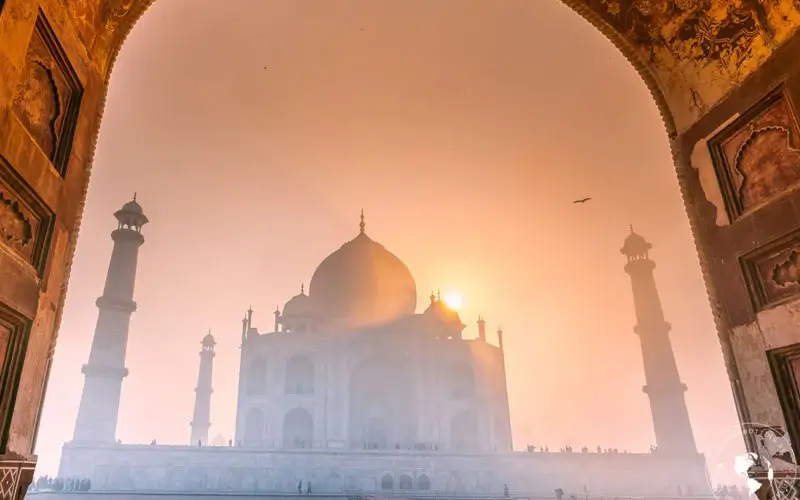
No monument on Earth captures light like the Taj Mahal. At sunrise, its white marble blushes pink, then turns golden, and by noon gleams pure ivory. The early morning hours (just after 6 a.m.) give photographers calm reflections from the Yamuna River and soft light through morning mist.
At sunset, the view from Mehtab Bagh across the river offers a reverse perspective — the Taj framed by glowing skies. Use a longer lens for silhouette shots and wide angles for full-frame symmetry.
The changing hues of dawn and dusk here symbolize everything that defines India photography — emotion, patience, and poetry.
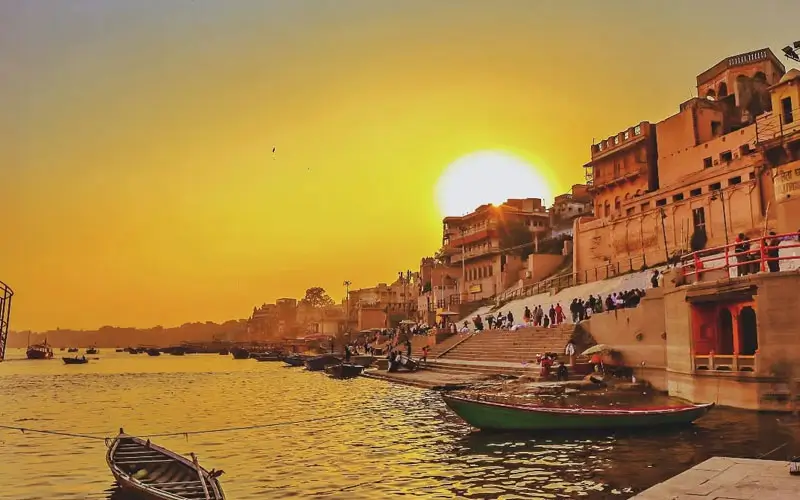
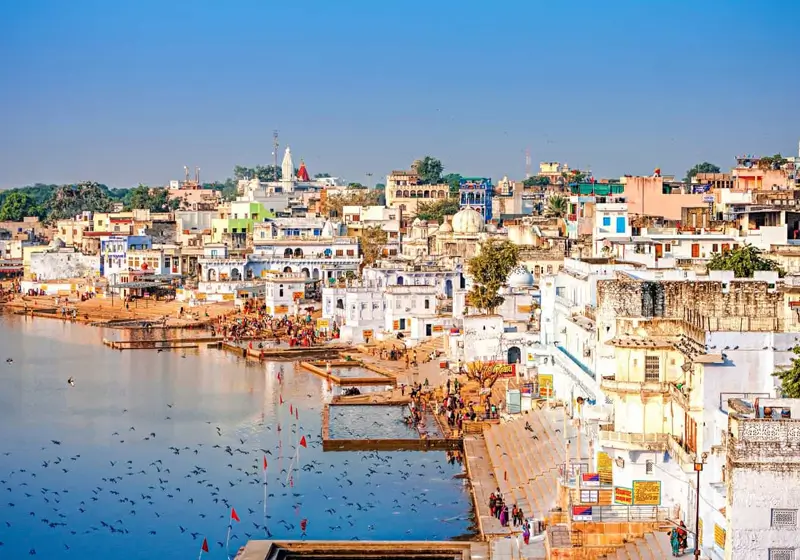
In Varanasi, light isn’t just visual — it’s spiritual. Sunrise brings chants, bells, and pilgrims bathing in the holy Ganges. Photographers can capture the soft pastel glow reflecting off temple domes and boats drifting along the ghats.
From Assi Ghat or Dashashwamedh Ghat, you’ll see the city awaken. A boat ride at dawn provides cinematic frames: saffron robes, morning smoke, and silhouettes against pink skies.
Sunset reveals another face — the Ganga Aarti ceremony, when hundreds of lamps flicker along the riverbanks. Capturing the contrast between firelight and twilight creates images that feel timeless.
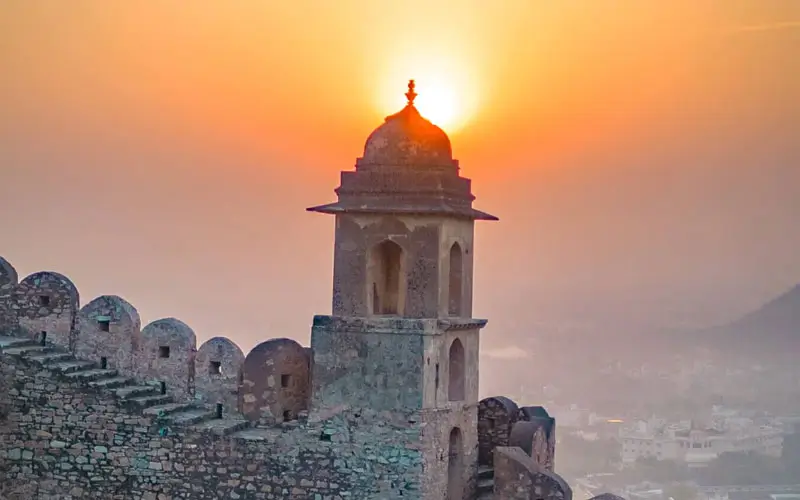
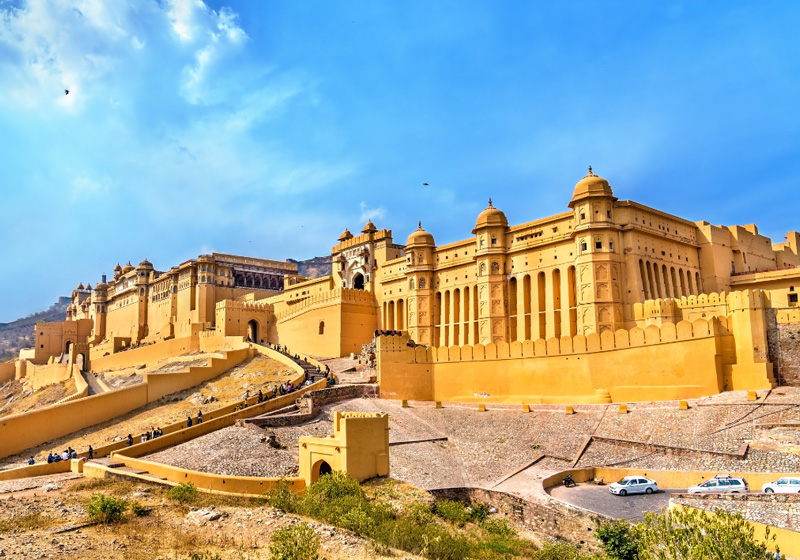
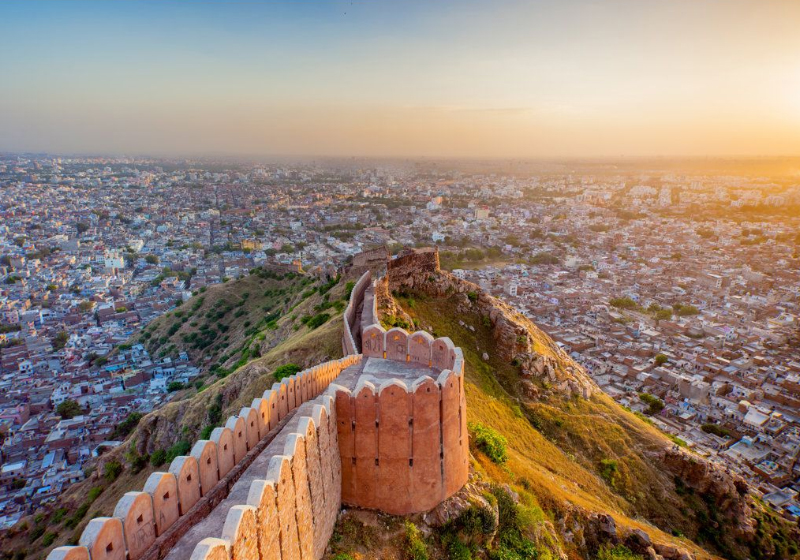
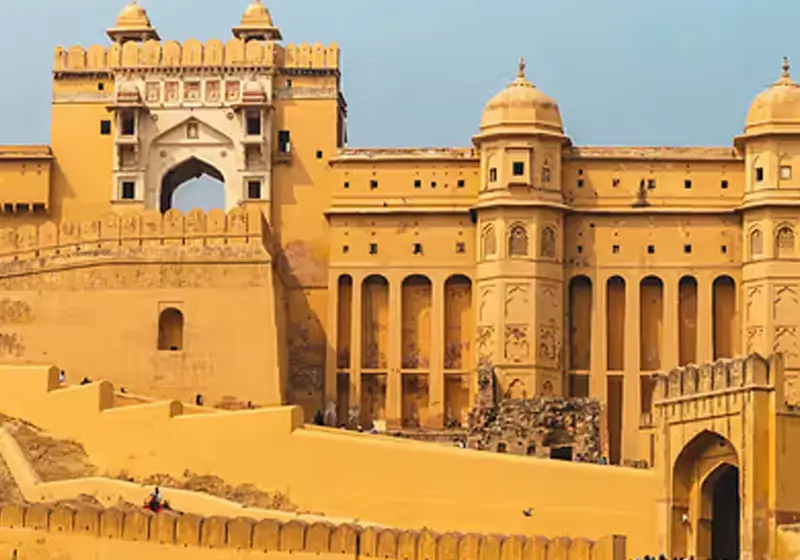
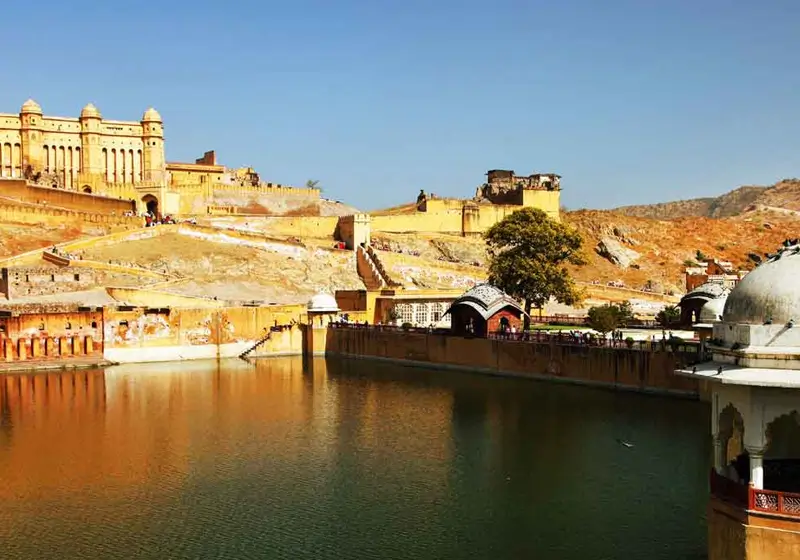
Perched high above Maota Lake, the Amber Fort glows like molten gold when the sun rises behind the Aravalli hills. Early light adds depth to the fort’s red sandstone and mirrored halls. Photographers should arrive before 7 a.m. to catch the reflection of the fort on the still lake surface.
Evening offers equally rich scenes as elephants descend, the city lights spark below, and the sky fades to lavender. Jaipur rewards patient photographers who chase the subtle changes of desert light.
This fort remains one of the top sunrise photography spots in Rajasthan and an essential stop for anyone on a Golden Triangle photo tour.
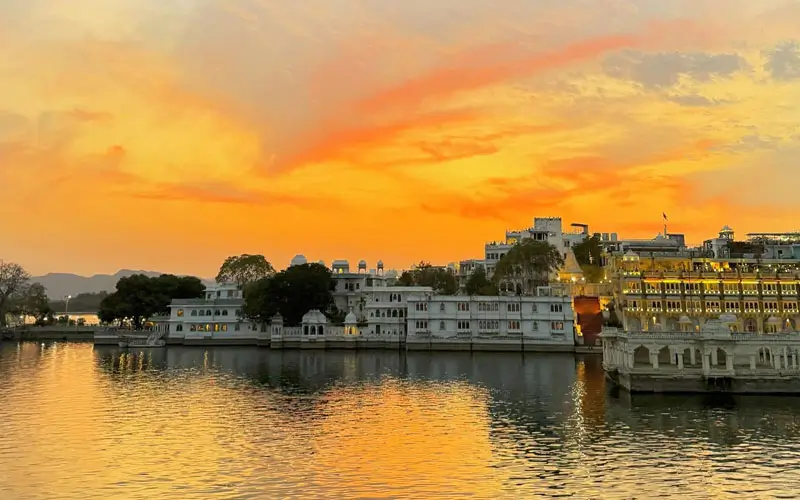
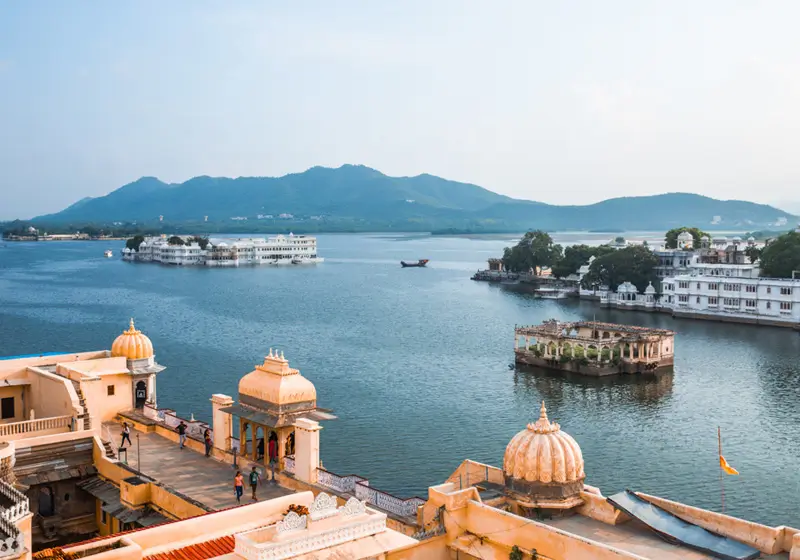
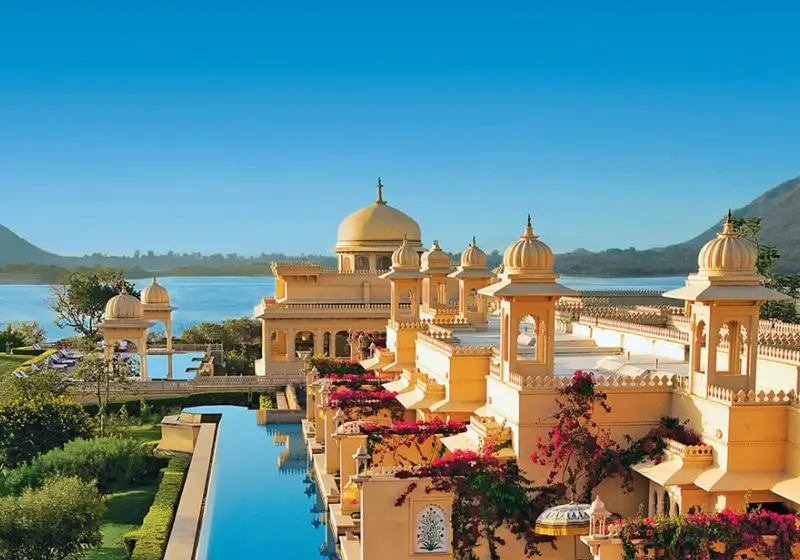
Udaipur’s charm multiplies with sunlight. At dawn, Lake Pichola mirrors the silhouettes of palaces and ghats. Capture Taj Lake Palace, City Palace, and Jag Mandir shimmering in morning stillness.
For sunsets, Ambrai Ghat delivers a breathtaking panorama: the lake glowing orange, boats drifting, and palaces sparkling like jewels. From rooftops like The Sunset Terrace or Karni Mata Temple viewpoint, you can frame wide aerial compositions that define romantic Udaipur photography.
Light here feels soft, romantic, and perfectly balanced — a photographer’s dream.
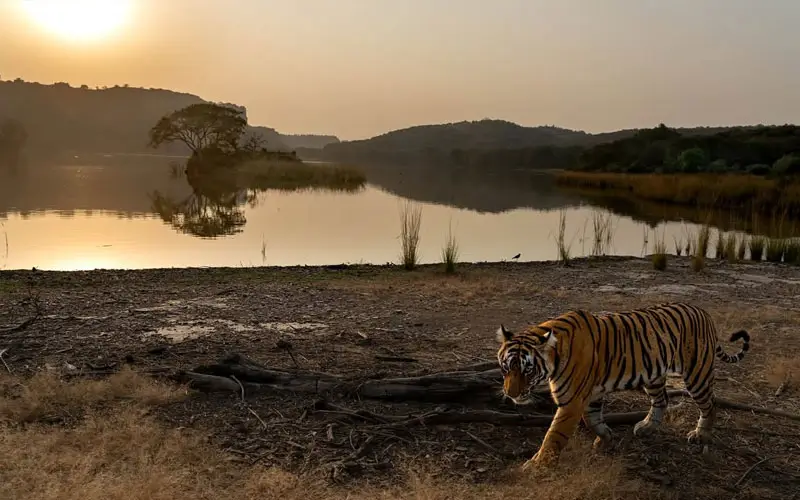
In the jungles of Ranthambore National Park, sunrise signals movement. Mist rises from the lakes, and deer, peacocks, and tigers step into the morning glow. The interplay of shadow and fog offers cinematic backdrops for wildlife photography.
Late afternoon safaris bring sunset drama — orange dust trails, silhouetted trees, and tigers bathing in warm light. Using telephoto lenses at these hours yields vivid contrasts.
For travelers combining adventure and art, Ranthambore sunrise and sunset safaris are among the most rewarding in India.
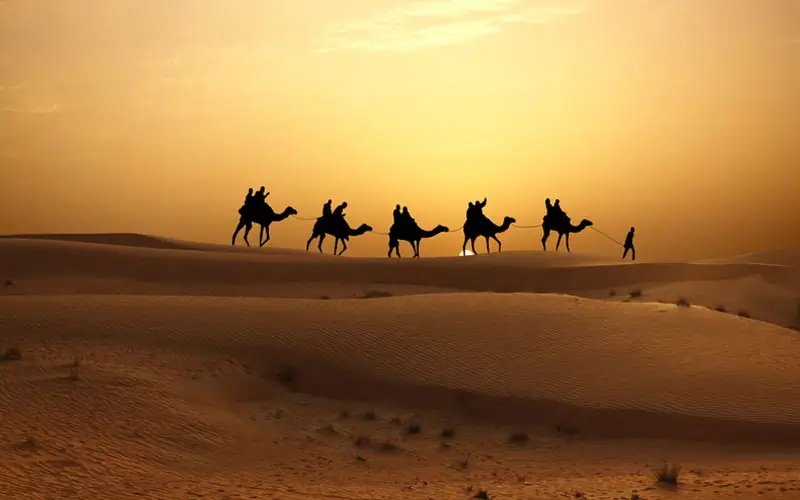
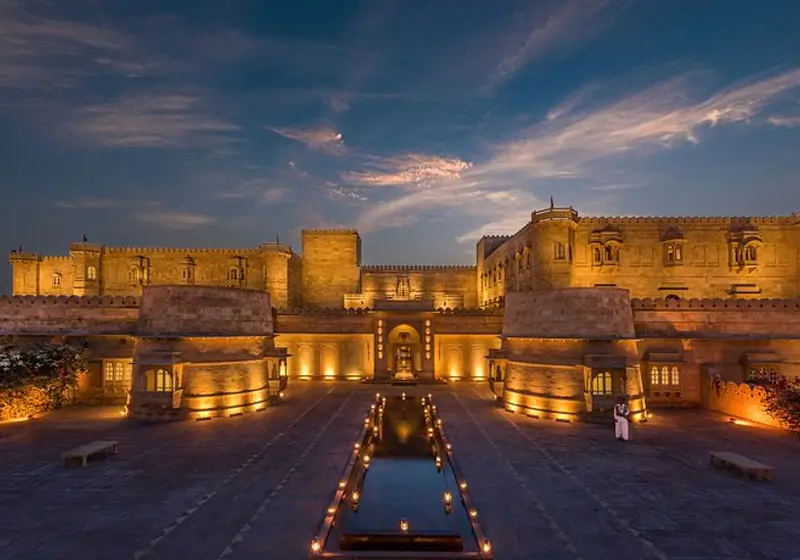
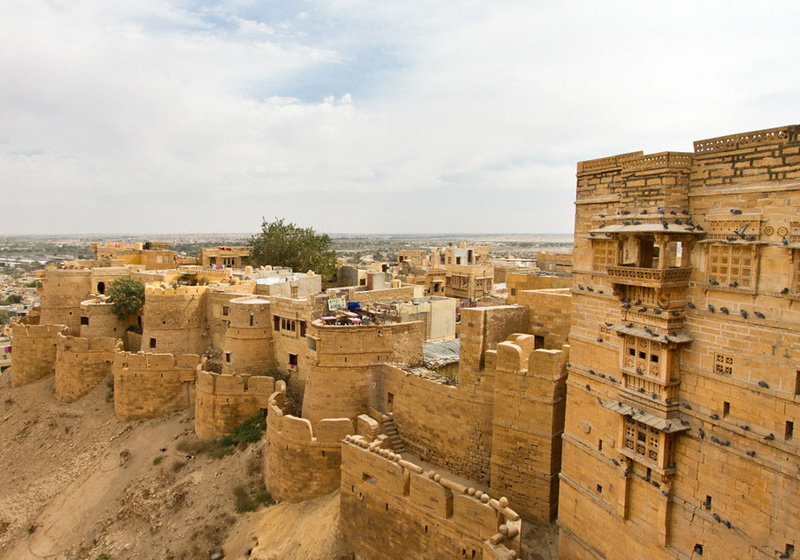
The Thar Desert transforms at dawn and dusk. At Sam Sand Dunes, the first light paints endless ripples of sand in subtle gradients. Camels and villagers appear as moving silhouettes against the horizon.
Sunset turns everything to molten amber. Photographers love framing silhouettes of camel caravans against burning skies. Try shooting at low angles for patterns and reflections on wind-shaped dunes.
Luxury camps like The Serai Jaisalmer even arrange private dune setups for uninterrupted shots — one of the signature desert photography experiences in India.
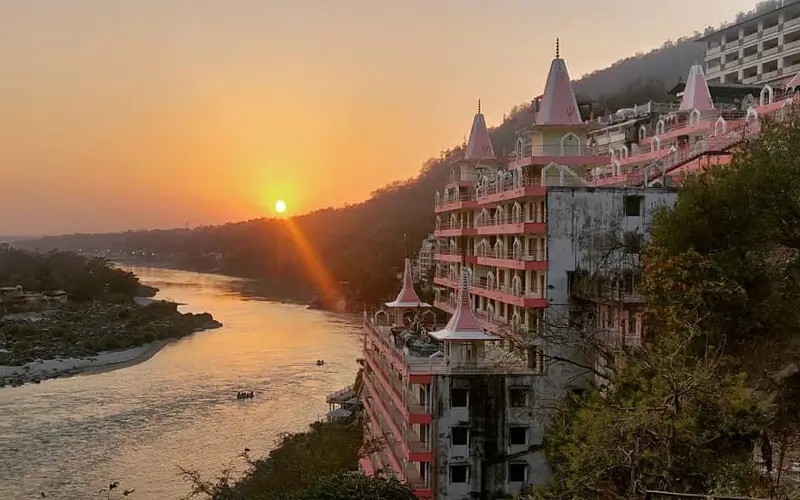
Framed by foothills and suspension bridges, Rishikesh offers magical light at both ends of the day. The Laxman Jhula Bridge glistens in early sunlight, while mist floats above the turquoise Ganges.
Evening brings serenity as the Triveni Ghat Aarti fills the riverfront with flickering lamps and chants. For wide-angle compositions, position yourself across the river — capturing lamps mirrored in the current.
This combination of nature, devotion, and golden light explains why Rishikesh remains a favorite among India travel photographers.
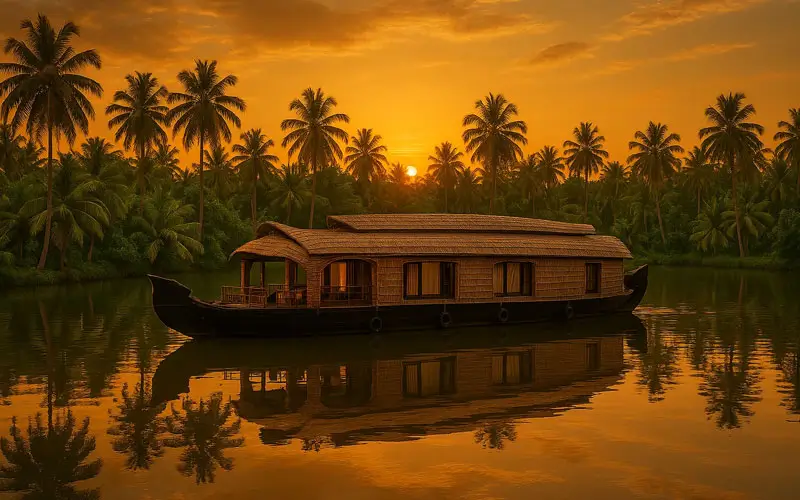
In Kerala, dawn breaks gently. The backwaters of Alleppey and Kumarakom glow under pastel skies, their still waters reflecting coconut trees and houseboats. Morning fog adds dreamy softness — perfect for fine-art photography.
At sunset, hues shift to deep crimson and violet, mirrored on ripples as fishermen return home. Staying overnight on a private Kerala houseboat allows photographers to shoot from deck during both golden hours — a tranquil masterpiece of southern India photography.
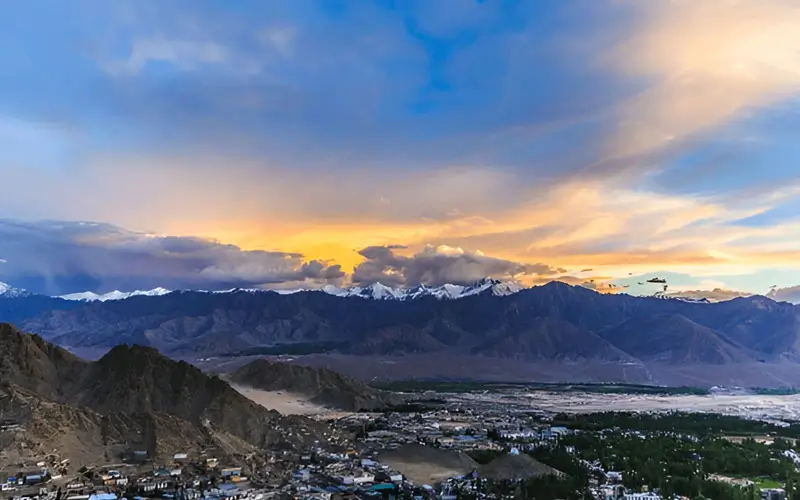
High in the Himalayas, light behaves differently. In Ladakh, thin air intensifies color contrast — blues become deeper, shadows sharper. At sunrise, the barren mountains near Pangong Lake or Tso Moriri blaze orange and magenta.
Sunset at Shanti Stupa in Leh or Thiksey Monastery delivers panoramic drama — golden peaks against indigo skies. Photographers should carry ND filters to balance brightness at high altitudes.
Every shot here feels otherworldly — pure, vast, and humbling.
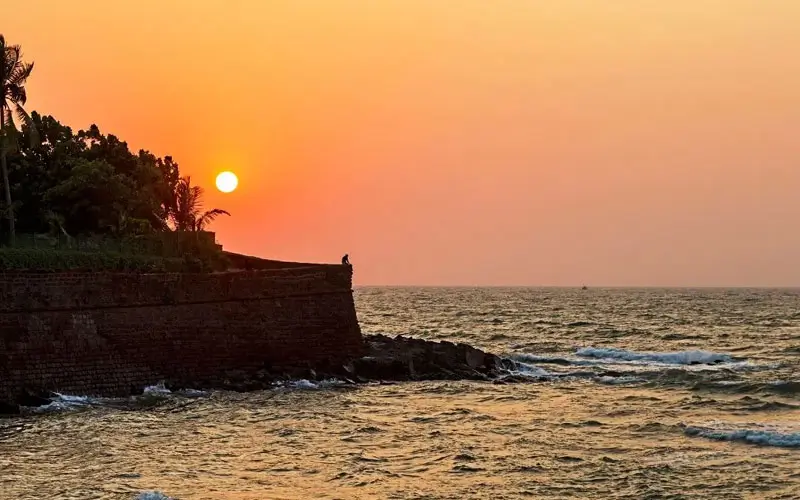
Goa’s west coast provides endless seaside frames. Palolem, Anjuna, and Vagator beaches are ideal for wide sunset compositions featuring palm silhouettes and glowing waves.
Morning light on the eastern side of the state is softer, perfect for fishermen portraits. For sunset photos, shoot around 5:45 p.m. when skies shift through gold, orange, and rose.
Adding human elements — a couple walking, children playing, or boats anchored — makes each frame dynamic. Goa offers relaxed coastal rhythm and natural cinematic light.
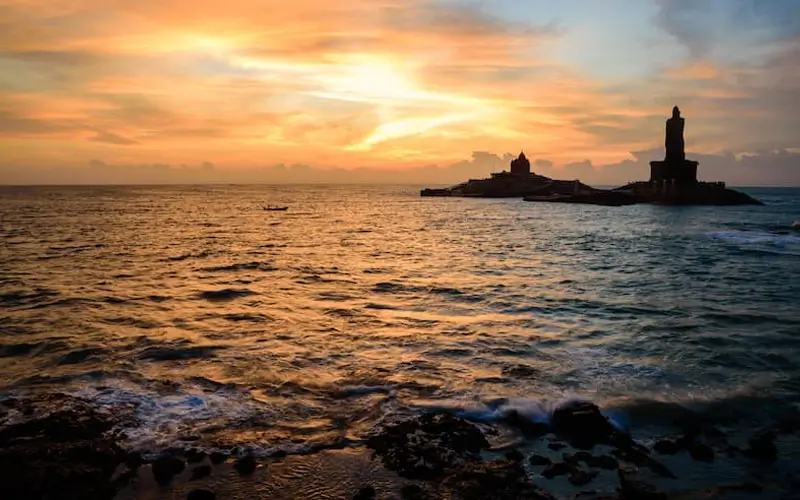
At India’s southern tip, Kanyakumari provides one of the most unique vantage points in Asia — sunrise over the Bay of Bengal and sunset over the Arabian Sea, all from one location.
Morning light strikes the Vivekananda Rock Memorial, turning it fiery orange, while evening hues fade behind the Thiruvalluvar Statue. Photographers can capture twin reflections of sea and sky in a single panorama — a rare geographical wonder.
Few places illustrate India’s diversity of light so beautifully.
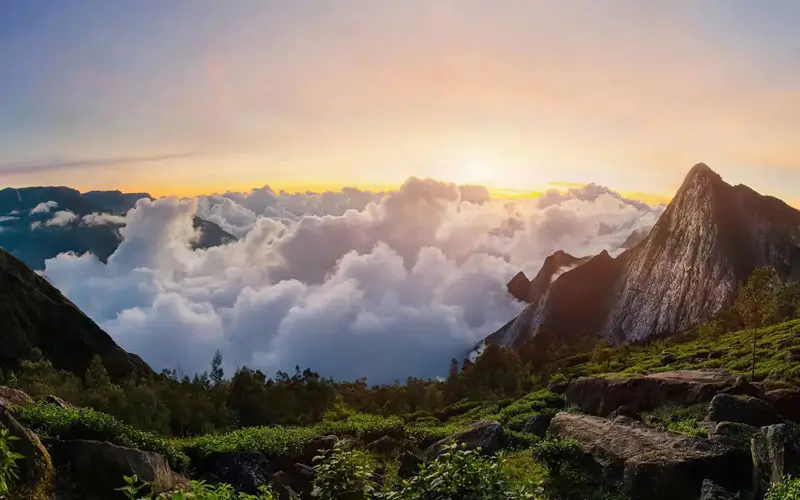
In Kerala’s hill country, sunrise unveils tea estates blanketed in mist. From viewpoints like Top Station and Kolukkumalai, rows of green hills roll endlessly, each catching a different shade of dawn.
Sunset offers tranquil compositions — sunbeams cutting through fog and workers walking home along winding paths. Using a drone or elevated position brings depth to your India sunrise photography collection.
Every frame here exudes calm and freshness.
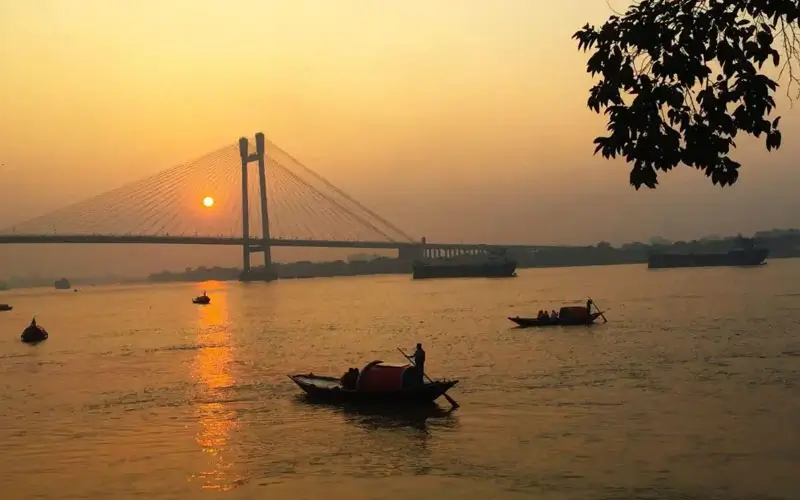
Kolkata’s Howrah Bridge across the Hooghly River is a photographer’s magnet. At sunrise, fishermen’s boats glide under the bridge while golden light bounces off steel girders.
Evening shots capture the skyline and ferries illuminated under orange skies. The Prinsep Ghat promenade offers elegant framing options for long-exposure sunset photography.
This blend of industrial structure and natural glow creates striking urban imagery.
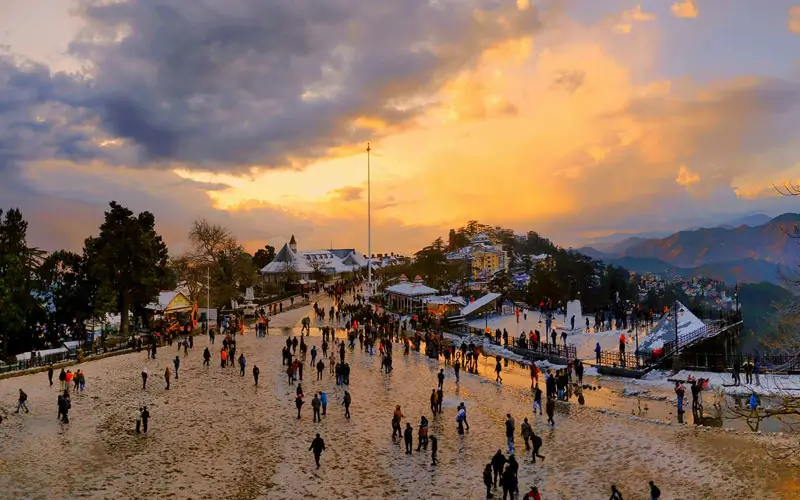
Northern hill towns like Shimla and Manali provide postcard mountain views. In winter, sunrise glitters on snow-covered peaks. The Hadimba Temple clearing and Jakhoo Hill viewpoint offer superb perspectives for early-morning mist shots.
Sunset turns the Himalayan range pink and lavender — a soothing palette loved by photographers seeking subtle gradients. Layer your compositions with foreground pine trees or rooftops to enhance scale.
Every sunrise in India feels like a beginning — of stories, rituals, and human connections. Every sunset feels like gratitude. The country’s vastness guarantees diversity in both light and landscape: deserts, coasts, cities, temples, and mountains — all offering endless visual drama.
For those on a dedicated India photography tour, the combination of light, color, and culture provides more than photos — it delivers emotion. Each region glows differently, yet together they form one portrait of timeless beauty.
Fill in the details below. Our expert consultant will respond within 4 hours with a bespoke itinerary crafted just for you — completely free, no obligation.