India is a year-round destination, but when you visit can make all the difference in your travel experience. With a landmass stretching from the Himalayas in the north to the tropical backwaters of Kerala in the south, India’s climate is diverse and dynamic. For Australian travelers, understanding the best time to visit India is crucial for planning a comfortable and enriching journey.
Whether you're exploring the Golden Triangle, going on a tiger safari, relaxing on a beach in Goa, or immersing yourself in the spiritual vibes of Varanasi, your travel timing should align with India’s regional weather patterns, festival calendar, and your preferred experiences.
In this blog, we’ll guide you through:
Unlike Australia, where seasons are more moderate and predictable, India experiences three primary seasons: summer, monsoon, and winter. Each season has its pros and cons, especially depending on your destination.
Here’s why choosing the right time to travel is essential:
For Australian travelers used to reverse seasons (i.e., summer during India’s winter), it’s especially important to plan ahead.
Winter (October to March) – Best for Most Travelers
Recommended for Australians escaping summer heat back home.
Avoid Delhi, Agra, and Rajasthan during May–June unless in AC cars and luxury stays.
Avoid monsoon for Golden Triangle routes due to rains and humidity.
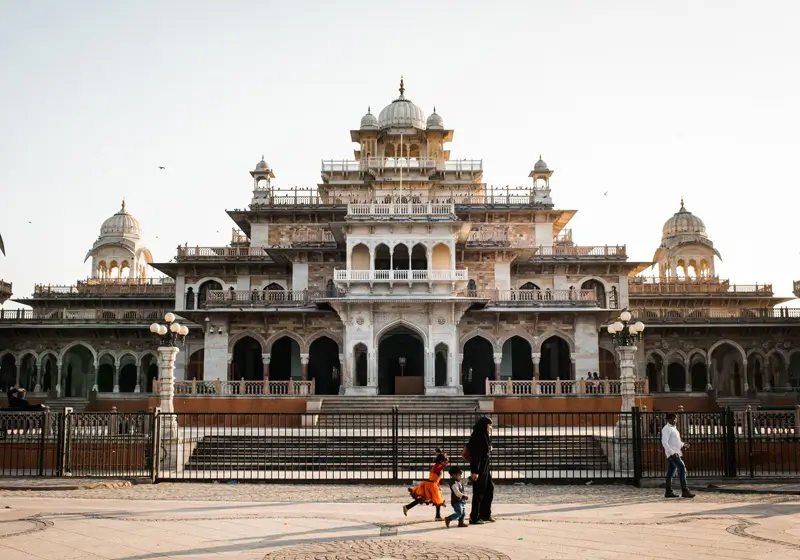
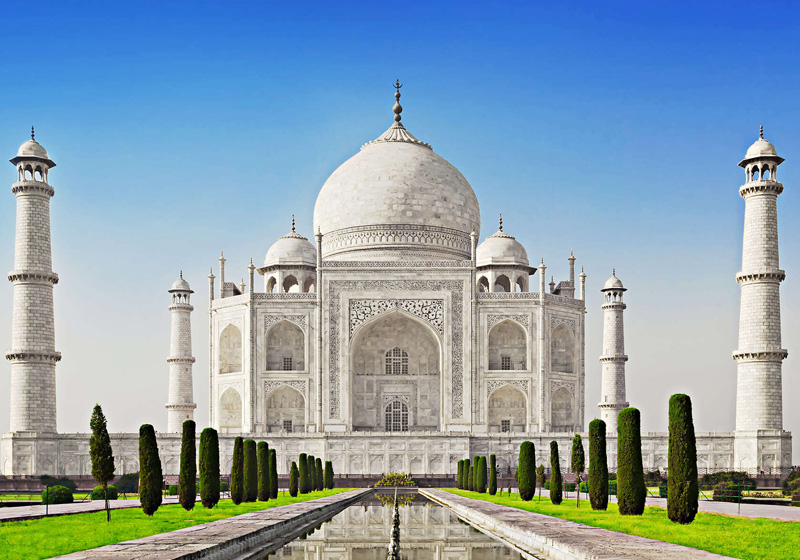
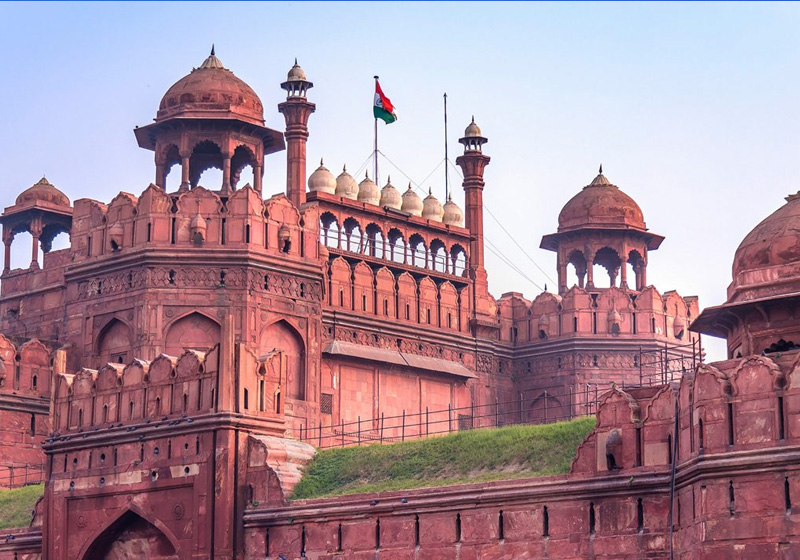
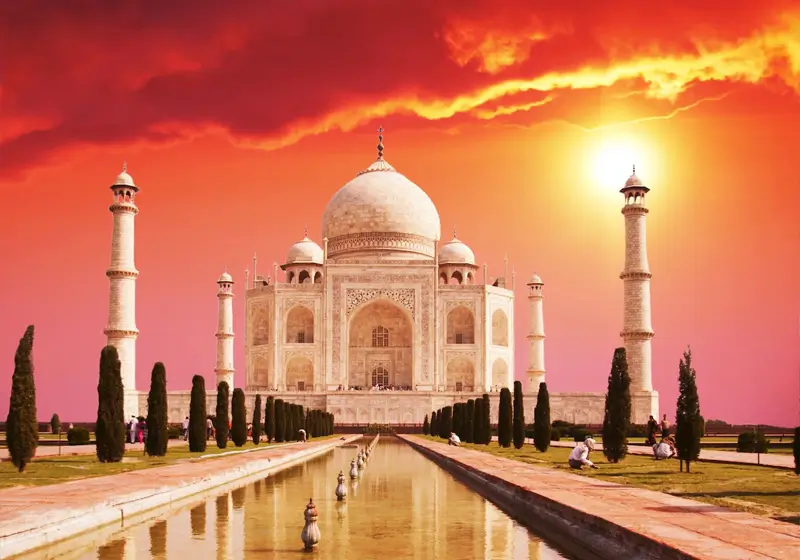
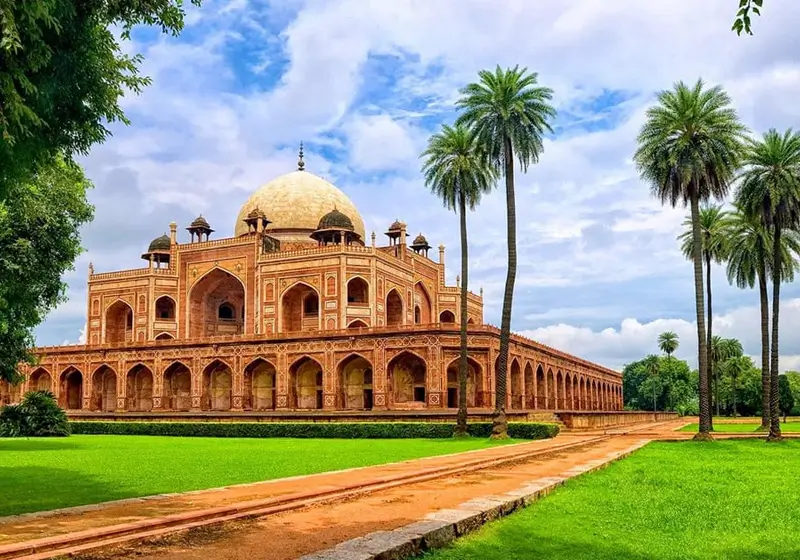
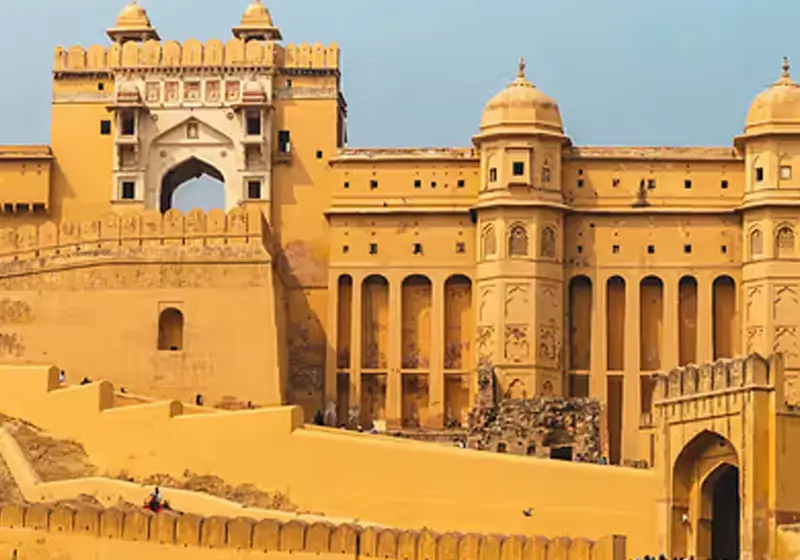
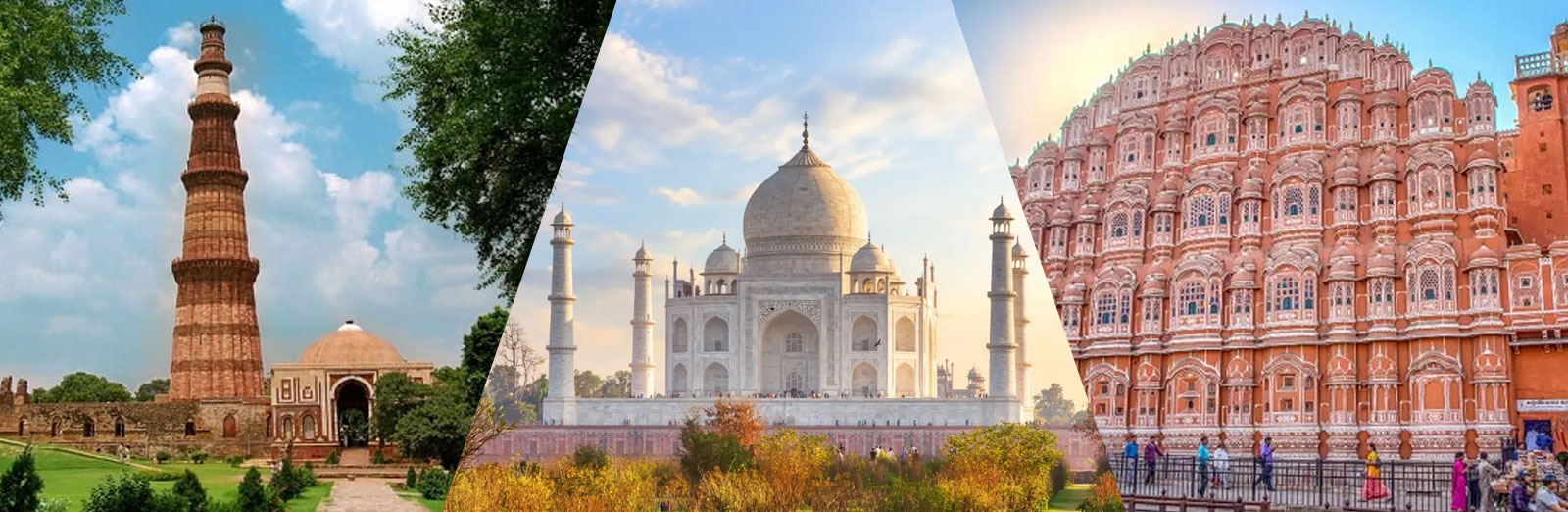
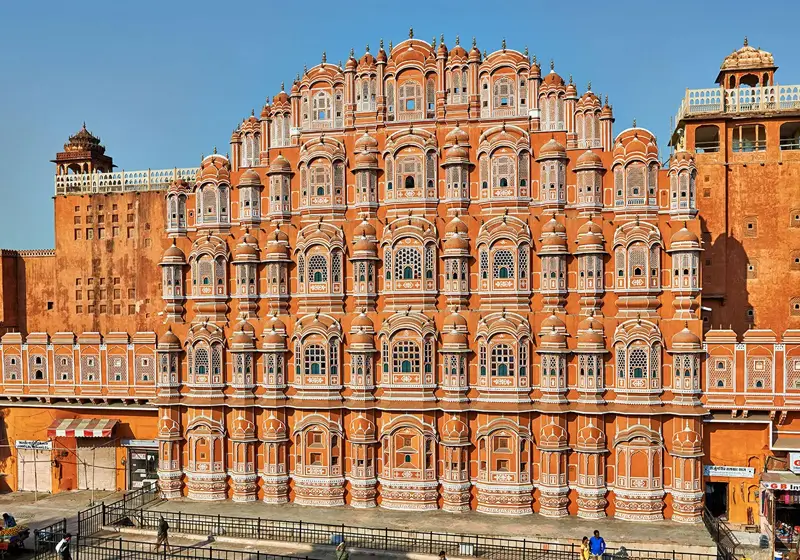
Golden Triangle (Delhi – Agra – Jaipur)
Kerala (South India)
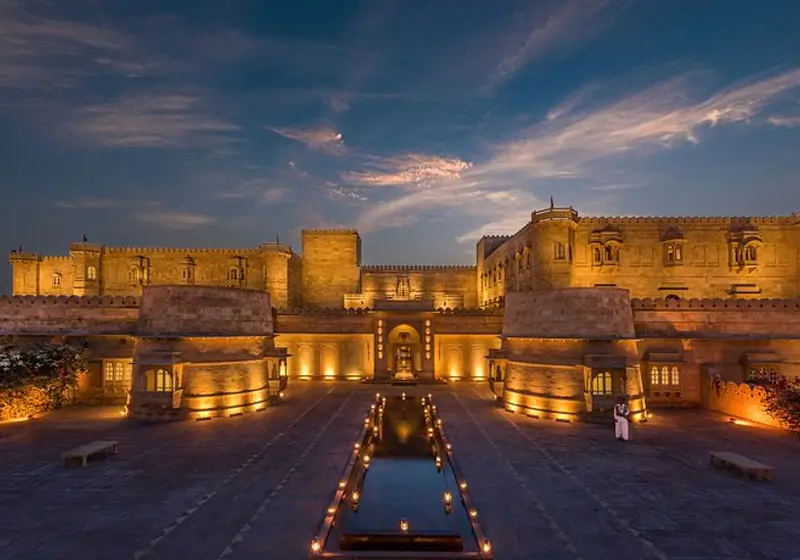
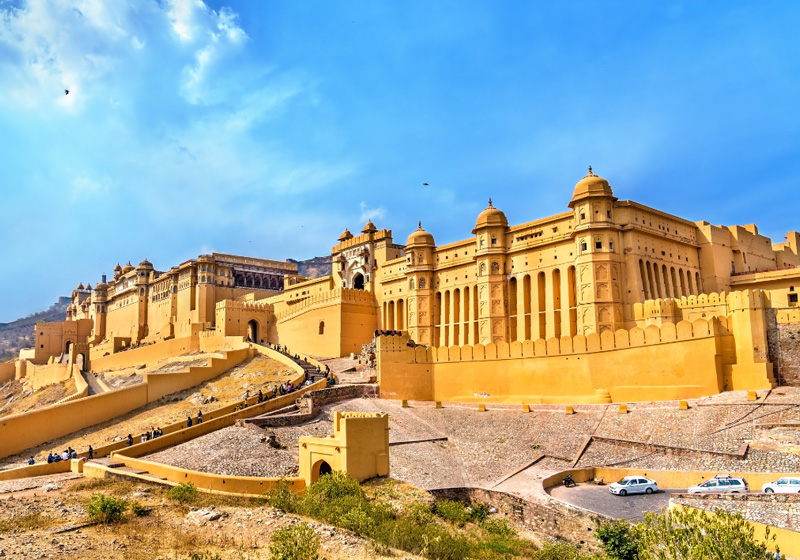
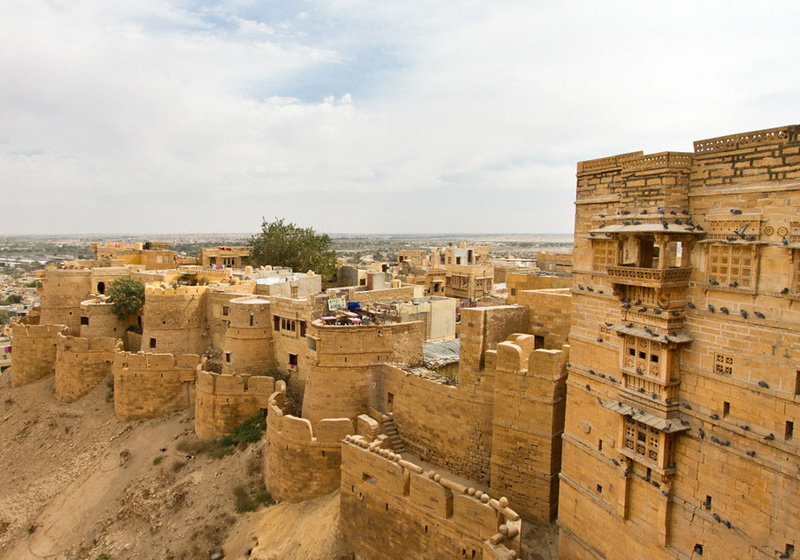
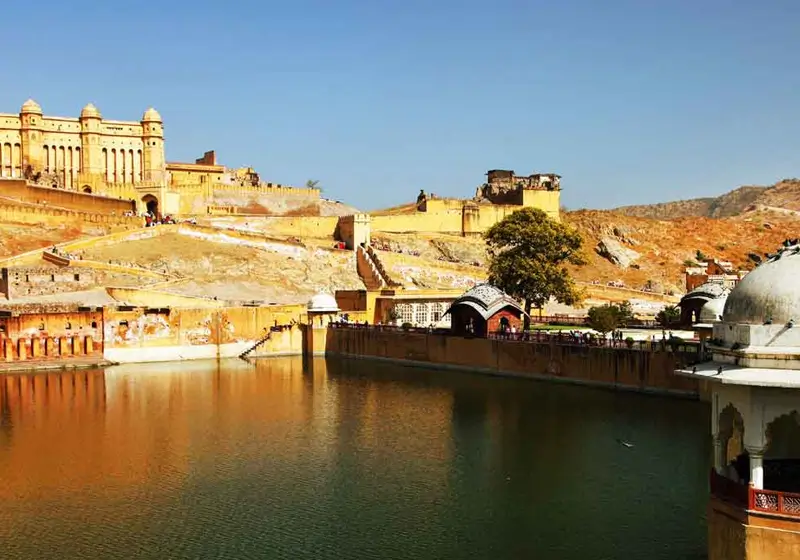
Rajasthan
Tip: Book a desert camp in Jaisalmer during November–February.
Goa & Beaches
Avoid June–August unless you enjoy heavy tropical rains.
Himalayan Region (Shimla, Manali, Leh, Rishikesh)
July–August can see landslides in some areas; check conditions before travel.
When to Travel Based on Interests
| Travel Interest | Best Time | Recommended Destinations |
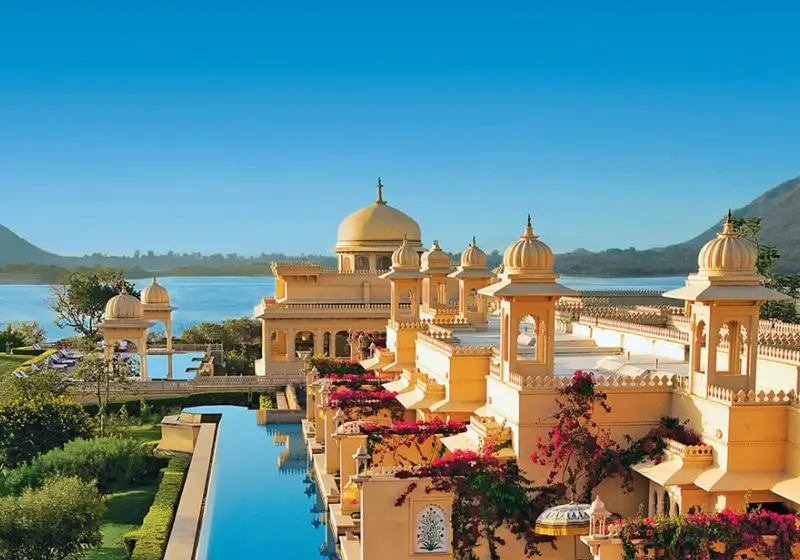
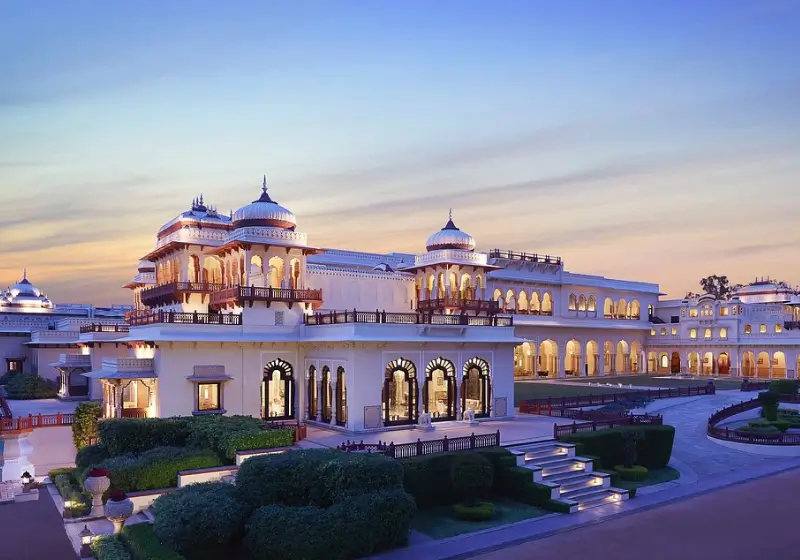
| Luxury & Heritage | Oct–Mar | Rajasthan, Delhi, Agra, Varanasi |
| Nature & Wellness | Jul–Sep (offbeat), Nov–Mar (main) | Kerala, Rishikesh, Uttarakhand |
| Wildlife & Safari | Nov–Apr | Ranthambore, Bandhavgarh, Kanha |
| Beaches & Islands | Dec–Feb | Goa, Andaman, Kerala |
| Adventure & Himalayas | Mar–Jun, Sep–Oct | Leh, Manali, Darjeeling |
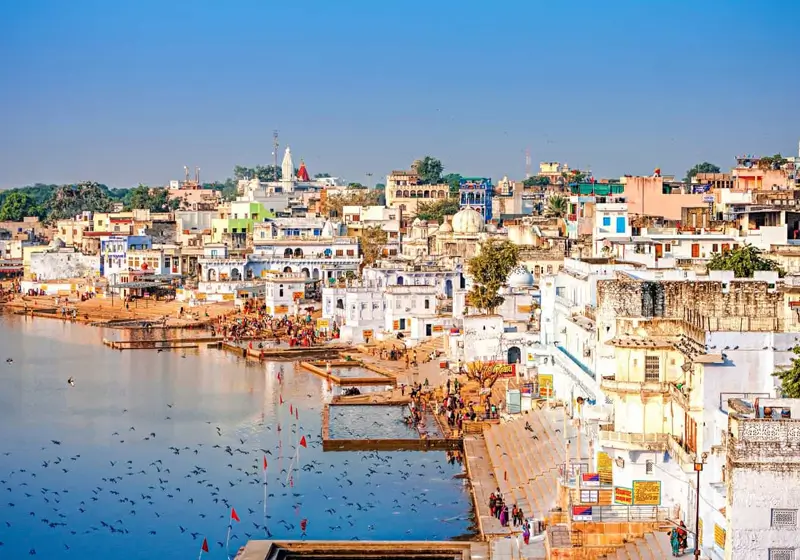
| Cultural Festivals | Oct–Nov, Mar | Diwali, Holi, Pushkar Fair |
Best Airlines:
Flight Duration:
Book flights 2–3 months ahead for best rates during India’s winter (Oct–Mar).
Planning your India visit around cultural festivals can elevate your experience.
Australian honeymooners, senior couples, or families will benefit greatly from bespoke India travel itineraries.
| Season | What to Pack |
| Winter | Light sweaters, shawls, closed shoes, moisturiser |
| Summer | Cotton clothing, sunglasses, hat, sunscreen |
| Monsoon | Umbrella, waterproof bags, insect repellent |
| Year-round | Power adapter, travel-size medicines, sanitizer, reusable bottle |
Book at least 2–3 months in advance, especially if traveling during peak season.
Yes, most premium and mid-range hotels are fully air-conditioned.
October to March offers the best weather across most tourist regions.
December to February, especially for Rajasthan, Kerala, and Goa.
No, it’s pleasantly cool — ideal for sightseeing and luxury stays.
Yes, especially Kerala and Goa, but expect rains and high humidity.
Yes, June–August (monsoon) and early April often have cheaper rates.
Only if you're visiting the mountains (Himalayas); avoid Delhi, Agra, Rajasthan.
Holi in March or Diwali in October/November — both are unforgettable.
Yes, especially in monsoon (July–September) and shoulder months like April.
Absolutely. Reputed tour operators will tailor your trip accordingly.
November to April — dry season means better animal sightings.
Yes, but best viewed in cool months (Nov–Feb) for comfort.
Travel during April or September — fewer tourists and good weather.
Fill in the details below. Our expert consultant will respond within 4 hours with a bespoke itinerary crafted just for you — completely free, no obligation.