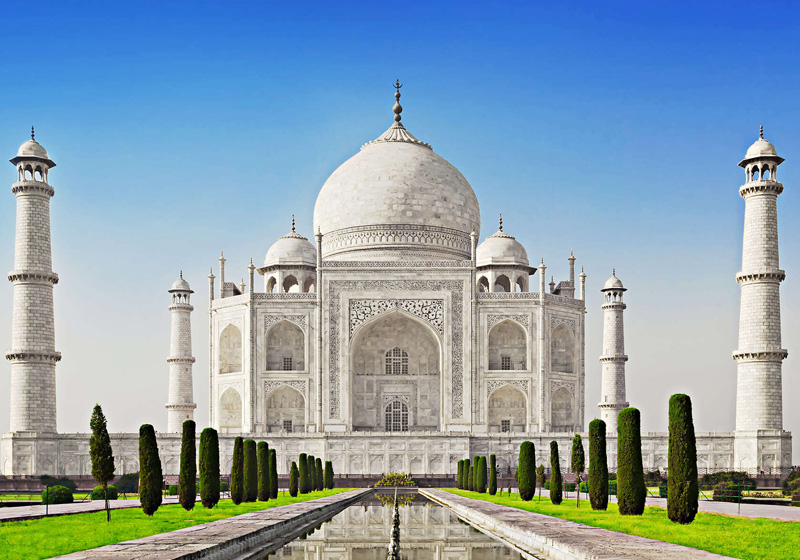
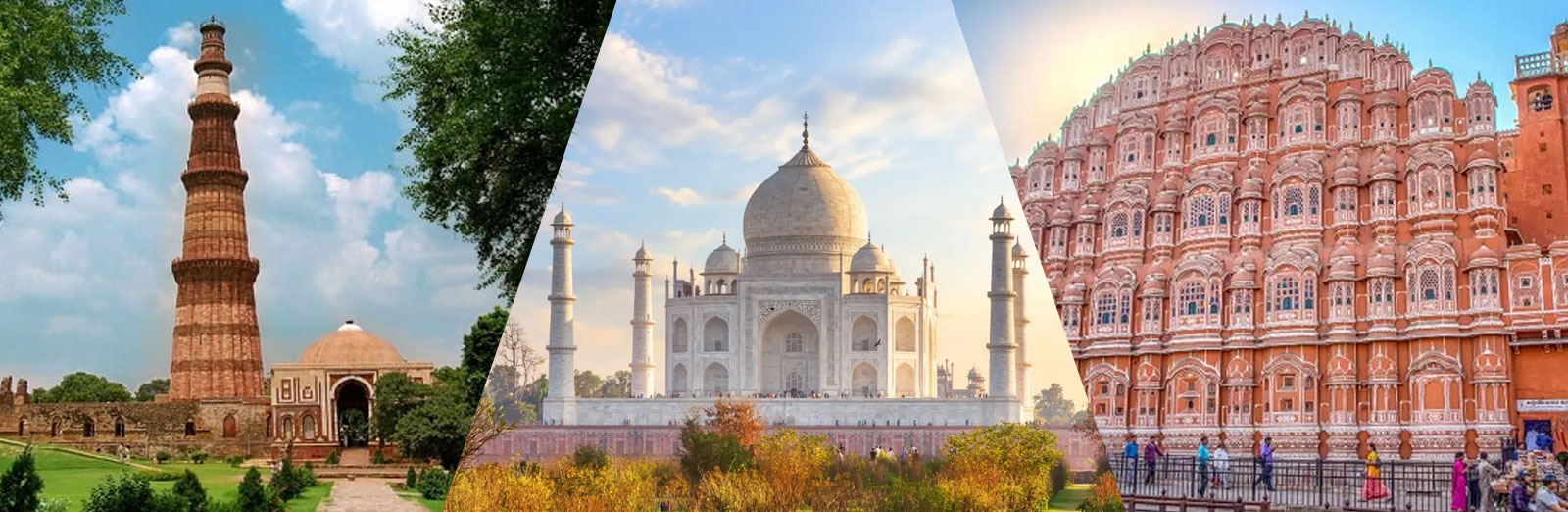
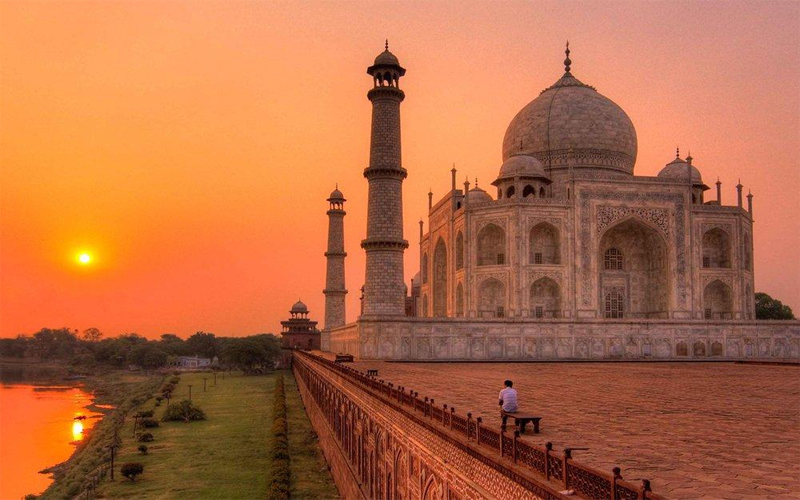
The Taj Mahal is one of the world's most admired monuments, welcoming millions of visitors every year. While its magnificent white marble architecture impresses travellers throughout the day, the atmosphere surrounding the monument changes dramatically depending on the time of your visit. The colour of the marble, the number of visitors, lighting conditions, photography opportunities, and even the overall experience vary between sunrise, daytime, sunset, and the rare full moon viewing sessions.
Many first-time visitors ask the same question before planning their itinerary: What is the best time to visit the Taj Mahal? The answer depends on your priorities. Some travellers want peaceful surroundings with fewer crowds, others hope to capture beautiful photographs, while many dream of seeing the monument glowing under moonlight.
Understanding the advantages of each visiting time helps you choose an experience that matches your travel style. Whether you are visiting Agra independently or as part of a Golden Triangle Tour, selecting the right time of day can make your visit even more memorable.
In addition to choosing between sunrise and sunset, visitors should also consider seasonal weather, expected waiting times, ticket availability, and photography conditions before planning their visit.
The Taj Mahal is open every day except Friday.
General visiting hours are:
The monument remains closed every Friday for regular visitors because the mosque inside the complex is used for prayers.
Visitors planning a full moon tour should note that these special night viewing sessions operate separately from normal daytime opening hours and require advance booking.
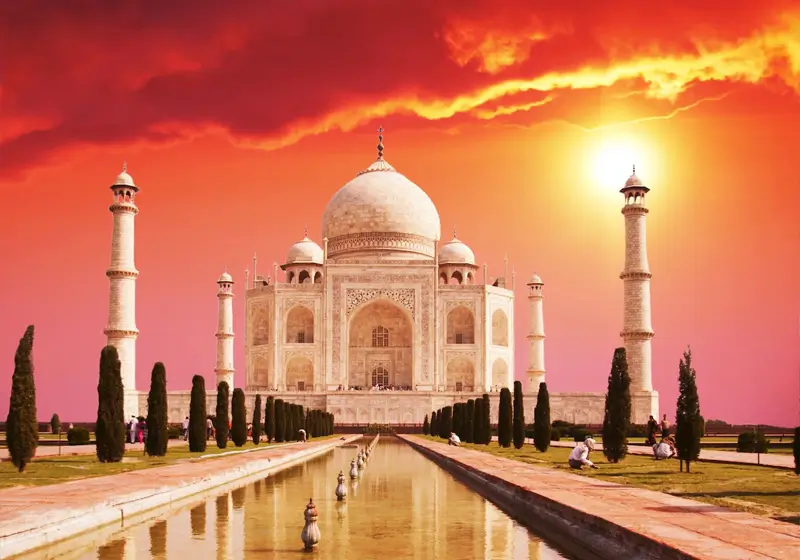
Unlike many historical monuments, the appearance of the Taj Mahal changes throughout the day because of the way sunlight reflects from its white Makrana marble.
Soft morning light creates gentle shades of pink and gold.
During midday, the marble appears bright white beneath clear skies.
As evening approaches, warm golden sunlight gives the monument a rich, glowing appearance before sunset.
On selected full moon nights, the marble reflects the moonlight, producing one of the most unique views available anywhere in the world.
Choosing the right time not only affects photography but also influences crowd levels, temperature, and overall comfort.
For many experienced travellers and photographers, sunrise is considered the finest time to visit the Taj Mahal.
Arriving shortly before the gates open allows visitors to enter ahead of the largest crowds. The cooler morning temperatures make walking around the extensive gardens much more comfortable, particularly between April and September when daytime temperatures in Agra can become extremely high.
As the sun gradually rises, the white marble begins reflecting soft shades of pink, orange, and golden light. These changing colours last only a short time, making sunrise one of the most rewarding periods for photography.
Morning also offers a quieter atmosphere. Visitors can admire the monument, walk through the gardens, and enjoy the surrounding views without the busy crowds that usually develop later in the day.
To make the most of a sunrise visit, arriving at the entrance 30 to 45 minutes before opening time is recommended.
There are several reasons why sunrise remains the preferred choice for many visitors.
The weather is generally cooler, making sightseeing far more comfortable during warmer months.
Crowds are significantly smaller than later in the day, allowing visitors to enjoy better views and shorter queues for security screening and entry.
Photographers benefit from soft natural lighting, ideal for capturing the intricate marble carvings, symmetrical gardens, and famous reflection pools.
Visitors also have more flexibility to continue sightseeing in Agra afterwards, including attractions such as Agra Fort, Itimad-ud-Daulah, Mehtab Bagh, and local markets.
From a peaceful sunrise visit to a magical sunset or full moon experience, timing can make all the difference. Book your Agra tour with us and enjoy a seamless Taj Mahal visit as part of your India travel itinerary.
Many organised tours arrive at the Taj Mahal between late morning and early afternoon.
Although the monument remains spectacular throughout the day, this period generally experiences the largest number of visitors. School groups, domestic tourists, and international tour groups all contribute to increased crowd levels.
The marble appears brilliantly white under direct sunlight, making architectural details particularly visible. However, strong midday light can create harsh shadows for photography.
From April to June, daytime temperatures frequently exceed 40°C, so carrying drinking water, wearing a hat, and applying sunscreen become especially important.
Despite these challenges, daytime visits remain suitable for travellers who cannot arrive early in the morning.
Sunset offers a completely different atmosphere compared with sunrise.
As the afternoon progresses, sunlight becomes warmer and softer, casting golden hues across the marble surface. The gardens also become more comfortable as temperatures gradually decrease.
Many visitors enjoy ending their day at the Taj Mahal because the evening light creates beautiful photographs and a peaceful atmosphere before closing time.
However, sunset is also one of the busiest periods of the day. Many tour groups schedule their visit during the late afternoon, resulting in larger crowds than those typically seen during sunrise.
Although photography conditions remain excellent, visitors hoping for quiet surroundings generally find sunrise more enjoyable.
A full moon visit to the Taj Mahal is one of the rarest sightseeing experiences in India. Unlike regular daytime visits, night viewing is permitted only on five nights each month—the full moon night itself, the two nights before it, and the two nights after it.
Under the moonlight, the white Makrana marble reflects a soft silver glow that creates an atmosphere completely different from a daytime visit. The crowds are much smaller, the surroundings are quieter, and the monument appears almost ethereal against the dark night sky.
Night viewing is conducted under strict security arrangements. Visitors are allowed to observe the Taj Mahal from a designated viewing platform rather than walking throughout the entire monument complex. Photography restrictions may also apply depending on current regulations, so checking the latest visitor guidelines before your trip is recommended.
Because the number of visitors allowed each night is limited, tickets often sell out well in advance.
Night viewing tickets are issued separately from regular daytime admission tickets.
Approximate ticket prices are:
Visitors should carry the same identification documents used while booking their tickets, as identity verification is conducted before entry.
Night viewing sessions usually last 30 minutes, with visitors entering in small groups according to scheduled time slots.
Since availability is limited, travellers planning to include a full moon visit during their Golden Triangle Tour should reserve tickets well ahead of their travel dates.
Each visiting time offers a different experience.
Sunrise
Sunset
Full Moon
For most travellers, sunrise remains the best overall choice, while photographers and repeat visitors often appreciate the unique atmosphere of the full moon viewing.
Although the Taj Mahal remains open throughout the year, weather conditions change considerably with each season.
October to March
This is widely considered the best period to visit. Pleasant temperatures, lower humidity, and clearer skies make sightseeing much more comfortable.
Average daytime temperatures range between 15°C and 28°C, making long walks around the gardens enjoyable.
April to June
Summer brings very high temperatures, often exceeding 40°C during the afternoon.
Visitors travelling during this period should choose sunrise whenever possible and carry drinking water, sunglasses, sunscreen, and a hat.
July to September
The monsoon season transforms the gardens into vibrant green landscapes. Rain showers usually occur intermittently rather than throughout the day.
Cloudy skies often create dramatic photographs, while visitor numbers remain lower than during winter.
The Taj Mahal is one of the world's most photographed monuments, and choosing the right time significantly improves image quality.
For the best photographs:
Professional photographers often recommend spending at least two to three hours inside the complex to capture different lighting conditions.
Choose your perfect time to see the Taj Mahal and let us take care of the rest. Explore our Agra and Golden Triangle tours for a hassle-free Taj Mahal experience.
Approximate daytime ticket prices are:
Visitors wishing to enter the main mausoleum are required to purchase an additional ticket, which is usually ₹200.
Online ticket booking helps reduce waiting time, especially during the busy winter tourist season.
Arriving early remains the best strategy regardless of the season. Security checks begin before visitors enter the monument, so allowing extra time is advisable.
Wear comfortable footwear because considerable walking is involved between the entrance gates, gardens, and viewing areas.
Large bags, drones, food items, tobacco products, and certain electronic accessories are restricted inside the monument. Checking the latest list of prohibited items before arrival helps avoid delays at security.
Keeping a valid passport or identification document readily available is recommended, particularly for foreign visitors purchasing tickets.
Hiring a licensed local guide can also enhance the visit by providing historical background, architectural details, and fascinating stories about the monument's construction.
If you are visiting the Taj Mahal only once, sunrise offers the most complete experience. Cooler weather, smaller crowds, peaceful surroundings, and beautiful natural lighting combine to create ideal conditions for sightseeing and photography.
Travellers who prefer a relaxed evening atmosphere may enjoy sunset, while those looking for an extraordinary and uncommon experience should consider the limited full moon viewing sessions if their travel dates coincide with the lunar calendar.
Whichever option you choose, the Taj Mahal remains one of India's greatest architectural masterpieces and a highlight of every Golden Triangle Tour.
Most travellers recommend sunrise because of cooler temperatures, fewer crowds, and excellent lighting for photography.
No. The monument is closed every Friday for regular visitors.
Yes. Night viewing is available only during the full moon night and two nights before and after, subject to availability.
Most visitors spend 2 to 3 hours exploring the monument and its gardens.
Sunrise generally offers fewer crowds and softer lighting, while sunset provides warmer colours and a pleasant evening atmosphere.
Photography is permitted in most outdoor areas, but restrictions apply inside the main mausoleum.
Foreign visitors generally pay around ₹1,100, while Indian citizens pay ₹50, with an additional mausoleum ticket if required.
Yes. Booking tickets online is recommended, particularly during the winter tourist season and for full moon visits.
The period between October and March offers the most comfortable weather and clear skies.
No. Food items and several other prohibited objects are not allowed inside the monument complex.
Yes. A licensed guide can explain the monument's history, architecture, symbolism, and lesser-known details, making the visit more informative.
Yes. Nearly every Golden Triangle Tour includes the Taj Mahal, and many itineraries schedule an early morning visit so travellers can experience the monument at its most beautiful.
Fill in the details below. Our expert consultant will respond within 4 hours with a bespoke itinerary crafted just for you — completely free, no obligation.