Itinerary ideas, cultural insights, luxury tips and practical planning guides for every India traveller.
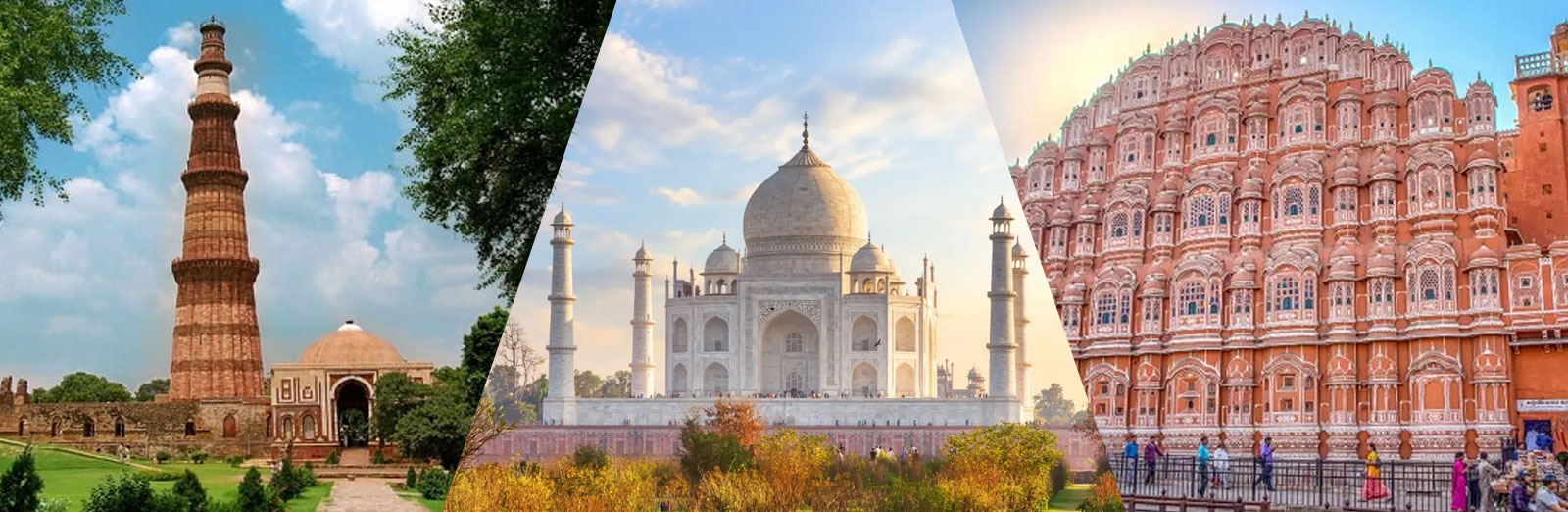
Traveling across India is like walking into a living museum. Every city, temple, palace, and fort tells a story, but without context, much of it may feel like stone and silence. This is where tour guides in India make all the difference. They transform your sightseeing into storytelling, ensuring that you not only see but also understand the country’s history, culture, and traditions. From explaining the love story behind the Taj Mahal to decoding the astronomical instruments at Jaipur’s Jantar Mantar, a good guide makes travel memorable.
Tour guides in India do more than point out monuments. They act as interpreters of culture, translators of local languages, and even protectors from tourist scams. A licensed guide is trained to narrate history, explain architecture, and share legends that bring life to ancient walls and sacred rivers. In a land as diverse as India, where every region has unique customs and dialects, a guide becomes your cultural bridge.
For international travelers, India can sometimes feel overwhelming. With crowded streets, complex rituals, and countless monuments, it’s easy to get lost in details. A private tour guide in India ensures you don’t miss key insights. They help you navigate crowded entry points, explain customs at temples, and share authentic recommendations for food and shopping. Instead of feeling like an outsider, you feel guided into the heart of Indian life.
One of the most important distinctions is between licensed guides and unlicensed freelancers. Licensed guides are certified by the Ministry of Tourism or state tourism departments. They undergo exams, training, and language certifications. Hiring a licensed guide ensures accurate information and professionalism. Unlicensed guides, while often cheaper, may provide incorrect information or pressure tourists into shopping commissions. To ensure safety and authenticity, always opt for licensed professionals.
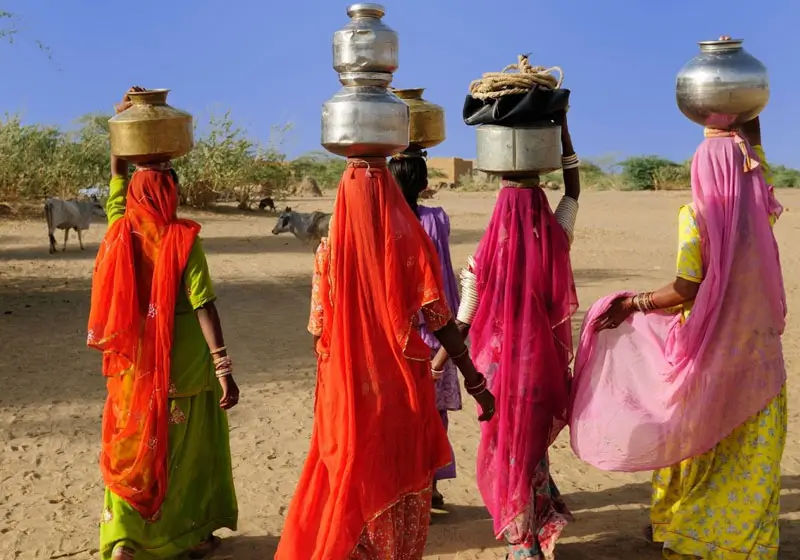
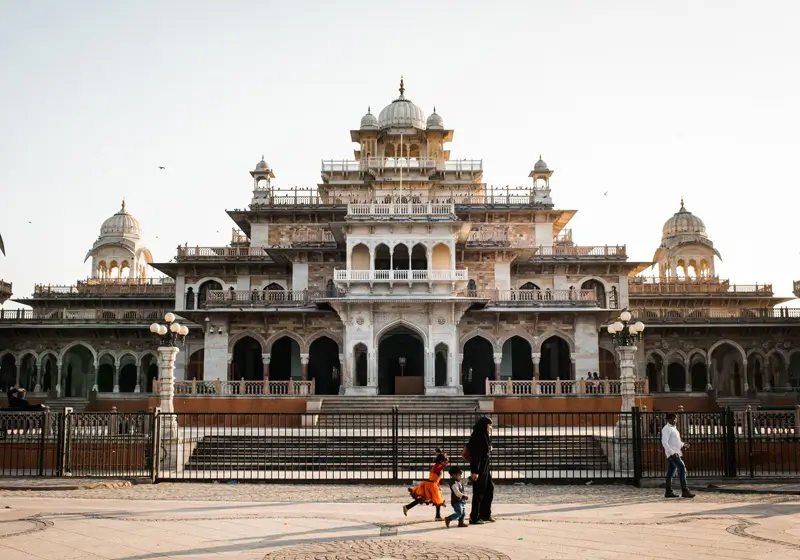
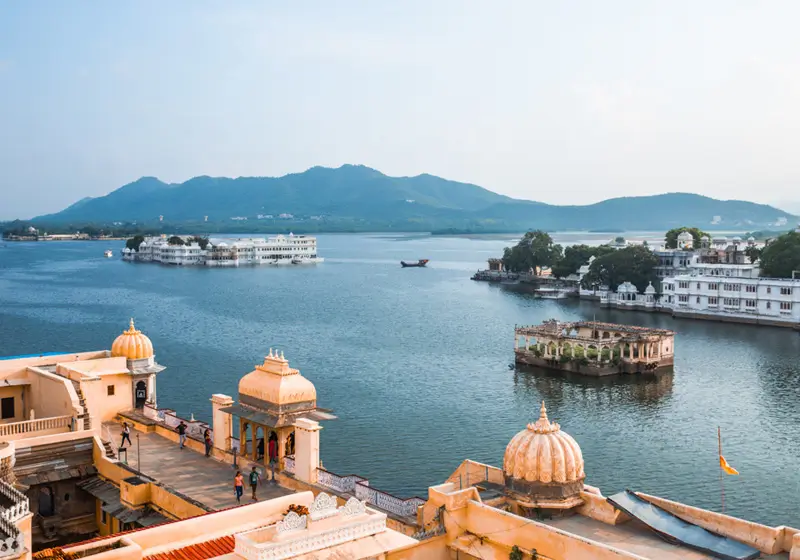
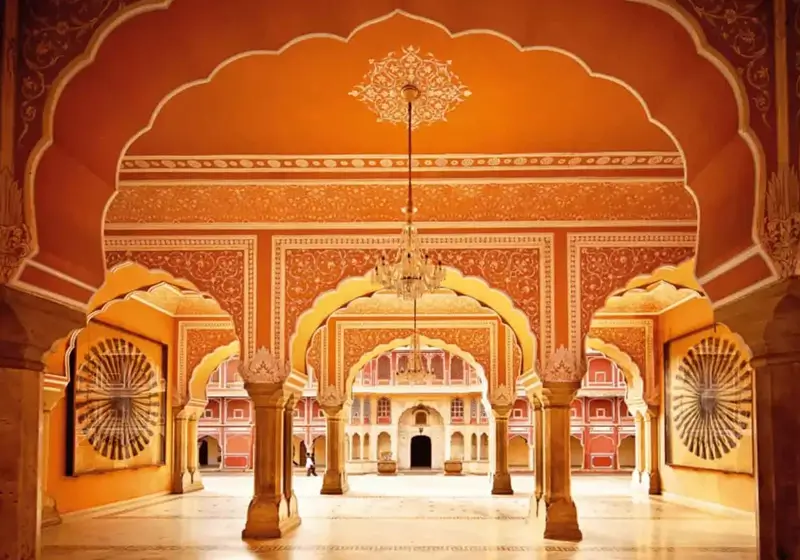
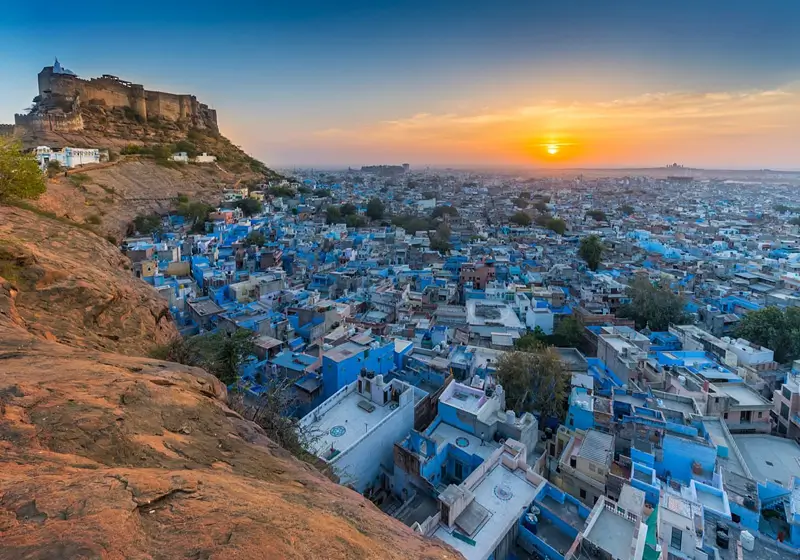
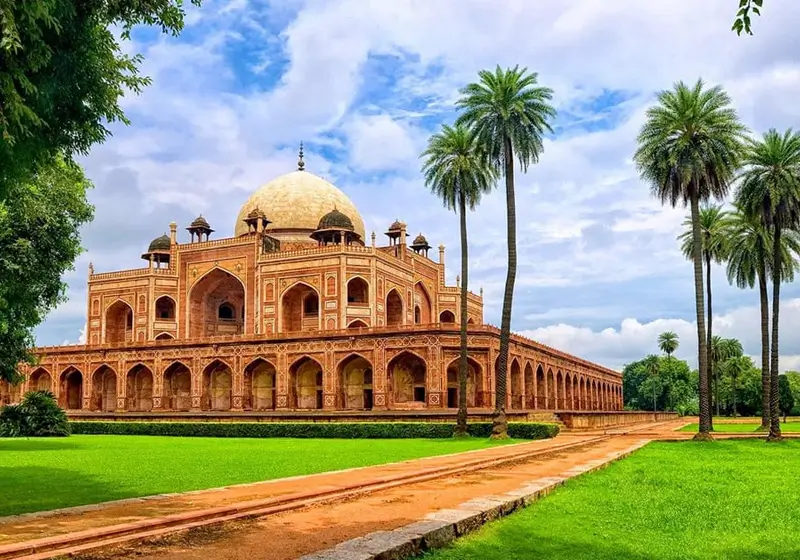
India’s diversity means you may need different guides in different regions. In Delhi and Agra, guides focus on Mughal history and monuments. In Jaipur, Jodhpur, and Udaipur, guides bring Rajput heritage to life. In Varanasi, guides explain spiritual rituals, while in Kerala, they describe backwaters and spice plantations. Each region’s culture is unique, so choosing local expert guides in India ensures deeper understanding.
India receives millions of visitors from countries like Spain, France, Germany, Italy, and Japan. To serve them better, many guides are multilingual. Spanish-speaking guides in India, French-speaking guides, or even Japanese interpreters are available in major tourist hubs. This makes communication easier and helps travelers fully engage with the stories and experiences being shared.
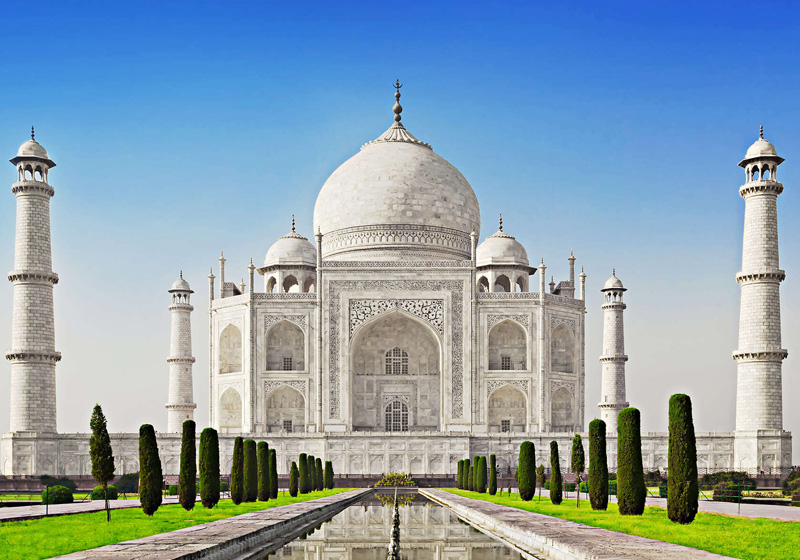
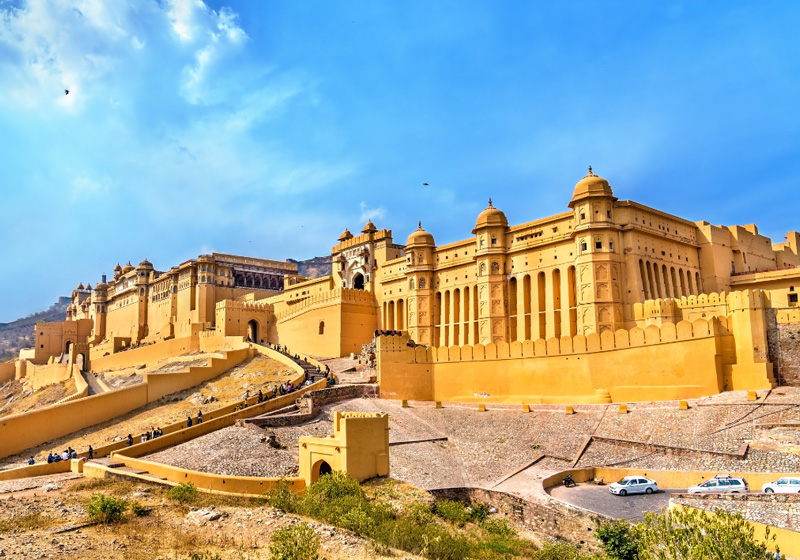
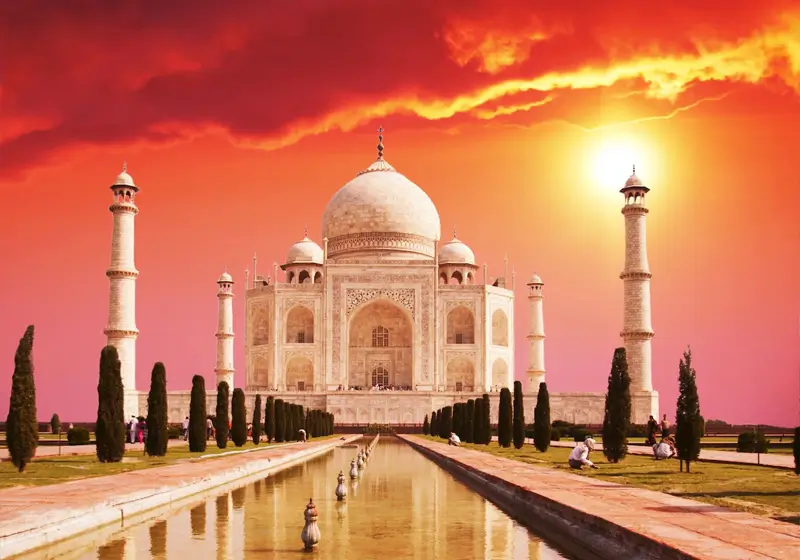
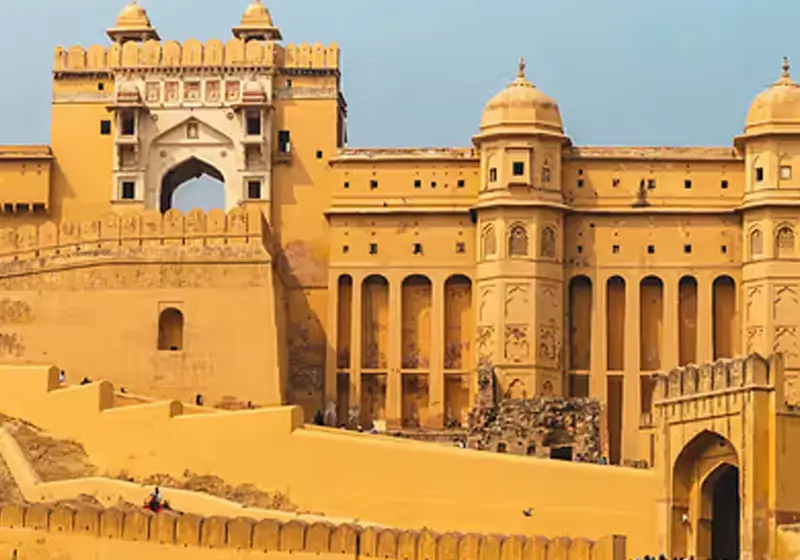
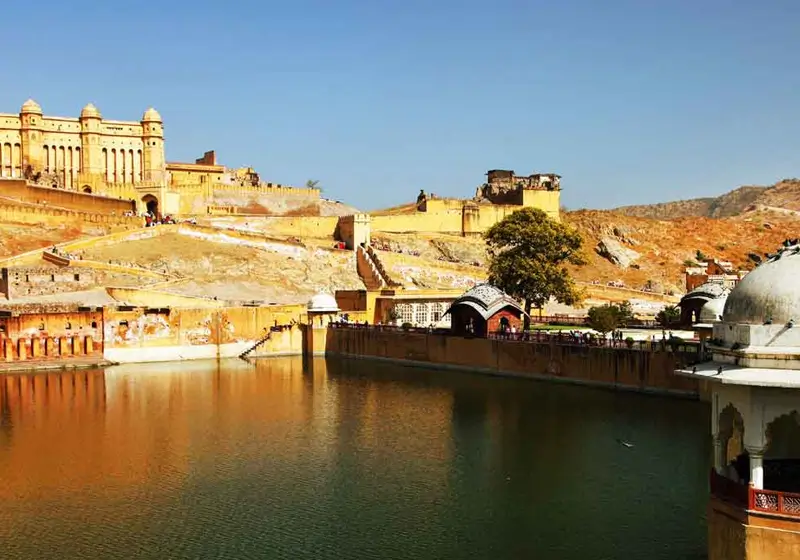
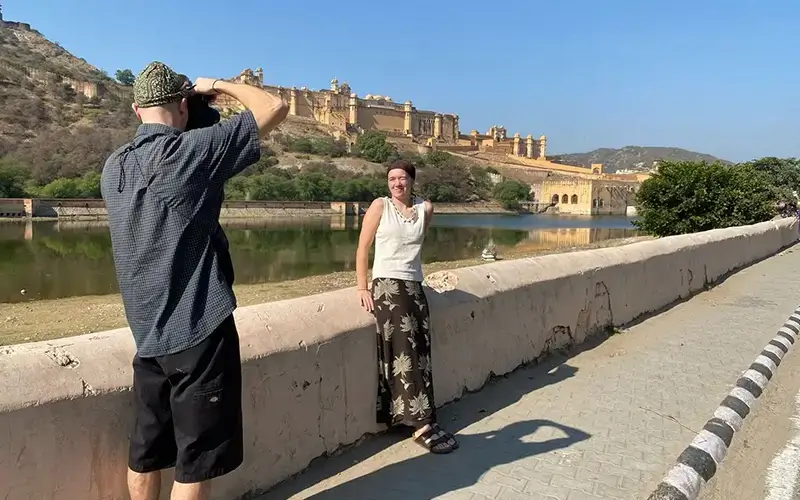
Visiting the Taj Mahal with a licensed guide means you don’t just admire the marble structure—you learn about the Persian calligraphy on its walls, the optical illusions in its architecture, and the love story that inspired its construction. Similarly, at Amber Fort in Jaipur, a guide explains the engineering behind mirror palaces and defensive walls. These insights turn simple sightseeing into a cultural journey.
Good guides don’t just end their services at gates of monuments. They may take you into local markets, introduce you to artisans, or suggest authentic restaurants. For example, a guide in Jaipur might introduce you to block-printing workshops, while a guide in Varanasi might help you attend a Ganga Aarti ceremony in the best spot. These experiences give you stories to take home beyond photographs.
Safety and Protection with Tour Guides
Tourist scams, overcharging, and touts are common problems in many parts of India. A trusted tour guide shields you from these issues. They handle negotiations with rickshaws, advise you on fair prices in bazaars, and ensure you don’t fall into traps of unauthorized sellers. This makes your journey smoother and safer, especially if you are new to India.
The cost of guides varies depending on city, language, and expertise. In popular destinations like Agra or Jaipur, guides typically charge $30–$50 per day. Specialized guides, such as multilingual experts or heritage interpreters, may charge more. Though it may seem like an extra expense, the value added by a guide in terms of knowledge and protection far outweighs the cost.
When booking, always ask for government certification or identity cards. Reputed travel companies, hotels, and tourism boards maintain lists of verified guides. Online platforms with reviews also help identify trustworthy professionals. Advance booking is recommended during peak season, especially for popular destinations like the Taj Mahal.
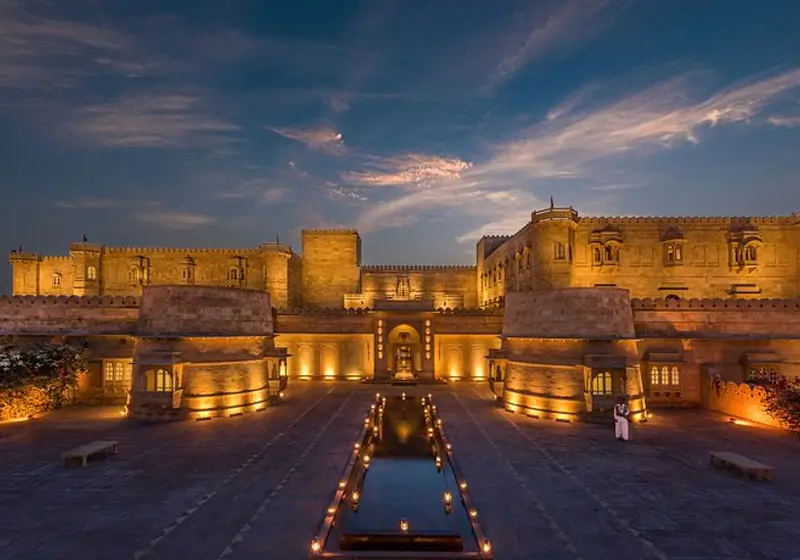
For luxury travelers, India offers premium guiding experiences. These may include historians, archaeologists, or cultural experts who provide in-depth tours. Combined with chauffeur-driven luxury cars, these services create a royal experience of India’s heritage. Heritage hotels in Rajasthan and curated experiences in Delhi often collaborate with high-end guides for private cultural tours.
Don’t just see India—experience it with meaning. Hire one of the best tour guides in India to add depth, safety, and authenticity to your journey.
Ask for a government-issued ID card or certification.
Between $30–$50 per day in most tourist cities.
Yes, many guides speak Spanish, French, German, Italian, and Japanese.
Yes, tipping $5–$10 per day is customary.
Yes, guides can be hired for single sites or full-day tours.
Drivers manage transport; guides interpret culture and history. Both complement each other.
Book in advance through agencies or ask your hotel for certified professionals.
Yes, many help with ticket purchases to save time.
Yes, female guides are available in major cities, ideal for women travelers.
Yes, but they are more common in major tourist hubs like Delhi, Agra, and Jaipur.
Usually guides are city-specific, but some travel with groups on request.
It ensures better communication, deeper engagement, and fewer misunderstandings.
Fill in the details below. Our expert consultant will respond within 4 hours with a bespoke itinerary crafted just for you — completely free, no obligation.