Itinerary ideas, cultural insights, luxury tips and practical planning guides for every India traveller.
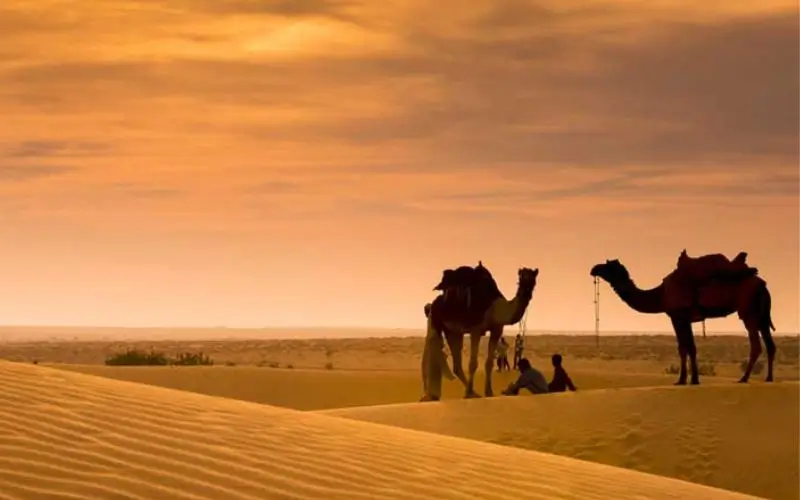
For many international travelers, Rajasthan represents the most iconic image of India. Golden sand dunes stretching toward the horizon, traditional villages scattered across the landscape, colorful turbans, magnificent sunsets, and centuries-old desert traditions create a setting unlike anywhere else in the world. Among the many activities available in this remarkable region, two experiences consistently attract visitors seeking adventure and cultural immersion: the Camel Safari in Rajasthan and the Jeep Safari in Rajasthan.
Choosing between these options is not always easy. Both provide access to desert landscapes, remote villages, and spectacular scenery. Both create memorable travel experiences. Yet they differ dramatically in pace, comfort, atmosphere, cultural authenticity, and overall travel style. The best choice depends largely on personal preferences, expectations, physical comfort, and the type of experience a traveler hopes to enjoy.
Many first-time visitors automatically assume that camel safaris represent the traditional choice while jeep safaris are simply modern alternatives. In reality, the comparison is more nuanced. Each option offers unique advantages and appeals to different types of travelers. Understanding these differences helps visitors make informed decisions and maximize their enjoyment of Rajasthan's desert environment.
The Thar Desert Experience has evolved significantly over recent decades. Historically, camels served as essential transportation for communities living in arid regions. They enabled trade, communication, and survival in challenging environments. Today, camel safaris preserve connections to this heritage while offering visitors opportunities to experience the desert at a slower and more traditional pace.
Jeep safaris emerged later as tourism infrastructure developed and travelers sought ways to explore larger areas within limited timeframes. Modern vehicles allow access to remote locations while providing higher levels of comfort and convenience. As a result, jeep safaris have become particularly popular among families, luxury travelers, photographers, and visitors with limited schedules.
One reason the debate between Camel Safari vs Jeep Safari Rajasthan continues to generate interest is that both experiences reveal different aspects of the desert. A camel journey emphasizes immersion, patience, and cultural connection. A jeep safari focuses on exploration, efficiency, and broader geographic coverage. Neither is inherently superior; they simply deliver different outcomes.
Travelers planning desert experiences often consider factors such as physical comfort, photography opportunities, cultural authenticity, accessibility, and budget. Some prioritize adventure and tradition, while others value convenience and flexibility. Understanding how each safari type performs across these categories helps clarify which option aligns best with individual preferences.
The desert itself remains the true attraction regardless of transportation choice. Vast landscapes, dramatic sunsets, rural communities, wildlife sightings, and star-filled night skies create unforgettable memories whether viewed from a camel saddle or a vehicle seat. The question is not which experience is objectively better but which experience is better suited to a particular traveler.
For visitors exploring Rajasthan as part of a broader itinerary, selecting the right safari can significantly influence overall satisfaction. A thoughtful choice ensures that time spent in the desert becomes one of the highlights of the journey rather than a missed opportunity. Understanding the strengths and limitations of both options is therefore an important step in planning an unforgettable Rajasthan adventure.
Every traveler experiences the Thar Desert differently. Choose a traditional camel safari for timeless charm or a jeep safari for adrenaline-filled excitement—or combine both for the ultimate Rajasthan desert experience.
When travelers imagine crossing desert landscapes in Rajasthan, they often picture camels moving slowly across golden dunes beneath the setting sun. This image has become synonymous with desert travel for good reason. A Camel Safari Rajasthan offers an experience that remains deeply connected to the region's cultural heritage and historical identity.
The most obvious difference between camel and jeep safaris is pace. Camels move slowly and steadily, encouraging travelers to engage with the environment in a more deliberate manner. Instead of rushing through the landscape, participants have time to observe details, appreciate changing scenery, and absorb the atmosphere of the desert. Many visitors find this slower rhythm surprisingly refreshing, particularly after spending time in busy cities.
One of the greatest advantages of a camel safari is the sense of immersion it creates. Travelers become part of the environment rather than merely passing through it. The gentle movement of the camel, the sound of footsteps on sand, and the absence of engine noise contribute to an experience that feels remarkably peaceful. For many visitors, this tranquility becomes one of the most memorable aspects of the journey.
Camel safaris also provide stronger connections to local traditions. Guides frequently come from desert communities with generations of experience working alongside camels. Their knowledge of landscapes, village life, folklore, and survival techniques adds depth to the experience. Conversations with these guides often reveal fascinating insights into desert culture and history.
Photography enthusiasts appreciate camel safaris because they create opportunities for unique and atmospheric images. The visual contrast between camels, dunes, traditional clothing, and desert sunsets produces scenes that perfectly capture the spirit of Rajasthan. Many of the iconic photographs associated with the region originate from camel safari experiences.
Another attraction is access to remote areas where modern infrastructure remains limited. Although jeeps can cover greater distances, camels navigate sandy terrain naturally and allow travelers to experience the desert in a manner similar to generations of local inhabitants. This authenticity appeals strongly to visitors seeking cultural immersion.
Overnight camel safaris are particularly popular among international travelers. These programs typically include sunset rides, traditional meals, folk music performances, and sleeping arrangements beneath open skies. Watching stars appear across the desert while surrounded by silence creates memories that remain vivid long after the journey ends.
However, camel safaris are not without limitations. Riding can become physically demanding, especially for travelers unaccustomed to long periods on camelback. Comfort levels vary significantly depending on route length, equipment quality, and individual preferences. Elderly travelers, young children, or those with mobility concerns may find extended rides challenging.
Despite these considerations, camel safaris continue to attract visitors because they offer something increasingly rare in modern travel: an opportunity to slow down and experience a landscape on its own terms. For travelers seeking authenticity, cultural connection, and a sense of timelessness, few experiences compare to crossing Rajasthan's desert by camel.
Sunset views, endless sand dunes, folk performances, and unforgettable moments await. Let us craft a desert safari experience that perfectly matches your pace, comfort, and sense of adventure.
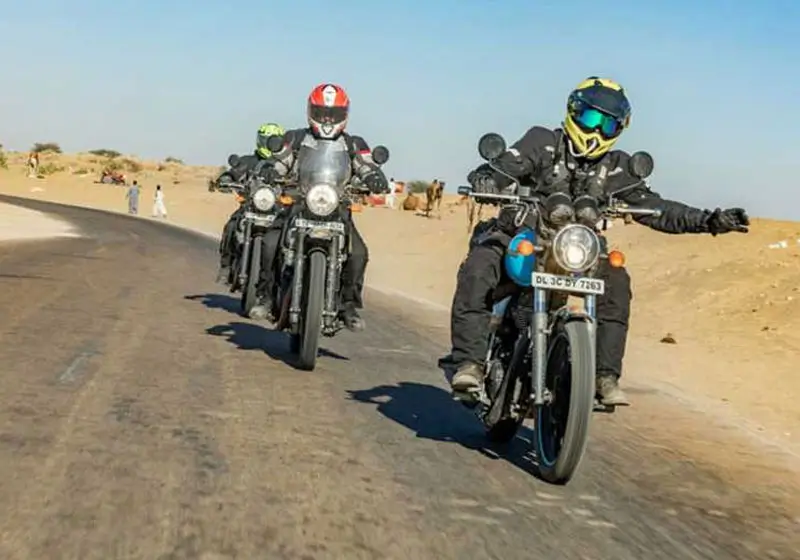
While camel safaris embody tradition, Jeep Safaris in Rajasthan reflect contemporary travel preferences emphasizing comfort, efficiency, and flexibility. Over recent years, jeep excursions have become increasingly popular among both domestic and international visitors, particularly those seeking comprehensive desert exploration without physical challenges.
The most significant advantage of jeep safaris is coverage. Vehicles can travel far greater distances within shorter periods, allowing travelers to explore multiple locations during a single excursion. This efficiency is particularly valuable for visitors with limited time who wish to maximize their experience of the desert landscape.
Comfort represents another major benefit. Modern safari vehicles provide seating, shade, and stability that many travelers find preferable to extended camel rides. Families with children, older visitors, and luxury travelers often choose jeep safaris because they reduce physical strain while still providing access to scenic environments.
Photography opportunities differ significantly between the two options. While camel safaris offer atmospheric perspectives, jeep safaris allow photographers to carry larger equipment and move quickly between locations. Wildlife enthusiasts particularly appreciate this flexibility because it increases opportunities to observe animals and birds across broader areas.
Jeep safaris also provide greater adaptability. Guides can adjust routes based on weather conditions, traveler interests, wildlife sightings, or time constraints. This flexibility enhances the overall experience and allows visitors to focus on specific objectives such as photography, village visits, or landscape exploration.
Many luxury travel programs incorporate Private Jeep Safaris Rajasthan because they align well with premium service expectations. Guests enjoy personalized itineraries, comfortable transportation, professional guides, and access to remote locations without sacrificing convenience. These experiences often include gourmet meals, exclusive camps, and carefully curated activities.
Another advantage is accessibility. Travelers with mobility limitations or health concerns may find jeep safaris significantly easier to participate in than camel rides. This inclusiveness allows a broader range of visitors to enjoy desert experiences without compromising comfort or safety.
Jeep safaris also perform well during warmer periods because vehicles reduce direct exposure to the elements. Shade, ventilation, and shorter travel times help maintain comfort levels even when temperatures increase. These practical benefits contribute significantly to their popularity.
Critics sometimes argue that jeep safaris lack the authenticity of camel journeys. While there is some truth to this perspective, it overlooks the fact that different travelers prioritize different outcomes. Many visitors value exploration, comfort, and flexibility more highly than historical authenticity. For them, jeep safaris provide an ideal balance between adventure and convenience.
The growing popularity of jeep safaris reflects broader changes in tourism. Modern travelers often seek experiences that combine cultural interest with comfort and efficiency. Jeep excursions satisfy these expectations while still delivering access to Rajasthan's spectacular desert landscapes.
When deciding between a Camel Safari and Jeep Safari in Rajasthan, practical considerations often play an important role. Evaluating factors such as cost, comfort, photography opportunities, and cultural significance helps travelers determine which experience best matches their priorities.
From a comfort perspective, jeep safaris generally hold a clear advantage. Vehicles provide seating support, protection from prolonged physical strain, and easier access for individuals of varying fitness levels. Travelers concerned about mobility, back discomfort, or extended outdoor exposure frequently prefer jeep excursions for these reasons.
Camel safaris, by contrast, prioritize immersion over comfort. The physical experience of riding a camel forms part of the adventure but may not appeal equally to everyone. Some travelers embrace the challenge, while others find it tiring after extended periods.
Photography considerations vary depending on subject matter. Camel safaris excel at creating iconic desert images featuring traditional transportation, dramatic silhouettes, and cultural authenticity. Jeep safaris provide greater flexibility for landscape photography, wildlife observation, and equipment transport. Serious photographers often appreciate the mobility offered by vehicles.
Cultural value strongly favors camel safaris. The experience maintains direct connections to historical desert travel traditions and creates opportunities for deeper engagement with local heritage. Travelers interested in understanding Rajasthan's cultural identity frequently find camel journeys more meaningful.
Jeep safaris compensate by offering broader exploration. Visitors can access multiple villages, viewpoints, and attractions within a single day. This expanded coverage appeals to travelers seeking variety and comprehensive understanding of the region.
Cost differences vary depending on duration, inclusions, accommodation standards, and operator quality. Both options are available across a wide range of budgets, from basic excursions to luxury experiences. Rather than focusing solely on price, travelers should evaluate overall value based on desired outcomes and personal preferences.
Another consideration is group composition. Couples often enjoy the romantic atmosphere associated with camel safaris, while families may prefer the convenience and accessibility of jeeps. Luxury travelers frequently choose private jeep experiences, whereas adventure-oriented visitors often gravitate toward traditional camel journeys.
Ultimately, there is no universally correct choice. The ideal option depends on individual expectations, travel style, physical comfort, and desired level of cultural immersion. Understanding these trade-offs allows travelers to make informed decisions and maximize enjoyment of their desert experience.
The answer to the question "Which is better: a camel safari or a jeep safari?" depends entirely on what a traveler hopes to gain from the experience. Both options reveal different dimensions of Rajasthan's desert environment and both can become highlights of a journey through the region.
Travelers seeking authenticity, tradition, and slower-paced exploration will often find camel safaris more rewarding. The experience encourages immersion, reflection, and connection with historical desert culture. Those interested in photography, storytelling, and cultural heritage frequently gravitate toward this option.
Visitors prioritizing comfort, flexibility, and broader exploration may find jeep safaris better suited to their needs. The ability to cover greater distances, access multiple locations, and travel comfortably appeals particularly to families, luxury travelers, and individuals with limited time.
Interestingly, many experienced travelers choose not to view the decision as an either-or proposition. Combining a short camel ride with a longer jeep excursion provides opportunities to enjoy the strengths of both experiences. This approach allows visitors to experience traditional desert travel while also benefiting from the convenience of modern transportation.
Regardless of choice, the true magic lies in the desert itself. Watching sunlight transform sand dunes, meeting local communities, listening to stories from guides, and experiencing the vastness of Rajasthan's landscape create lasting memories. Whether viewed from a camel saddle or a jeep seat, the desert remains one of India's most extraordinary destinations.
For travelers planning a Rajasthan itinerary, selecting the safari that best matches personal interests ensures that time spent in the Thar Desert becomes one of the most memorable chapters of the journey.
Camel safaris are generally considered more authentic because they reflect traditional desert transportation methods.
They can be enjoyable but may become physically demanding during longer rides.
Yes. Jeep safaris are often preferred by families because they provide greater comfort and accessibility.
Both have advantages. Camel safaris create iconic cultural images, while jeep safaris provide flexibility and broader access.
Yes. Many visitors enjoy short camel rides alongside longer jeep excursions.
Yes. Jeeps cover significantly greater distances in less time.
Jeep safaris are generally more comfortable and accessible for older visitors.
Yes. Many operators offer overnight programs with camping and cultural activities.
Yes. Many routes include stops at traditional desert communities and local attractions.
The answer depends on personal preferences. Travelers seeking tradition often prefer camels, while those prioritizing comfort usually choose jeeps.
Fill in the details below. Our expert consultant will respond within 4 hours with a bespoke itinerary crafted just for you — completely free, no obligation.