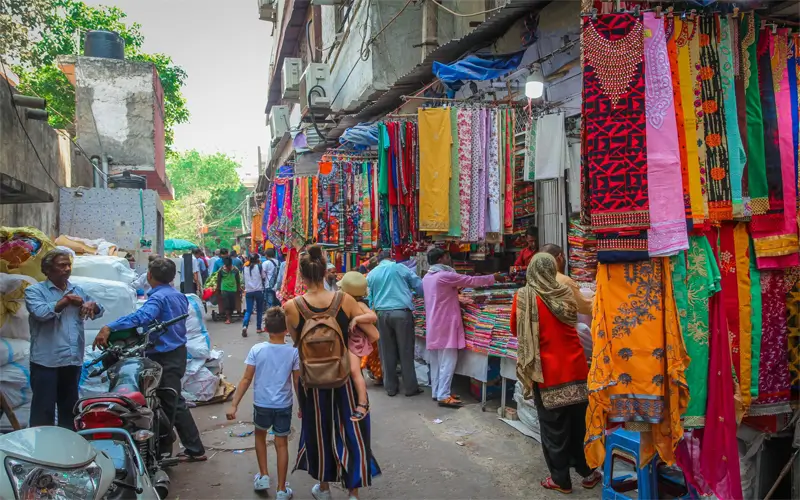
For anyone visiting Delhi for the first time, Chandni Chowk offers an experience that is completely different from modern shopping malls and commercial centres. This historic market has remained the commercial heart of Old Delhi for nearly four centuries and continues to attract thousands of local shoppers, business owners, and international tourists every day. It is not simply a place to buy souvenirs or clothes—it is an entire network of traditional markets where every street specialises in something different.
Originally designed during the reign of Mughal Emperor Shah Jahan in the seventeenth century, Chandni Chowk has grown into one of India's busiest wholesale and retail markets. Walking through its narrow lanes, visitors pass centuries-old buildings, colourful shops, spice merchants, jewellery stores, textile traders, street food vendors, religious landmarks, and traditional businesses that have been operating for generations. Many shop owners represent the third or fourth generation of their family, continuing businesses that began more than a hundred years ago.
Unlike organised shopping centres where products are grouped under one roof, Chandni Chowk works differently. Every lane has developed its own identity over the years. One street specialises in silver jewellery, another in wedding decorations, another in books, another in spices, while neighbouring lanes are filled with clothing, electronics, perfumes, fabrics, kitchenware, handicrafts, and home décor. This unique layout makes shopping both exciting and slightly confusing for first-time visitors, which is why understanding the market before arriving can save a great deal of time.
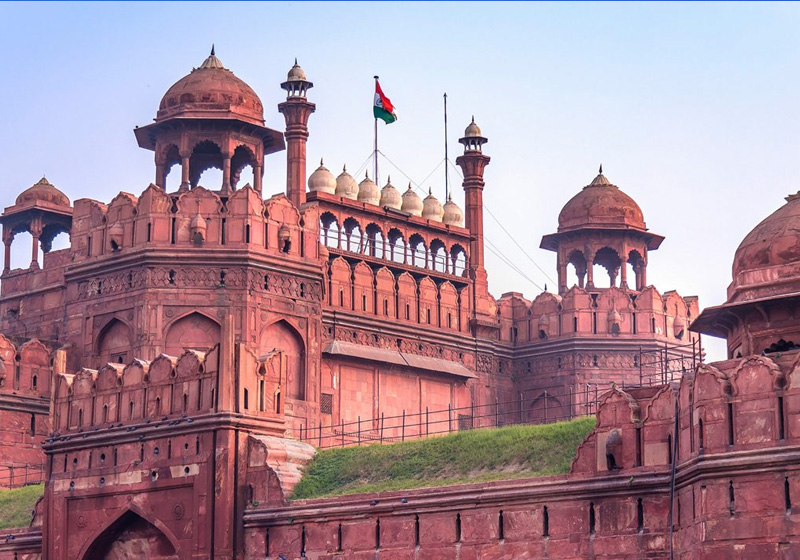
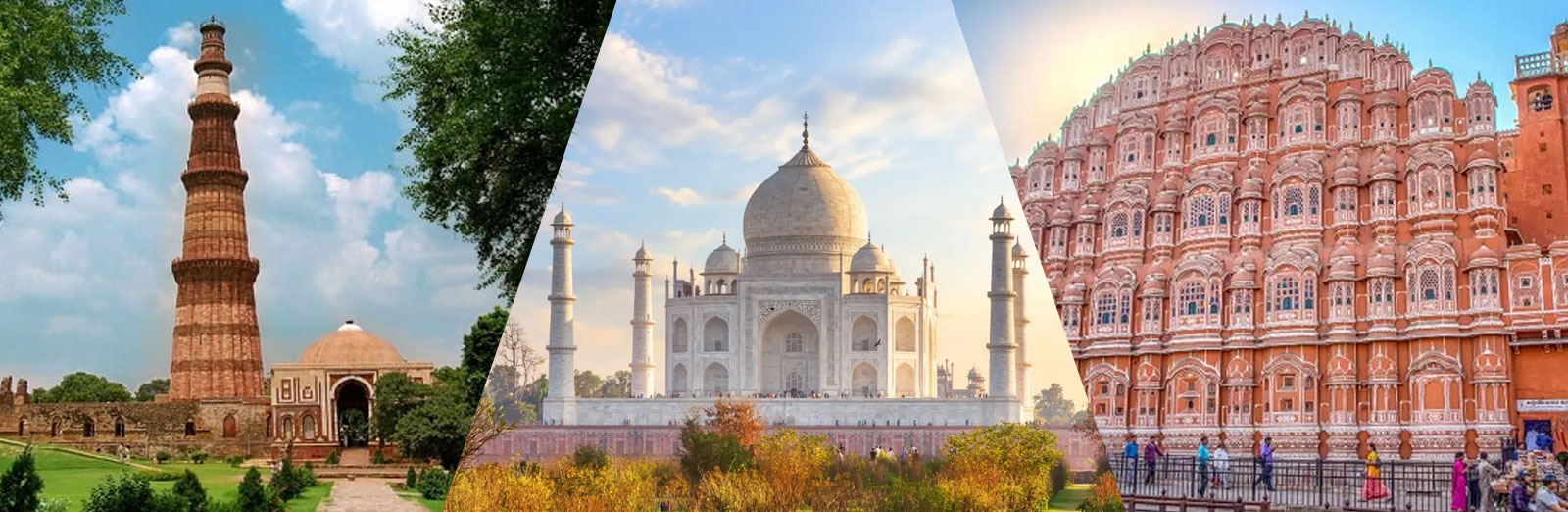
Most international travellers visiting Delhi as part of a Golden Triangle Tour include Chandni Chowk in their sightseeing schedule because it combines shopping, history, architecture, and local culture within a single area. It also lies close to famous attractions such as the Red Fort, Jama Masjid, Raj Ghat, and several historical monuments, making it easy to combine multiple attractions in one day.
Most retail shops in Chandni Chowk generally operate between:
Opening Time: 10:00 AM
Closing Time: 8:00 PM
Many wholesale businesses begin their day slightly earlier, while restaurants and famous sweet shops often continue serving customers until late evening.
Weekly Closing Day: Sunday
Although a few restaurants and food stalls remain open, a large number of retail shops stay closed on Sundays. If shopping is your main priority, visiting between Monday and Saturday is highly recommended.
The market becomes busiest from around 12:00 PM onwards, particularly during weekends and the festive season. Visitors who prefer a more relaxed shopping experience should arrive soon after the shops open.
Weather plays an important role because most of the shopping takes place on foot.
The most comfortable period is between October and March, when Delhi experiences cooler temperatures. Walking through the narrow streets becomes much easier, and you can spend several hours shopping without feeling exhausted.
During the summer months from April to June, temperatures frequently rise above 40°C. If you visit during this period, arriving before 11:00 AM helps avoid the strongest afternoon heat.
The monsoon season between July and September brings occasional rain. While temperatures become more pleasant, some narrow lanes may become crowded and slightly slippery after heavy showers.
Festival seasons such as Diwali, Dussehra, Eid, and the wedding months create an exciting atmosphere with beautifully decorated markets. However, these are also the busiest times of the year, and visitors should expect large crowds.
Many visitors compare Chandni Chowk with modern shopping malls before arriving, but the experience is completely different.
Instead of air-conditioned shopping centres and international brands, Chandni Chowk offers traditional Indian commerce exactly as it has existed for generations. Small independent businesses stand beside century-old restaurants, narrow lanes open into colourful bazaars, and every few minutes you pass another historical building that reflects Delhi's rich past.
One of the biggest advantages of shopping here is the enormous variety available within walking distance. Whether someone is searching for handcrafted silver jewellery, bridal wear, spices, handmade textiles, books, dry fruits, decorative items, or traditional Indian clothing, there is usually an entire street dedicated to that particular category.
Many products are available at lower prices than modern shopping malls because numerous shops also supply wholesalers from across India. Visitors who compare prices carefully and bargain politely often find excellent value, particularly when purchasing textiles, handicrafts, scarves, jewellery, and souvenirs.
Another reason Chandni Chowk remains popular is its authenticity. Unlike tourist-focused souvenir markets where many products appear similar, this market continues to serve local residents as much as visitors. The result is a shopping environment where everyday business takes place alongside tourism, providing a genuine glimpse into Delhi's commercial life.
Go beyond the main street and explore the specialised bazaars, historic lanes, local food and cultural highlights that make Chandni Chowk unique.
One of the reasons shoppers spend several hours in Chandni Chowk is the incredible range of products available across different markets. Whether your budget is ₹500 or ₹50,000, you will find options in almost every category.
Traditional Indian clothing remains among the most popular purchases. Visitors looking for sarees, embroidered suits, lehengas, dupattas, shawls, and handcrafted fabrics have hundreds of shops to choose from. Wedding shopping is particularly famous here, with families travelling from different parts of India to purchase bridal outfits and accessories.
Silver jewellery is another speciality of Chandni Chowk. Delicate earrings, necklaces, bracelets, rings, and gemstone jewellery are available in both modern and traditional designs. Many shops also sell customised pieces, making the market popular among international visitors looking for unique gifts.
Travellers interested in Indian cuisine often buy fresh spices, loose tea, dry fruits, saffron, and traditional spice boxes from Khari Baoli. These products are practical souvenirs because they are easy to carry home and represent an important part of Indian culinary culture.
Handcrafted home décor, brass items, wooden handicrafts, leather products, perfumes, decorative lamps, and traditional footwear are also widely available throughout the market. Many visitors purchase small handcrafted souvenirs priced between ₹200 and ₹1,000, while those interested in premium textiles or jewellery may spend considerably more.
One of the biggest advantages of shopping here is variety rather than fixed pricing. The same type of product may be available in different qualities, allowing visitors to choose according to their budget.
One of the biggest mistakes first-time visitors make is assuming Chandni Chowk is a single market. In reality, it is a collection of specialised markets connected by narrow streets, each known for a different category of products. Instead of wandering without a plan, it is worth knowing which streets match your shopping interests. This not only saves time but also helps you compare prices more efficiently.
If you are interested in authentic silver jewellery, Dariba Kalan should be your first stop. This historic lane has been associated with jewellery trading since the Mughal period and continues to house dozens of reputable jewellers.
Visitors can find sterling silver earrings, necklaces, bracelets, rings, gemstone jewellery, traditional Indian ornaments, and handcrafted accessories in a wide range of prices. Whether you are looking for an inexpensive souvenir or a premium handmade piece, there are shops catering to almost every budget.
Most established jewellery stores provide proper invoices and authenticity certificates for higher-value purchases. If you intend to buy expensive jewellery, comparing prices at two or three shops before making a decision is always a sensible approach.
Kinari Bazaar is one of India's best-known wedding shopping streets. Colourful displays of embroidered borders, decorative ribbons, handmade embellishments, bridal accessories, gift wrapping materials, and festive decorations fill both sides of the narrow lane.
Even if you are not shopping for a wedding, the market is worth visiting simply to admire the craftsmanship. International tourists often purchase embroidered patches, decorative fabrics, handcrafted ornaments, and colourful home décor items that are easy to carry home.
Prices vary according to material and embroidery quality, but bargaining is generally accepted in smaller shops.
Just a short walk from the main Chandni Chowk road lies Khari Baoli, one of the oldest and largest wholesale spice markets in Asia.
The moment you enter the area, the aroma of freshly ground spices fills the air. Shops overflow with turmeric, cardamom, cinnamon, cloves, black pepper, saffron, dried herbs, tea, coffee, nuts, raisins, almonds, pistachios, and countless spice blends used in Indian cooking.
Many international visitors purchase neatly packed spice boxes or premium loose tea as souvenirs because they are practical gifts and represent an important part of Indian culinary culture. Most shopkeepers can also vacuum-pack spices for international travel.
Book lovers should not miss Nai Sarak, one of Delhi's oldest book markets. The street is lined with shops selling academic books, novels, religious texts, children's books, office supplies, art materials, and stationery.
Although many customers are local students, tourists interested in Indian history, culture, and literature can also find several English-language books at reasonable prices.
Originally built as a royal palace during the Mughal period, Bhagirath Palace is now one of India's largest electrical goods markets.
Although it mainly serves wholesalers and contractors, many visitors enjoy walking through its historic buildings and exploring one of Old Delhi's lesser-known commercial areas.
Unlike shopping malls where prices are fixed, bargaining remains common in many parts of Chandni Chowk. Shops selling clothing, handbags, scarves, handicrafts, footwear, souvenirs, and decorative items usually expect customers to negotiate politely.
As a general guideline, if a product does not display a fixed price tag, there is often room for discussion.
Begin by asking the quoted price, compare similar products at nearby shops, and negotiate respectfully. Many experienced shoppers manage to reduce prices by 10% to 30%, although the final amount depends on the product and the shopkeeper.
Branded stores, jewellery showrooms, and government-approved handicraft shops usually follow fixed pricing.
One of Chandni Chowk's greatest strengths is that it offers products across every price range.
Approximate prices include:
| Product | Approximate Price |
| Refrigerator Magnets | ₹100–₹300 |
| Handmade Souvenirs | ₹200–₹800 |
| Cotton Scarves | ₹300–₹1,500 |
| Leather Wallets | ₹500–₹2,500 |
| Silver Jewellery | ₹800 onwards |
| Sarees | ₹1,000–₹20,000+ |
| Lehengas | ₹3,000–₹60,000+ |
| Premium Spices | ₹250–₹2,500 |
| Dry Fruits | ₹400–₹2,000 per kg |
Luxury bridal outfits and precious jewellery can cost significantly more.
Not sure where to shop, eat or start exploring? A local guide can help you navigate Chandni Chowk's busy lanes, discover the best markets and experience Old Delhi with confidence.
The easiest and fastest way to reach Chandni Chowk is by Delhi Metro.
The nearest stations include:
Among these, Chandni Chowk Metro Station provides the most convenient access to the main market.
If travelling from Indira Gandhi International Airport, a taxi usually takes 45–70 minutes, depending on traffic, and costs approximately ₹600–₹1,000. App-based taxis are widely available throughout Delhi.
Visitors staying near Connaught Place can reach Chandni Chowk in around 15–20 minutes by metro or taxi.
Private vehicles are not recommended because parking is limited and traffic congestion inside Old Delhi can be extremely heavy.
Shopping for several hours naturally builds up an appetite, and fortunately Chandni Chowk is also one of Delhi's most famous food destinations.
Some of the best-known eateries include:
A meal at these establishments generally costs between ₹200 and ₹700 per person, depending on your choice of dishes.
Wear comfortable walking shoes because exploring Chandni Chowk usually involves several kilometres of walking through busy streets. A small crossbody bag is more convenient than carrying a backpack, particularly in crowded lanes.
Carry drinking water during warmer months and keep some cash for smaller purchases, although most larger shops now accept UPI, debit cards, and credit cards.
If you are purchasing expensive jewellery, carpets, or handicrafts, always request a proper invoice. Many reputable shops also provide secure packaging for international travel.
Weekdays are generally less crowded than Saturdays, making shopping easier and more comfortable. Morning visits allow you to browse shops at a relaxed pace before the afternoon crowds arrive.
If you are unfamiliar with Old Delhi, using Google Maps together with the nearest metro station can make navigation much simpler. Many visitors also hire a local guide for a few hours to understand the market layout and locate the best shopping streets more efficiently.
Most shops are open from 10:00 AM to 8:00 PM.
Most retail shops remain closed on Sunday.
It is famous for traditional markets, shopping, street food, spices, textiles, jewellery, and historic architecture.
Chandni Chowk Metro Station is the nearest and most convenient station.
Yes. Bargaining is common in many independent shops selling clothing, souvenirs, handbags, and handicrafts.
Popular purchases include silver jewellery, spices, sarees, handicrafts, scarves, dry fruits, perfumes, and traditional Indian clothing.
Allow at least 4 to 6 hours if you want to shop, eat, and explore the different markets.
Yes. It is one of Delhi's most popular attractions for international visitors and is regularly included in sightseeing tours.
Yes. The Red Fort is only a short walk from the main market.
Most established shops accept debit cards, credit cards, and digital payments, although carrying some cash is useful for smaller vendors.
Yes. The market is generally safe, but visitors should keep an eye on their belongings because it remains crowded throughout the day.
The most comfortable time to visit is between October and March, when Delhi experiences cooler weather and walking around the market is much more enjoyable.
Fill in the details below. Our expert consultant will respond within 4 hours with a bespoke itinerary crafted just for you — completely free, no obligation.