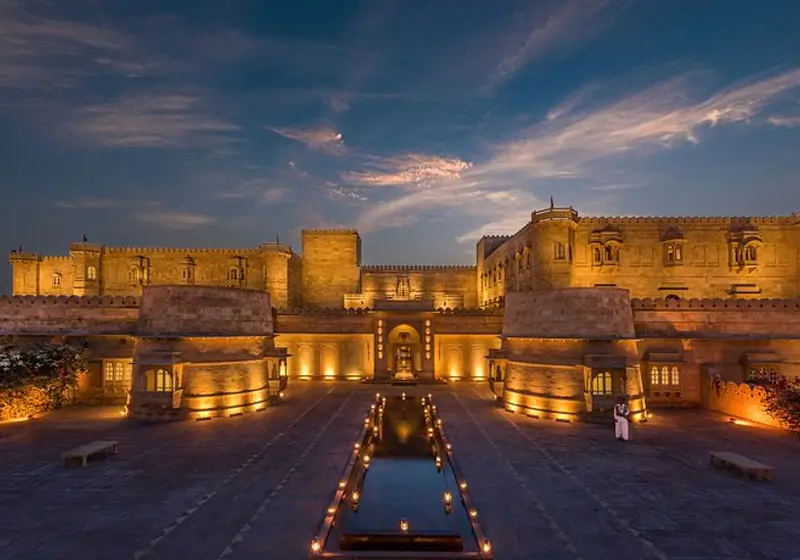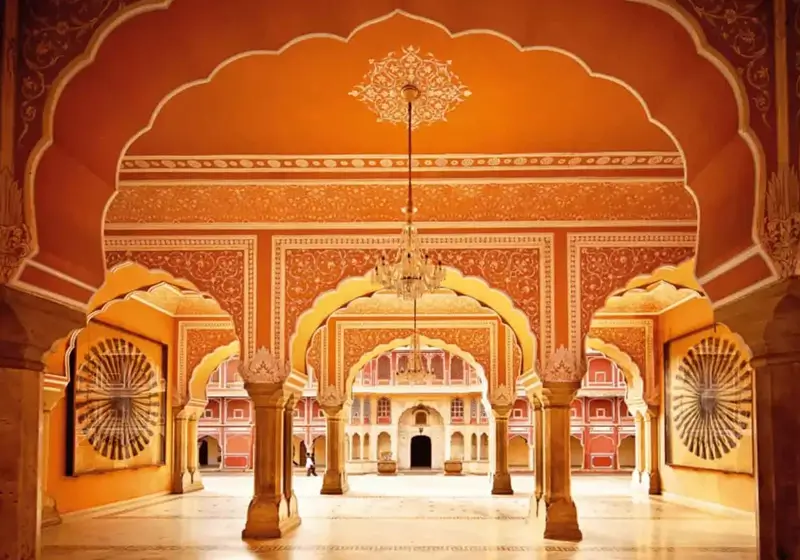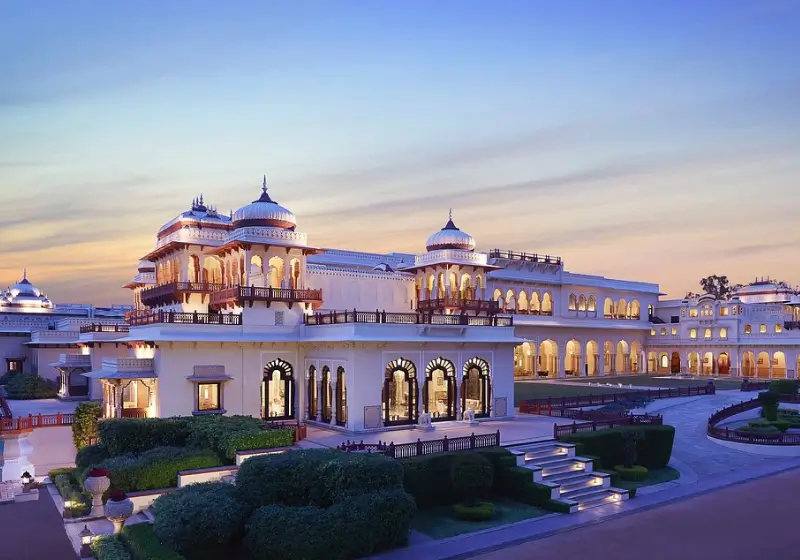
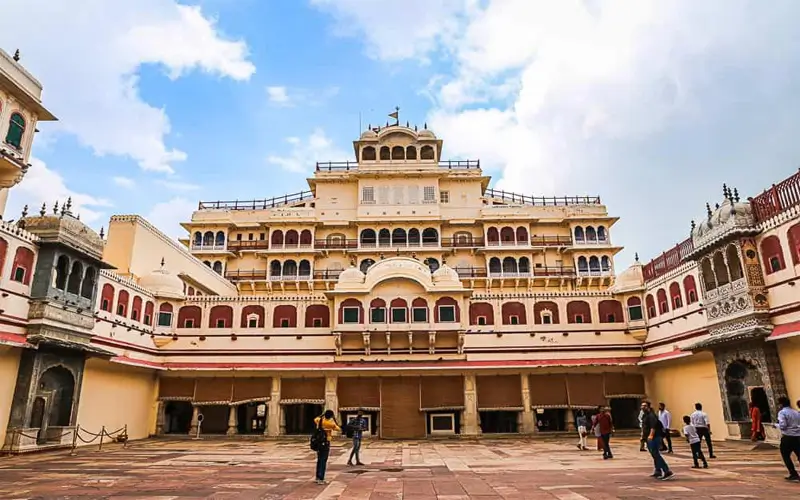
Standing in the centre of Jaipur's famous Pink City, City Palace is one of Rajasthan's finest royal residences and remains the home of Jaipur's former royal family. Built during the eighteenth century by Maharaja Sawai Jai Singh II, the palace is a remarkable blend of Rajput, Mughal, and European architectural styles. Beautiful courtyards, royal museums, colourful gateways, marble halls, royal costumes, antique weapons, and centuries of history make it one of the city's most visited attractions.
Unlike many historical forts that are no longer occupied, a section of City Palace continues to serve as the residence of the Jaipur royal family. This unique combination of a living royal residence and a public museum gives visitors an opportunity to admire both Rajasthan's royal heritage and its continuing traditions.
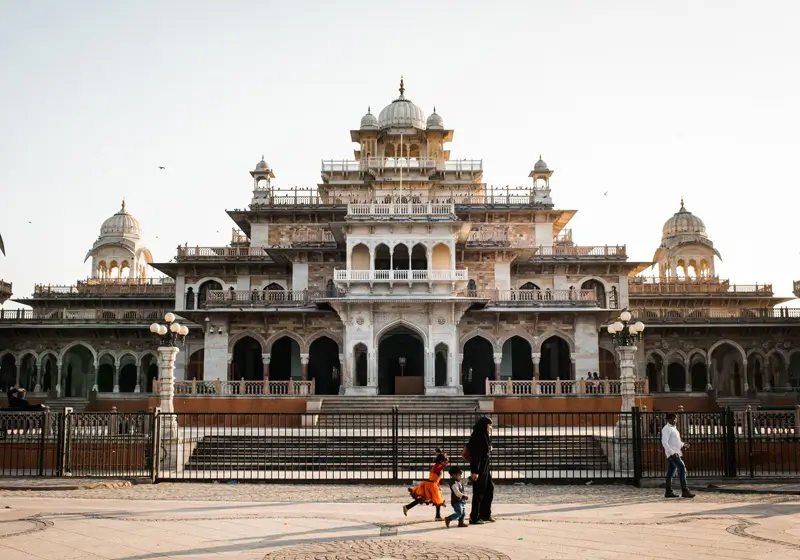
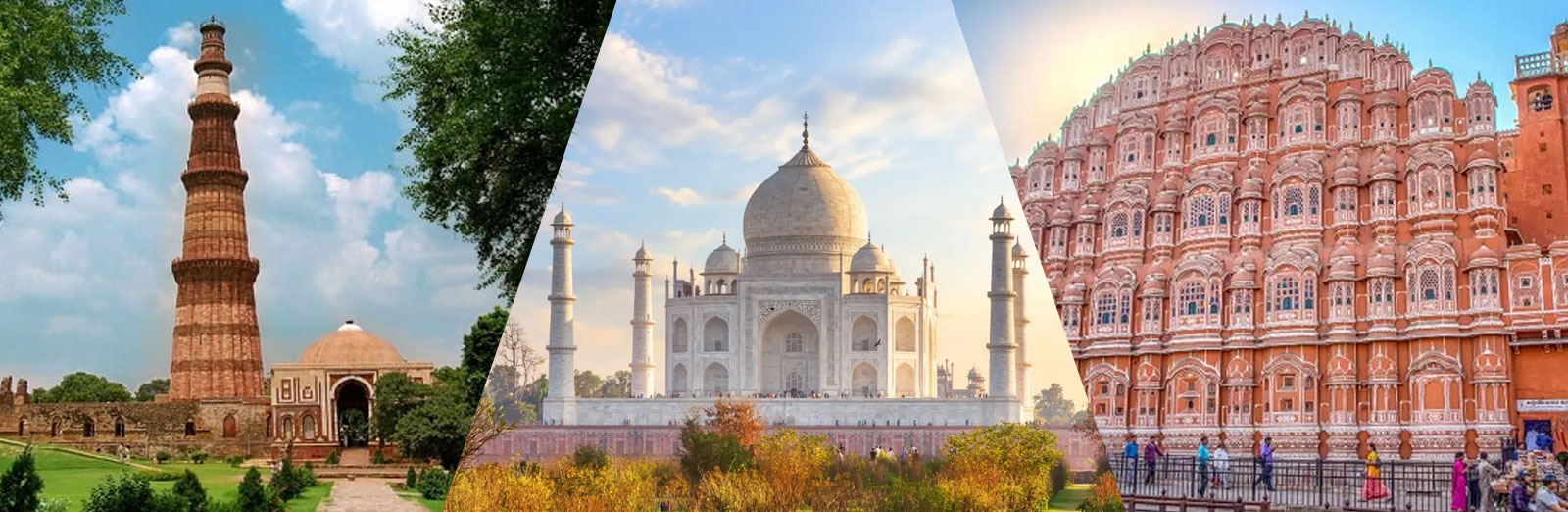
For travellers following a Golden Triangle Tour, City Palace is usually included alongside Hawa Mahal, Jantar Mantar, Albert Hall Museum, and Amber Fort. Since several major attractions are located within walking distance, the palace can easily be explored as part of a full day of sightseeing in Jaipur.
Apart from its historical importance, City Palace has become one of Rajasthan's favourite photography destinations. Every courtyard displays a different architectural style, while the famous Peacock Gate, royal balconies, carved marble windows, and beautifully decorated doors attract photographers from around the world.
The palace is large enough to spend two to three hours without feeling rushed. Visitors interested in architecture, museums, photography, and royal history often stay even longer, especially if they purchase the premium ticket that includes access to additional sections of the palace.
City Palace offers more than one ticket category depending on which sections visitors wish to explore.
The expected ticket prices for 2027 are approximately:
| Ticket Type | Indian Visitors | Foreign Visitors |
| General Entry | ₹300–₹400 | ₹700–₹1,000 |
| Student Ticket | Concessional rates with valid ID | Limited availability |
| Royal Grandeur / Premium Ticket | ₹2,000–₹3,500 | ₹2,500–₹4,000 |
Premium tickets usually include access to areas that remain closed under the standard entry ticket, including parts of Chandra Mahal, accompanied by authorised palace guides.
Ticket prices are revised occasionally, so checking the latest rates before your visit is recommended.
Online booking is available and is particularly useful during the winter tourist season when visitor numbers increase significantly.
The palace remains open throughout the week.
Opening Time: 9:30 AM
Closing Time: 5:00 PM
Some evening cultural experiences and night viewing sessions may operate separately on selected dates with different ticket prices.
Visitors should ideally enter before 3:00 PM to comfortably explore the museums, courtyards, galleries, and palace grounds.
Morning visits are generally quieter, while the late afternoon provides excellent lighting for photography.
Explore City Palace, Hawa Mahal, Jantar Mantar and the vibrant bazaars of the Pink City with a thoughtfully planned Jaipur sightseeing experience. Discover royal architecture, hidden stories and local culture without the hassle of planning everything yourself.
Construction of City Palace began soon after Jaipur was founded in 1727 by Maharaja Sawai Jai Singh II, one of India's most respected rulers and astronomers.
Unlike many medieval cities that developed gradually, Jaipur was carefully planned according to principles of architecture, astronomy, and urban design. City Palace became the political and ceremonial centre of the newly established capital and served as the official residence of successive rulers of Jaipur.
Over the next two centuries, several royal rulers expanded the palace by adding museums, ceremonial halls, private apartments, gateways, gardens, and administrative buildings. Each ruler contributed new architectural features while preserving the original Rajput design.
Today, City Palace represents more than 300 years of Rajasthan's royal history and remains one of the few palaces in India where descendants of the former royal family continue to reside.
One of the reasons City Palace stands apart from many other royal residences is its combination of different architectural styles.
Rajput craftsmanship forms the foundation of the palace, while Mughal influences appear in its gardens, arches, and decorative details. European architectural elements introduced during the nineteenth century can also be seen in certain buildings, creating an elegant mixture that reflects Jaipur's evolving history.
Pink sandstone, white marble, carved balconies, painted ceilings, decorative courtyards, stained glass, and beautifully carved doorways combine to create one of Rajasthan's most impressive palace complexes.
Almost every section offers a different visual experience, making the palace equally enjoyable for history enthusiasts and photography lovers.
City Palace is much larger than many visitors expect. Rather than being a single building, it consists of several courtyards, museums, galleries, royal residences, and ceremonial halls connected by beautifully maintained pathways.
Mubarak Mahal
One of the first buildings visitors encounter is Mubarak Mahal, meaning the "Welcome Palace."
Built during the late nineteenth century, this elegant structure originally welcomed royal guests visiting Jaipur. Today it houses an impressive museum displaying royal costumes, silk garments, embroidered textiles, ceremonial robes, and traditional clothing worn by Jaipur's rulers over several generations.
Among the most famous exhibits are the unusually large robes belonging to Maharaja Sawai Madho Singh I, demonstrating both royal fashion and the remarkable craftsmanship of Rajasthan's textile traditions.
Chandra Mahal
The seven-storey Chandra Mahal remains the residence of Jaipur's royal family.
Only selected sections are accessible through the premium ticket, allowing visitors to admire beautifully decorated reception rooms, antique furniture, royal portraits, crystal collections, handcrafted ceilings, and historic artefacts that are not included in the standard palace tour.
For many visitors, Chandra Mahal becomes the highlight of the entire palace because it provides a closer look at the lifestyle of Jaipur's royal family across different generations.
Among the most admired buildings inside the palace complex is Diwan-i-Khas, also known as the Hall of Private Audience. This elegant chamber was reserved for meetings between the Maharaja and distinguished guests, royal advisers, diplomats, and important visitors. The hall reflects the wealth and prestige of the Jaipur royal family through its polished marble floors, decorative arches, crystal chandeliers, and beautifully crafted interiors.
The greatest attraction inside Diwan-i-Khas is a pair of enormous sterling silver urns, recognised by the Guinness World Records as the largest silver vessels in the world. Each urn stands over 1.5 metres tall and weighs around 340 kilograms. They were specially commissioned for Maharaja Sawai Madho Singh II when he travelled to England in 1902 for the coronation of King Edward VII. Since crossing the sea was considered religiously sensitive at the time, the Maharaja carried thousands of litres of water from the River Ganges inside these urns for use during his journey.
These remarkable vessels have become one of the most photographed exhibits inside City Palace and provide an excellent example of the craftsmanship and royal traditions associated with Jaipur.
Another important section of the palace is Diwan-i-Aam, the Hall of Public Audience. Unlike Diwan-i-Khas, which was reserved for private meetings, this hall was used by the Maharaja to address officials, nobles, and members of the public.
Today the building functions as an art gallery where visitors can admire an impressive collection of miniature paintings, handwritten manuscripts, ancient maps, decorative carpets, royal portraits, and historic artefacts belonging to different periods of Jaipur's history. The displays offer valuable insight into the political, cultural, and artistic development of Rajasthan over several centuries.
History enthusiasts often spend considerable time here because many exhibits explain the evolution of Jaipur's royal administration and artistic traditions.
For many visitors, Pritam Niwas Chowk becomes the most memorable part of City Palace. This peaceful courtyard is famous for its four beautifully decorated gateways, each representing one of the four seasons and dedicated to a different Hindu deity.
The Peacock Gate, symbolising autumn and dedicated to Lord Vishnu, is undoubtedly the palace's most photographed attraction. Thousands of colourful feathers have been hand-painted across the gateway, creating an extraordinary work of art that attracts photographers from around the world.
The remaining gates are equally impressive:
The detailed craftsmanship, vibrant colours, and symmetrical design make this courtyard one of the finest examples of Rajput decorative architecture.
Visitors interested in photography should spend time observing each gateway carefully, as the intricate artwork often goes unnoticed during a quick visit.
Go beyond the photographs and learn the stories behind Jaipur's royal palaces, magnificent gateways and centuries-old traditions with a knowledgeable local guide.
The Bhaggi Khana Museum displays an excellent collection of royal transport used by Jaipur's rulers over the past two centuries.
Among the exhibits are vintage carriages, ceremonial chariots, horse-drawn coaches, and several classic automobiles that once carried members of the royal family during official events and celebrations.
Automobile enthusiasts particularly enjoy viewing the beautifully restored vintage vehicles, while history lovers appreciate learning how royal transportation evolved from traditional horse-drawn carriages to luxury motorcars.
The most pleasant time to visit City Palace is between October and March, when Jaipur experiences cooler temperatures that make sightseeing comfortable.
During these months, daytime temperatures generally remain suitable for walking around the palace courtyards and nearby attractions without excessive heat.
Visitors travelling between April and June should arrive as early as possible because afternoon temperatures frequently exceed 40°C. Carrying drinking water, wearing a hat, and using sunscreen is highly recommended during the summer season.
The monsoon months from July to September offer occasional rainfall and greener surroundings. Although humidity increases, visitor numbers are generally lower than during winter, making the palace feel less crowded.
City Palace is considered one of Jaipur's finest photography locations. Every courtyard presents a different combination of colourful architecture, carved balconies, marble columns, decorative arches, and royal interiors.
Morning light between 9:30 AM and 11:00 AM provides soft illumination for photographing the Peacock Gate, Mubarak Mahal, and palace courtyards before large tour groups arrive.
Late afternoon also produces attractive lighting across many sections of the palace, particularly for architectural photography.
Some museum galleries may restrict flash photography, and certain premium areas can have additional photography rules. It is advisable to follow instructions displayed inside the palace.
City Palace is located in the heart of Jaipur's historic Pink City, making it easily accessible from almost every part of the city.
Approximate travel times include:
Auto-rickshaws, app-based taxis, local buses, and private cabs operate throughout Jaipur. Since the palace is located within the busy old city, walking between nearby attractions is often the quickest option.
A visit to City Palace is usually combined with several nearby landmarks because they are located within a short distance of one another.
Popular attractions include:
Many travellers spend an entire day exploring these attractions while enjoying traditional Rajasthani cuisine and shopping in Jaipur's famous bazaars.
Wear comfortable footwear, as exploring the palace involves walking through multiple courtyards, museums, and galleries. Although many areas are shaded, lightweight clothing is recommended during warmer months.
Purchasing tickets online can help reduce waiting time during the peak tourist season. Visitors interested in royal apartments and restricted sections should consider the premium ticket, which provides access to areas unavailable under the standard admission.
Allow at least 2 to 3 hours for a comfortable visit. Those interested in history, architecture, photography, or museum collections may wish to spend even longer.
Carry a fully charged phone or camera, as City Palace offers countless photography opportunities. Respect barriers around restricted areas, avoid touching historical artefacts, and maintain a quiet atmosphere inside museum galleries.
City Palace is generally open daily from 9:30 AM to 5:00 PM.
General admission usually ranges between ₹300–₹400 for Indian visitors and ₹700–₹1,000 for foreign visitors, while premium experiences cost more.
Most visitors spend 2 to 3 hours exploring the palace complex and museums.
The Peacock Gate, the world's largest silver urns, and Chandra Mahal are among the most popular attractions.
No. Access to most sections of Chandra Mahal generally requires a premium or Royal Grandeur ticket.
Photography is allowed in many outdoor areas, although certain museum galleries may have restrictions.
Yes. A section of the palace continues to be occupied by the descendants of Jaipur's former royal family.
Hawa Mahal and Jantar Mantar are both within easy walking distance.
Yes. Families regularly visit the palace, and children often enjoy the colourful gates, museums, and open courtyards.
Yes. Online booking is available and is recommended during the busy tourist season.
The most comfortable months are October to March, when Jaipur enjoys pleasant weather for sightseeing.
Yes. City Palace Jaipur is one of the most popular attractions included in Golden Triangle Tour itineraries along with Delhi, Agra, and other major landmarks in Jaipur.
Fill in the details below. Our expert consultant will respond within 4 hours with a bespoke itinerary crafted just for you — completely free, no obligation.