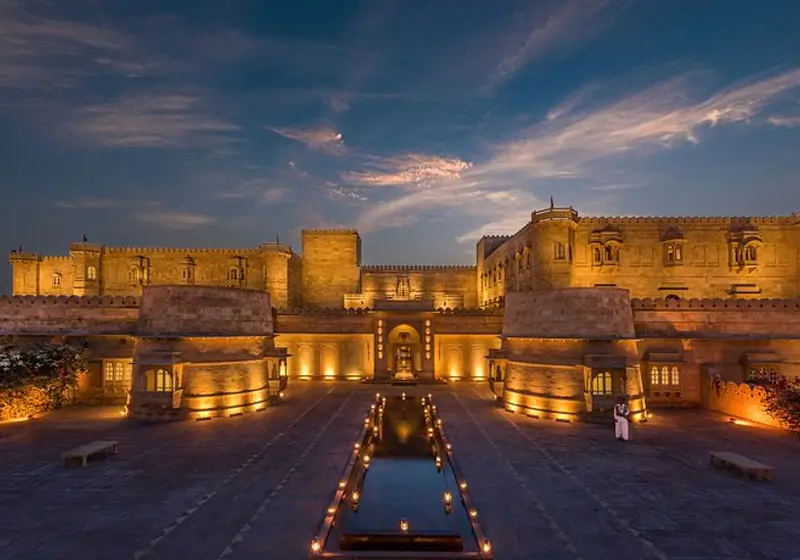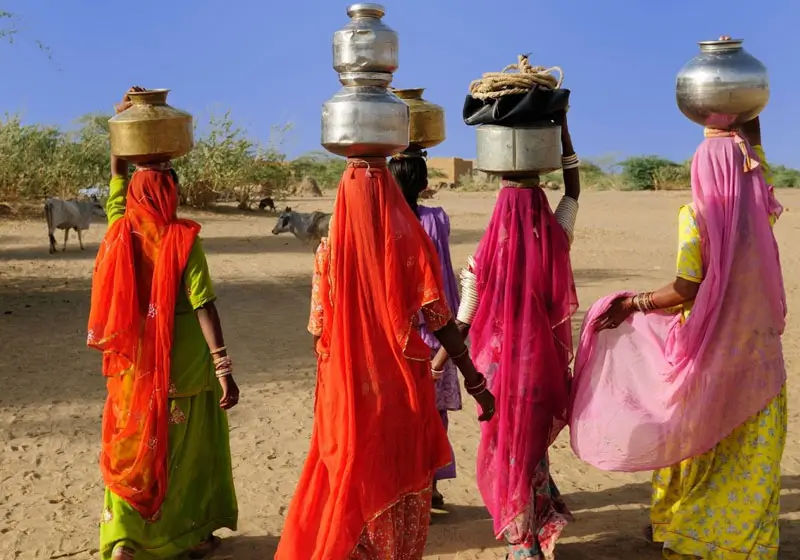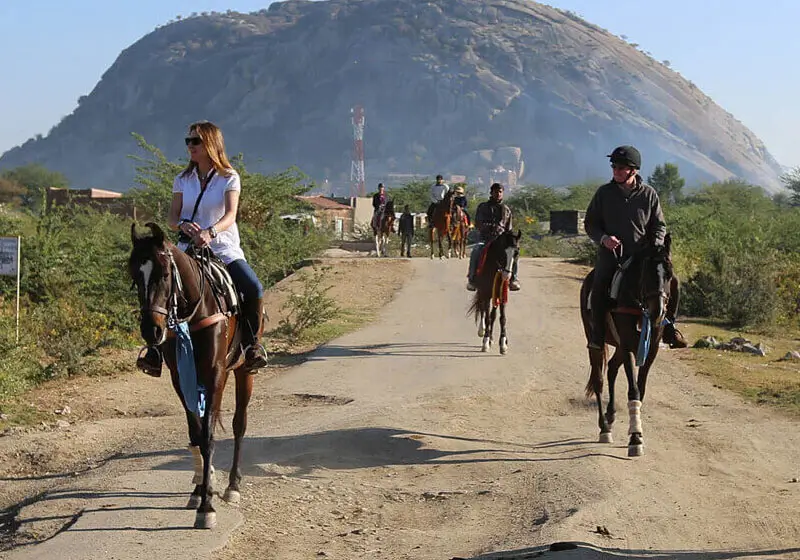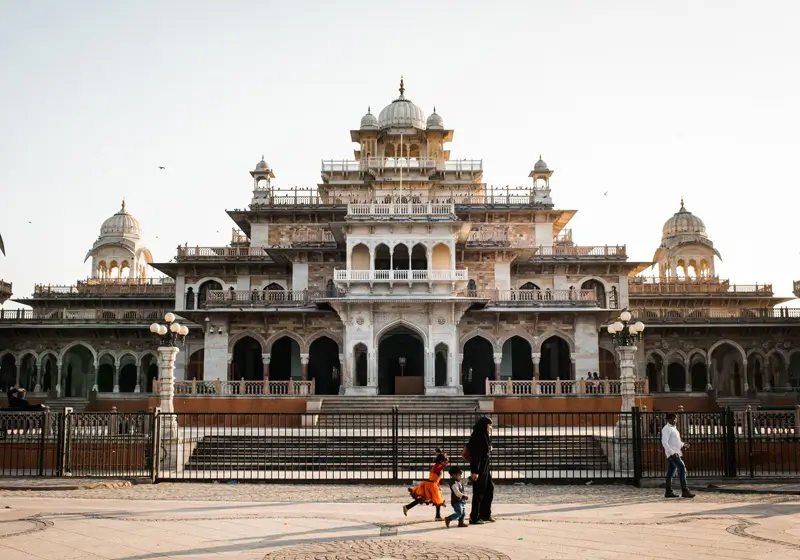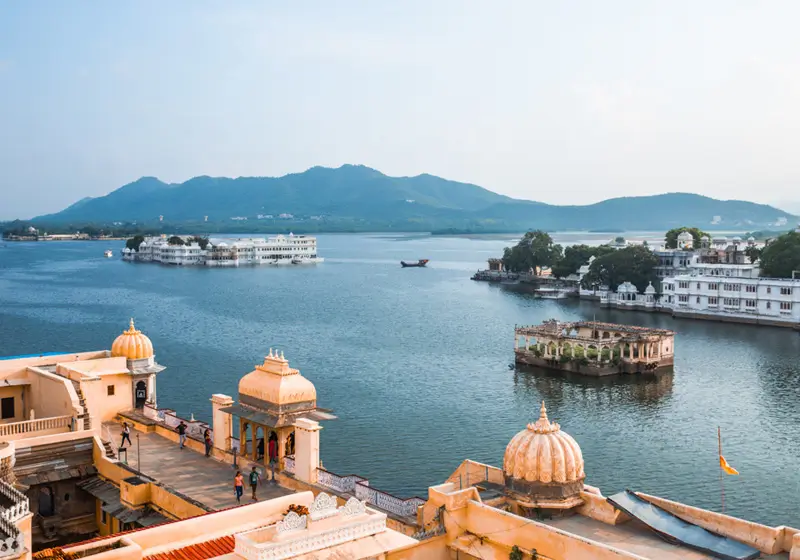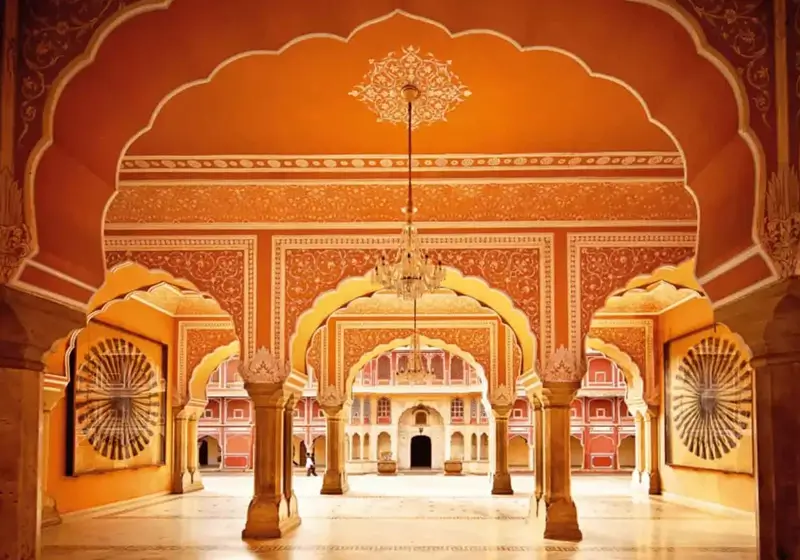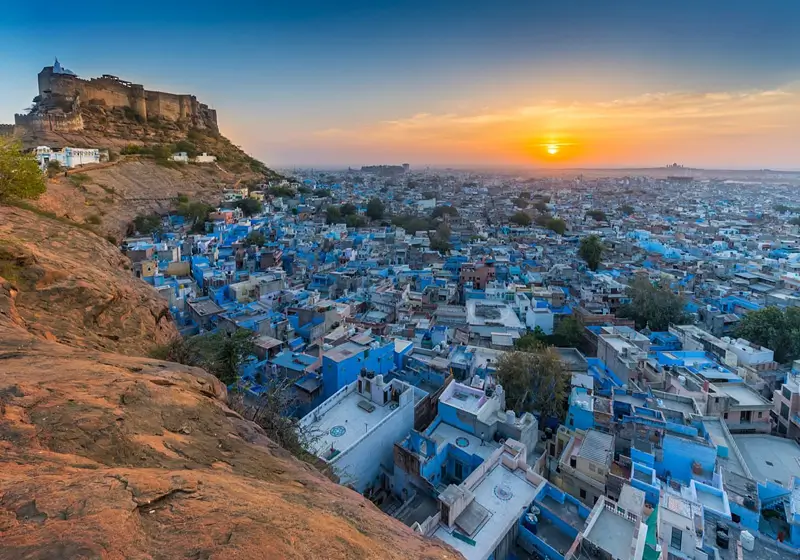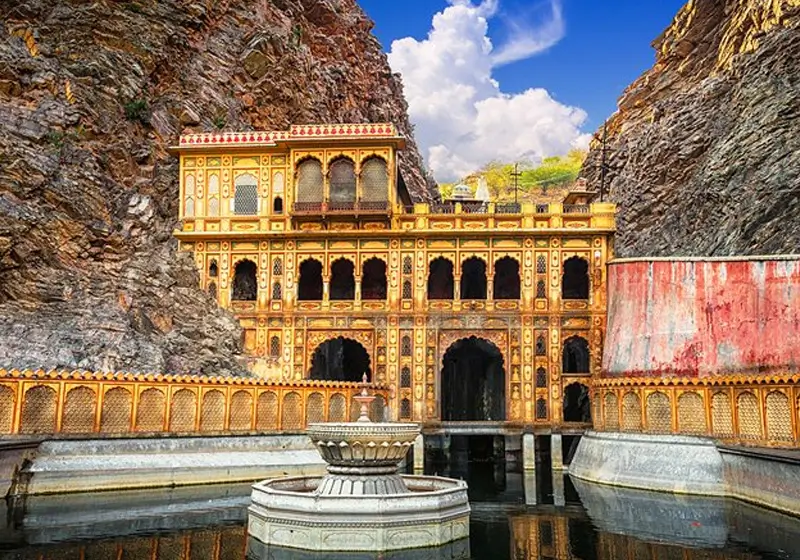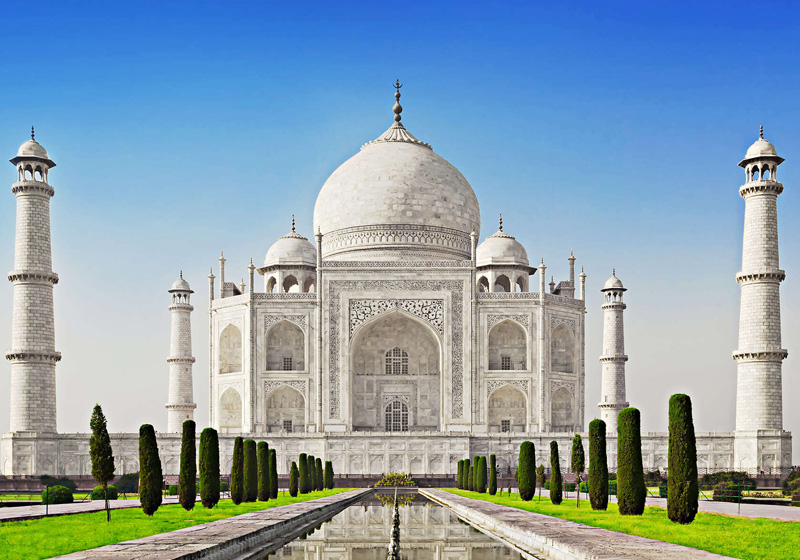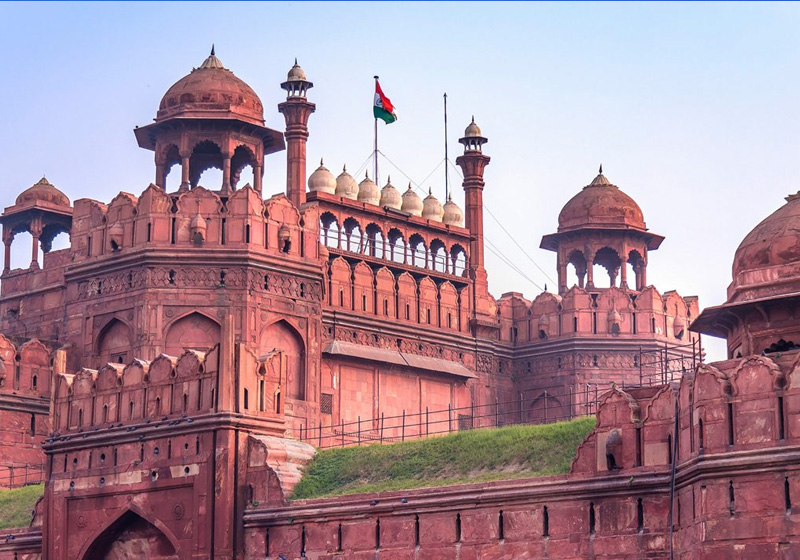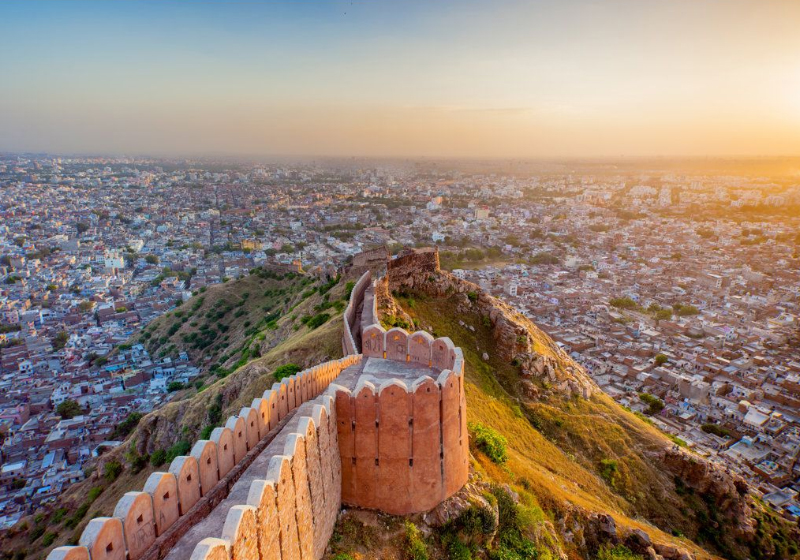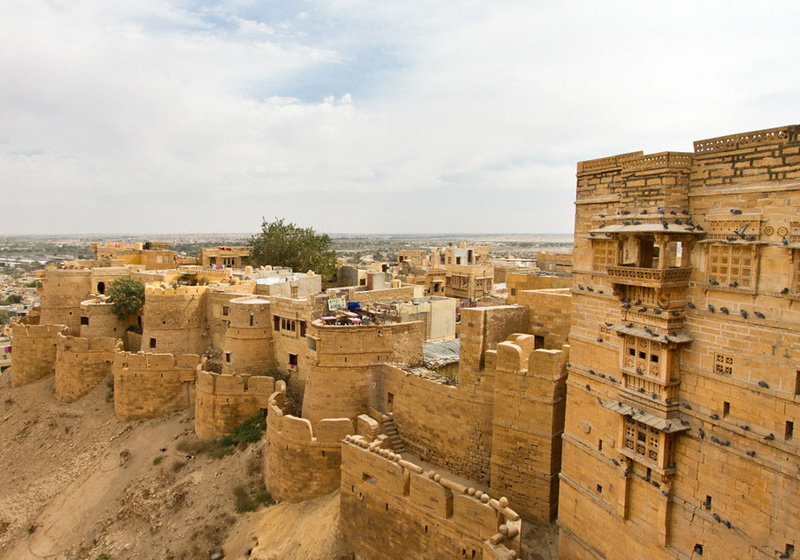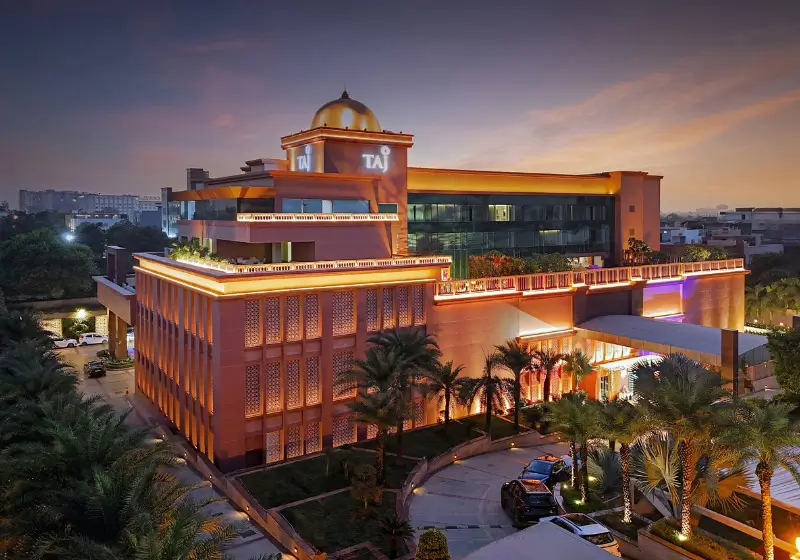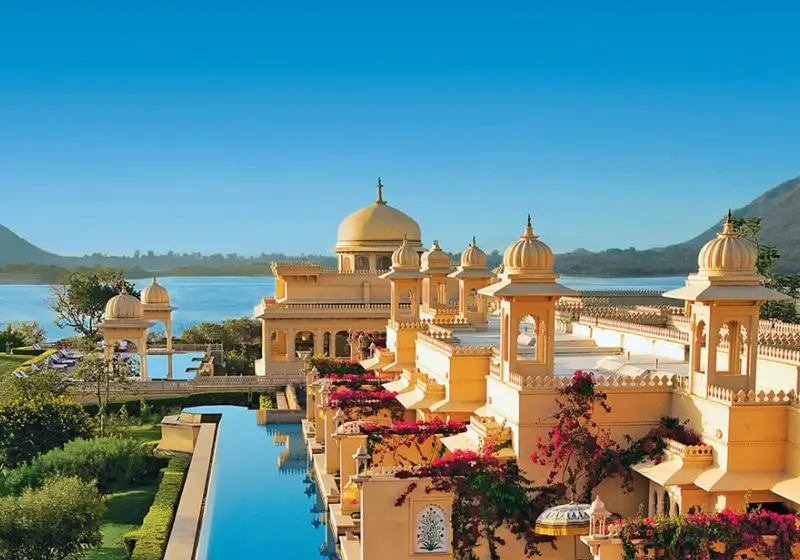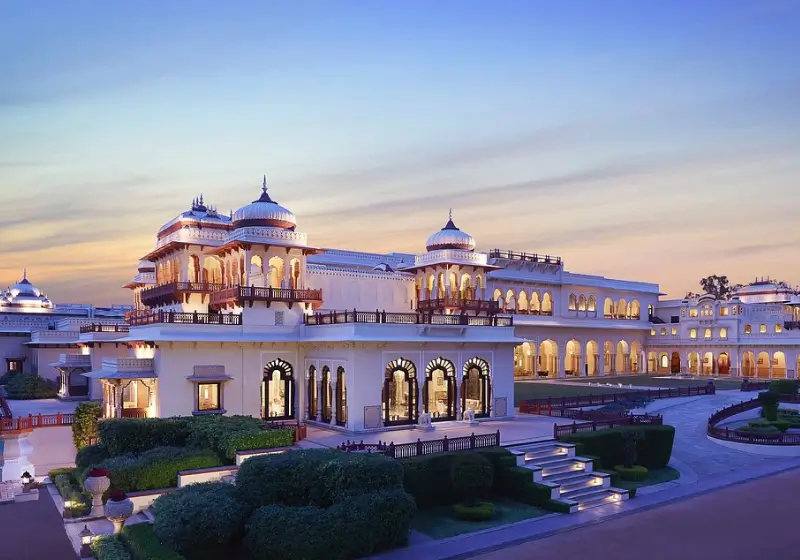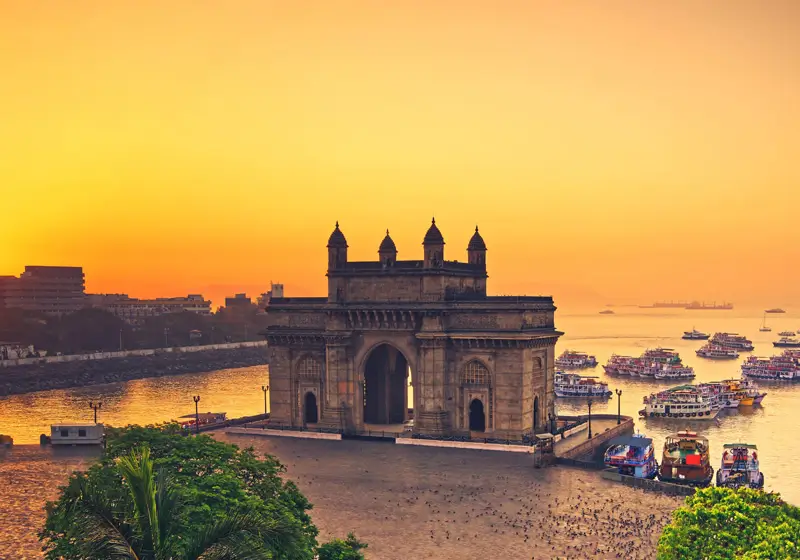
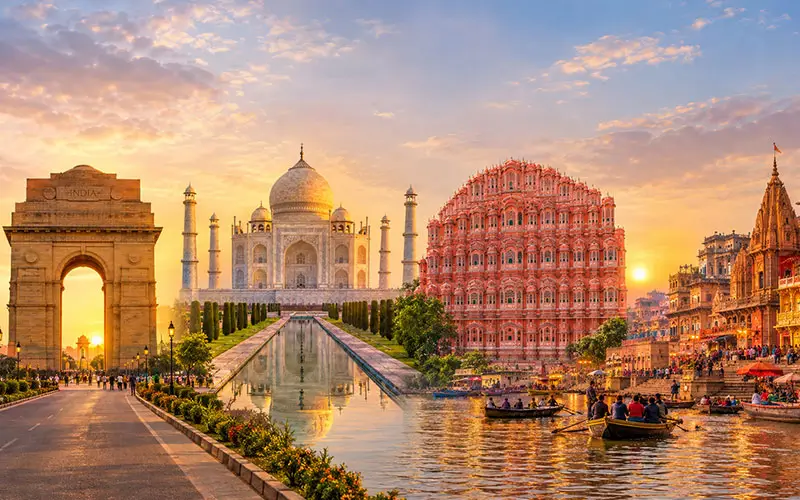
Delhi, Agra, Jaipur and Varanasi create one of the strongest private touring routes in North India for travellers who want famous monuments, royal architecture and the living cultural traditions of the Ganges within a single journey. The route combines four destinations with completely different identities: Delhi's historic layers, the Taj Mahal in Agra, Rajasthan's forts and palaces in Jaipur, and the riverfront life of Varanasi.
A well-arranged Delhi Agra Jaipur Varanasi tour package generally needs around nine to eleven days. It can technically be compressed into fewer days, but doing so reduces the quality of the journey. Delhi and Jaipur contain enough major attractions for at least two nights each, while Varanasi deserves two nights if travellers want both an evening riverfront visit and an early-morning boat experience.
Transport also needs careful attention. Delhi, Agra and Jaipur form an efficient road circuit and work extremely well with a private car and driver. Varanasi sits much farther east, so it should not simply be added as another road transfer. A suitable domestic flight is generally the most practical connection, depending on the actual schedule available for the travel dates.
For international travellers, this route is particularly attractive because it brings together several different sides of northern India without requiring a three-week holiday. The Taj Mahal provides the iconic landmark, Jaipur introduces Rajasthan, and Varanasi adds a cultural setting that cannot be replicated by simply adding another palace city.
For two adults travelling privately, a quality four-star package can realistically cost around US$2,800 to US$4,200 for two people, excluding international airfare. A genuine five-star journey can cost approximately US$4,500 to US$6,800 for two, while premium luxury arrangements can exceed US$8,000, especially when prestigious hotels, upgraded rooms and flexible domestic flights are included.
The important point is that the price should reflect the actual hotels, room categories, guides, transport and entrance arrangements rather than a vague package label.
Delhi should receive adequate time because it is far more than the airport gateway for the route. The capital contains monuments and neighbourhoods representing different periods of Indian history, and attempting to see everything immediately after an international arrival can make the beginning of the holiday unnecessarily tiring.
A comfortable Delhi Agra Jaipur Varanasi itinerary can allocate two or three nights to Delhi.
The international arrival day should normally remain light. After airport formalities, baggage collection and transfer to the hotel, travellers can check in and keep the evening free. Those arriving early in the morning may add limited sightseeing later in the day, but a complete monument schedule is rarely necessary.
The main sightseeing can begin the following morning.
Old Delhi offers one of the strongest contrasts with the modern parts of the capital. Jama Masjid can form part of the visit, followed by time around Chandni Chowk and its surrounding historic streets. Traffic and crowds are part of the character of this district, so travelling with a knowledgeable guide makes the experience easier.
The private vehicle may not be able to reach every narrow lane directly. Short walks or locally appropriate transport can therefore form part of the visit.
New Delhi offers a different architectural environment.
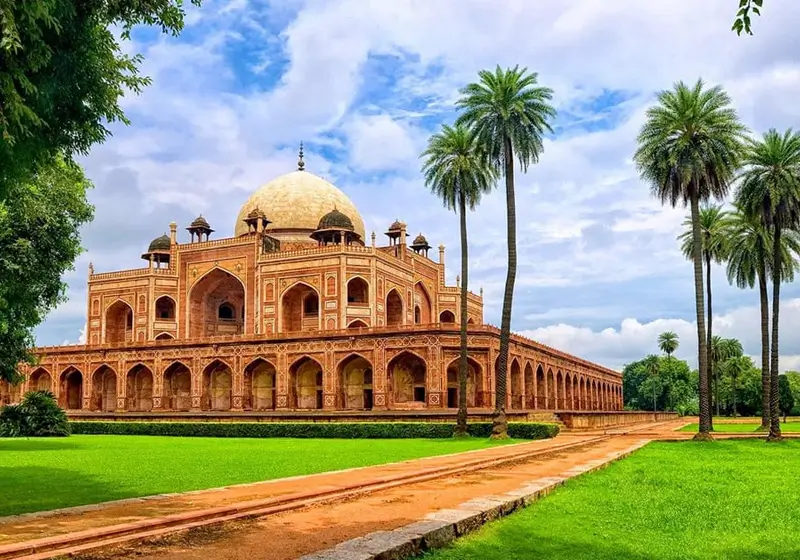
Humayun's Tomb is one of the most important Mughal monuments in the city and has particular relevance before travellers continue to Agra. Its architecture provides useful historical context for the later development of Mughal garden tombs.
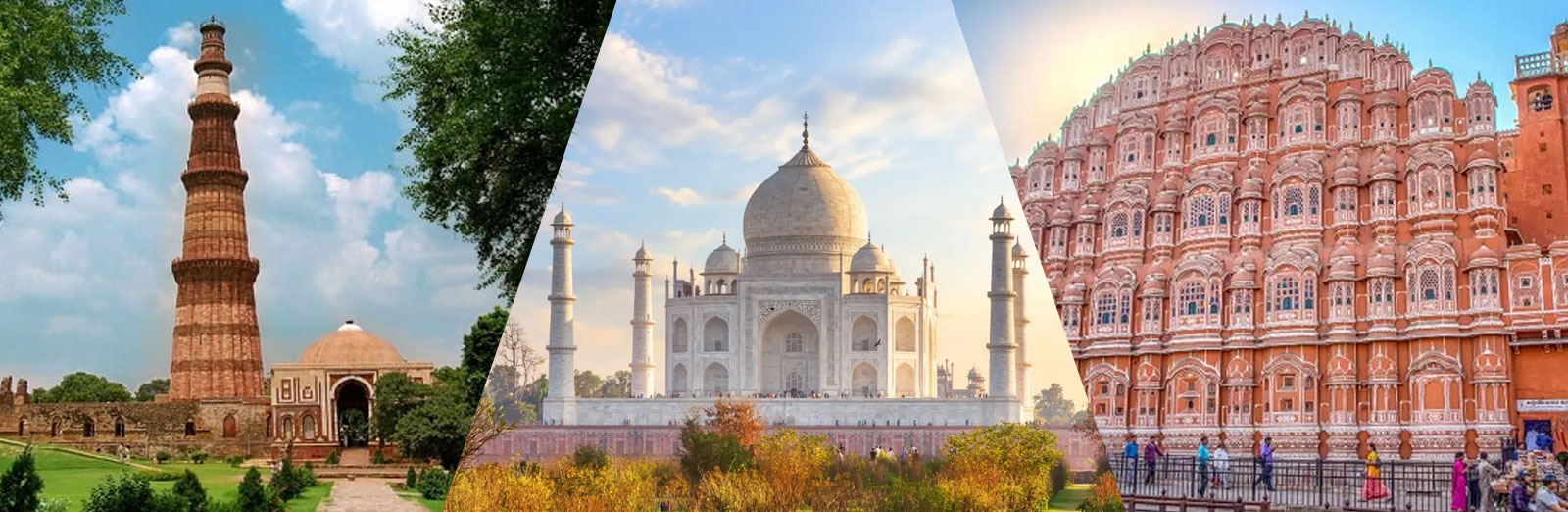
Qutub Minar is another major attraction and deserves enough time to see the surrounding archaeological complex rather than simply taking a photograph of the tower.
India Gate and the broad government district can be included according to traffic, access conditions and the day's schedule.
A private Delhi day should not become an attempt to collect the maximum number of monuments. Travellers who spend meaningful time at four important places often have a better experience than those who rush through eight.
For couples, a good restaurant can be incorporated into the evening. Families may prefer returning to the hotel earlier, particularly if the next morning involves a road departure to Agra.
The Delhi hotel should be selected according to location as well as category. A cheaper hotel positioned inconveniently can result in significant additional driving during sightseeing and airport transfers.
Experience North India’s most iconic destinations on a personalised private tour covering Delhi, Agra, Jaipur and Varanasi. Enjoy a private driver, expert local guides, comfortable hotels and a flexible itinerary tailored to your travel dates and interests.
The journey from Delhi to Agra is one of the easiest private road sectors on this itinerary. Under normal conditions, travellers should allow approximately four hours, although traffic and the exact hotel locations can affect the journey.
A Delhi to Agra private car tour offers several practical advantages. Guests can leave directly from their hotel, luggage remains with them, and comfort stops can be taken when required.
Agra deserves at least one night. Two nights can be worthwhile for travellers who want a slower pace or premium hotel experience.
After arrival and hotel check-in, Agra Fort can be visited according to the available time.
Agra Fort should not be treated as a minor attraction added simply because visitors are already in the city. The complex played a major role in Mughal history and contains palaces, courtyards and fortified architecture that provide important context for the Taj Mahal.
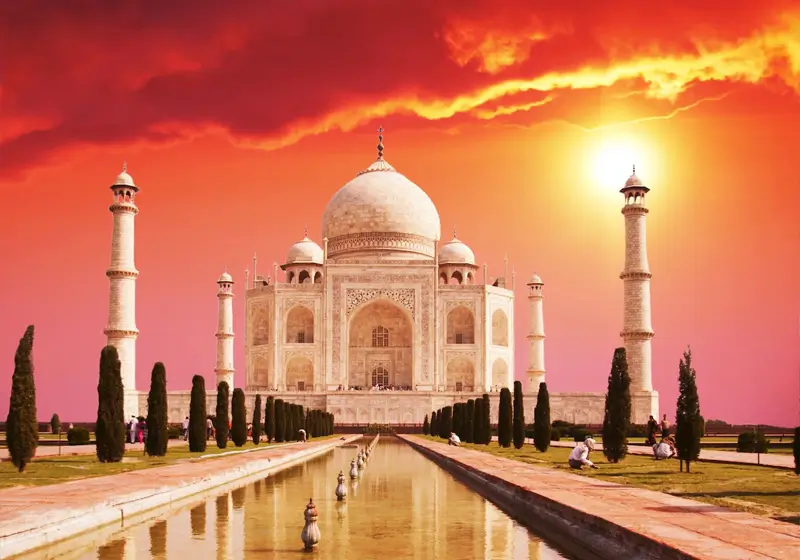
The Taj Mahal can then be kept for the following morning.
Sunrise is one of the most requested visiting periods. The softer morning light can be attractive for photography, and temperatures may be more comfortable during suitable seasons.
However, sunrise is not compulsory.
Travellers with children, senior guests or anyone who prefers a relaxed breakfast can choose a later visit. The important factor is allowing enough time inside the complex.
The Taj Mahal is closed to general visitors on Fridays, so this must be considered before the hotel dates are confirmed.
Entrance arrangements should also be clarified in advance. If a Taj Mahal private tour package is advertised as fully inclusive, the quotation should specify whether monument admission is actually covered.
A professional Agra guide can explain the monument's architecture, Mughal history and design details while also helping visitors move through the site efficiently.
Travellers should wear comfortable footwear because the overall visit involves walking even when private transport brings them close to the entrance area.
After sightseeing, couples staying at a premium hotel may want free time rather than immediately adding another attraction. A Taj-facing room can command a significant price premium, and travellers paying for that room category should have enough time to enjoy it.
The journey from Agra to Jaipur creates an opportunity to visit Fatehpur Sikri. The historic Mughal city lies along the broader route and can turn a transfer day into an important sightseeing day.
A proper visit takes time.
Travellers should therefore avoid scheduling Fatehpur Sikri, a long road transfer and several Jaipur attractions on the same day. Once the visit is complete, continuing to Jaipur and checking into the hotel is usually enough.
Those who want a lighter day can travel directly from Agra to Jaipur.
Jaipur should receive at least two nights, while three nights are even better when the total holiday duration allows.
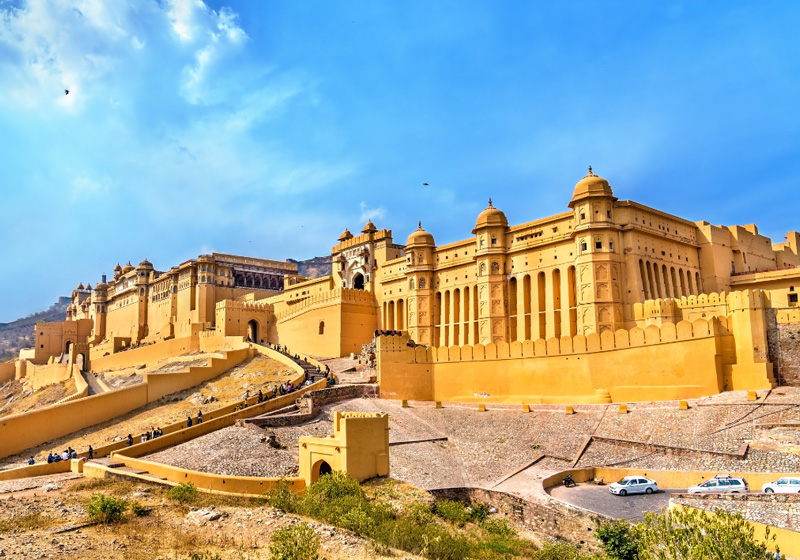
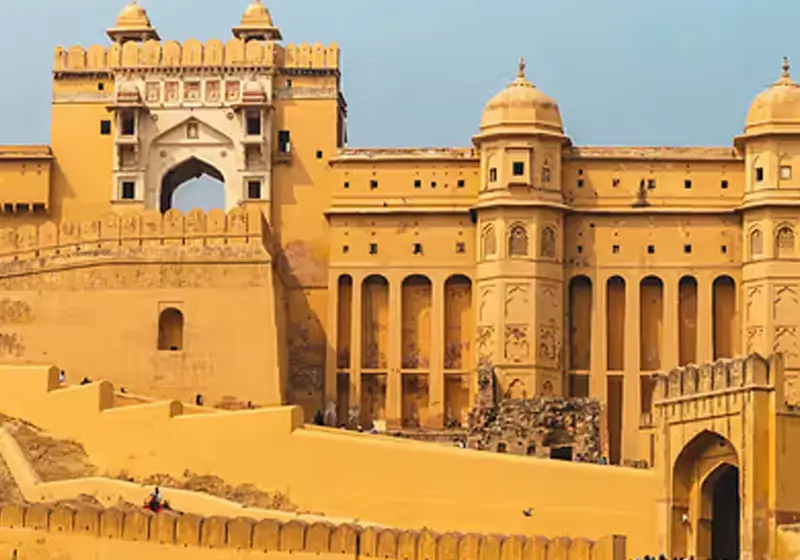
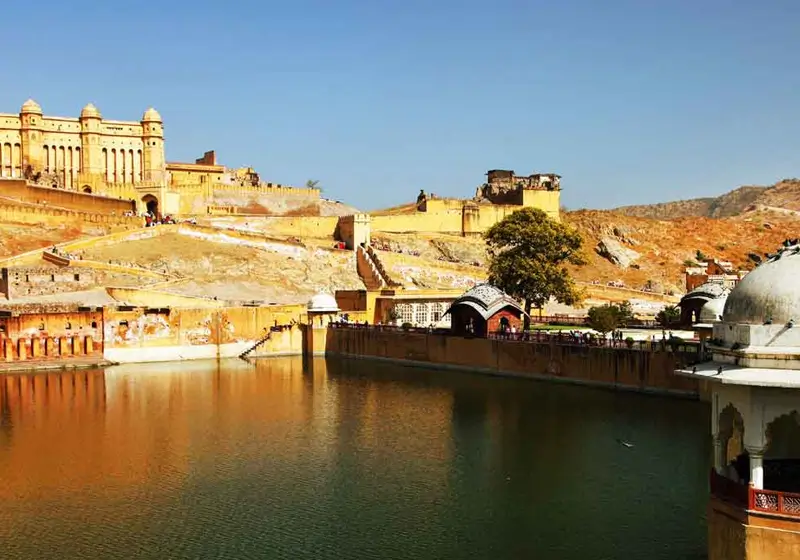
A full Jaipur private sightseeing tour can begin with Amber Fort. The fort is located outside the central old-city area and should receive a substantial visit.
Its courtyards, gateways, halls and hilltop setting make it one of Rajasthan's most important historic attractions. Travellers interested in architecture should avoid treating it as a quick morning photo stop.
The schedule can then continue towards central Jaipur.
City Palace remains one of the city's major royal complexes. Jantar Mantar provides an entirely different experience through its historic astronomical instruments.
Hawa Mahal is one of Jaipur's most recognisable landmarks. Depending on the itinerary, travellers can see the façade and surrounding old-city area while moving between the central attractions.
Jaipur is also one of the best places on this route for travellers interested in traditional shopping.
Block-printed fabrics, jewellery, gemstones, carpets, handicrafts and decorative items are widely available. Shopping time should be included only when guests genuinely want it.
A private tour should never make commercial stops compulsory.
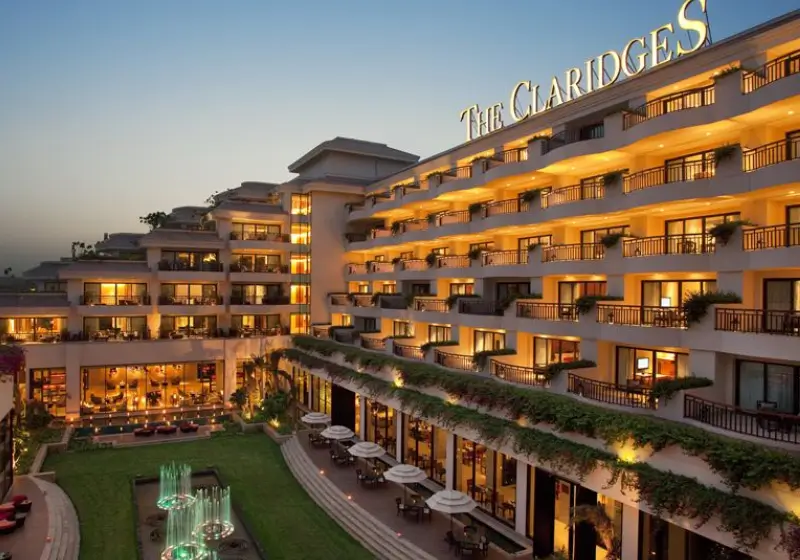
Couples may prefer a heritage hotel, while families can benefit from a modern property with larger rooms and recreational facilities.
Jaipur's accommodation ranges from practical four-star hotels to some of India's most prestigious luxury properties. The hotel selected can therefore change the Delhi Agra Jaipur Varanasi tour cost substantially.
Varanasi is not a practical continuation of the Golden Triangle by ordinary private road transfer. The distance is too substantial for most travellers to justify spending a large part of their holiday inside a vehicle.
A domestic flight is generally the preferred option when a suitable connection operates for the required dates. Flight schedules can vary, and direct services should never be assumed without checking the actual travel date.
If a convenient direct flight is unavailable, the route may require a connection or a different sequence.
This is one reason a private Golden Triangle with Varanasi tour should be built around real transport schedules rather than using the same fixed itinerary throughout the year.
Domestic flight baggage rules also need attention.
International travellers may arrive in India with a generous checked baggage allowance, particularly when flying premium cabins or long-haul routes. The domestic ticket used within India may have a different allowance.
Travellers carrying large suitcases should therefore check the specific fare conditions before booking.
Airport transfers need to be included at both ends. A private vehicle should collect travellers from their Jaipur hotel, and another vehicle should be waiting after arrival in Varanasi.
If the route instead returns to Delhi before flying to Varanasi, the additional travel time should be shown clearly rather than hidden inside the itinerary.
Rail travel may be an alternative on some routes, particularly for travellers specifically interested in experiencing an Indian train journey. However, journey duration, train timing, berth or seat category and station transfers must all be considered.
For most travellers taking a ten-day private holiday, saving time through an appropriate domestic flight is usually worth the additional expense.
Varanasi should receive at least two nights. Three can be worthwhile for travellers who want a slower cultural visit or additional time around the city.
The destination is completely different from Delhi, Agra and Jaipur.
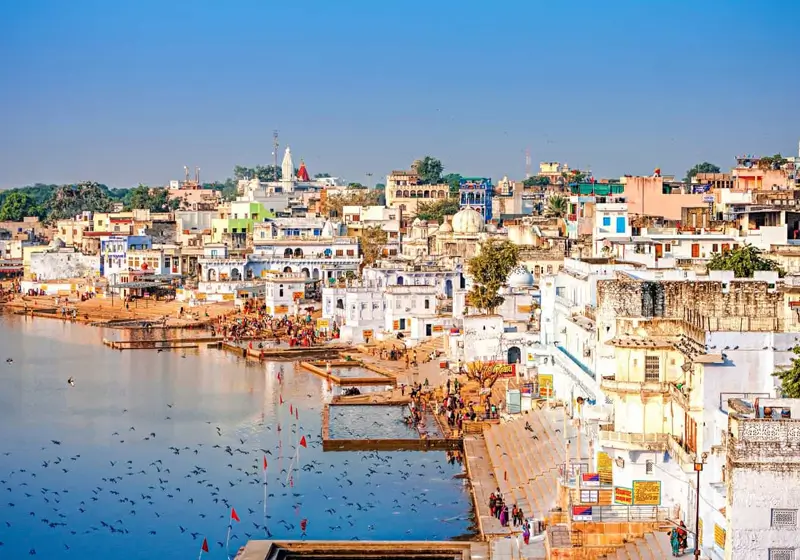
There is no single palace or fort that defines Varanasi. Its character comes from the Ganges, the ghats, temples, narrow lanes, religious traditions and continuous activity along the river.
An evening visit to the riverfront is usually one of the major components of a Varanasi tour package.
Large numbers of visitors gather around the ghats for evening religious ceremonies. The exact experience can vary according to the location, crowds and local arrangements.
A knowledgeable guide can explain the cultural context and help travellers find a suitable position.
The following morning can begin early for a boat ride on the Ganges, subject to river, weather and local operating conditions.
Morning is different from evening. From the water, travellers can see long stretches of the ghats while the city begins its day.
Boat pricing can vary according to whether the vessel is shared or private, duration, season and boarding point. Travellers booking a premium private package should confirm whether the boat is private rather than assuming this from the word "tour."
The old city should also receive time.
Many lanes are too narrow for standard vehicles. Walking is therefore part of the experience, and comfortable footwear is important.
Travellers with mobility difficulties should discuss this before booking. Some parts of the route can be modified, but Varanasi's historic urban layout naturally contains steps, uneven surfaces and walking sections.
A private guide becomes particularly valuable because visitors are entering an active religious city rather than an archaeological site.
Respectful behaviour and photography are important. Not every ritual or personal moment should be treated as a tourist photograph.
The purpose of including Varanasi after the Golden Triangle is precisely this contrast. The first cities introduce monumental India; Varanasi introduces a living cultural landscape.
Discover the Taj Mahal, Jaipur’s royal heritage and the spiritual heart of Varanasi with a tailor-made private itinerary. Choose your preferred hotels, sightseeing, private transportation and Ganges boat experience for a seamless India holiday.
Pricing should be based on the entire service package rather than hotel nights alone.
For two adults sharing one room, a good four-star Delhi Agra Jaipur Varanasi private tour can realistically cost approximately US$2,800 to US$4,200 for two travellers, excluding international flights.
This can include quality four-star accommodation with breakfast, private airport transfers, a private air-conditioned car and driver for suitable road sectors, local guides and basic ground arrangements.
Whether monument entrance tickets and domestic airfare are included needs to be stated separately.
A five-star journey can reasonably cost around US$4,500 to US$6,800 for two travellers.
Premium luxury can exceed US$8,000 to US$11,000 for two, particularly when travellers select prestigious hotels, Taj-facing rooms, heritage suites, upgraded vehicles and premium private activities.
For a four-star private journey, a broad working budget of approximately US$300 to US$420 per day for two people is sensible.
Five-star private travel can sit around US$480 to US$680 per day for two, while premium luxury can exceed US$800 per day for the couple.
These are not fixed tariffs.
Hotel rates can change significantly according to season and availability. Domestic airfares can also rise when booked late.
Monument tickets form another expense. Foreign visitor entrance rates at major attractions are different from many domestic rates, and the total across Delhi, Agra and Jaipur becomes meaningful.
The Varanasi boat ride should also be listed clearly.
A low package quotation may initially appear attractive but become less competitive once flights, guides, monument tickets and airport transfers are added separately.
The four destinations have very different accommodation markets.
Delhi offers a wide range of modern four-star and five-star properties. Location matters because the city is large and traffic can affect sightseeing times.
Agra is where room category can become particularly important.
Travellers often request a Taj Mahal view. A hotel may advertise itself using images of the Taj, but this does not mean every room has the same view. The exact room category should be stated on the booking.
Jaipur offers excellent heritage accommodation.
Travellers can choose between modern hotels and restored properties with traditional architecture. Couples may prefer heritage character, while families sometimes value larger modern facilities.
Varanasi requires more attention to location.
Some travellers want to stay close to the riverfront, while others prefer a larger luxury hotel with easier road access. Hotels deep within historic areas can involve walking or restricted vehicle access, so the location should match the traveller's priorities.
A luxury Delhi Agra Jaipur Varanasi tour does not require the most expensive property every night.
Selective upgrades often provide better value.
Travellers can use a strong five-star hotel in Delhi, pay extra for a Taj-view room in Agra, choose a heritage property in Jaipur and select accommodation in Varanasi according to whether river proximity or luxury facilities matter more.
The private vehicle is central to the Delhi-Agra-Jaipur portion.
A suitable private car with driver for Golden Triangle tour provides hotel-to-hotel transport and flexibility during road journeys.
Two travellers may use a comfortable sedan or MPV depending on luggage. Families and groups require larger vehicles.
The quotation should specify whether fuel, tolls, parking, applicable interstate charges and driver expenses are included.
The driver should not automatically be treated as the sightseeing guide.
Professional local guides can be arranged separately in Delhi, Agra, Jaipur and Varanasi. This gives travellers access to specialists familiar with each destination rather than expecting one person to explain every region.
Entrance tickets should be clearly addressed before booking.
A package may include private transport and guides while leaving monument tickets payable by the guests. There is nothing inherently wrong with this arrangement, provided it is disclosed.
The same applies to meals.
Breakfast is normally included with the hotel. Lunch and dinner can remain independent so travellers have greater freedom over restaurants.
A detailed quotation should therefore show accommodation, breakfast, private transport, airport transfers, guides, domestic flight, entrance tickets, boat ride and taxes separately or clearly state which items are included in the total.
This itinerary is particularly suitable for first-time visitors who want more cultural variety than the standard Golden Triangle alone.
Couples receive a strong combination of iconic sightseeing and private experiences. The Taj Mahal, Jaipur's heritage accommodation and a private Ganges boat ride can all fit naturally into the journey.
Families can also take the route, but the daily schedule should be lighter. Children may enjoy forts and the Taj Mahal but become tired when every day contains several hours of monument visits.
Senior travellers should use comfortable vehicles, sensible hotel locations and enough time between activities. Varanasi requires particular attention because walking and steps can be difficult in parts of the historic riverfront.
Photography-focused travellers receive very different environments: Old Delhi streets, the Taj Mahal, Amber Fort, Jaipur's architecture and the Varanasi ghats.
Travellers interested only in luxury hotels and relaxed resort time may prefer a Rajasthan and Udaipur route. Those interested in architecture, history, religion and daily cultural life will generally gain more from the Delhi Agra Jaipur Varanasi itinerary.
The route works because each city contributes something genuinely different rather than repeating the same type of attraction.
Around nine to eleven days is comfortable. Delhi and Jaipur should generally receive at least two nights each, Agra one or two nights and Varanasi at least two nights.
For two travellers, a good four-star private package can realistically cost approximately US$2,800–US$4,200, excluding international airfare. Five-star arrangements can cost around US$4,500–US$6,800, while premium luxury can exceed US$8,000.
A private air-conditioned car is highly practical for this route. The journey generally takes around four hours under normal conditions and provides direct hotel-to-hotel transportation.
Yes. Fatehpur Sikri can be incorporated into the road journey. Travellers should allow additional time for sightseeing rather than treating Agra to Jaipur as a simple transfer day.
A domestic flight is generally the most time-efficient option when a suitable service is available. Actual flight schedules should be checked for the travel date rather than assuming a direct connection operates every day.
It depends on the package. A private morning boat ride can be included, but travellers should confirm whether the boat is private or shared and whether the charge is already covered.
No. The Taj Mahal is closed to general visitors on Fridays. The Agra stay should be arranged around this closure.
They are highly useful. Delhi, Agra, Jaipur and Varanasi each have complex historical and cultural backgrounds, and professional local guides can make sightseeing substantially more meaningful.
Yes, with appropriate pacing. Delhi, Agra and Jaipur work well with private transport, while Varanasi requires more attention because parts of the historic riverfront involve walking, steps and narrow lanes.
A detailed Delhi Agra Jaipur Varanasi tour package quotation should identify hotel names and room categories, meals, private vehicle, driver expenses, airport transfers, local guides, domestic flights where applicable, monument entrance tickets, Varanasi boat arrangements, taxes and any other booked activities.
Fill in the details below. Our expert consultant will respond within 4 hours with a bespoke itinerary crafted just for you — completely free, no obligation.