Itinerary ideas, cultural insights, luxury tips and practical planning guides for every India traveller.
The traditional journey between Delhi and Jaipur once required patience. Traffic bottlenecks, highway congestion, and unpredictable travel time often discouraged travelers from planning same-day excursions. Today, the completion and operational expansion of the Delhi Mumbai Expressway has dramatically altered this experience. The corridor has shortened travel duration, improved road quality, and redefined how both domestic and international tourists plan their Golden Triangle Tour India itinerary.
For foreign visitors landing in Delhi, the possibility of reaching Jaipur within approximately three hours transforms what was once a multi-day transition into a seamless extension of their cultural journey. This shift is not simply about speed; it reflects a broader transformation in Indian travel infrastructure, luxury mobility, and curated private touring.
The expressway is reshaping tourism patterns, empowering tour operators to design more flexible itineraries, and encouraging travelers to think differently about day trips, weekend escapes, and private chauffeur-driven journeys.
The Delhi Mumbai Expressway represents one of India’s most ambitious infrastructure projects. Designed to reduce travel time while ensuring safer and smoother driving conditions, the corridor incorporates controlled access lanes, modern rest facilities, and enhanced safety systems. The segment connecting Delhi to Jaipur plays a particularly critical role in the tourism ecosystem.
Unlike traditional highways filled with heavy trucks, local traffic, and unpredictable intersections, the expressway offers uninterrupted high-speed travel. For international tourists accustomed to structured road systems, this improvement provides reassurance and comfort. Chauffeur-driven luxury vehicles now maintain consistent speeds, reducing travel fatigue.
The infrastructure upgrade also supports electric vehicle mobility and luxury SUV transfers, making premium Golden Triangle private tours more comfortable and environmentally conscious. Improved road quality reduces wear on vehicles, contributing to smoother cabin experiences for passengers.
This transformation signals that India’s tourism experience is evolving alongside its economic growth.
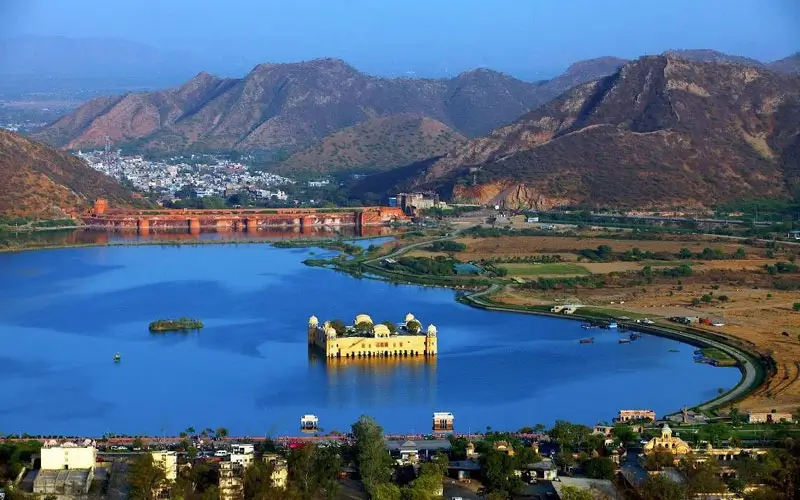
Discover the royal charm of Jaipur on a comfortable private day trip from Delhi. Visit magnificent forts, vibrant markets, and historic palaces with a professional driver and personalized travel experience.
Shortened travel time fundamentally alters how travelers design their journeys. Previously, moving from Delhi to Jaipur often consumed half a day. With the expressway, travelers can now depart Delhi after breakfast and arrive in Jaipur before lunchtime.
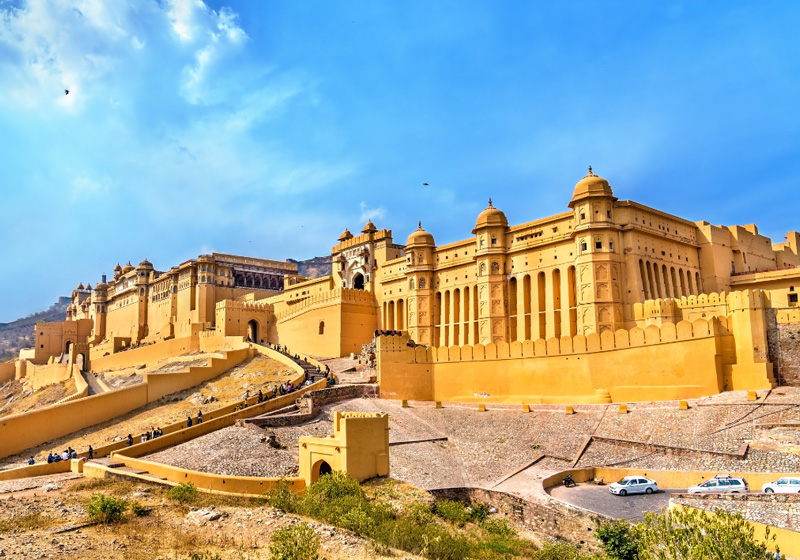
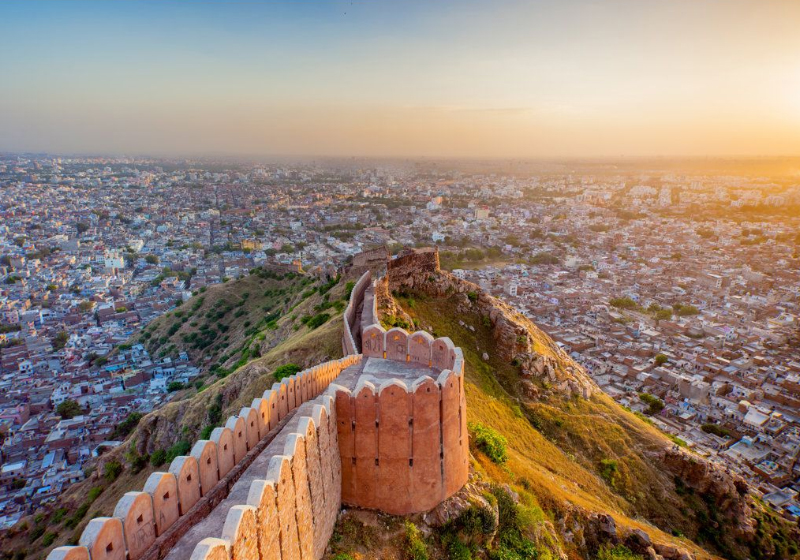
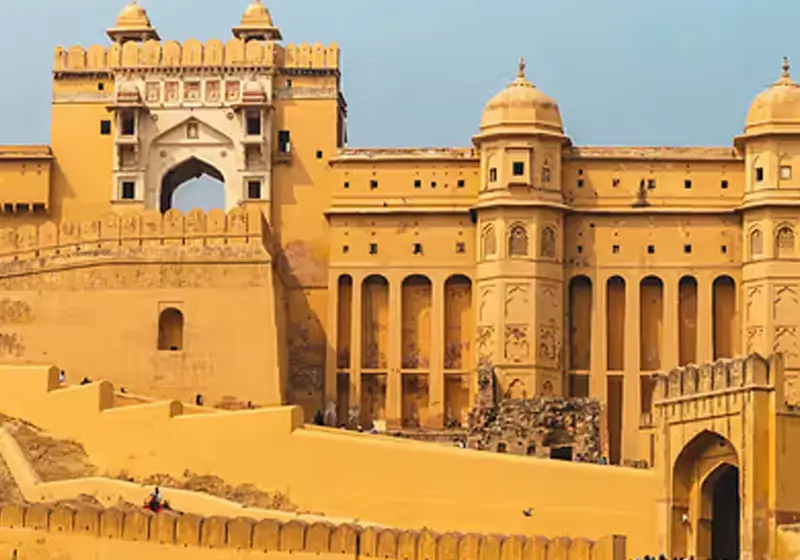
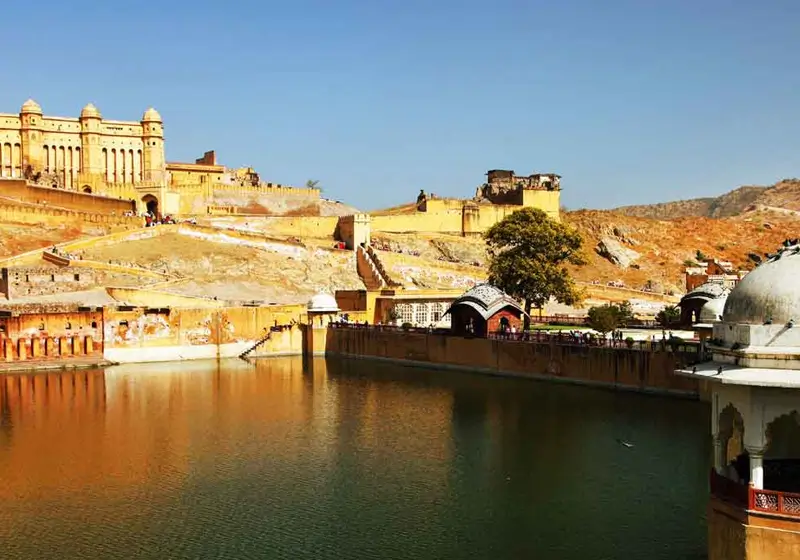
This efficiency opens possibilities for curated same-day explorations. Luxury travelers can attend a morning meeting in Delhi and enjoy an evening dinner overlooking Amer Fort Jaipur. Photography enthusiasts can capture sunset at Nahargarh Fort without sacrificing travel comfort.
Tour operators have adapted by introducing premium Delhi to Jaipur day trips, tailored for high-end guests seeking exclusive palace visits and fine dining experiences within a single day. The expressway has effectively blurred the line between day excursion and extended stay.
For travelers on tight schedules, especially international visitors, the expressway enhances flexibility without compromising cultural immersion.
The growth of the Delhi Mumbai Expressway coincides with rising demand for luxury road travel. International tourists increasingly prefer private car transfers over domestic flights for short distances. Road travel allows scenic observation, personalized stops, and uninterrupted family conversations.
Premium tour operators now offer executive sedans, luxury SUVs, and even electric vehicles for expressway transfers. Comfortable leather seating, climate control, and curated playlists elevate the journey into an experience rather than mere transit.
The expressway’s design ensures fewer abrupt stops, enhancing passenger comfort. Smooth surfaces reduce vibration and road noise, allowing travelers to relax or work during transit.
For clients booking Golden Triangle luxury tours, the expressway adds tangible value. Faster transit means more time inside palaces, markets, and cultural landmarks.
Weekend travel patterns are shifting dramatically. Residents of Delhi now consider Jaipur a realistic short break destination rather than a long-distance journey. The expressway encourages spontaneous travel, particularly among urban professionals seeking cultural immersion without extended leave.
Boutique heritage hotels in Jaipur report increased short-stay bookings. Couples choose Friday evening departures from Delhi, arriving comfortably before dinner. Sunday afternoon returns allow full weekend experiences without exhaustion.
This micro-travel trend supports local hospitality, artisan markets, and culinary establishments. The expressway has strengthened Jaipur’s identity as a convenient luxury escape.
International travelers observing this dynamic often incorporate flexible Jaipur stays into their India itineraries.
Modern expressways incorporate improved safety features, including controlled entry points, reflective signage, and advanced monitoring systems. These improvements reduce accident risk and enhance confidence for foreign visitors.
Fuel efficiency improves when vehicles maintain consistent speeds, contributing to reduced emissions. The expressway’s design supports the growing adoption of electric mobility for Golden Triangle tours.
Sustainable tourism increasingly influences traveler choices. Efficient road corridors reduce congestion and travel stress, aligning with eco-conscious travel values.
Safety, reliability, and sustainability collectively elevate the road journey experience.
Planning a quick escape from Delhi to Jaipur? Enjoy a private day trip with an experienced driver and explore the Pink City's famous forts, palaces, and local markets in one unforgettable journey.
Infrastructure directly influences tourism growth. Faster access encourages higher visitor volumes and diversified travel patterns. Jaipur’s artisans, restaurant owners, and heritage property operators benefit from this connectivity.
Increased weekend tourism fosters new cultural events, culinary festivals, and experiential workshops. Travelers now combine handicraft tours, palace dining, and heritage walks into compact yet meaningful itineraries.
The expressway strengthens Jaipur’s role within the Golden Triangle Tour India circuit by reducing logistical constraints.
While domestic flights between Delhi and Jaipur remain available, many travelers prefer road transfers for short distances. Airport security procedures, check-in time, and boarding delays often offset flight duration advantages.
Road transfers offer door-to-door convenience, eliminating airport transit complexities. Travelers enjoy uninterrupted luggage handling and flexible departure timing.
For families and small groups, private road travel enhances comfort and privacy. The expressway ensures that this option remains efficient and reliable.
The success of the Delhi to Jaipur corridor reflects a broader transformation in India’s tourism infrastructure. Expressways, upgraded highways, and improved rail connectivity collectively enhance travel experiences.
As infrastructure improves, itinerary design becomes more dynamic. Travelers can allocate more time to cultural exploration rather than transit.
The expressway is not merely a road; it symbolizes India’s evolving hospitality standards and commitment to world-class tourism access.
Travel time has reduced significantly and can be completed in approximately five hours under smooth conditions.
Modern expressways and luxury vehicles provide comfortable and reliable travel experiences.
Road travel offers a flexible alternative to short-haul flights for many travelers.
It allows easier inclusion of Varanasi as a seamless extension to the classic route.
Many tour operators offer executive vehicles for expressway transfers.
It includes modern safety systems and controlled access points.
Improved access encourages higher visitor volumes and longer stays.
Reduced travel time makes such combinations more feasible.
Consistent highway speeds support improved fuel efficiency.
Reliable connectivity enhances comfort, safety, and economic development.
Fill in the details below. Our expert consultant will respond within 4 hours with a bespoke itinerary crafted just for you — completely free, no obligation.