Itinerary ideas, cultural insights, luxury tips and practical planning guides for every India traveller.
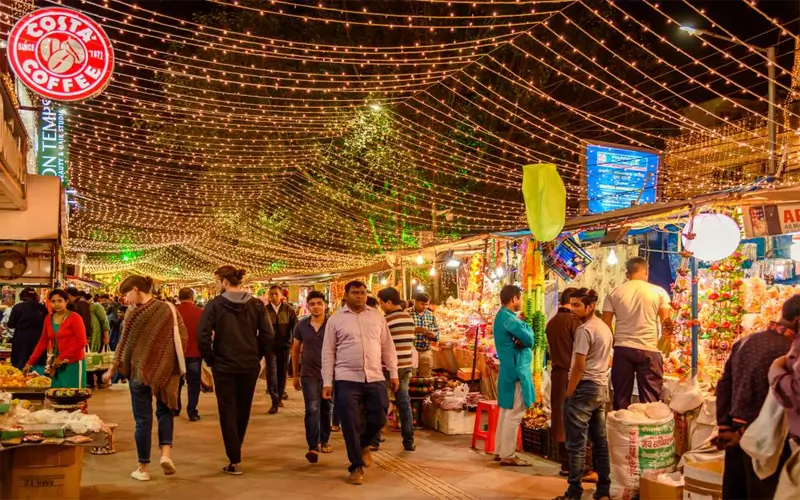
For many international travellers, witnessing Diwali, India's Festival of Lights, becomes one of the most memorable moments of their journey. Streets sparkle with millions of decorative lights, homes are beautifully decorated, markets remain open until late evening, temples welcome thousands of worshippers, and families gather to celebrate one of the country's most important cultural festivals.
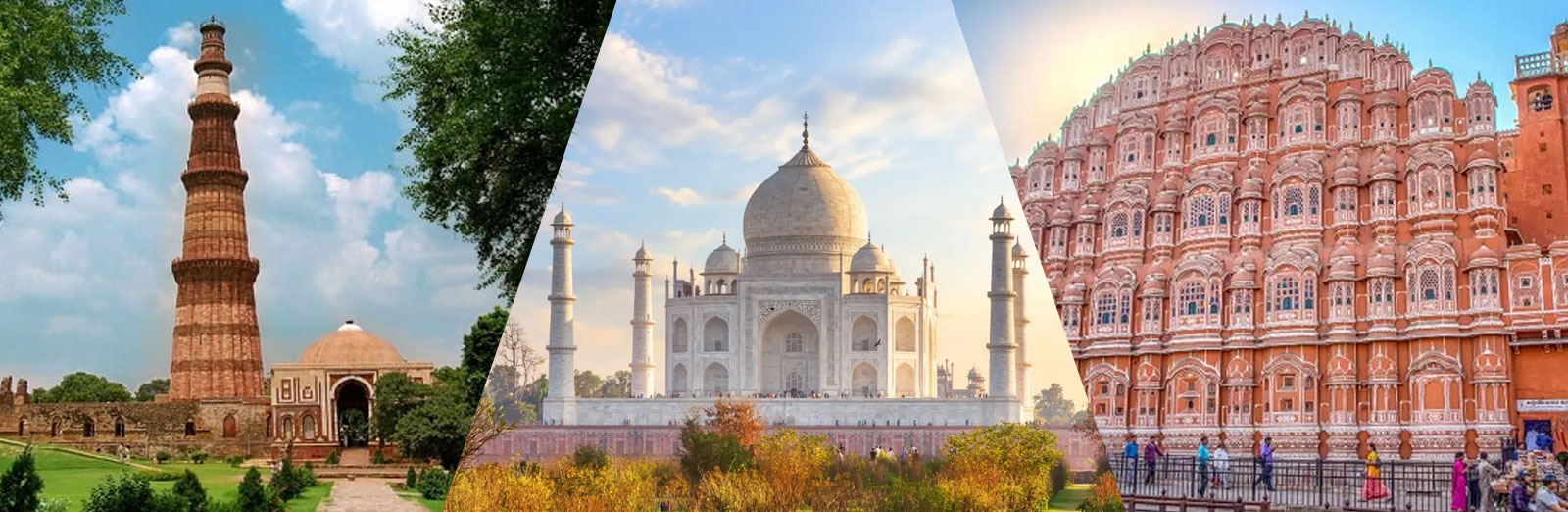
Unlike many festivals that are limited to a single city or region, Diwali is celebrated across almost every part of India. However, Delhi and Jaipur offer particularly memorable experiences because of their magnificent historical monuments, vibrant markets, festive shopping, and spectacular evening illuminations. Visitors travelling on a Golden Triangle Tour during the festival often find that Diwali adds a completely different dimension to their holiday.
Diwali is much more than fireworks and decorations. The festival symbolises the victory of light over darkness and good over evil. Families clean and decorate their homes, exchange gifts and sweets, perform traditional prayers dedicated to Goddess Lakshmi, and spend time together with relatives and friends. Businesses also consider Diwali an auspicious time to begin new financial ventures, making the festival deeply significant both culturally and economically.
For foreign tourists, Diwali provides a rare opportunity to observe Indian traditions in everyday life rather than inside museums or historical monuments. Neighbourhoods become lively with celebrations, local markets display colourful decorations, and cities develop a festive atmosphere that cannot be experienced at any other time of the year.
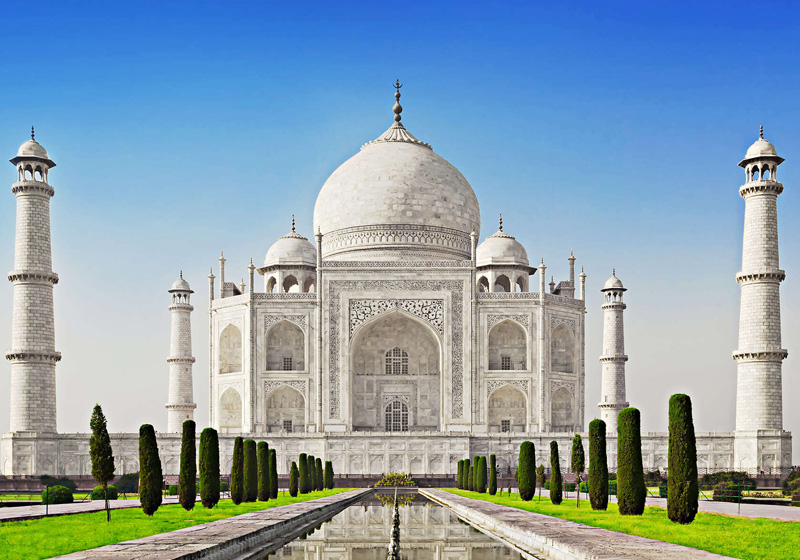
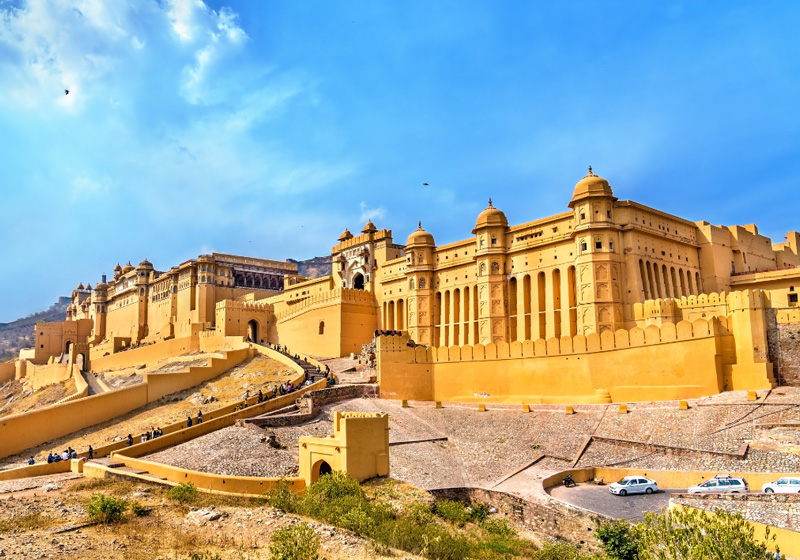
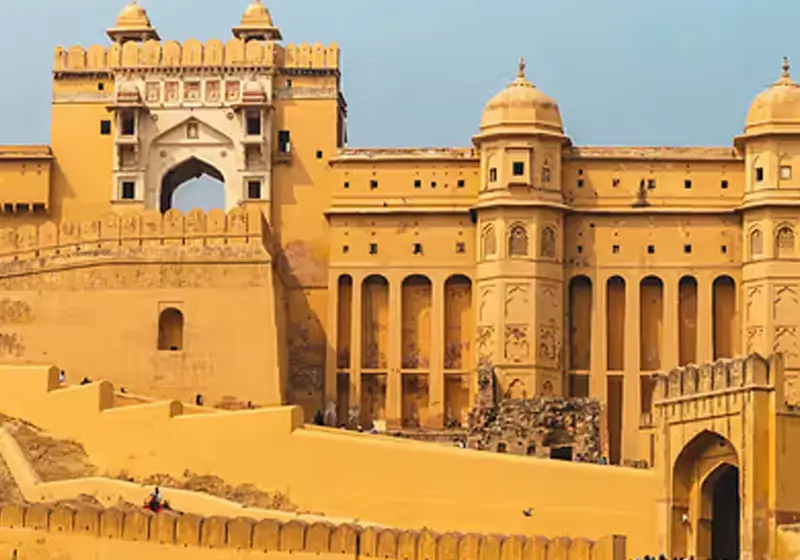
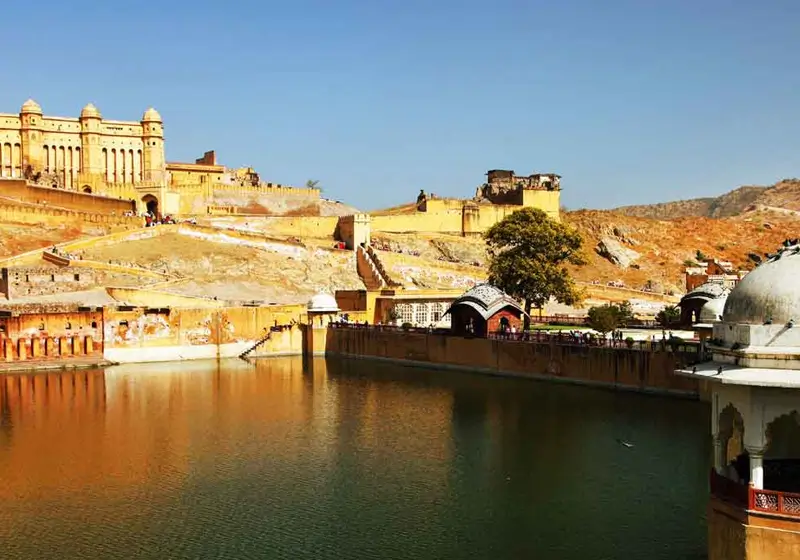
Because Diwali follows the Hindu lunar calendar, the festival usually falls between October and November, although the exact date changes each year. Planning your itinerary around the festival allows you to experience one of India's most important cultural celebrations while also visiting famous attractions such as the Taj Mahal, Amber Fort, City Palace Jaipur, and India Gate.
Diwali is one of the most widely celebrated festivals in India and is observed by millions of people across different communities and regions.
According to Hindu tradition, the festival commemorates the return of Lord Rama, Sita, and Lakshmana to Ayodhya after fourteen years of exile and the defeat of Ravana. To welcome them home, people illuminated the city with rows of oil lamps, a tradition that continues today through candles, decorative lamps known as diyas, and colourful electric lighting.
Many families also worship Goddess Lakshmi, who is associated with prosperity, good fortune, and happiness. Homes and businesses are cleaned thoroughly before the festival because it is believed that a clean and welcoming environment brings blessings during the coming year.
Although Diwali has religious significance, it is also celebrated as a cultural festival that brings families, neighbours, and communities together through food, gift-giving, and festive gatherings.
Diwali usually takes place during October or November, depending on the Hindu lunar calendar.
The celebration itself extends over five days, with each day carrying its own cultural and religious importance.
The main Diwali evening is when homes, temples, markets, hotels, and public buildings are illuminated with thousands of lights, creating the spectacular scenes that attract visitors from around the world.
Because the exact dates change every year, travellers planning to visit India specifically for Diwali should confirm the festival calendar before booking flights and accommodation.
Travelling during Diwali offers an experience that is very different from visiting India at any other time of the year.
Cities become brighter than usual as shopping streets, government buildings, hotels, restaurants, and private homes compete to create elaborate lighting displays. Colourful rangoli designs decorate entrances, traditional sweets fill shop windows, and markets become busy with people purchasing gifts, clothing, decorations, and festive food.
Many tourists find that local people are especially welcoming during the festival, often explaining traditions and inviting visitors to observe community celebrations. It provides an opportunity to experience India's cultural heritage in an authentic setting rather than simply reading about it in history books.
The festive atmosphere also creates excellent photography opportunities, particularly after sunset when historic buildings and shopping streets are illuminated with thousands of lights.
Experience India's Festival of Lights beyond the usual tourist attractions. Explore illuminated markets, taste traditional Diwali sweets, admire Jaipur's spectacular decorations and discover Delhi's festive atmosphere with a thoughtfully planned itinerary.
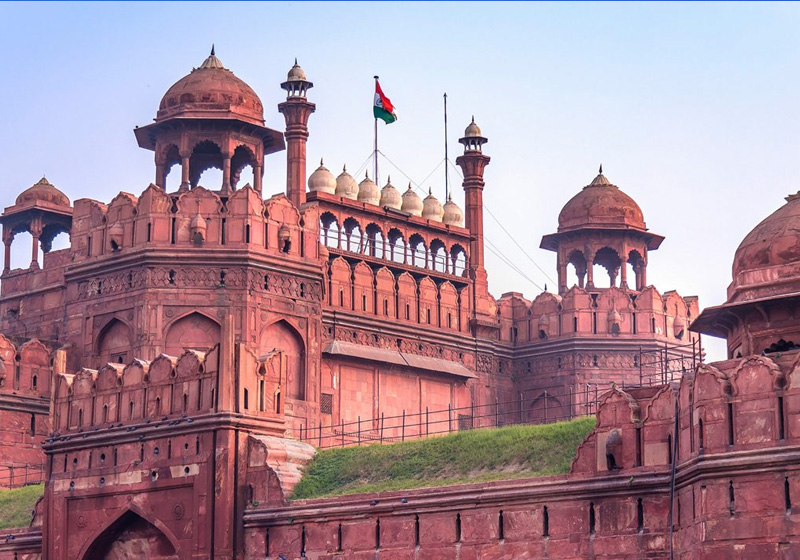
Delhi celebrates Diwali with impressive enthusiasm, combining centuries-old traditions with modern celebrations.
One of the most enjoyable activities during the festival is visiting the city's famous markets. Chandni Chowk, Connaught Place, Lajpat Nagar, Karol Bagh, and Dilli Haat become beautifully decorated with colourful lights, lanterns, flowers, and festive displays.
Walking through these markets during the evening allows visitors to experience local shopping traditions while tasting seasonal sweets and observing families preparing for the celebrations.
Many temples across Delhi hold special prayer ceremonies attended by large numbers of devotees. Visitors are generally welcome to observe respectfully, provided they follow local customs regarding footwear and appropriate clothing.
Hotels and restaurants often organise Diwali dinners featuring traditional Indian cuisine, music, and cultural performances, making them an excellent option for foreign tourists who wish to participate in the celebrations comfortably.
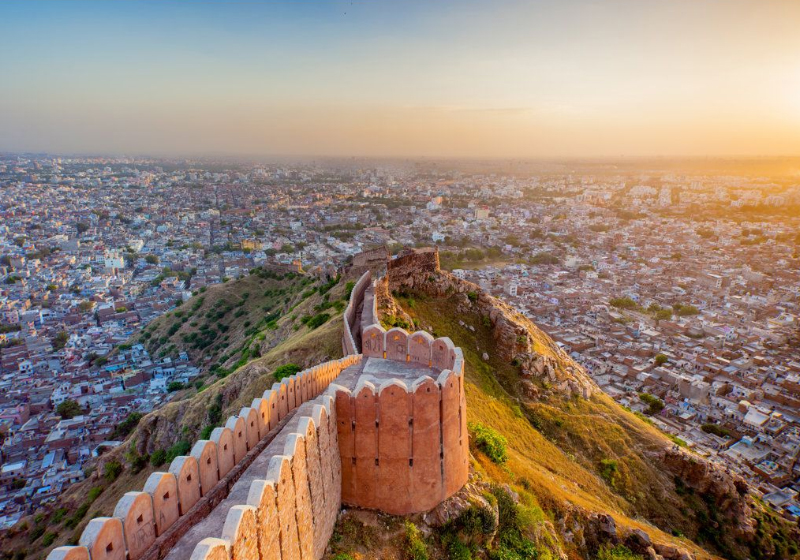
Jaipur is frequently regarded as one of India's most spectacular cities during Diwali.
The historic Pink City becomes illuminated with elaborate decorative lighting stretching across streets, markets, and historical buildings. Areas such as Johari Bazaar, Bapu Bazaar, Tripolia Bazaar, and MI Road compete in annual lighting competitions, creating breathtaking displays that attract visitors from across the country.
The beautifully decorated facades of traditional Rajasthani buildings provide a magical atmosphere after sunset, while local markets remain lively with families purchasing jewellery, textiles, sweets, gifts, and festive decorations.
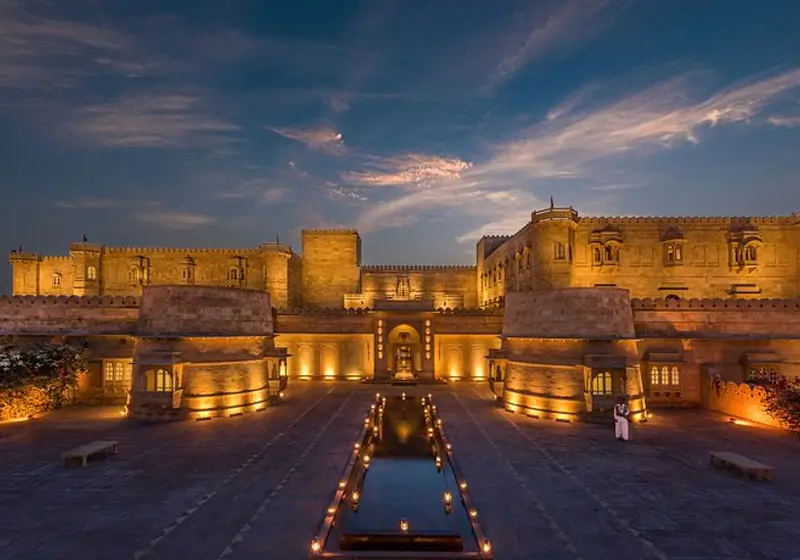
Several heritage hotels organise cultural evenings featuring traditional Rajasthani folk music, dance performances, festive meals, and Diwali celebrations designed especially for international guests.
Many travellers consider Jaipur one of the finest places in India to experience the festival because the city's historic architecture enhances the beauty of the evening illuminations.
One of the highlights of spending Diwali in Delhi is walking through the city's beautifully illuminated streets after sunset. Every neighbourhood celebrates the festival in its own way, but certain areas are especially popular because of their decorations, festive shopping, and lively atmosphere.
Connaught Place becomes one of the city's brightest locations during Diwali. The white colonial buildings are decorated with thousands of lights, while restaurants, cafés, and retail stores remain busy with families and visitors enjoying the festive atmosphere. Evening walks around the Inner and Outer Circle provide excellent opportunities to admire the decorations and capture memorable photographs.
Chandni Chowk offers a more traditional Diwali experience. Historic markets are filled with colourful lanterns, handmade decorations, sweets, flowers, and gift shops preparing for the celebrations. Walking through these centuries-old streets during Diwali provides a glimpse into how local families celebrate one of India's most important festivals.
Markets such as Lajpat Nagar, Karol Bagh, Sarojini Nagar, and Dilli Haat also become lively shopping destinations where visitors can purchase handmade gifts, decorative lamps, traditional clothing, sweets, and festive souvenirs.
Several government buildings and public spaces around India Gate are illuminated during the festival period, making evening sightseeing particularly enjoyable.
Jaipur is widely regarded as one of India's most beautiful cities during Diwali because the entire Pink City participates in elaborate lighting displays.
The historic shopping streets of Johari Bazaar, Bapu Bazaar, Tripolia Bazaar, and Kishanpole Bazaar are decorated with creative lighting designs stretching across entire streets. Every year, local businesses compete to produce the most impressive decorations, creating a spectacular atmosphere that attracts visitors from around the world.
Walking through the old city after sunset allows tourists to admire historic pink sandstone buildings covered in colourful lights while local families shop for jewellery, sweets, clothing, and festival decorations.
Many heritage hotels organise special Diwali evenings featuring traditional Rajasthani cuisine, folk music, puppet shows, dance performances, and cultural programmes. These events provide an excellent introduction to local traditions for international visitors who prefer a more organised celebration.
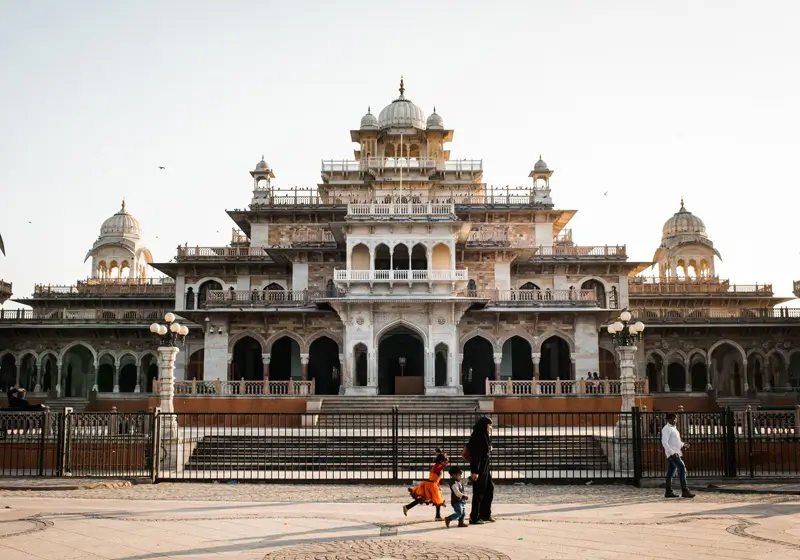
The areas surrounding City Palace, Hawa Mahal, and Albert Hall Museum also become particularly attractive during the festival because of the decorative lighting installed throughout the city.
Food plays an important role in every Diwali celebration. Families prepare a wide variety of traditional sweets and savoury dishes that are shared with relatives, friends, neighbours, and guests.
Popular sweets include:
Alongside desserts, visitors can also enjoy festive snacks such as samosas, kachoris, pakoras, chaat, and various regional specialities.
Many restaurants create special Diwali menus featuring traditional Indian dishes served in festive surroundings. Heritage hotels in Jaipur and luxury hotels in Delhi often organise elaborate buffet dinners accompanied by cultural performances.
Diwali is considered one of the busiest shopping seasons in India.
Markets become filled with decorative lamps (diyas), lanterns, handcrafted gifts, silver coins, jewellery, traditional clothing, sweets, dry fruits, home décor, and festive decorations. Many shops introduce seasonal discounts, making it an excellent opportunity to purchase souvenirs.
Visitors looking for gifts often buy:
Because shopping areas become extremely busy during the days leading up to Diwali, visiting during the morning usually provides a more comfortable experience.
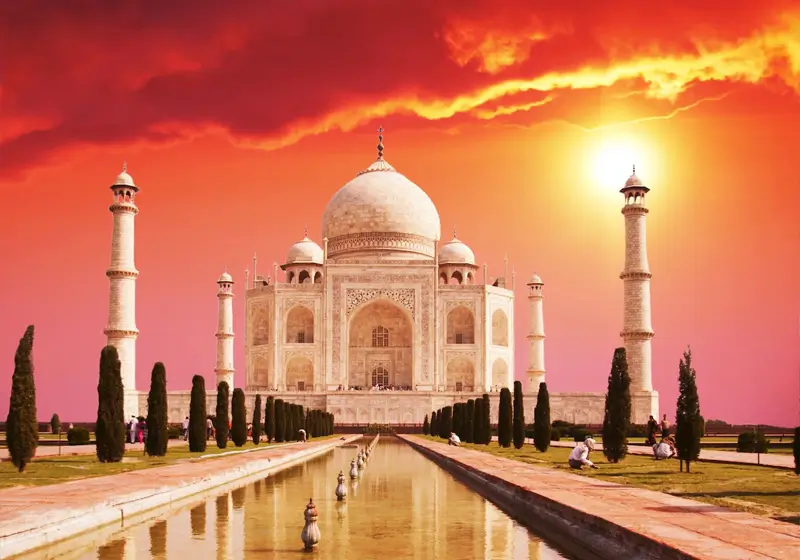
Combine the Taj Mahal in Agra with the illuminated streets of Delhi and Jaipur for a memorable Indian holiday during the Festival of Lights.
Fireworks remain an important part of Diwali celebrations in many parts of India, although regulations have become stricter in several cities to reduce air pollution and improve public safety.
Foreign visitors are encouraged to enjoy public celebrations rather than purchasing fireworks themselves. Watching professionally organised displays or observing neighbourhood celebrations from hotel terraces often provides a safer and more enjoyable experience.
Large crowds gather in markets and popular public areas during the evening, so visitors should keep personal belongings secure and remain aware of their surroundings.
Comfortable walking shoes are recommended because many streets are closed to traffic during peak celebration hours, requiring visitors to walk longer distances than usual.
Those sensitive to smoke may wish to carry a face mask, particularly in larger cities where fireworks can temporarily affect air quality.
Participating respectfully in local customs helps visitors enjoy the festival while creating positive interactions with local families.
If invited into someone's home, removing shoes before entering is generally appreciated. Dressing modestly is recommended when visiting temples or religious ceremonies, and asking permission before photographing worshippers or private family celebrations shows respect for local traditions.
Accepting sweets or small gifts offered by hosts is considered polite, although visitors should mention any dietary restrictions if necessary.
Learning simple greetings such as "Happy Diwali" is often warmly received and provides an easy way to interact with local residents during the celebrations.
Travelling during Diwali requires a little extra planning because roads become considerably busier than usual.
Heavy traffic is common in both Delhi and Jaipur during the days leading up to the festival, particularly around shopping districts and major markets. Booking taxis in advance and allowing extra travel time between attractions helps avoid unnecessary delays.
Many shops remain closed on the main Diwali day itself as business owners celebrate with their families. Museums and monuments generally continue operating according to their normal schedules, although visitors should verify timings in advance.
Flights and trains are often in high demand during the festival period because millions of people travel to celebrate with their families. Booking transportation several weeks in advance is strongly recommended.
Planning accommodation early is one of the best ways to enjoy the festival without unnecessary stress. Hotels in popular tourist cities often reach full occupancy well before Diwali, particularly heritage properties that organise special celebration programmes.
Carry some cash for shopping in traditional markets, although digital payments and international credit cards are accepted at many larger businesses.
If your itinerary includes evening sightseeing, begin exploring before sunset so you can enjoy both the daytime atmosphere and the spectacular lighting displays after dark.
Above all, remain flexible. Festival celebrations can affect traffic patterns, shopping hours, and restaurant availability, but these small adjustments are part of experiencing Diwali in an authentic way.
Diwali usually falls between October and November, with the exact date changing each year according to the Hindu lunar calendar.
Yes. Many travellers consider it one of the best times to experience India's culture, traditions, markets, and festive atmosphere.
Both offer memorable celebrations. Delhi is known for its lively markets and cultural diversity, while Jaipur is famous for its spectacular lighting across the Pink City.
The festival is traditionally celebrated over five days, although the main celebrations take place on the central Diwali evening.
Most major monuments remain open, although some shops and businesses may close on the main festival day.
Johari Bazaar, Bapu Bazaar, Tripolia Bazaar, and the streets surrounding City Palace are among the most popular locations.
Yes. Visitors should simply follow normal safety precautions, remain aware of crowds, and follow local guidance regarding fireworks.
Comfortable clothing is suitable, although many visitors choose traditional Indian attire to join the festive atmosphere.
Yes. Visitors are generally welcome if they dress respectfully, remove footwear where required, and follow local customs.
Popular festival treats include Kaju Katli, Gulab Jamun, Laddu, Jalebi, Samosas, and Kachoris.
Yes. Accommodation in Delhi and Jaipur often fills quickly during the Diwali holiday period, so early booking is recommended.
Many Golden Triangle Tour operators offer special festival departures that allow visitors to experience Diwali celebrations in Delhi, Agra, and Jaipur while visiting India's most famous historical attractions.
Fill in the details below. Our expert consultant will respond within 4 hours with a bespoke itinerary crafted just for you — completely free, no obligation.