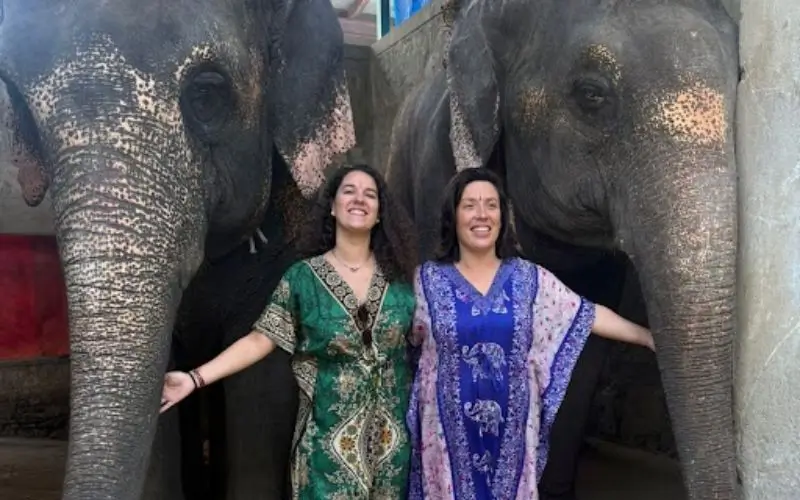
For decades, elephants were promoted as one of Rajasthan's most recognizable tourist attractions. Visitors arriving in Jaipur often expected to see elephants carrying passengers near historic forts, participating in ceremonial events, or appearing in travel photographs that symbolized royal India. While these images became popular internationally, modern travelers have increasingly begun asking a different question: how can they interact with elephants in ways that prioritize animal welfare and respect?
This shift has transformed the tourism landscape throughout India. Travelers today are far more informed about wildlife welfare, conservation, and responsible tourism practices than previous generations. Rather than seeking activities based solely on entertainment, many visitors want experiences that support ethical treatment, education, and meaningful understanding of animals. As a result, Ethical Elephant Experiences in Jaipur have become one of the fastest-growing segments of experiential tourism in Rajasthan.
The growing interest in responsible wildlife tourism reflects broader changes in traveler values. Visitors increasingly recognize that elephants are highly intelligent, emotionally complex, and socially sophisticated animals. Research has demonstrated their capacity for memory, communication, problem-solving, empathy, and strong family relationships. Learning about these characteristics often changes the way travelers think about elephant interactions.
Jaipur occupies a particularly important position within this discussion because the city has long been associated with elephants. Historically, elephants played significant roles in transportation, ceremonial functions, military activities, and royal culture. Their connection to Rajasthan's heritage remains strong, making elephant-focused experiences appealing to visitors interested in both wildlife and history.
Modern Elephant Tourism in Jaipur increasingly emphasizes education rather than entertainment. Ethical programs focus on allowing guests to observe natural behaviors, understand elephant care, learn about conservation challenges, and interact with animals in environments designed to prioritize welfare. These experiences encourage respect rather than control.
One reason travelers appreciate ethical elephant encounters is the opportunity to develop genuine understanding. Instead of viewing elephants as tourist attractions, visitors learn about their biology, behavior, social structures, dietary needs, and relationships with caretakers. This educational approach creates more meaningful and memorable experiences.
Another factor contributing to the popularity of responsible elephant tourism is the desire for authenticity. Modern travelers often prefer activities that feel genuine rather than staged. Spending time observing elephants in relaxed environments, feeding them, walking alongside them, or learning about daily care routines frequently proves more rewarding than highly commercialized alternatives.
Families, wildlife enthusiasts, photographers, and luxury travelers all find value in these experiences. Children gain educational insights, photographers capture natural interactions, and adults appreciate opportunities to engage with animals responsibly. The appeal therefore extends across a broad range of visitor interests.
The evolution of elephant tourism also demonstrates how destinations can adapt to changing expectations. Rather than abandoning elephant-related experiences entirely, many operators have developed programs that align more closely with contemporary views on animal welfare. These initiatives help preserve cultural connections while addressing ethical concerns.
For travelers visiting Jaipur today, the question is no longer whether they can see elephants. The question is how they can do so in ways that support welfare, education, and responsible tourism. Fortunately, the city now offers several opportunities to meet elephants while contributing to more positive and sustainable tourism practices.
Feel the quiet joy of standing beside an elephant, watching its natural behavior, and discovering the intelligence and kindness that make these magnificent animals so extraordinary.
Before choosing an elephant activity, it is important for travelers to understand what the term Ethical Elephant Experience actually means. The phrase appears frequently in tourism marketing, yet not all operators apply the concept consistently. Knowing how to evaluate experiences helps visitors make informed decisions and support responsible practices.
At its core, ethical elephant tourism prioritizes the wellbeing of the animals over tourist entertainment. This principle influences every aspect of program design, from daily routines and living conditions to visitor interactions and educational content. The goal is not simply to provide access to elephants but to ensure that interactions occur in ways that respect their physical and emotional needs.
One of the most significant indicators of ethical practices is the absence of activities that force elephants to perform unnatural behaviors for entertainment. Responsible programs focus on observation, learning, feeding, walking, and enrichment activities rather than performances designed primarily for tourist amusement.
Education forms another essential component. Ethical facilities help visitors understand elephant biology, behavior, conservation issues, and welfare considerations. Guests learn about social structures, communication methods, dietary requirements, and the challenges facing elephant populations. This educational emphasis encourages deeper appreciation and responsible attitudes toward wildlife.
The quality of living conditions also plays an important role. Ethical environments typically provide adequate space, opportunities for social interaction, access to food and water, and conditions that support natural behaviors. Travelers should pay attention to how elephants appear during visits. Relaxed behavior, healthy physical condition, and positive interactions with caretakers often indicate good welfare standards.
Another important factor is transparency. Responsible organizations are generally willing to discuss their practices openly and answer questions about animal care, veterinary support, nutrition, and daily management. Openness builds trust and allows visitors to make informed choices.
The relationship between elephants and caretakers is often particularly revealing. Long-term bonds based on trust, familiarity, and mutual understanding frequently develop over years of interaction. Observing respectful communication between caretakers and elephants provides valuable insight into overall welfare conditions.
Ethical programs also encourage visitors to engage with elephants respectfully. Interactions are structured to minimize stress while maximizing educational value. Feeding sessions, guided walks, and observation opportunities allow guests to appreciate elephants without overwhelming them.
Travelers should recognize that no wildlife tourism model is perfect. Elephant welfare remains a complex subject involving cultural traditions, economic realities, conservation needs, and evolving ethical perspectives. However, supporting programs that prioritize welfare and education contributes positively to ongoing improvements within the industry.
Understanding these principles allows visitors to evaluate experiences more critically and select activities aligned with their personal values. The result is a more meaningful encounter that benefits both travelers and the animals they come to meet.
Many travelers arrive in Jaipur expecting elephant experiences to revolve around riding or viewing animals from a distance. They are often surprised to discover that some of the most rewarding interactions involve much simpler activities. Ethical programs focus on creating opportunities for connection, learning, and observation rather than spectacle.
Feeding sessions are among the most popular experiences. Elephants consume enormous quantities of food each day, and participating in feeding activities allows visitors to appreciate both the animals' dietary needs and their personalities. Guests often develop immediate affection for elephants while offering fruits, vegetables, and specially prepared treats under supervision.
Walking alongside elephants represents another meaningful activity. Guided walks allow travelers to observe natural movement patterns, social interactions, and environmental behavior. Unlike riding experiences, walking places visitors and elephants within the same environment, creating opportunities for more respectful interaction.
Many programs also include educational presentations about elephant care. Visitors learn how elephants communicate, how caretakers manage daily routines, what health challenges they face, and how welfare standards are maintained. These discussions often become highlights because they provide context that transforms simple encounters into learning experiences.
Bathing experiences have also gained popularity, although approaches vary. In some programs, visitors assist caretakers during bathing routines, helping clean elephants while learning about hygiene and care practices. These activities can be enjoyable when conducted responsibly and with attention to animal comfort.
Photography opportunities are naturally abundant. However, ethical photography emphasizes capturing authentic moments rather than forcing animals into unnatural poses. Observing elephants interacting with each other, exploring their surroundings, or engaging with caretakers often produces more meaningful images than staged compositions.
Families particularly appreciate educational elephant encounters because they combine entertainment with learning. Children develop understanding of wildlife conservation, animal welfare, and environmental responsibility through direct experience rather than abstract concepts.
Luxury travelers increasingly seek private elephant experiences tailored to their interests. Personalized programs may include extended educational sessions, exclusive access, professional photography support, and opportunities for deeper engagement with caretakers and conservation staff.
The common theme across all of these activities is respect. Rather than viewing elephants as attractions to be consumed, visitors engage with them as intelligent beings deserving consideration and care. This perspective often leads to more rewarding experiences for everyone involved.
The significance of ethical elephant tourism extends beyond individual travel experiences. Responsible programs contribute to broader conversations about conservation, education, and the future relationship between humans and wildlife.
One important contribution is public awareness. Many visitors arrive with limited knowledge about elephant behavior, welfare, or conservation challenges. Educational programs help bridge this gap by providing accurate information and encouraging informed perspectives. Travelers often return home with greater appreciation for wildlife and stronger commitment to responsible tourism practices.
Responsible tourism can also generate economic support for animal care. Maintaining high welfare standards requires significant resources, including food, veterinary services, facilities, staff training, and infrastructure. Tourism revenue helps sustain these efforts while creating incentives for continued improvement.
Another benefit is the promotion of cultural understanding. Elephants occupy important positions within India's history, religion, art, and folklore. Ethical experiences allow visitors to explore these cultural connections while maintaining focus on animal welfare. This balanced approach preserves heritage without ignoring contemporary ethical considerations.
The growth of responsible tourism also encourages industry-wide change. As traveler preferences shift toward ethical experiences, operators increasingly adapt practices to meet evolving expectations. Consumer demand therefore plays a role in promoting higher standards across the tourism sector.
Photographs and stories shared by visitors further extend the impact of these experiences. Positive examples of ethical elephant tourism help educate broader audiences and encourage more responsible travel choices. In this way, individual experiences contribute to larger conversations about wildlife welfare.
The relationship between tourism and conservation is complex, but thoughtfully designed programs demonstrate that meaningful interactions and responsible practices can coexist. Travelers gain memorable experiences while supporting initiatives that prioritize education and welfare.
For visitors to Jaipur, choosing ethical elephant experiences represents an opportunity to align travel decisions with personal values. The result is a journey that feels not only enjoyable but also responsible and meaningful.
Selecting the right Elephant Experience in Jaipur requires careful consideration of personal interests, available time, and ethical priorities. Fortunately, the city offers several options that emphasize education, welfare, and meaningful interaction.
Travelers should begin by researching operators thoroughly. Reading reviews, examining program descriptions, and asking questions about animal care practices can provide valuable insights. Reputable organizations are generally transparent about their approaches and willing to discuss welfare standards.
Visitors should also consider their goals. Some travelers prioritize photography, others focus on education, while families may seek interactive experiences suitable for children. Understanding personal priorities helps identify programs that provide the most satisfying experiences.
Timing can influence enjoyment as well. Morning visits often coincide with cooler temperatures and active animal behavior. Smaller group sizes may also create more personal and relaxed interactions.
Combining elephant experiences with broader Jaipur itineraries works particularly well. Many travelers pair wildlife encounters with visits to forts, palaces, artisan workshops, culinary experiences, and cultural attractions. This combination creates balanced itineraries that showcase multiple aspects of Rajasthan's heritage.
Ultimately, the most rewarding elephant experiences are those that foster understanding, respect, and appreciation. Visitors leave not only with photographs and memories but also with deeper awareness of one of the world's most remarkable animals.
For travelers seeking meaningful wildlife encounters in Rajasthan, ethical elephant experiences provide opportunities to connect with elephants in ways that are educational, responsible, and genuinely memorable.
Imagine sharing peaceful moments with elephants, hearing the stories of their lives, and understanding the deep bond between mahouts and these gentle giants. It's more than sightseeing—it's a story you'll tell for years.
The significance of ethical elephant tourism extends beyond individual travel experiences. Responsible programs contribute to broader conversations about conservation, education, and the future relationship between humans and wildlife.
One important contribution is public awareness. Many visitors arrive with limited knowledge about elephant behavior, welfare, or conservation challenges. Educational programs help bridge this gap by providing accurate information and encouraging informed perspectives. Travelers often return home with greater appreciation for wildlife and stronger commitment to responsible tourism practices.
Responsible tourism can also generate economic support for animal care. Maintaining high welfare standards requires significant resources, including food, veterinary services, facilities, staff training, and infrastructure. Tourism revenue helps sustain these efforts while creating incentives for continued improvement.
Another benefit is the promotion of cultural understanding. Elephants occupy important positions within India's history, religion, art, and folklore. Ethical experiences allow visitors to explore these cultural connections while maintaining focus on animal welfare. This balanced approach preserves heritage without ignoring contemporary ethical considerations.
The growth of responsible tourism also encourages industry-wide change. As traveler preferences shift toward ethical experiences, operators increasingly adapt practices to meet evolving expectations. Consumer demand therefore plays a role in promoting higher standards across the tourism sector.
Photographs and stories shared by visitors further extend the impact of these experiences. Positive examples of ethical elephant tourism help educate broader audiences and encourage more responsible travel choices. In this way, individual experiences contribute to larger conversations about wildlife welfare.
The relationship between tourism and conservation is complex, but thoughtfully designed programs demonstrate that meaningful interactions and responsible practices can coexist. Travelers gain memorable experiences while supporting initiatives that prioritize education and welfare.
For visitors to Jaipur, choosing ethical elephant experiences represents an opportunity to align travel decisions with personal values. The result is a journey that feels not only enjoyable but also responsible and meaningful.
Selecting the right Elephant Experience in Jaipur requires careful consideration of personal interests, available time, and ethical priorities. Fortunately, the city offers several options that emphasize education, welfare, and meaningful interaction.
Travelers should begin by researching operators thoroughly. Reading reviews, examining program descriptions, and asking questions about animal care practices can provide valuable insights. Reputable organizations are generally transparent about their approaches and willing to discuss welfare standards.
Visitors should also consider their goals. Some travelers prioritize photography, others focus on education, while families may seek interactive experiences suitable for children. Understanding personal priorities helps identify programs that provide the most satisfying experiences.
Timing can influence enjoyment as well. Morning visits often coincide with cooler temperatures and active animal behavior. Smaller group sizes may also create more personal and relaxed interactions.
Combining elephant experiences with broader Jaipur itineraries works particularly well. Many travelers pair wildlife encounters with visits to forts, palaces, artisan workshops, culinary experiences, and cultural attractions. This combination creates balanced itineraries that showcase multiple aspects of Rajasthan's heritage.
Ultimately, the most rewarding elephant experiences are those that foster understanding, respect, and appreciation. Visitors leave not only with photographs and memories but also with deeper awareness of one of the world's most remarkable animals.
For travelers seeking meaningful wildlife encounters in Rajasthan, ethical elephant experiences provide opportunities to connect with elephants in ways that are educational, responsible, and genuinely memorable.
An ethical elephant experience prioritizes animal welfare, education, and respectful interaction rather than entertainment-focused activities.
Yes. Many responsible programs allow supervised feeding sessions as part of educational experiences.
Some facilities offer guided walks where visitors can observe elephants while learning about their behavior and care.
Yes. Educational elephant programs are often excellent experiences for families.
Look for transparency, educational focus, positive welfare practices, and reviews emphasizing responsible treatment.
Yes. Ethical programs typically allow photography while encouraging respectful behavior around animals.
Most responsible programs provide detailed information about elephant biology, behavior, welfare, and conservation.
Absolutely. Jaipur is a key destination within many Golden Triangle itineraries.
Modern travelers increasingly prioritize animal welfare, responsible tourism, and meaningful educational experiences.
Many visitors consider them among the most memorable and rewarding activities available in Rajasthan.
Fill in the details below. Our expert consultant will respond within 4 hours with a bespoke itinerary crafted just for you — completely free, no obligation.