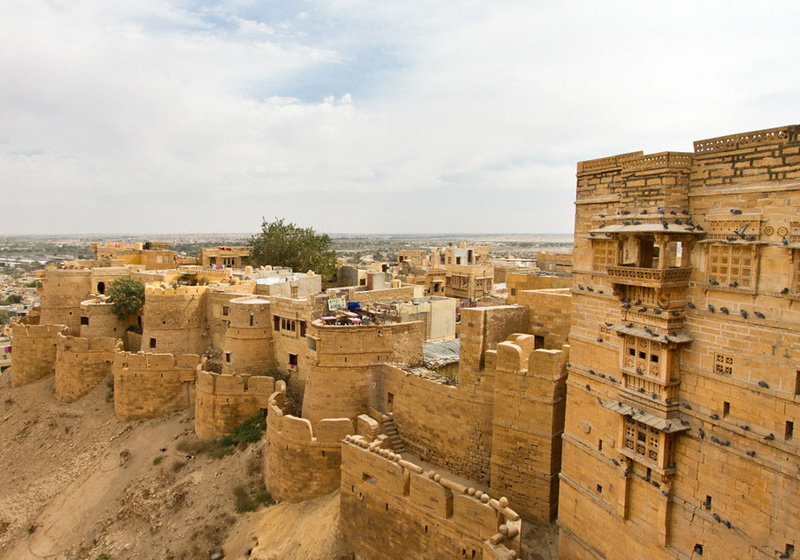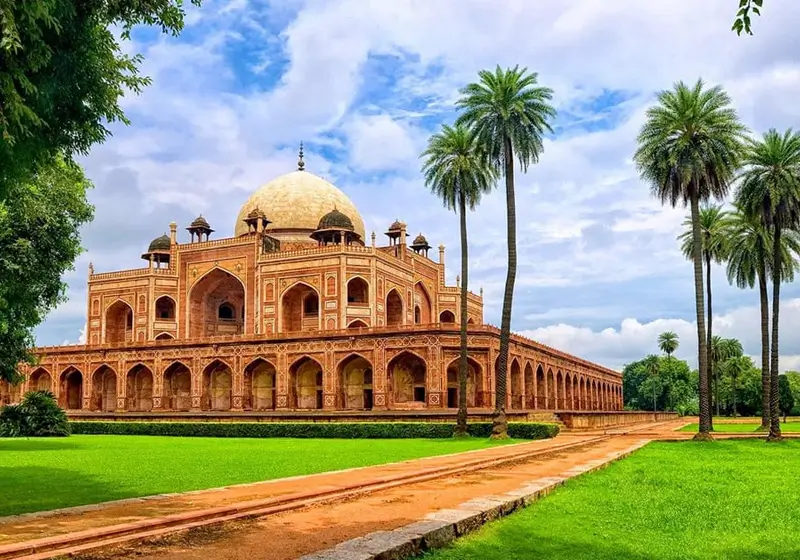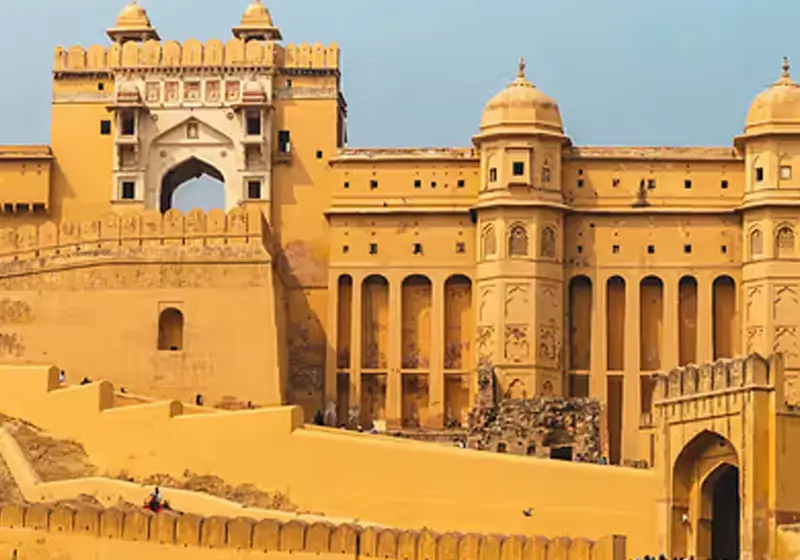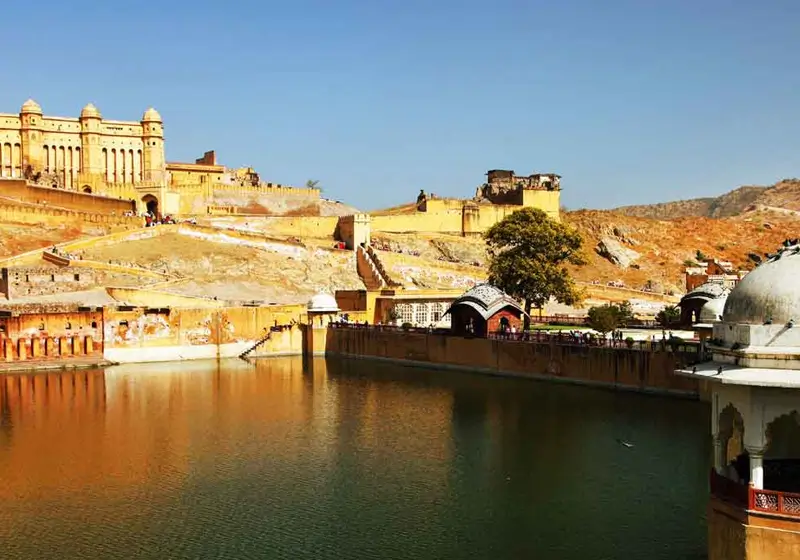
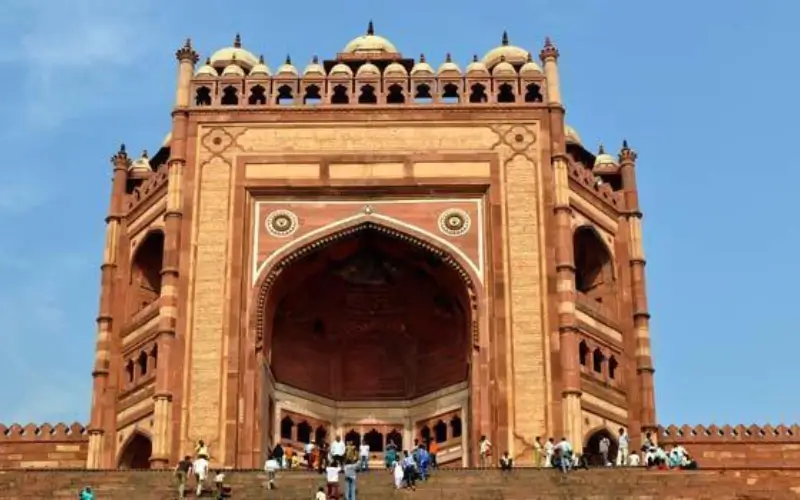
A Fatehpur Sikri Tour from Agra is one of the most rewarding day trips for travelers exploring North India. Located approximately 40 km west of Agra, this magnificent UNESCO World Heritage Site was once the capital of the Mughal Empire and remains one of the finest examples of Mughal architecture. Built by Emperor Akbar during the sixteenth century, the city combines royal palaces, audience halls, courtyards, mosques, gateways, and beautifully carved sandstone buildings that continue to impress visitors from around the world.
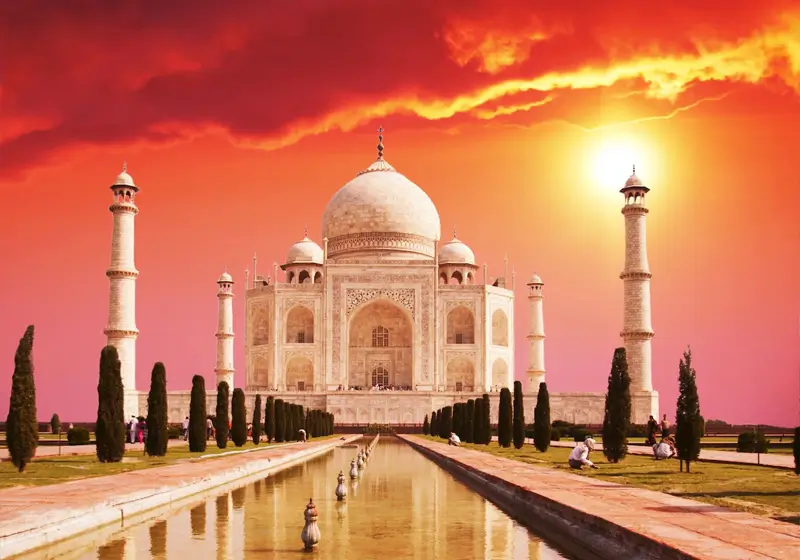
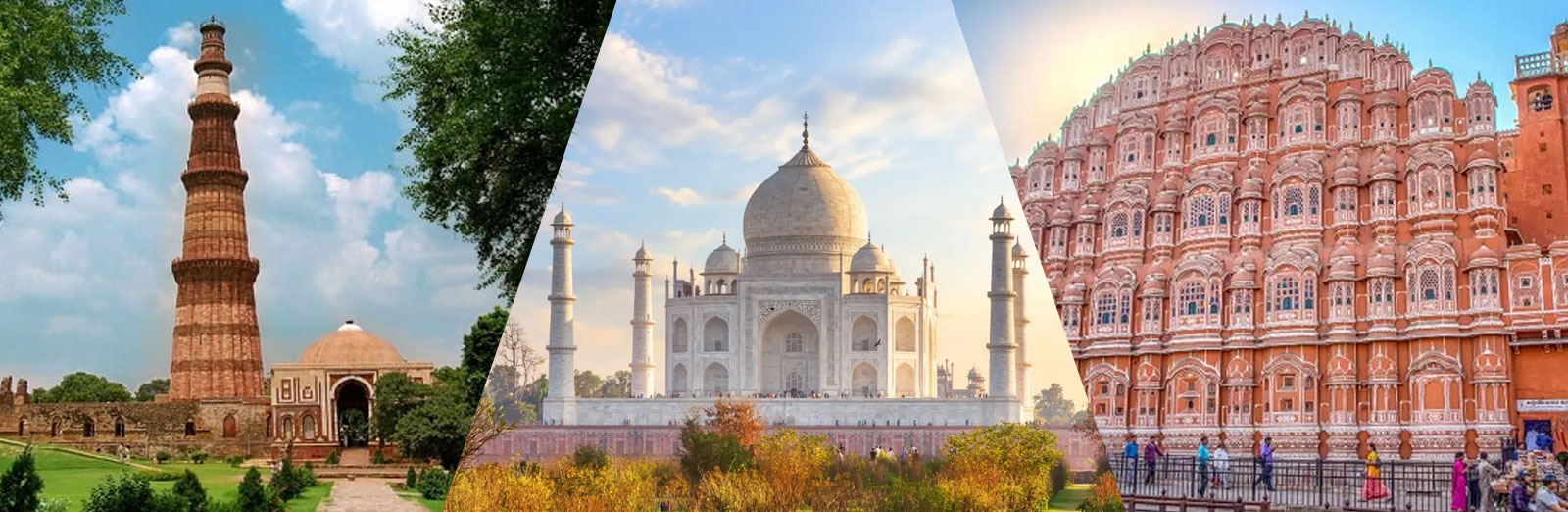
Many travelers include Fatehpur Sikri while traveling from Agra to Jaipur during a Golden Triangle Tour, as it lies conveniently on the route. Others prefer visiting it as a half-day excursion from Agra before returning to explore the city's remaining attractions. Regardless of the itinerary, the destination offers an entirely different architectural experience from the white marble elegance of the Taj Mahal. While the Taj Mahal represents romance and perfection in marble, Fatehpur Sikri reflects imperial planning, royal administration, and the grandeur of Akbar's vision.
The journey from Agra to Fatehpur Sikri is comfortable and straightforward. By private car, the drive usually takes 45 minutes to one hour, depending on traffic conditions. Taxi services, private tour vehicles, and guided excursions remain the most convenient transportation choices because they allow visitors to travel comfortably while stopping for photographs or refreshments if required. Travelers using public transportation can also reach Fatehpur Sikri by bus or train, although private transportation offers greater flexibility and saves valuable sightseeing time.
For visitors staying in Agra hotels, most private tours depart between 8:00 AM and 9:00 AM, allowing arrival before the largest tourist groups. Early morning visits are recommended because temperatures remain pleasant, lighting conditions are excellent for photography, and the monument complex is relatively less crowded compared to the afternoon.
Before planning your visit, understanding ticket prices, opening hours, and transportation costs helps create a smoother travel experience.
Fatehpur Sikri Opening Hours
The ideal sightseeing duration is two to three hours, allowing enough time to comfortably explore the palace complex, mosque, royal courtyards, and major historical structures without feeling rushed.
Approximate Entry Fee
Foreign Visitors
Indian Visitors
Children below the applicable age category may receive free entry according to government regulations.
Expected Transportation Cost from Agra
Private Sedan
SUV / Innova Crysta
Shared Bus
Private transportation is strongly recommended for international travelers because it provides hotel pickup, flexible departure timing, comfortable air-conditioning, and sufficient luggage space if continuing toward Jaipur.
One important point many first-time visitors do not realize is that private vehicles cannot enter the protected archaeological zone directly. Visitors usually transfer to the government-operated shuttle buses near the parking area. The shuttle ride takes only a few minutes and operates regularly throughout the day.
Hiring a licensed local guide is highly recommended. Guide charges generally range between INR 800 and INR 2,000, depending on language requirements and tour duration. A knowledgeable guide explains the fascinating stories behind Akbar's court, royal family life, architectural symbolism, and the historical significance of each building, transforming the visit into a far more meaningful experience.
Besides entry tickets, travelers should also carry some cash for refreshments, shuttle services where applicable, bottled water, and optional souvenirs available near the entrance. Most shops accept digital payments, but carrying smaller currency notes is always useful.
The weather also influences the overall experience. During the cooler months, daytime temperatures remain comfortable for walking across the extensive sandstone complex. Comfortable walking shoes are essential because visitors cover considerable distances between the palace buildings, courtyards, gateways, and mosque. A hat, sunglasses, sunscreen, and a refillable water bottle are highly recommended, particularly if sightseeing during the warmer months.
Photography enthusiasts should plan their visit during the morning hours when sunlight beautifully highlights the intricate sandstone carvings and long palace corridors. The warm golden tones of the architecture become particularly attractive shortly after sunrise, creating ideal conditions for both landscape and architectural photography.
Your Agra journey doesn't have to end with the Taj Mahal. Travel beyond the city's iconic monument and discover Fatehpur Sikri—a remarkable Mughal city filled with grand gateways, royal courtyards.
A visit to Fatehpur Sikri is much more than walking through an abandoned royal city. Every palace, courtyard, gateway, and hall tells the story of Emperor Akbar's vision of creating a magnificent imperial capital. Although the city served as the Mughal capital for only a short period before the court shifted to Agra, its architectural beauty remains remarkably well preserved, making it one of the most fascinating historical destinations in India.
One of the first monuments visitors notice is the impressive Buland Darwaza, regarded as one of the tallest gateways in the world. Standing at approximately 54 metres (177 feet), this grand entrance was constructed to celebrate Akbar's victory in Gujarat. The massive sandstone structure dominates the skyline and is among the most photographed landmarks within the complex. Climbing the broad staircase leading to the gateway rewards visitors with panoramic views of the surrounding landscape and creates excellent opportunities for wide-angle photography.
Adjacent to the gateway is the Jama Masjid, one of the oldest and largest mosques built during the Mughal period. The peaceful courtyard, elegant arches, and beautifully designed prayer hall continue to attract both pilgrims and tourists. Within the mosque complex lies the revered Tomb of Sheikh Salim Chishti, built in white marble and admired for its delicate lattice screens. Many visitors tie a thread on the marble lattice while making a wish, following a tradition associated with the respected Sufi saint.
The royal residential area includes Jodha Bai's Palace, one of the largest palace complexes inside Fatehpur Sikri. The impressive courtyards, carved balconies, decorative pillars, and spacious living quarters reflect a blend of Rajput and Mughal architectural styles. Visitors generally spend around 20 to 30 minutes exploring this section while learning about royal family life during Akbar's reign.
Another remarkable structure is the Panch Mahal, a unique five-storey pavilion supported by numerous intricately carved columns. Unlike enclosed palace buildings, this open structure was designed to capture natural breezes during the summer months. The upper levels provide beautiful views across the archaeological complex and remain one of the most photographed sections of the city.
The Diwan-i-Khas is another architectural masterpiece famous for its extraordinary central pillar featuring detailed stone carvings. Historians believe this hall was used for important political discussions and intellectual debates involving scholars from different religions. The remarkable craftsmanship displayed here makes it one of the most admired buildings within the entire complex.
Visitors should also explore the Diwan-i-Aam, where Emperor Akbar addressed public gatherings and listened to petitions from his subjects. Nearby structures such as the Turkish Sultana's House, Anup Talao, royal treasury, and audience halls further illustrate the city's sophisticated planning and administrative importance.
Most visitors spend between 2.5 and 3.5 hours comfortably exploring the monument. Photography enthusiasts often remain longer because every courtyard, archway, carved pillar, and sandstone façade offers unique compositions throughout the day.
The Taj Mahal may be Agra's most famous treasure, but the story of Mughal India goes far beyond its white marble walls. Just around 40 kilometres from Agra lies Fatehpur Sikri.
The most comfortable months for visiting Fatehpur Sikri are between October and March, when daytime temperatures remain pleasant for walking. Early morning arrivals between 8:00 AM and 10:00 AM provide cooler weather, softer lighting for photography, and fewer crowds compared to midday. If visiting during summer, carrying water, sunglasses, sunscreen, and a hat becomes essential because much of the sightseeing takes place outdoors.
Many travelers include Fatehpur Sikri while traveling from Agra to Jaipur as part of a Golden Triangle Tour Package. Since the monument lies conveniently along the route, stopping here adds only a few hours to the journey while significantly enriching the overall travel experience.
A popular itinerary begins with an early morning visit to the Taj Mahal, followed by breakfast at the hotel, departure for Fatehpur Sikri, sightseeing for approximately three hours, lunch on the way, and then continuing toward Jaipur. This schedule allows travelers to cover three major highlights in a single day without unnecessary backtracking.
For travelers staying in Agra, combining Fatehpur Sikri with nearby attractions also works well. Many visitors explore Agra Fort, Mehtab Bagh, or local marble workshops either before or after their excursion depending on available time.
Licensed guides remain available near the entrance and can significantly improve the experience by explaining the historical significance of each monument. Hiring only government-approved guides is recommended. Travelers should politely decline unsolicited guide offers outside the official ticket area.
Basic visitor facilities such as parking, shuttle buses, drinking water, washrooms, souvenir shops, and snack outlets are available near the entrance complex. Wearing comfortable footwear is highly recommended because visitors walk several kilometres across uneven stone pathways throughout the archaeological site.
Photography is permitted throughout most outdoor areas, making Fatehpur Sikri one of India's finest destinations for architectural photography. Professional photography equipment is generally allowed for personal use, although commercial photography may require additional permissions. Drone photography is prohibited without official authorization.
The city represents one of the finest examples of Mughal urban planning, where palaces, administrative buildings, religious structures, and residential quarters were carefully designed as a unified imperial capital. Every section reveals intricate craftsmanship, geometric symmetry, decorative stone carvings, and architectural innovations that continue to attract historians, architects, and travelers from around the world.
Adding a Fatehpur Sikri Tour from Agra to your itinerary provides far more than another sightseeing stop. It offers an opportunity to understand the vision of Emperor Akbar, admire one of India's greatest archaeological treasures, and experience a destination that perfectly complements the beauty of the Taj Mahal and the royal heritage of Jaipur.
The distance is approximately 40 km, and the drive usually takes 45 minutes to one hour by private vehicle.
The monument is generally open from 6:00 AM to 6:00 PM every day.
Foreign visitors usually pay around INR 610, while Indian visitors pay approximately INR 50.
Most visitors spend 2.5 to 3.5 hours exploring the complete archaeological complex.
Yes. A licensed guide provides valuable historical insights and generally charges between INR 800 and INR 2,000, depending on language and duration.
Yes. It is conveniently located between Agra and Jaipur and is commonly included in Golden Triangle Tour Packages.
Yes. Designated parking areas are available, followed by government-operated shuttle buses to the monument entrance.
Comfortable walking shoes, light clothing, sunglasses, sunscreen, and a hat are recommended for a comfortable visit.
Photography is permitted in most outdoor areas for personal use. Drone photography requires official permission.
Early morning is considered the best time because of cooler temperatures, fewer crowds, and ideal natural lighting for photography.
Fill in the details below. Our expert consultant will respond within 4 hours with a bespoke itinerary crafted just for you — completely free, no obligation.