First Time Traveling to India?

First Time Traveling to India?

First Time Traveling to India?

First Time Traveling to India?


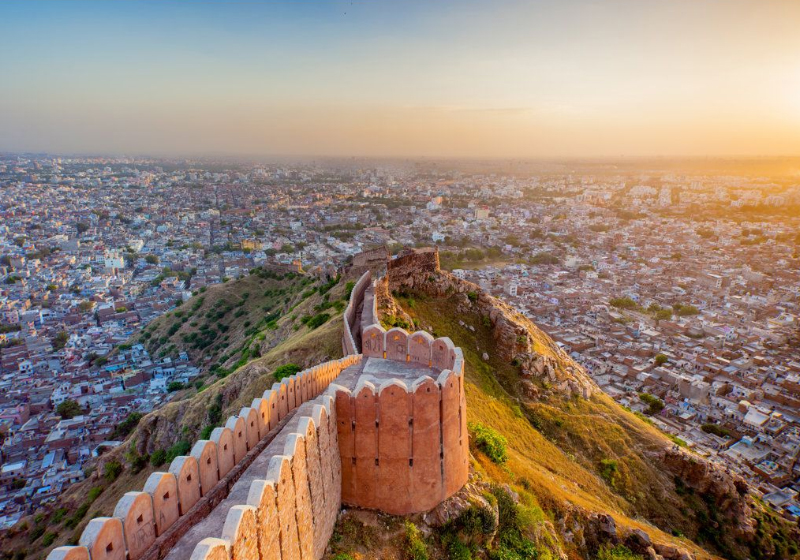
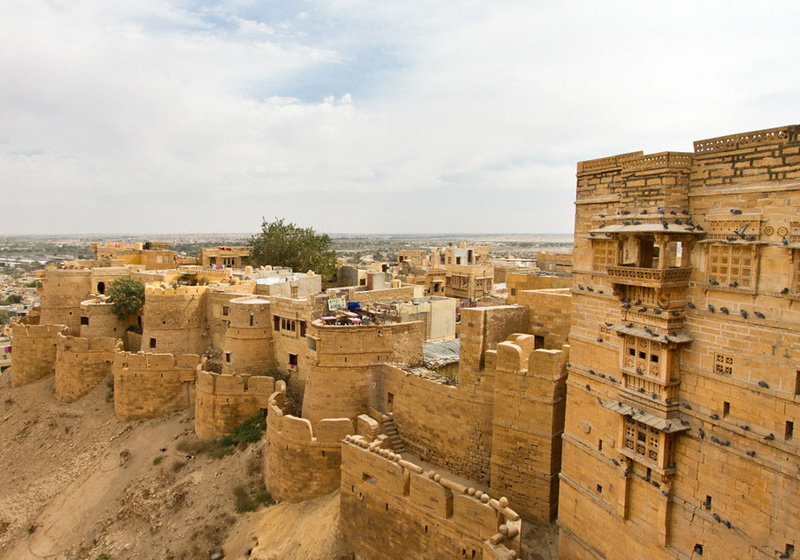
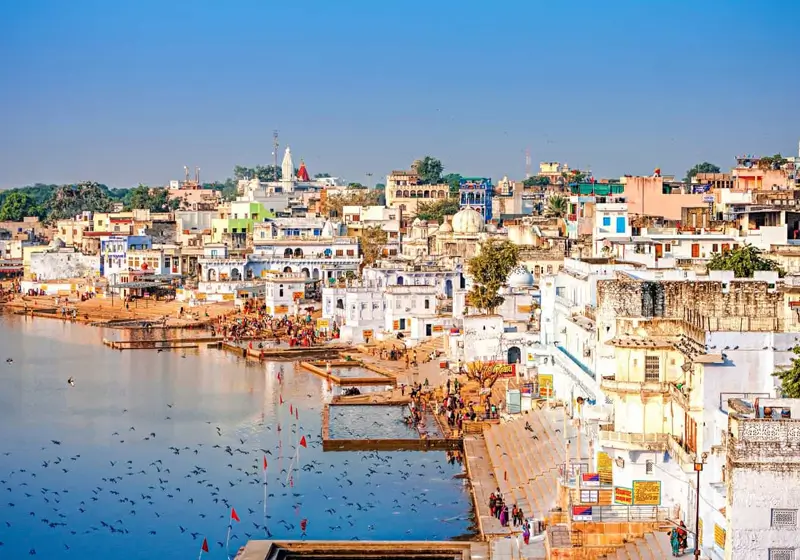
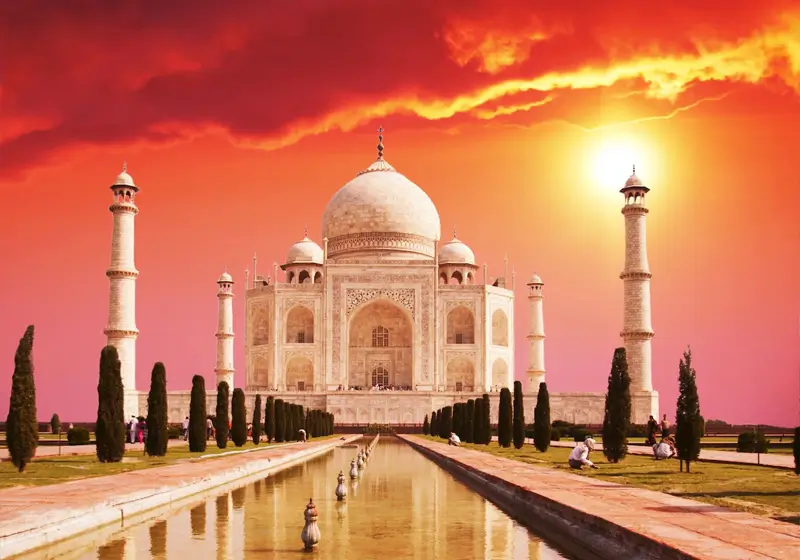
Traveling to India for the first time is a life-changing experience. The country is intense, colorful, spiritual, chaotic, and captivating all at once. From its ancient temples and majestic palaces to bustling markets and peaceful villages, India offers something for every kind of traveler.

But let’s be honest—India can also feel overwhelming for first-time visitors. The crowds, cultural differences, and unpredictability may challenge your usual way of traveling. However, with the right preparation and mindset, you’ll not only navigate India smoothly but fall in love with its incredible diversity.

This complete guide will walk you through everything you need to know before visiting India—including visas, cultural norms, transportation, food, health, safety, and more.


1. Get Your Visa and Documents in Order

Visa Requirements:

Most foreign nationals need a visa to enter India. Thankfully, India offers an e-Visa for citizens of over 160 countries. You can apply online and receive your visa via email in a few days.

  • Apply via: https://indianvisaonline.gov.in
  • Types: Tourist (30 days, 1 year, 5 years)
  • Make sure your passport is valid for at least 6 months beyond your arrival date.

Must-Carry Documents:

  • Printout of your visa
  • Passport + photocopy
  • Travel insurance (highly recommended)
  • Hotel booking confirmations
  • Emergency contacts list

2. Money Matters: Currency, ATMs, and Tipping

  • India’s currency is INR (Indian Rupee).
  • Credit/debit cards are accepted in most hotels, restaurants, and malls.
  • Always carry some cash for small vendors, tuk-tuks, and local eateries.
  • Use ATMs inside banks or malls for safety.
  • Tipping is common: ₹20–50 for porters, ₹100+ for guides, 10% in restaurants.

Currency exchange is available at airports, banks, and authorized dealers.


3. Choose the Right Destinations (Especially for First-Time Travelers)

India is huge and diverse. Trying to “see it all” in one trip is a common mistake. Focus on one region or theme for a more enriching and less stressful experience.

Popular Routes for First-Timers:

Stick to well-connected areas and gradually expand in future trips.


4. Getting Around India: Trains, Taxis, and Apps

India’s transport can be chaotic, but it’s part of the experience.

Trains:

  • Indian Railways is one of the largest in the world.
  • Use the IRCTC website or apps like Cleartrip / MakeMyTrip to book.
  • Classes: AC1 (luxury), AC2/3 (comfortable), Sleeper (budget)
  • Book in advance—popular routes fill quickly.

Taxis & Cars:

Tuk-Tuks:

  • Fun and convenient for short distances.
  • Always negotiate price before the ride or ask for meter.

5. Get a Local SIM Card

Having a local number is crucial for maps, ride apps, bookings, and emergencies.

  • Recommended providers: Jio, Airtel, Vodafone
  • Buy at the airport or from official stores (passport and visa needed)
  • Data is cheap—plans start at ₹300 for 28 days of unlimited data.

6. Indian Food – What to Eat, What to Avoid

Indian food is diverse, flavorful, and often spicy. But it can also upset sensitive stomachs if you're not cautious.

What to Try:

  • North Indian: Butter chicken, dal makhani, naan
  • South Indian: Dosa, idli, sambhar
  • Street snacks: Pani puri, samosa, aloo tikki
  • Sweets: Gulab jamun, jalebi, rasgulla

Food Safety Tips:

  • Eat at busy places with high turnover
  • Avoid raw salads or street ice cream
  • Use bottled water only
  • Carry basic meds for upset stomach (ORS, Imodium, etc.)

7. Understand Cultural Etiquette

Greetings:

  • Use “Namaste” with folded hands instead of handshakes.
  • Respect elders and religious customs.

Do’s and Don’ts:

  • Remove shoes before entering homes, temples, or mosques
  • Don’t point your feet at people or religious objects
  • Avoid public displays of affection
  • Dress modestly, especially in rural and spiritual areas

8. Health, Hygiene & Staying Safe

India is generally safe, but health and hygiene require attention.

Health Tips:

  • Get vaccines for hepatitis A, typhoid, tetanus, and routine shots
  • Carry a basic medical kit
  • Wash hands frequently or use sanitizer
  • Only drink sealed bottled water

Personal Safety:

  • Avoid walking alone at night in unknown areas
  • Beware of common tourist scams (fake guides, overpriced taxis)
  • Keep emergency numbers saved

9. What to Pack for India

Pack light but smart—your packing list will vary by region and season.

Essentials:

  • Lightweight, breathable clothes
  • Scarf or shawl for sun/religious sites
  • Power bank & universal adapter
  • Toiletries (wet wipes, sanitizer)
  • Medications + first aid kit
  • Sunglasses, hat, sunscreen
  • Flip-flops and one pair of walking shoes

For North India in Winter:

  • Thermals, warm jackets, socks

10. Photography Tips & Respect

India is incredibly photogenic—but always ask before clicking pictures of people, especially women, sadhus, or in villages.

  • Many monuments charge a camera fee—check signage.
  • Drones are restricted or banned in most places.

11. Language Barrier – Not a Big Issue

India has 22 official languages, but English is widely spoken, especially in cities and tourist areas.

  • Most signs, menus, and transport boards are bilingual (English + local language).
  • Hindi is useful, but not mandatory.

12. Budgeting for India – Costs Are Flexible

India caters to backpackers as well as luxury seekers.

Category

Budget

Mid-Range

Luxury

Hotels ₹600–1500 ₹2000–4000 ₹7000+
Meals ₹100–300 ₹400–800 ₹1000+
Transport ₹100–500 ₹700–1500 ₹2000+

Overall, India is very affordable compared to Western countries.


13. Embrace the Chaos

India will challenge your patience—but it will also reward you with unmatched hospitality, kindness, spirituality, and authenticity.

  • Be flexible, things won’t always go as planned
  • Smile and go with the flow
  • Learn from every moment—it’s all part of the journey

Book a tour with us

We are delighted that you reached here.
Please share your queries with us regarding the booking tour with us.


Faq's

Is India safe for first-time travelers?

Yes, but it helps to research well and take basic safety precautions.

Do I need a visa to visit India?

Most nationalities do. Apply for an e-Visa online before arrival.

What’s the best time to visit India?

October to March is ideal for most regions.

Is it okay to travel alone in India?

Yes, especially in tourist-friendly areas like Rajasthan, Kerala, and Himachal.

Do I need travel insurance?

It’s strongly recommended for health, theft, and trip cancellations.

Can I use my credit card in India?

Yes, in cities and big establishments. Keep cash for local shops and taxis.

How can I avoid getting sick from food?

Eat cooked food, avoid tap water, and use hand sanitizer regularly.

Is tipping mandatory in India?

Not mandatory, but appreciated—10% is standard in restaurants.

How do I book train tickets in India?

Use IRCTC, MakeMyTrip, or Cleartrip apps/websites. Book early!

What should I wear as a tourist in India?

Modest, breathable clothes. Avoid shorts and sleeveless tops in temples or rural areas.

Do people speak English in India?

Yes, especially in tourist areas, cities, and with younger people.

Is it easy to get vegetarian food in India?

Very! India is one of the best places for vegetarian and vegan food.

What is a good SIM card provider in India?

Jio and Airtel are top choices with good coverage and cheap plans.

Can I use rideshare apps like Uber in India?

Yes, Uber and Ola are available in most cities and are safer than street taxis.

How many days should I plan for my first India trip?

At least 10–14 days to explore one region without rushing.