India’s most iconic travel circuit — the Golden Triangle — captures the country’s royal charm and architectural brilliance. But when you add the jungles of Ranthambore National Park to the mix, the experience transforms completely. You move from Mughal palaces to tiger trails, from marble domes to wild landscapes echoing with birdsong.
This combination creates the perfect Indian journey: culture, comfort, and adventure woven into one elegant itinerary. It’s the India of emperors and forests, of art and nature — a travel story where every day feels cinematic.
For travellers from across the world — whether in search of history, photography, or soulful escape — the Golden Triangle with Ranthambore offers everything India stands for: beauty, diversity, and life in motion.
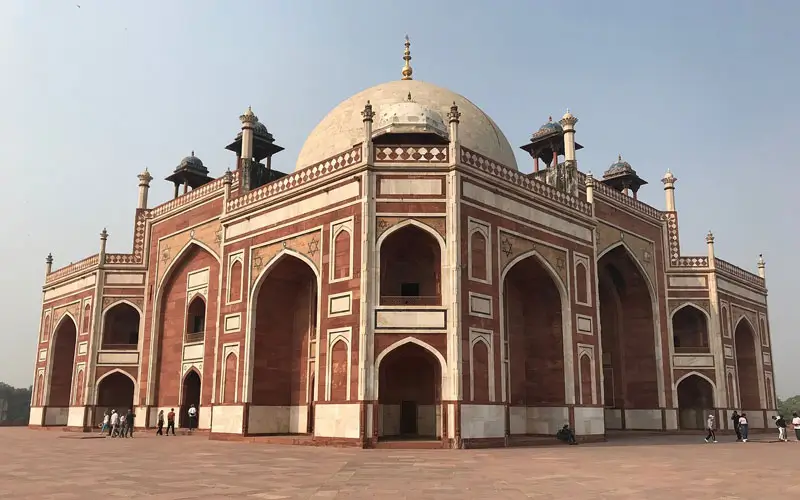
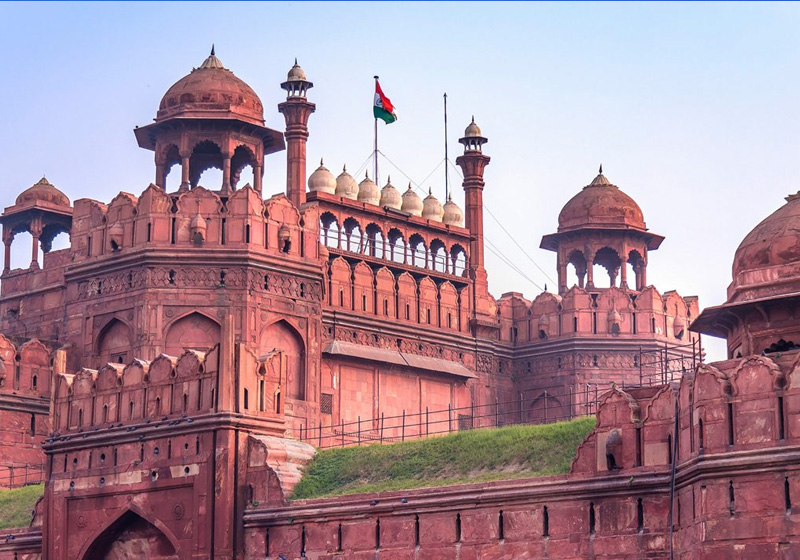
India’s capital is not a single city; it’s many centuries stitched together. Old Delhi still hums with rickshaw bells, spice markets, and the scent of freshly baked naan. New Delhi, by contrast, is calm and colonial, lined with gardens and wide boulevards.
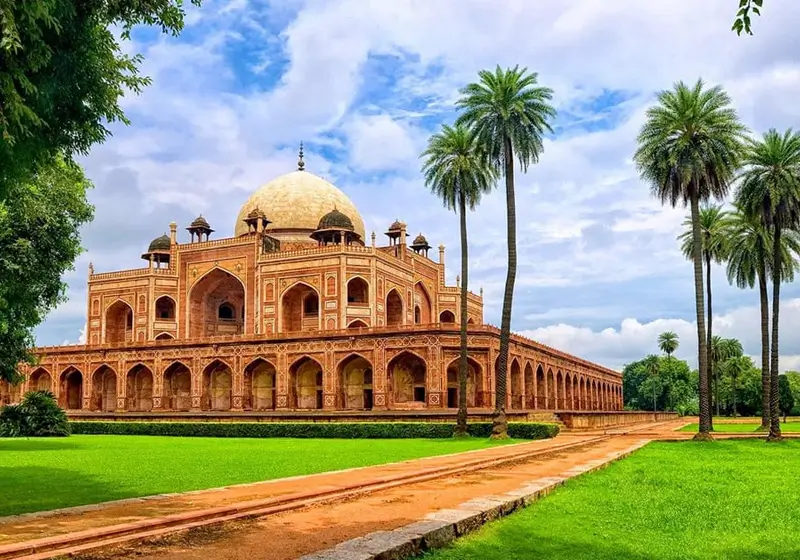
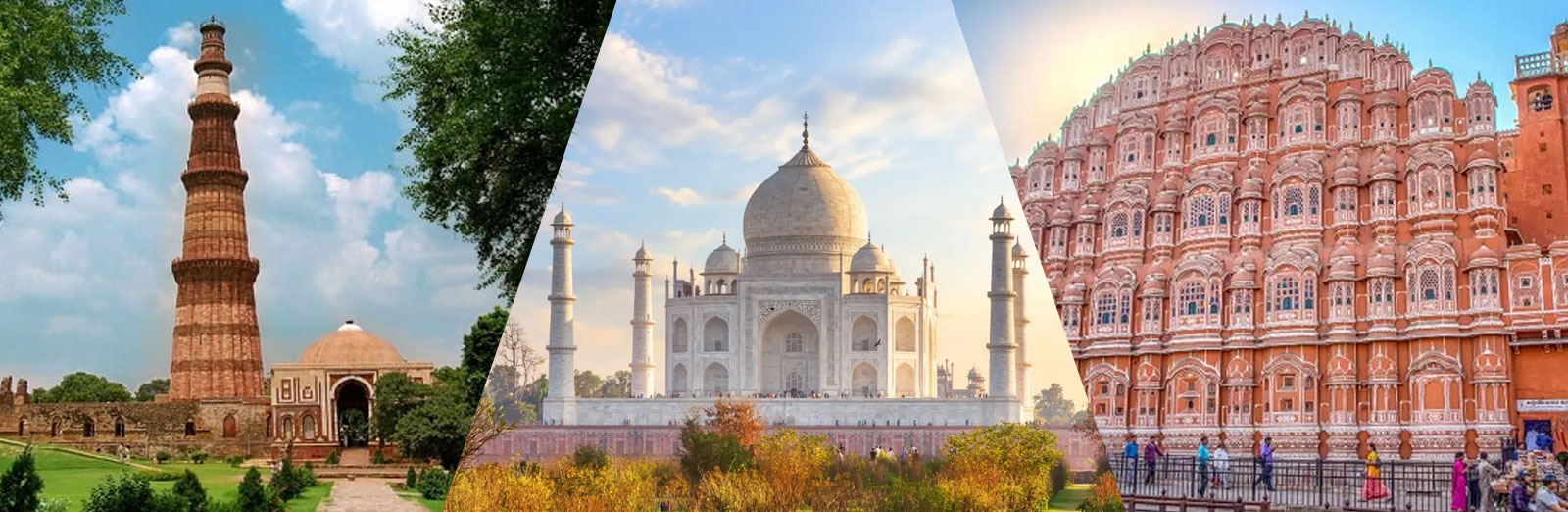
A walk through Humayun’s Tomb or the Qutub Minar gives a glimpse of medieval craftsmanship, while India Gate and Rashtrapati Bhavan represent the British era. In narrow lanes around Chandni Chowk, you’ll find temples, mosques, and hidden havelis that have stood for 300 years.
With a private car and driver, visitors can glide effortlessly between eras — from Mughal grandeur to modern museums, from bustling bazaars to quiet coffee houses. Delhi sets the tone for the journey ahead: complex, colorful, and endlessly fascinating.
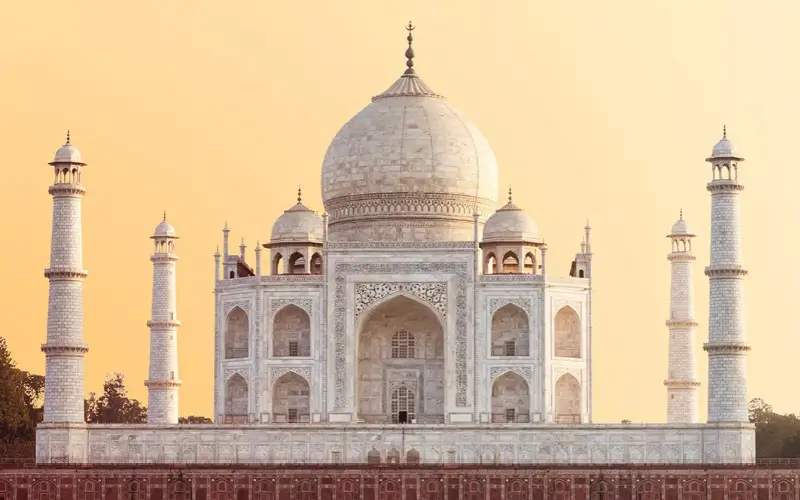
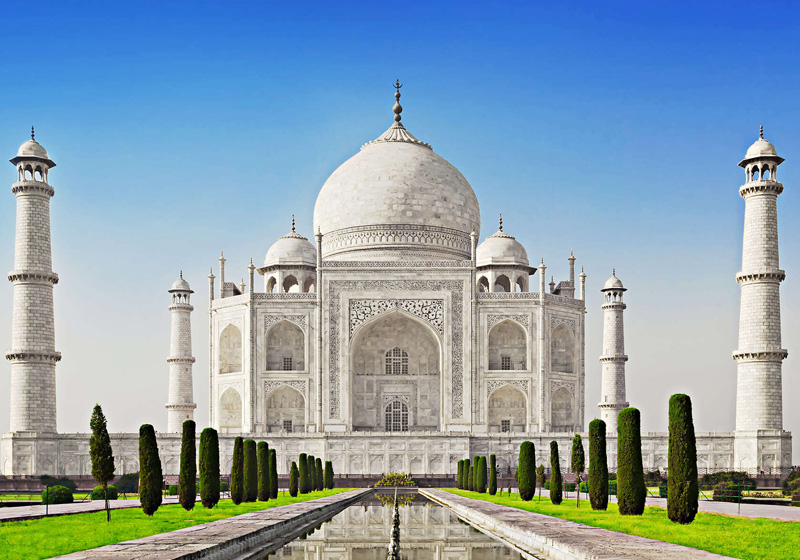
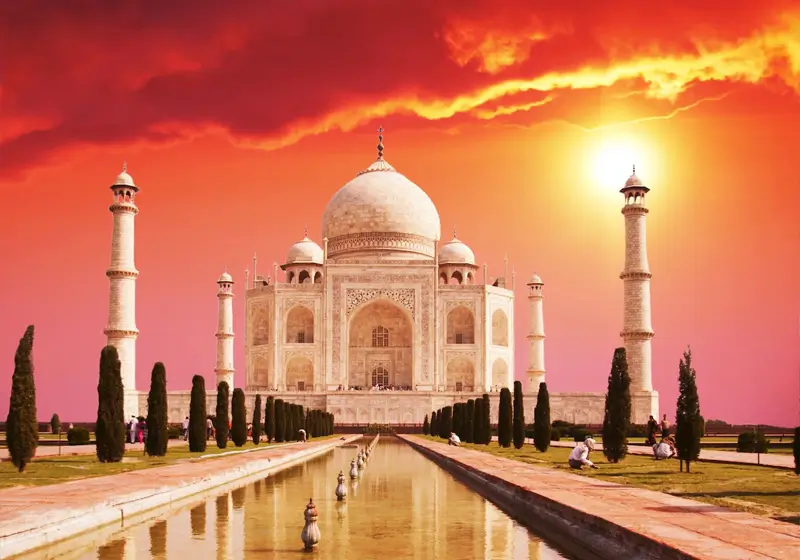
No first trip to India is complete without the Taj Mahal, and no moment equals seeing it at sunrise. The soft pink light reflecting off white marble makes time stand still.
Beyond the Taj, Agra Fort tells stories of emperors and conquests, while Mehtab Bagh across the Yamuna River offers a peaceful view of the monument’s reflection at dusk. Nearby Fatehpur Sikri, once a Mughal capital, stands beautifully preserved — empty yet alive with echoes of the past.
Travelling by car between Delhi and Agra ensures flexibility to pause at roadside dhabas or local craft workshops where artisans still inlay marble with semi-precious stones using centuries-old techniques.
Agra’s beauty lies not just in its monuments, but in its soul — a place where devotion became architecture.
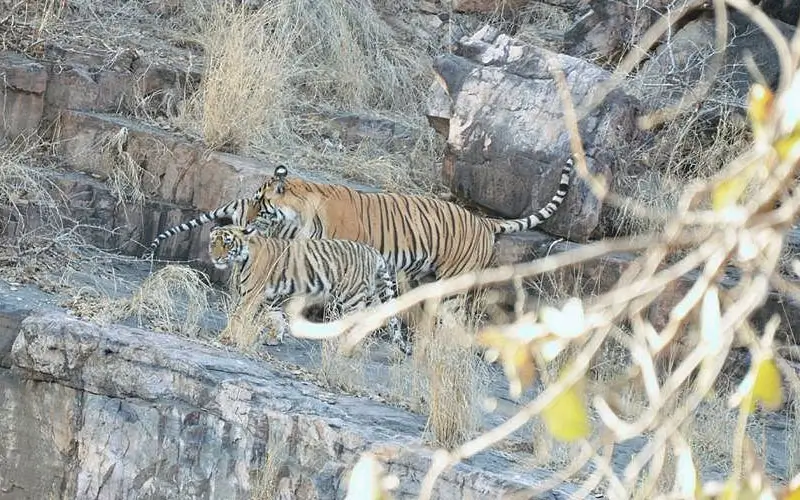
Between Agra and Jaipur lies Ranthambore, once the hunting ground of Jaipur’s royal family and now one of India’s most celebrated wildlife reserves. It’s where history and wilderness coexist — crumbling forts rise above lakes where crocodiles bask, and peacocks dance in palace ruins reclaimed by the forest.
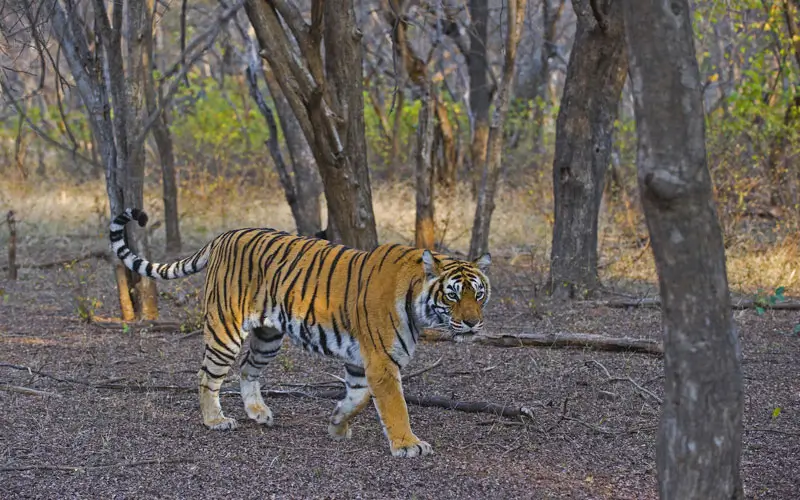
The park is home to more than 70 tigers, making it one of the best places in the world for tiger sightings. Beyond the big cats, travellers can spot leopards, sloth bears, sambars, and over 300 species of birds.
Early morning safaris begin before sunrise, when the jungle stirs awake. The golden light filters through trees, and the thrill of hearing a tiger’s distant call can make even seasoned travellers hold their breath.
Staying in boutique wildlife lodges like Aman-i-Khás, Sawai Vilas, or The Tigress Spa Resort combines luxury with authenticity. Evenings bring quiet dinners under lanterns, with sounds of the forest as background music.
Ranthambore adds depth to the Golden Triangle — turning sightseeing into an emotional journey through India’s untamed heart.
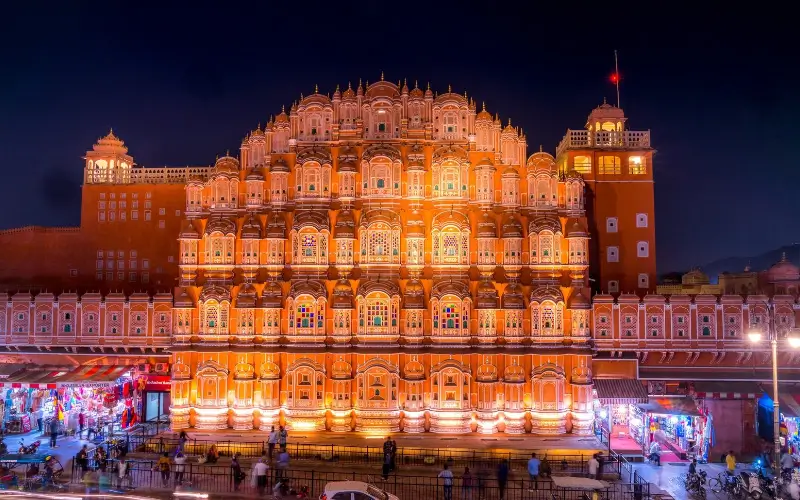
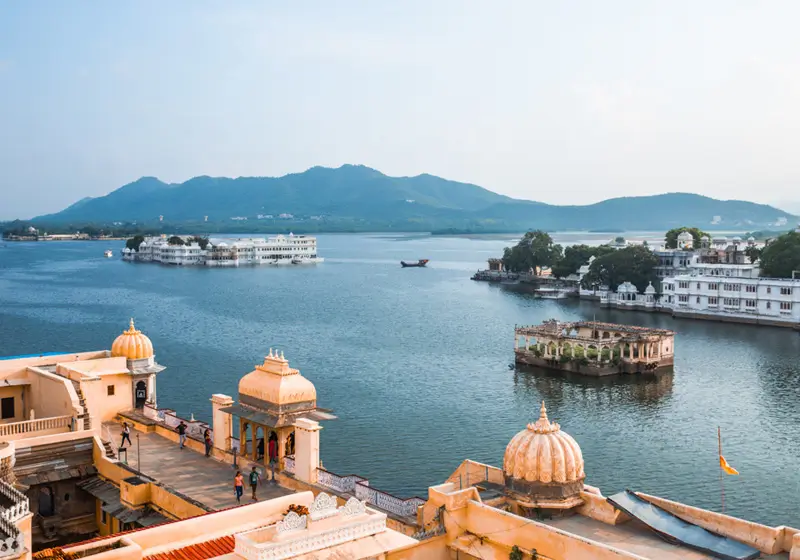
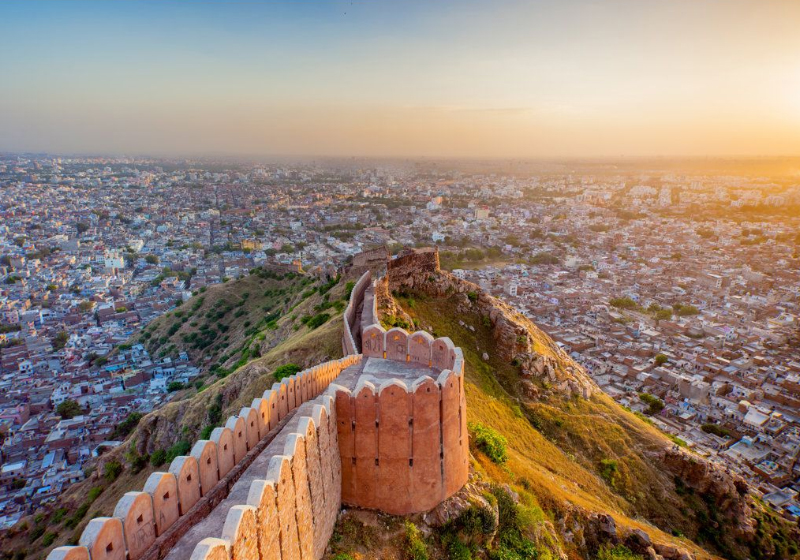
The Pink City of Jaipur completes the triangle with its flamboyant charm and regal energy. Built by Maharaja Sawai Jai Singh II in 1727, it remains one of India’s most visually striking cities.
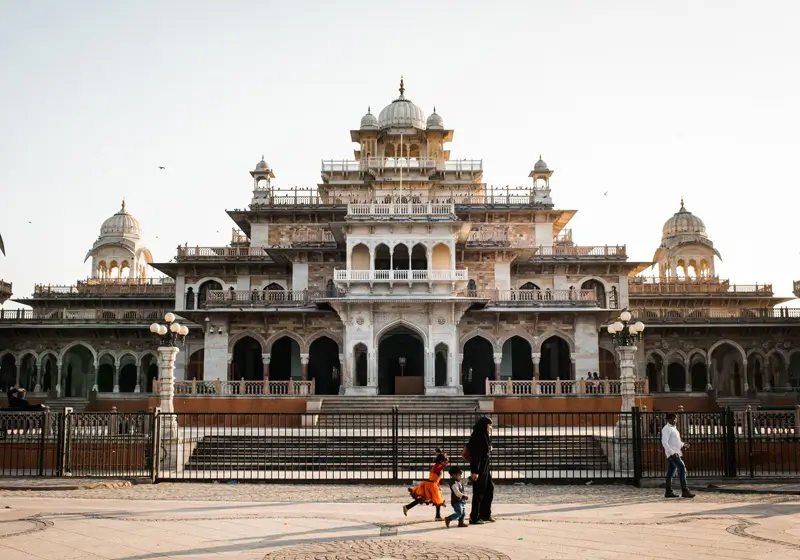
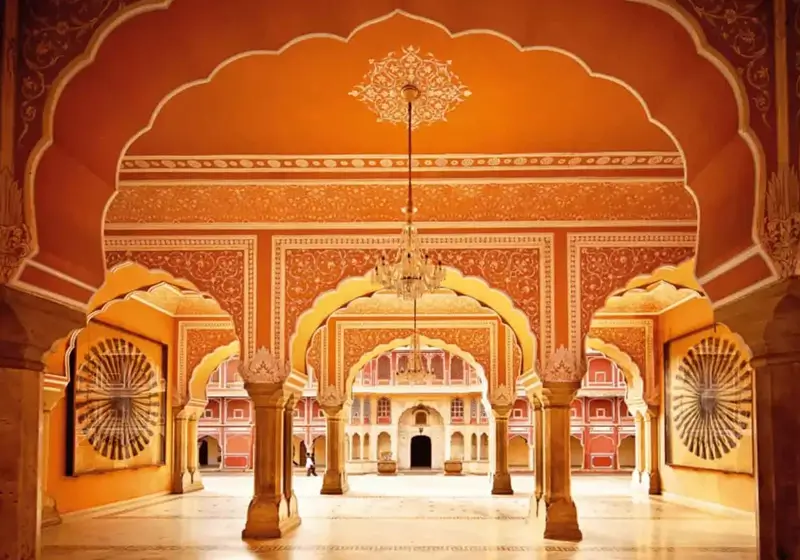
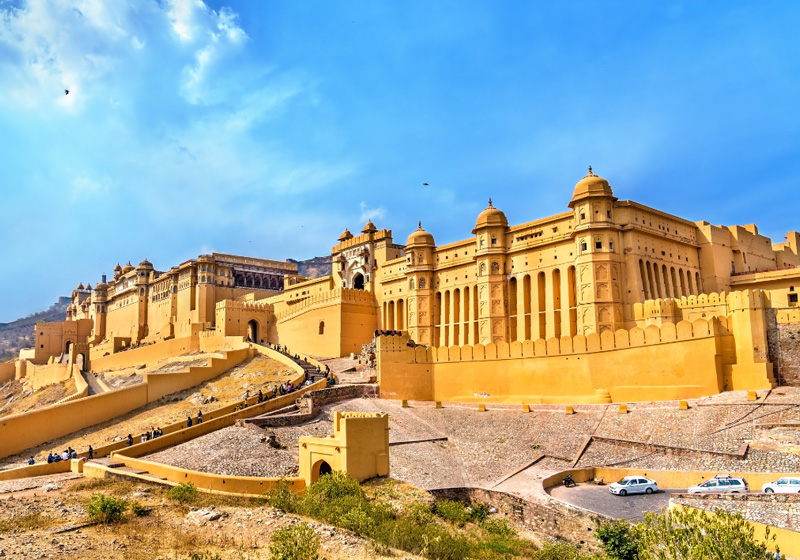
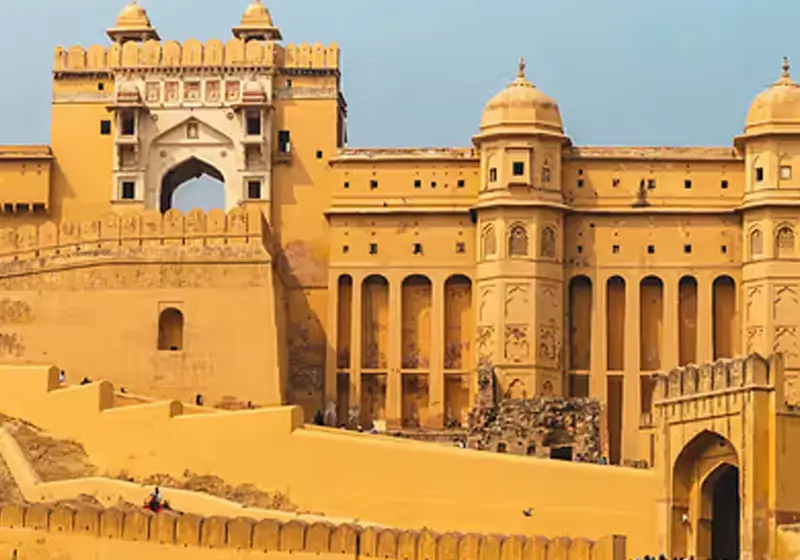
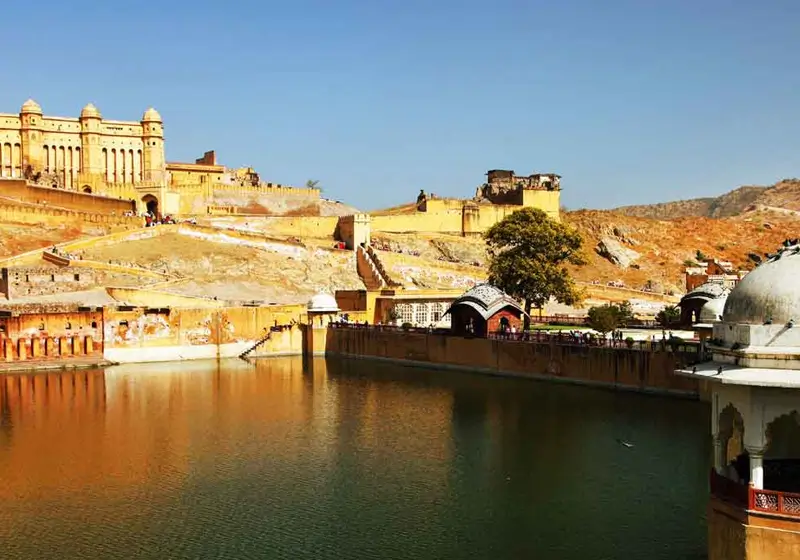
The massive Amber Fort looms over Maota Lake, its courtyards filled with mirror mosaics and marble inlay. In the city centre, the City Palace still houses royal descendants, while the Hawa Mahal’s lattice windows glow like honeycomb in the morning sun.
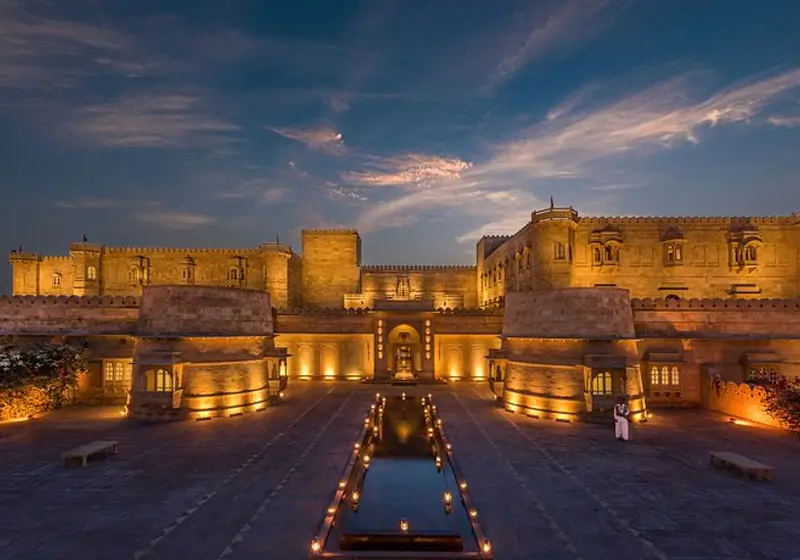
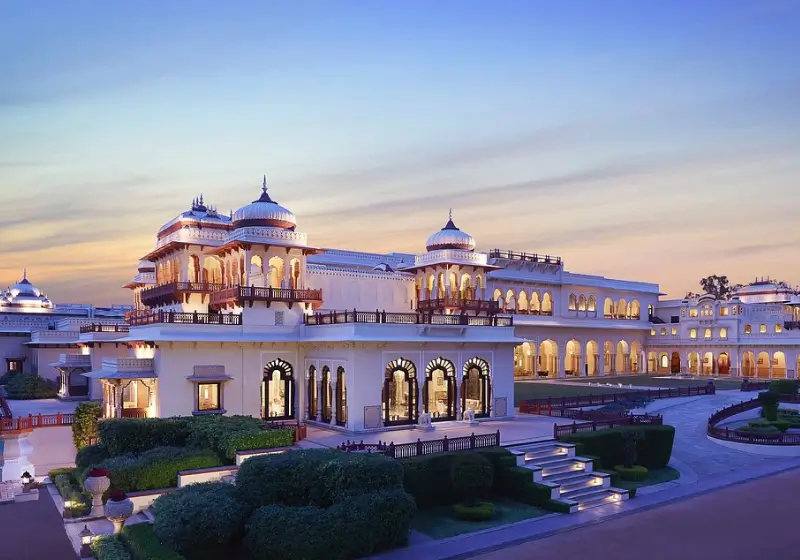
Markets overflow with textiles, gemstones, and handcrafted souvenirs. Travellers staying at heritage properties such as Samode Haveli or Rajmahal Palace can live the grandeur once reserved for kings.
Jaipur is where Rajasthan’s royal past feels most alive — vivid, generous, and welcoming.
The Golden Triangle isn’t just about geography; it’s about narrative. It links India’s three most influential dynasties — the Mughals of Delhi and Agra, and the Rajputs of Jaipur — into a coherent story of art, faith, and power.
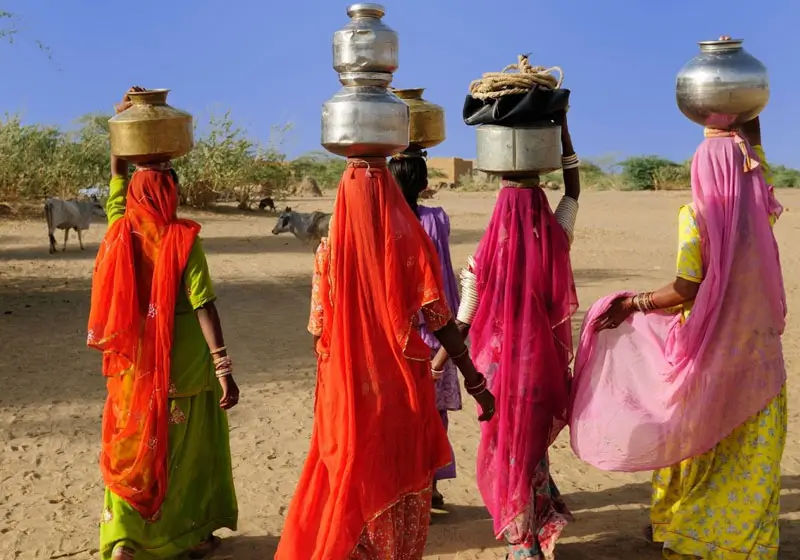
Adding Ranthambore between Agra and Jaipur introduces balance. After two cities filled with monuments, the wild offers silence and reflection. The road from Agra to Ranthambore passes through small Rajasthani villages, revealing rural India untouched by time — women in bright saris fetching water, farmers ploughing mustard fields, and schoolchildren waving at travellers passing by.
Each leg of the trip reveals a new mood. Delhi is dynamic, Agra is poetic, Ranthambore is raw, and Jaipur is regal. Together they show every face of India — human, natural, and divine.
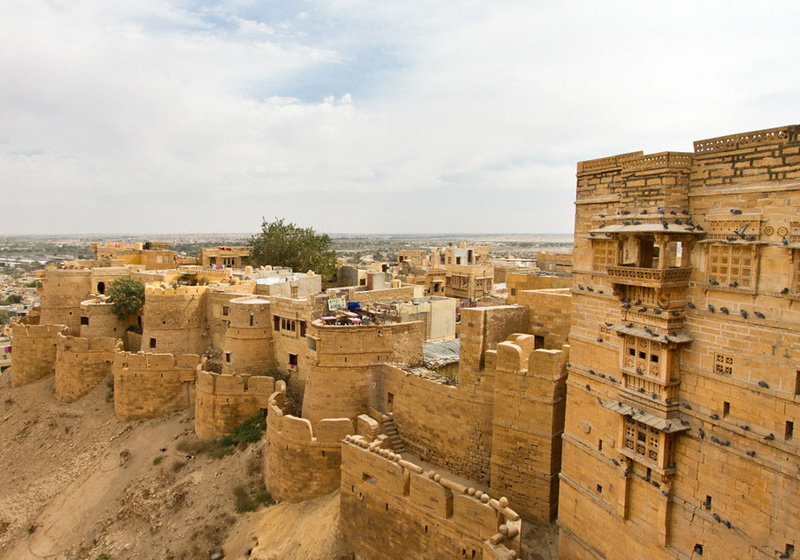
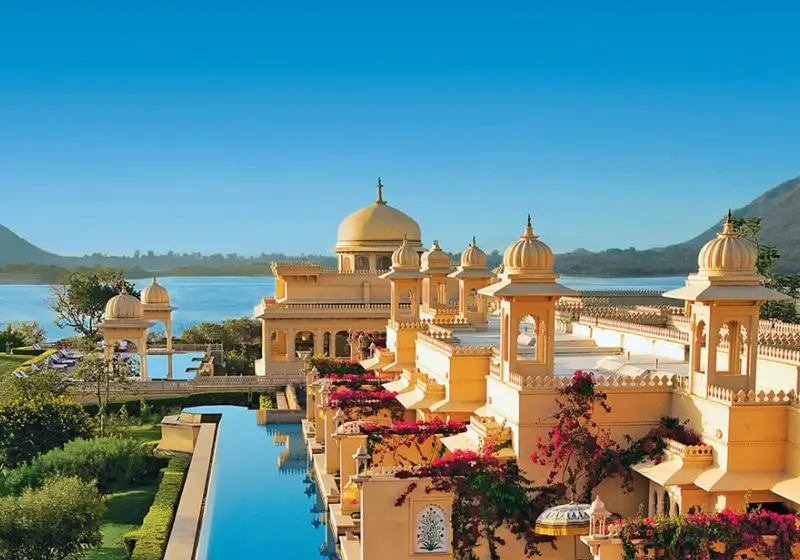
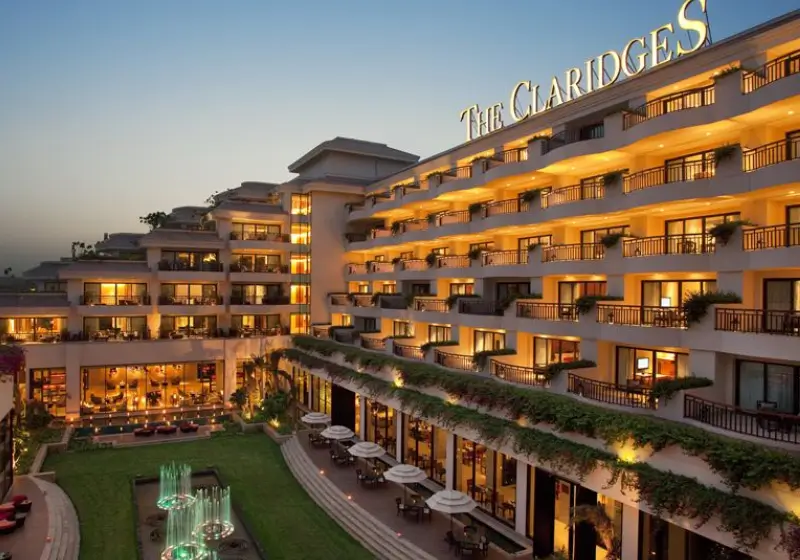
The Golden Triangle offers some of India’s finest accommodation options, ranging from palace hotels to intimate boutique stays.
Each property blends heritage architecture with modern comfort. Many employ local artisans and chefs, preserving the art and cuisine of their regions.
After long sightseeing days or morning safaris, returning to these sanctuaries feels like stepping into calm — where service feels genuine, not mechanical.
The ideal period for a Golden Triangle with Wildlife tour is October to March. The weather is pleasant for outdoor sightseeing and safaris.
In winter, Ranthambore’s vegetation thins out, increasing chances of spotting tigers. Mornings are crisp and clear; evenings cool enough for firelit dinners.
Summer (April to June) offers higher wildlife visibility but can be extremely hot, especially in Rajasthan. Monsoon (July to September) brings lush greenery and fewer crowds — great for photographers.
A trip through the Golden Triangle isn’t only about famous monuments. The real magic hides in details — small encounters and local experiences that reveal India’s heart.
Spend an evening with a family in Jaipur, learning how to cook Rajasthani dishes. Visit Bagru village to see artisans block-printing fabrics by hand. Stop at roadside stalls for freshly fried pakoras and chai.
In Ranthambore, take a guided village walk where locals share tales of living beside tigers. In Agra, meet marble inlay craftsmen preserving Mughal artistry. In Delhi, walk through Old Delhi’s spice lanes with a local storyteller.
Every moment deepens connection — not as a tourist, but as a guest in a land that thrives on hospitality.
With preparation and patience, even the busiest travel days feel smooth when you have a private driver and trusted local support.
Travellers with a few extra days can extend this circuit for a more layered experience.
These additions transform the Golden Triangle into a wider tapestry of India — combining royal history with sacred rhythm and coastal calm.
Responsible travel is essential in regions like Rajasthan and Ranthambore. Supporting local guides, buying directly from artisans, and choosing eco-conscious lodges ensures tourism uplifts communities rather than overwhelms them.
Avoid plastic bottles where filtered water is available, respect wildlife boundaries, and engage respectfully with villagers. The most memorable experiences often come from genuine connections — not from ticking off attractions.
What makes the Golden Triangle with Wildlife so timeless is balance. It allows travellers to move between two Indias — the regal and the raw — without ever feeling rushed.
One day you marvel at the Taj Mahal’s symmetry; the next morning you watch a tiger pad silently through misty grass. One evening you dine by candlelight in a palace courtyard; the next you sit around a campfire under a billion stars.
It’s luxury and wilderness, culture and calm — all within a week’s journey. Few itineraries in the world offer such emotional range.
For first-time visitors, it’s India condensed perfectly: grandeur softened by nature, adventure framed by grace.
Around 8 to 10 days offer a balanced pace between cities and safaris.
Two safaris run daily — early morning (6:00 AM) and afternoon (3:00 PM).
Not guaranteed, but chances are high, especially in winter and summer months.
Yes. All four destinations are well connected by highways suitable for private cars.
Shared open jeeps (Gypsies) or larger canters with naturalist guides.
Yes, children often enjoy the wildlife and fort visits equally.
Absolutely — Indian and continental menus cater to all dietary preferences.
Yes, most hotel staff, guides, and drivers communicate comfortably in English.
Yes, it can be extended or shortened with destinations like Udaipur or Pushkar.
It ensures comfort, safety, and complete flexibility to explore at your own rhythm.
Fill in the details below. Our expert consultant will respond within 4 hours with a bespoke itinerary crafted just for you — completely free, no obligation.