Itinerary ideas, cultural insights, luxury tips and practical planning guides for every India traveller.
The Golden Triangle Tour in India is one of the most famous travel circuits for international visitors. It connects three iconic cities—Delhi, Agra, and Jaipur—forming a triangle on the map of northern India. Travelers who want to experience India’s history, culture, architecture, and royal heritage often begin their journey with this classic route.
Most travel itineraries follow the traditional order: Delhi - Agra - Jaipur - Delhi. This route is widely used because Delhi is the main international gateway to India, and Agra lies conveniently between Delhi and Jaipur. However, many travelers wonder whether it is possible to complete the journey in a different sequence.
The answer is yes. A reverse Golden Triangle tour is entirely possible, and in some cases it can even improve the travel experience depending on arrival schedules, travel style, and personal preferences. Instead of the traditional order, travelers may follow a route such as Delhi - Jaipur - Agra - Delhi or even begin their journey in Agra.
Understanding the differences between these routes helps travelers plan a smoother and more enjoyable journey across India’s most famous tourist circuit.
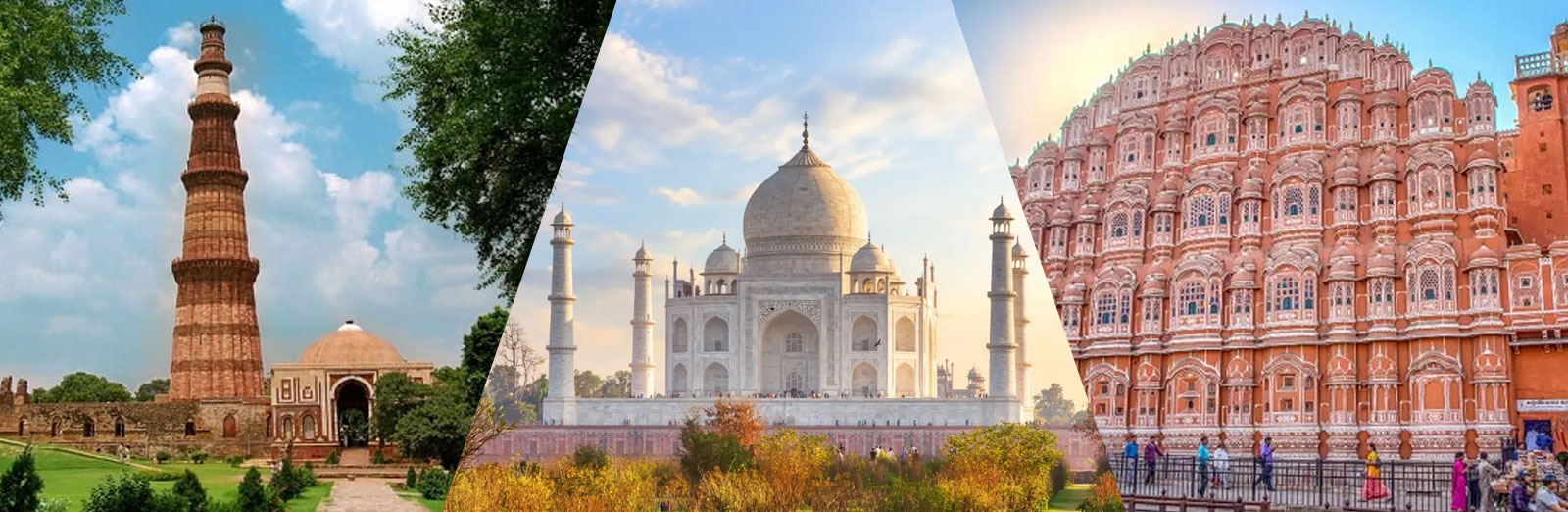
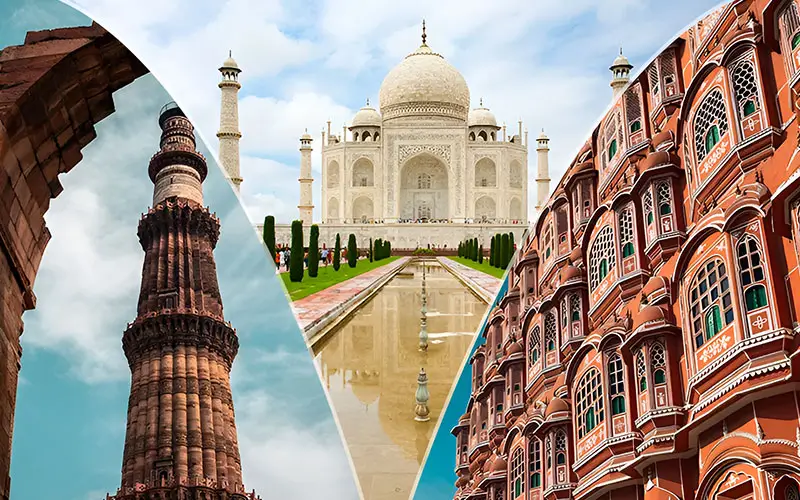
The Golden Triangle travel circuit forms a triangular shape connecting Delhi, Agra, and Jaipur. Each city represents a different chapter of Indian history.
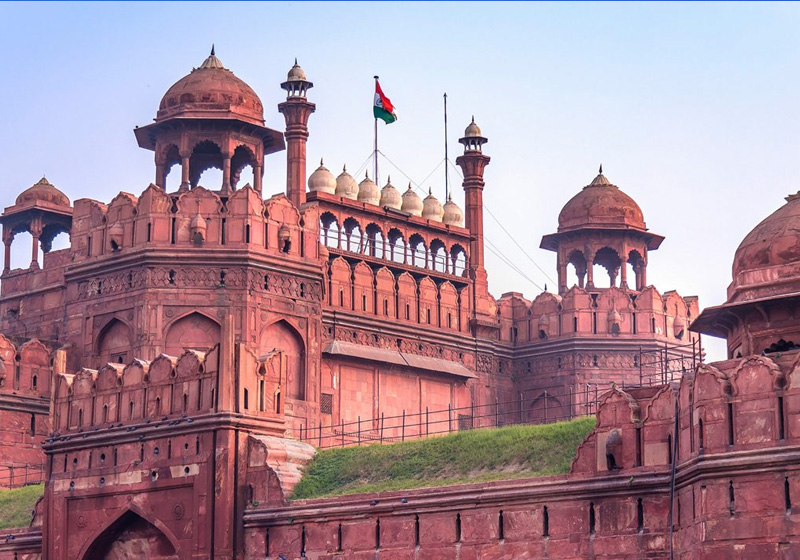
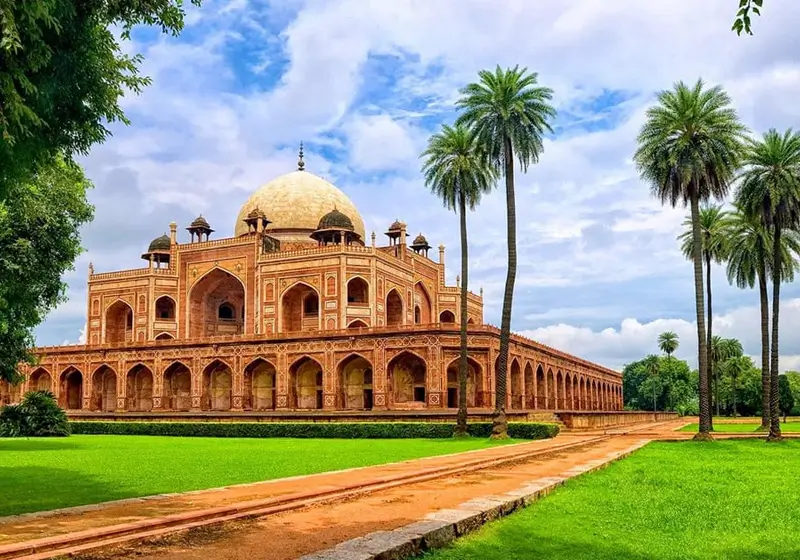
Delhi serves as the capital of modern India while also preserving layers of ancient and medieval history. Monuments such as the Red Fort, Qutub Minar, and Humayun’s Tomb reflect the city’s long historical legacy.
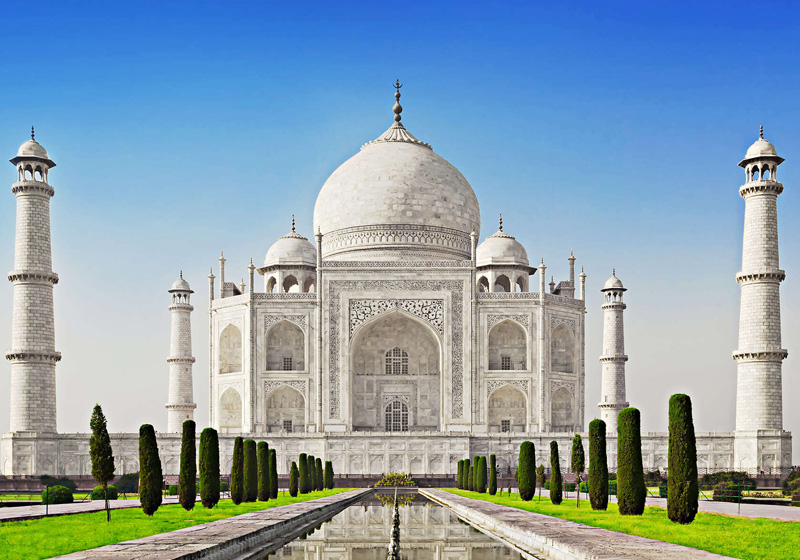
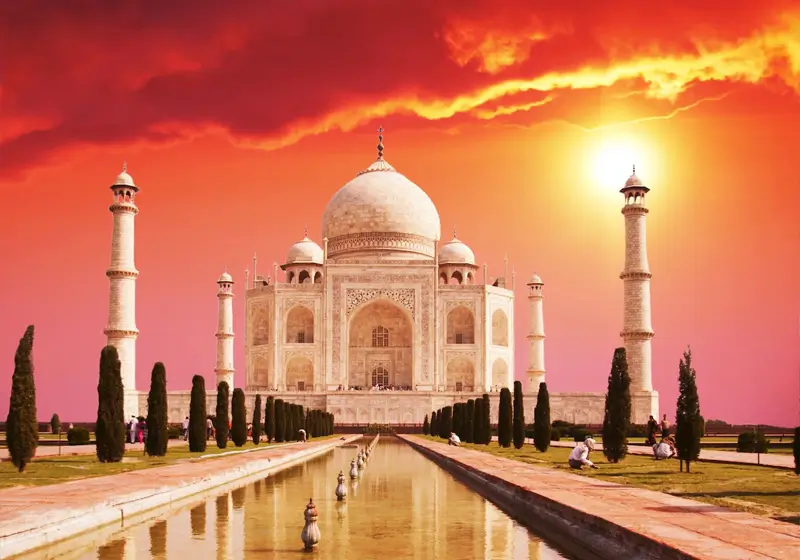
Agra is famous for the Taj Mahal, one of the most recognizable monuments in the world. Built by the Mughal emperor Shah Jahan, the Taj Mahal represents the architectural brilliance of the Mughal era.
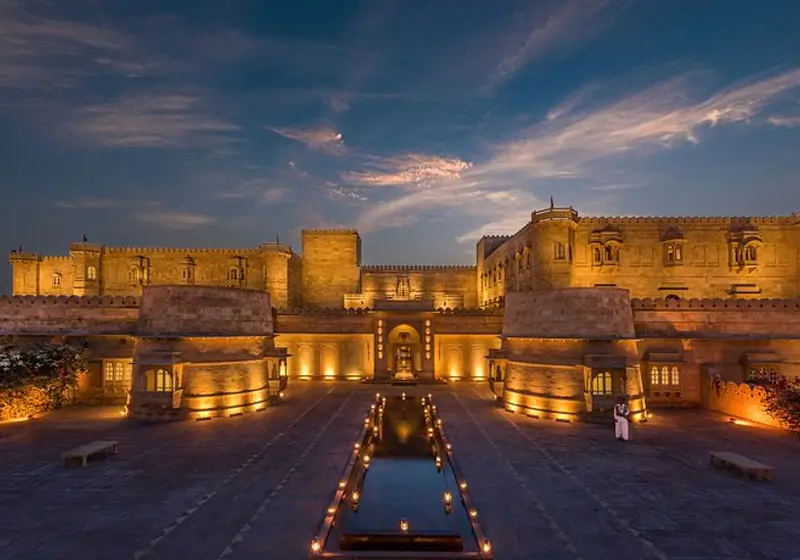
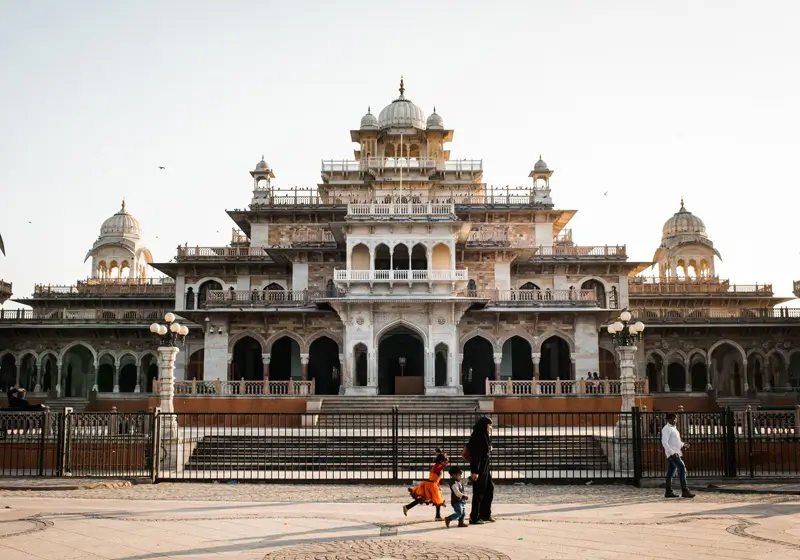
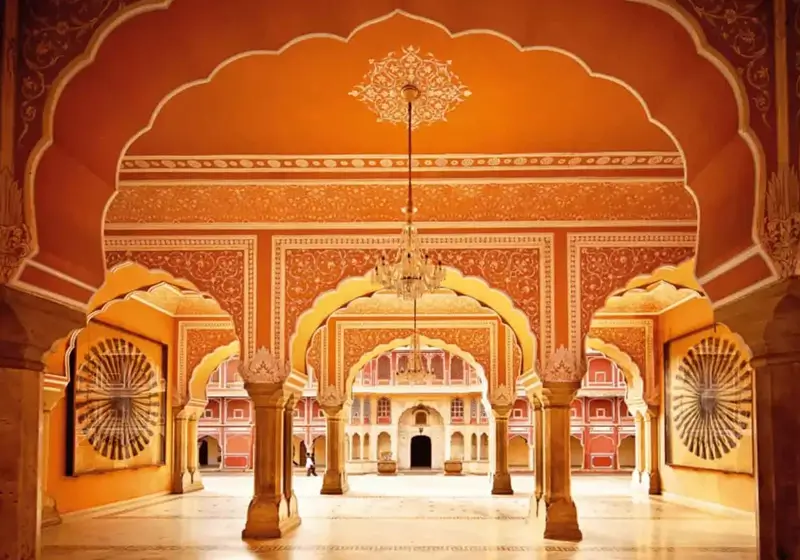
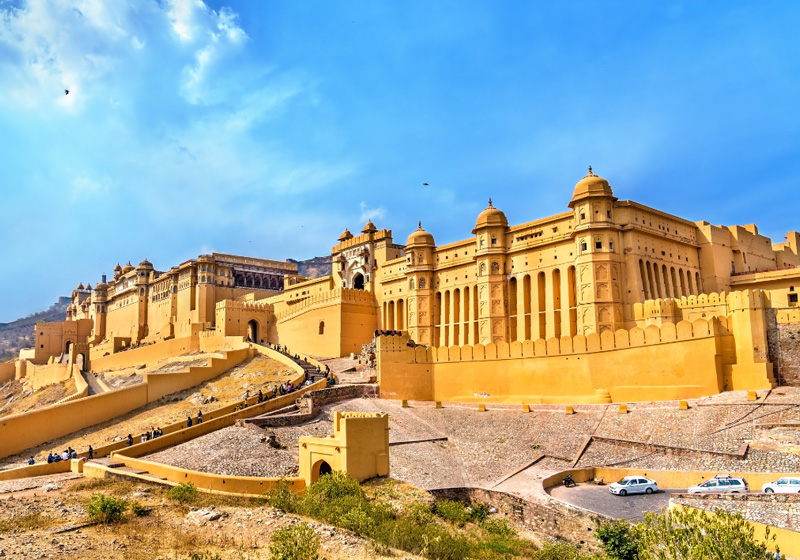
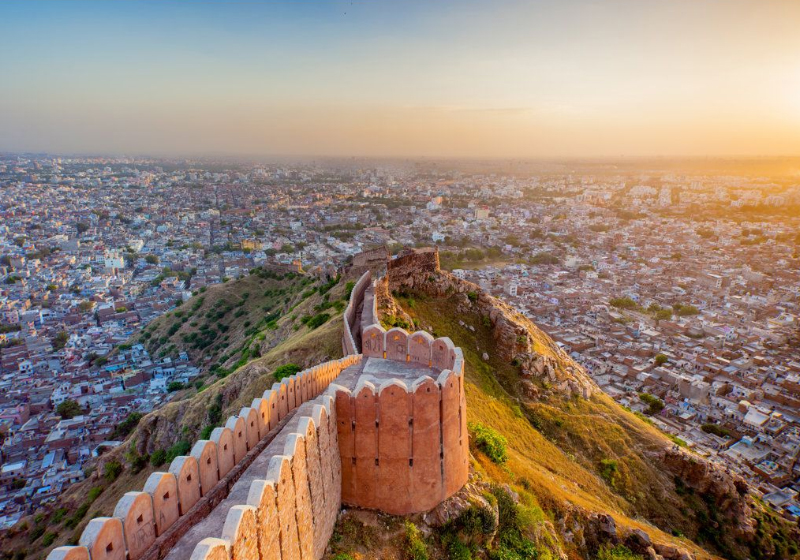
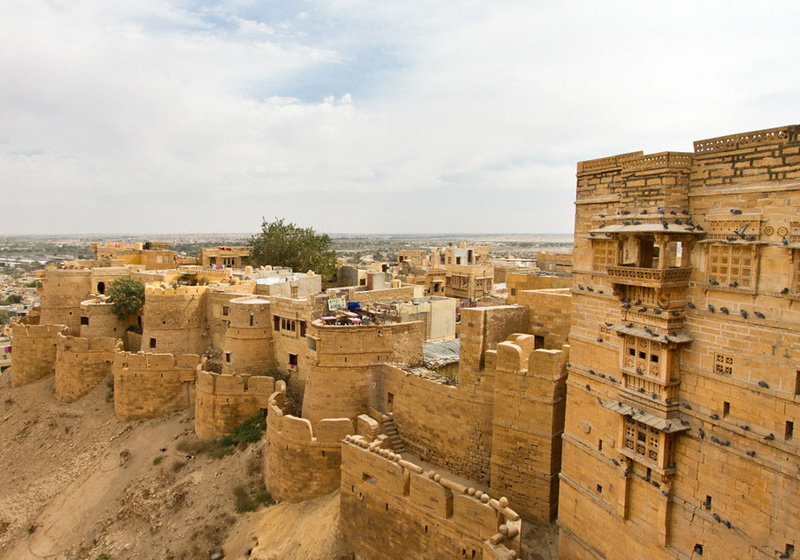
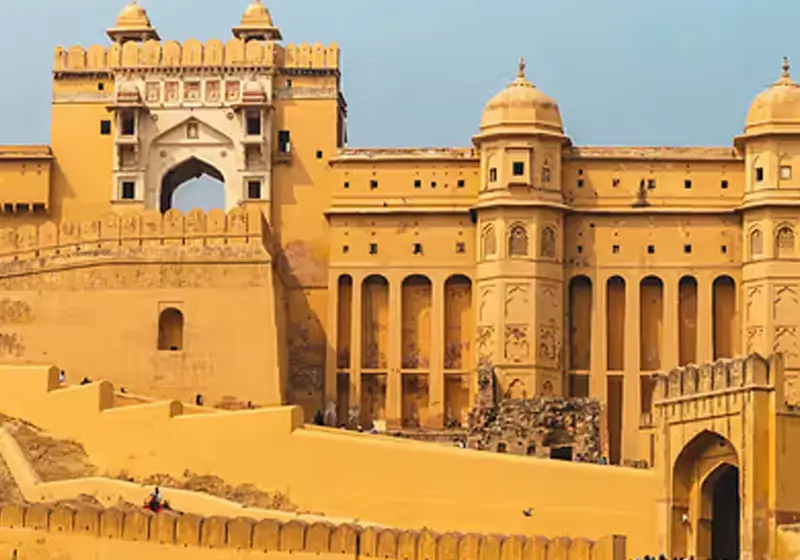
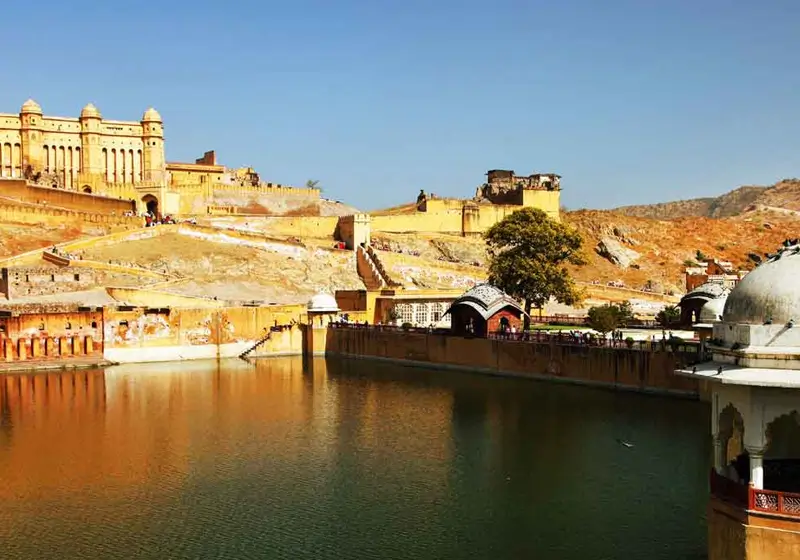
Jaipur, often called the Pink City, showcases the royal heritage of Rajasthan. Forts such as Amer Fort, Nahargarh Fort, and palaces like the City Palace highlight the grandeur of Rajput architecture.
Because these three cities are located within relatively short distances of each other, the route has become the most popular introduction to India for first-time visitors.
Experience Delhi, Jaipur, and Agra in reverse order for a fresh perspective. Avoid crowds, enjoy better pacing, and make your journey through India’s most iconic destinations truly unforgettable.
Chat On WhatsApp Contact UsMost travelers follow the classic route: Delhi - Agra - Jaipur. This order works well because Delhi is usually the arrival point for international flights.
After spending time exploring Delhi’s historic monuments and bustling markets, travelers continue to Agra to visit the Taj Mahal and Agra Fort. From Agra, the journey continues to Jaipur, where visitors experience Rajasthan’s royal heritage and colorful culture.
This sequence allows travelers to gradually move from the capital city to Mughal architecture and finally to the royal landscapes of Rajasthan.
The traditional route also works efficiently for transportation because highways connecting these cities are well developed.
While the traditional route is common, many travelers now consider the reverse Golden Triangle tour route: Delhi - Jaipur - Agra.
In this version of the journey, travelers begin with Jaipur after arriving in Delhi. This route offers a slightly different rhythm to the travel experience.
Starting with Jaipur introduces visitors to Rajasthan’s royal culture early in the trip. Travelers explore magnificent forts, colorful bazaars, and traditional architecture before moving on to Agra.
The journey then concludes with a visit to the Taj Mahal, which many travelers consider the highlight of their trip. Ending the tour with such an iconic monument often leaves a lasting impression.
For many visitors, this sequence feels like building toward a memorable finale.
Starting the Golden Triangle itinerary with Jaipur offers several advantages. After arriving in Delhi, travelers often prefer to leave the busy capital city and move directly into a calmer destination.
Jaipur offers a slower pace compared to Delhi, allowing visitors to ease into their journey through India. The city’s wide streets, historic forts, and cultural experiences create a welcoming introduction to the country.
Another advantage of beginning in Jaipur is that the journey gradually moves closer to Delhi again, making it convenient for international departures.
Travelers also enjoy ending their journey with a sunrise visit to the Taj Mahal in Agra, which many consider the most magical moment of the entire trip.
One reason many travelers prefer the reverse route is the opportunity to finish the tour at the Taj Mahal in Agra. Visiting the monument toward the end of the trip allows travelers to fully appreciate its beauty after already experiencing India’s diverse culture and architecture.
The Taj Mahal often feels even more extraordinary when it is the culmination of a journey through historic cities and royal palaces.
Ending the tour in Agra also makes it easy to return to Delhi within a few hours, especially with modern expressways connecting the two cities.
For many visitors, concluding their trip with the Taj Mahal creates a memorable finale.
Travel between Delhi, Agra, and Jaipur has become easier over the years thanks to improved highways and expressways. The Delhi–Agra Yamuna Expressway allows travelers to reach Agra quickly from the capital.
Similarly, highways connecting Jaipur and Agra make road journeys smooth and comfortable.
Many international visitors prefer traveling by private car and driver in India, which allows flexibility to stop at historic sites along the way. Destinations such as Fatehpur Sikri and Abhaneri Stepwell can be easily included during the journey.
Private road travel also allows visitors to experience rural landscapes and small towns between the major cities.
Both the traditional and reverse routes offer excellent travel experiences. The choice depends largely on personal preference and travel schedules.
Travelers who want to follow the classic historical sequence often choose the traditional route beginning in Delhi and moving toward Agra and Jaipur.
Those who prefer ending their journey with the Taj Mahal may choose the reverse route starting with Jaipur.
Travel advisors and tour operators often customize itineraries based on arrival times, hotel bookings, and traveler interests.
Because distances between the cities are relatively short, either route can be planned comfortably.
Discover India’s iconic cities with a customized travel plan that suits your pace. Whether you choose a classic route or a unique reverse itinerary, we ensure a smooth, comfortable, and unforgettable experience from start to finish.
Chat On WhatsApp Contact UsOne of the reasons the Golden Triangle tour in India remains so popular is its flexibility. Travelers can customize their itineraries in many ways.
Some visitors add wildlife safaris in Ranthambore National Park, while others extend the journey to destinations such as Udaipur or Varanasi.
The route can also be adjusted depending on travel preferences, hotel locations, or transportation choices.
This flexibility makes the Golden Triangle suitable for both first-time visitors and experienced travelers exploring India again.
Planning a successful journey across Delhi, Agra, and Jaipur requires thoughtful timing and itinerary design. Travelers should consider factors such as travel duration, sightseeing priorities, and preferred pace of travel.
Whether following the traditional route or the reverse sequence, the Golden Triangle offers a remarkable introduction to India’s history, architecture, and cultural diversity.
Each city reveals a different aspect of the country’s heritage, from Mughal monuments to Rajput palaces and bustling urban life.
Choosing the route that best fits your travel style ensures that the journey remains comfortable and memorable.
Yes, travelers can easily follow Delhi–Jaipur–Agra instead of the traditional route.
Delhi–Agra–Jaipur is the most common sequence.
Many prefer ending their journey with the Taj Mahal.
No, the distances remain the same regardless of direction.
Yes, though most travelers arrive in Delhi first.
Yes, many visitors explore the Golden Triangle by private car and driver.
Most travelers spend 5 to 7 days on the route.
Yes, travelers often include Ranthambore or Udaipur.
Yes, both routes work well for first-time travelers.
No, both routes include the same major attractions.
Fill in the details below. Our expert consultant will respond within 4 hours with a bespoke itinerary crafted just for you — completely free, no obligation.