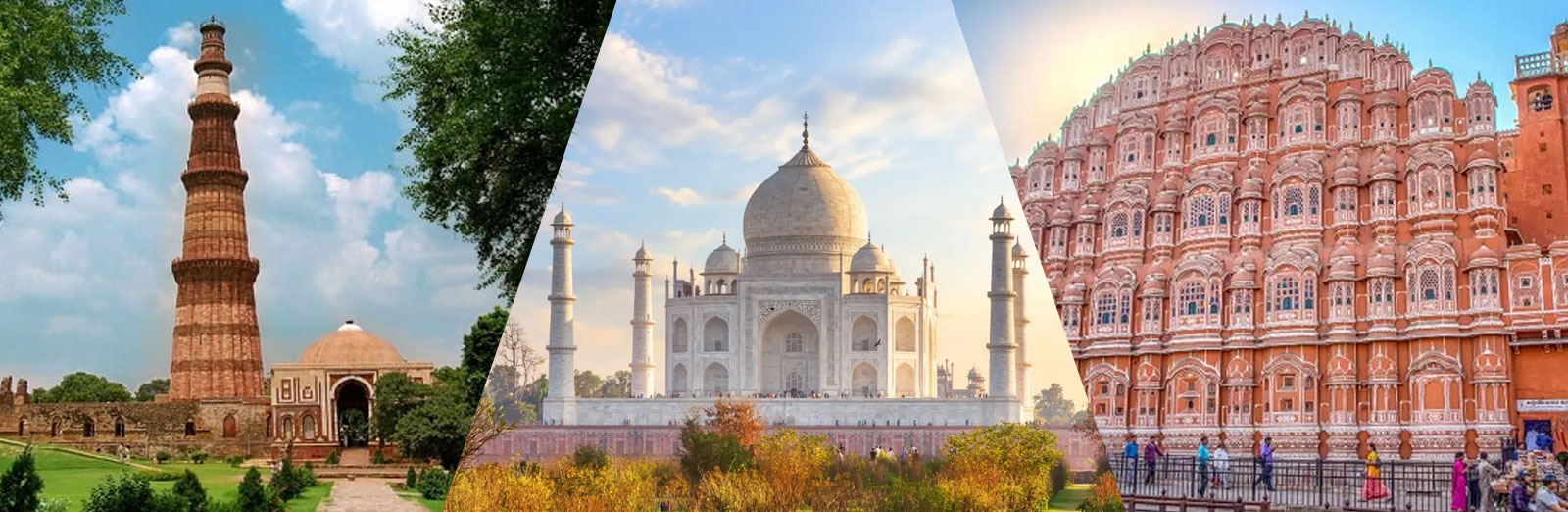
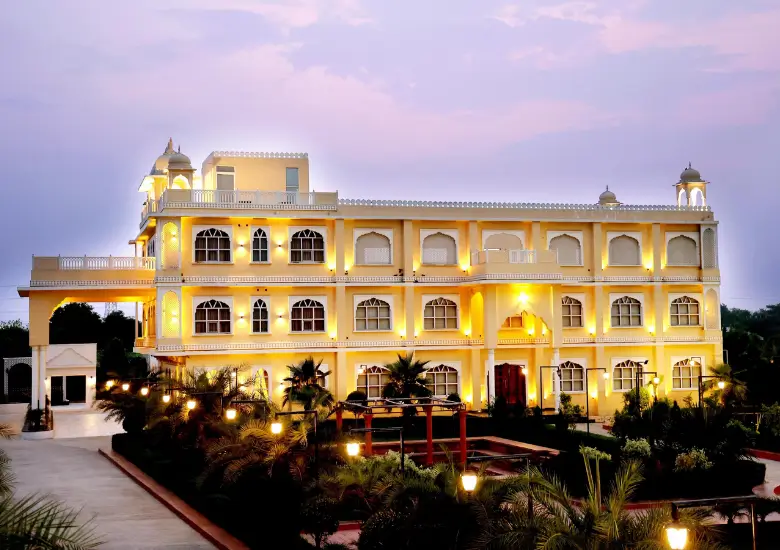
A Golden Triangle Tour is the most popular travel circuit in India, connecting the country's three iconic cities—Delhi, Agra, and Jaipur. Whether you are visiting India for the first time or returning to experience its rich heritage again, this route offers the perfect balance of history, architecture, local culture, authentic cuisine, and comfortable road travel. Every destination introduces a different side of India, making the journey suitable for couples, families, solo travelers, photographers, and senior tourists alike.
Traveling during January is particularly comfortable because the weather is pleasant for sightseeing. Unlike the extreme summer heat, visitors can spend several hours exploring monuments without feeling exhausted. Morning temperatures generally range between 8°C and 14°C, while afternoon temperatures remain around 20°C to 25°C, creating excellent conditions for walking tours, photography, and outdoor activities. A light jacket is recommended for early morning visits, especially if you plan to witness the sunrise at the Taj Mahal.
One of the biggest advantages of choosing a professionally organized Private Golden Triangle Tour is convenience. Instead of worrying about hotel reservations, intercity transportation, monument tickets, and local navigation, travelers can simply enjoy the experience while an experienced driver and tour coordinator handle the logistics. This is especially valuable for international visitors who want a smooth and stress-free holiday.
Most travelers choose either a 5 Days Golden Triangle Tour, a 6 Days Golden Triangle Tour, or a 7 Days Golden Triangle Tour. A five-day itinerary covers all major attractions, while six or seven days allow additional time for shopping, cultural performances, local cuisine, and relaxed sightseeing without rushing between cities.
Every traveler has different expectations, which is why Golden Triangle Tour Packages are available in several categories. The most economical option is the budget private tour, offering comfortable three-star hotels, private air-conditioned transportation, daily breakfast, and guided sightseeing. These packages generally start from approximately USD 280–450 per person, depending on hotel selection, travel dates, and group size.
Travelers looking for a higher level of comfort often choose deluxe packages featuring four-star hotels, upgraded rooms, better dining options, and premium vehicles. These tours generally range between USD 500–800 per person and are ideal for couples or families seeking additional comfort without entering the luxury category.
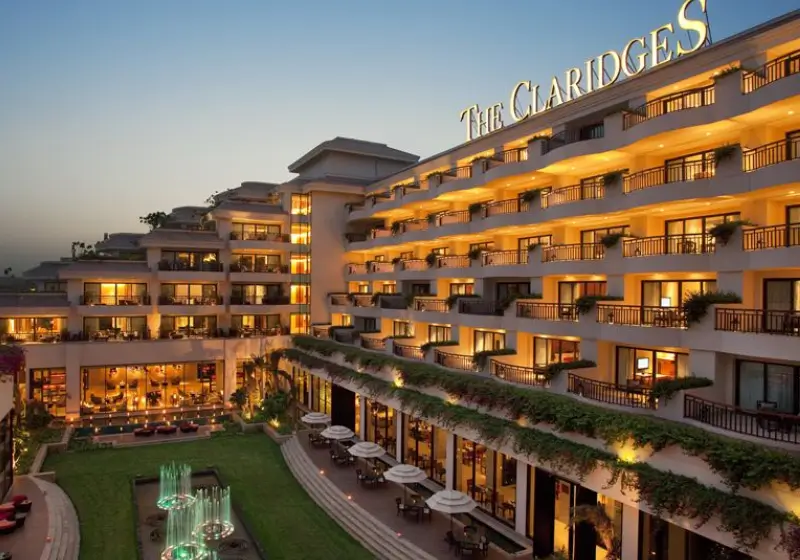
Luxury travelers can select premium Golden Triangle India Tour Packages that include five-star hotels, heritage palaces, luxury SUVs or premium sedans, dedicated tour managers, flexible sightseeing schedules, airport assistance, and personalized services. These itineraries commonly begin around USD 900 per person and can exceed USD 1,800 per person, depending upon hotel brands and exclusive experiences included in the package.
For honeymoon couples, many operators offer romantic upgrades such as candlelight dinners, luxury heritage stays in Jaipur, flower decorations, and private sunrise visits to the Taj Mahal. Family packages generally include spacious rooms, flexible meal timings, and sightseeing suitable for travelers of all ages.
Before confirming any package, carefully review what is included. A reliable package generally covers accommodation, breakfast, private transportation, professional driver, toll taxes, parking charges, fuel, and sightseeing according to the itinerary. Monument entry tickets are sometimes included and sometimes charged separately, so checking the inclusions beforehand helps avoid unexpected expenses.
The classic Golden Triangle Tour follows a well-connected road network that is comfortable for international travelers. The journey usually begins in Delhi before continuing to Agra via the modern Yamuna Expressway, one of India's best highways.
Delhi to Agra
This road offers a smooth drive with clean rest stops, restaurants, cafés, and fuel stations along the route. Most private tours leave Delhi after breakfast, allowing guests to reach Agra comfortably before lunchtime.
Agra to Jaipur
Many travelers stop at Fatehpur Sikri, the magnificent UNESCO World Heritage Site located between Agra and Jaipur. Spending two to three hours here allows visitors to admire Mughal architecture while breaking up the road journey.
Jaipur to Delhi
The highway connecting Jaipur and Delhi is well maintained and suitable for comfortable road travel. Guests usually arrive back in Delhi by late afternoon or early evening depending upon traffic conditions.
Private vehicles remain the preferred transportation choice because travelers can stop whenever required for refreshments, photography, or short breaks. Luxury packages usually provide Toyota Innova Crysta, premium SUVs, or luxury sedans, while larger families often travel in comfortable tempo travelers or minibuses.
The biggest highlight of every Golden Triangle Tour Package is the opportunity to visit India's most celebrated historical landmarks. Planning visits according to opening hours helps maximize sightseeing time.
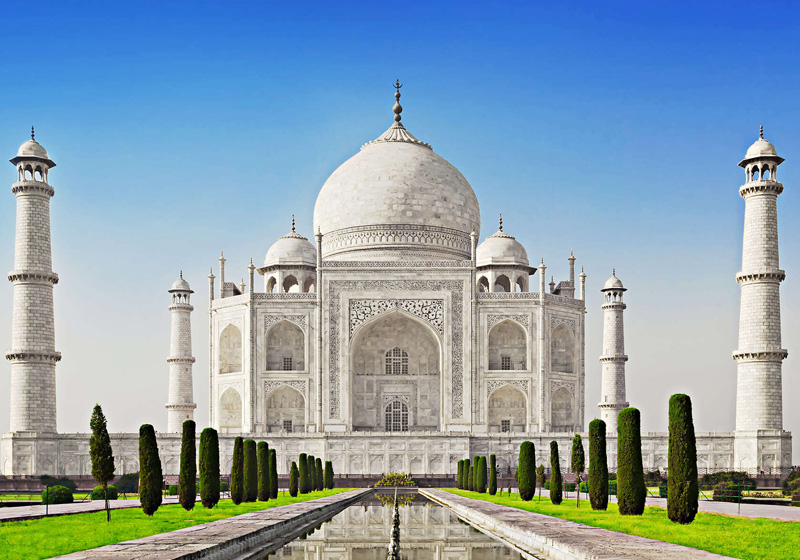
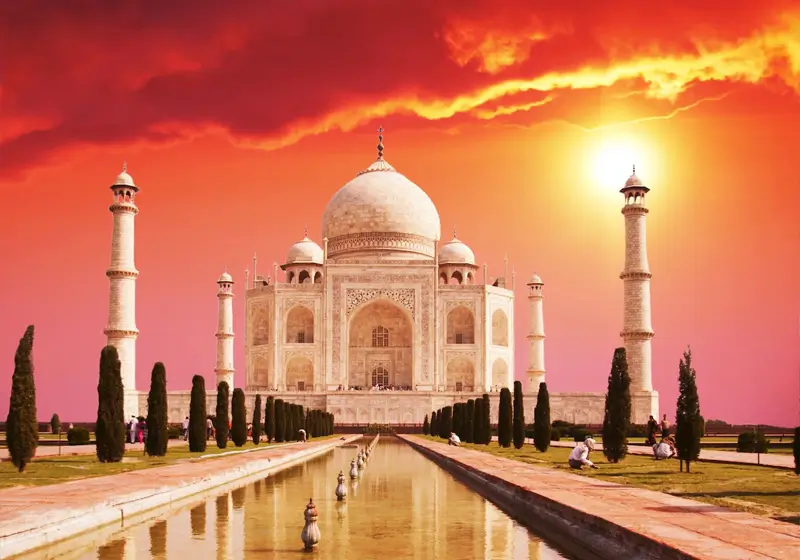
Taj Mahal – Agra
Opening Hours: Sunrise to Sunset
Closed: Every Friday
Approximate Entry Fee
The sunrise visit remains the most recommended experience because the changing morning light beautifully reflects on the white marble monument while visitor numbers are relatively lower than later in the day.
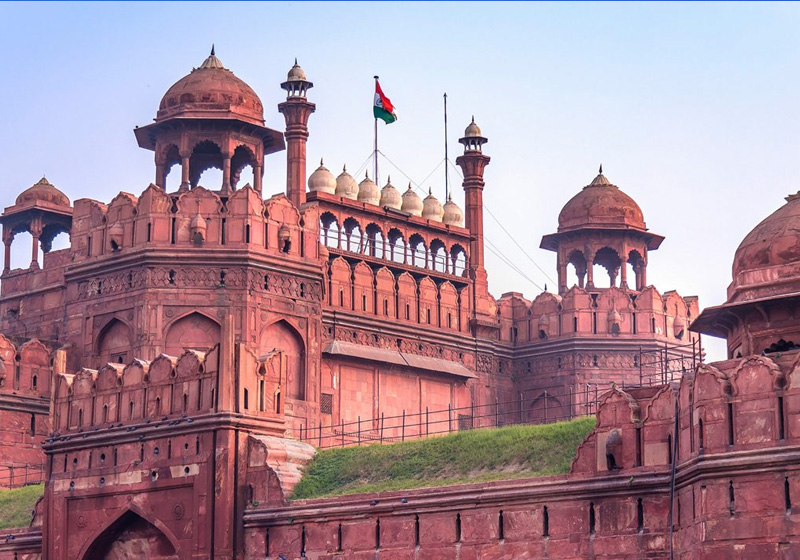
Agra Fort
Opening Hours: Approximately 6:00 AM to 6:00 PM
Approximate Entry Fee
Visitors generally spend between two and three hours exploring the royal courtyards, audience halls, palaces, gardens, and viewpoints overlooking the Taj Mahal.
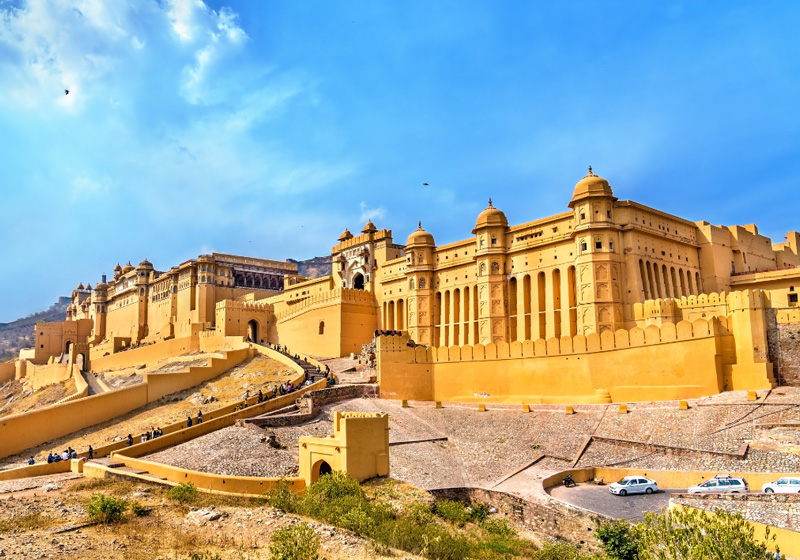
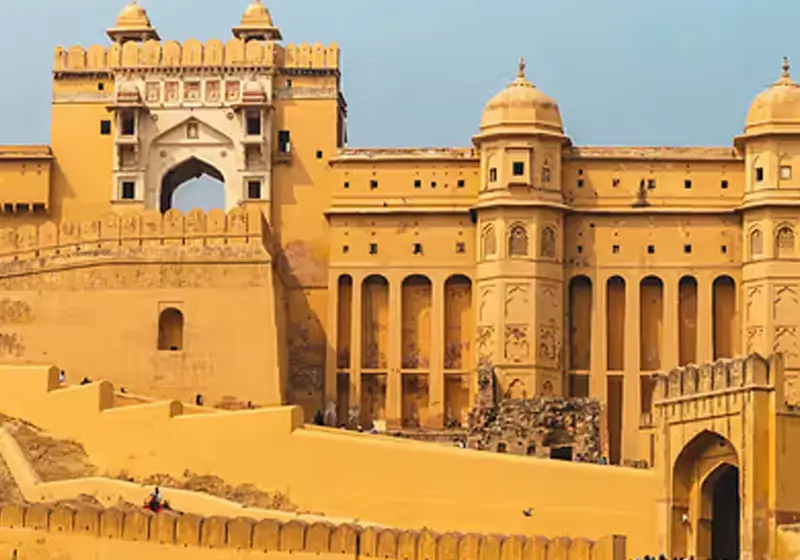
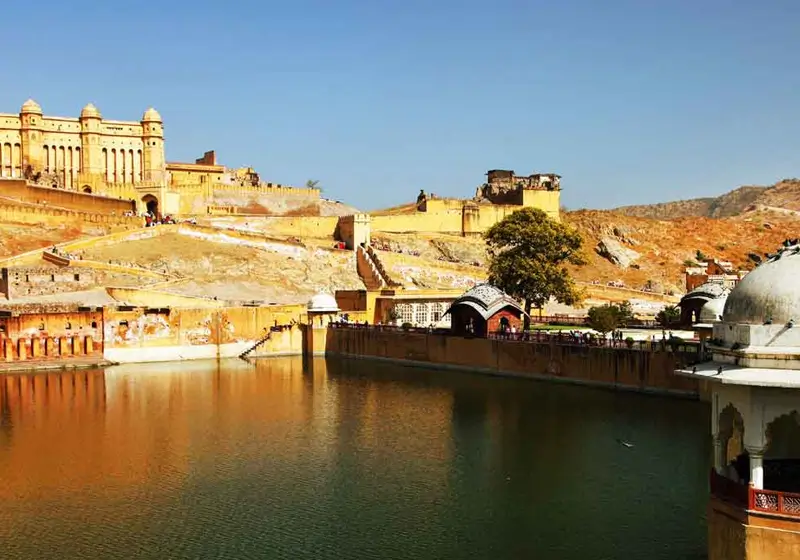
Amber Fort – Jaipur
Opening Hours: Approximately 8:00 AM to 5:30 PM
Approximate Entry Fee
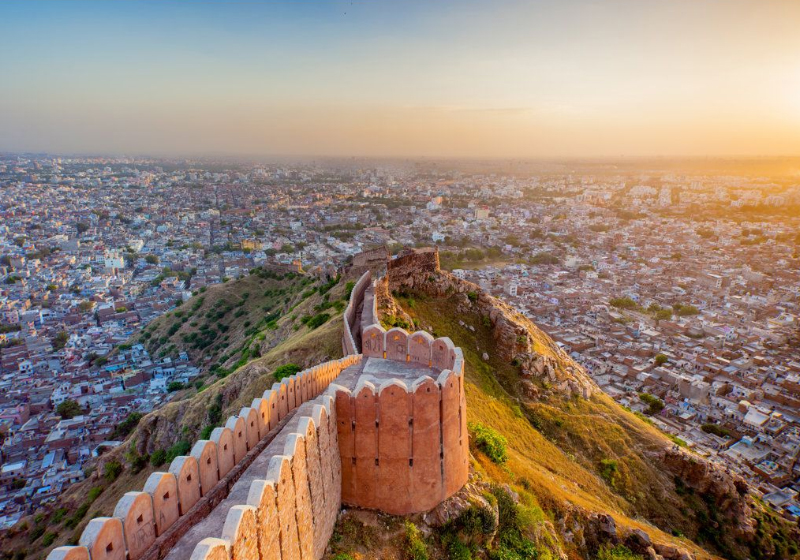
Morning visits are highly recommended because temperatures remain pleasant and the fort appears particularly beautiful under the soft sunlight. Most guided tours require two to three hours to fully appreciate the palace complex, mirror work, royal apartments, and panoramic views of Jaipur.
January brings some of the most comfortable conditions for exploring Delhi, Agra, and Jaipur. Start your mornings with beautiful heritage sites.
Accommodation plays an important role in the overall experience of a Golden Triangle Tour, and selecting the right hotel category can significantly improve your holiday. Travelers generally have three options: budget, deluxe, and luxury. Budget hotels offer clean rooms, complimentary breakfast, Wi-Fi, and comfortable facilities that are ideal for travelers who spend most of their day sightseeing. Deluxe hotels provide larger rooms, multiple dining options, swimming pools, fitness centers, and upgraded services suitable for families and couples seeking additional comfort. Luxury hotels deliver an entirely different experience with heritage architecture, premium hospitality, fine dining, spa facilities, concierge services, and beautifully designed rooms that reflect India's royal traditions.
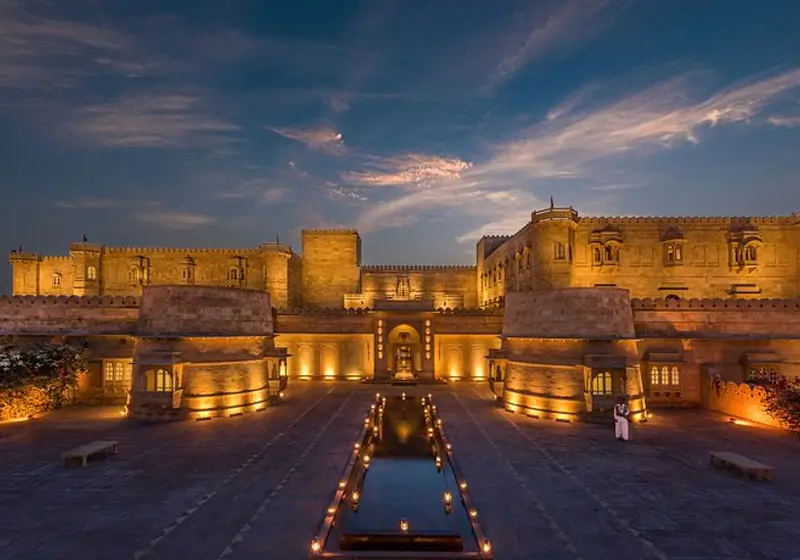
Many international travelers prefer staying at heritage hotels in Jaipur because these properties allow guests to experience traditional Rajasthani architecture combined with modern comfort. In Agra, hotels located within a short driving distance of the Taj Mahal are particularly popular because they reduce travel time for early morning sunrise visits. Delhi offers the widest range of accommodation, from boutique hotels to internationally recognized luxury brands situated close to major attractions and the airport.
Food is another memorable part of the Golden Triangle India Tour. Delhi is famous for North Indian cuisine, Mughlai specialties, international restaurants, cafés, and street food. Agra offers traditional Mughlai dishes along with the city's well-known sweet, Petha, which has become one of the most popular edible souvenirs for visitors. Jaipur introduces travelers to authentic Rajasthani cuisine, including traditional vegetarian dishes, rich curries, fresh breads, and local desserts. International travelers who prefer continental, vegan, vegetarian, or gluten-free meals will also find plenty of suitable restaurants throughout the journey.
Daily meal costs vary depending on the restaurant category. A meal at a local restaurant generally costs between INR 500 and INR 1,000 per person, while dining at premium hotels may range from INR 1,500 to INR 3,500 per person. Luxury fine-dining experiences may cost even more, particularly at heritage palace hotels.
Shopping is another highlight of the route. Delhi is known for handicrafts, textiles, spices, leather products, and modern shopping malls. Agra is internationally recognized for marble inlay work, handcrafted souvenirs, leather goods, and decorative items inspired by Mughal craftsmanship. Jaipur is considered one of India's finest shopping destinations for gemstones, silver jewelry, block-printed fabrics, blue pottery, handwoven carpets, traditional artwork, and handcrafted home décor. While shopping, purchasing from government-approved stores or well-established showrooms is recommended for better quality assurance.
Imagine beginning 2027 in India with a journey designed entirely around you. Wake before sunrise for the magical first light over the Taj Mahal, explore the magnificent forts and palaces of Agra and Jaipur.
Packing appropriately makes the journey much more comfortable. Since January mornings can be cool, carrying a light jacket or sweater is advisable. Comfortable walking shoes are essential because monuments such as Amber Fort, Agra Fort, and the Taj Mahal involve extensive walking on stone pathways and staircases. Sunglasses, sunscreen, a refillable water bottle, power bank, universal travel adapter, camera batteries, and basic medications should also be included in your luggage.
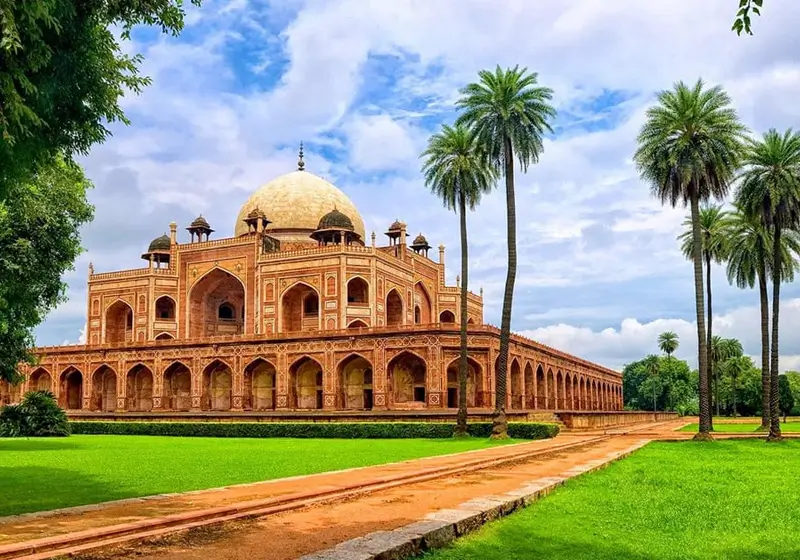
Photography enthusiasts often consider this route one of India's finest travel experiences. The best photographs of the Taj Mahal are usually captured shortly after sunrise, when the soft morning light creates beautiful reflections on the white marble. Amber Fort looks particularly impressive during the early hours, while the colorful streets of Jaipur provide excellent opportunities for street photography throughout the day. In Delhi, historical monuments such as Qutub Minar, Humayun's Tomb, and India Gate offer completely different architectural styles, allowing photographers to capture remarkable diversity within a single city.
Travel insurance is strongly recommended for international visitors. Although the route is well developed and frequently visited, insurance provides additional peace of mind by covering medical emergencies, baggage delays, trip cancellations, or unexpected travel interruptions.
When planning your overall budget, remember that certain expenses may not be included in every Golden Triangle Tour Package. These can include monument entrance tickets, lunches and dinners, camera fees where applicable, personal shopping, laundry services, tips for guides and drivers, travel insurance, and optional cultural performances. Setting aside approximately USD 40–80 per day for personal expenses is generally sufficient for most travelers, although shopping enthusiasts may wish to allocate additional funds.
Booking your tour several months in advance usually provides better hotel availability, more vehicle options, and greater flexibility when selecting preferred travel dates. Early reservations also make it easier to secure accommodations near popular attractions, especially during the busy tourist season.
Choosing a reliable tour operator is equally important. Look for companies that provide transparent pricing, private transportation, experienced English-speaking guides, clean vehicles, 24-hour customer support, and clearly explained inclusions. Reading verified traveler reviews before booking can also help you select a trusted operator that consistently delivers quality service.
The Golden Triangle Tour continues to attract visitors from around the world because it combines three extraordinary destinations within a manageable travel distance. From the historic streets of Delhi and the timeless beauty of the Taj Mahal to the royal palaces and colorful markets of Jaipur, every day offers a different experience. Well-planned itineraries, comfortable transportation, realistic budgeting, and knowledgeable guides ensure that travelers enjoy India's heritage without unnecessary stress, making this journey one of the country's most rewarding travel experiences.
January is considered one of the most comfortable months because of pleasant daytime temperatures, making sightseeing enjoyable across Delhi, Agra, and Jaipur.
Budget private tours generally start from USD 280–450 per person, deluxe packages range from USD 500–800, while luxury tours usually begin around USD 900 and can exceed USD 1,800, depending on hotels and inclusions.
A 5 to 7-day itinerary is ideal, allowing visitors to explore the major attractions without feeling rushed.
The journey is approximately 230 km and usually takes 3.5 to 4 hours via the Yamuna Expressway.
No. The Taj Mahal is open from sunrise to sunset and remains closed every Friday.
Some packages include entrance tickets, while others charge them separately. It is always advisable to review the package inclusions before confirming the booking.
Most private tours use air-conditioned sedans, Toyota Innova Crysta, premium SUVs, or tempo travelers for larger groups.
A comfortable estimate is INR 500–1,000 per person for standard restaurants and INR 1,500–3,500 per person for premium hotel dining.
Yes. Private transportation, flexible sightseeing schedules, experienced drivers, and comfortable hotels make the tour an excellent choice for senior visitors.
Yes. Many travelers combine the Golden Triangle Tour with destinations such as Ranthambore, Udaipur, Varanasi, Jodhpur, or Kerala for a longer and more diverse holiday experience.
Fill in the details below. Our expert consultant will respond within 4 hours with a bespoke itinerary crafted just for you — completely free, no obligation.