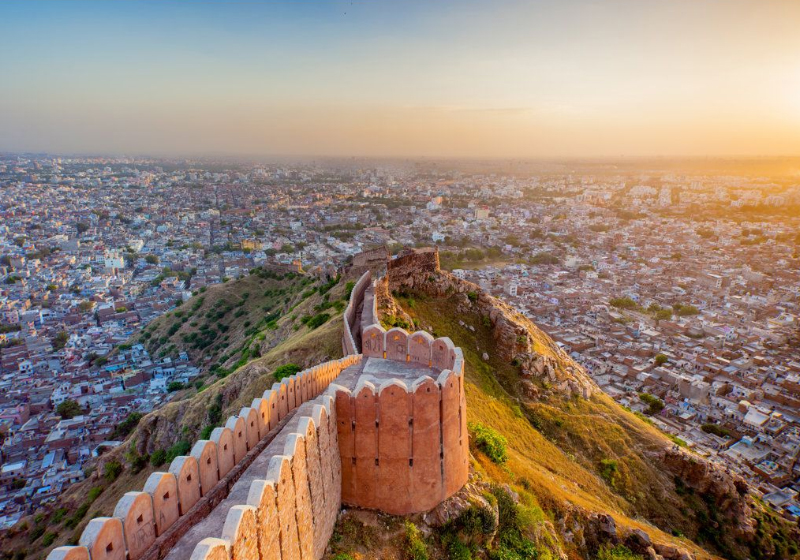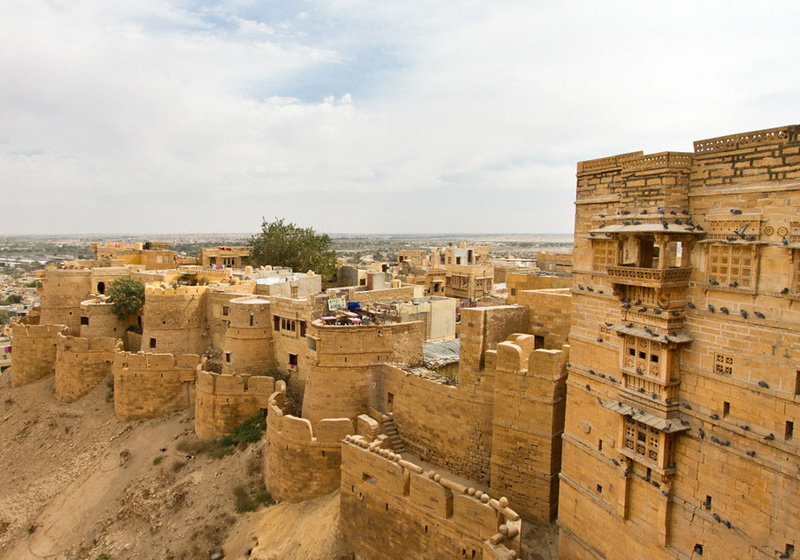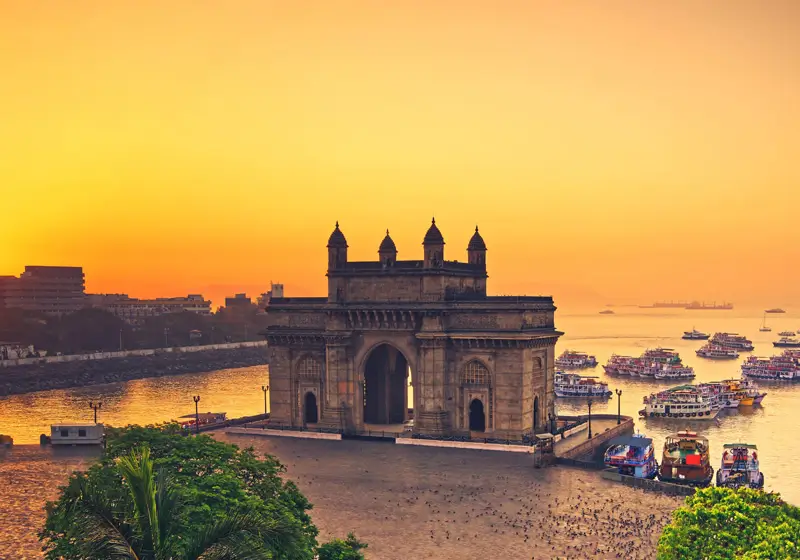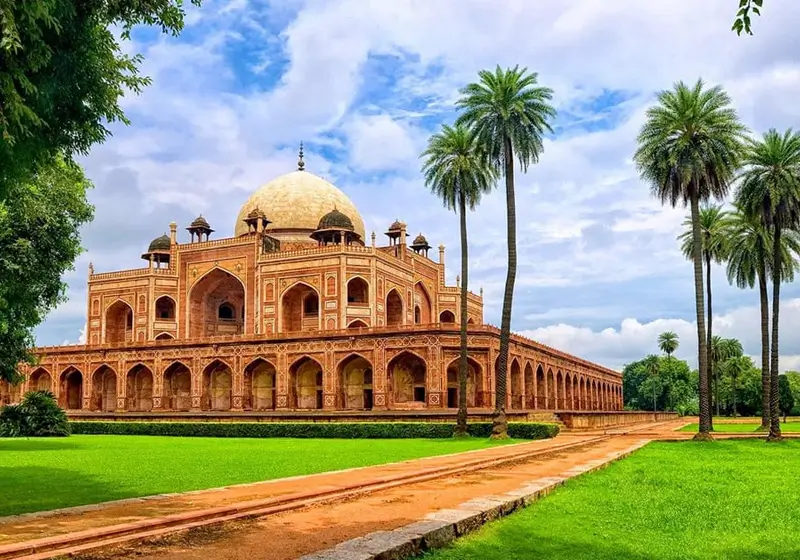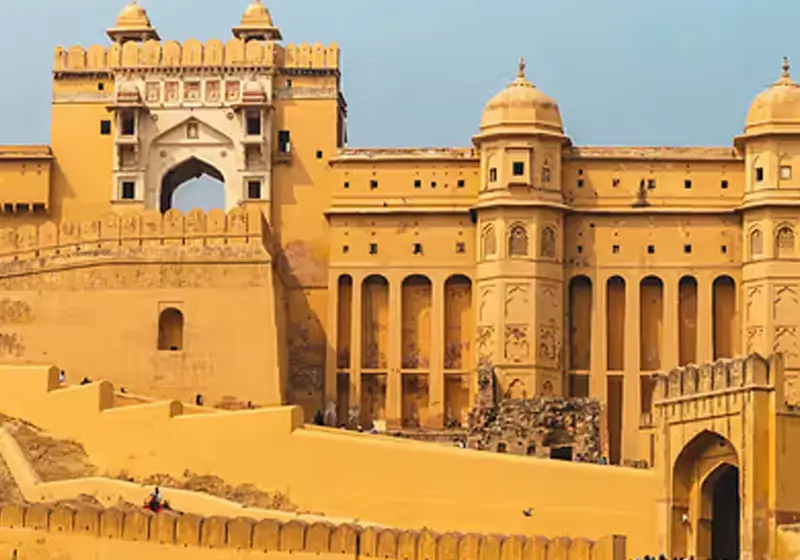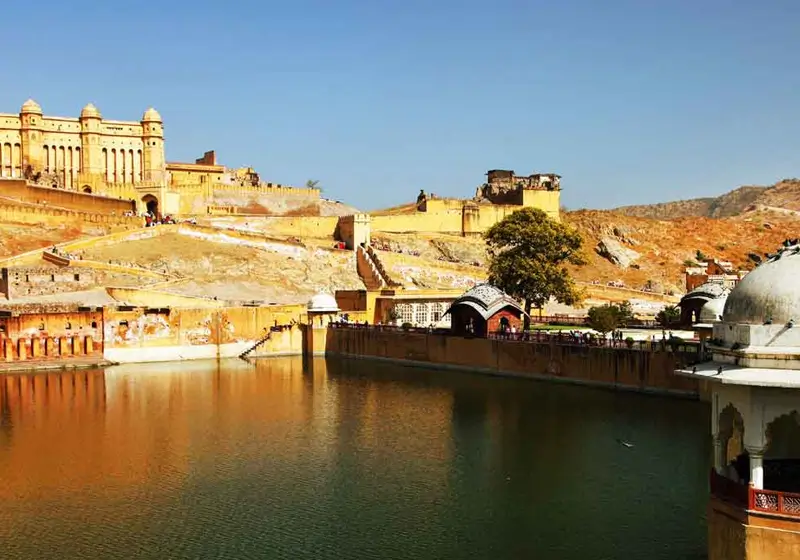
India overwhelms, fascinates, and rewards in equal measure. For those visiting the country for the first time, it can feel like stepping into a vivid film — full of sound, color, and contradictions. Ancient temples sit beside modern skyscrapers, camel caravans share highways with luxury cars, and smiles greet you in every corner.
Yet what makes India magical can also make it challenging without the right guidance. Distances are vast, traditions vary by region, and hidden gems are rarely accessible without local insight. That’s why the first trip needs planning — not to restrict adventure, but to make space for it.
This guide helps first-time visitors design a journey that’s immersive, safe, and unforgettable. Whether you dream of palaces in Rajasthan, beaches in Goa, or temples in Varanasi, it’s all about travelling smart — with open eyes, respect, and a little preparation.
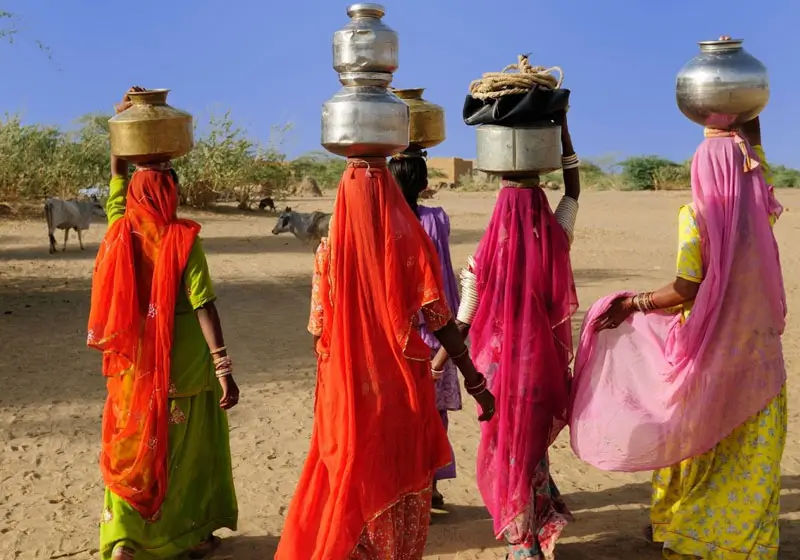
India isn’t one country — it’s many worlds under one flag. Over 20 major languages, thousands of dialects, and diverse cuisines create a cultural mosaic unmatched anywhere. The north reflects royal grandeur; the south exudes spiritual calm; the east sings through art and temples; the west glows with deserts and salt plains.
To travel well here, first-time visitors must understand one simple truth: India moves at its own pace. Trains may run late, streets may be noisy, but kindness is constant. People are curious, helpful, and often go out of their way to guide a stranger.
Travel with patience, humour, and humility — and India will open itself to you in ways no map can show.
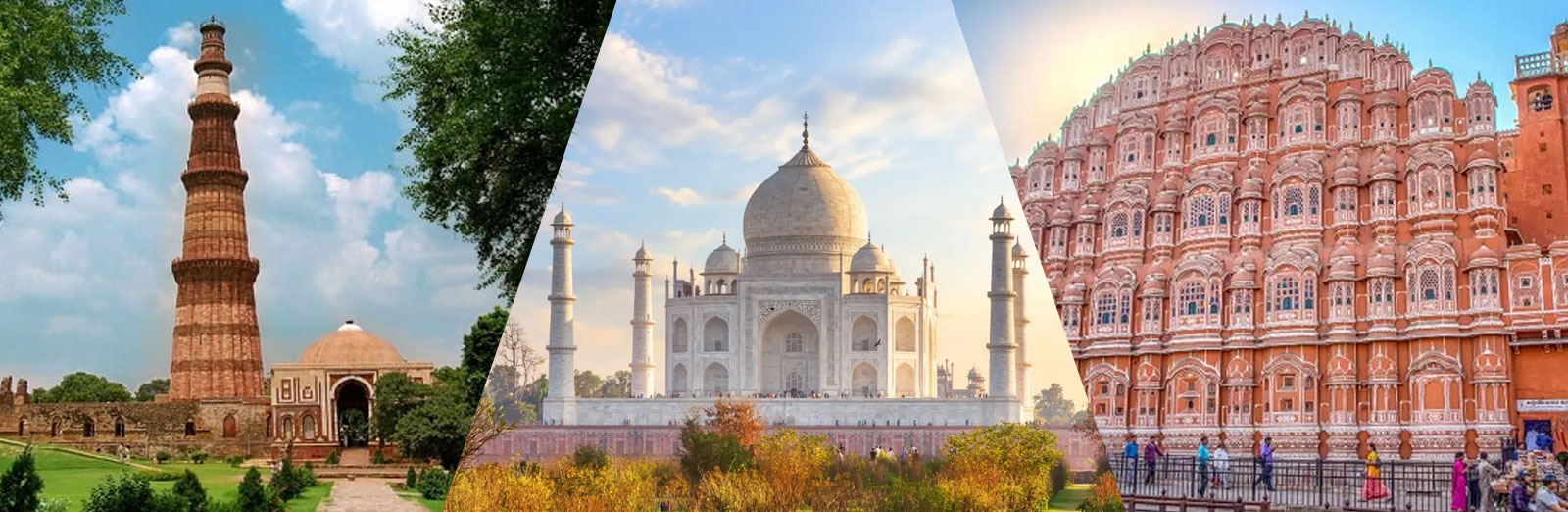
For a first trip, nothing beats the Golden Triangle Tour. It combines convenience, comfort, and cultural variety — a perfect introduction to India’s heartland.
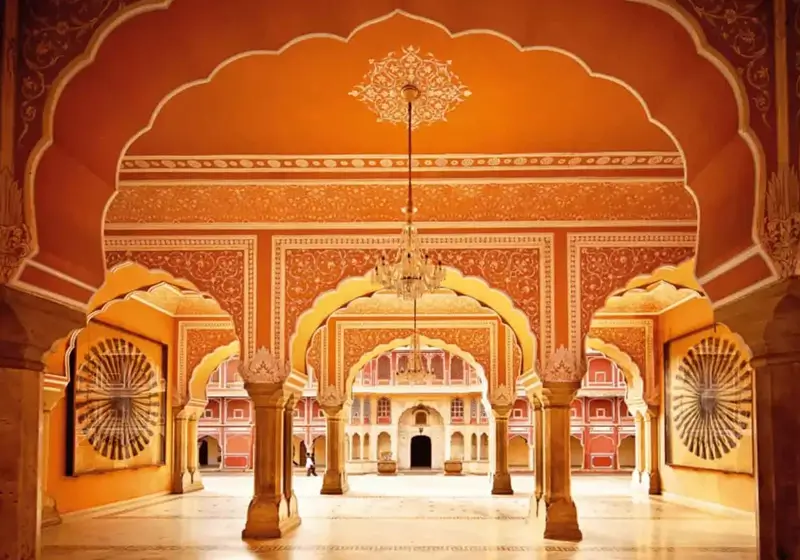
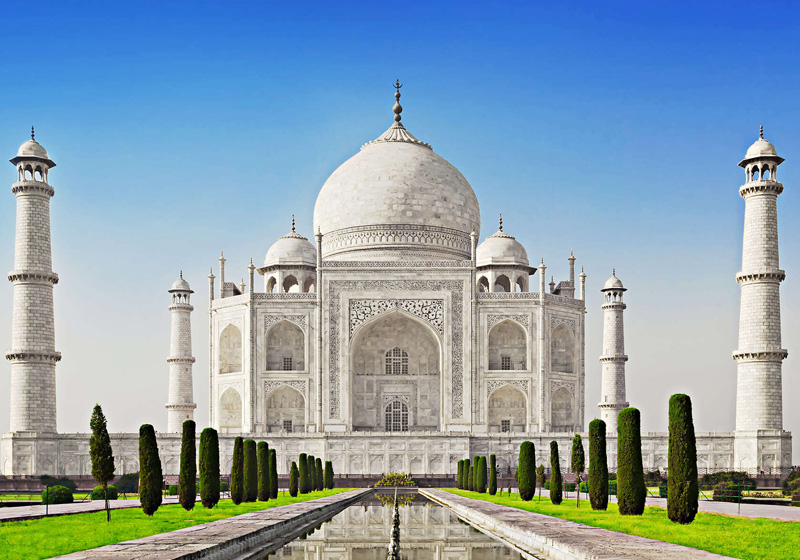
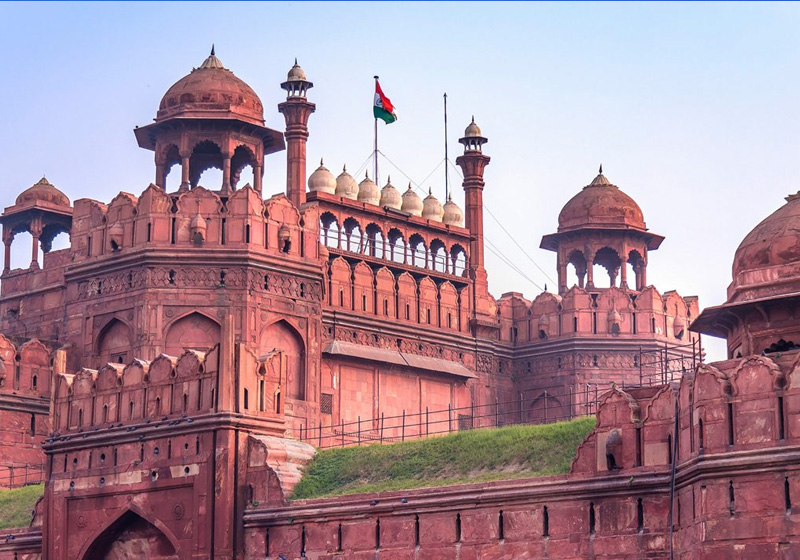
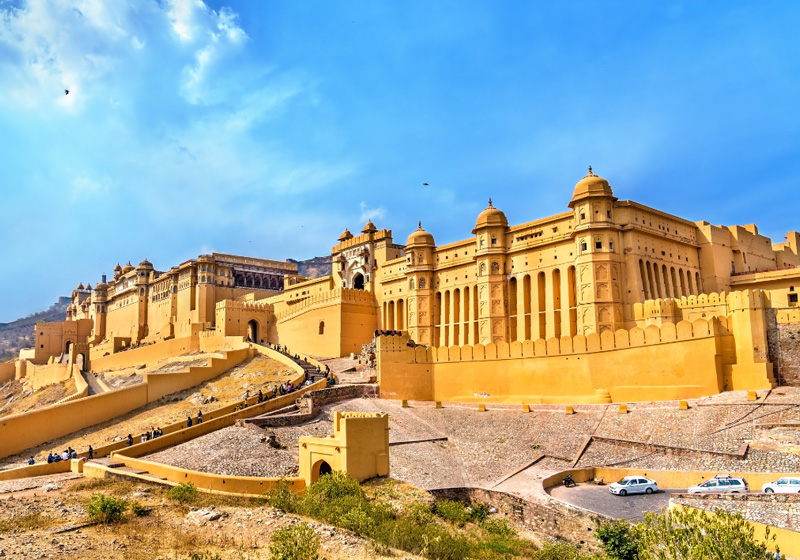
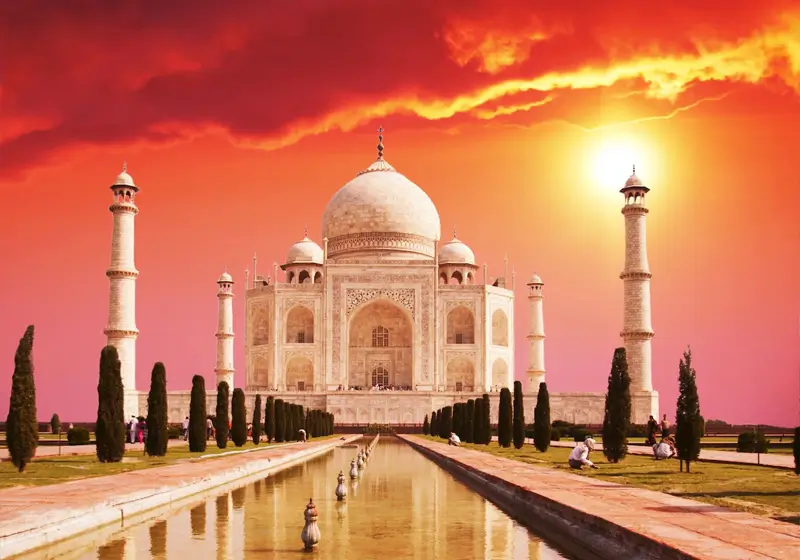
Begin in Delhi, where Mughal architecture meets colonial charm. Continue to Agra for the Taj Mahal’s marble poetry, and end in Jaipur, the Pink City glowing with palaces, bazaars, and forts.
The route is smooth, highways are modern, and with a private car and driver, travellers can stop freely for photos, local food, or small temples. It’s ideal for those wanting a compact yet comprehensive experience.
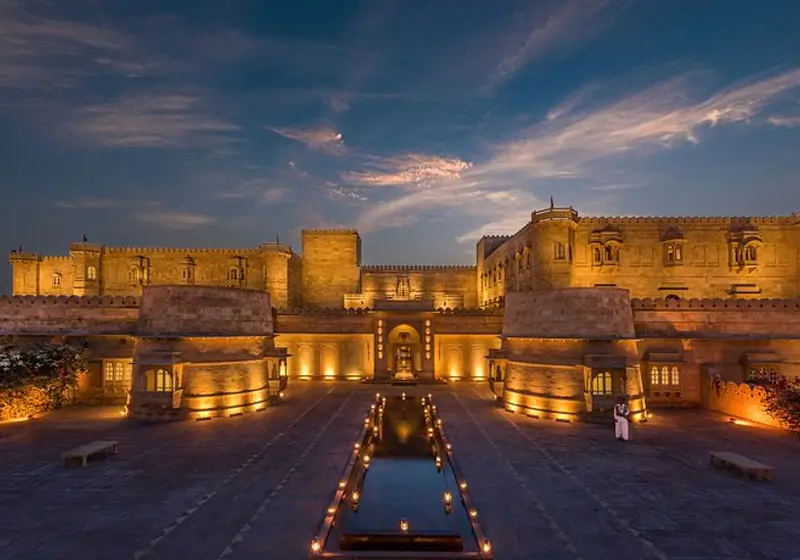
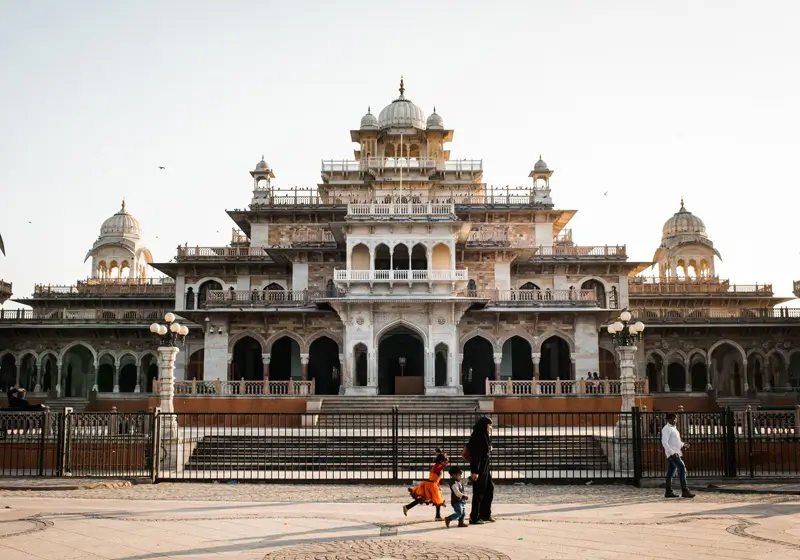
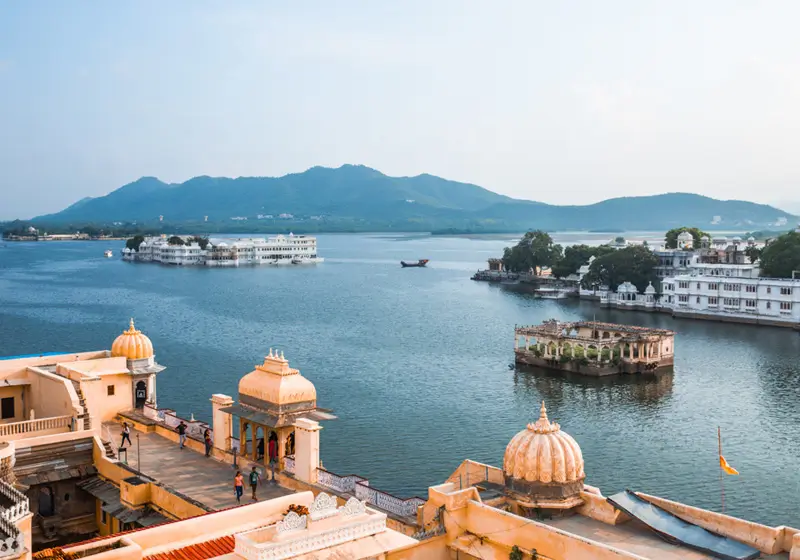
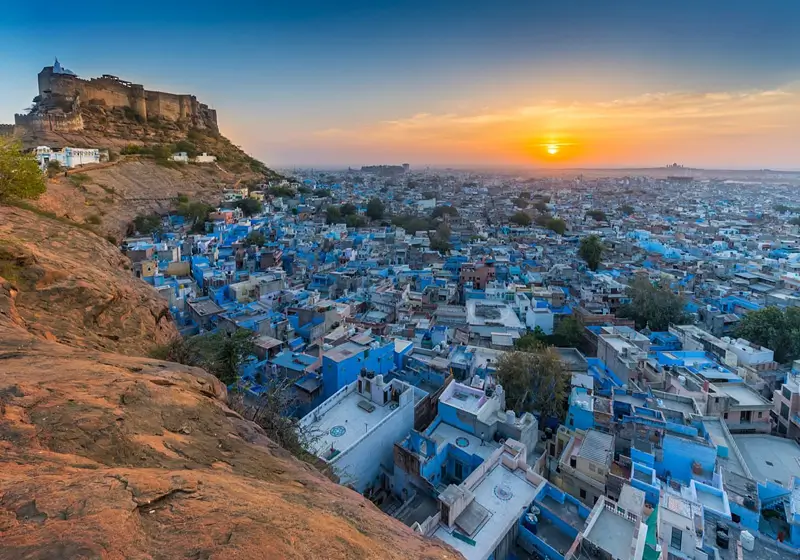
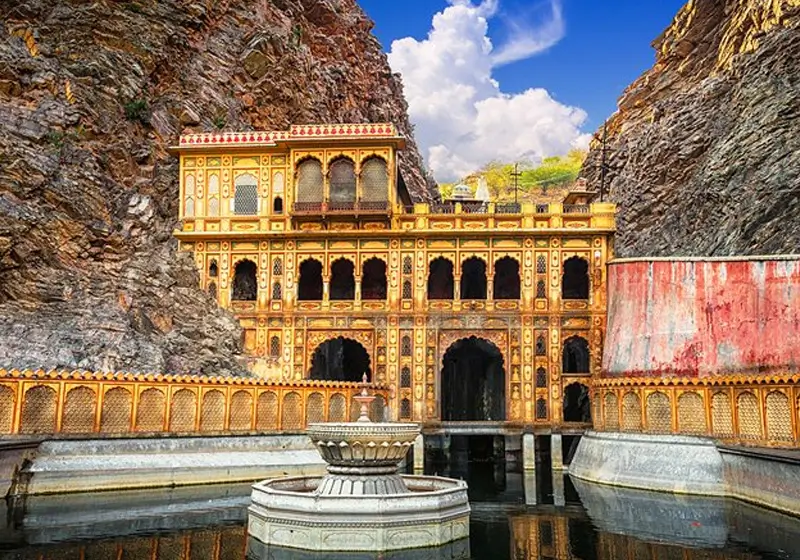
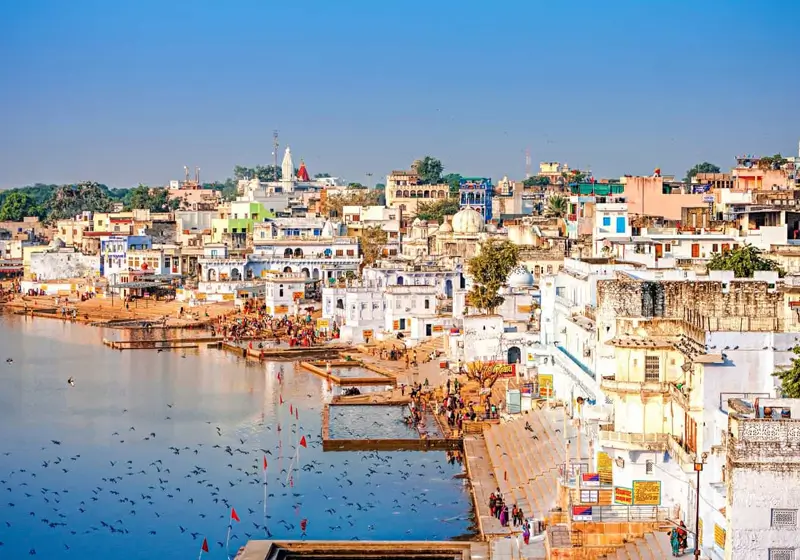
Once you’ve touched the Golden Triangle, extend west into Rajasthan, India’s royal crown. Drive from Jaipur to Pushkar, Jodhpur, Udaipur, and Jaisalmer. Each city tells a story — from blue-painted houses and desert forts to lakeside palaces.
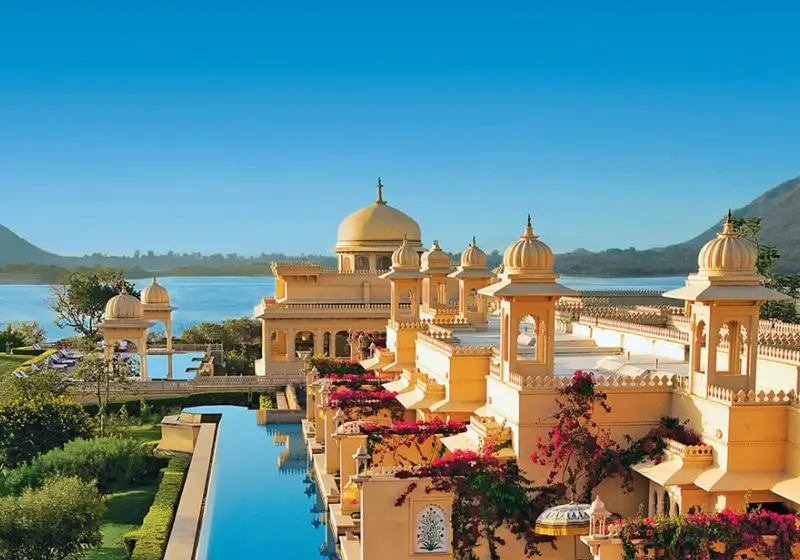
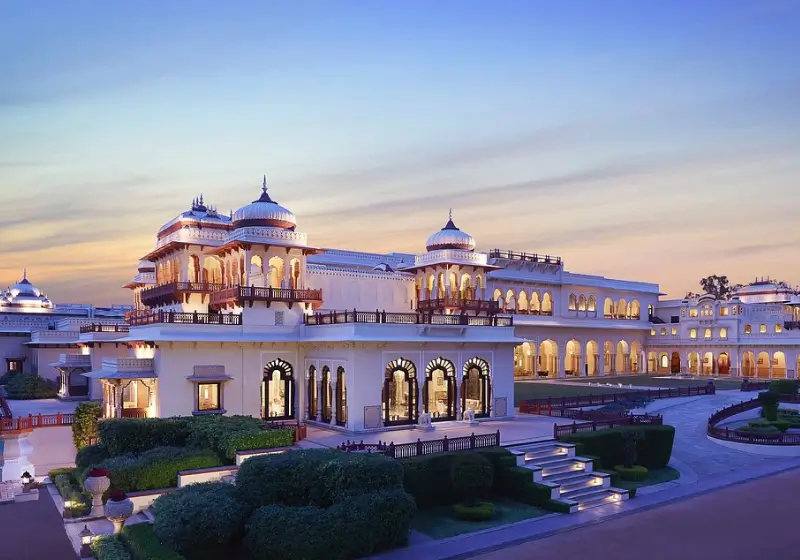
Foreign travellers adore Rajasthan for its balance of safety, beauty, and heritage stays. Boutique hotels in converted palaces allow you to live history, not just see it.
Hiring a chauffeur-driven car makes the journey stress-free, turning travel days into scenic adventures filled with local interactions.
For those seeking gentler rhythm and tropical scenery, southern India is paradise. From Cochin to Munnar, Kumarakom, and Alleppey, the region blends spice gardens, backwaters, and serene temples.
Kerala, Tamil Nadu, and Karnataka showcase India’s soulful side — Ayurvedic spas, classical dance, and vegetarian cuisine that bursts with flavour.
Driving through this region offers another kind of luxury: silence, green landscapes, and slow living.
If India’s body is majestic, its soul resides in Varanasi. The city on the Ganges is one of the oldest continually inhabited places on Earth — where life and spirituality merge seamlessly.
For first-time visitors, a dawn boat ride across the ghats is transformative. Monks chant, fires burn, and the city awakens in golden mist. Combine Varanasi with Khajuraho’s temples and Delhi’s heritage for a mix of history and introspection.
A private driver ensures smooth transfers across these vast distances while maintaining flexibility.
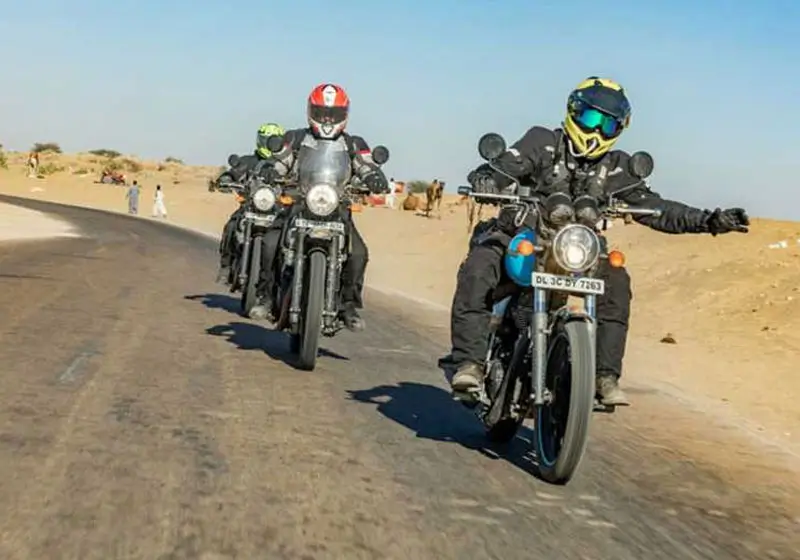
India’s distances demand balance between comfort and exploration. While trains and flights connect major cities, road travel offers unmatched intimacy with the landscape.
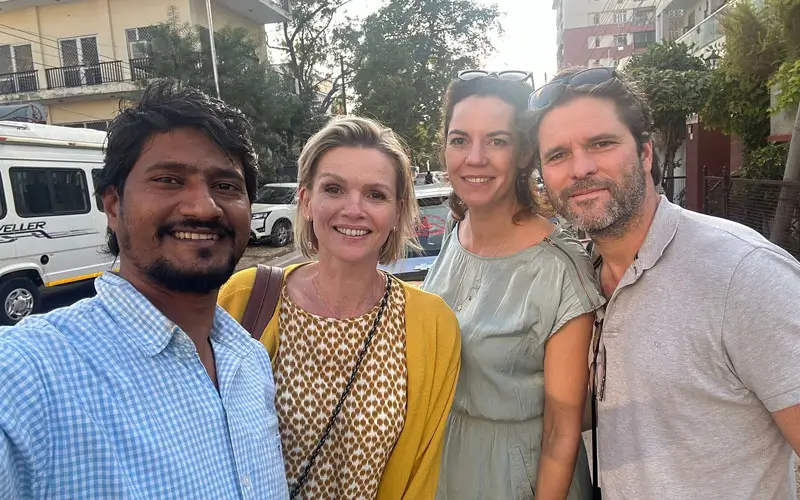
Hiring a car with driver remains the smartest choice for first-time travellers. It removes stress about directions, traffic, or language barriers. Drivers often double as informal guides — recommending authentic eateries, local markets, and hidden viewpoints.
A licensed English-speaking driver can elevate the journey from sightseeing to storytelling. Reliable operators ensure safety, air-conditioned vehicles, and transparent pricing.
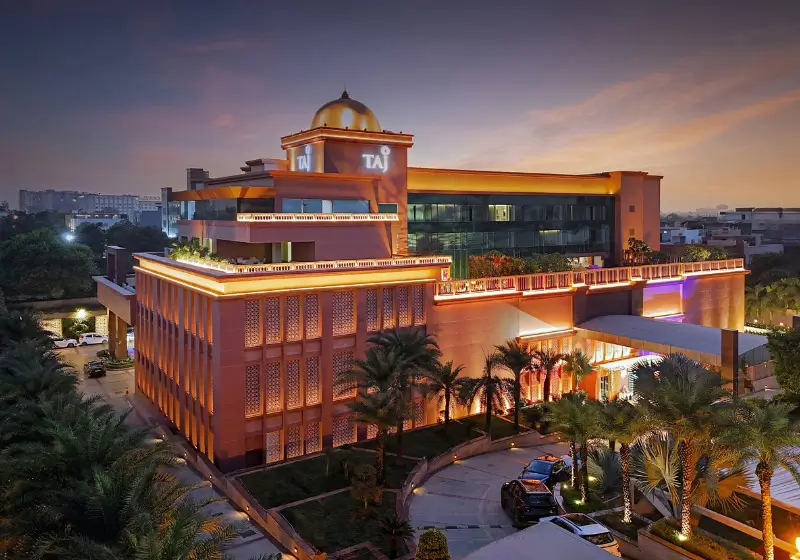
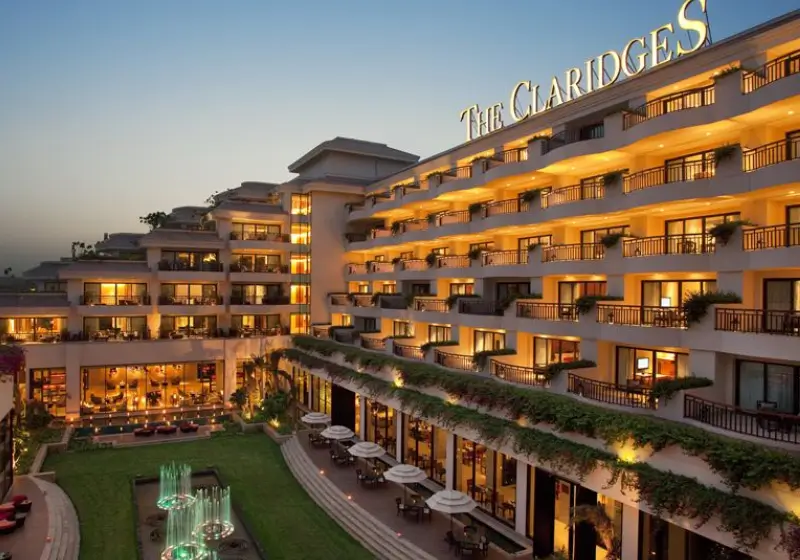
India offers stays for every taste and budget, but for first-timers, comfort and reliability matter most.
Foreign travellers should look for properties with strong reviews, clear hygiene policies, and verified booking platforms.
Heritage stays such as Samode Haveli, Taj Lake Palace, and Narendra Bhawan redefine comfort — combining cultural design with modern amenities.
The best time for first-time travellers is between October and March. Weather remains pleasant across most regions, festivals abound, and visibility for sightseeing is ideal.
Plan around festivals such as Diwali, Holi, or Pushkar Fair — they offer unforgettable glimpses into India’s collective joy.
Packing depends on your route and season but aim for lightweight, modest, and breathable clothing.
India’s dress code leans conservative, especially in rural areas, but colour and creativity are always appreciated.
Contrary to stereotypes, India is remarkably safe for visitors who stay alert and respectful.
For women travellers, India’s hospitality industry has made tremendous progress. Female-friendly hotels, women-only cabs, and guided tours ensure safety and comfort.
Medical facilities are widely available in major cities, and pharmacies are well stocked.
India values respect — not just for people but for space, food, and belief. Simple gestures go a long way.
In return, you’ll receive warmth, curiosity, and friendship that feel genuine and lasting.
India’s official currency is the Indian Rupee (INR). ATMs are widespread, and cards are accepted at most urban hotels and restaurants.
For convenience, apps like Paytm, PhonePe, and Google Pay are popular even in small shops. International visitors can easily buy prepaid SIM cards at airports with passport and visa copies.
Internet connectivity is reliable in cities and tourist hubs. Some rural areas may have limited signal — another reason to hire drivers who know the routes well.
India’s cuisine is as diverse as its geography. From spicy street snacks to royal curries, every region tastes unique.
First-timers should begin slowly — start with mild dishes and bottled water. Reputed restaurants or hotels maintain hygiene standards suitable for international travellers.
In Rajasthan, try dal baati churma and laal maas; in the south, enjoy dosa, idli, and coconut-based curries; in Delhi, savour butter chicken or chaat.
Food isn’t just nourishment here — it’s celebration. Meals are meant to be shared, often with laughter and conversation.
India’s scale surprises many travellers. What looks close on a map may take several hours due to diverse terrain and traffic.
For this reason, private cars remain the preferred mode for tourists seeking flexibility and comfort. Drivers familiar with routes make long distances manageable.
Domestic flights connect most cities affordably, while trains offer a glimpse of everyday India — an experience worth trying once.
If you prefer peace of mind, let a licensed India tour operator handle logistics — it ensures comfort without sacrificing adventure.
One of India’s greatest joys lies in human connection. Locals often approach tourists not to sell but to talk — to learn, share, and laugh.
Simple conversations with shopkeepers, drivers, or villagers can reveal more about the country than any museum. People value genuine interest — listen, ask, and appreciate.
Small acts of kindness — like buying handmade crafts directly from artisans — support communities and create memories that last far longer than souvenirs.
India is a photographer’s paradise. Light, color, and emotion play constantly — from morning prayers on the Ganges to camel silhouettes in Rajasthan.
However, sensitivity matters. Always ask before photographing people, especially in rural areas or near religious ceremonies.
Sunrise and sunset offer magical tones — the “golden hour” truly belongs to India. Keep extra storage, spare batteries, and humility; sometimes the best shots are the ones you experience rather than capture.
Despite its contrasts — or perhaps because of them — India touches travellers in ways they don’t expect. It teaches patience, gratitude, and openness.
There’s poetry in its chaos and peace in its diversity. From a driver’s cheerful “Good morning, madam!” to a child offering flowers at a temple, every encounter carries warmth.
Most visitors return not to see more places but to feel the same emotion again — that rare connection between soul and soil.
Travel through India once, and part of you always stays behind.
Yes, especially when using verified hotels, licensed drivers, and guided tours.
Two to three weeks cover major highlights comfortably.
Yes, small tips (₹300–₹500 per day for drivers) are appreciated for good service.
Yes, in most hotels and restaurants. Always carry some cash for rural areas.
Jio and Airtel offer the strongest national coverage.
Routine vaccinations suffice. Special permits apply only to restricted border zones.
Stick to cooked meals, bottled water, and reputable restaurants.
Yes, it’s the second most common language in cities and tourist areas.
Yes, with basic precautions and awareness. Many women travellers tour India independently.
It provides privacy, flexibility, and insight from a local expert who tailors each day to your comfort.
Fill in the details below. Our expert consultant will respond within 4 hours with a bespoke itinerary crafted just for you — completely free, no obligation.