Itinerary ideas, cultural insights, luxury tips and practical planning guides for every India traveller.
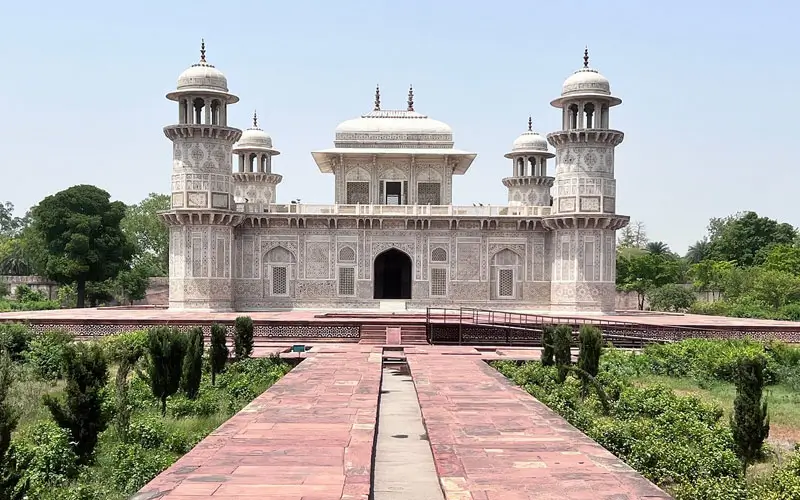
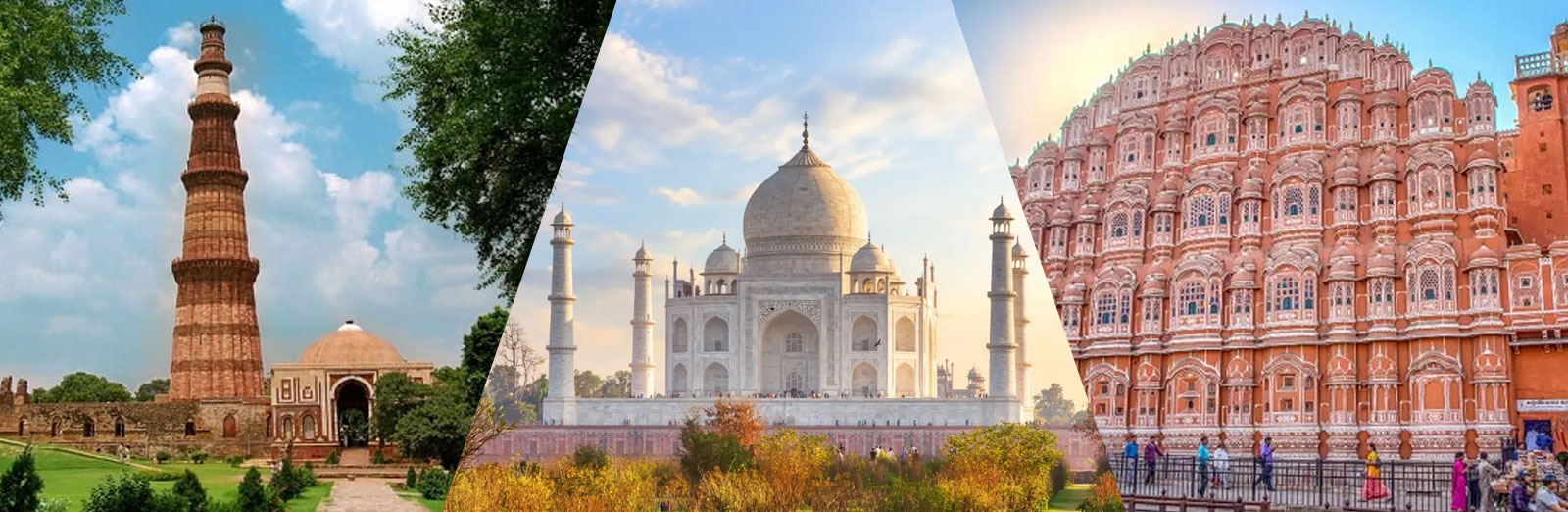
The Golden Triangle Tour India, connecting Delhi, Agra, and Jaipur, remains one of the most iconic travel circuits in the world. For Muslim travelers seeking comfort, faith-friendly facilities, and verified halal dining, the region offers far more than many first-time visitors expect. A thoughtfully planned Halal Travel Guide to Golden Triangle reveals that North India’s heritage cities are deeply connected to Islamic architecture, Mughal history, and vibrant Muslim communities that continue to shape local culture.
From grand congregational mosques and Sufi shrines to authentic halal restaurants and prayer-friendly luxury hotels, the Golden Triangle can be experienced comfortably without compromising religious practices. With proper guidance and local knowledge, Muslim families, couples, and solo travelers can explore the Taj Mahal, Mughal forts, and Rajput palaces while maintaining dietary observance and prayer schedules.
This guide provides detailed insight into mosques, halal food access, accommodation strategies, and practical travel tips designed specifically for Muslim visitors exploring Delhi, Agra, and Jaipur.
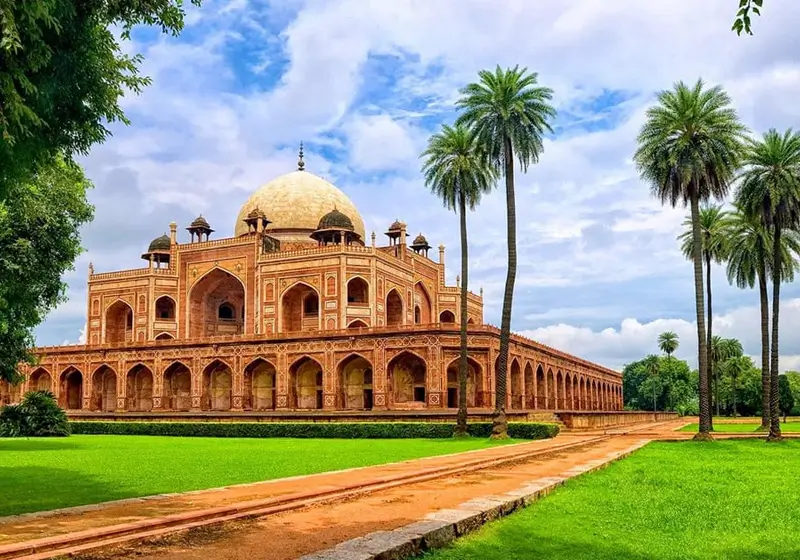
Delhi stands as one of the most historically significant cities in Islamic architecture outside the Middle East. As former capital of several Sultanates and the Mughal Empire, the city houses magnificent mosques and spiritual landmarks that remain active centers of worship.
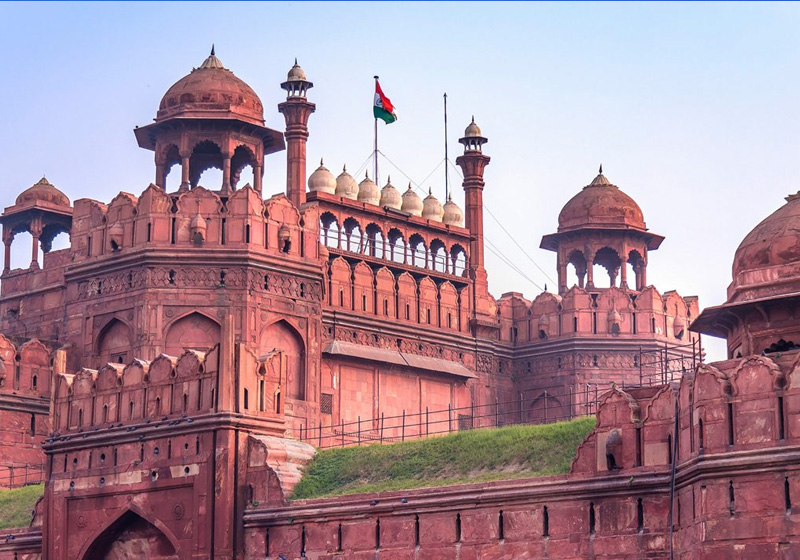
The most prominent among them is Jama Masjid Delhi, one of the largest mosques in India. Built in the seventeenth century by Emperor Shah Jahan, it can accommodate thousands of worshippers in its expansive courtyard. The mosque’s red sandstone façade and marble domes create a powerful visual statement. Visitors are welcome outside prayer times, while Muslims can comfortably perform daily salah within designated areas.
Another significant site is Nizamuddin Dargah, a revered Sufi shrine that attracts both devotees and cultural visitors. The atmosphere is deeply spiritual, especially during evening qawwali sessions. Muslim travelers often find this space emotionally enriching and welcoming.
Delhi’s historical continuity ensures that access to prayer spaces is rarely an issue. Smaller neighborhood mosques are scattered throughout Old Delhi and central districts, making it convenient to observe daily prayers during sightseeing.
Explore Delhi, Agra, and Jaipur with comfort and confidence. We can help you plan a halal-friendly Golden Triangle tour with suitable hotels, halal food options, and a well-planned itinerary for a memorable travel experience in India.
Delhi offers one of the richest halal culinary landscapes in India. Muslim communities have shaped the city’s cuisine for centuries, resulting in a diverse range of verified halal restaurants.
Old Delhi is particularly famous for Mughlai cuisine. Traditional eateries serve halal-certified kebabs, biryanis, and curries prepared according to Islamic dietary laws. Travelers can confidently enjoy dishes rooted in imperial culinary heritage.
In upscale districts, luxury hotels often accommodate halal meal requests upon advance notice. Many international chains provide halal kitchen segregation or certified meat suppliers. Fine dining establishments increasingly recognize the demand for halal-friendly menus, especially from Middle Eastern and Southeast Asian guests.
For Muslim travelers following a Halal Golden Triangle Tour, Delhi provides abundant dining options without difficulty. However, verifying restaurant credentials and confirming halal sourcing remains advisable.
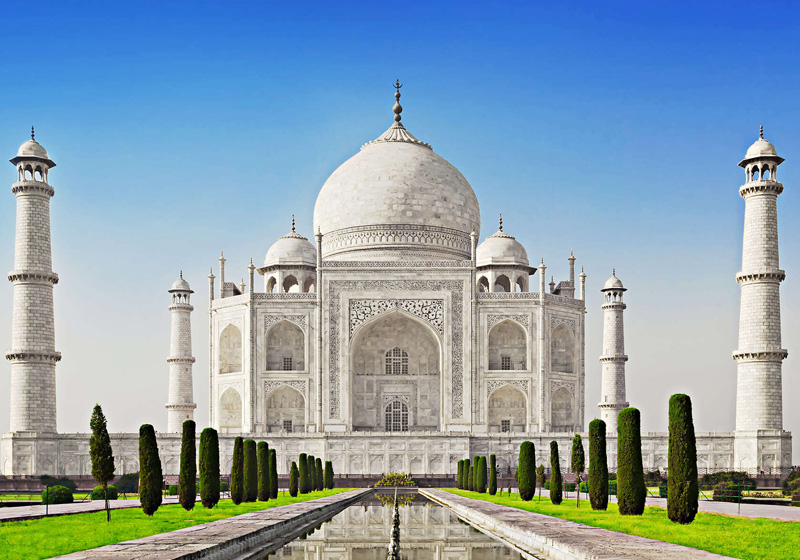
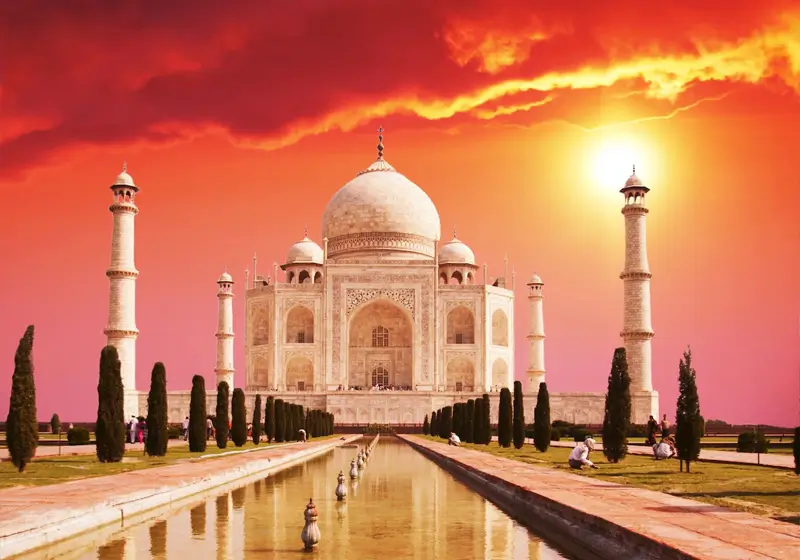
Agra’s identity is deeply intertwined with Mughal legacy. The city’s skyline is dominated by the Taj Mahal, a monument commissioned by Shah Jahan, reflecting Islamic architectural artistry. Adjacent to the Taj complex stands a functioning mosque where prayers continue daily.
Agra Fort also contains mosques within its walls, showcasing the religious dimension of imperial life. Muslim travelers often appreciate the architectural harmony between spiritual and royal structures.
Beyond monuments, Agra includes neighborhood mosques that accommodate daily prayers. The city’s Muslim population ensures that halal food access remains widespread.
The spiritual resonance of Agra extends beyond monuments, creating an environment that feels historically familiar to Muslim visitors.
Agra offers a wide selection of halal eateries ranging from street-level Mughlai kitchens to refined hotel restaurants. Many establishments explicitly advertise halal preparation, particularly in areas near the Taj Mahal and old city markets.
Luxury hotels overlooking the Taj Mahal increasingly cater to Middle Eastern travelers. Guests may request halal-certified meat and alcohol-free dining settings. Some properties also provide prayer mats and Qibla direction markers upon request.
For families booking a Halal friendly Golden Triangle itinerary, selecting reputable hotels ensures peace of mind regarding food preparation and privacy.
Agra’s manageable size makes halal dining logistics relatively simple compared to larger metropolitan areas.
Planning a halal-friendly trip to India? Discover the beauty of Delhi, Agra, and Jaipur while enjoying halal food options, comfortable stays, and a well-organized itinerary designed for Muslim travelers.
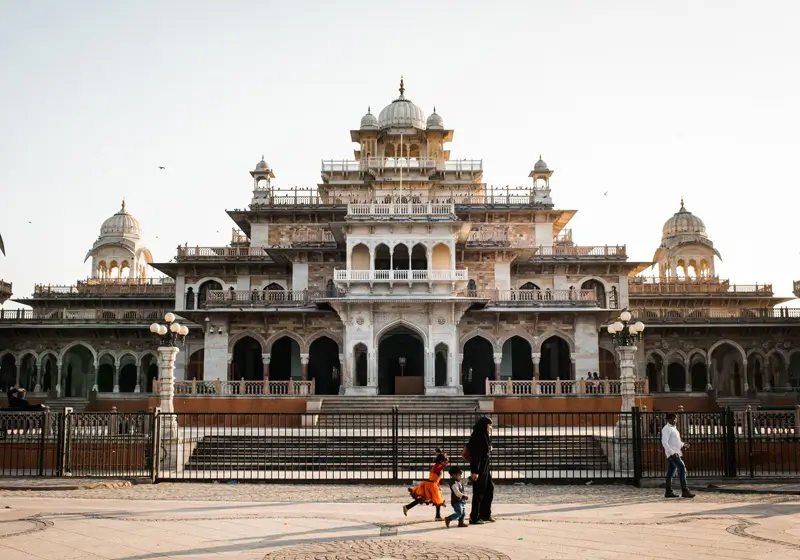
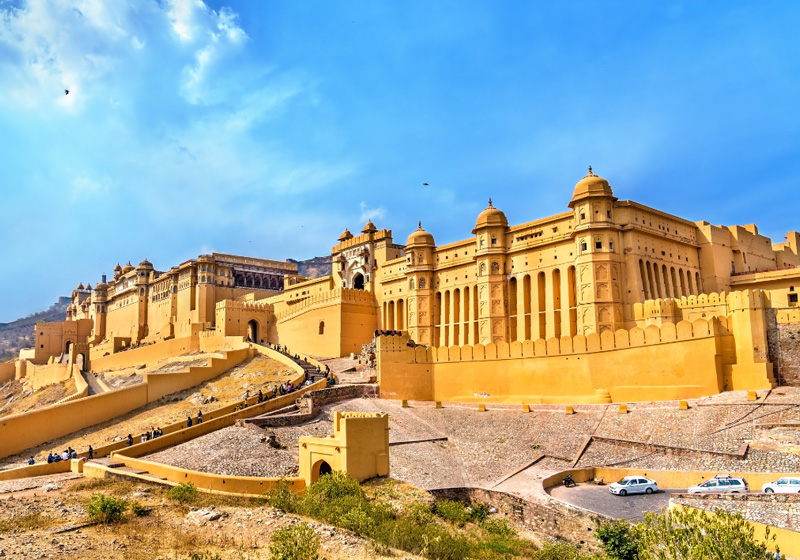
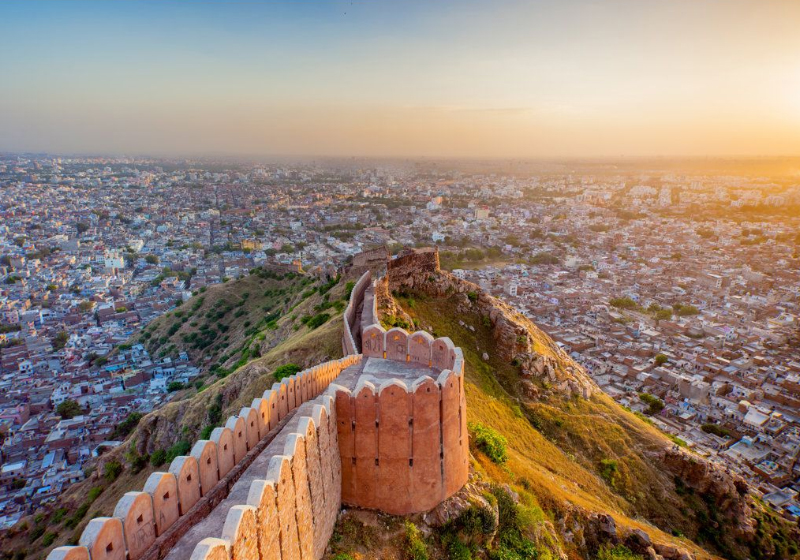
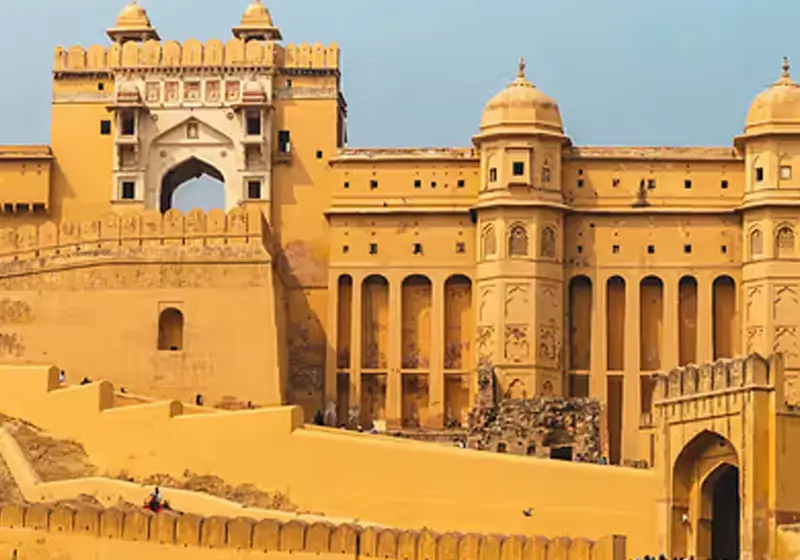
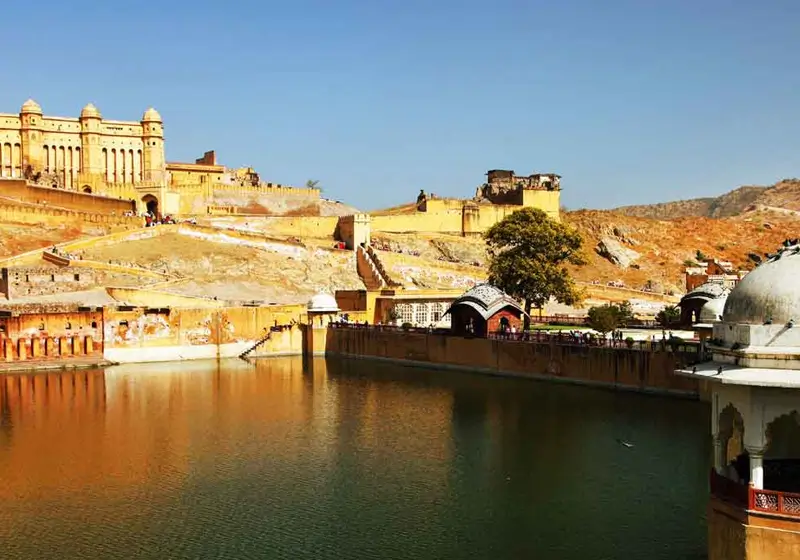
Jaipur, known primarily for Rajput heritage, may initially appear less Islamic in character compared to Delhi or Agra. However, the city includes historic mosques, Muslim neighborhoods, and halal restaurants that cater to both residents and visitors.
The Jama Masjid Jaipur, located within the old city, provides a central prayer location for Muslim travelers. Smaller mosques are accessible in various districts, ensuring daily prayer convenience.
Halal restaurants are present throughout the city, particularly in central markets and residential zones. Mughlai and North Indian cuisine prepared according to halal standards is widely available. Visitors should confirm halal certification when dining outside established Muslim areas.
Luxury hotels in Jaipur increasingly accommodate halal meal requests. Advance communication with the concierge allows arrangements for separate cooking or certified sourcing.
Although Jaipur’s royal narrative differs from Mughal cities, it remains accessible for Muslim travelers when planned thoughtfully.
High-end hospitality providers across Delhi, Agra, and Jaipur recognize the importance of cultural sensitivity. Many offer discreet prayer-friendly services upon request. These include providing prayer mats, indicating Qibla direction, and ensuring privacy during Ramadan or other religious observances.
In cities with strong Middle Eastern tourist inflow, some properties designate alcohol-free dining zones or offer non-alcoholic beverage menus during specific seasons.
Selecting the right accommodation plays a crucial role in a comfortable Muslim friendly Golden Triangle tour. Reputable luxury hotels demonstrate flexibility and respect for diverse guest requirements.
Advance communication remains key to ensuring seamless arrangements.
Traveling during Ramadan within the Golden Triangle requires planning but remains entirely feasible. Suhoor arrangements can be coordinated with hotels in advance. Many properties provide early breakfast service for fasting guests.
Delhi and Agra feature vibrant Ramadan night markets where iftar meals are widely available. Traditional dishes and sweets become part of the cultural atmosphere.
Mosques remain active for Taraweeh prayers, particularly in larger cities. Muslim travelers often find Ramadan travel spiritually rewarding due to the strong presence of Islamic heritage sites.
Maintaining hydration and adjusting sightseeing schedules during fasting hours ensures comfort throughout the journey.
Muslim travelers exploring the Golden Triangle contribute to intercultural dialogue. Respecting local customs, dressing modestly when visiting religious sites, and observing monument guidelines ensures harmonious experiences.
The Golden Triangle represents centuries of coexistence between Islamic and Hindu traditions. Travelers often find this historical blending enriching and thought-provoking.
Engaging knowledgeable guides who understand halal travel requirements enhances comfort and confidence.
Yes, Delhi offers extensive halal dining options, especially in Old Delhi and central districts.
Yes, a functioning mosque stands within the Taj Mahal complex.
Many luxury hotels accommodate halal requests when informed in advance.
With proper planning, it offers comfortable and faith-friendly travel experiences.
Major mosques like Jama Masjid provide accessible prayer spaces.
Yes, monuments are open to all visitors while respecting guidelines.
Cities provide suhoor arrangements and active mosque communities during Ramadan.
Many properties supply prayer mats upon request.
Many advertise halal preparation, but verification is recommended.
Respecting local traditions enhances mutual understanding and travel comfort.
Fill in the details below. Our expert consultant will respond within 4 hours with a bespoke itinerary crafted just for you — completely free, no obligation.