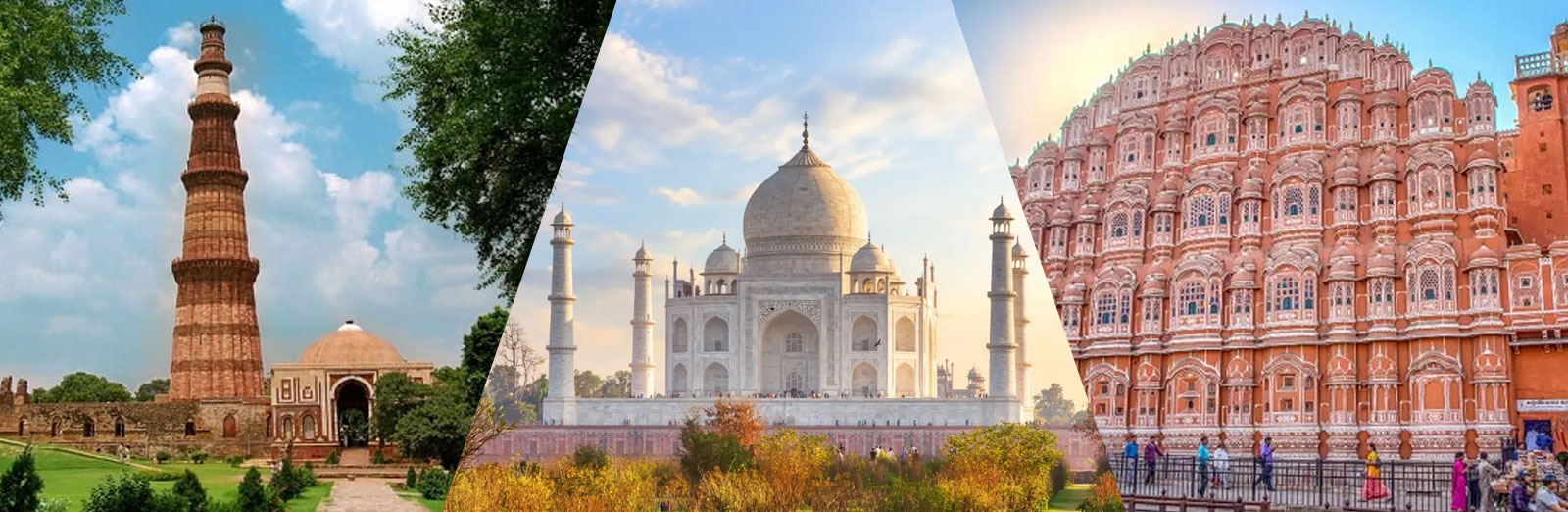
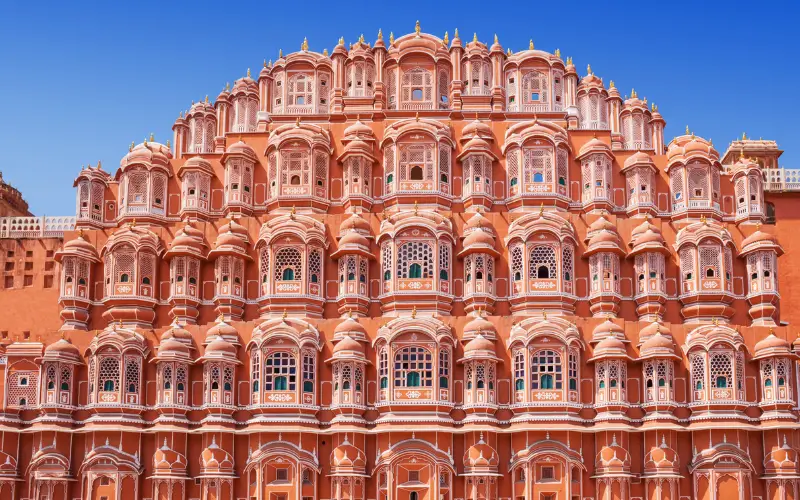
The iconic Hawa Mahal is one of the most photographed landmarks in India and a symbol of Jaipur's royal heritage. Located in the heart of the Pink City, this magnificent five-storey palace attracts millions of visitors every year with its unique honeycomb façade, delicate lattice windows, and remarkable Rajput architecture. Whether you are visiting Jaipur as part of a Golden Triangle Tour, exploring Rajasthan independently, or planning a photography-focused holiday, Hawa Mahal deserves a place on every travel itinerary.
Constructed from red and pink sandstone, the palace stands proudly along one of Jaipur's busiest streets. At first glance, the impressive façade appears much larger than the interior, yet its architectural design reflects extraordinary planning and craftsmanship. The palace contains 953 beautifully designed jharokhas (small windows) that were carefully built to allow royal women to observe festivals, processions, and daily life on the streets below without being seen by the public. This innovative design also created natural ventilation throughout the building, which explains why the structure became known as the "Palace of Winds."
Unlike many royal palaces that served as residential complexes, Hawa Mahal functioned primarily as an extension of the nearby City Palace. Its unique design allowed members of the royal household to participate in public celebrations while maintaining the traditional customs of royal privacy. Even today, standing inside the palace and looking through the decorative windows offers visitors a fascinating glimpse into Jaipur's royal history.
Located only a few minutes from City Palace, Jantar Mantar, and Jaipur's traditional bazaars, Hawa Mahal is easy to include within a full day of sightseeing. Many travelers visit the monument early in the morning before continuing toward other nearby attractions. Since the palace is situated in the center of the city, transportation is convenient from almost every hotel in Jaipur.
Planning your visit in advance helps you avoid crowds and enjoy a more comfortable sightseeing experience.
Opening Hours
The average visit lasts between 45 minutes and 1.5 hours, depending on how much time you spend exploring the galleries and photographing the architecture.
Approximate Entry Fee
Foreign Visitors
Indian Visitors
The Rajasthan government occasionally offers combined tickets that include several attractions such as Amber Fort, Albert Hall Museum, Jantar Mantar, and Hawa Mahal. Travelers planning to visit multiple monuments should compare ticket options, as combination tickets often provide better overall value.
Distance from Popular Jaipur Locations
City Palace
Jantar Mantar
Jaipur Railway Station
Jaipur International Airport
Taxi services, app-based cabs, auto-rickshaws, and private tour vehicles are readily available throughout Jaipur. Travelers booking a Private Jaipur Sightseeing Tour generally visit Hawa Mahal, City Palace, Jantar Mantar, Albert Hall Museum, and local markets on the same day.
Stand before the extraordinary façade of Hawa Mahal and discover the architectural brilliance behind Jaipur's most recognizable landmark.
Hawa Mahal was built in 1799 by Maharaja Sawai Pratap Singh, inspired by the shape of Lord Krishna's crown. The palace was designed by the renowned architect Lal Chand Ustad, who combined Rajput and Mughal architectural elements to create one of Jaipur's most recognizable monuments.
The palace's remarkable façade consists of hundreds of intricately carved windows designed to allow cool air to circulate naturally through the building. During Rajasthan's hot summers, this innovative ventilation system helped maintain comfortable temperatures inside the palace without any modern cooling technology. This natural airflow gave rise to the name Hawa Mahal, meaning the Palace of Winds.
Inside the palace, visitors explore narrow corridors, beautifully decorated chambers, small museums, and elevated viewpoints overlooking Jaipur's bustling streets. Although the palace appears massive from the outside, its interior is relatively compact, making it easy to explore within an hour.
One interesting architectural feature is that the palace contains very few traditional staircases. Instead, gently sloping ramps connect the upper floors, allowing members of the royal household to move comfortably between different levels while wearing traditional royal attire.
The upper balconies offer excellent panoramic views of Jaipur's old city, nearby temples, colorful markets, and distant hills. These viewpoints remain among the most popular locations for visitors interested in both history and photography.
For many travelers, Hawa Mahal is one of the most photogenic landmarks in Jaipur. Its distinctive pink sandstone façade, intricate lattice windows, and symmetrical architecture create outstanding photography opportunities throughout the day. Whether you are using a professional camera or a smartphone, choosing the right time and location can significantly improve your photographs.
The most famous viewpoint is located directly opposite Hawa Mahal, where visitors can capture the complete façade from across the road. Many cafés and rooftop restaurants in this area also provide elevated views of the monument. Ordering breakfast or coffee while photographing the palace from above has become a popular experience among international travelers. Early morning is the preferred time because the soft sunlight beautifully illuminates the front of the building, while traffic remains relatively light.
Inside the palace, each floor offers a different perspective of Jaipur's historic streets. The numerous jharokhas create natural frames for photographs overlooking the Pink City, while the decorative arches, carved stonework, and narrow corridors provide attractive backgrounds for portrait photography. The upper floors are particularly popular because they offer panoramic views extending across the old city toward the surrounding hills.
Photography is permitted in most public areas of the palace. Visitors using professional equipment should remain aware of other tourists, especially inside the narrow passageways where space can become limited during busy hours.
Since Hawa Mahal is located in the heart of Jaipur, several major attractions can easily be visited on the same day.
Nearby Attractions
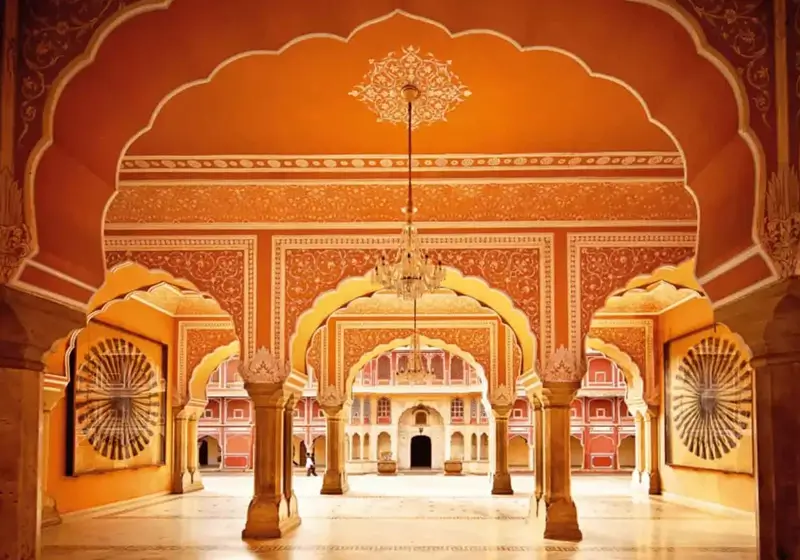
City Palace
The palace complex contains royal courtyards, museums, ceremonial halls, historic weapons, royal costumes, and beautifully decorated gateways that provide a deeper understanding of Jaipur's royal heritage.
Jantar Mantar
This UNESCO World Heritage Site houses remarkable astronomical instruments that continue to demonstrate the scientific achievements of the eighteenth century.
Johari Bazaar
Located only a short walk from Hawa Mahal, this famous market is one of Jaipur's best shopping destinations for gemstones, gold jewelry, silver ornaments, textiles, handcrafted souvenirs, and traditional Rajasthani artwork.
Bapu Bazaar
Well known for leather products, textiles, handicrafts, colorful fabrics, footwear, and affordable souvenirs, this market is ideal for travelers wishing to experience Jaipur's vibrant shopping culture.
Many visitors combine these attractions into a full-day sightseeing itinerary, allowing them to experience Jaipur's architecture, history, shopping, and local cuisine without extensive travel between locations.
Few monuments capture the personality of Jaipur quite like Hawa Mahal. From the street, its extraordinary honeycomb façade appears almost like a delicate work of art.
The ideal time to visit Hawa Mahal is during the cooler months between October and March, when pleasant daytime temperatures make walking around Jaipur comfortable. Early morning visits between 9:00 AM and 10:30 AM are highly recommended because visitor numbers remain relatively low, lighting conditions are excellent for photography, and temperatures are more comfortable than during the afternoon.
Most travelers spend 45 minutes to 1.5 hours exploring the monument before continuing to nearby attractions. Since the palace is centrally located, transportation costs within Jaipur remain relatively affordable.
Expected Local Transportation Cost
Auto-Rickshaw
App-Based Taxi
Private Full-Day Jaipur Sightseeing Tour
Visitors planning to explore several attractions during the same day generally find a private sightseeing vehicle more convenient than arranging separate taxis throughout the city.
Comfortable footwear is recommended because exploring Jaipur often involves walking through palace complexes, markets, museums, and historical monuments. Carrying sunglasses, sunscreen, drinking water, and a hat also improves comfort during outdoor sightseeing.
Travelers should remember that Hawa Mahal appears most impressive from its exterior. While the interior provides fascinating historical insights and excellent city views, many first-time visitors are surprised to discover that the palace was primarily designed as an architectural viewing gallery rather than a royal residence. Understanding this historical purpose makes the visit much more meaningful.
Guided tours are available at the entrance, and licensed guides generally charge between INR 800 and INR 2,000, depending on language requirements and tour duration. Travelers interested in Jaipur's royal history often find guided visits particularly worthwhile because the guide explains the architectural features, historical significance, and stories associated with the palace.
Adding Hawa Mahal to a Golden Triangle Tour provides an excellent introduction to Rajasthan's royal heritage. Together with Amber Fort, City Palace, Jantar Mantar, and Jaipur's colorful markets, the monument represents one of the city's most iconic landmarks. Its remarkable façade, fascinating history, central location, and outstanding photography opportunities make it an essential destination for every traveler visiting Jaipur.
The palace is generally open from 9:00 AM to 5:00 PM every day.
Foreign visitors usually pay around INR 200, while Indian visitors pay approximately INR 50.
Most visitors spend 45 minutes to 1.5 hours exploring the palace.
The palace contains 953 decorative windows that create natural ventilation, allowing cool air to circulate throughout the structure.
It was commissioned by Maharaja Sawai Pratap Singh and designed by architect Lal Chand Ustad in 1799.
Yes. Photography is permitted in most public areas, making it one of Jaipur's most popular photography locations.
City Palace, Jantar Mantar, Johari Bazaar, and Bapu Bazaar are all within walking distance.
Early morning provides the best lighting conditions and fewer visitors.
Yes. It is centrally located and is commonly included with City Palace, Jantar Mantar, and Jaipur's traditional markets.
Yes. Almost every Golden Triangle Tour Package covering Jaipur includes Hawa Mahal as one of the city's primary sightseeing attractions.
Fill in the details below. Our expert consultant will respond within 4 hours with a bespoke itinerary crafted just for you — completely free, no obligation.