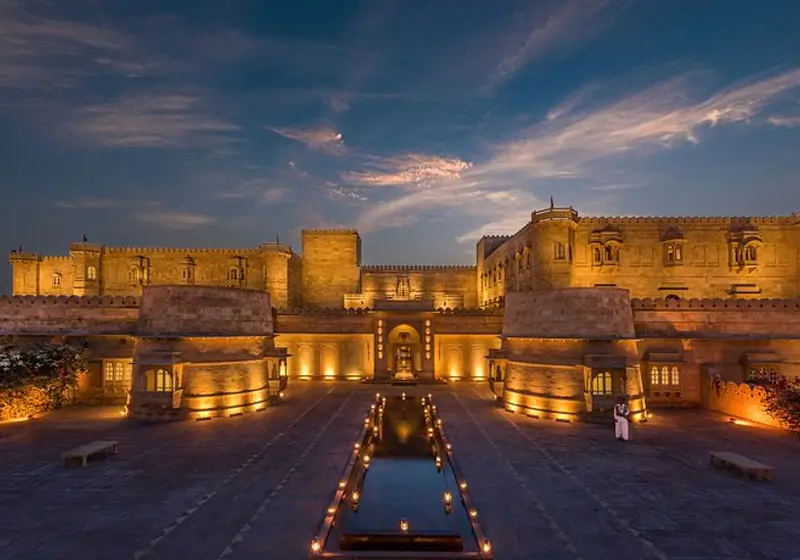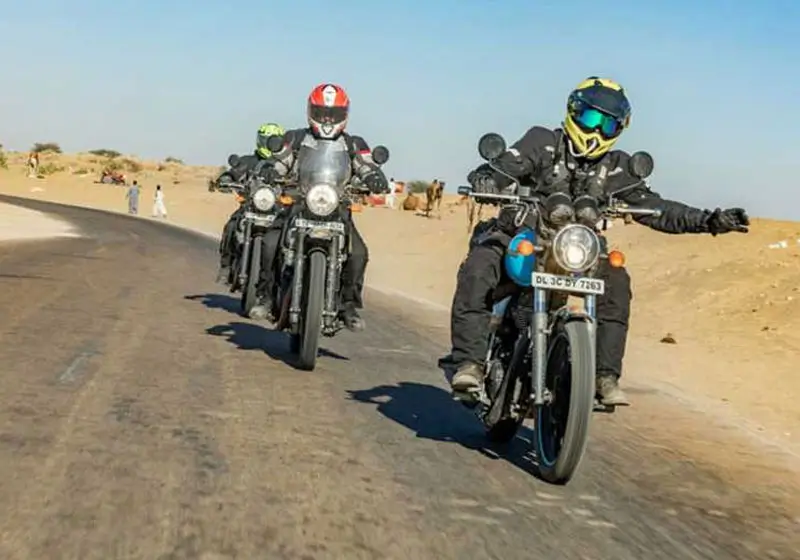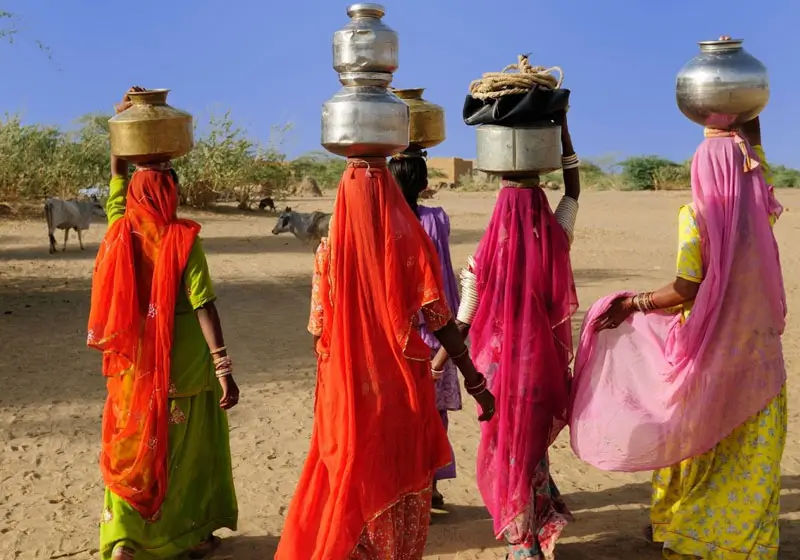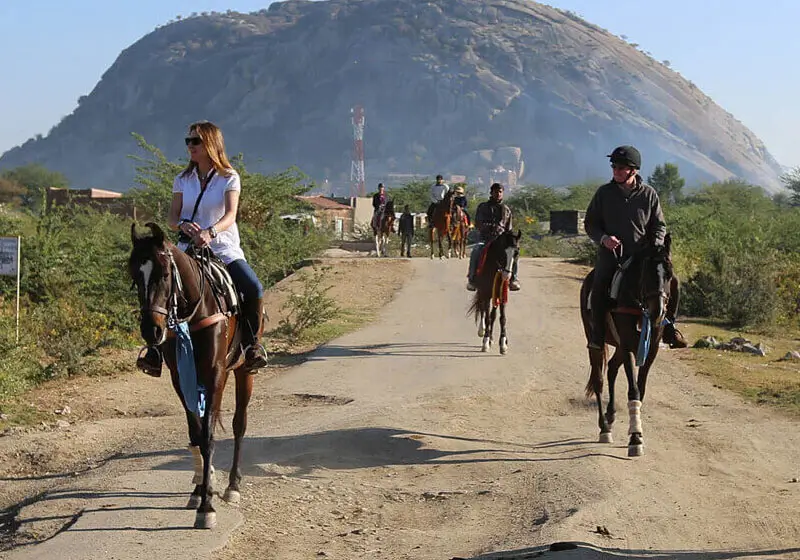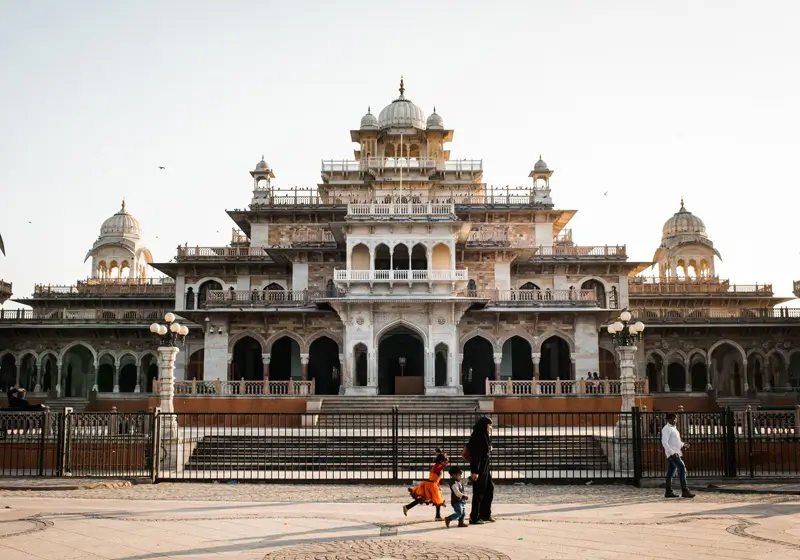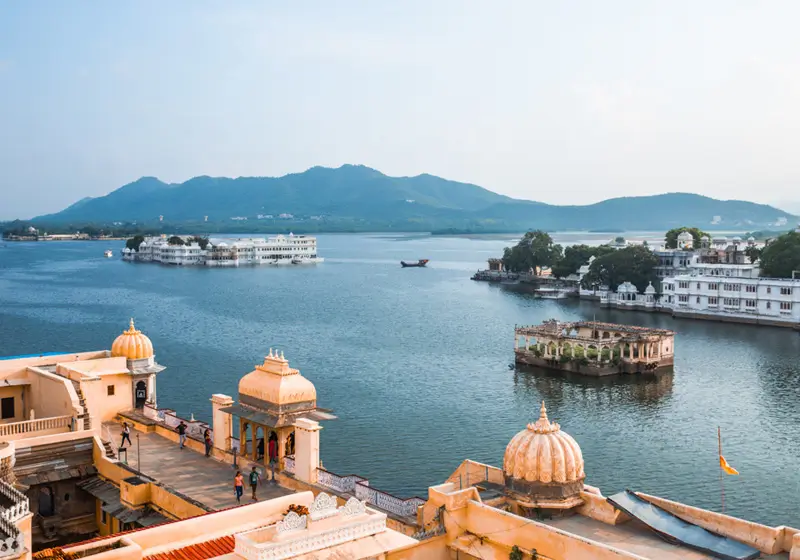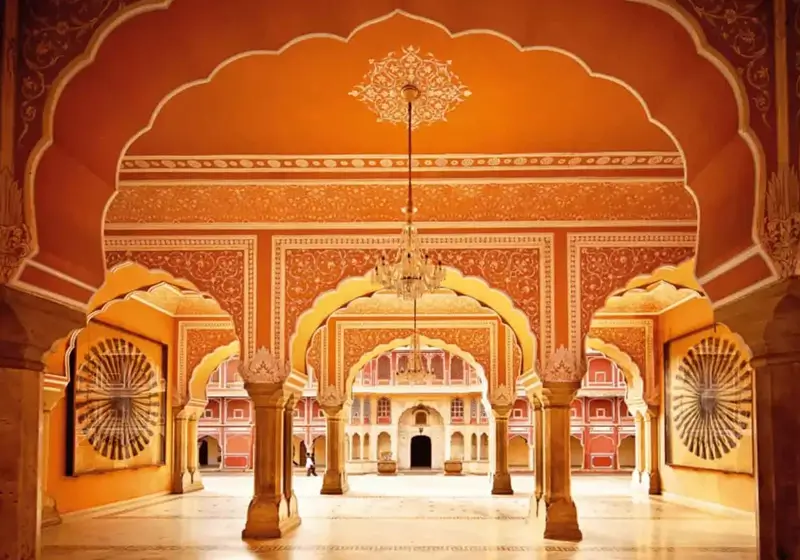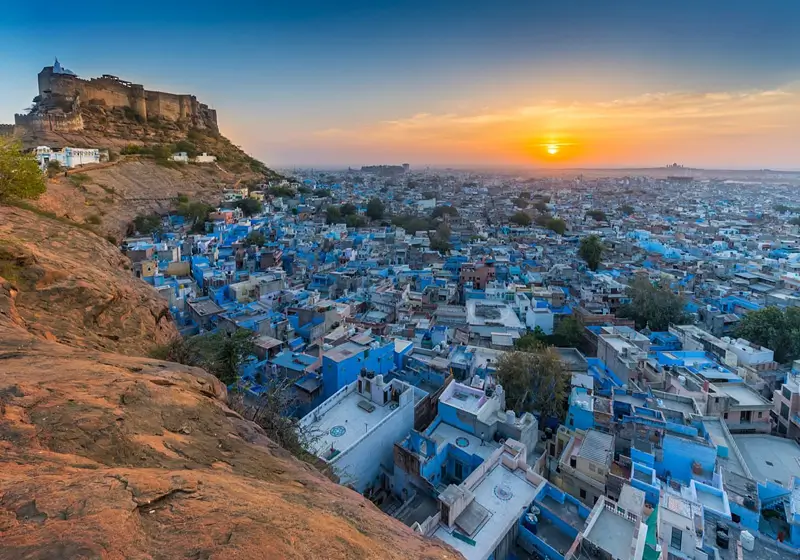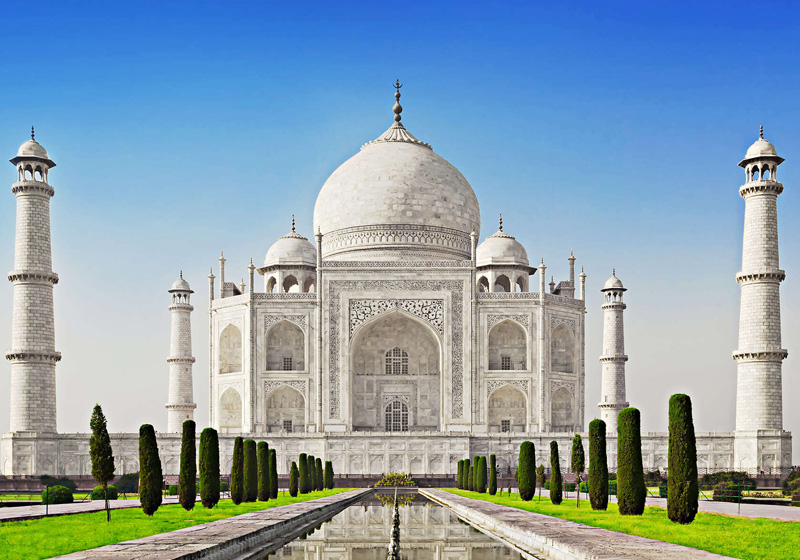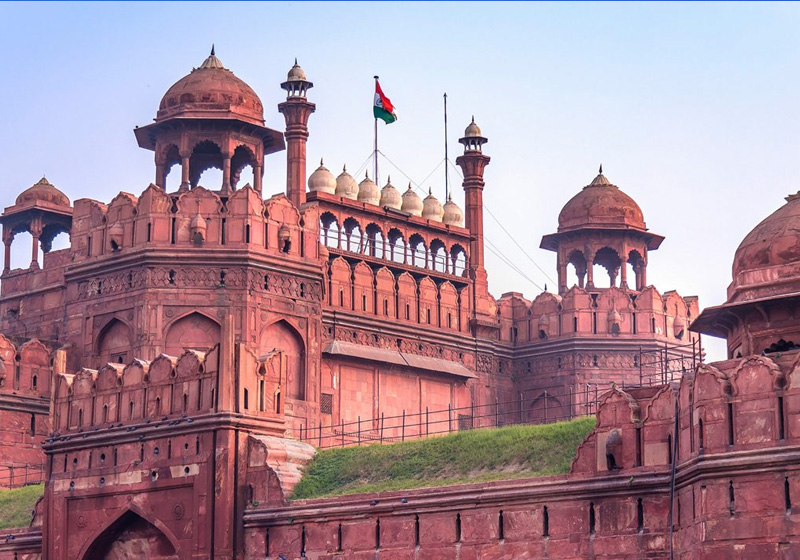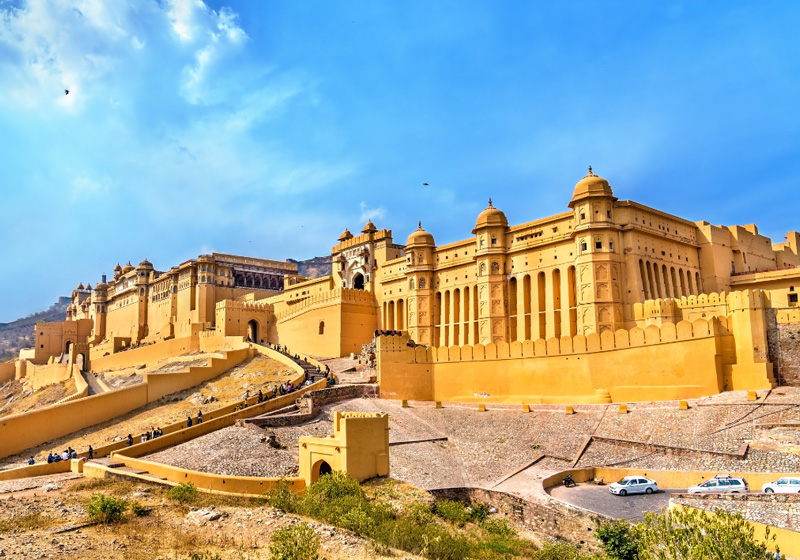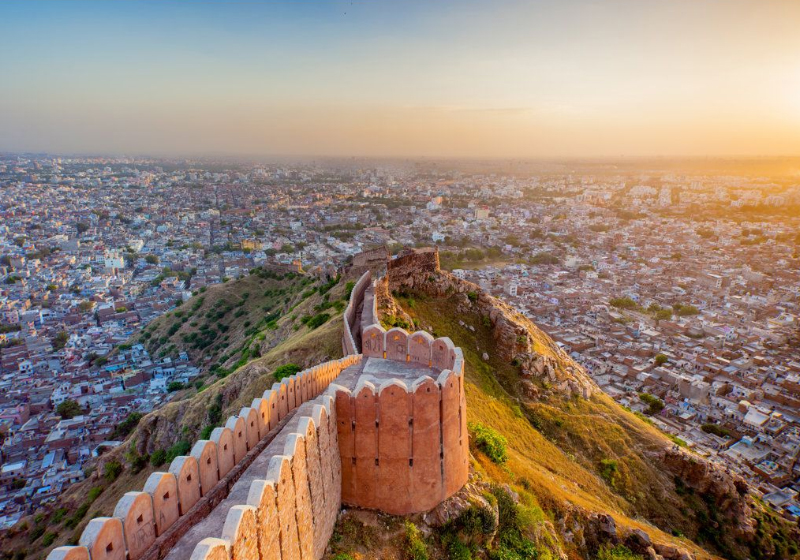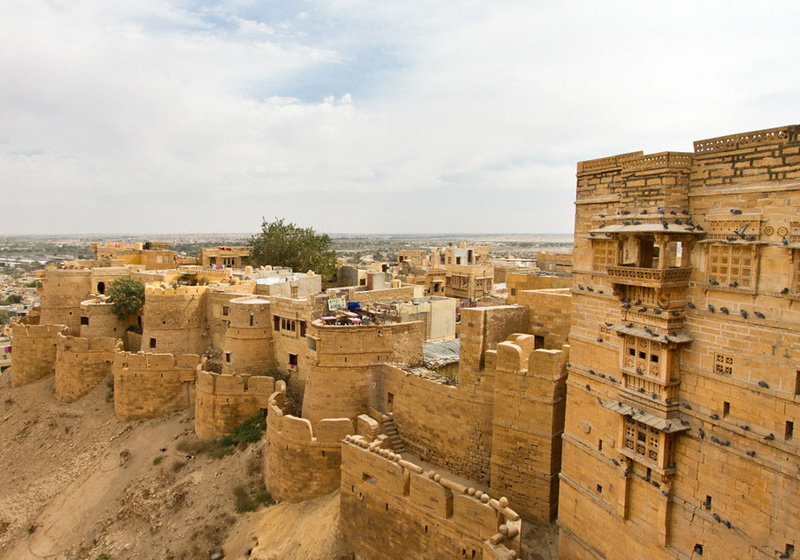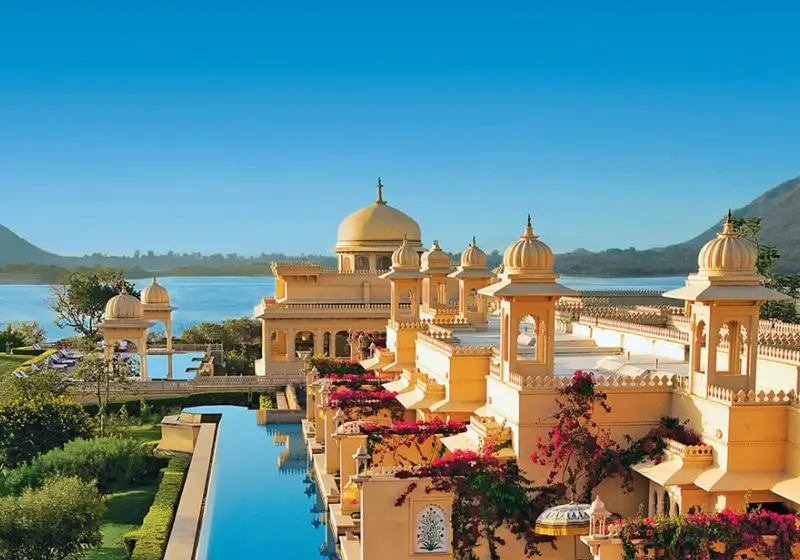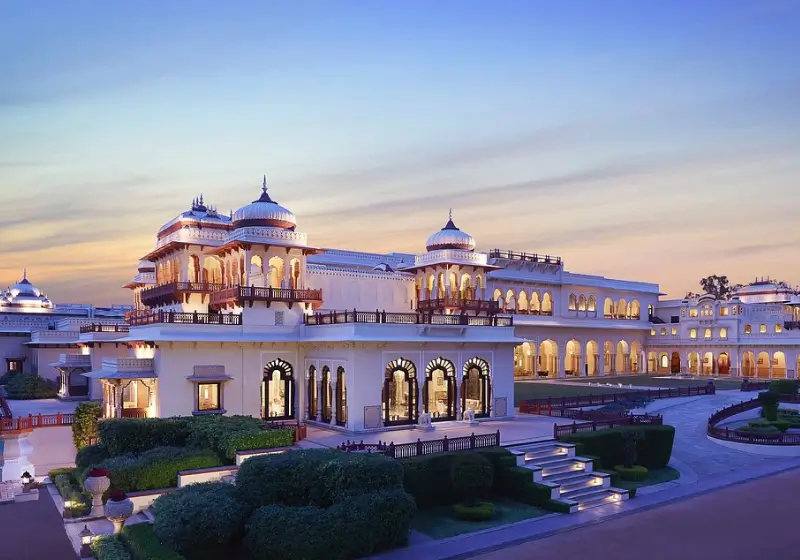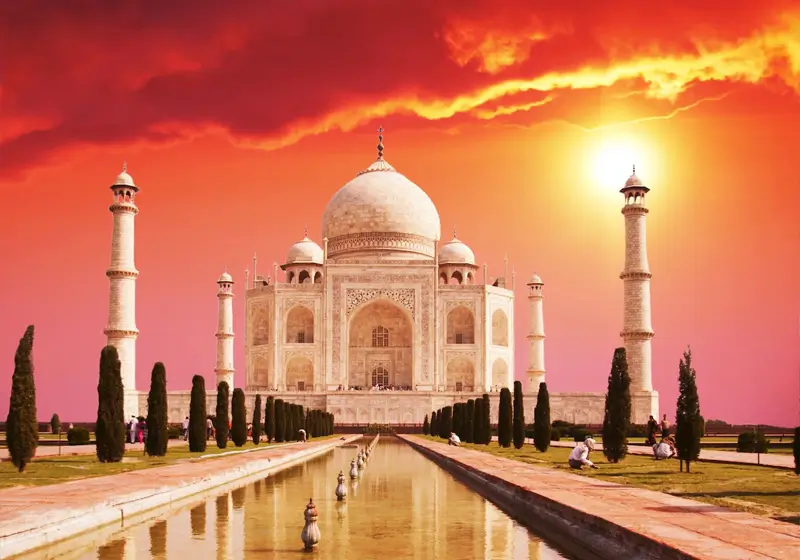
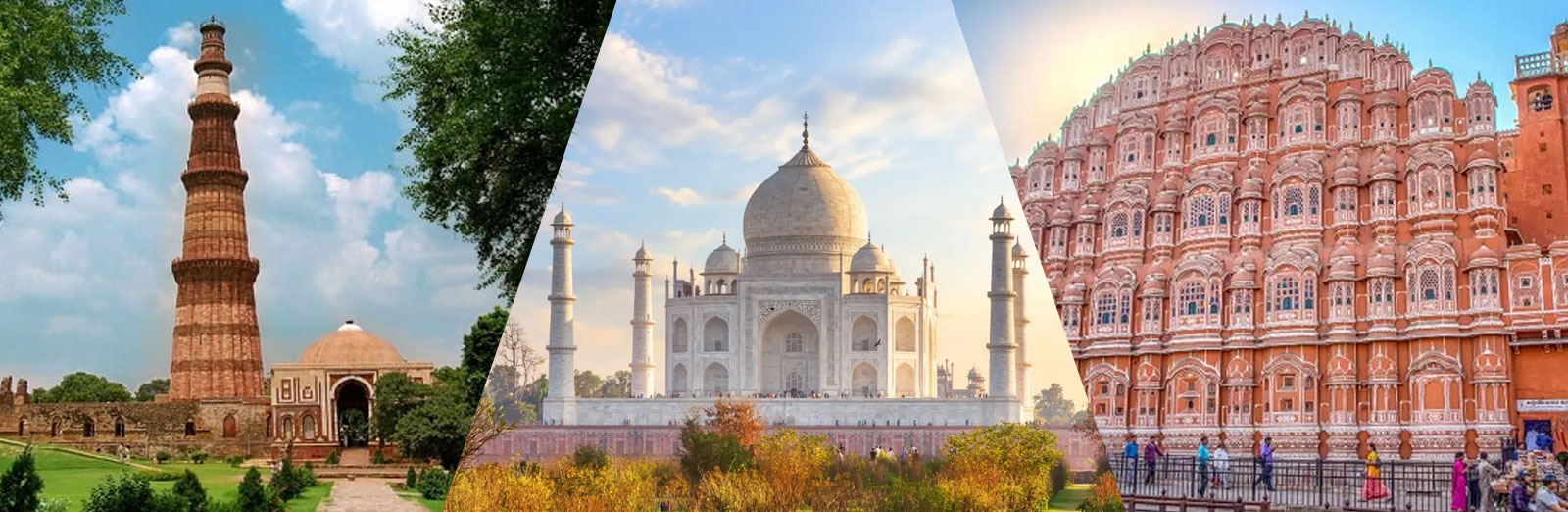
The Golden Triangle of India, connecting Delhi, Agra, and Jaipur, is known internationally as the ultimate introduction to India’s culture and history. Millions of travellers come each year to witness the Taj Mahal, the Red Fort, or the Amber Fort. While these iconic landmarks deserve every bit of their fame, the true spirit of this region lies in its hidden corners — those quiet villages, forgotten ruins, stepwells, and cultural pockets that remain untouched by mass tourism. These are the hidden gems of the Golden Triangle, offering travellers a chance to step away from crowded monuments and explore authentic India.
For those who are willing to go a little beyond the obvious, the Golden Triangle presents countless surprises. Imagine walking through deserted Mughal cities, wandering in ancient stepwells, exploring villages where artisans still practice centuries-old crafts, or spending an afternoon in a bird sanctuary that feels like an untouched paradise. This blog will take you through such hidden treasures around Delhi, Agra, and Jaipur, guiding you on why they are special and how to include them in your journey.
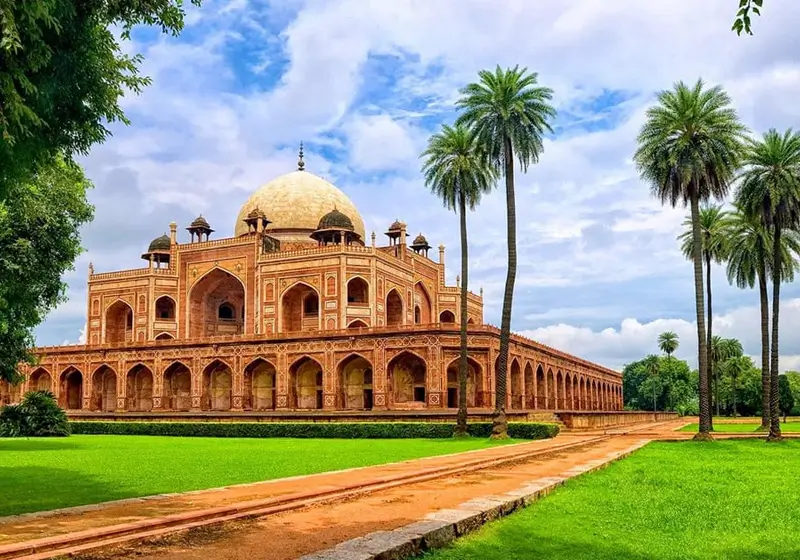
Delhi is famous for landmarks like India Gate, Qutub Minar, and Humayun’s Tomb, but the city also hides many places that reveal its layered history. One of the most fascinating is Agrasen ki Baoli, an ancient stepwell hidden in the middle of Connaught Place. This quiet monument takes you back in time with its rows of arches and descending stone steps, creating a sense of mystery. Very few international tourists know about it, yet it offers an atmospheric setting perfect for photography and history lovers.
Another forgotten treasure is the Mehrauli Archaeological Park, located next to Qutub Minar but surprisingly overlooked. Spread across 200 acres, this park has over a hundred monuments from different dynasties — from the tomb of Sultan Balban to the beautifully decorated Jamali Kamali Mosque. Unlike Qutub Minar, which is often overcrowded, this park is serene, making it ideal for travellers who want to explore Delhi’s medieval architecture in peace.
For those who prefer nature, Sanjay Van is an unexpected gem. It is one of the largest green spaces in Delhi, offering walking trails, birdwatching spots, and hidden ruins of ancient fortifications. It is especially loved by locals who come for morning walks, but for tourists it can be an excellent way to experience a quieter side of Delhi.
Then there is the Tughlaqabad Fort, built in the 14th century by Ghiyas-ud-din Tughlaq. Today it lies mostly in ruins, but its massive stone walls still give a glimpse of the grandeur of medieval Delhi. Standing here, away from the city noise, you get to imagine the power of one of India’s most ambitious empires. Few visitors make it here, but those who do often say it is one of the most impressive experiences of their trip.
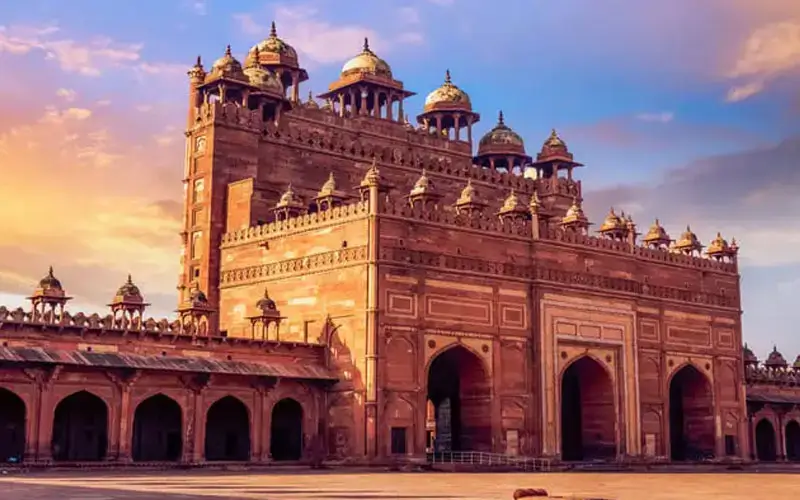
Agra is known worldwide for the Taj Mahal, but it is surrounded by several remarkable places that often go unnoticed. The most famous of these is Fatehpur Sikri, the abandoned Mughal capital located just 40 kilometers away. While it is a UNESCO World Heritage Site, many tourists skip it due to time constraints. Walking through its red sandstone palaces and courtyards gives you an eerie sense of history frozen in time. It is easy to imagine the royal court of Emperor Akbar, and yet today the silence of the place creates an unforgettable experience.
Another fascinating destination near Agra is the Bateshwar Temples, located on the banks of the Yamuna River. This site consists of more than a hundred temples dedicated to Lord Shiva, many of which are in ruins while others remain active. Very few foreign tourists visit this spiritual complex, but it provides a glimpse into India’s deep religious traditions and is especially lively during the annual Bateshwar Fair.
For wildlife lovers, the Chambal Safari near Dholpur is a thrilling option. This region, once infamous for bandits, is now known for its natural beauty and biodiversity. A boat ride on the Chambal River lets you see gharials, crocodiles, and even freshwater dolphins, along with migratory birds. It is a very different side of North India compared to the bustling cities.
One of the best-kept secrets is the Itimad-ud-Daulah’s Tomb, often called the Baby Taj. While most tourists rush only to the Taj Mahal, this smaller marble mausoleum offers equally intricate inlay work and far fewer crowds. Its riverside gardens and quiet ambiance make it one of the most peaceful corners of Agra.
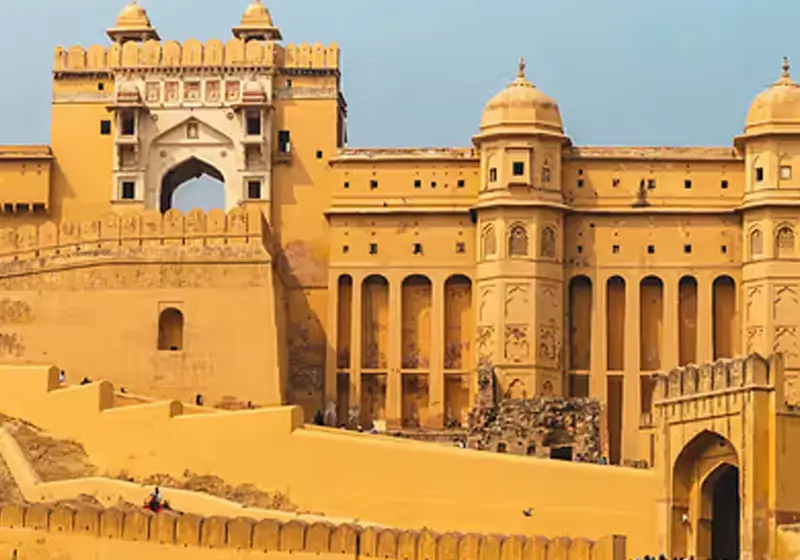
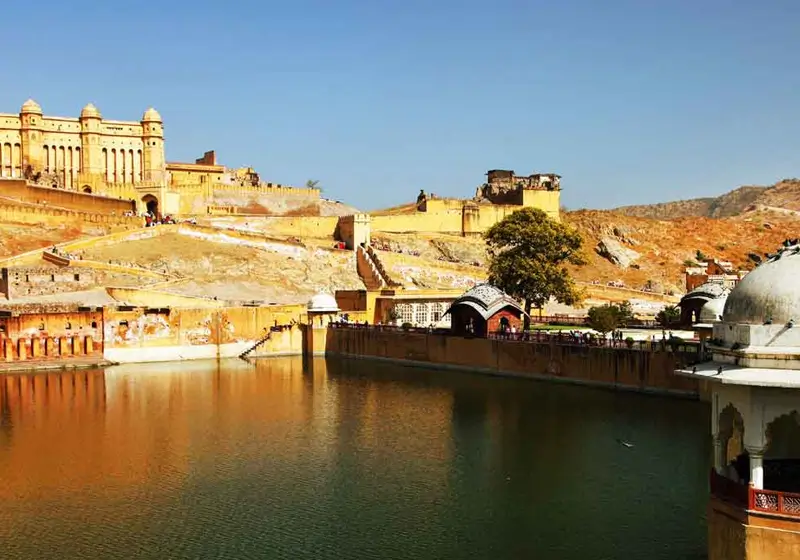
Jaipur is famous for Amber Fort, City Palace, and Hawa Mahal, but hidden within and around the city are places that few tourists explore. One such place is Abhaneri Stepwell, also known as Chand Baori, located about 95 kilometers from Jaipur. It is one of the deepest and most symmetrical stepwells in India, with thousands of steps forming geometric patterns. Standing here feels like stepping inside an architectural puzzle, and yet it remains largely absent from most Golden Triangle itineraries.
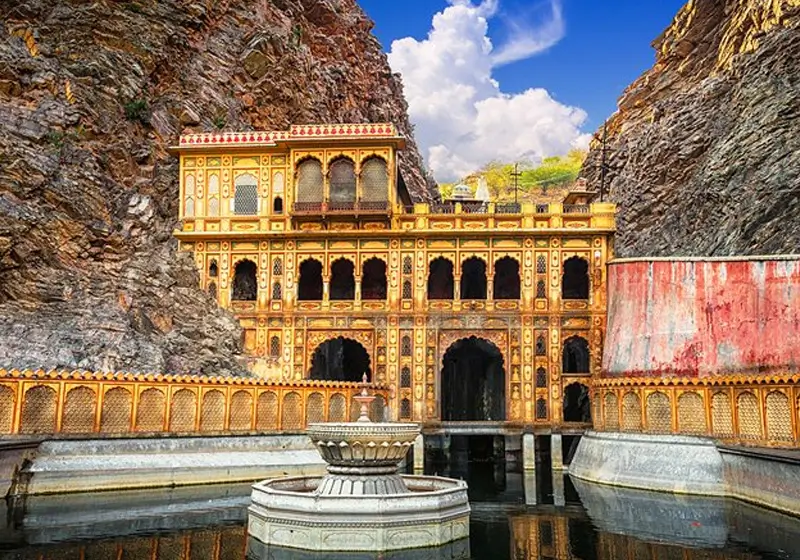
Within Jaipur itself, Galta Ji Temple, popularly called the Monkey Temple, offers a unique experience. Built in a rocky valley, it has natural water tanks where pilgrims bathe, surrounded by hundreds of monkeys. While not as polished as City Palace or Amber Fort, it provides a raw and authentic view of Rajasthan’s spiritual side.
For travellers interested in rural life, the Shekhawati Region north of Jaipur is a true open-air gallery. Towns like Mandawa and Nawalgarh are filled with havelis painted with frescoes depicting mythology, colonial encounters, and folk art. Walking through these towns feels like discovering a forgotten museum under the open sky.
Another offbeat treasure is the Sambhar Salt Lake, India’s largest inland saltwater lake, located around 80 kilometers from Jaipur. Its white, flat landscape stretches endlessly, creating surreal photography opportunities, especially at sunset. Migratory birds like flamingos also arrive here in winter, adding to the charm.
Visiting hidden gems requires a slightly different mindset than visiting major landmarks. Unlike the Taj Mahal or Hawa Mahal, you may not find luxury facilities, large ticket counters, or bustling crowds. Instead, what you get is authenticity — the chance to sit quietly in a centuries-old ruin, interact with villagers, or watch artisans work in workshops passed down through generations.
Transportation is often simple: local taxis, hired cabs, or even public buses. For solo travellers, joining small group tours is a good option. In many cases, hiring a local guide from the nearest city can add stories that you won’t find in guidebooks. Most of these sites are safe to visit during the day, though evenings in isolated ruins are best avoided.
Food and shopping also add charm. Many of these areas have small eateries serving regional dishes. For example, Shekhawati is famous for traditional Rajasthani thalis, while Fatehpur Sikri’s bazaar still sells local handicrafts. These touches make the experience memorable.
Travelling to hidden gems around the Golden Triangle does more than enrich your itinerary. It supports rural communities, sustains local artisans, and reduces the pressure on overcrowded monuments. By visiting these places, travellers not only get a unique experience but also contribute to preserving cultural heritage. Moreover, for those who seek photography or writing inspiration, these locations often provide the most compelling stories.
Yes, they are generally safe during the daytime. Hiring local guides and transport adds security.
It is about 40 km and takes one hour by road.
Yes, Mandawa can be done as a day trip, but an overnight stay allows deeper exploration.
October to March offers the most pleasant weather.
Some like Fatehpur Sikri and Abhaneri Stepwell have small entry fees, while others like Agrasen ki Baoli are free.
Yes, photography is permitted in most hidden gems, though tripods may need permission.
Yes, most can be visited as short detours or day trips.
In major ones like Fatehpur Sikri, yes. In rural areas, local guides may speak basic English.
It is about 60 km; private taxis or tour operators are the best option.
Abhaneri Stepwell and Sambhar Salt Lake are excellent for unique photography.
No, most are far less crowded than major monuments, offering peaceful exploration.
Yes, safaris and rickshaw rides should be booked early during peak season.
Fill in the details below. Our expert consultant will respond within 4 hours with a bespoke itinerary crafted just for you — completely free, no obligation.