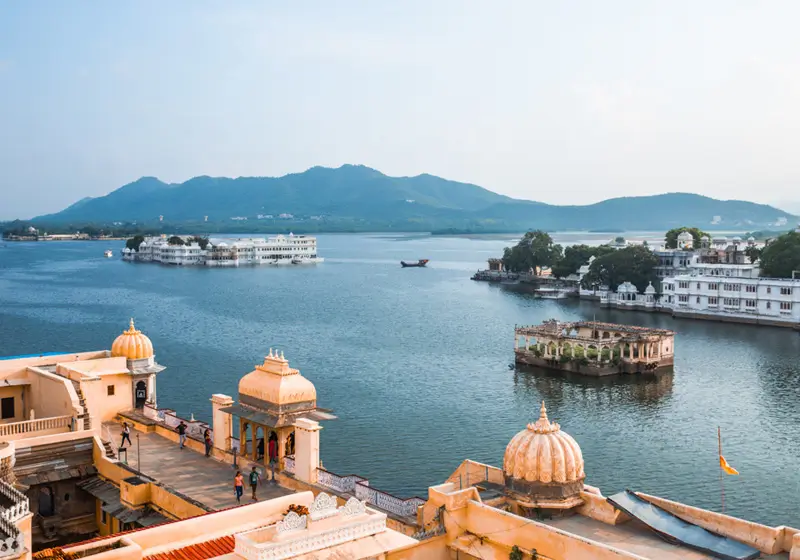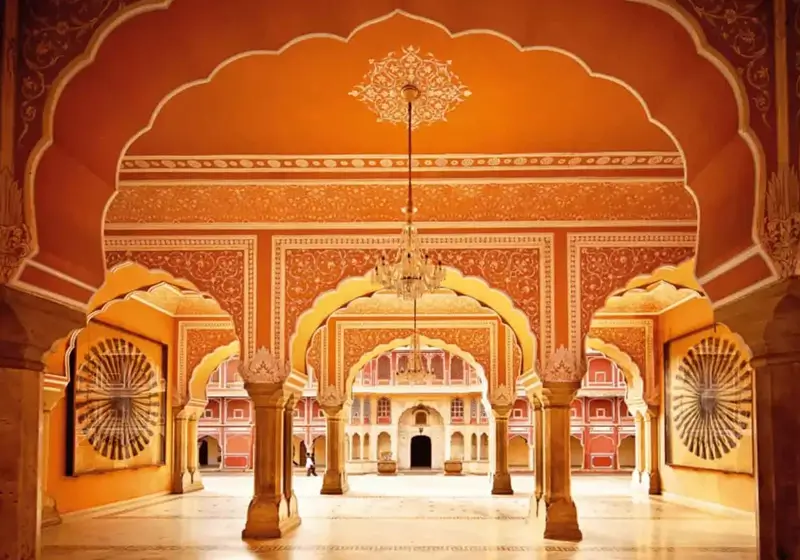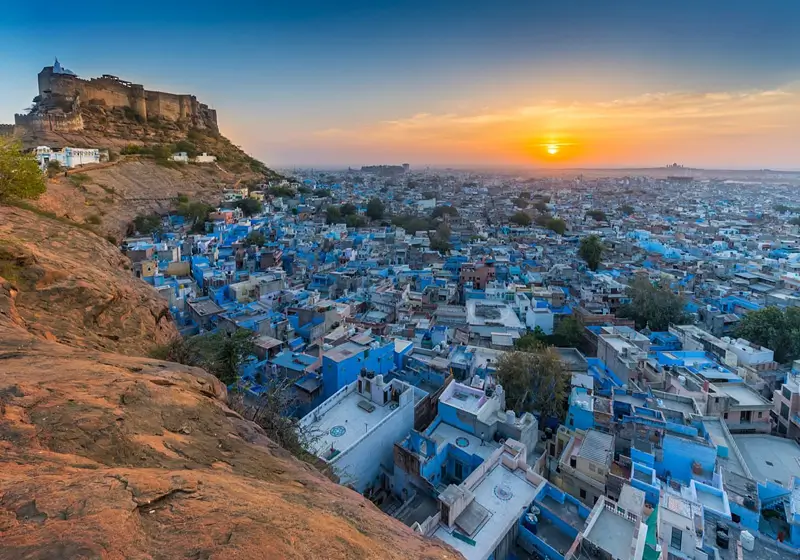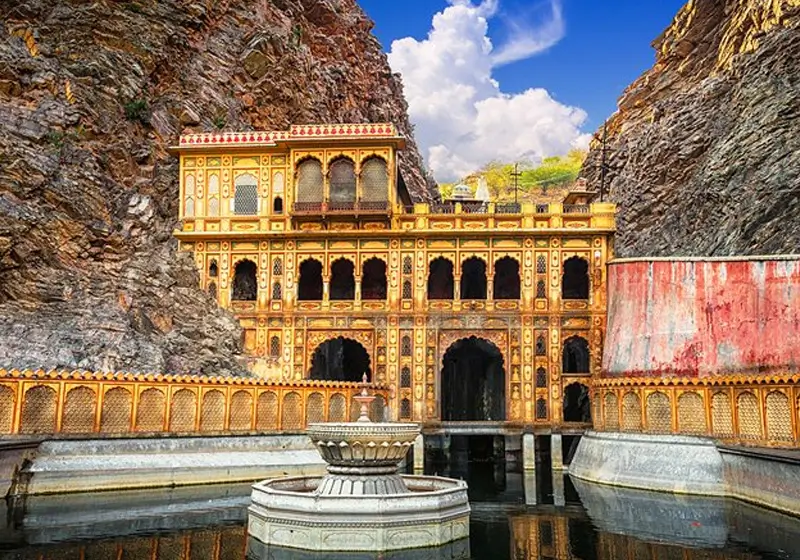
Udaipur, the City of Lakes, is best known for its palaces, lakeside ghats, and romantic charm. Travellers from around the world visit the majestic City Palace, sail on Lake Pichola, and marvel at Jag Mandir or Jagdish Temple. But Udaipur is also a deeply spiritual city, with hundreds of temples scattered in its old lanes, hillsides, and nearby villages. While Jagdish Temple dominates the tourist trail, locals often frequent smaller, lesser-known temples that carry centuries of history and devotion.
These hidden temples are not only sacred spots but also cultural landmarks. They showcase regional architecture, intricate carvings, and living traditions that thrive away from tourist crowds. Visiting them allows travellers to connect with the authentic spiritual life of Udaipur, where daily rituals, folk beliefs, and age-old practices still define community life. In this blog, we will explore some of the most fascinating hidden temples of Udaipur, understand their importance, and see why locals love them.
About 22 kilometers from Udaipur lies the Eklingji Temple, dedicated to Lord Shiva. Though not completely unknown, it is often skipped by foreign tourists who focus only on central Udaipur. For locals, however, Eklingji is one of the most important spiritual centres. Built in the 8th century, the temple has been rebuilt and restored over the centuries by Mewar rulers, who considered Eklingji their family deity.
The temple complex houses over 100 shrines, each with unique architecture. The main shrine features a four-faced black marble idol of Shiva. Pilgrims arrive here on Mondays and during Mahashivratri, when the atmosphere is filled with chants, bells, and devotional music. For travellers, Eklingji offers not just spirituality but also insights into how religion and royalty were intertwined in Mewar history.
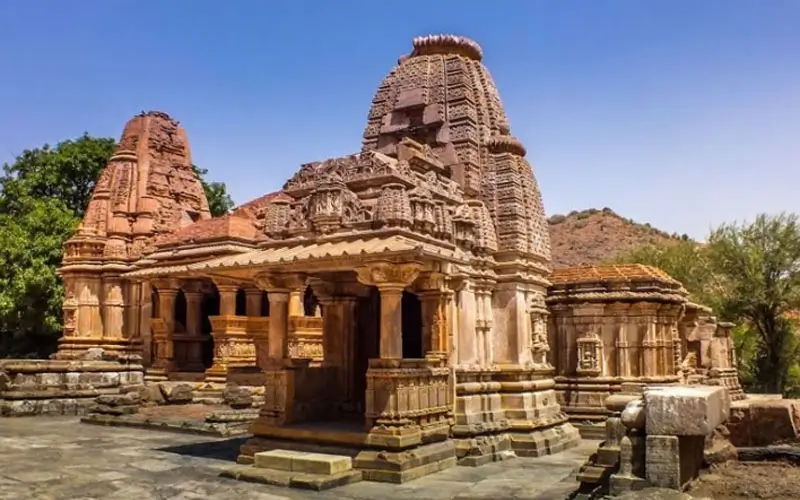
Just a few kilometres from Eklingji are the Nagda Temples, dating back to the 10th century. These temples, dedicated to Vishnu and Jain deities, are known for their exquisite carvings. The Sas-Bahu temples (Mother-in-law and Daughter-in-law temples) are especially famous for their detailed sculptures depicting mythological stories.
Though many parts are in ruins, Nagda remains an atmospheric spot, often visited by locals who come to offer prayers in small shrines. Its location beside a lake and surrounding hills adds to its charm. For those interested in ancient temple architecture, Nagda is a hidden gem.
Perched on a hill overlooking Fateh Sagar Lake, Neemach Mata Temple is another sacred spot loved by Udaipur residents. Devotees often climb the 900-meter uphill trail to reach the temple, treating the walk as both spiritual and physical exercise. The temple is dedicated to Neemach Mata Devi, believed to be a protective goddess of Udaipur.
The highlight of this temple is its panoramic view. From the top, visitors can see Fateh Sagar Lake, the city skyline, and the distant Aravalli ranges. Locals visit during festivals and on weekends, combining devotion with an outing. For travellers, this temple offers a unique mix of spirituality and scenic beauty.
While Karni Mata is better known for her temple in Deshnok near Bikaner, Udaipur also has a shrine dedicated to her atop Machla Magra Hill. The temple is accessible by ropeway or a steep trek, and it offers one of the best sunset views in Udaipur.
Locals visit Karni Mata Temple for blessings, while tourists often combine it with the ropeway ride for the city’s bird’s-eye views. The white marble idol of Karni Mata is worshipped daily, and evenings see a mix of prayer and photography as the sun sets over Lake Pichola and City Palace.
Located about 2 kilometers from the city centre, Bohra Ganesh Temple is a popular local shrine dedicated to Lord Ganesha. It is especially lively on Wednesdays, when devotees arrive with sweets, flowers, and prayers for prosperity.
The temple is named after a legend where a saint from the Bohra community dreamt of Lord Ganesha appearing at this spot. Since then, it has been one of Udaipur’s most loved temples. Foreign travellers rarely visit, but locals believe it is one of the most powerful temples in the city.
About 50 kilometers from Udaipur lies the Jagat Temple, often called the “Khajuraho of Rajasthan” due to its intricate carvings. Dedicated to Goddess Ambika, a form of Durga, this 10th-century temple stands in a quiet rural setting. Its walls are filled with sculptures of gods, goddesses, celestial beings, and dancers.
Locals still use it as a place of worship, while archaeologists value it as one of the finest examples of temple art in Rajasthan. For solo travellers and history enthusiasts, Jagat Temple is worth the detour.
On the banks of Fateh Sagar Lake stands the Mahakaleshwar Temple, dedicated to Lord Shiva. Locals love this temple for its peaceful setting by the water. Evenings here are magical, with the sound of bells mixing with the gentle waves of the lake.
Devotees gather during Shivratri, and many families visit on weekends to combine prayer with lakeside relaxation. Tourists often miss this temple, but it remains one of the most atmospheric spiritual spots in Udaipur.
Unlike famous temples that attract large crowds of tourists, these hidden temples remain closely tied to local life. They are places where families gather, festivals are celebrated in traditional ways, and the bond between community and spirituality is still intact. Locals love these spots because they provide both spiritual strength and cultural continuity.
For travellers, visiting these temples is a chance to step into authentic Rajasthan, away from the polished tourist circuits. Sitting quietly in a small shrine, watching villagers offer prayers, or listening to folk songs dedicated to deities can be more memorable than visiting grand monuments.
Yes, most are within or near Udaipur, though Jagat Temple requires a drive of about 50 kilometers.
No, most are open to the public, though photography may be restricted inside sanctums.
October to March, when the weather is pleasant.
At major sites like Eklingji and Nagda, yes. Rural temples may have only local guides.
Yes, women are allowed in all listed temples.
Neemach Mata and Karni Mata temples provide panoramic city views.
No, all are free, though donations are welcome.
Most are peaceful except during festivals like Shivratri or Navratri.
Yes, Neemach Mata and Mahakaleshwar can be combined with Fateh Sagar outings; Eklingji and Nagda can be combined as a half-day trip.
Yes, they are safe during the daytime, though rural roads should be taken with local drivers.
Modest clothing covering shoulders and knees is recommended.
Yes, many like Jagat and Nagda date back a thousand years and are significant examples of temple art.
Fill in the details below. Our expert consultant will respond within 4 hours with a bespoke itinerary crafted just for you — completely free, no obligation.