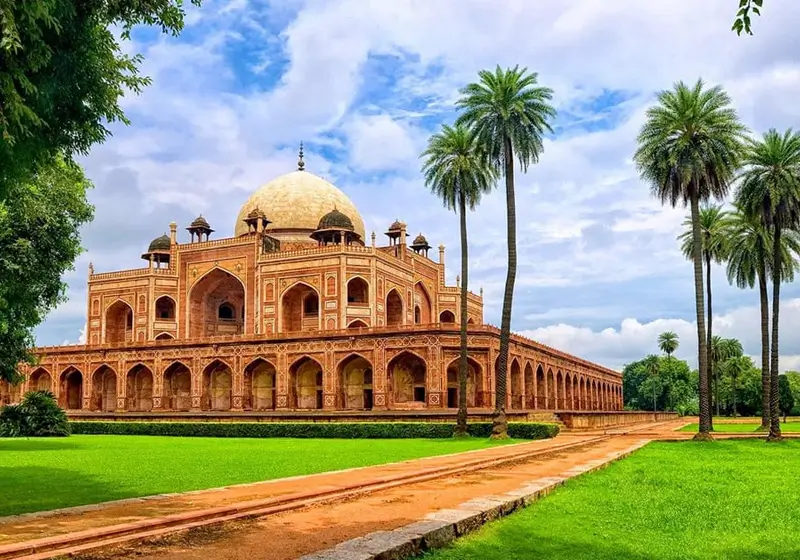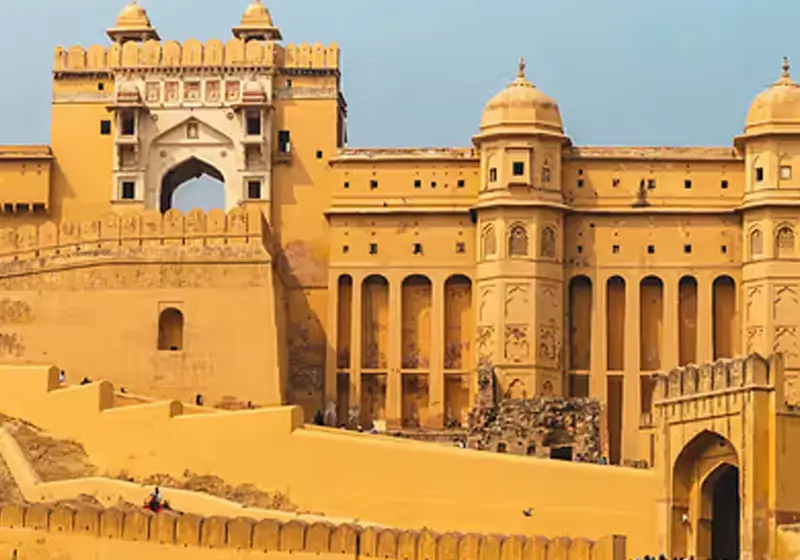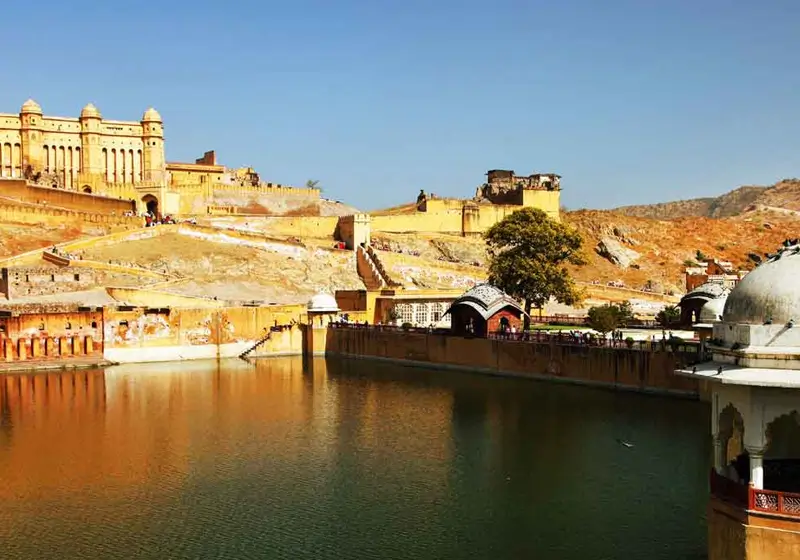
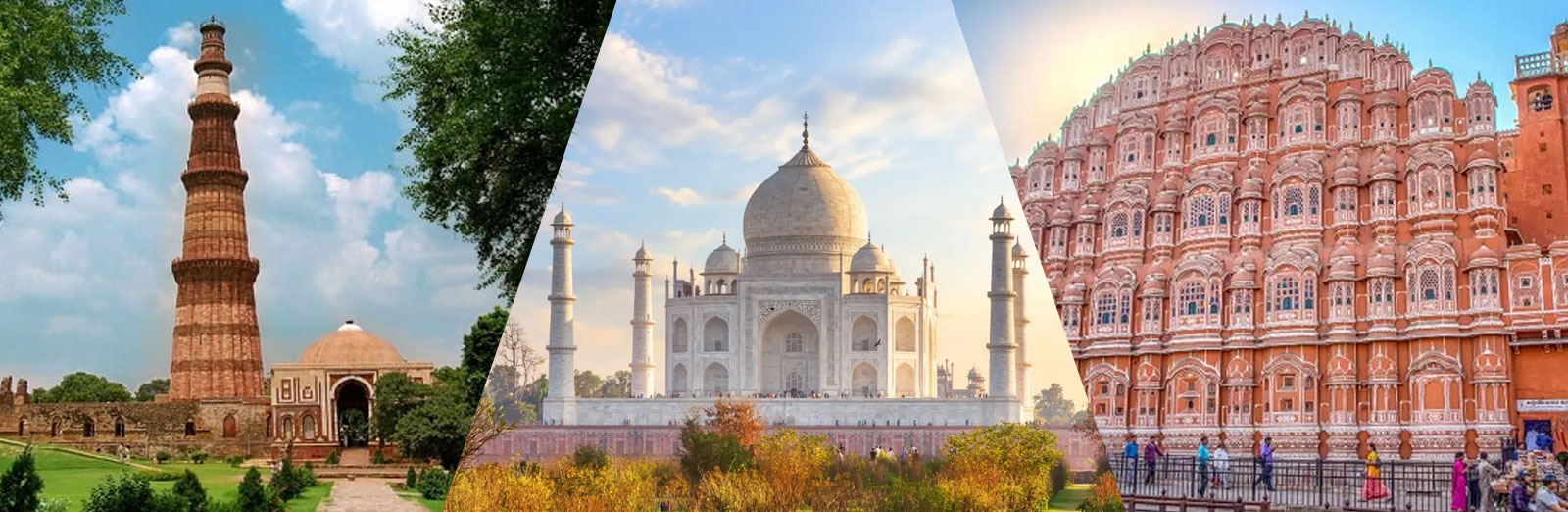
The Golden Triangle—Delhi, Agra and Jaipur—offers some of India’s most iconic monuments and royal experiences. Yet the deepest cultural connections often unfold far from bustling cities, in the peaceful rhythm of rural India. Hidden villages around the Golden Triangle reveal traditions preserved for centuries, where life moves with simplicity, warmth and natural beauty. For travellers seeking authenticity beyond typical sightseeing, these village experiences add soul and meaning to the Golden Triangle journey.
Rural India is more than landscapes; it is the heartbeat of the country. Villages around the Golden Triangle hold stories of farming communities, artisan families, folk musicians, traditional potters, weavers, pastoral communities, craft clusters, spiritual communities and ancient customs. The hospitality in rural areas feels genuine, warm and deeply respectful. Travellers often describe rural visits as the most memorable part of their Golden Triangle trip.
This comprehensive guide highlights the best hidden villages and rural experiences near Delhi, Agra and Jaipur—each offering unique encounters with culture, food, art, traditions, nature and daily life. Essential natural keywords such as Golden Triangle rural tour, village experiences near Jaipur, Delhi countryside retreats, Agra rural culture, India village tourism, rural Rajasthan, cultural immersion India, traditional crafts, and local community visits appear organically within the narrative.
Rural villages near the Golden Triangle offer experiences that no monument can replicate. They allow travellers to:
These encounters make the Golden Triangle feel more human, emotional and culturally deep. Travellers get to see the real India—unpolished, welcoming and full of warmth.
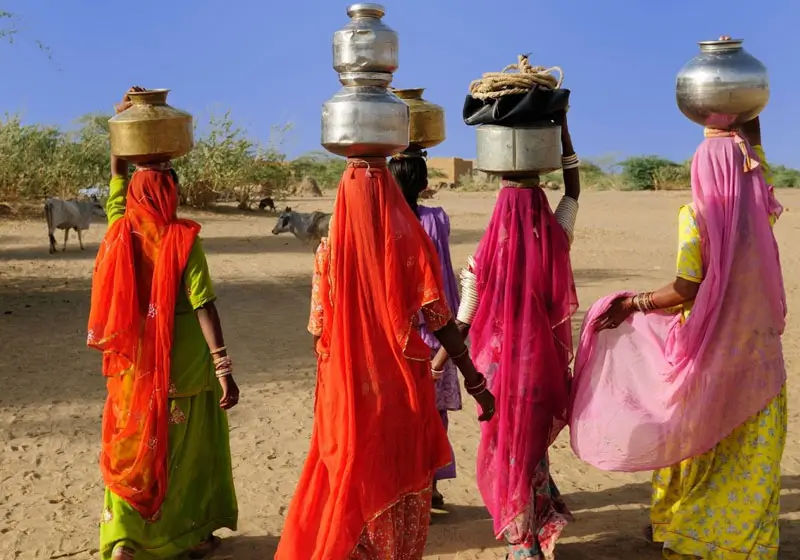
Rural interactions also create powerful photographic opportunities. The colours of village life—turbaned elders, women in traditional attire, decorated cattle, farmers at work, children playing under trees, handicraft workshops—create vivid frames that capture India’s essence.
Discover authentic village life, culture and unique travel experiences with expert-guided tours across India.
Delhi’s outskirts offer tranquil rural escapes that feel far removed from the city’s crowded avenues. These areas introduce travellers to agriculture, nature and community life.
Haryana farm villages
Travellers visit farms surrounded by mustard fields, buffalo sheds, mud houses and traditional kitchens. Hosts often prepare fresh rotis on clay stoves, along with buttermilk, seasonal vegetables and homemade pickles. The simplicity of rural life creates emotional connection and calmness.
Lodhi village craft clusters
Certain outskirts host craft communities preserving age-old traditions such as mat weaving, durrie making and pottery. Travellers can participate in workshops and interact with artisans while understanding their creative processes.
Eco-villages
Eco-retreats around Delhi offer organic farms, yoga sessions, meditation zones and nature walks. These villages promote sustainable living and natural healing practices rooted in ancient Indian philosophies.
Yamuna riverside villages
Small settlements near the river reveal farming communities, dairy traditions, fruit orchards and quiet rural landscapes. Sunset views along the river create peaceful photography moments.
Delhi’s countryside shows a harmonious blend of tradition, simplicity and nature.
Agra is known for the Taj Mahal, yet its surrounding villages reveal rich Mughal-era crafts, traditional agriculture and folk culture untouched by modern tourism.
Korai Village near Fatehpur Sikri
This village is home to the Kalandar community, known for folk traditions, storytelling and simple rural living. Travellers interact with families, learn about their crafts, enjoy home-cooked meals and explore mud houses decorated with traditional motifs.
Bateshwar village
Along the Yamuna River, Bateshwar is filled with ancient temples, quiet ghats and spiritual charm. The village hosts cattle herders, pandits, potters and peaceful riverside life. Mornings bring temple bells, while evenings reflect golden light on the ghats.
Shahpur Jat craft clusters
Artisans here specialise in miniature painting, marble inlay designs and traditional jewellery. Travellers watch craftspeople polishing marble pieces, carving motifs and painting intricate designs with natural colours.
Chambal river villages
Agra’s countryside near the Chambal River offers natural beauty, ravine landscapes and eco-friendly experiences. Travellers can take boat rides, spot birds and visit farming families living along the river.
Agra’s rural belt reveals peaceful rhythms—fields, animals, traditions and ancient stories.
Rajasthan’s countryside near Jaipur is one of the richest cultural regions of India. Villages around the Aravalli hills preserve traditional crafts, rustic charm, folk music and colourful attire that feel timeless.
Bagru block-printing village
Bagru is internationally known for its natural dyes and hand block printing. Travellers learn how artisans carve wooden blocks, prepare dyes, wash fabrics in large tanks and stamp intricate patterns. Workshops allow visitors to print their own scarves or fabrics.
Sanganer paper & textile village
This village specialises in handmade paper, textile printing and unique crafts. Artisans create block-printed fabrics, miniature paintings and eco-friendly paper products using age-old techniques.
Chandlai Lake villages
Countryside areas around this lake offer birdwatching, rural views, camel herders, farmhouses and peaceful sunrises. Travellers enjoy photography, village walks and relaxed conversations with local families.
Samode countryside
Villages near Samode Palace reflect desert culture, camel caravans, mud houses and traditional ovens. Travellers often enjoy picnics, jeep rides and village interactions here.
Pachewar heritage village
Known for its painted walls, rural temples and pottery traditions. Travellers meet artisans, enjoy home-cooked meals and witness folk performances.
Abhaneri stepwell village
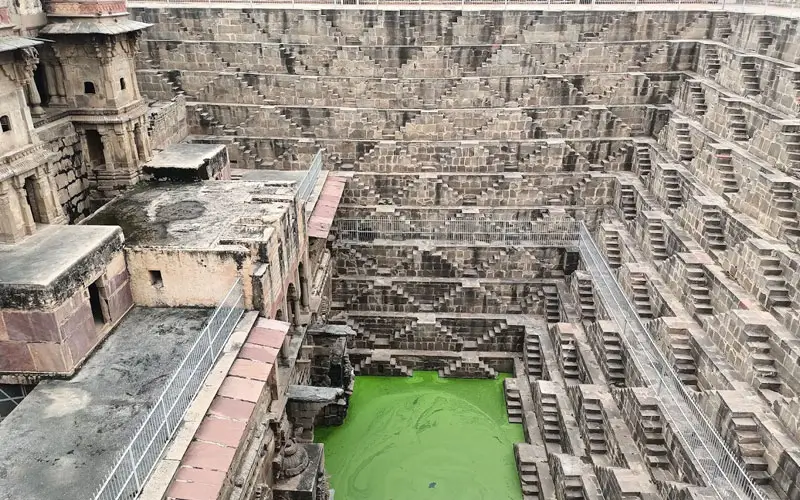
Famous for the Chand Baori stepwell, the surrounding village offers rural life tours, pottery workshops, craft sessions and cultural storytelling.
Jaipur’s rural belt is vibrant, colourful and culturally rich—perfect for immersive experiences.
Artisan communities preserve India’s cultural legacy through crafts passed down for generations. These communities add extraordinary depth to rural experiences.
Potters shaping clay on hand wheels
Travellers witness traditional pot making, clay preparation, sun-drying and firing techniques.
Block printers and dye masters
Workshops reveal how fabrics are washed, dyed, sun-dried and stamped with wooden blocks.
Weavers at wooden looms
Traditional weaving rhythms create enchanting sounds as artisans craft colourful durries and carpets.
Metalworkers and jewellery artisans
Artisans carve silver, create tribal jewellery, and polish gemstones with great skill.
Miniature painters
Artists use fine brushes and natural pigments to create delicate artwork inspired by royalty and mythology.
These artisan villages reveal creativity, patience and discipline.
Rural meals are among the most emotionally satisfying experiences of the Golden Triangle. They feature:
Eating with rural families connects travellers to the roots of Indian culinary traditions. Meal preparation becomes a cultural lesson where women teach travellers how to knead dough, grind spices or stir slow-cooked dishes over open mud stoves.
Food becomes a shared moment of humanity and warmth.
Countryside areas around Delhi, Agra and Jaipur offer serene landscapes for photography:
Rural India provides powerful compositions filled with colour, contrast, expression and natural beauty.
Villages celebrate festivals with traditional music, dance, rituals, processions, lantern lighting, bullock cart parades and decorated cattle. Travellers visiting during festival seasons witness:
These celebrations reveal India’s cultural energy beyond tourist paths.
Rural areas appreciate respect, humility and kindness. Travellers should remove footwear when entering homes, ask permission before photographs, dress modestly, greet villagers warmly, and avoid offering money to children. Respecting customs and cultural zones ensures meaningful interactions.
Responsible rural tourism supports artisan livelihoods, local economies and cultural preservation
Yes, rural communities are welcoming and respectful when visited responsibly.
Photography is allowed with permission; villagers appreciate politeness.
Some do; gestures, smiles and drivers help bridge communication.
Meals are fresh, homemade and wholesome.
Yes, many villages offer farming demonstrations and hands-on participation.
Modest, comfortable clothing is ideal.
A private car with driver is the best way to access villages.
Many villages offer craft workshops for travellers.
Jaipur’s countryside is exceptionally rich in culture and crafts.
Yes, children enjoy rural life, animals and open spaces.
Fill in the details below. Our expert consultant will respond within 4 hours with a bespoke itinerary crafted just for you — completely free, no obligation.