Itinerary ideas, cultural insights, luxury tips and practical planning guides for every India traveller.
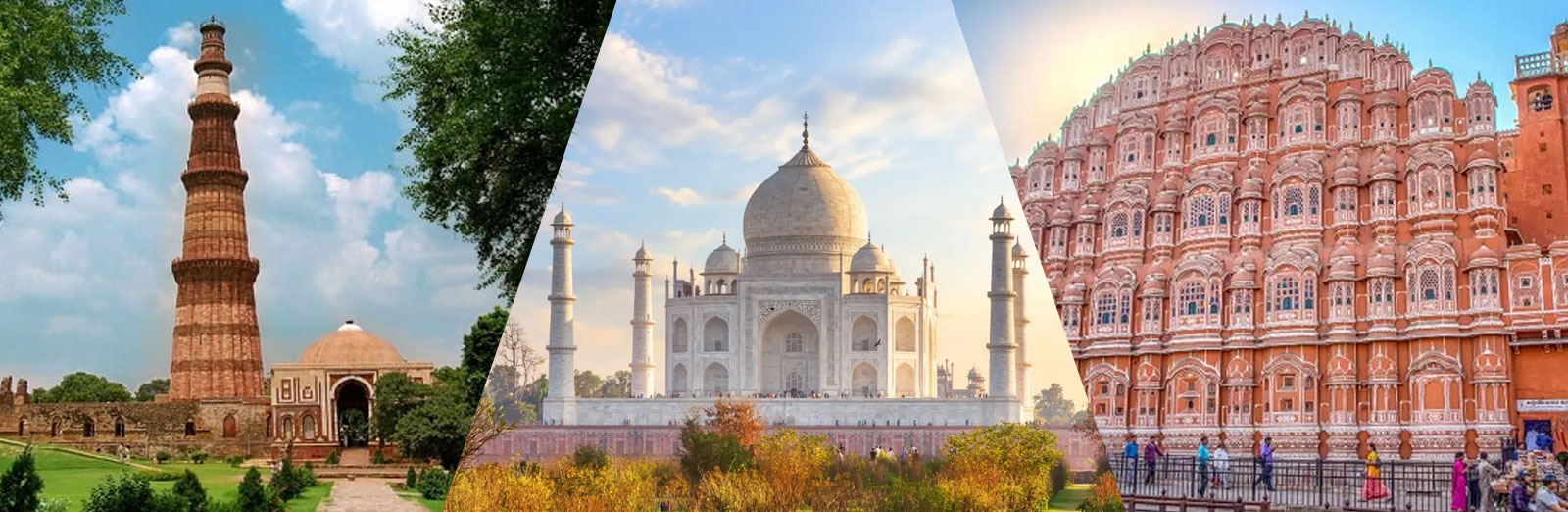
The Golden Triangle Tour India is by far the country's most popular travel route for international visitors. Connecting Delhi, Agra, and Jaipur, it introduces travelers to India's history, architecture, culture, cuisine, and heritage within a relatively compact geographic area. For first-time visitors, it is often the ideal introduction to the country.
Yet despite its popularity, one question consistently creates confusion:
How long should you spend in Delhi, Agra, and Jaipur?
The answer seems simple, but in reality it has a major impact on the quality of the entire trip.
Many travelers underestimate the size, complexity, and diversity of these destinations. They assume that one day in each city will be enough. Others make the opposite mistake and spend too much time in one destination while rushing through another. The result is often a journey that feels either exhausting or incomplete.
The challenge comes from the fact that Delhi, Agra, and Jaipur serve very different purposes within the itinerary.
Delhi is not simply a capital city. It is a vast urban landscape where ancient history and modern India exist side by side. Agra revolves around one of the world's most famous monuments but offers more than many visitors realize. Jaipur combines royal heritage, architecture, shopping, artisan traditions, and cultural experiences that can easily fill several days.
Determining the ideal duration therefore depends on travel style, interests, pace, and expectations.
A traveler interested primarily in iconic landmarks will require less time than someone interested in food, architecture, local culture, shopping, photography, artisan workshops, and immersive experiences. Luxury travelers often prefer slower itineraries, while some visitors are comfortable moving quickly between attractions.
The goal is not simply to see everything. The goal is to experience each destination properly without feeling rushed.
One reason professional travel planners emphasize itinerary balance is that the Golden Triangle works best when travelers have enough time to absorb each city's unique character. The route is not just about visiting famous monuments. It is about understanding how different chapters of Indian history connect through architecture, culture, religion, and daily life.
A well-balanced Golden Triangle Itinerary allows visitors to enjoy major attractions while also leaving room for unexpected discoveries. Some of the most memorable travel moments occur not at famous monuments but during conversations with local residents, meals in heritage settings, walks through historic neighborhoods, or visits to artisan workshops.
Another consideration is travel fatigue. International visitors often underestimate the impact of long flights, changing environments, traffic conditions, and sightseeing schedules. Attempting to fit too much into too few days can reduce overall enjoyment and create unnecessary stress.
Fortunately, planning the ideal duration is relatively straightforward once the strengths of each city are understood.
Rather than following generic recommendations, travelers should consider what each destination offers and how those experiences align with their interests. Doing so creates a more satisfying and memorable journey while ensuring that no city feels rushed or overlooked.
Delhi is often misunderstood by first-time visitors. Many travelers view it simply as the arrival point before moving on to Agra and Jaipur. While this approach is understandable, it frequently results in one of the biggest missed opportunities of the entire journey.
The reality is that Delhi deserves more time than most people initially expect.
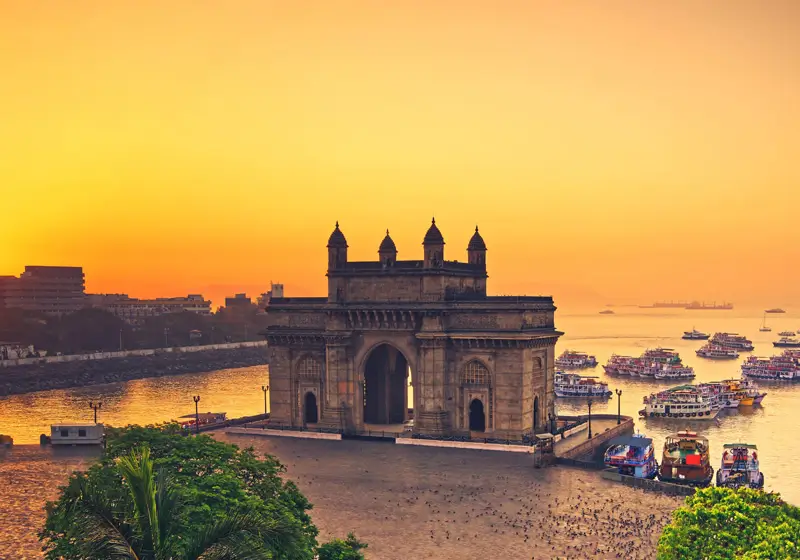
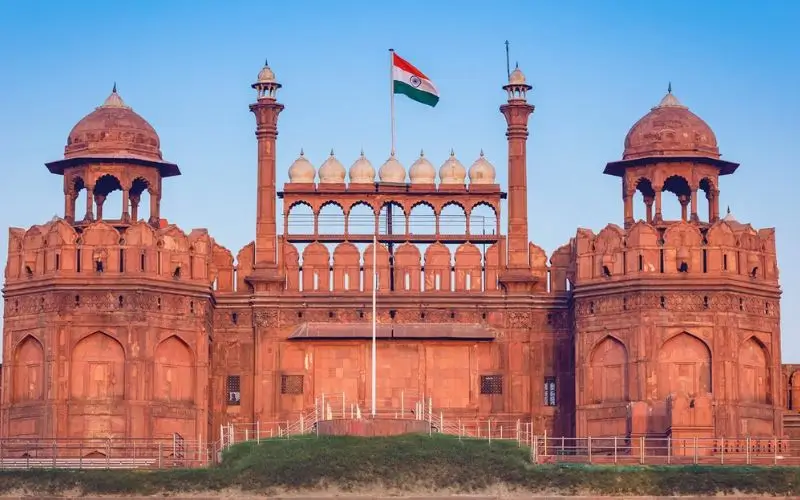
India's capital contains layers of history stretching across centuries. Ancient empires, Mughal rulers, colonial influences, modern development, and contemporary urban culture all coexist within a single metropolitan area. As a result, Delhi offers remarkable diversity.
A single day allows travelers to see major highlights, but it rarely provides enough time to appreciate the city's complexity.
For most first-time visitors, two full days represent the ideal balance.
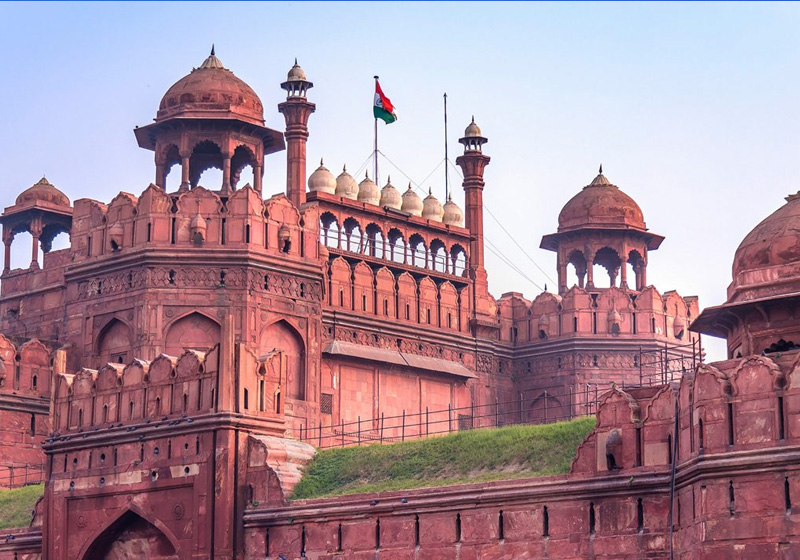
The first day can focus on Old Delhi, where travelers encounter a side of India that feels energetic, historic, and intensely atmospheric. Narrow lanes, traditional markets, historic mosques, street food culture, and architectural landmarks create an environment unlike anywhere else in the country.
Exploring Old Delhi is not simply about sightseeing. It is about experiencing daily life. Rickshaw rides, market visits, spice bazaars, and heritage walks provide insights into the city's living history.
The second day can focus on New Delhi and its surrounding attractions. Broad avenues, government buildings, colonial architecture, museums, gardens, and significant monuments reveal another dimension of the capital. The contrast between Old and New Delhi is one of the city's defining characteristics.
Luxury travelers often choose to extend their stay even further. Additional days allow time for culinary experiences, shopping, cultural performances, artisan visits, wellness treatments, and private guided tours.
Food lovers in particular could easily spend several days exploring Delhi's diverse culinary scene. The city offers extraordinary variety, ranging from traditional Mughal cuisine and street food to contemporary fine dining.
Photography enthusiasts also benefit from additional time. Different neighborhoods, markets, monuments, and architectural styles provide endless visual opportunities.
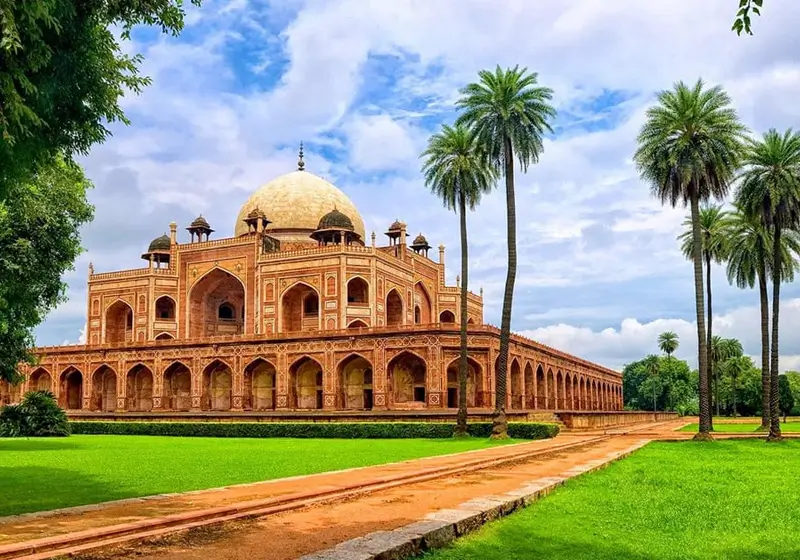
Travelers interested in history often underestimate how much Delhi has to offer. Numerous monuments, archaeological sites, museums, and heritage districts require time to explore properly.
The biggest mistake is attempting to see Delhi in a few rushed hours before driving to Agra.
While technically possible, this approach reduces the city to a checklist rather than an experience.
For most visitors:
Minimum Time: 1 Full Day
Recommended Time: 2 Full Days
Luxury or Cultural Travelers: 3 Full Days
Spending less than one day often feels rushed. Spending two days creates a balanced introduction. Spending three days allows travelers to explore beyond the obvious attractions and experience the city more deeply.
The finest journeys aren't rushed. Enjoy handpicked hotels, private guides, flexible sightseeing, and a carefully balanced itinerary that lets you experience Delhi, Agra, and Jaipur in complete comfort.
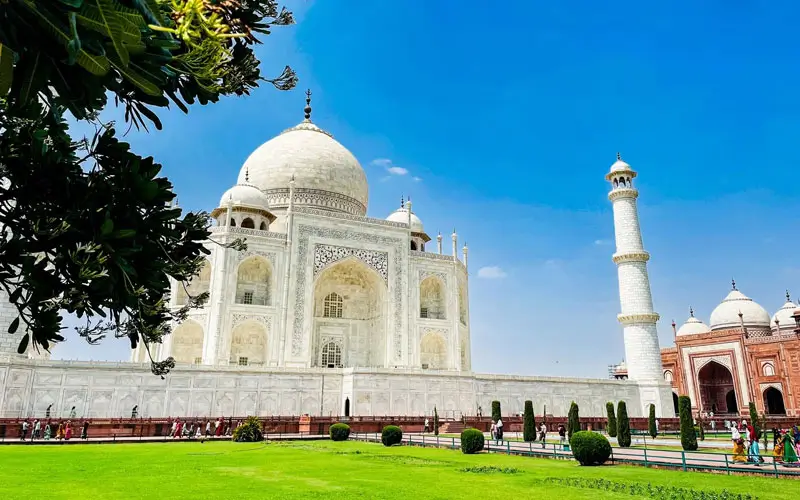
If Delhi is frequently underestimated, Agra is often misunderstood in a different way.
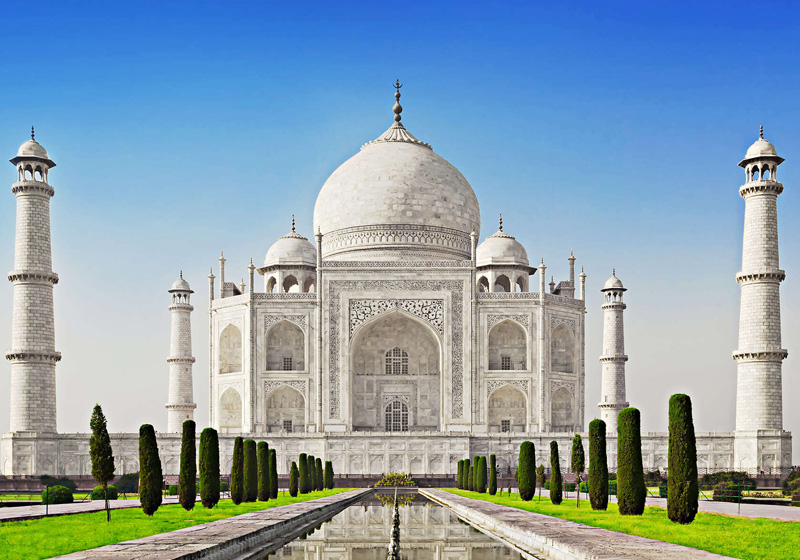
Many travelers assume that Agra consists only of the Taj Mahal.
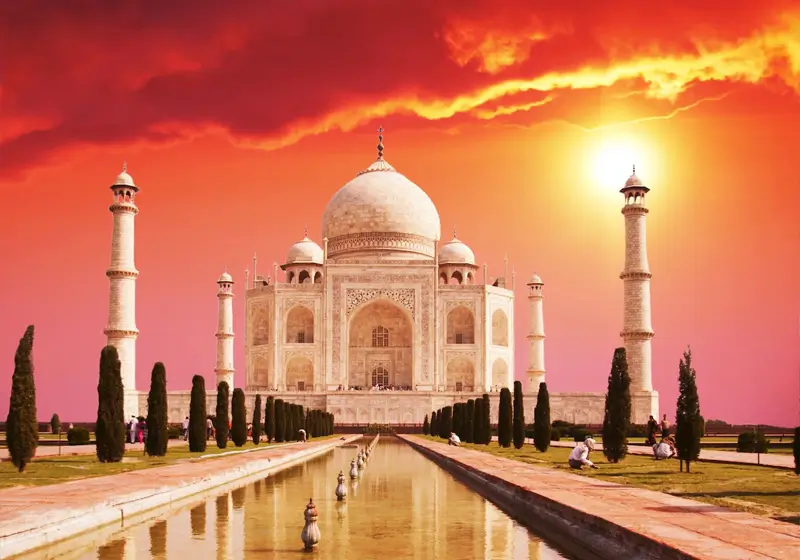
While the Taj Mahal is unquestionably the city's main attraction, reducing Agra to a single monument overlooks several important experiences that contribute to a richer visit.
The reality is that Agra requires less time than Delhi or Jaipur, but it still deserves more attention than a simple photo stop.
For most travelers, one overnight stay works perfectly.
The primary reason is timing. The Taj Mahal changes dramatically throughout the day. Early morning visits are particularly rewarding because of softer light, cooler temperatures, and generally smaller crowds.
Travelers arriving in Agra during the afternoon can explore other attractions before visiting the Taj Mahal the following morning.
This approach creates a far more enjoyable experience than attempting a rushed same-day visit.
Agra Fort deserves particular attention. Many visitors are surprised by its scale, architectural beauty, and historical significance. The fort provides valuable context for understanding the Mughal Empire and its relationship to the Taj Mahal.
The city's heritage also extends beyond these two landmarks. Historic gardens, lesser-known monuments, artisan workshops, and local culinary traditions contribute to a more complete understanding of Agra's cultural identity.
Photography travelers frequently appreciate spending additional time in the city because lighting conditions vary throughout the day. Different perspectives of the Taj Mahal can produce dramatically different results.
Luxury travelers often choose heritage hotels with views of the monument, allowing them to enjoy the atmosphere beyond formal sightseeing hours.
That said, Agra generally requires less time than the other two Golden Triangle cities.
For most visitors:
Minimum Time: 1 Day
Recommended Time: 1 Night / 2 Days
Luxury Travelers and Photographers: 2 Nights
The common mistake is treating Agra as a quick stop between Delhi and Jaipur.
The city may not require an extended stay, but spending one night significantly improves the overall experience and allows travelers to enjoy the Taj Mahal at its best.
The best Golden Triangle journey isn't about seeing more—it's about experiencing every destination without feeling rushed. Let our travel experts create a personalized itinerary that perfectly balances Delhi, Agra, and Jaipur.
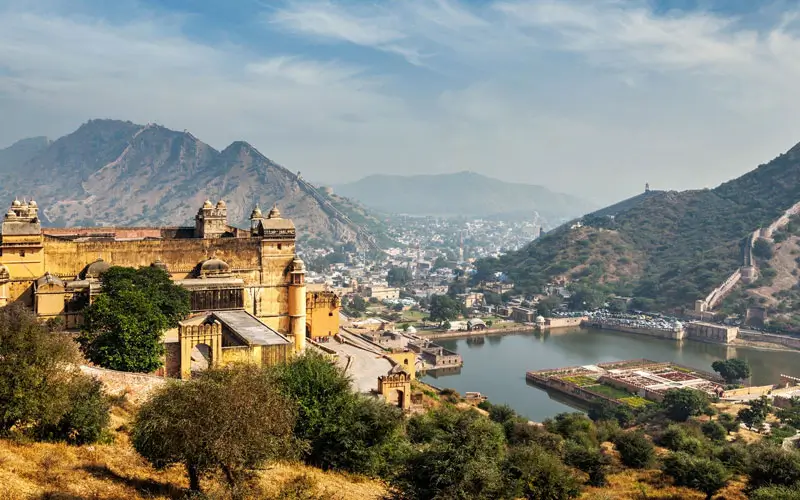
Among all three Golden Triangle destinations, Jaipur is the city that most often surprises visitors.
Travelers frequently arrive expecting a beautiful historic city and leave wishing they had allocated more time.
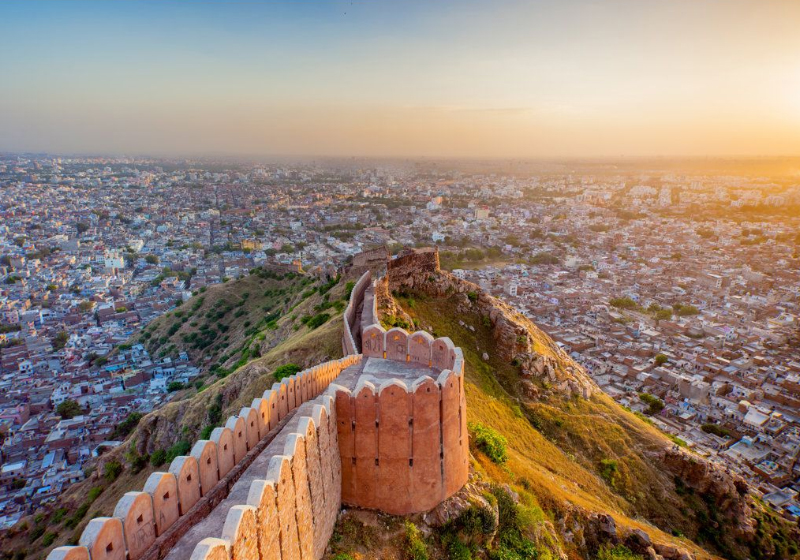
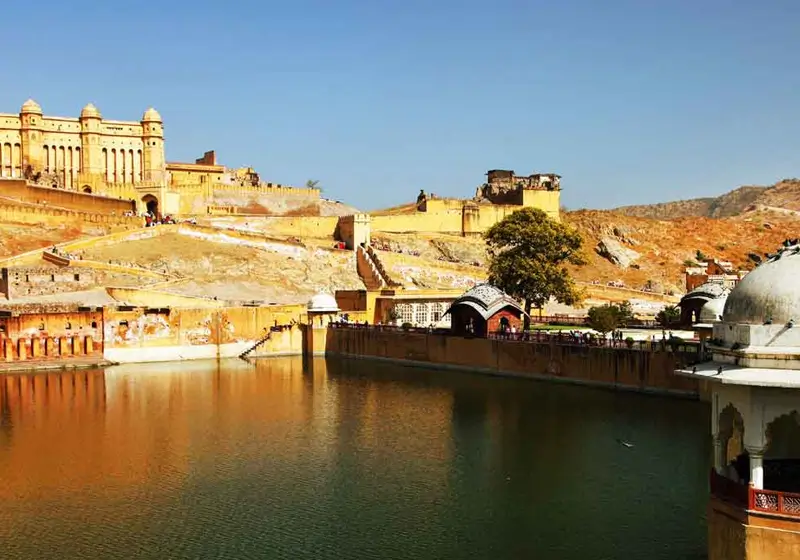
Unlike Agra, where attractions are relatively concentrated, Jaipur offers a broader variety of experiences. Historic forts, royal palaces, artisan workshops, local markets, cultural performances, culinary experiences, luxury hotels, wellness activities, village visits, elephant experiences, hot air balloon rides, and textile tours all compete for attention.
As a result, Jaipur often becomes the favorite city for international travelers.
A single day is rarely enough.
Two full days allow visitors to see major attractions comfortably, but three days create a significantly richer experience.
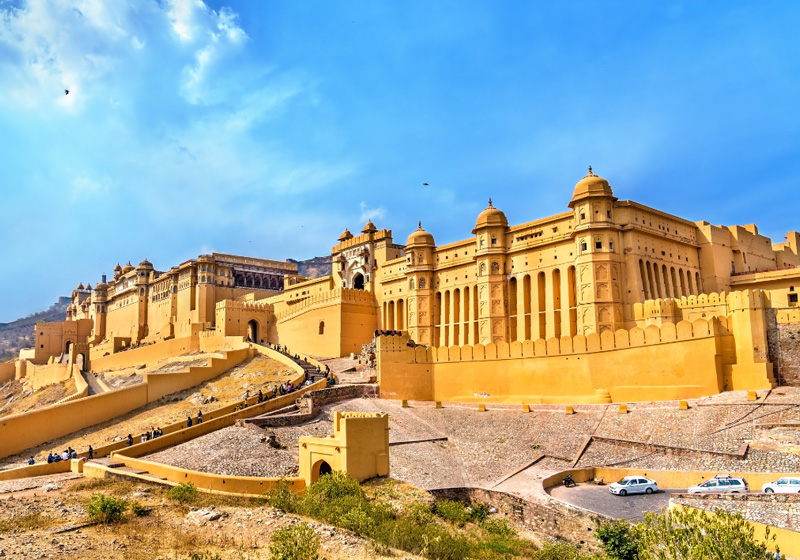
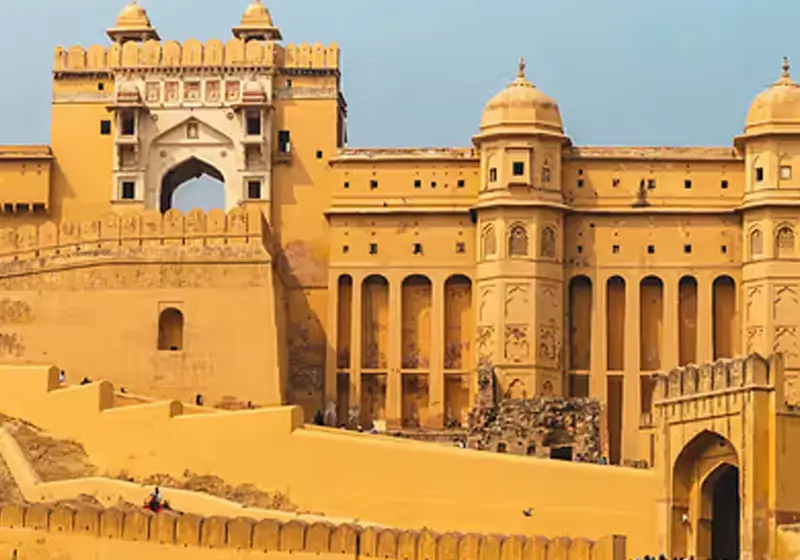
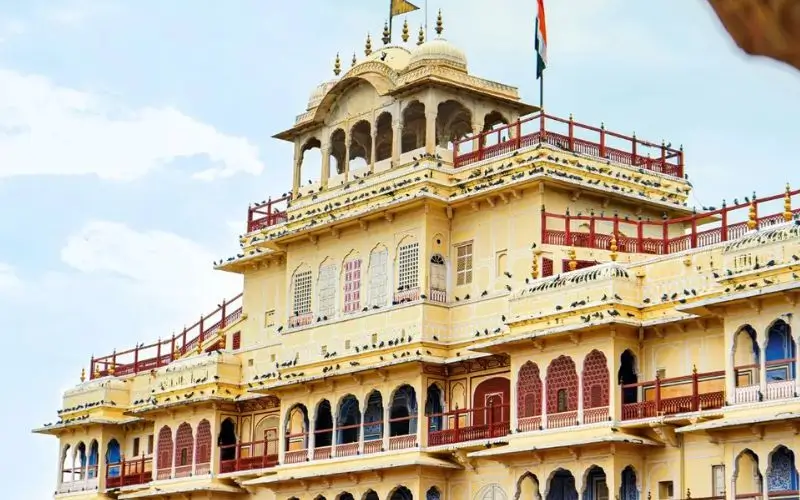
The city's architectural highlights alone can occupy considerable time. Amber Fort, City Palace, Hawa Mahal, and other heritage sites reveal different aspects of Rajasthan's royal history.
Beyond monuments, Jaipur excels in experiential travel.
Visitors can participate in cooking classes, textile workshops, artisan tours, village experiences, private dining events, and cultural programs. These activities provide deeper engagement with local traditions and often become highlights of the trip.
Shopping also plays a major role. Jaipur is internationally known for jewelry, textiles, handicrafts, block printing, gemstones, and decorative arts. Travelers interested in craftsmanship frequently dedicate entire days to exploring markets and workshops.
Luxury travelers particularly benefit from additional time. Jaipur's heritage hotels rank among the most impressive accommodations in India. Spending extra days allows guests to enjoy these properties rather than treating them merely as places to sleep.
Food enthusiasts also appreciate the city's culinary diversity. Traditional Rajasthani cuisine, rooftop dining, heritage restaurants, and private culinary experiences add another dimension to the visit.
Many travelers who initially allocate one day to Jaipur later regret the decision.
For most visitors:
Minimum Time: 2 Days
Recommended Time: 3 Days
Luxury, Cultural, or Experiential Travelers: 4 Days
Jaipur rewards slower exploration. The city offers enough variety to justify extended stays while remaining accessible and enjoyable throughout.
When all three cities are considered together, a clear pattern emerges.
The most balanced itinerary for first-time international visitors generally includes:
This creates a journey lasting approximately seven days before accounting for international flights.
Seven days allows travelers to experience major attractions without excessive rushing. It provides enough flexibility to include cultural activities, dining experiences, shopping, and personal relaxation.
Luxury travelers often extend the itinerary to nine or ten days by adding extra nights in Jaipur or Delhi.
Travelers seeking deeper immersion may include village experiences, wellness retreats, wildlife safaris, artisan workshops, or additional destinations beyond the traditional Golden Triangle route.
What matters most is avoiding the temptation to compress everything into three or four days.
The Golden Triangle is not a race. It is an introduction to one of the world's most fascinating countries.
Allowing sufficient time in each city transforms the journey from a sightseeing exercise into a meaningful travel experience.
For first-time visitors, the goal should not be seeing the maximum number of attractions. The goal should be experiencing Delhi, Agra, and Jaipur in ways that create lasting memories and genuine understanding.
When approached with the right pace, the Golden Triangle becomes far more than India's most famous travel route. It becomes one of the most rewarding cultural journeys available anywhere in the world.
Seven days is generally considered the ideal duration for first-time visitors.
One day covers major highlights, but two days provide a far more rewarding experience.
One overnight stay is recommended for most travelers.
Yes. Many international visitors consider Jaipur the highlight of the Golden Triangle and appreciate spending at least three days there.
Yes, but the itinerary will feel more rushed and leave less time for cultural experiences.
Jaipur generally benefits most from additional days.
Yes. Sunrise offers cooler temperatures, softer lighting, and generally fewer crowds.
Yes. Like any major city, visitors should follow normal travel precautions and use reputable guides and transportation.
Absolutely. Additional days allow for private experiences, heritage hotels, wellness activities, and cultural immersion.
Trying to see all three cities too quickly and not allocating enough time to Jaipur and Delhi.
Fill in the details below. Our expert consultant will respond within 4 hours with a bespoke itinerary crafted just for you — completely free, no obligation.