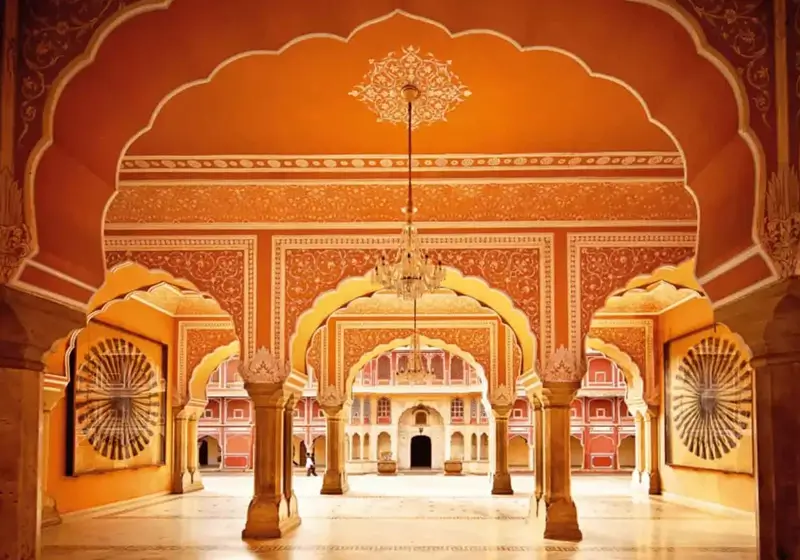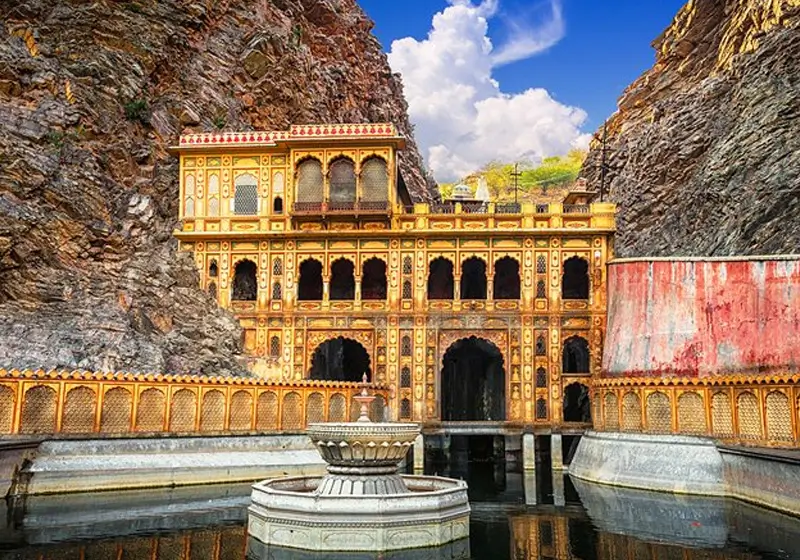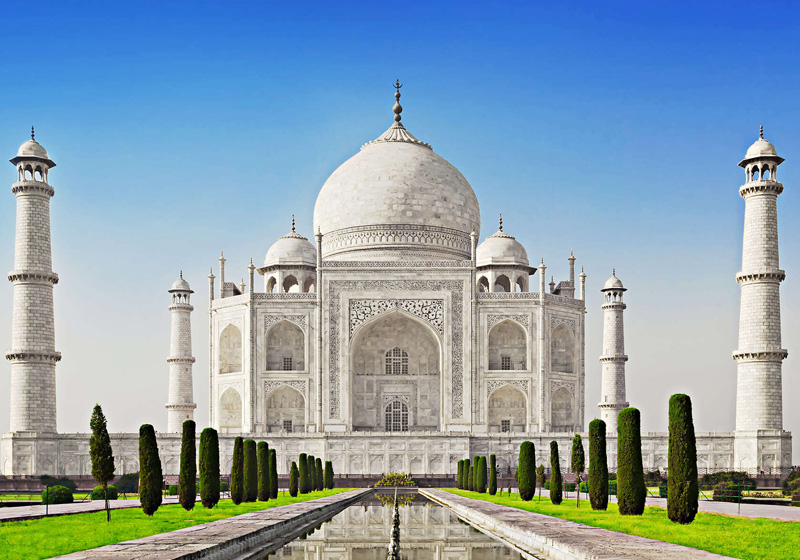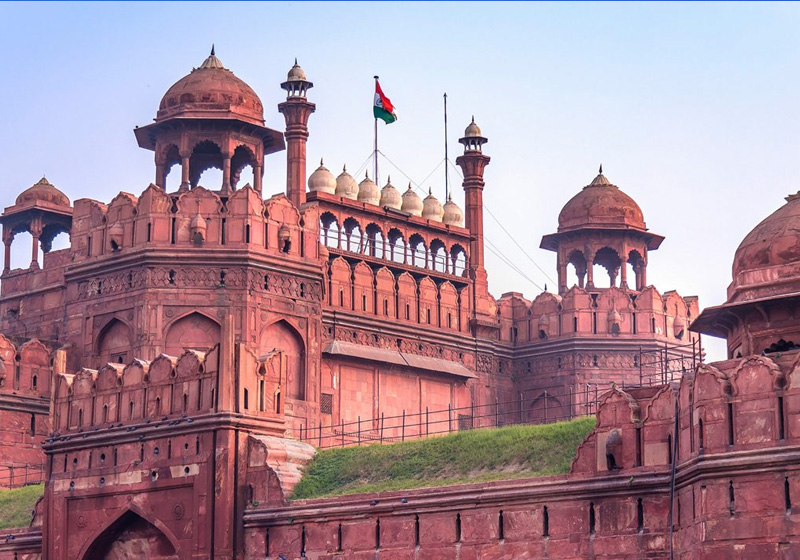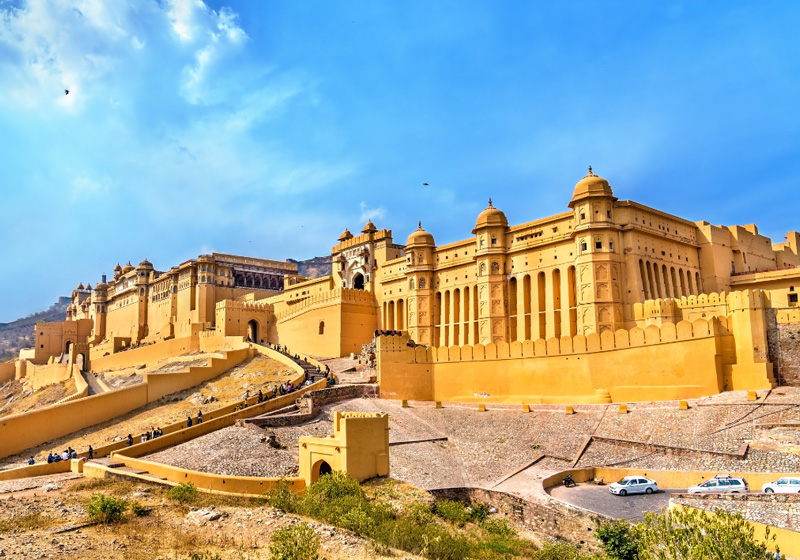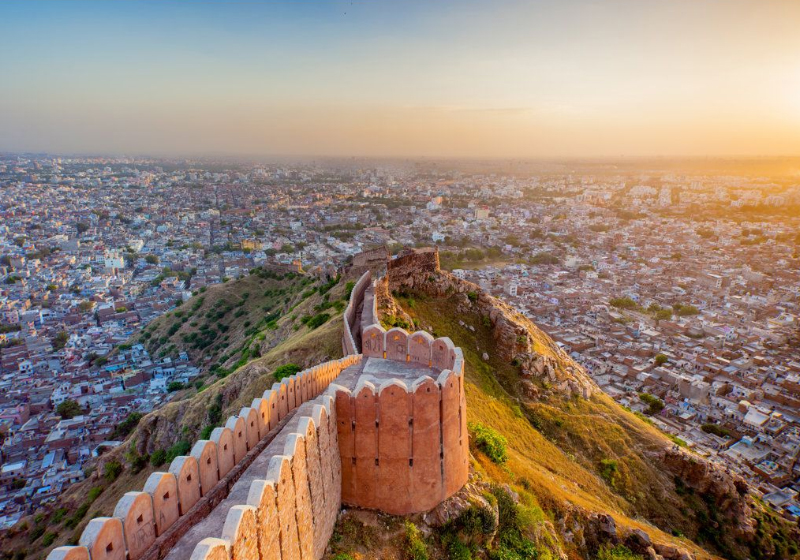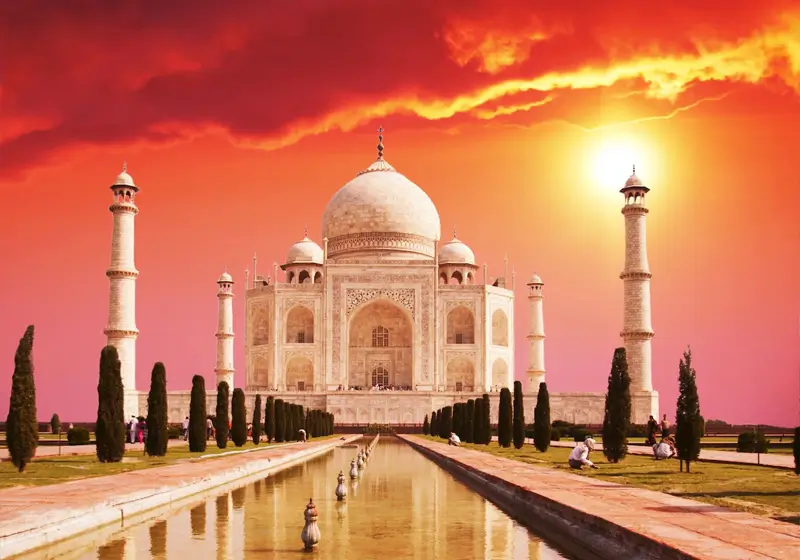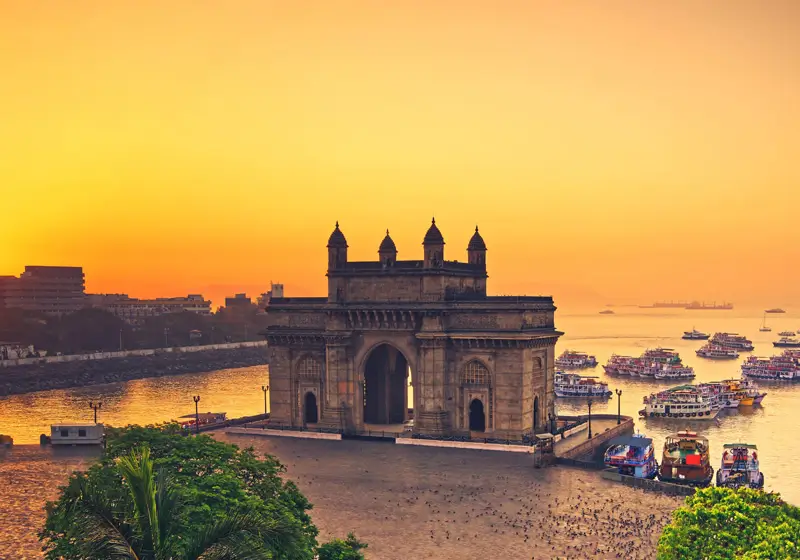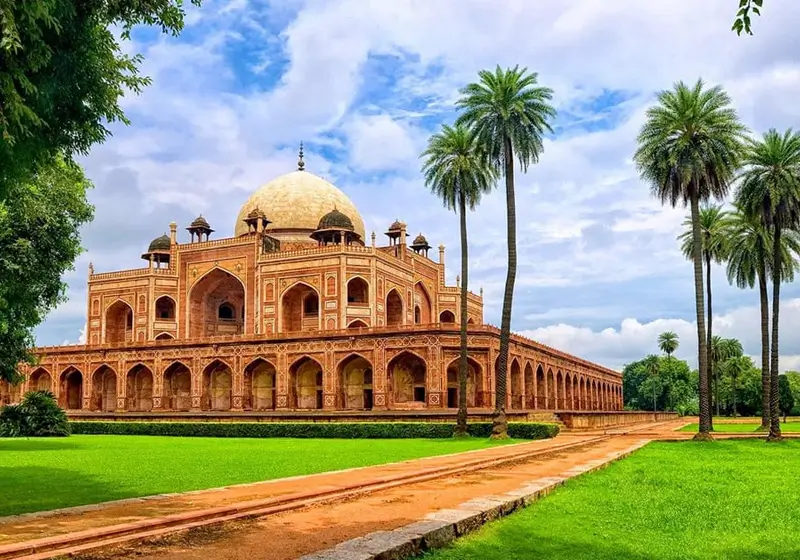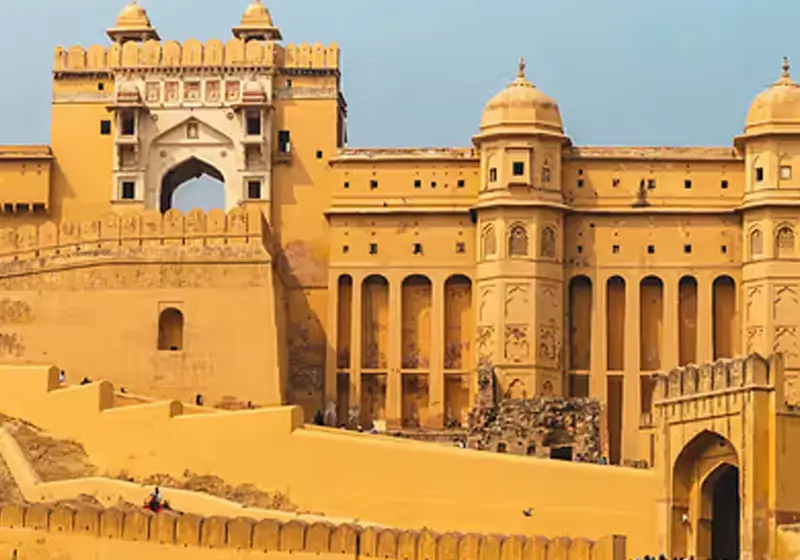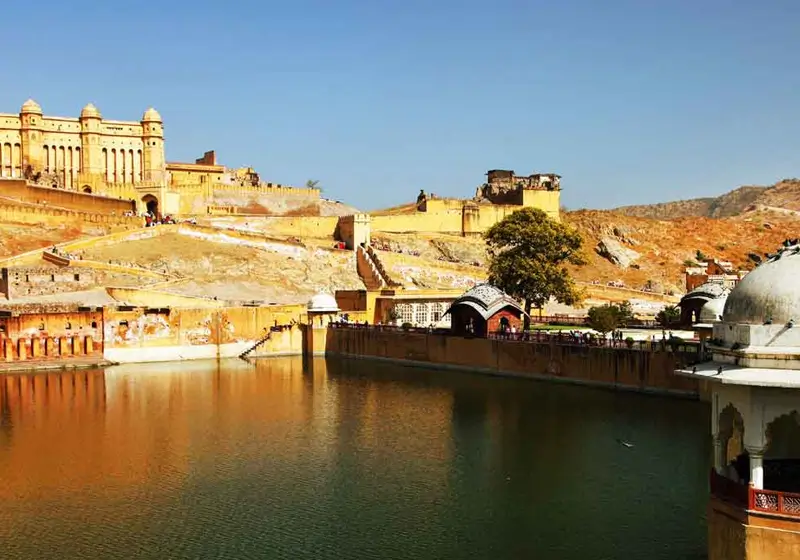
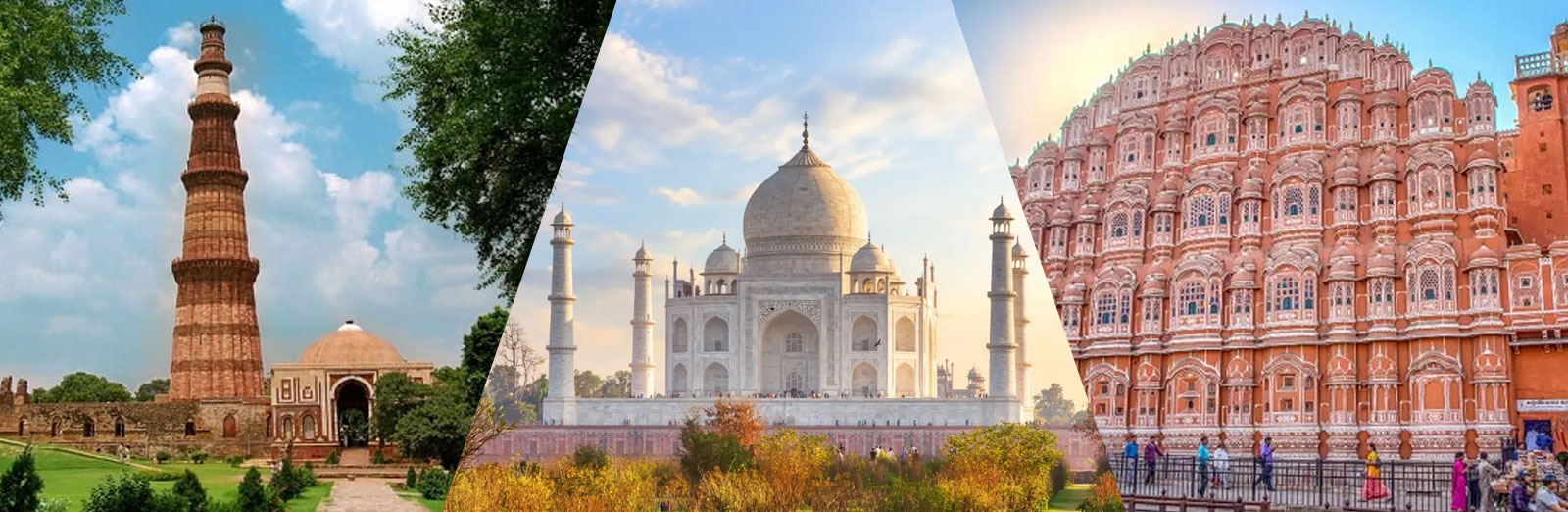
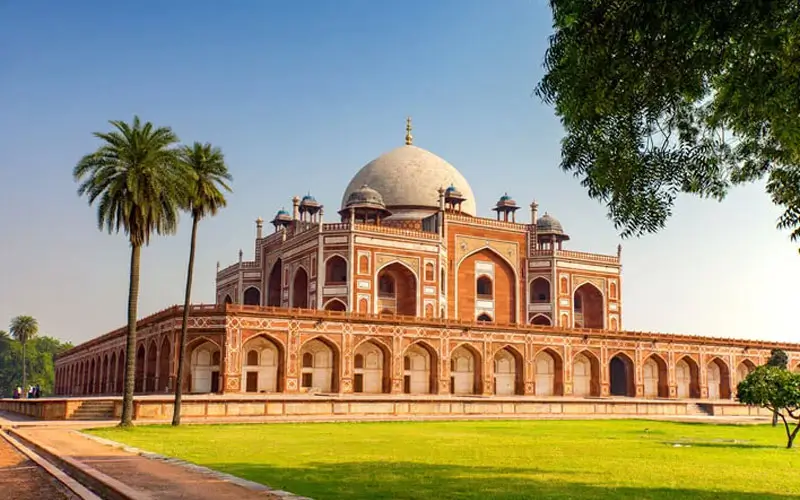
The Golden Triangle, formed by Delhi, Agra, and Jaipur, is India’s most popular travel circuit. Covering around 720 kilometers, it brings together the capital’s modern charm, Agra’s Mughal heritage, and Jaipur’s royal Rajput culture. For first-time visitors to India, this route provides a complete introduction to the country. But planning the trip requires careful thought about visas, transport, and accommodation. A well-planned itinerary ensures you experience the highlights without stress, whether you are travelling solo, as a couple, or with family.
This guide explains everything you need to know before setting off on your Golden Triangle adventure. From arranging your visa and choosing the best mode of transport to picking safe and comfortable places to stay, the sections ahead cover every practical detail.
India requires most foreign travellers to have a visa before arrival. Thankfully, the government offers an e-Visa system, which makes the process straightforward.
The tourist e-Visa is available for citizens of over 150 countries. The application is online, and approval usually comes within 72 hours. It is issued for durations of 30 days, one year, or even five years, depending on your choice. The 30-day visa is double-entry, while longer ones allow multiple entries. Travellers only need to carry a printed copy of the approval and present it upon arrival at Delhi Airport, which is the main entry point for the Golden Triangle.
Documents required include a valid passport with at least six months’ validity, a recent photograph, and a return ticket. Fees vary based on nationality and duration, but payment is done online. It is important to apply at least one week before travel to avoid last-minute issues.
For those already in South Asia, visas can also be obtained through Indian embassies or consulates. But the e-Visa remains the fastest option for Golden Triangle travellers.
The Golden Triangle is accessible year-round, but the experience varies by season.
Most travellers prefer winter for outdoor sightseeing and festivals like Diwali, Holi, and Jaipur Literature Festival.
A standard Golden Triangle tour can be completed in 5 to 7 days, but extending to 9 or 10 days allows more relaxed travel and side trips.
Solo travellers may prefer shorter itineraries, while families or cultural enthusiasts benefit from extra days.
By Road
Road travel is one of the most flexible ways to experience the Golden Triangle. The Yamuna Expressway connects Delhi to Agra in about 3–4 hours, while the Agra–Jaipur highway takes another 4–5 hours. Hiring a private driver is popular among foreign travellers as it ensures safety and convenience. Taxis can be booked through hotels, agencies, or online platforms.
By Train
India’s railways provide excellent connectivity. The Gatimaan Express covers Delhi to Agra in just 100 minutes. Shatabdi Express and double-decker trains also connect the cities. For solo travellers and budget-conscious tourists, trains are comfortable and efficient. Tickets should be booked online through the IRCTC website or reliable apps.
By Air
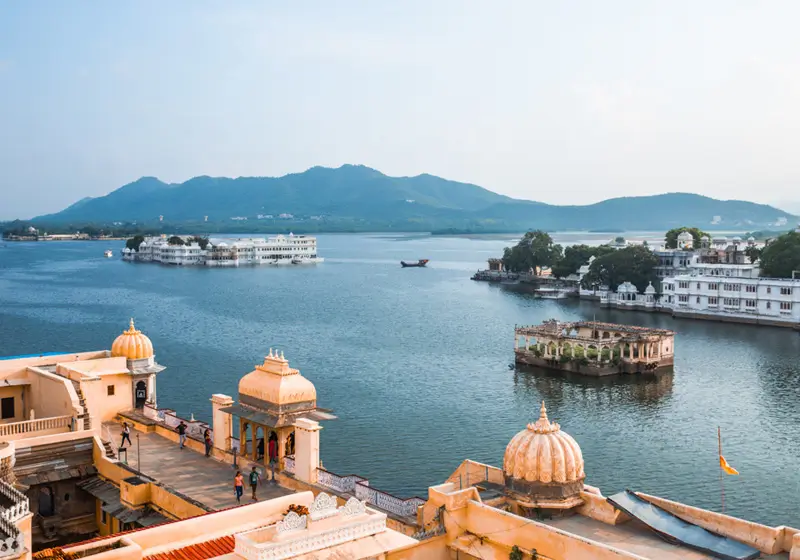
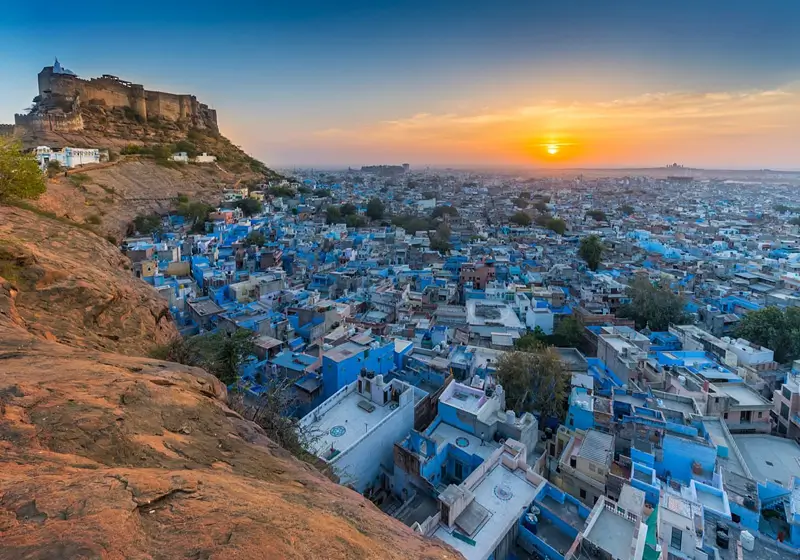
Flights are faster but less common for this circuit, as distances are short. However, flights make sense if you extend the tour to Udaipur, Varanasi, or Jodhpur. Delhi serves as the main hub, while Jaipur and Agra have smaller airports.
The Golden Triangle has something for every budget, from backpacker hostels to luxury palaces.
Delhi
Agra
Jaipur
Advance booking is essential during peak season (October–March).
This itinerary balances history, culture, and leisure while avoiding rushed travel.
Many travellers extend the route to nearby destinations. Ranthambore National Park adds a wildlife experience, Udaipur offers lakes and palaces, and Varanasi introduces spiritual traditions on the Ganges. These extensions transform a standard Golden Triangle into a deeper Indian journey.
5 to 7 days is standard, but 9–10 days with side trips offers a richer experience.
Yes, except for citizens of Nepal and Bhutan. Most nationalities can apply online for an e-Visa.
Delhi, as it has the largest international airport.
Yes, if you follow basic precautions like using authorised taxis and staying in reputed hotels.
Yes, trains are fast, affordable, and reliable between the three cities.
Hiring a driver is more convenient for comfort and flexibility, especially for families.
From budget hostels to luxury palaces, each city has a wide range. Heritage hotels in Jaipur are especially popular.
Yes, it is closed every Friday.
Yes, especially for Taj Mahal and Amber Fort, online booking is recommended.
Comfortable clothes, walking shoes, a scarf, sunscreen, and a power bank.
October to March offers pleasant weather and many festivals.
Yes, common extensions include Udaipur, Ranthambore, and Varanasi.
Fill in the details below. Our expert consultant will respond within 4 hours with a bespoke itinerary crafted just for you — completely free, no obligation.