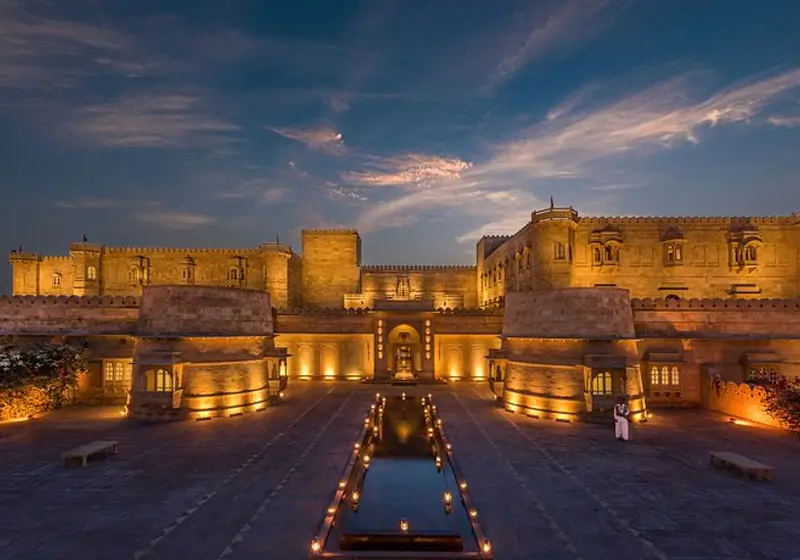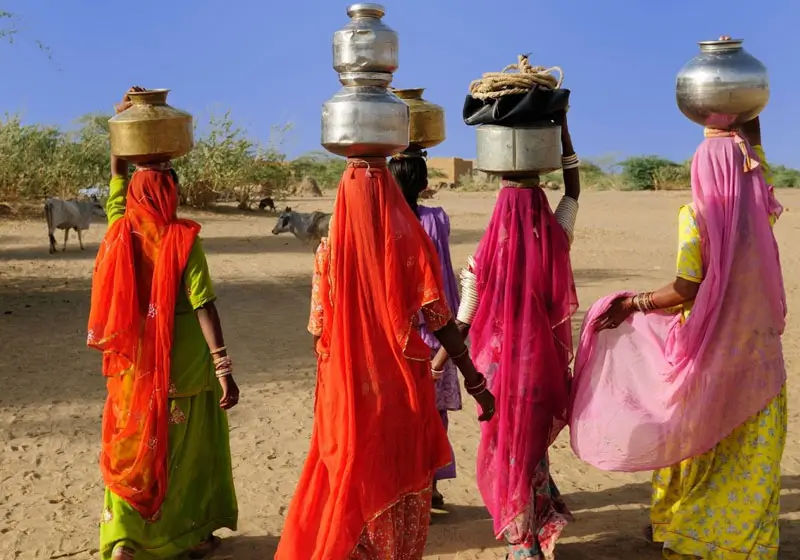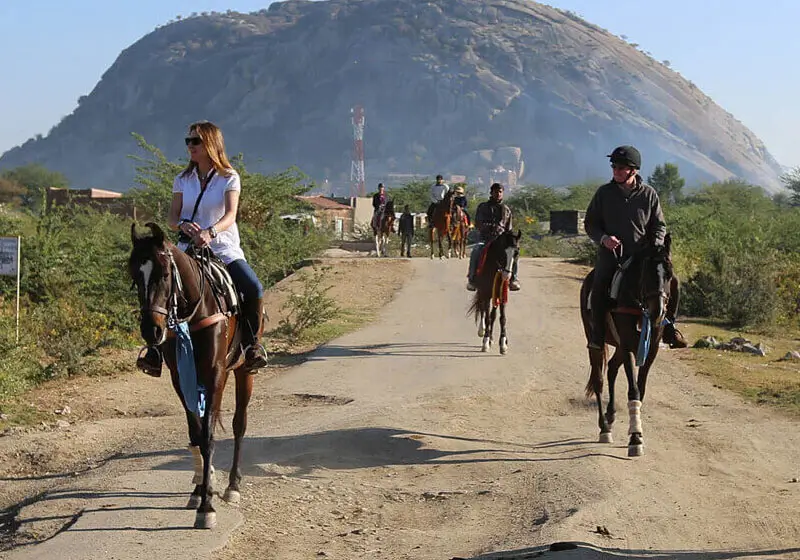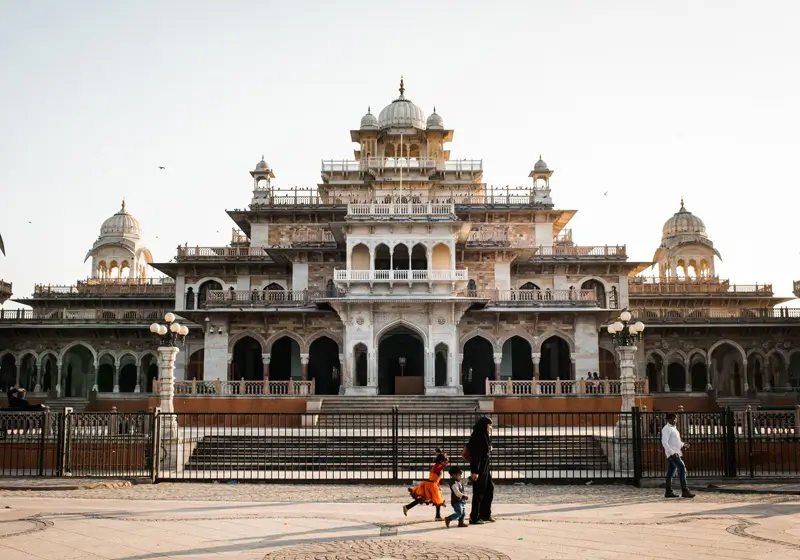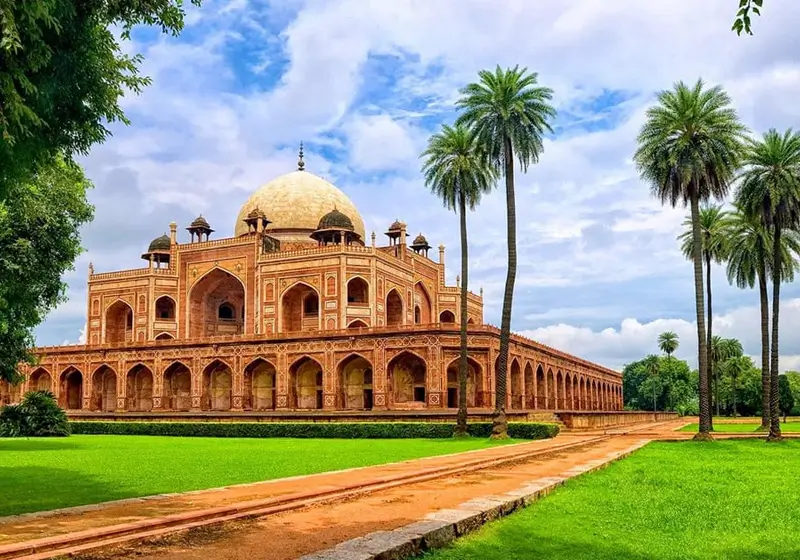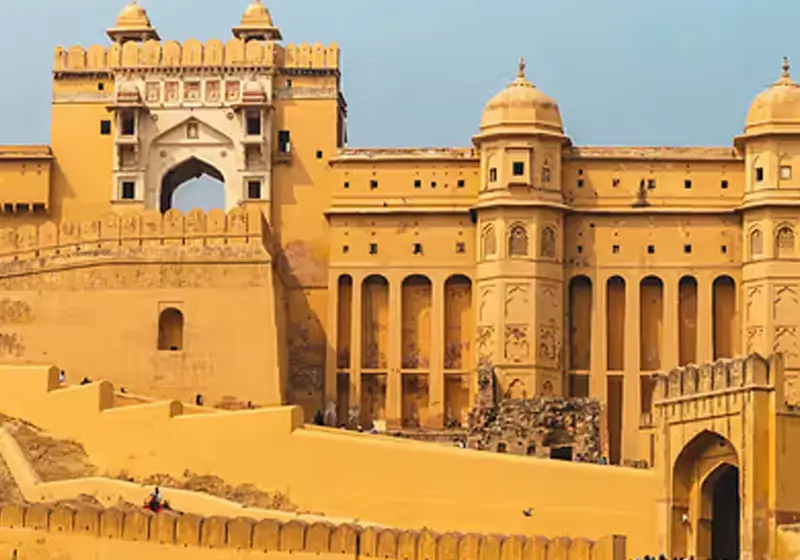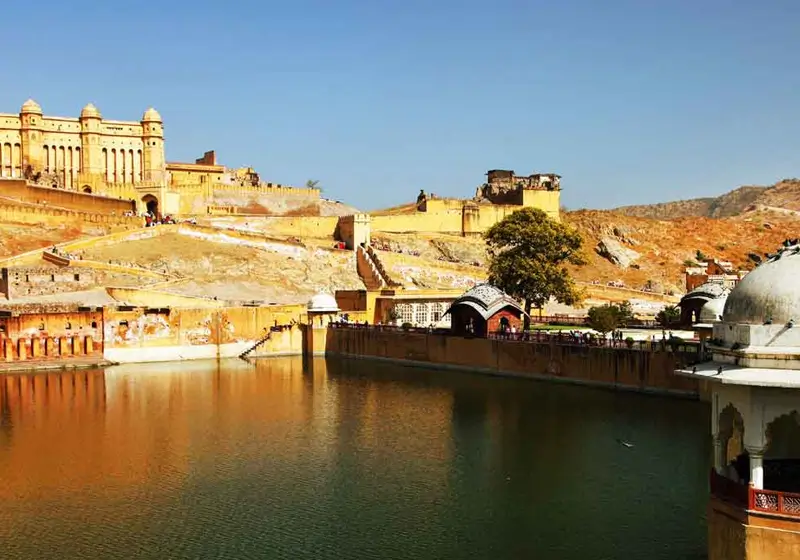
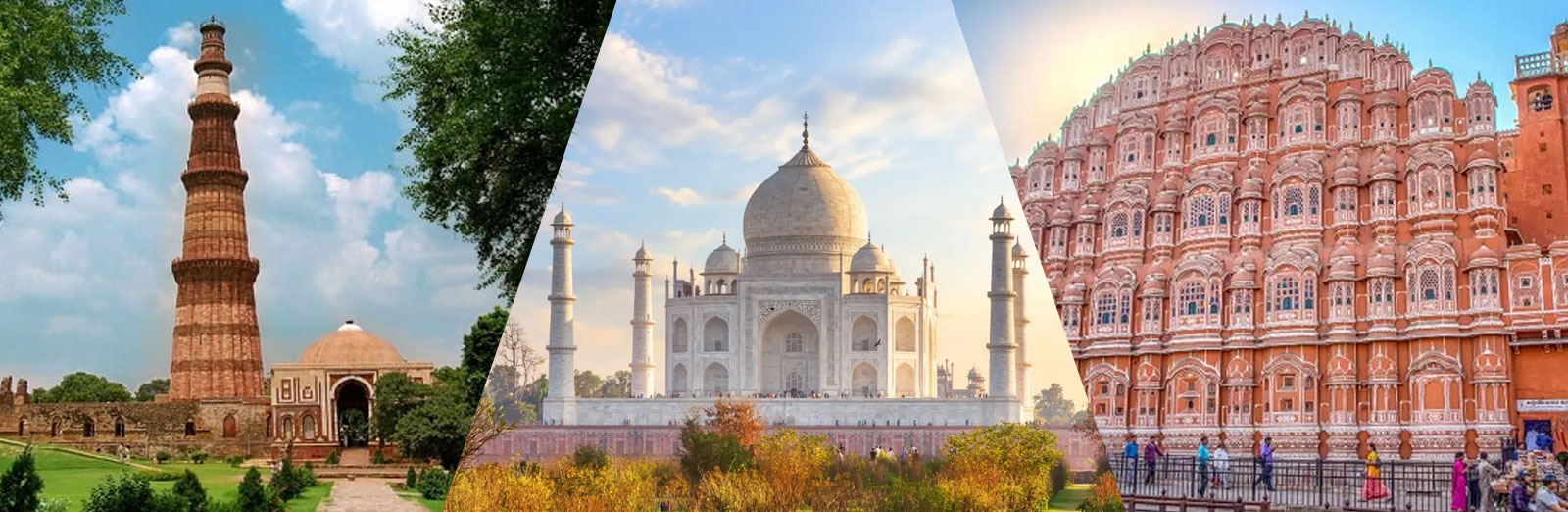
India is a living museum of human history — a country where civilizations flourished for over 5,000 years, where every palace has a story, and every fort echoes with the clashing of swords and royal intrigue. For history buffs and cultural travelers, India is not just a destination — it’s an open book of ancient kingdoms, Mughal grandeur, colonial impressions, and spiritual traditions.
A well-planned India cultural tour allows you to witness iconic structures like the Taj Mahal, explore Rajasthan's majestic forts, walk through centuries-old markets, and stay in restored heritage palaces that once belonged to kings. Add private guides, curated museum visits, and folk performances — and you have a premium historical journey that’s unmatched anywhere in the world.
In this blog, we’ll take you through:
India’s history spans from the Indus Valley Civilization to Mughal dynasties, Maratha rule, British colonization, and finally, independence in 1947. The result? A country layered with architectural marvels, diverse religions, arts, and traditions that continue to live on.
Key cultural features:
For those passionate about monuments, dynasties, and art, India is a world-class cultural destination.
Delhi – Mughal & Colonial Heritage
Visit museums like National Museum, Crafts Museum, and Gandhi Smriti for in-depth context.
include a historian guide to understand Mughal politics and architecture.
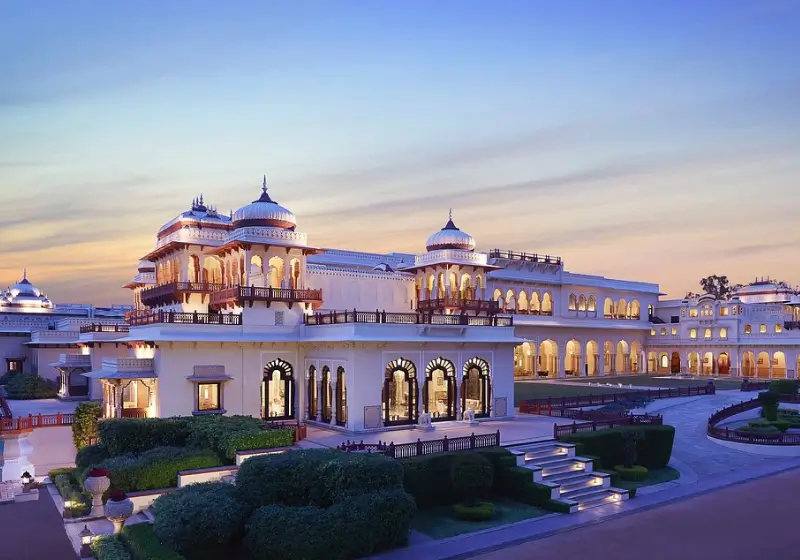
Stay in Rambagh Palace or Samode Haveli for a royal feel.
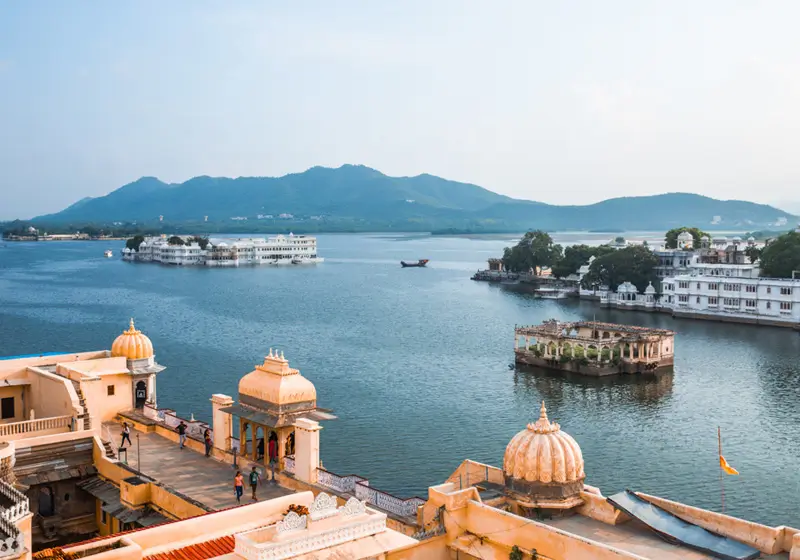
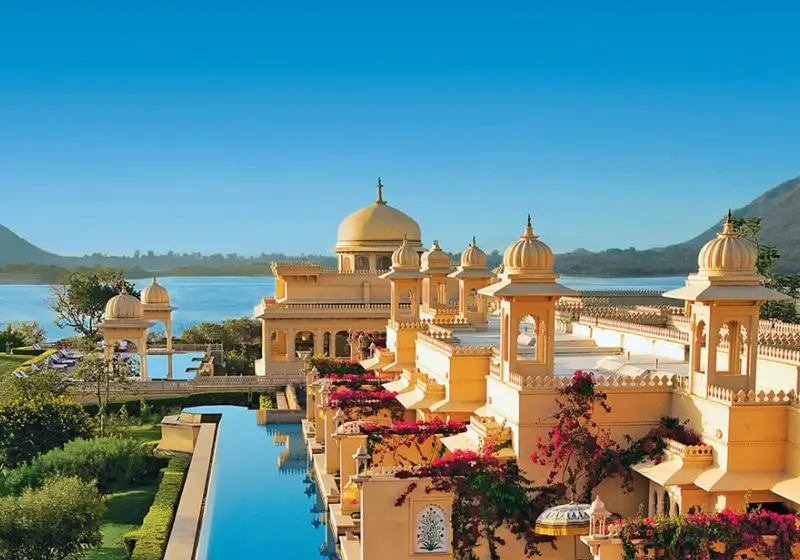
Take a sunset boat ride with narration of Mewar history.
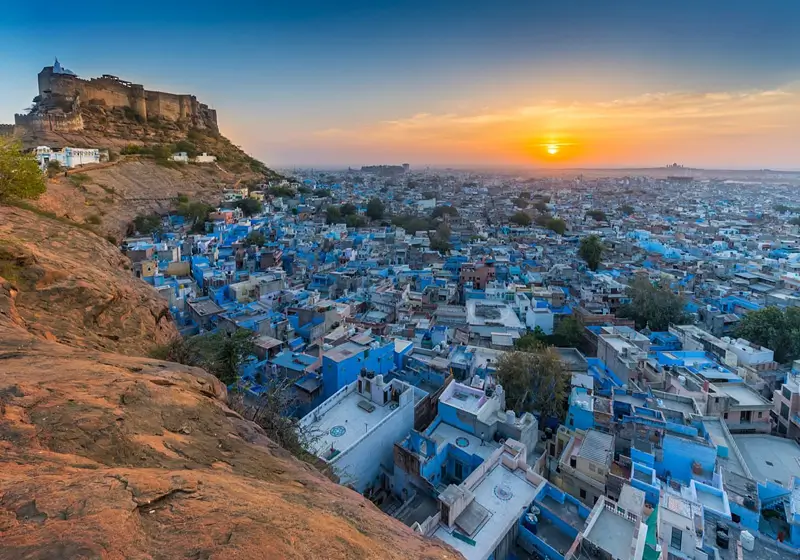
Don’t miss the Royal Weapon Gallery and Rathore legacy story.
For history buffs interested in spiritual India, Varanasi is a must.
South India’s temples showcase both religion and sculpture as history.
Recommended Cultural Tour Itinerary (14 Days)
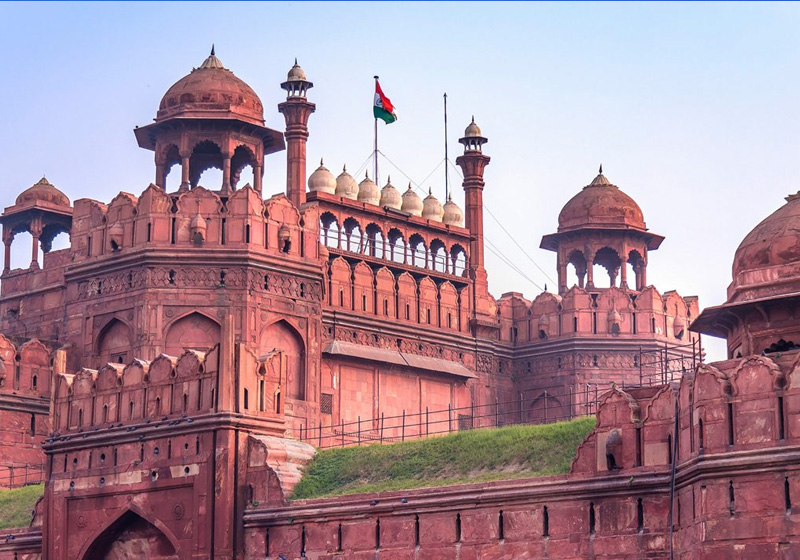
Day 1–2: Delhi – Historical city tour + museum visits
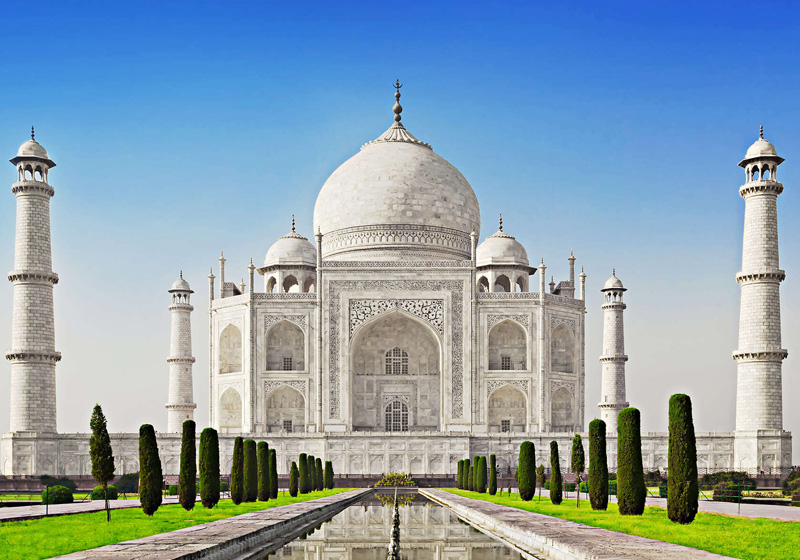
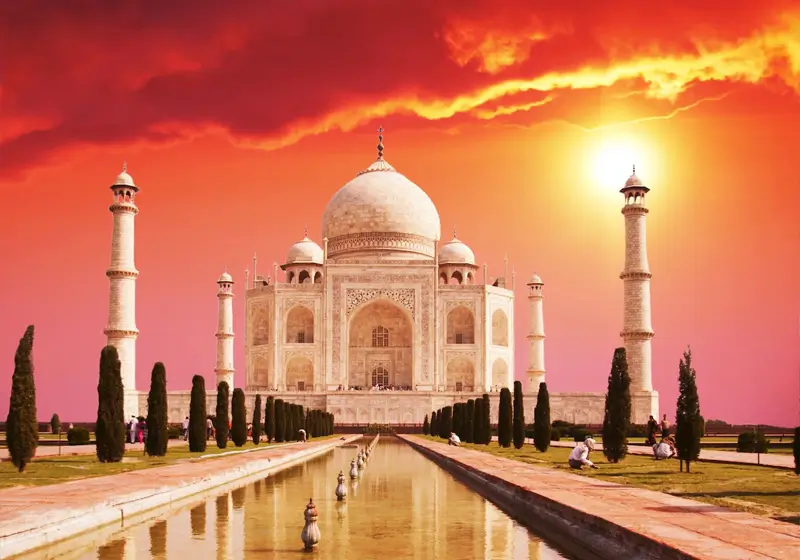
Day 3–4: Agra – Taj Mahal, Agra Fort, Fatehpur Sikri
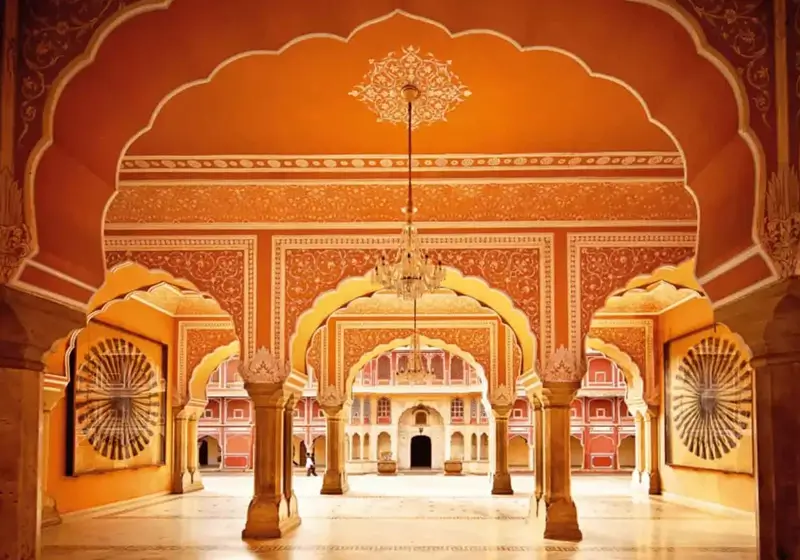
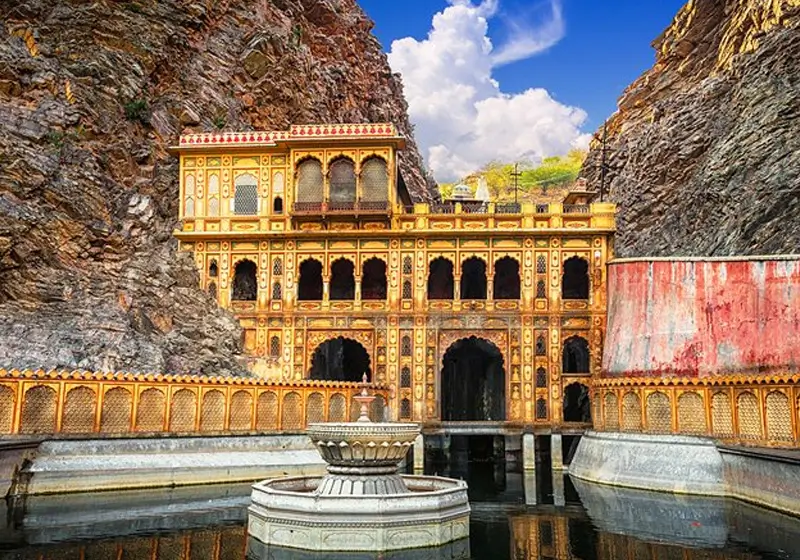
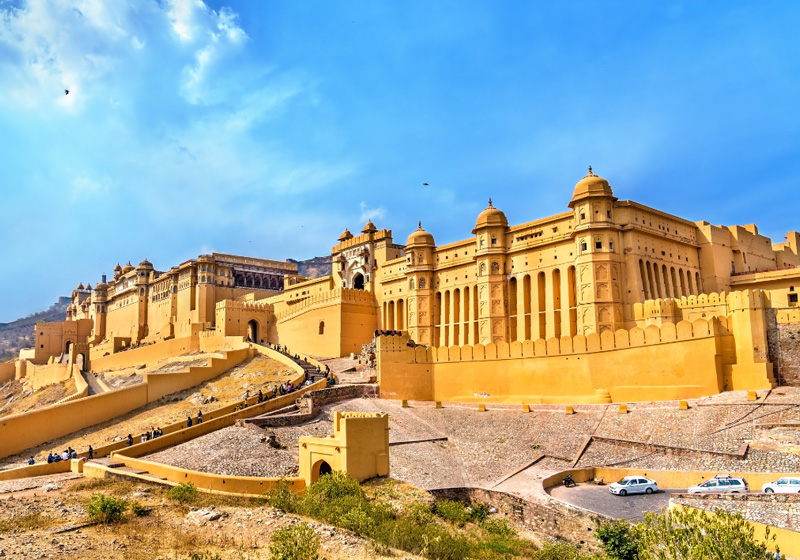
Day 5–6: Jaipur – Amber Fort, City Palace, crafts workshops
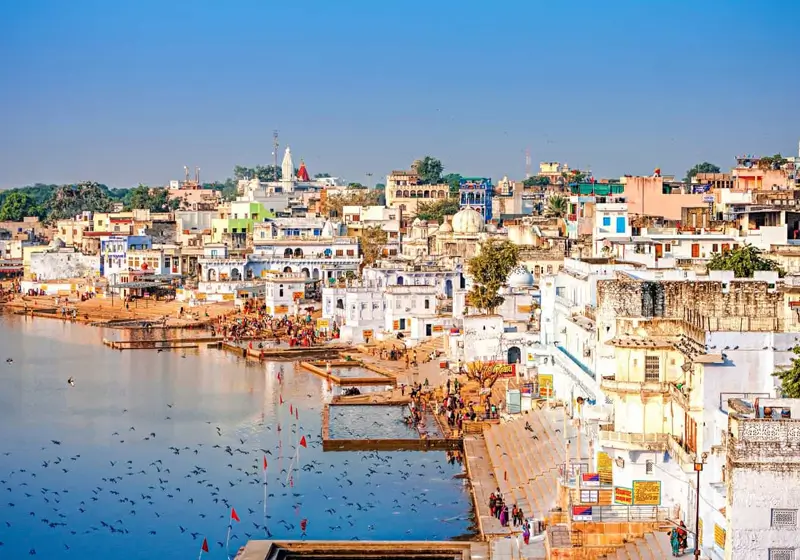
Day 7: Pushkar / Ajmer (optional) – Heritage walk, temple visit
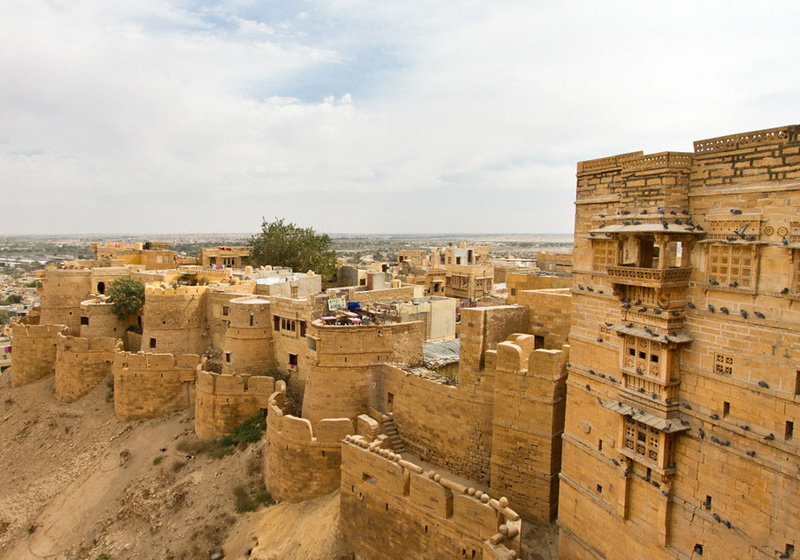
Day 8–9: Jodhpur – Mehrangarh Fort, old city, royal legacy
Day 10–11: Udaipur – City Palace, lakes, cultural show
Day 12: Fly to Varanasi – Evening Ganga Aarti
Day 13: Sarnath & old city walk
Day 14: Fly back to Delhi – Departure
Custom options: Include Khajuraho, Hampi, or Goa heritage churches if time allows.
Guides with history or archaeology backgrounds make cultural tours deeply engaging.
India has 42 UNESCO sites — one of the highest in the world.
Absolutely — Golden Triangle + Ranthambore or Udaipur + Rishikesh are great combos.
October to March — pleasant weather, clear skies, and major festivals.
Yes, English, French, German, Spanish, Japanese — on request.
It’s optional but recommended during peak tourist season.
Usually yes, but check for restrictions, especially in temples and with flash.
Udaipur, Jaipur, and Jodhpur offer restored palaces turned into hotels.
Yes — with private guides, pacing can be adjusted.
Yes, especially in temple towns like Varanasi, Khajuraho, Madurai.
$250–$400 per day per person, including 5-star stays and private guide.
Yes, by private car or flight — depending on distance.
Yes — puppet shows, folk music, classical dance shows can be arranged.
Definitely — food walks and cooking classes enhance your understanding.
Yes, especially textiles, paintings, miniatures — but verify authenticity.
At least 6–8 weeks before peak season (Oct–Feb).
Fill in the details below. Our expert consultant will respond within 4 hours with a bespoke itinerary crafted just for you — completely free, no obligation.