Itinerary ideas, cultural insights, luxury tips and practical planning guides for every India traveller.
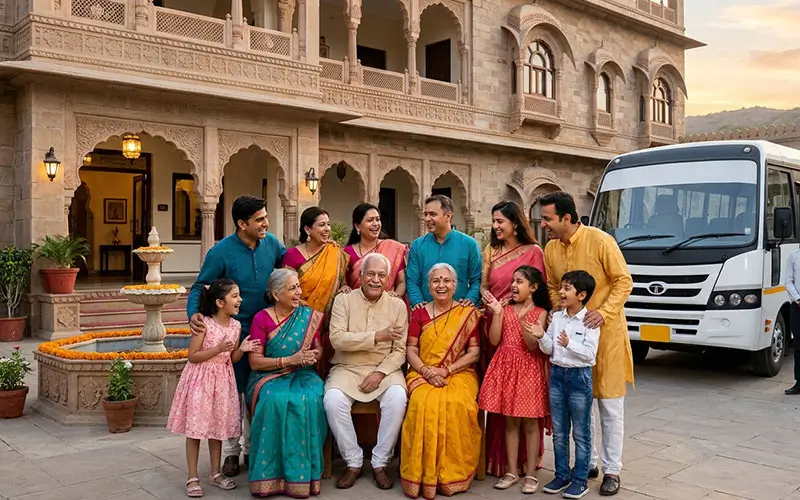
A family reunion in India can bring grandparents, adult children, cousins, teenagers and young children together for something far more memorable than a conventional gathering at a hotel or restaurant. The challenge is that a large family does not travel like a couple. Different ages, room requirements, food preferences, mobility levels, arrival times and luggage quantities can turn a simple holiday into a complicated logistical exercise.
A well-arranged India family reunion tour package brings the essential parts of the journey under one coordinated arrangement. Private transport can remain with the family, hotels can be selected according to room requirements, sightseeing can operate at a comfortable pace, and airport transfers can be coordinated for relatives arriving on different flights.
The strongest family reunion itineraries are rarely the ones with the largest number of cities. They are the ones where everyone can actually enjoy being together. Two nights in a comfortable hotel can be more valuable than changing accommodation every morning. A private vehicle with enough empty seats and luggage space can be more useful than selecting the smallest vehicle technically capable of carrying the group. A hotel with breakfast, elevators, connecting rooms and a swimming pool may work better for a multi-generational family than a beautiful property that is difficult for older relatives to navigate.
For families living across the United States, United Kingdom, Australia, Canada, Europe, the Middle East or different Indian cities, a private family tour in India also provides a practical meeting point. Delhi is particularly convenient for many international arrivals, while Jaipur, Agra, Udaipur and other North Indian destinations can be connected by road depending on the length and style of the trip.
The purpose is not merely to move a group from one attraction to another. The holiday needs enough structure to keep a large family organised while retaining enough flexibility for people to spend meaningful time together.
The first requirement is a realistic passenger profile. A family of twelve adults in their thirties has completely different needs from a family of twelve containing two grandparents, four adults, three teenagers and three young children. Before hotels or vehicles are confirmed, the operator should know the age mix, approximate luggage quantity, mobility requirements and room combinations.
For an India multi-generational family tour, accommodation usually deserves more attention than sightseeing.
A family may need a mixture of double rooms, twin rooms, triple occupancy, connecting rooms and perhaps one suite where everyone can gather. Parents travelling with small children may prefer connecting rooms, while grandparents may need a room close to the elevator rather than at the far end of a large heritage property.
Hotels should be told about these requirements before confirmation. “Rooms next to each other” and “connecting rooms” are not the same thing. Adjacent rooms may simply be close together. Connecting rooms have an internal door between them. If this feature is important, it should appear as a request in the reservation, although availability can depend on the individual hotel.
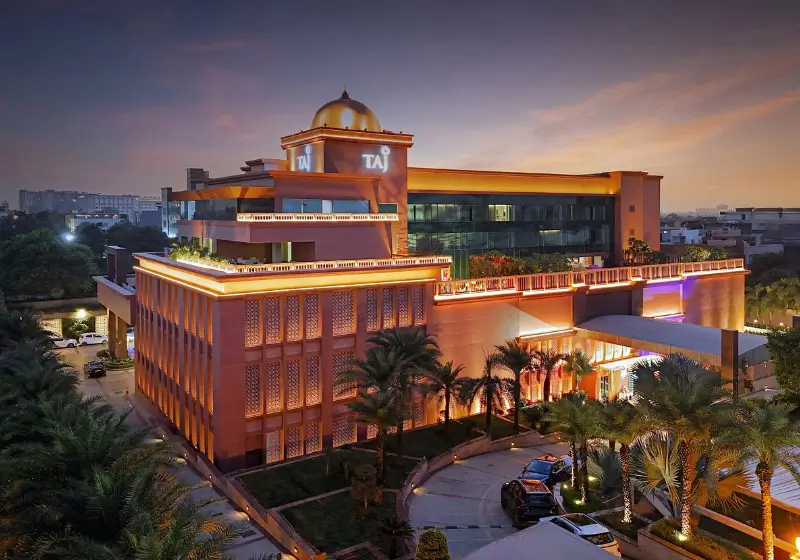
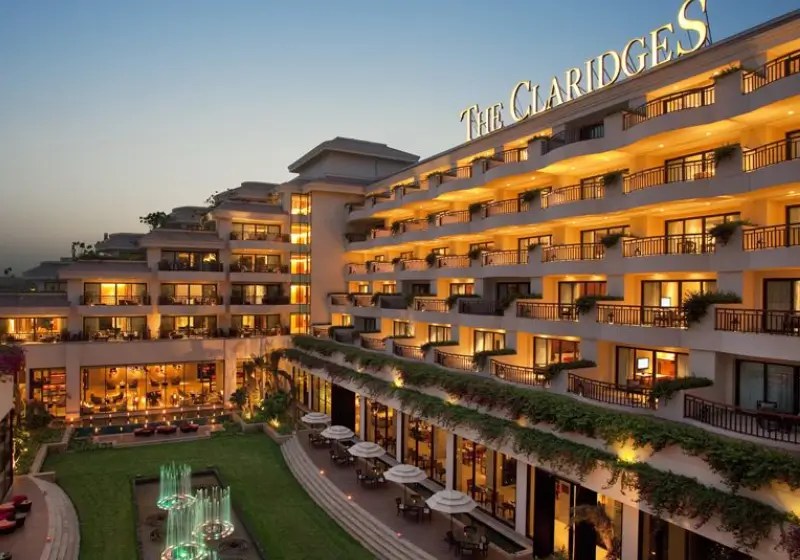
A family-friendly hotel in India should also be judged on practical details. Elevators matter for older travellers. Breakfast included in the room rate simplifies mornings for a large group. An in-house restaurant is valuable when some relatives are too tired to go out for dinner. A swimming pool can keep children occupied during an afternoon break. Larger rooms make it easier to handle extra beds and luggage.
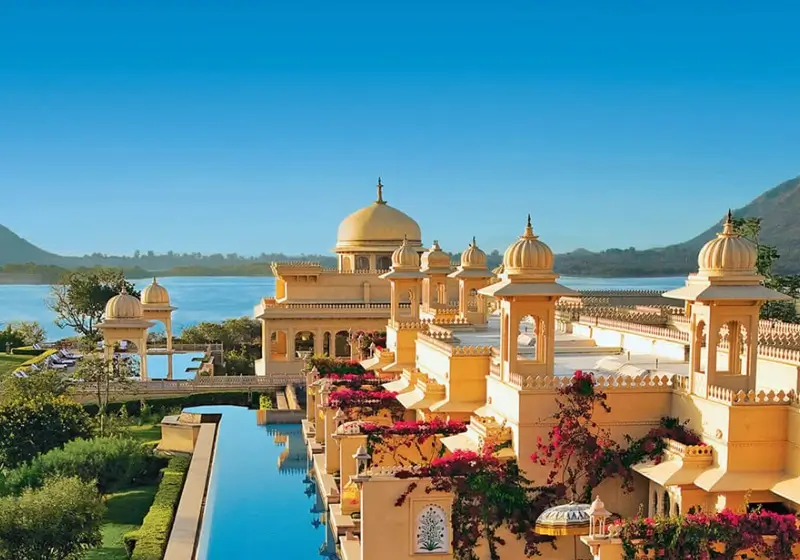
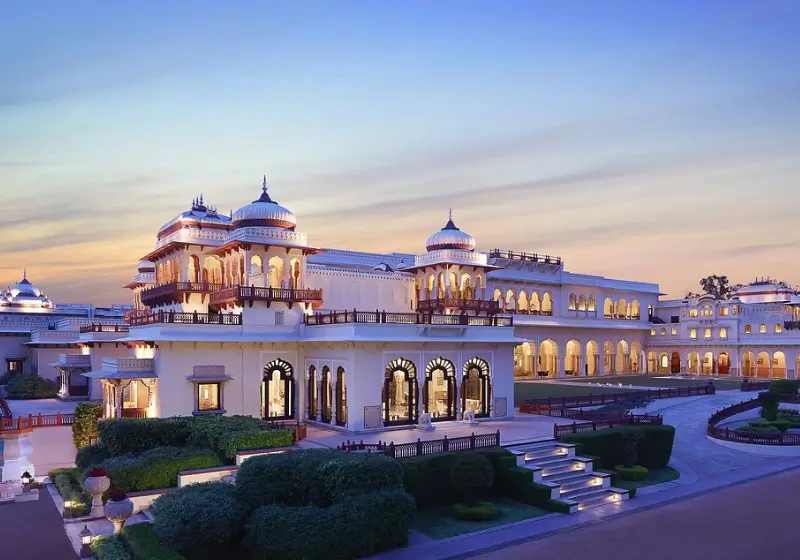
Heritage hotels can be excellent for a family gathering, particularly in Rajasthan, but the physical character of an old building should be considered. Historic properties can have stairs, uneven surfaces, distant rooms or layouts that are less convenient for a traveller with limited mobility. A modern luxury hotel may sometimes be a better fit for the oldest and youngest members of the group.
Transport is the second major element.
A group should not select a vehicle according to passenger capacity alone. A vehicle advertised for twelve passengers does not necessarily have comfortable space for twelve international passengers plus twelve large suitcases, cabin bags, strollers and personal items.
For a smaller reunion, an Innova Crysta with driver can work when the family is divided between vehicles. Larger groups may be better served by a Tempo Traveller for family tours, Force Urbania, mini coach or full-size coach depending on passenger numbers.
A family of 10–12 carrying international luggage should generally ask specifically about luggage storage. In some cases, selecting a larger vehicle than the minimum requirement makes the journey substantially more comfortable.
For larger reunions, a mini coach can provide an important advantage: the family remains together rather than being separated across four or five cars. People can talk during road journeys, departure coordination becomes easier and there is only one main vehicle to manage.
The vehicle should have working air conditioning and suitable seat belts, and the family should know how luggage will be stored. For a premium trip, vehicle quality can have a greater impact on comfort than upgrading every hotel room by one category.
Airport transfers also need coordination. Families arriving internationally may not land together. One branch of the family may arrive in the morning and another late at night. A proper India family group tour can include separate airport pickups rather than forcing everyone to wait at the airport.
The same principle applies on departure. Different flights may require different transfer times. These movements should be listed before the final quotation so the family knows whether additional airport transfers are included.
Meals are another practical consideration. Hotel breakfast is highly useful for group travel because every family member can eat according to individual preference without requiring a restaurant decision first thing in the morning. Lunches and dinners can remain flexible, or selected group meals can be arranged for special occasions.
If the reunion marks an anniversary, birthday or another family event, one evening can be reserved for a private dinner, rooftop meal, heritage-hotel dinner or professionally arranged celebration. Such experiences should be requested separately because decoration, cake, private space, entertainment and special menus can carry additional charges.
A private family trip should also allow downtime. Children may want the pool. Grandparents may want an afternoon rest. Adults may want coffee or time to shop. A schedule that runs continuously from early morning until late evening can make a family reunion feel like an obligation rather than a holiday.
The advantage of private group travel in India is the ability to control this pace.
Bring your loved ones together for a memorable family holiday in India. Enjoy customised private tours, comfortable vehicles, experienced drivers and family-friendly itineraries covering India's most beautiful destinations. Contact us to plan your family reunion tour.
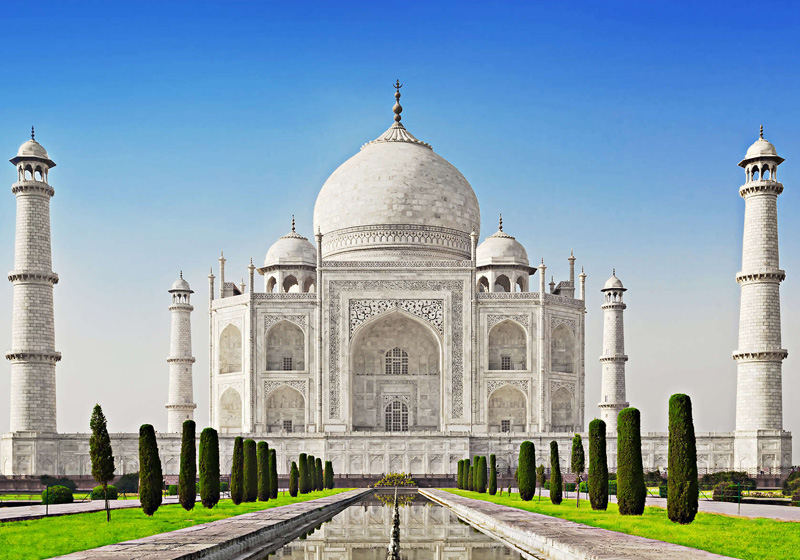
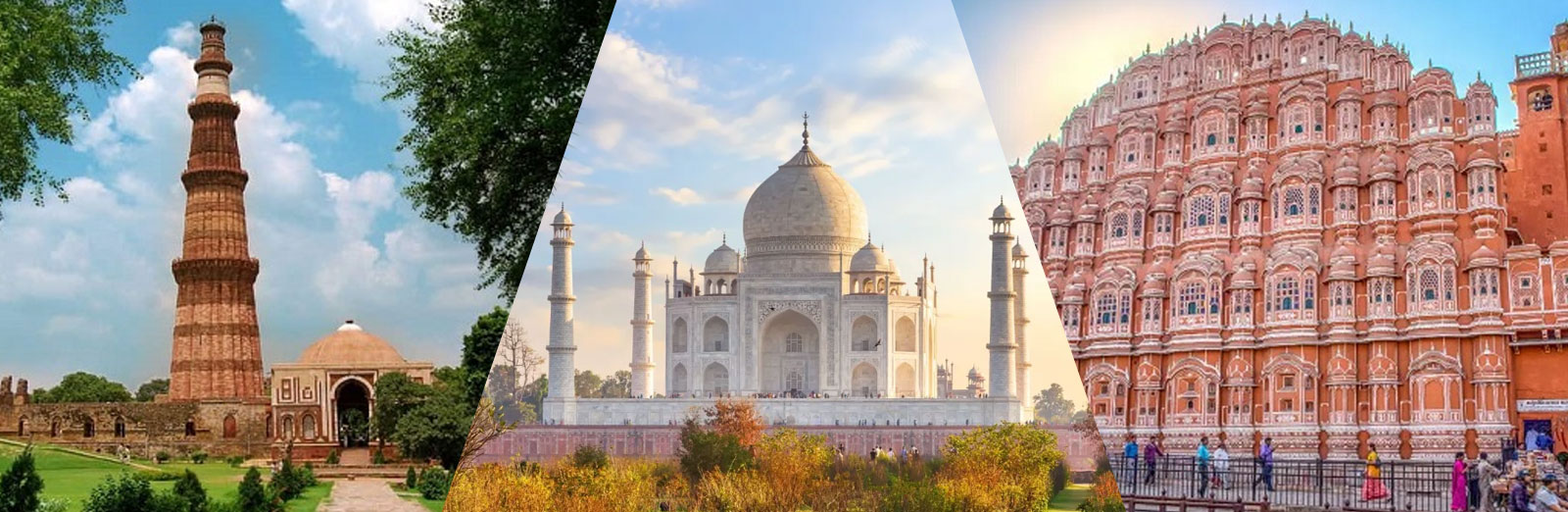
Delhi, Agra and Jaipur work naturally for many first-time family groups because they combine major historical sites with manageable road connections. A family can arrive in Delhi, spend time recovering from international flights, continue to Agra for the Taj Mahal and then travel onward to Jaipur for forts, palaces, shopping and cultural experiences.
However, a family reunion does not need to be limited to these cities.
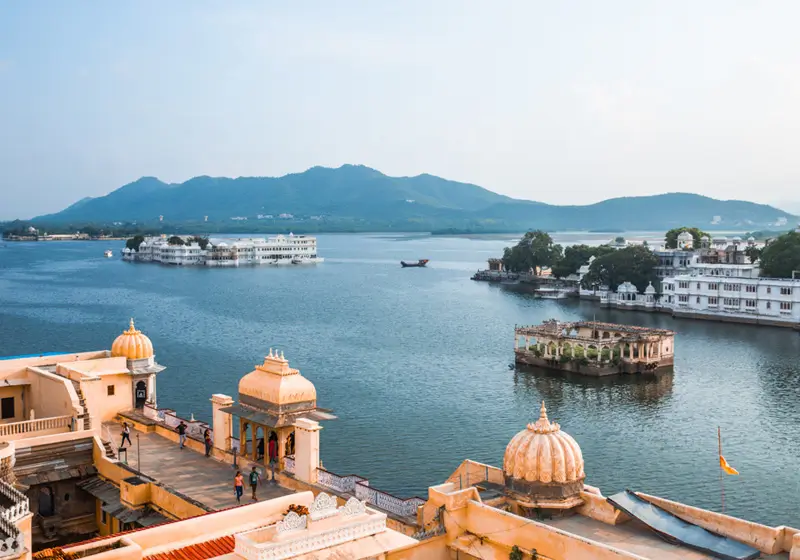
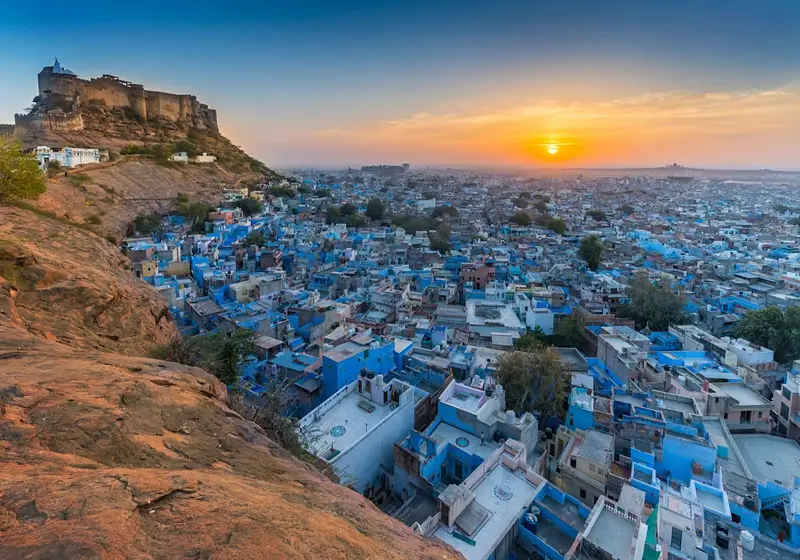
Rajasthan works particularly well for families interested in heritage hotels, architecture and slower stays. Jaipur can be paired with Udaipur, Jodhpur or other destinations when sufficient days are available. Families wanting wildlife can include a national park stay, while those seeking a more relaxed holiday can spend additional nights in one destination rather than continually moving.
The most important decision is the number of nights available.
For a short family reunion holiday in India, attempting six or seven cities can create too many hotel changes. Each change requires packing, checking out, loading luggage, driving, unloading, room allocation and settling in again. Multiply that process by fifteen or twenty people and a substantial part of the holiday disappears into logistics.
A slower itinerary allows relatives to spend time together beyond scheduled sightseeing.
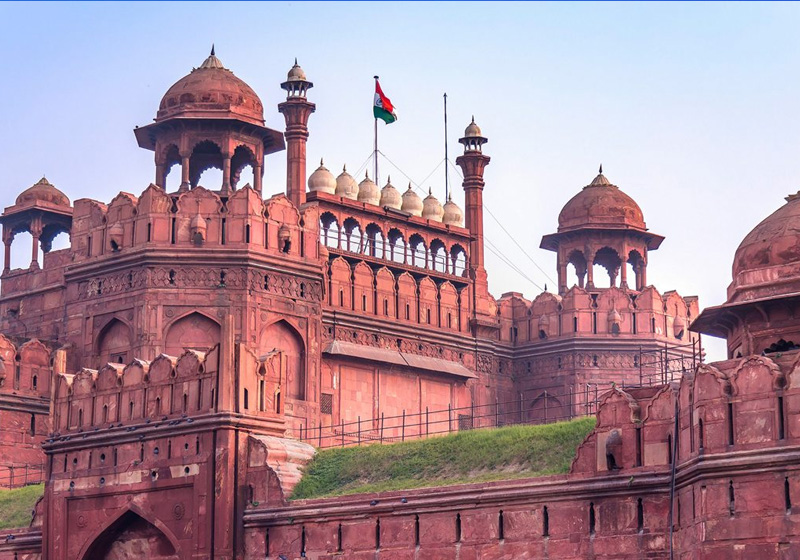
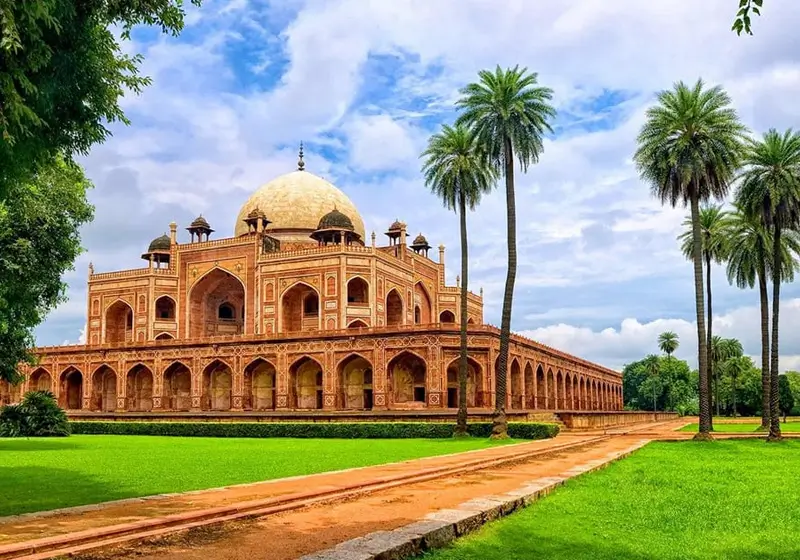
Delhi can include Old Delhi and New Delhi without forcing every attraction into a single day. Depending on family interests, stops can include landmarks such as Humayun's Tomb, Qutub Minar, India Gate and selected markets or cultural areas. Families with elderly members may prefer fewer stops with longer breaks rather than repeatedly entering and exiting the vehicle.
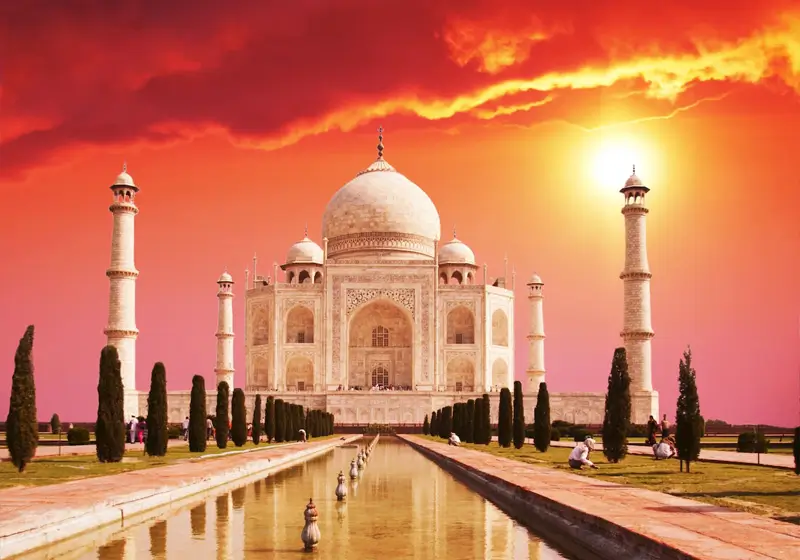
Agra usually centres on the Taj Mahal. A private guide can be particularly valuable for a large family because the group receives historical context and assistance navigating the visit. If the family contains older travellers, the day's schedule should account for walking distances, security queues and weather.
Taj Mahal opening rules and monument timings should always be checked close to the travel date. The Taj Mahal is normally closed to general visitors on Fridays, which is important when fixing the itinerary. Monument entry tickets should also be budgeted separately unless explicitly included in the package.
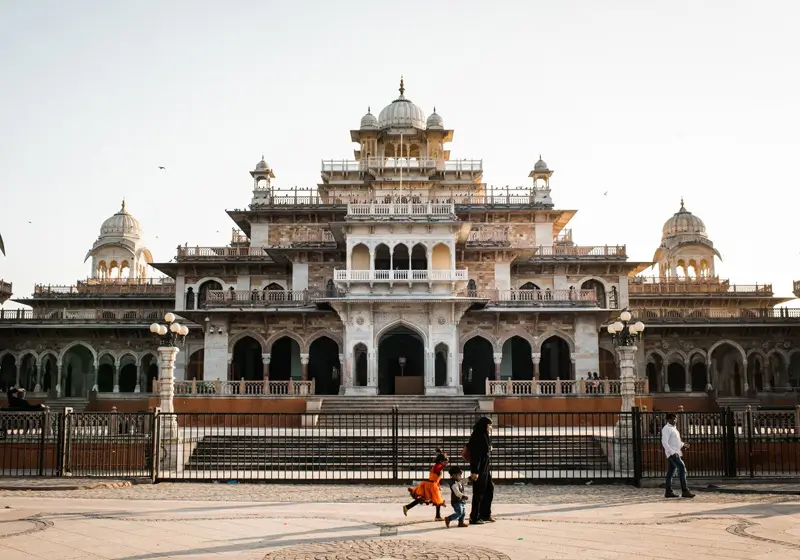
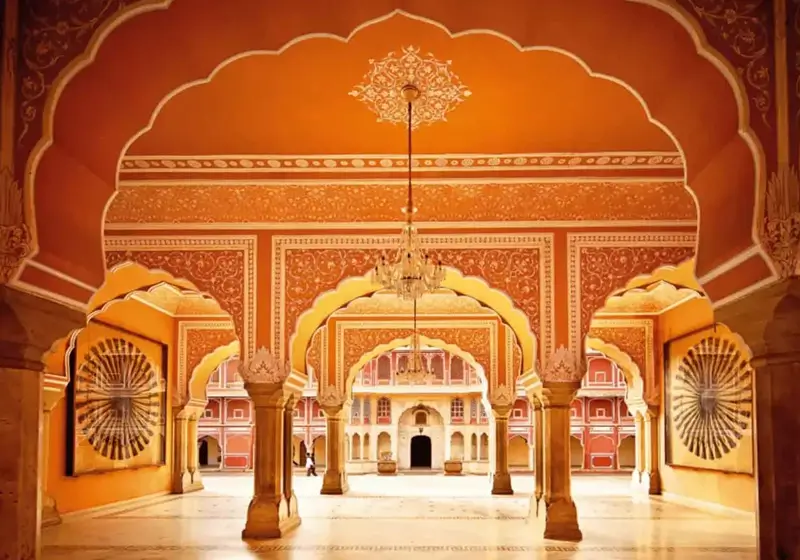
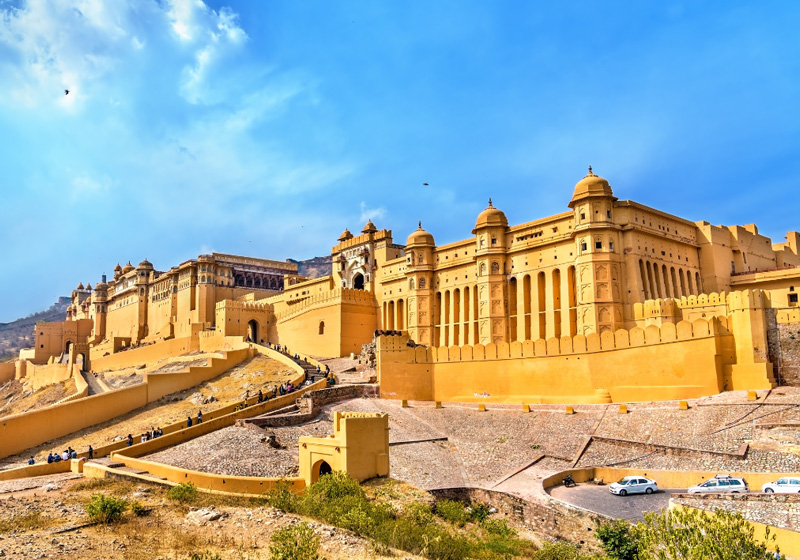
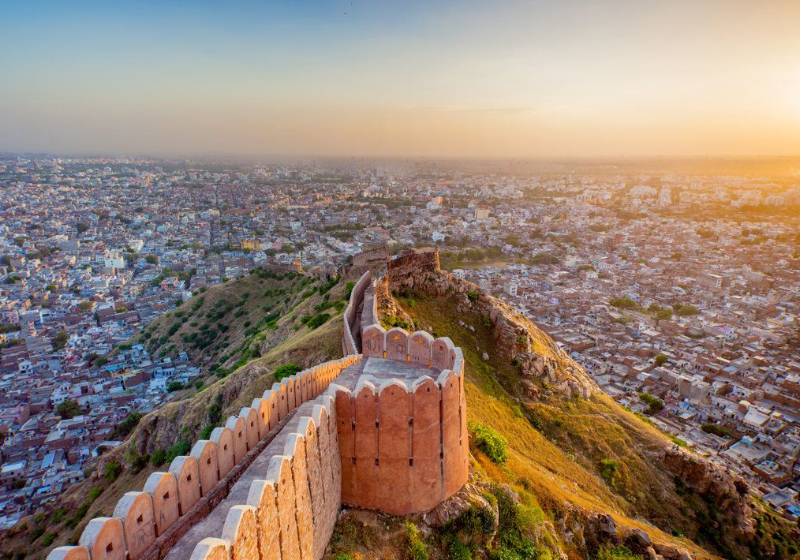
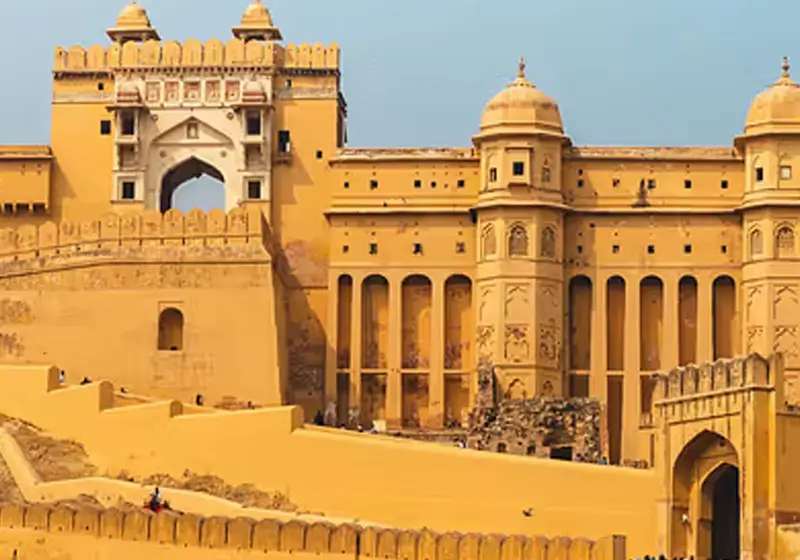
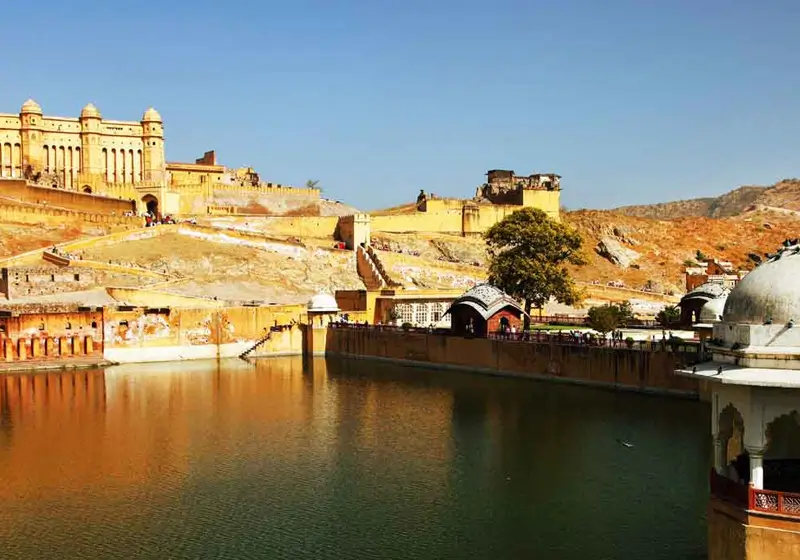
Jaipur offers a different pace. Amer Fort, City Palace, Jantar Mantar and the Hawa Mahal area can form part of the sightseeing, but a reunion itinerary can also include experiences that encourage family interaction.
A private cooking experience can be enjoyable when several generations want to participate together. Craft demonstrations can interest both adults and teenagers. A carefully selected market visit can provide shopping time without turning the entire day into sightseeing.
Photography can also become part of the reunion. Instead of relying entirely on phone pictures, a family may book a professional photographer for a few hours in Jaipur or another scenic destination. Coordinated family photographs taken during the trip can become one of the most lasting results of the gathering.
Young children require another layer of practicality.
Parents may need child seats, but availability should never be assumed. A request for a private car with child seat in India should specify the child's age and approximate weight because infant seats, toddler seats and booster seats are different products. Families bringing their own familiar child seat should confirm that the selected vehicle can accommodate it.
Children also change the daily rhythm. Starting every day before sunrise may be unrealistic. Long monument visits can become tiring. An afternoon pool break or early dinner can prevent the youngest family members from becoming exhausted.
Teenagers may prefer interactive activities, food experiences, photography, shopping or free time over a schedule consisting entirely of monuments. Giving different generations something to look forward to can make the trip significantly more successful.
Older relatives may require shorter walking periods, easier vehicle access and convenient washroom stops during road journeys. The tour operator should be informed of mobility limitations before hotels and activities are selected.
For a family containing wheelchair users or travellers who cannot climb many stairs, accessibility should be discussed attraction by attraction. Historic monuments were not necessarily designed for modern accessibility, and conditions vary. A realistic itinerary should therefore distinguish between places that are comfortable to visit and those requiring significant walking or steps.
Private guides can adjust the amount of information according to the group. A family with children may prefer engaging stories and shorter explanations, while adults with a strong interest in history may want more detail.
The family should also have freedom to skip an attraction. If half the group wants to rest at the hotel while others go sightseeing, private transport makes this easier to arrange, although an additional vehicle may sometimes be required if the group splits simultaneously.
That flexibility is one of the strongest reasons to choose a custom family tour of India rather than a fixed group departure.
The cost of an India family reunion package depends on a combination of hotel standard, room count, vehicle size, trip duration, destinations, guide services, entrance fees, meals and special activities. Large groups can sometimes obtain better per-person economics for transport and guides because those costs are shared, but accommodation remains strongly influenced by the number and category of rooms required.
A useful budget should therefore be built from the actual family configuration rather than a generic per-person headline.
For comfortable private travel, families using good mid-range or upper-mid-range hotels can reasonably work with a broad ground budget beginning around ₹8,000–₹15,000 per person per day, depending heavily on room sharing and inclusions. A more premium trip using strong four-star and entry-level luxury hotels can move towards ₹15,000–₹25,000 per person per day. A high-end itinerary using leading five-star or palace properties, premium transport, private guides and special dining can exceed ₹25,000–₹50,000 per person per day.
These are budgeting bands rather than fixed quotations.
International flights are normally outside these figures unless a package explicitly states otherwise. Domestic flights, premium train tickets, monument entrance charges, lunches, dinners and special activities may also be separate.
Consider a family of twelve requiring six double rooms.
Hotel expenditure alone changes dramatically with category. If six rooms average ₹7,000 per room per night, the accommodation cost is ₹42,000 per night before considering any additional taxes or inclusions. At ₹15,000 per room, the same family reaches ₹90,000 per night. At a luxury property where rooms cost ₹30,000 or more, accommodation can exceed ₹180,000 per night.
This is why the phrase family tour package cost in India cannot be reduced to a single reliable number without knowing the hotel level.
Transport works differently. A private group vehicle is shared by the entire family, so increasing the number of travellers can reduce the transport cost per person up to the vehicle's comfortable capacity.
For example, hiring a suitable Tempo Traveller or premium group vehicle for an intercity itinerary can cost substantially more than a sedan per day, but dividing that cost among ten or twelve relatives can still produce sensible per-person economics. A mini coach becomes appropriate when passenger and luggage numbers exceed the practical capacity of smaller vehicles.
Guide charges are similarly shared. A private guide working with twelve relatives does not necessarily cost twelve times the amount charged for one traveller. For this reason, guided sightseeing can offer strong value to a family group.
Entrance fees are different because they are generally charged per visitor. Foreign visitor rates at major monuments can be higher than domestic rates, and optional services may carry separate charges. Exact monument prices should be checked shortly before ticket purchase because official fees and ticketing arrangements can change.
Special events require a separate budget. A family reunion dinner at a premium hotel, private venue decoration, musicians, photographer, cake or custom menu can range from a modest supplement to a substantial event cost.
The quotation should state whether hotel taxes, breakfast and driver expenses are included. It should also specify whether guides are provided in each city, whether airport transfers are included and whether tolls and parking are covered.
Families should be cautious with an unusually low India group tour price if the quotation does not name hotel categories or vehicle type. A cheap package can be created by reducing room quality, assigning an undersized vehicle, excluding monument tickets or adding compulsory payments later.
A transparent quote should make comparisons possible.
If one company offers ₹300,000 and another offers ₹400,000 for the same family, the cheaper offer is not automatically better. One may contain basic hotels and no guides while the other includes stronger hotels, a larger vehicle, airport pickups and guided sightseeing.
The family should compare like with like.
Planning a family reunion in India? We make group travel easy with private transportation, flexible itineraries and personalised travel arrangements for all age groups. Let us help you create wonderful memories with your family.
The booking stage should begin with a rooming list. This document identifies who shares with whom, which travellers require twin beds, which parents need rooms near children and which relatives require single rooms.
A group of sixteen does not automatically need eight double rooms. The actual combination could be five doubles, two twins and two singles. Children may share with parents, while adult relatives may require their own rooms.
Room configuration affects the quotation significantly, so it should be accurate before hotels are confirmed.
The operator should also receive arrival and departure details for every branch of the family. A simple table containing passenger names, flight numbers, dates and arrival times can prevent airport confusion.
For an international family reunion in India, relatives may arrive over a 12- or 24-hour period. In that situation, the first day should generally remain light. Scheduling a major sightseeing programme immediately after several long-haul arrivals can leave half the family exhausted.
A welcome dinner can work better than a full sightseeing day.
The family should appoint one or two primary coordinators. If twenty relatives separately message the driver or operator with different requests, confusion becomes almost inevitable. One lead contact can coordinate schedule changes while another can handle family communication.
At the same time, the itinerary should not become rigid.
A private trip is most valuable when small adjustments are possible. If children are tired, sightseeing can finish earlier. If grandparents need a break, the group can return to the hotel. If everyone enjoys a particular market or restaurant, additional time may be possible provided it does not conflict with another fixed reservation.
Payment terms should be written clearly. The family should know the deposit amount, balance deadline, accepted payment method and cancellation conditions. Hotel cancellation rules can become particularly important for large groups because multiple rooms are being held.
Names on hotel reservations should match the travellers' identification documents where required. International visitors should carry valid passports and appropriate travel documentation.
Dietary requirements should be communicated before arrival. A family may contain vegetarians, vegans, people with allergies and relatives who eat meat. Hotels and restaurants can often accommodate different preferences more effectively when given notice.
For severe allergies, the requirement should be communicated directly and clearly rather than treated as a casual food preference.
The same applies to medical or mobility needs. The operator does not need unnecessary personal details, but practical requirements—such as avoiding stairs, needing frequent breaks or requiring wheelchair-accessible vehicle arrangements—should be communicated.
A well-built private family holiday in India should ultimately feel simple to the travellers even though considerable coordination happens behind the scenes.
The vehicle arrives when required. Rooms match the family structure as closely as possible. Guides know the group size. Airport pickups are connected to the correct flights. There is time for grandparents to rest, children to swim and adults to enjoy dinner without constantly discussing tomorrow's logistics.
That is the real value of arranging a family reunion as a private tour rather than independently booking dozens of disconnected services. The holiday remains centred on the family while accommodation, transport and sightseeing operate around them.
There is no fixed minimum. A private reunion trip can be arranged for six relatives or for a much larger extended family. Vehicle size, number of rooms and guide arrangements should be matched to the actual passenger count rather than forcing the family into a standard group format.
Smaller families may use one or more Innova-type vehicles. Groups of around eight or more can consider a Tempo Traveller, Force Urbania or mini coach, depending on passenger count and luggage. Larger groups may require a full-size coach. Luggage capacity should always be checked separately from seat capacity.
They can be requested, but availability depends on the hotel and room category. Connecting family rooms in India should be requested at the time of reservation. Adjacent rooms are not necessarily internally connected, so the requirement should be stated precisely.
Comfortable private arrangements can broadly begin around ₹8,000–₹15,000 per person per day, while premium and luxury trips can range from ₹15,000 to ₹50,000 or more per person per day. Hotel level, room sharing, duration, transport, guides and special experiences have a major effect on the final amount.
They can be included. The quotation should list how many airport transfers are covered. If family members arrive at widely different times, multiple vehicles or separate transfers may be required and can affect the total cost.
Yes, provided the daily schedule is built around realistic energy levels. Fewer hotel changes, comfortable vehicles, afternoon breaks, elevators, suitable rooms and shorter sightseeing periods can make a multi-generational India tour much easier for both age groups.
Child seats may be available through selected transport providers, but they should be requested in advance. Provide the child's age and approximate weight so the correct type can be requested. Families may also prefer to bring a familiar child seat after checking vehicle compatibility.
Hotels and selected restaurants can generally accommodate many dietary requirements when informed in advance. Vegetarian food is widely available in India. Vegan requirements and serious allergies should be communicated clearly before the trip and reconfirmed where necessary.
Yes. A private dinner, cake, decoration, photographer, cultural entertainment or special venue can be added depending on destination and budget. These services should be quoted separately so the family knows exactly what the celebration includes.
For a large or multi-generational family, a private India family tour package can simplify room coordination, airport pickups, group transport, guides and schedule changes. Independent booking can still work, but coordinating numerous rooms, vehicles and arrival times requires considerably more involvement from the family.
Fill in the details below. Our expert consultant will respond within 4 hours with a bespoke itinerary crafted just for you — completely free, no obligation.