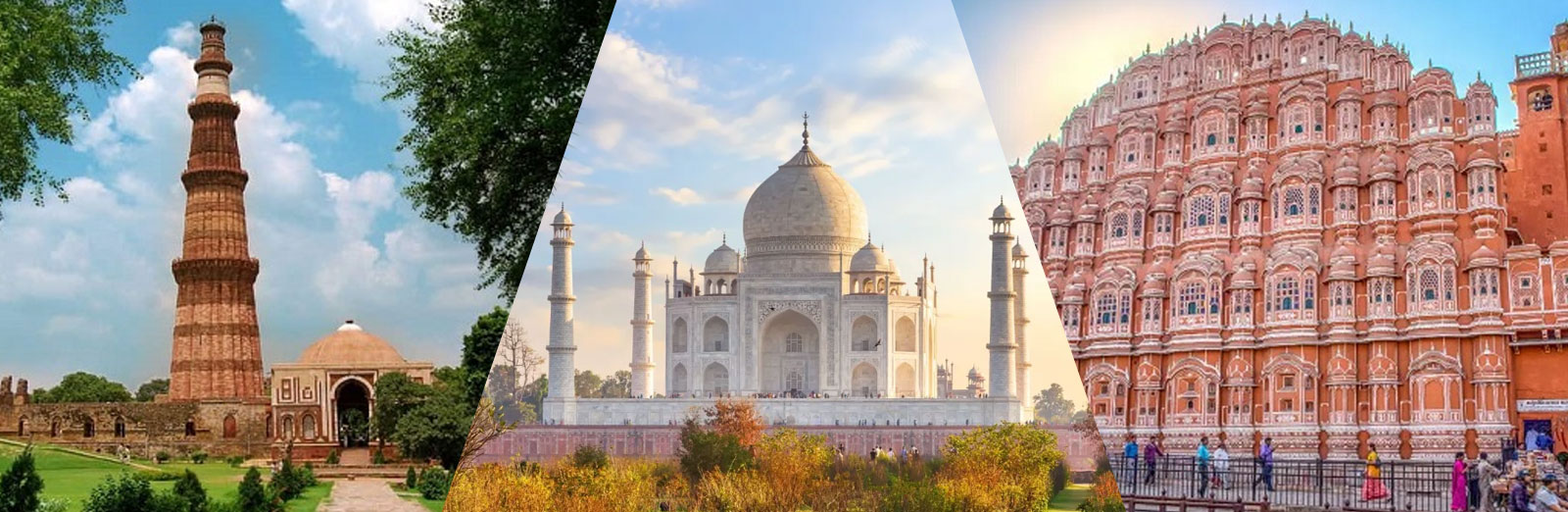
Itinerary ideas, cultural insights, luxury tips and practical planning guides for every India traveller.
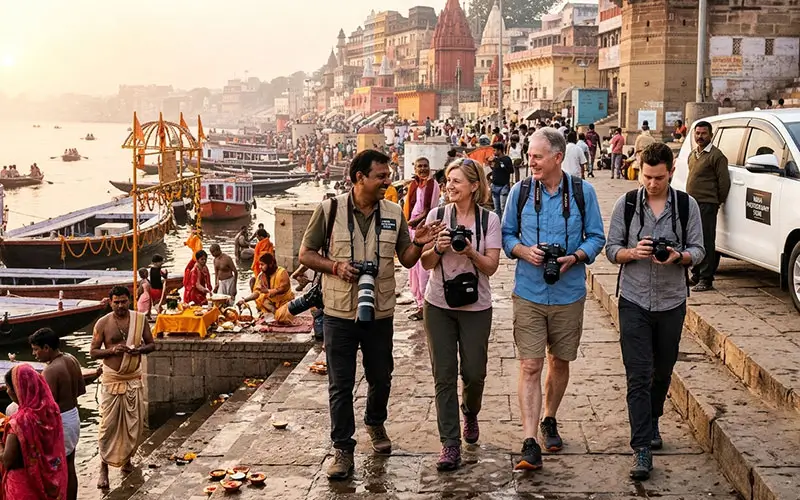
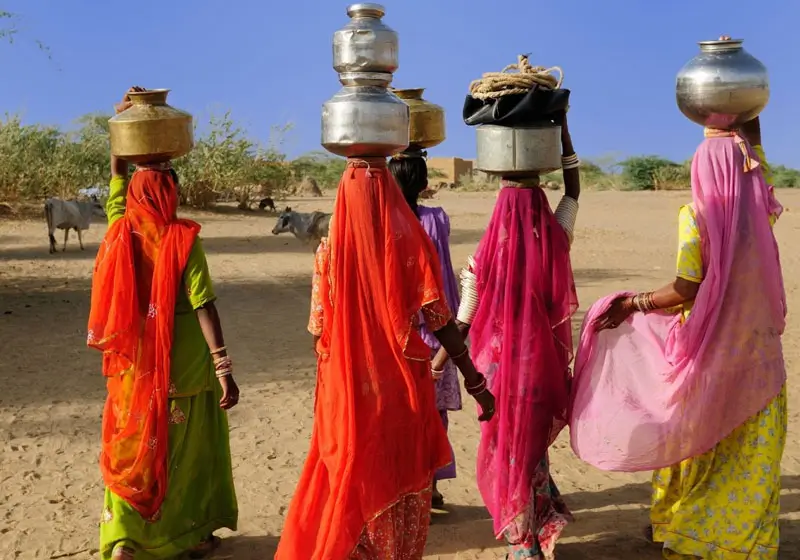
India can be exceptionally rewarding for travellers who prefer returning home with carefully composed photographs rather than a checklist of attractions. Historic forts, palace courtyards, old bazaars, monumental architecture, street scenes, desert landscapes, colourful textiles and changing natural light can provide very different photographic opportunities within a relatively compact journey.
A conventional sightseeing trip, however, is not always suitable for a photographer.
Standard tours usually operate according to attraction opening hours and a fixed sequence of stops. A photographer may need something entirely different: arriving before the strongest light, spending forty minutes at a single viewpoint, returning to a location when conditions improve, carrying additional camera equipment and leaving enough time between destinations to photograph unexpected scenes.
A private India photography tour package should accommodate that working style.
The photographer may want the Taj Mahal in soft morning light, Jaipur's architecture during quieter hours, a controlled portrait session with a local professional, architectural details inside a fort, street photography in Old Delhi or evening images when city lights begin to appear. These requirements cannot be handled efficiently when every day is built around rushing through the maximum number of tourist attractions.
A dedicated vehicle also becomes important. Camera bodies, long lenses, tripods, laptop equipment and personal luggage need secure space. A private car with driver for an India photography tour allows equipment to travel with the guest while providing flexibility to leave early, stop where appropriate and return to the hotel between morning and evening sessions.
Some travellers may also want a private photographer in India to accompany them. This can mean two different things. A photography guide may help the traveller find locations and improve compositions, while a professional vacation photographer may actually photograph the traveller, couple or family. The service required should therefore be made clear at the time of booking.
A strong photography trip is built around light, access, time and subject matter. The result should feel different from a standard sightseeing package with a camera carried along.
The phrase India photography tour can describe several very different types of travel, so the first booking decision should concern the purpose of the photographs.
An enthusiast carrying a mirrorless camera may want guidance on the best viewpoints and times of day. An experienced travel photographer may require a local fixer who understands streets, markets and access. A couple may want professional photographs of themselves at selected destinations. A content creator may need a mixture of portraits, architecture and lifestyle images.
These travellers should not receive the same service.
A private photography guide in India can be valuable for travellers who want to take their own photographs. The guide's role is not merely to recite historical facts. The person should understand where morning light falls, which locations become crowded, what can legally be photographed, where tripods may be restricted and how much time should realistically be allocated to each location.
A photography guide can also help with local communication when appropriate. Street photography requires sensitivity. Not every person wants to be photographed, and permission should be sought where circumstances call for it. Photographing children deserves particular care, and intrusive photography should never be treated as acceptable simply because a location looks visually interesting.
A professional photographer hired to photograph the travellers performs a different role.
For a private vacation photoshoot in India, the photographer can accompany a couple, family or solo traveller at selected locations and create professionally composed images. This can work particularly well in Jaipur, where architectural settings can provide varied backgrounds, or in Agra when a traveller wants personal photographs associated with a Taj Mahal visit.
The booking should specify the approximate session duration and expected deliverables. A one-hour portrait session is not the same as hiring a photographer to accompany a traveller for an entire day.
Questions about image delivery should be answered before payment.
How many edited photographs are included? Are high-resolution digital files provided? What is the expected delivery period? Are unedited RAW files included or excluded? Does the photographer retain portfolio usage rights? Is commercial usage permitted?
These details matter particularly for influencers, brands, professional creators and anyone intending to use photographs commercially.
Travel photographers interested in improving their own technique may prefer a photography mentor tour in India rather than a portrait photographer. Such a service can focus on composition, lens choice, exposure, working with changing light and approaching street scenes respectfully.
The daily schedule should then be arranged around actual photographic conditions.
Sunrise and the period immediately afterwards can be valuable for architectural and landscape photography. Midday may be less desirable for certain outdoor subjects because of harsh light, although it can still work for interiors, markets, food photography or scouting.
Late afternoon and the period around sunset can provide another major shooting window.
This often creates a split day. The traveller leaves early, returns to the hotel during the middle of the day, then goes out again later. A standard guide booked for one continuous eight-hour block may not automatically fit that structure, so the working hours should be discussed before confirmation.
A custom photography tour in India should also leave room for repetition.
If the first Taj Mahal session has poor visibility, the photographer may want another opportunity. If Jaipur receives unexpected rain, wet streets and reflected lights might create a completely different photographic opportunity. If a market is particularly active, the guest may want to stay rather than leave because the itinerary says another monument is next.
Photography rewards patience.
That is why the number of destinations should remain realistic. Five cities photographed properly can produce a stronger trip than ten cities visited briefly.
Discover India's stunning landscapes, colourful culture, historic monuments and vibrant local life with our customized India photography tour packages. Enjoy private transportation, experienced local assistance and flexible itineraries designed around your photography interests. From the Taj Mahal and Rajasthan's royal palaces to India's colourful markets, capture unforgettable moments at your own pace.
Delhi offers an enormous contrast between monumental architecture and dense urban life. A photography-focused visit can move from geometric historic structures to markets, streets and modern city scenes, but trying to photograph everything in one day usually produces rushed results.
Old Delhi is particularly attractive to street photographers because of its lanes, shops, food activity, transport and constant human movement. It is also busy, unpredictable and demanding.
A private Old Delhi photography tour should therefore prioritise mobility and awareness rather than carrying excessive equipment.
One camera body and a versatile lens may sometimes be more practical than repeatedly changing equipment in a crowded street. Photographers should remain aware of belongings and avoid obstructing local movement while composing images.
Markets are working environments, not photography studios. Respectful interaction can produce better experiences than pointing a camera indiscriminately at everyone.
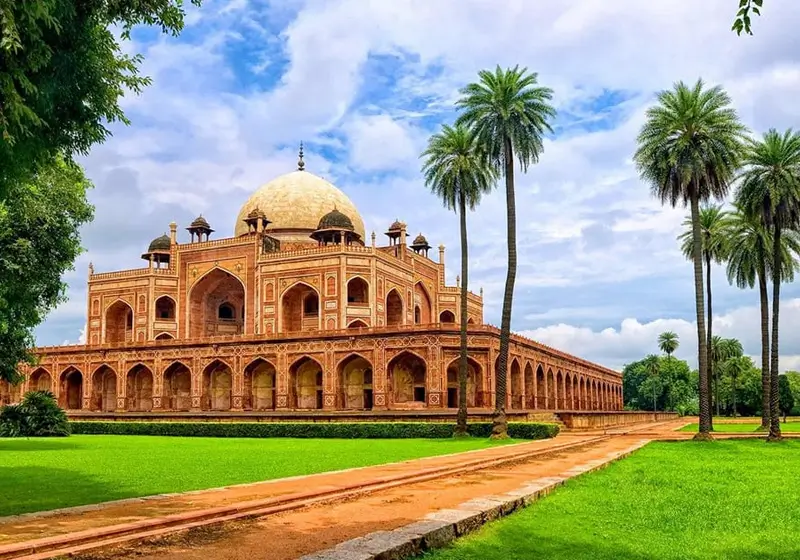
Delhi's historic sites provide a different style of photography. Humayun's Tomb and Qutub Minar, for example, offer architectural lines, stone textures and large-scale compositions. Opening times and photography rules should be checked close to the visit because operational details can change.
Agra presents one of the most recognisable photographic subjects in the world.
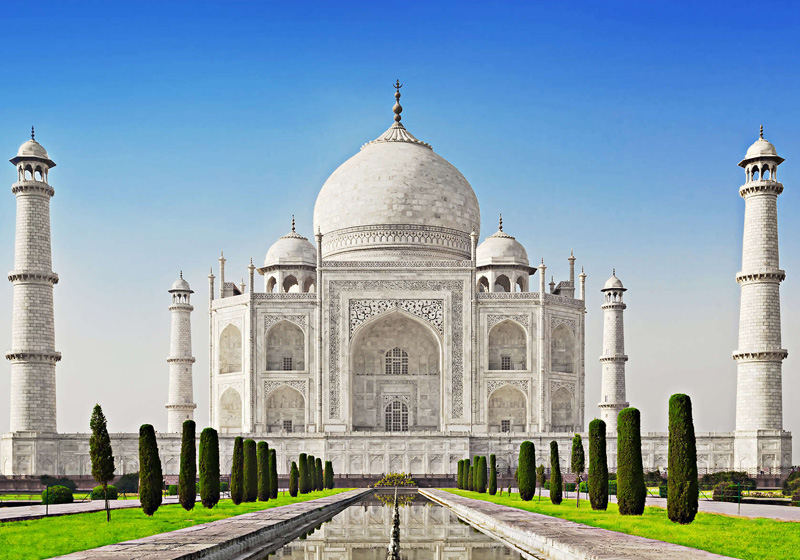
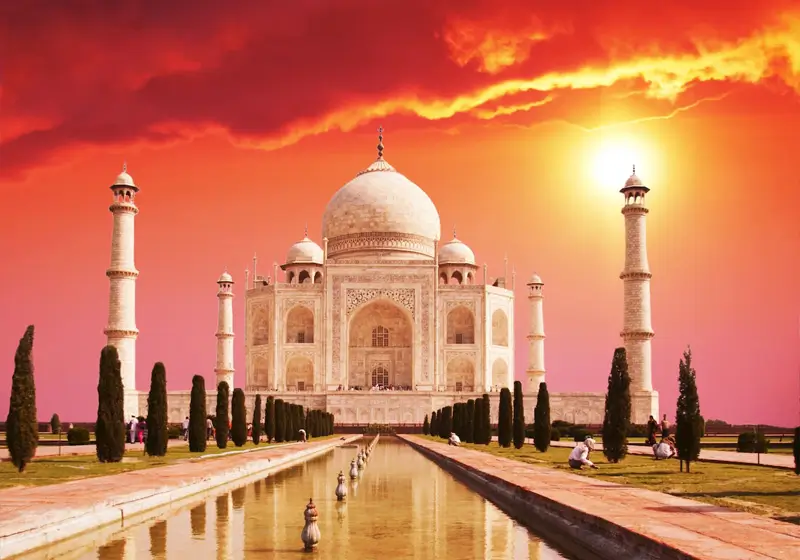
A Taj Mahal photography tour requires more preparation than simply arriving with a camera. The monument is normally closed to general visitors on Fridays, and current opening arrangements, security restrictions and ticket conditions should be checked before the visit.
The Taj Mahal generally opens around sunrise, making an early visit attractive for many photographers. Exact opening and sunrise times vary through the year, so the day's departure should be set according to the travel date rather than using one permanent time.
Photographers should also check current restrictions concerning tripods and other equipment. Large bags and prohibited items can slow security screening or prevent entry. Carrying only equipment permitted under current rules makes the visit easier.
A sunrise visit does not guarantee an empty Taj Mahal. It is one of India's most visited monuments, and other travellers also arrive early. A photographer should therefore work efficiently with viewpoints rather than expecting unrestricted access.
Composition does not need to be limited to the perfectly centred postcard frame. Doorways, arches, reflections, foreground elements, symmetry and architectural details can produce a broader visual story.
Agra Fort provides another architectural environment, while viewpoints around the Yamuna can offer different perspectives depending on access and current conditions.
Jaipur can support several days of photography because its visual character changes significantly between locations.
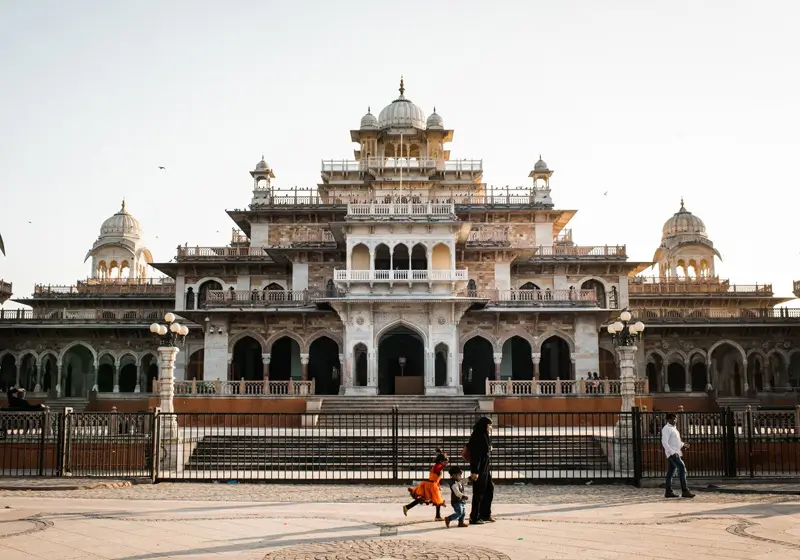
The Hawa Mahal façade is one of the city's most photographed views. Street conditions, traffic and changing light affect the experience, so a local photographer can help determine a sensible shooting position without obstructing businesses or pedestrians.
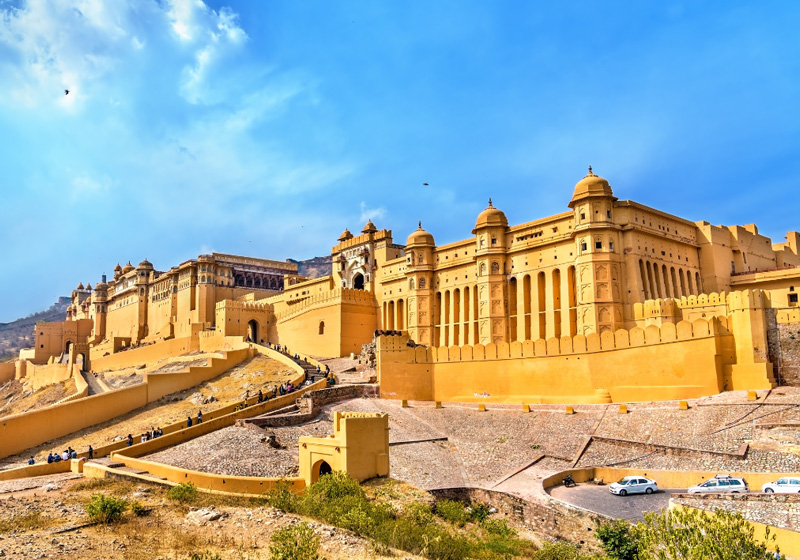
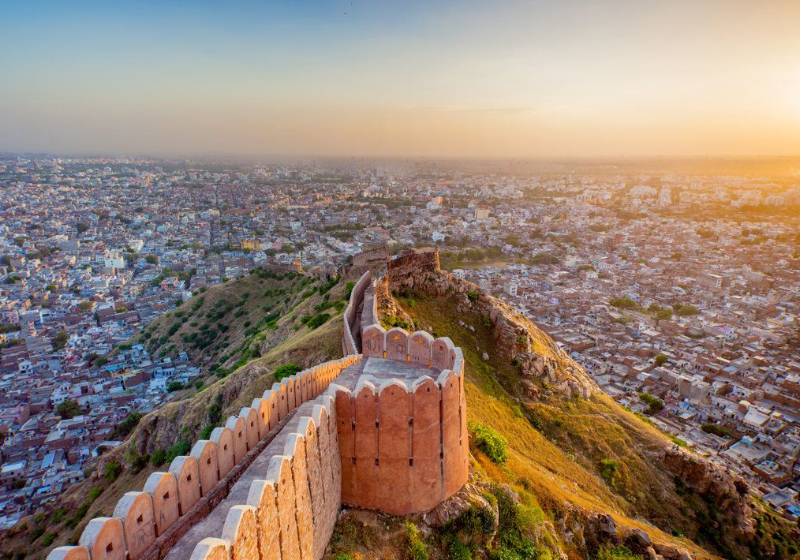
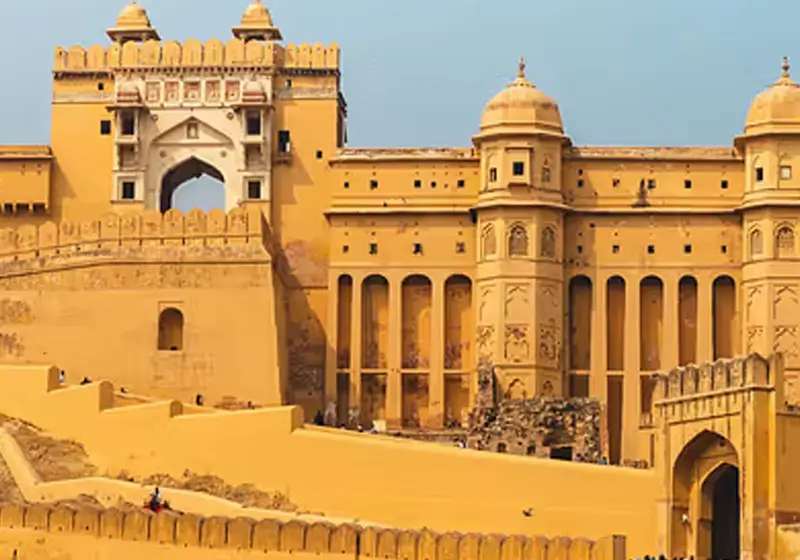
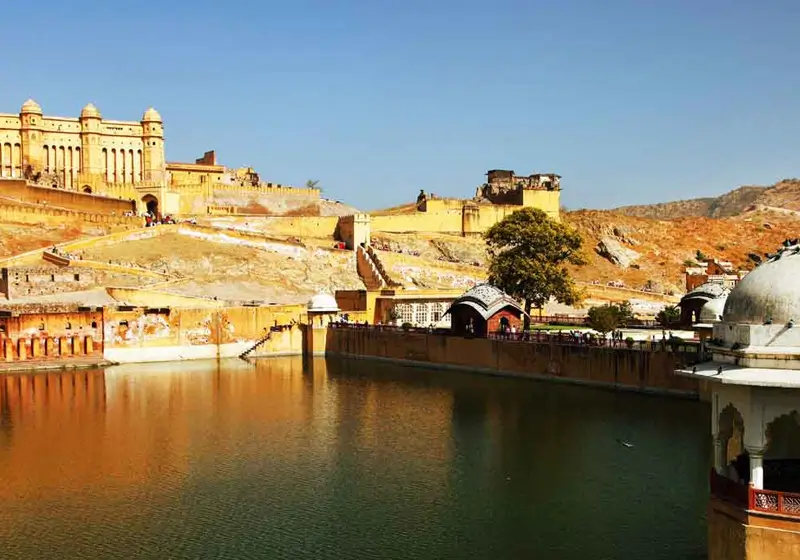
Amer Fort offers courtyards, gateways, patterns, elevated views and architectural details. The fort is extensive, and a photography visit can take much longer than a standard guided stop.
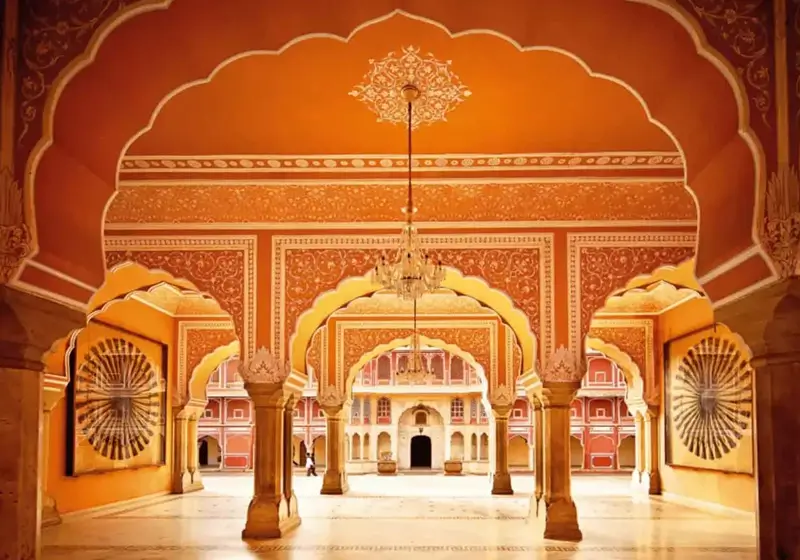
City Palace and Jantar Mantar provide different visual material. Current photography rules, ticket categories and any restrictions concerning professional equipment should be confirmed at the ticket counter or through official information.
A Jaipur photography tour with private photographer can also include carefully selected street and market sessions. Jaipur's textiles, jewellery, crafts and workshops provide strong visual subjects, but commercial premises should not automatically be treated as unrestricted shooting locations. Permission may be required.
Rajasthan beyond Jaipur expands the photographic range considerably.
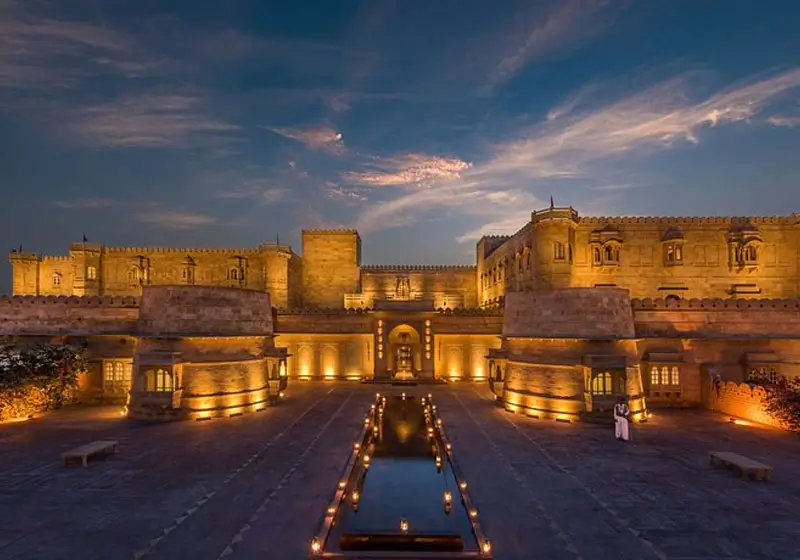
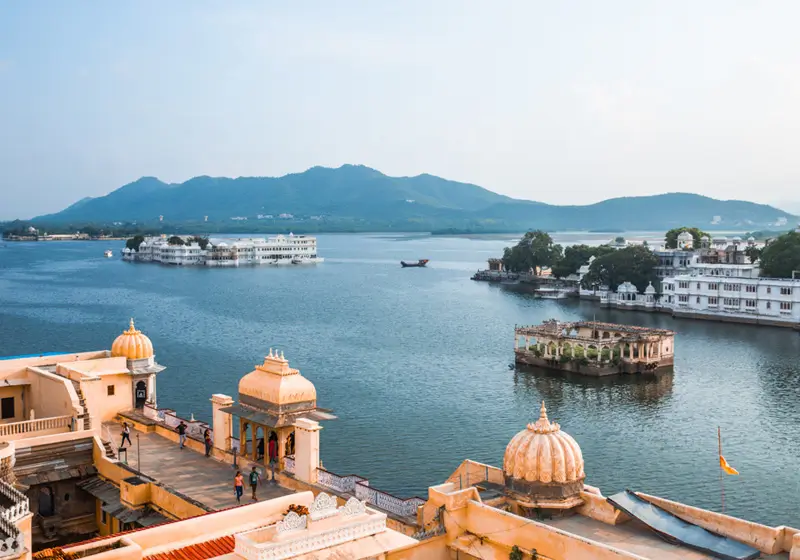
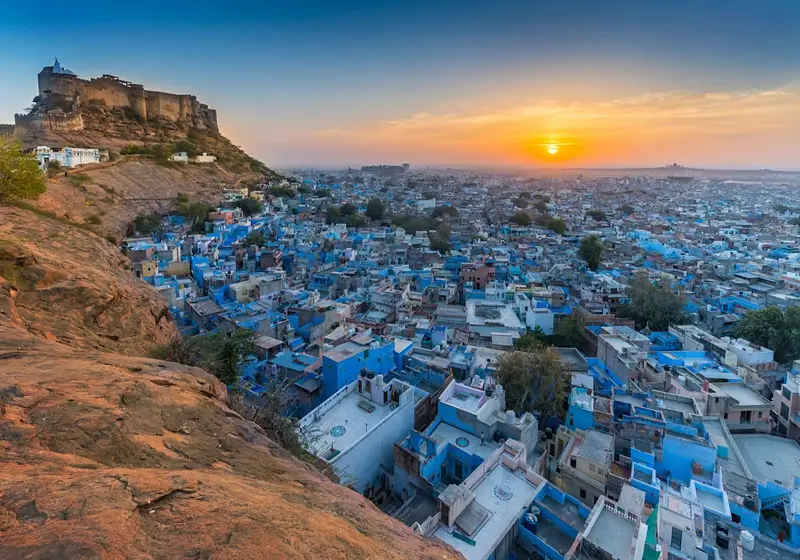
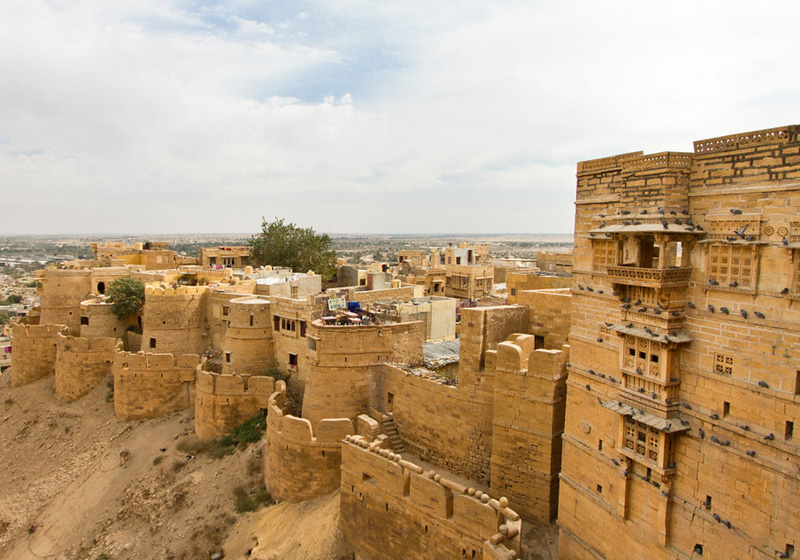
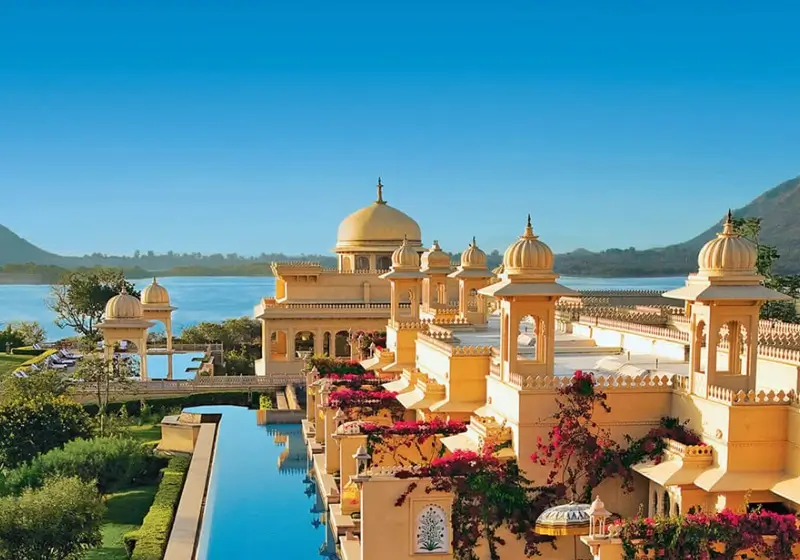
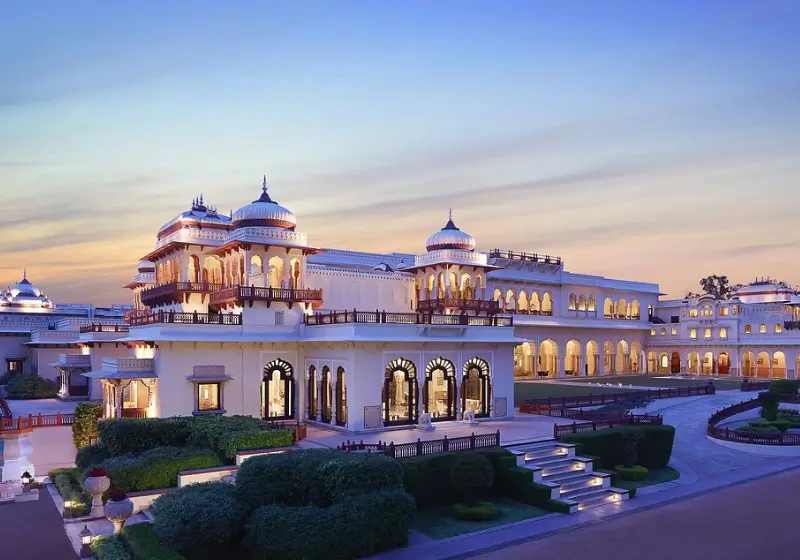
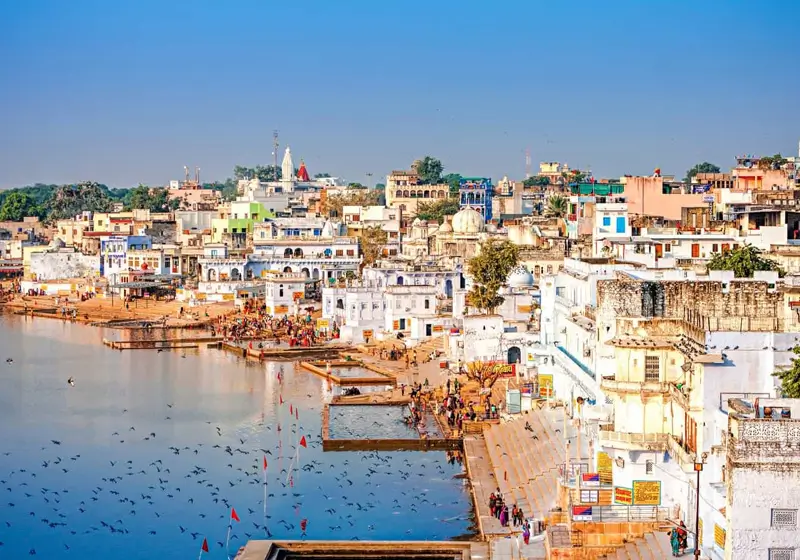
Jodhpur's blue-toned neighbourhoods, Mehrangarh Fort and elevated city views can work well for architecture and street photography. Udaipur provides lakes, palace architecture and changing reflections. Jaisalmer introduces sandstone, desert landscapes and a very different quality of light.
A photography itinerary should allow enough nights in each destination to make use of both morning and evening.
Arriving at sunset and leaving immediately after breakfast gives a photographer very little opportunity to respond to weather and light.
The vehicle used for a photography trip deserves more attention than it receives in a conventional holiday.
Two travellers may technically fit inside a sedan, but the calculation changes when they carry two large suitcases, two camera backpacks, a tripod case, laptop bag and additional lenses.
For that reason, an Innova Crysta for India photography tours can be a sensible choice even for one or two travellers. The larger cabin and luggage area make equipment handling easier during longer road journeys.
Vehicle choice becomes even more important for professional photographers carrying multiple bodies and long telephoto lenses.
The operator should know the approximate equipment load before assigning a car. Expensive camera bags should fit securely inside the vehicle rather than being tied externally or squeezed underneath unsuitable luggage.
Photographers should keep passports, memory cards, hard drives and high-value camera equipment with them rather than leaving these items unattended in a parked vehicle.
A private driver can be especially useful between cities.
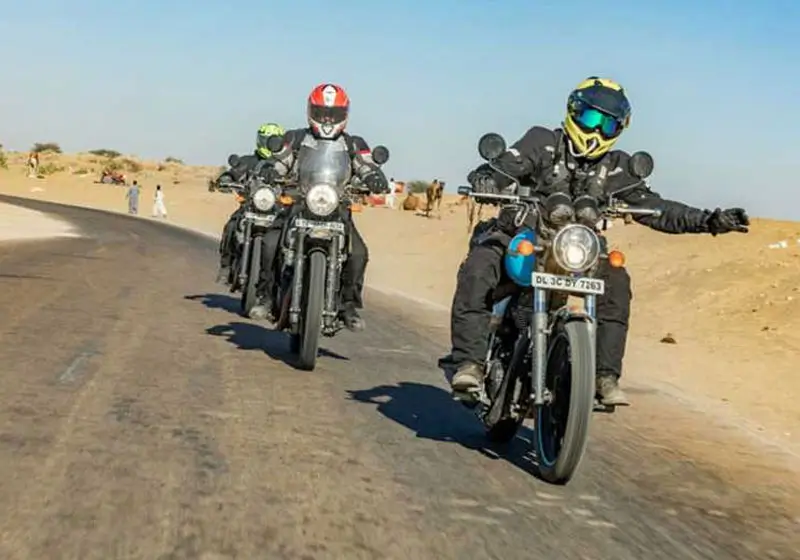
Road journeys sometimes reveal interesting landscapes, roadside architecture or everyday scenes. When it is safe and lawful to stop, a chauffeur-driven photography tour in India offers more flexibility than travelling by train or scheduled coach.
That flexibility still has limits.
The driver should never stop suddenly on a high-speed road because a passenger sees a photograph. Motorways, expressways and busy highways are not safe photography locations unless there is a designated legal stopping area.
The same principle applies to railway lines, bridges, military areas and other restricted locations. A photograph is never worth ignoring safety or local rules.
A photographer should also avoid treating the private driver as a photographic assistant unless this has been agreed. The driver's primary responsibility is transportation.
Charging equipment requires some preparation.
A serious photographer may need to recharge several camera batteries, a laptop, phone, power bank and perhaps drone batteries where lawful use is anticipated. Hotels may have limited convenient sockets, so a suitable multi-device charging arrangement can be useful.
International travellers should carry compatible plug adapters.
Battery management is especially important when the following morning starts before sunrise. Returning to the hotel with depleted batteries and forgetting to charge them can ruin the most important session of the trip.
Memory-card management matters just as much.
A professional photography tour in India can generate thousands of files. Travellers should carry sufficient storage and ideally maintain more than one copy of important images. A laptop plus portable drive can provide a practical backup method.
Cloud backup may be useful where internet speed allows, but it should not be the only strategy in locations with inconsistent connectivity.
Dust protection deserves attention during Rajasthan travel. Desert and dry environments can expose equipment to fine dust. Camera bags should close securely, and lens changes should be handled carefully.
Heat can also affect equipment and batteries. Cameras should not be left for long periods in an extremely hot stationary vehicle.
Drone photography requires particular caution.
Travellers should never assume that carrying a drone means it can be flown at tourist attractions. India has aviation rules, restricted areas and local site-specific restrictions. Flying near airports, protected monuments, sensitive locations or other restricted zones can create serious problems.
Any traveller intending to use a drone should verify current Indian aviation regulations, registration requirements and location-specific permissions before travelling. A private tour operator or photographer should not promise unrestricted drone access.
Whether you are a professional photographer or a passionate traveller, our private photography tours in India help you discover the country's most photogenic destinations. Explore Rajasthan, Delhi, Agra and Jaipur with a customized itinerary, private driver and comfortable travel arrangements. Capture incredible architecture, wildlife, traditions and authentic Indian experiences.
The cost of an India photography tour package depends on whether the traveller requires only photography-friendly logistics or a dedicated professional accompanying the trip.
A standard private trip with good hotels, a comfortable vehicle and city guides can form the base. Adding specialist photography guides, portrait photographers, sunrise sessions, location scouting and additional vehicle hours increases the price.
For two travellers, a comfortable private photography-oriented trip can broadly begin around ₹15,000–₹25,000 per day for the travelling party, depending on hotel standard, destination and transport.
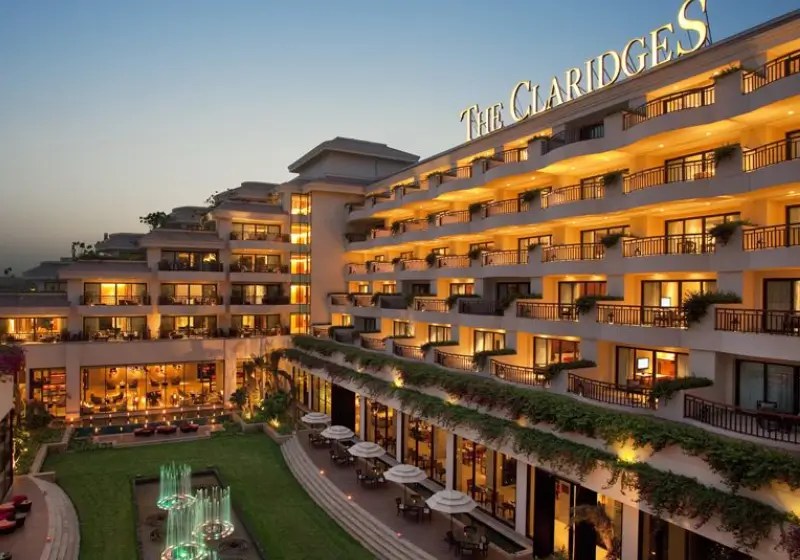
A more premium arrangement using strong four-star or five-star hotels, an Innova Crysta, private guides and selected professional photography sessions can move towards ₹25,000–₹50,000+ per day.
High-end accommodation, dedicated photographers, extensive location work, assistants or specialised production requirements can push costs considerably higher.
These amounts are budgeting guidance rather than fixed quotations.
A private photographer in Jaipur or another major tourist city may charge according to session duration, experience, editing requirements and usage rights. A shorter traveller portrait session might cost several thousand rupees, while an experienced professional hired for a half day, full day or commercial assignment can charge much more.
It is sensible to budget on the higher side if photographic quality matters.
Before paying, the quotation should state the photographer's working hours, number of edited images, delivery method, approximate delivery time and usage rights.
If the photographer is travelling with the guest between cities, the client should also know whether the photographer's accommodation, transport and meals are included.
Photography guides can be priced differently from professional portrait photographers. Do not compare the two only by daily rate because the services are different.
A private photography guide helps the traveller create photographs. A vacation photographer creates photographs of the traveller. Some professionals can do both, but this should be confirmed.
Entrance fees also require attention.
Certain attractions can apply different rules or charges for specialised equipment or commercial photography. Current policies should be verified for the actual locations being visited. A normal tourist camera does not automatically mean a commercial photography permit is required, but a large professional production may fall under different rules.
A photography package should specify whether monument tickets are included.
Meals are another consideration. Sunrise sessions can begin before hotel breakfast. A packed breakfast or later breakfast arrangement may therefore be required. The hotel should be informed in advance.
A typical photography-focused day might contain an early session, hotel break, afternoon scouting and sunset session. This can extend the vehicle's working hours compared with standard sightseeing, so driver overtime or additional hours should be clarified.
When requesting a quote, travellers should state their photography style.
Architecture, street, wildlife, portraits, landscapes and social-media content require different locations and working methods.
They should also mention equipment quantity, preferred hotel level, whether they want a photography guide, whether they want photographs of themselves and how much time they are willing to dedicate to each location.
This information allows the operator to quote the actual service rather than sending a standard sightseeing package with the word “photography” added to it.
A strong private India photo tour should ultimately provide time and access to work creatively.
The traveller should be able to wait for a courtyard to become quieter, return to a viewpoint in better light, leave before sunrise when required, stop safely during road journeys and carry equipment without fighting for luggage space.
Photography becomes the structure of the journey rather than an activity squeezed between conventional sightseeing stops.
An Innova Crysta or similar MPV is often practical for one or two photographers carrying several camera bags, tripods and luggage. Larger photography groups may require a Tempo Traveller or another larger vehicle. Equipment quantity should be stated before the vehicle is confirmed.
Stops can be made where they are safe, legal and practical. A driver should not stop on an expressway, dangerous road section or restricted area simply for a photograph. Safe roadside photography should always take priority over spontaneity.
No. Photography and tripod rules vary between monuments and can change. Some locations restrict tripods, professional equipment or commercial photography. Check the current rules for every important shooting location before carrying specialised equipment.
Drone use is subject to Indian aviation regulations and location-specific restrictions. Many sensitive areas, monuments and airport zones can have restrictions. Travellers should verify current legal requirements and permissions rather than assuming drone photography is permitted.
A comfortable private photography trip for two can broadly begin around ₹15,000–₹25,000 per day for the travelling party. Premium hotels, larger vehicles, dedicated photographers and specialist services can raise the budget to ₹25,000–₹50,000 or considerably more per day.
Fill in the details below. Our expert consultant will respond within 4 hours with a bespoke itinerary crafted just for you — completely free, no obligation.