Itinerary ideas, cultural insights, luxury tips and practical planning guides for every India traveller.
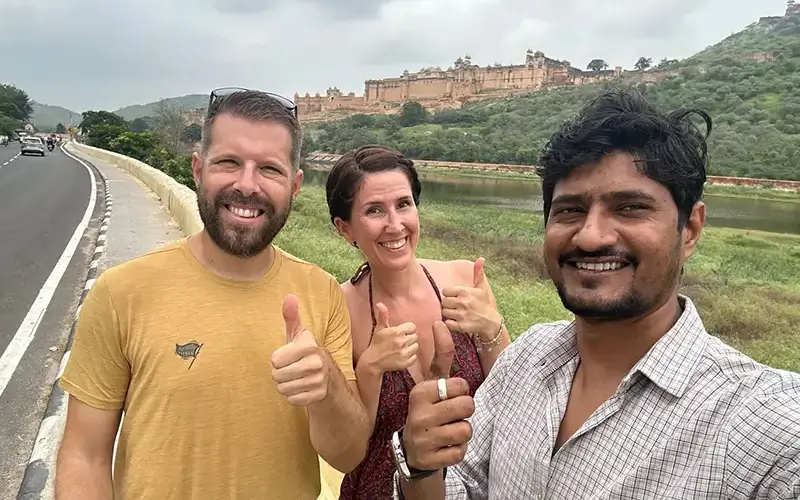
Traveling through India is like walking into a timeless epic. Cities hum with rituals that have been repeated for centuries, monuments rise with stories of love and war, and bustling markets echo with voices of artisans and merchants. Yet, for many travelers, the richness of these experiences remains hidden behind stone walls and unfamiliar languages. This is where India private guides step in. They unlock the hidden narratives behind monuments, decode traditions, and give meaning to what otherwise may feel like endless ruins or silent temples. With a private guide by your side, India becomes not just a place you see, but a world you truly understand.
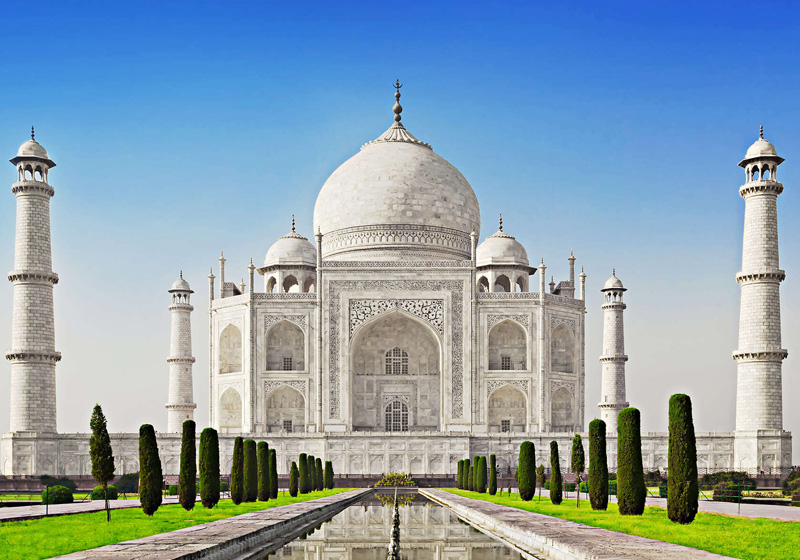
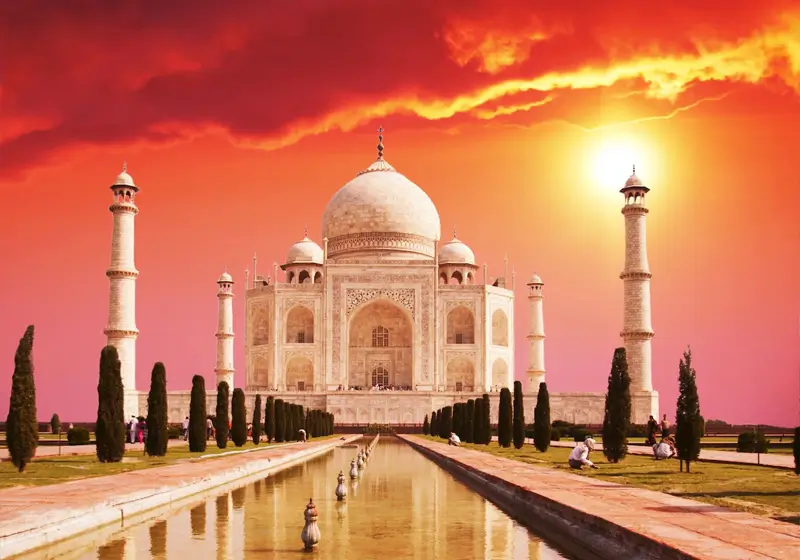
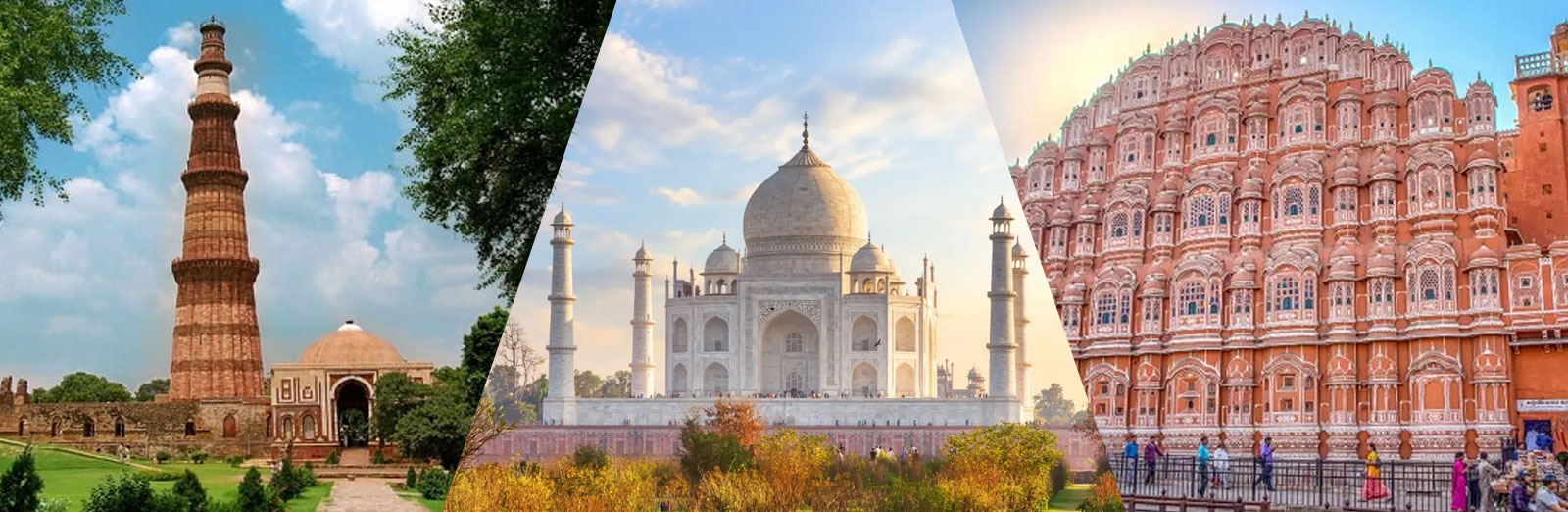
To most tourists, the Taj Mahal is a white marble mausoleum built for love. But a private guide takes you deeper. They explain how Persian calligraphy on its walls represents verses from the Quran, how the marble was brought from Makrana and inlaid with semi-precious stones, and how optical illusions make the monument look perfectly symmetrical. Standing in front of the Taj without a guide means seeing beauty; standing there with a guide means witnessing art, science, and poetry woven together. This is the power of hiring a private guide in India—they make monuments speak.
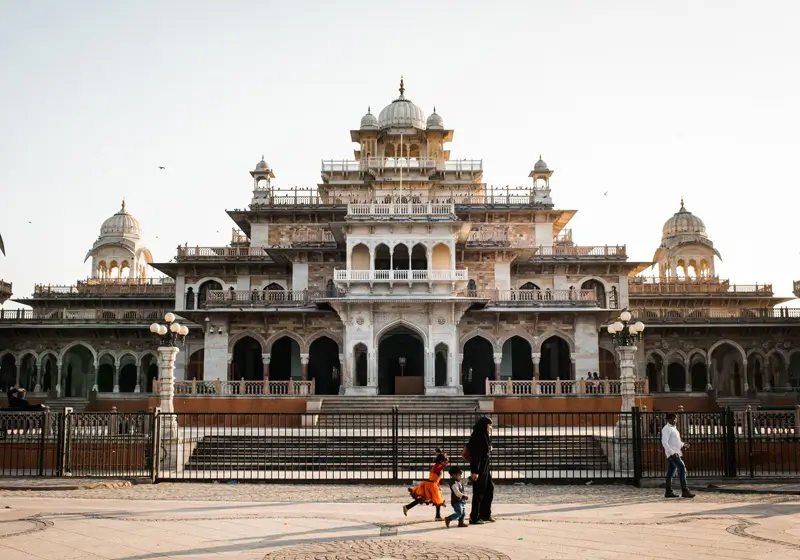
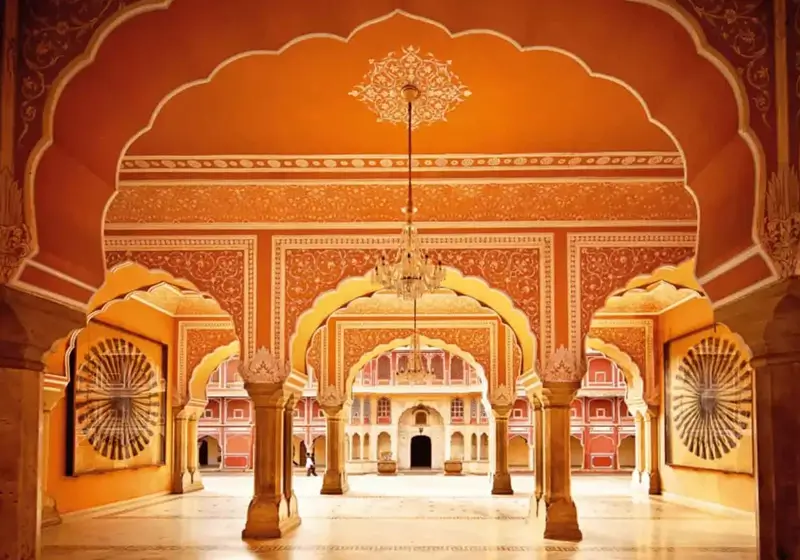
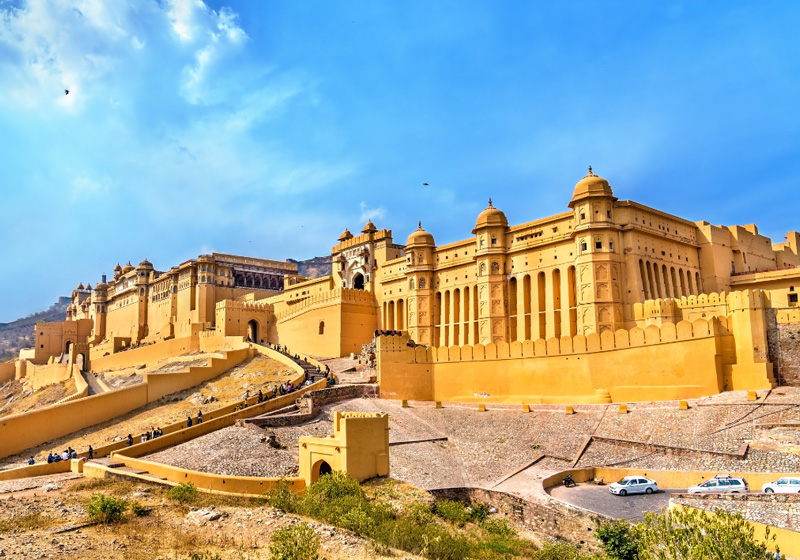
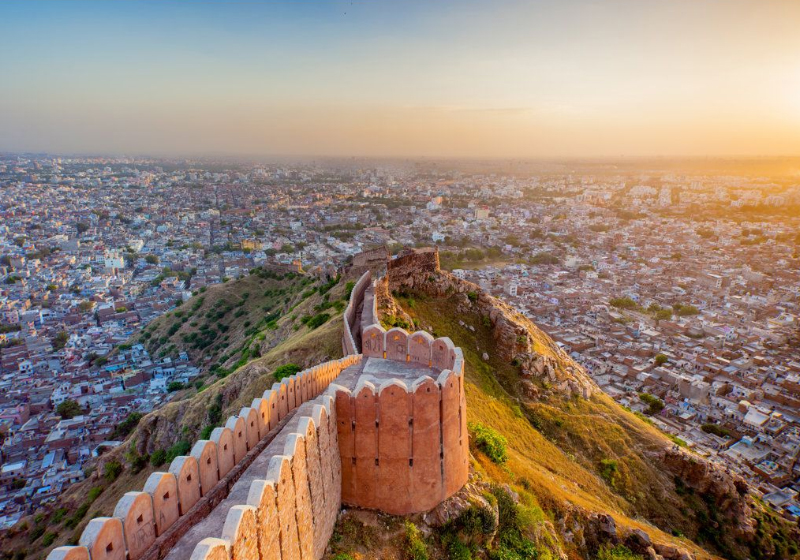
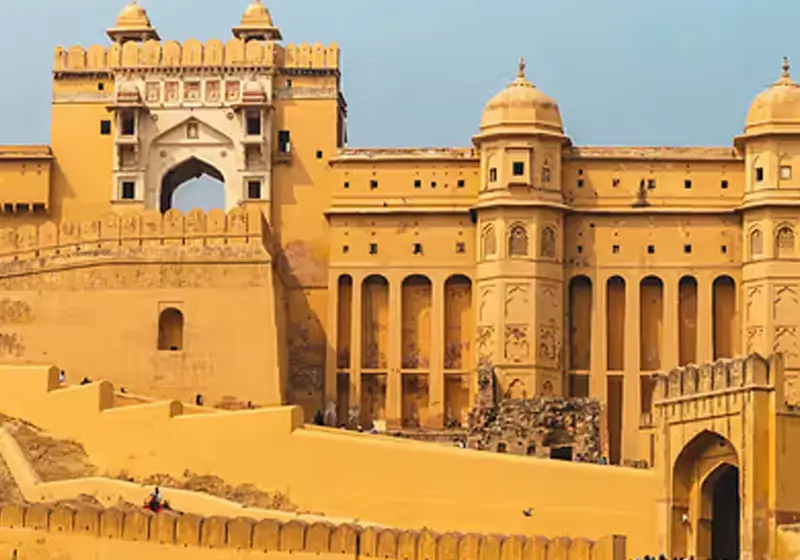
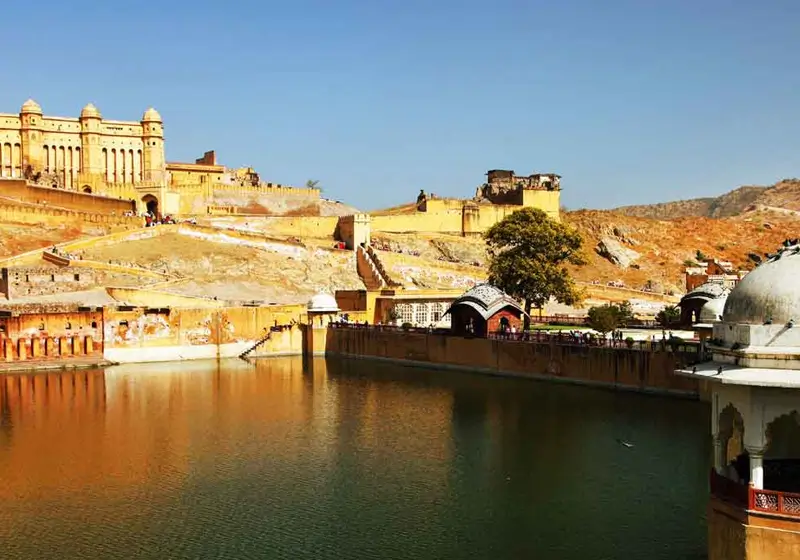
In Jaipur, the City Palace and Amber Fort impress visitors with grandeur. But a private guide adds layers of storytelling. They narrate how Rajput kings built elaborate defenses to resist invasions, how queens lived behind latticed windows of Hawa Mahal, and how courtyards were used for political gatherings. Without guidance, Amber Fort may feel like another fort of stone and corridors. With a private guide, it becomes a royal drama of bravery, tradition, and art. Such narration brings Rajasthan’s palaces alive, showing why they were not just homes but symbols of power and pride.
Varanasi is India’s spiritual heart, but for foreigners it can feel chaotic. Private guides help travelers understand the deeper meaning. They explain why Hindus believe that dying in Varanasi ensures salvation, what the evening Ganga Aarti ritual symbolizes, and why cremations at Manikarnika Ghat are not grim but sacred. With their help, travelers see spirituality, not confusion. Guides also lead visitors through narrow alleys to discover temples, silk weavers’ workshops, and hidden shrines that reveal the city’s soul. Without a guide, Varanasi can feel overwhelming; with one, it becomes transformative.
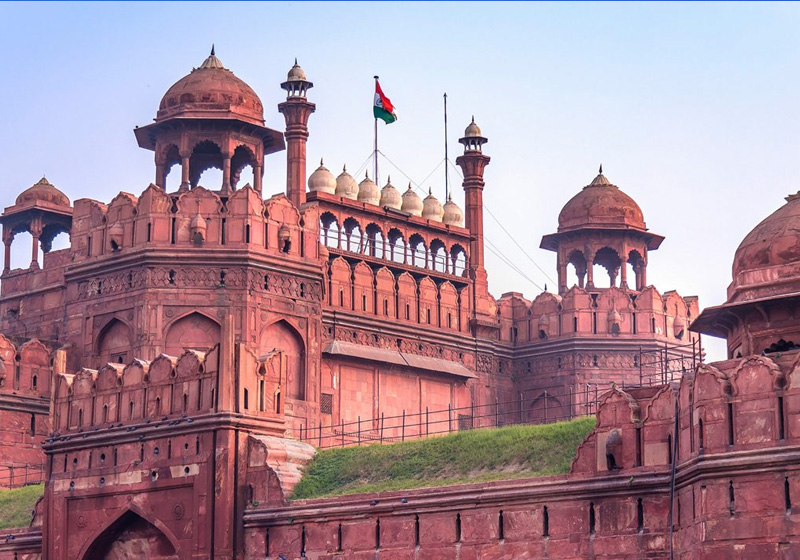
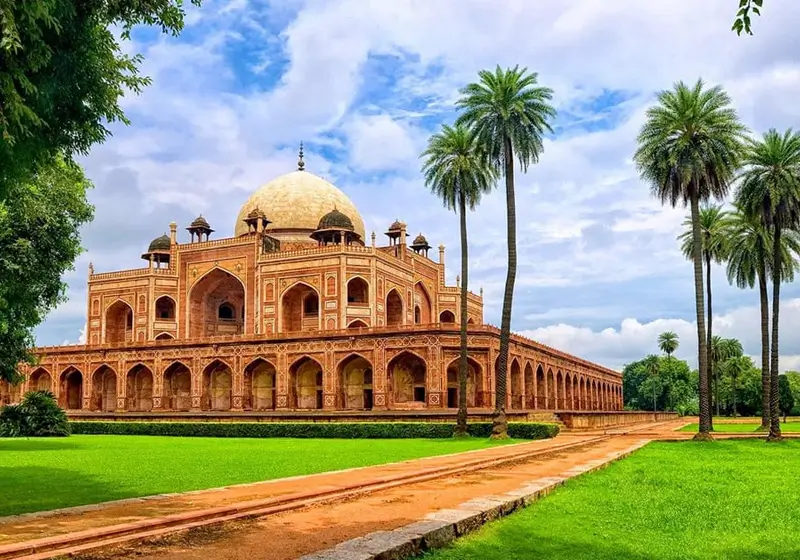
Delhi is a city of contrasts, where Mughal tombs sit beside British-era boulevards and modern skyscrapers. Private guides weave these layers into a coherent story. At Qutub Minar, they explain how the tower was both an Islamic victory symbol and an architectural marvel. At Humayun’s Tomb, they show how it influenced the Taj Mahal. In Old Delhi, guides take travelers through spice markets and food stalls, interpreting the chaos as centuries of living tradition. With a private guide, Delhi becomes not just India’s capital but a living textbook of empire and culture.
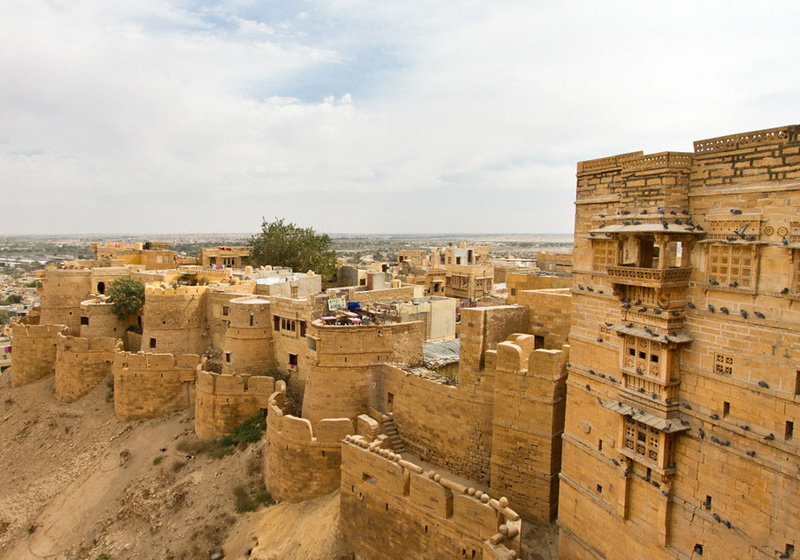
Beyond famous sites, India hides countless gems. Stepwells in Gujarat, cave temples in Maharashtra, abandoned palaces in Madhya Pradesh—these places often go unnoticed without a guide. Private guides introduce travelers to these lesser-known wonders, telling stories of forgotten dynasties, lost cities, and local legends. For example, in Bundi, a guide may show murals that depict mythological tales; in Orchha, they reveal how Rajput rulers lived in architectural masterpieces now almost empty. Hiring a guide means not just checking boxes on an itinerary but discovering the unseen India.
Unlike group tours, where guides address crowds, private guides focus solely on you. They adjust the pace of storytelling, answer your questions, and adapt tours to your interests. If you’re a photographer, they take you to the best angles. If you’re a history lover, they dive deeper into dynasties. If you’re a family with kids, they simplify explanations into engaging stories. This personal touch ensures that every traveler’s experience is unique, meaningful, and memorable.
India receives visitors from across the world, and not everyone is fluent in English. To serve international travelers, many India private guides speak languages like Spanish, French, German, Italian, and Japanese. This ensures smoother communication and deeper cultural connection. A Spanish-speaking traveler hearing the Taj Mahal’s story in Spanish feels more engaged and connected than through translations. Multilingual guides bridge this gap, ensuring India’s stories reach travelers in their own words.
Tourism in India sometimes comes with challenges—touts, scams, and overpriced shops. A good guide shields you from these issues. They know which shops sell authentic handicrafts, which restaurants maintain hygiene, and which experiences are genuinely worth your time. They negotiate prices, protect you from being overcharged, and handle logistics like tickets. In many ways, a guide is not just your storyteller but your cultural guardian, ensuring that your trip remains smooth and stress-free.
Private guides in India are surprisingly affordable compared to their value. In major tourist cities, rates range between $30–$50 per day for English-speaking guides. Multilingual experts or specialized historians may charge more, but the knowledge they provide is priceless. Considering how much richer your journey becomes, the cost is small compared to the insights and authenticity a guide adds.
For travelers seeking premium experiences, India offers high-end guiding services. These may include professional historians, archaeologists, or cultural curators. Combined with chauffeur-driven luxury cars and stays at heritage hotels, these guides create curated journeys through India’s palaces, temples, and hidden cities. Imagine driving in a Mercedes from Delhi to Agra while a historian-guide narrates the story of the Mughals—that is the level of immersive travel available for luxury seekers.
At its core, travel is not about ticking off monuments—it’s about connecting with a place. Without a guide, India can feel like a collection of stones, crowds, and rituals you don’t understand. With a guide, those stones turn into palaces of kings, those crowds into centuries-old traditions, and those rituals into spiritual experiences. Private guides make India human, emotional, and unforgettable.
Don’t just visit India’s monuments—unlock their hidden stories. Book an India private guide and experience the history, culture, and spirituality of the country with authenticity and meaning.
Typically $30–$50 per day; multilingual experts may charge more.
Yes, drivers handle transport; guides explain culture and history. Both complement each other.
Always ask for government-issued ID or certification.
Yes, many speak Spanish, French, German, Italian, and Japanese.
Yes, you can hire guides just for places like the Taj Mahal or Jaipur’s forts.
Yes, especially in major cities like Delhi, Agra, and Jaipur.
Many guides assist with tickets to save time.
Yes, $5–$10 per day is a fair tip.
Usually guides are city-based, but long-term arrangements are possible.
It ensures better communication and deeper cultural understanding.
Yes, but advance booking is advised during peak season.
Yes, trusted guides recommend authentic shops and safe restaurants.
Fill in the details below. Our expert consultant will respond within 4 hours with a bespoke itinerary crafted just for you — completely free, no obligation.