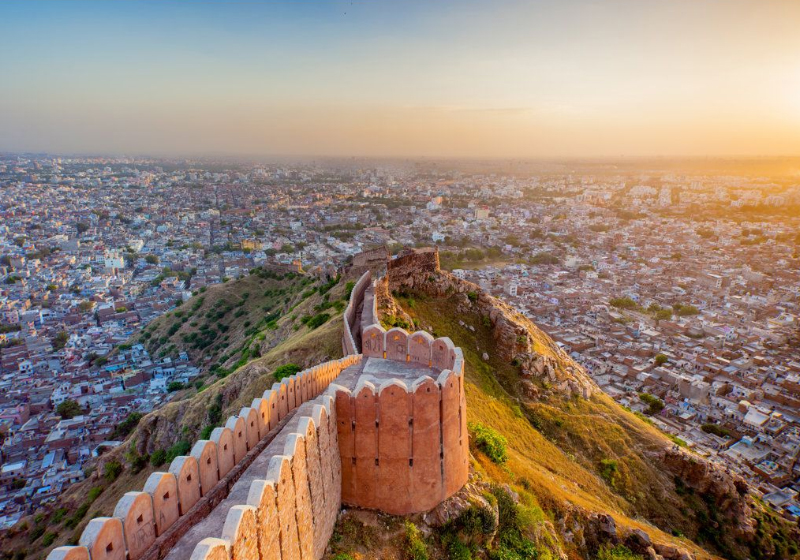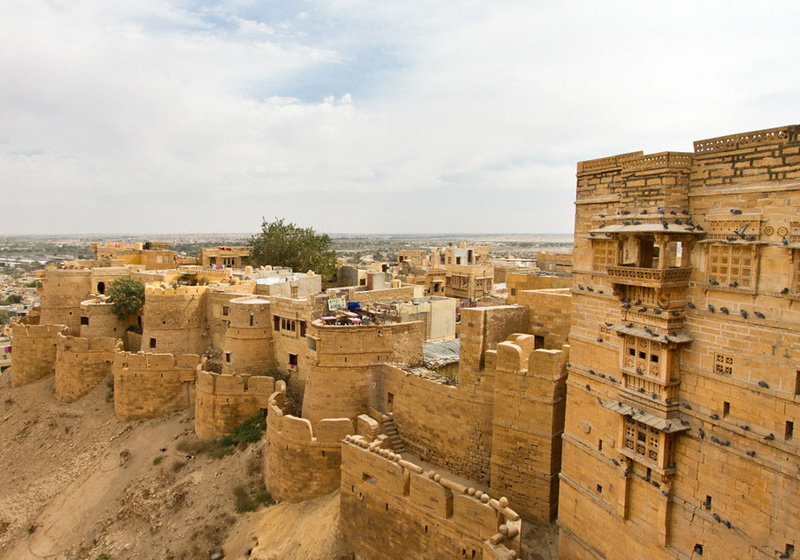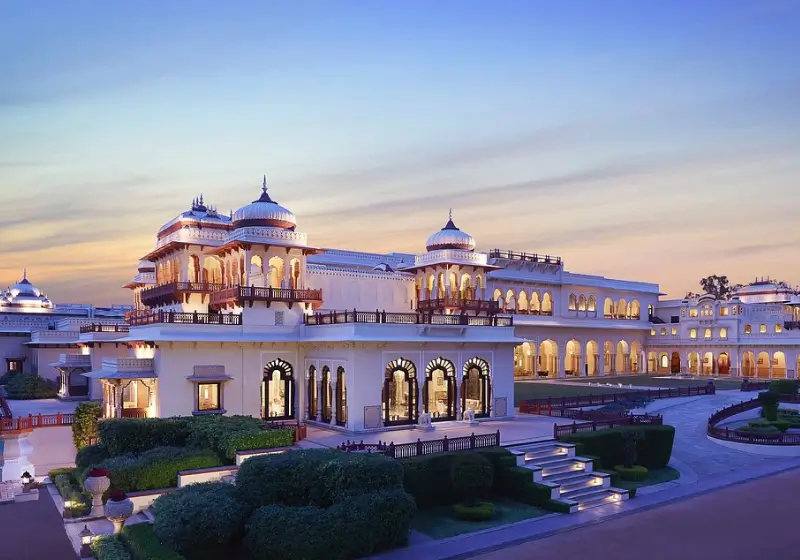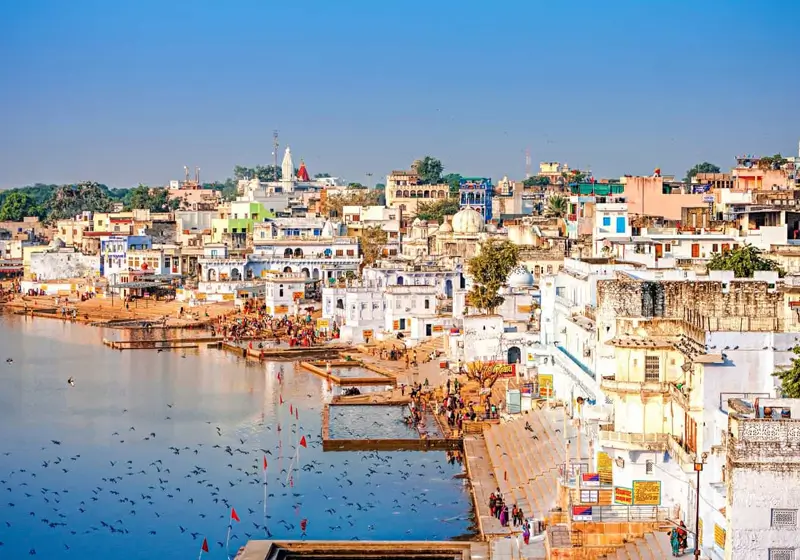
India has never treated spirituality as an activity limited to temples alone. It is woven into geography, time, family traditions, and daily conduct. From snow-covered Himalayan shrines to ancient coastal temples, from quiet village sanctums to grand ceremonial complexes, the country functions as a living spiritual map. For devotees seeking meaning rather than movement, India temple tour packages offer a structured way to navigate this vast sacred landscape without losing its essence.
Temple pilgrimage in India is not about speed or sightseeing. It is about rhythm. It is about surrendering to a flow that has existed long before modern travel concepts emerged. Every pilgrimage route carries its own philosophy. Some teach discipline. Others emphasize surrender. Some invite introspection, while others celebrate collective devotion. A thoughtfully designed India temple tour allows pilgrims to move through these philosophies gradually, rather than encountering them as disconnected experiences.
Long before highways and railways connected the subcontinent, pilgrimage routes defined movement across India. These routes were not chosen randomly. They followed rivers, mountains, forests, and trade paths, creating spiritual corridors that connected regions culturally and philosophically.
Temples emerged as anchors along these routes. Villages grew around them. Markets developed to serve pilgrims. Stories, songs, and rituals traveled alongside devotees. Even today, modern India temple tour packages often follow these ancient pathways, consciously or unconsciously preserving continuity.
Understanding this history changes how pilgrims experience travel. A temple visit becomes part of a larger spiritual journey rather than an isolated ritual.
Discover India’s most revered temples with a carefully planned tour, private car, experienced driver, and complete travel support.
India’s spiritual diversity is immense. Each region follows distinct traditions, architectural styles, ritual timings, and cultural expectations. Attempting to visit multiple temples without understanding this diversity can feel exhausting rather than uplifting.
A structured India temple tour package curates temples based on spiritual logic rather than geography alone. It balances intense ritual centers with calmer spaces. It spaces travel days to avoid fatigue. It respects the emotional weight of darshan rather than treating it as a checklist.
For senior pilgrims, families, and NRIs, this planning becomes essential. The journey must support devotion, not distract from it.
North India temple circuits are deeply influenced by epic narratives, river worship, and ascetic traditions. Sacred cities such as Ayodhya, Varanasi, Prayagraj, Haridwar, and Mathura form interconnected spiritual ecosystems rather than standalone destinations.
Pilgrimage here often emphasizes introspection and moral reflection. Rituals are intense. Symbolism is layered. A North India temple tour requires preparation, patience, and guidance to fully appreciate its depth.
Tour packages designed for these routes prioritize darshan timing, crowd awareness, and spiritual pacing. This allows pilgrims to engage meaningfully rather than feeling overwhelmed.
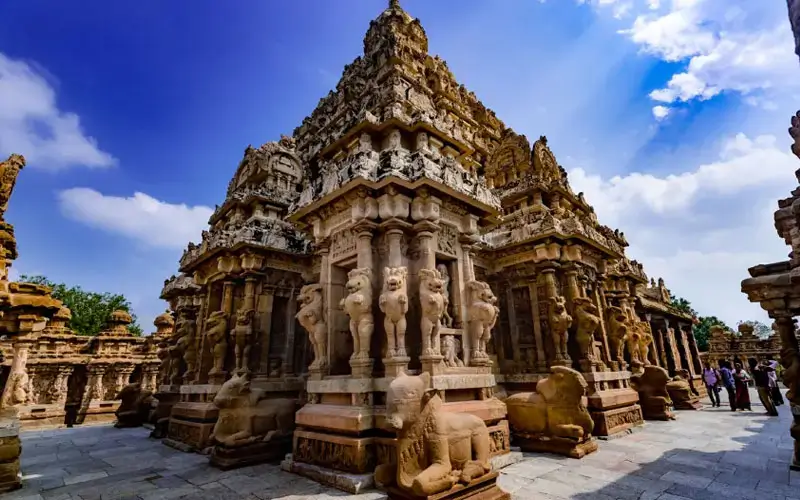
South India presents a different spiritual rhythm. Temples are not only places of worship but active institutions shaping daily life. Rituals follow strict schedules. Architecture communicates philosophy. Festivals unfold with precision rather than spectacle.
A South India temple tour package often focuses on Tamil Nadu, Karnataka, and Kerala, where ancient Agama traditions continue uninterrupted. Pilgrims experience devotion as a living process rather than a historical reference.
Group temple tours in South India benefit from knowledgeable guidance. Understanding ritual sequences, dress customs, and temple etiquette transforms visits from observation into participation.
Western and Central India offer pilgrimage experiences rooted in devotion through simplicity and surrender. Temples in Rajasthan, Gujarat, and Madhya Pradesh emphasize faith over ornamentation.
Sites such as Pushkar, Dwarka, Somnath, and Ujjain connect mythology with geography. Pilgrims often describe these journeys as grounding rather than emotionally intense.
An India temple tour package including these regions balances travel comfort with spiritual authenticity, making them suitable for families and senior devotees.
Eastern India’s temple traditions emphasize bhakti, humility, and collective devotion. Coastal shrines, river temples, and sacred hills define pilgrimage routes that feel introspective and emotionally charged.
Temple tours here often involve long walks, early rituals, and simple offerings. For many pilgrims, these journeys feel deeply personal.
Proper planning ensures that physical demands do not overshadow spiritual intent.
Temple architecture in India is never decorative. It communicates philosophy silently. The layout, elevation, and orientation of a temple mirror cosmic principles.
A well-guided India temple tour helps pilgrims understand this language. Movement through a temple reflects movement through consciousness. The sanctum represents stillness. Circumambulation symbolizes surrender of ego.
This understanding transforms darshan into meditation rather than momentary observation.
Travel comfortably to India’s sacred temples with a private car, professional chauffeur, and customized temple tour packages.
Temple visits require awareness beyond belief. Dress norms, silence, timing, and behavior vary across regions. What is acceptable in one temple may be inappropriate in another.
Tour packages educate pilgrims gently, preventing discomfort or unintentional disrespect. This guidance preserves sanctity while allowing pilgrims to focus inward.
For NRIs and first-time pilgrims, this support is invaluable.
Temple pilgrimage begins before physical arrival. The mental state with which pilgrims approach the journey shapes their experience.
India temple tours encourage patience, humility, and openness. Expectations are softened. Silence is valued. Observation replaces judgment.
Pilgrims who prepare mentally often describe deeper emotional resonance during darshan.
Group travel does not dilute devotion when designed correctly. It enhances learning and shared reflection. Hearing others’ interpretations broadens understanding.
Guides contextualize rituals without imposing belief. Pilgrims remain free to experience personally.
This balance defines a high-quality India temple tour package.
Many devotees plan temple tours during significant life phases. Retirement, personal transitions, or spiritual seeking often trigger pilgrimage.
These journeys act as markers rather than holidays. They offer closure, grounding, and clarity.
India’s temple circuits support this transformation naturally.
In a fast-moving world, temples offer stillness. In a fragmented society, pilgrimage offers continuity. India’s temple routes preserve values that modern life often erodes.
A meaningful India temple tour package does not promise excitement. It offers alignment
That alignment is what pilgrims carry home.
Fill in the details below. Our expert consultant will respond within 4 hours with a bespoke itinerary crafted just for you — completely free, no obligation.