Itinerary ideas, cultural insights, luxury tips and practical planning guides for every India traveller.
Travelling through India with a toddler requires a very different arrangement from travelling as a couple or with older children. A two-year-old does not care how many monuments fit into one day. Nap time, familiar food, clean washrooms, luggage space, temperature, safe road transport and a comfortable hotel room can matter far more to parents than adding another attraction to the itinerary.
A well-arranged India tour package for families with toddlers should therefore be built around the child's daily routine rather than expecting the child to adapt to an exhausting sightseeing schedule.
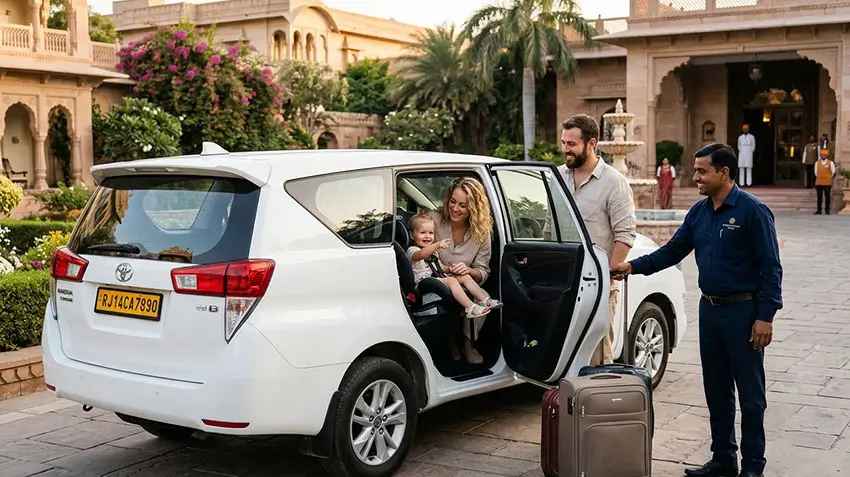
Private road transport is particularly useful for this type of trip. Parents can leave the hotel after breakfast rather than rushing for a fixed group departure, keep essential bags inside the vehicle, stop when required and return to the hotel if the child becomes tired. A suitable private car with child seat in India can also make road journeys easier for parents who do not want to hold a young child during intercity transfers.
Accommodation deserves equal attention. A family travelling with a toddler may need a cot, extra bed, refrigerator access, kettle, bathtub, connecting room, elevator, restaurant and swimming pool. A hotel that looks impressive in photographs is not automatically the most practical choice for a young family.
The same principle applies to the route. Delhi, Agra and Jaipur can be suitable for families because they provide major attractions without requiring domestic flights between every stop. However, the number of nights and the daily pace matter. Spending enough time in each city is generally more comfortable than changing hotels every morning.
Parents considering a private India family tour with a toddler should focus on four things from the beginning: the correct vehicle, an appropriate child-restraint arrangement, practical hotels and enough flexibility to change the day's schedule when the child needs it.
A private vehicle gives parents control over one of the most unpredictable parts of travelling with a young child: time.
A fixed group coach may leave at 8:00 AM whether the child has eaten breakfast or not. A train departs according to its timetable. A domestic flight requires airport transfers, check-in, security and waiting. With a private car and driver in India, departure can be coordinated around the family's schedule, and reasonable stops can be made during longer road journeys.
That does not mean every car is automatically suitable for a toddler.
Parents should discuss the child car seat before confirming the vehicle. Availability and quality can vary between transport companies. A request simply stating “baby seat required” may not be enough because restraint requirements differ according to the child's age, size and weight.
Parents should provide the child's age and approximate weight when requesting a seat. They should also ask what type of restraint will be supplied and how it will be fitted.
Families who strongly prefer a specific child-restraint system may decide to travel with their own seat. In that case, vehicle compatibility should be checked beforehand. Parents should not assume that every vehicle uses the same anchoring arrangement or that every seating position will accommodate their particular seat.
A child seat should never be treated as a decorative booking extra. It needs to be appropriate for the child and correctly installed.
Vehicle size is equally important.
A sedan can be sufficient for two adults and one toddler when luggage is limited. The situation changes when the family carries two large suitcases, cabin bags, a stroller, a diaper bag, toys and other child-related equipment. Boot capacity can become restrictive very quickly.
For that reason, an Innova Crysta for family travel in India or another suitable MPV can be more comfortable even when the number of passengers does not technically require a larger vehicle.
The extra room is useful during longer road journeys. Parents can keep frequently required items accessible rather than burying everything underneath suitcases. The stroller can be stored more easily, and adults are less likely to spend several hours squeezed beside luggage.
Before accepting a vehicle quotation, tell the operator exactly how much luggage is expected. A family with a toddler can easily carry more baggage than three adult tourists.
Driving days should also remain reasonable.
Delhi to Agra is commonly manageable as a road transfer, while Agra to Jaipur is another frequently used road sector. Actual journey times vary with pickup point, traffic, stops and road conditions. With a toddler, parents should treat the quoted driving time as the minimum road component rather than the exact door-to-door duration.
A three- or four-hour drive can become longer after a meal stop, diaper change or rest break. That is not a problem when enough time has been allowed.
The mistake is scheduling a long road transfer followed immediately by several hours of sightseeing.
After reaching a new city, checking into the hotel and settling the child, a lighter evening is often more practical. Parents can have an early dinner, use the hotel facilities and begin sightseeing the following morning.
The vehicle should also carry drinking water, while parents should keep toddler essentials in a separate day bag. Diapers, wipes, spare clothing, snacks, medication prescribed for the child, sun protection and familiar comfort items should remain accessible.
Food should never be left in a hot parked vehicle for extended periods if it requires temperature control.
Air conditioning is important during warmer periods, but parents may prefer a moderate cabin temperature rather than extremely cold air. The driver can usually adjust the AC according to the family's comfort.
Restroom breaks should be requested whenever needed. Parents should not feel pressured to avoid stopping merely because the driver has estimated a particular arrival time.
A private chauffeur-driven India tour for families is valuable precisely because it can accommodate these practical interruptions.
Airport arrival deserves additional consideration. After a long international flight, placing a toddler immediately into a lengthy sightseeing schedule can be difficult for the entire family. A direct airport-to-hotel transfer and a light first day can make the start of the trip considerably easier.
If an airport pickup is included, the operator should receive the flight number and terminal information. Parents should also ask about waiting time because immigration, baggage delivery and travelling with a stroller can increase the time required to leave the terminal.
Travelling to India with toddlers? Enjoy a stress-free family vacation with private car transfers, child-friendly hotels, comfortable sightseeing and customized itineraries. Let our experienced team help you plan a memorable India family tour with comfort and safety at every step.
Hotel selection can determine whether a family holiday in India with a toddler feels comfortable or exhausting.
Room size should be checked first. A standard room that works perfectly for two adults can become crowded after adding a cot, stroller, suitcases and toddler supplies. A larger room or junior suite may provide significantly better value than booking the cheapest room category.
Parents should ask whether a baby cot or crib can be provided and whether there is an additional charge. Availability may be limited, particularly during busy periods, so it is better to request it during reservation rather than after arriving at the hotel.
The hotel should confirm what it means by a cot. Parents with specific safety requirements may want additional details before relying on hotel-provided equipment.
Connecting rooms can be valuable when parents are travelling with another child, grandparents or a nanny. An internal connecting door allows the family to use two rooms while remaining close together.
However, connecting rooms in India hotels are not guaranteed simply because two rooms have been reserved. They are a particular room configuration. If connecting rooms are essential, the request should be made clearly and reconfirmed before arrival.
An elevator is another detail that can easily be overlooked. Carrying a sleeping toddler, stroller and bags upstairs several times a day becomes tiring. Some historic hotels have beautiful architecture but multiple steps, courtyards and rooms spread across different levels.
That does not make heritage accommodation unsuitable for families, but parents should know the layout.
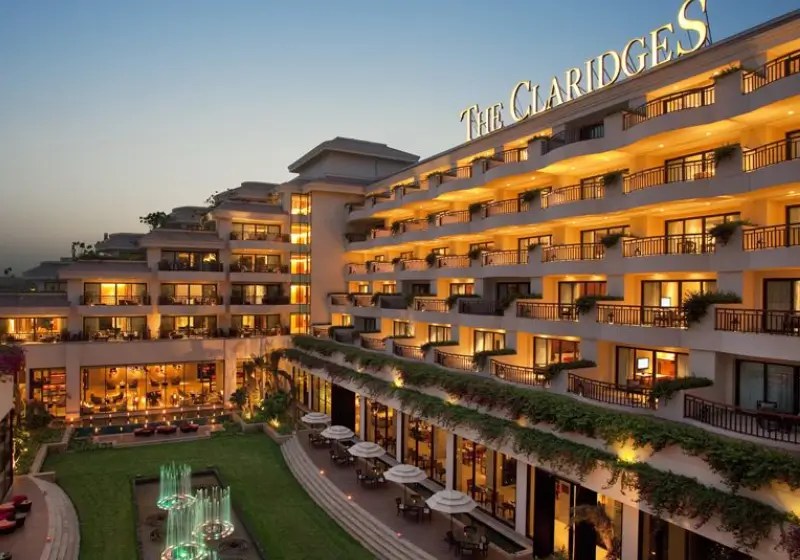
A modern hotel with elevators, wide corridors and straightforward room access may be more practical for part of the trip. Families who want a heritage stay can select a property where room location and accessibility suit their needs.
An in-house restaurant is highly valuable.
There will be evenings when the child is too tired for another car journey to a restaurant. Being able to order a simple meal in the hotel reduces stress. Family-friendly hotels in India with breakfast included are also useful because parents do not need to leave the property to find food first thing in the morning.
Breakfast buffets can provide options such as fruit, bread, eggs, cereal, yogurt and cooked dishes, depending on the hotel. Parents with specific dietary requirements should speak directly with the property.
For toddlers, familiar food can matter more than culinary variety.
Parents can ask restaurants for simple preparations where available. Requirements concerning allergies must be communicated explicitly rather than assuming that “child-friendly” means allergen-safe.
If the toddler drinks a particular formula or requires a specific packaged product, bringing sufficient supply or checking local availability beforehand can prevent unnecessary searching during the trip.
A kettle can be useful, although parents should check hotel policy and cleanliness before using any appliance for child-related food preparation. Some families may prefer bottled water for drinking; sealed bottles should be checked before use.
A small refrigerator can help with certain food items or medicines that require appropriate storage, but parents should confirm the refrigerator's suitability when medical storage is important.
Laundry service is another practical hotel feature. Toddlers can go through clothing quickly, and a trip lasting more than a few days becomes easier when parents do not need to pack an excessive number of outfits.
Swimming pools can provide welcome downtime, but constant adult supervision is essential. Pool areas and depths vary widely between hotels, and parents should not assume the presence of dedicated toddler facilities.
Room location can also make a difference. A room directly above a noisy function space or beside a busy elevator may interfere with sleep. Families can request a quieter room, although allocation remains subject to hotel availability.
Maintaining some version of the child's usual bedtime routine can be useful after busy sightseeing days. A slow-paced India tour with children allows the family to return to the hotel before the child becomes overtired instead of scheduling entertainment every evening.
Sightseeing with a toddler works best when parents stop measuring a successful day by the number of attractions visited.
Two enjoyable visits can be better than six rushed ones.
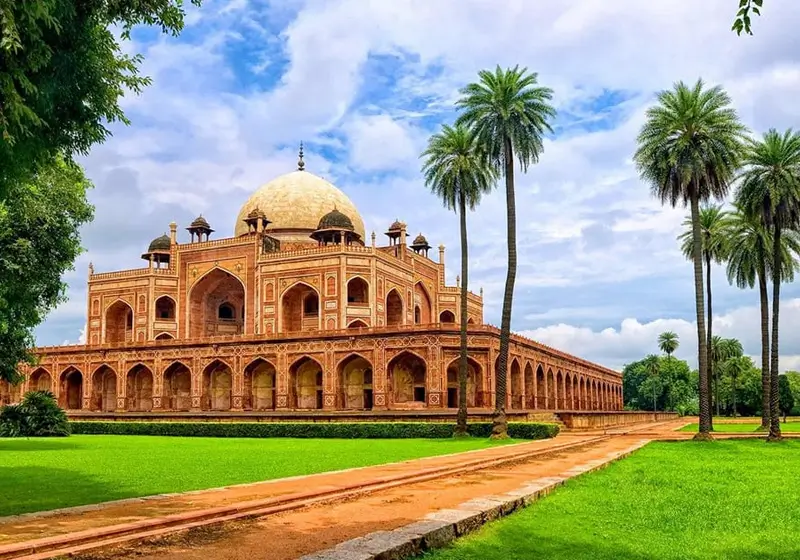
At major attractions such as the Taj Mahal, Amer Fort or historic sites in Delhi, families should consider walking distances, security procedures, crowds, stairs and weather. Some locations can involve considerable time outdoors.
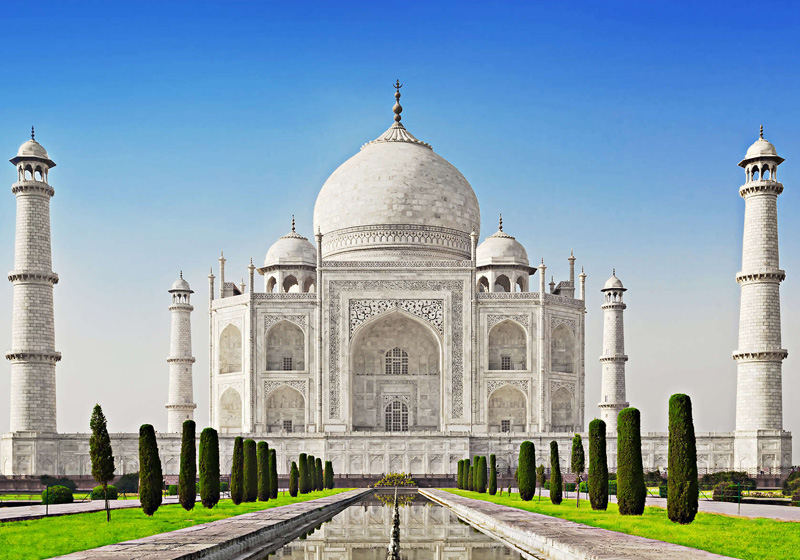
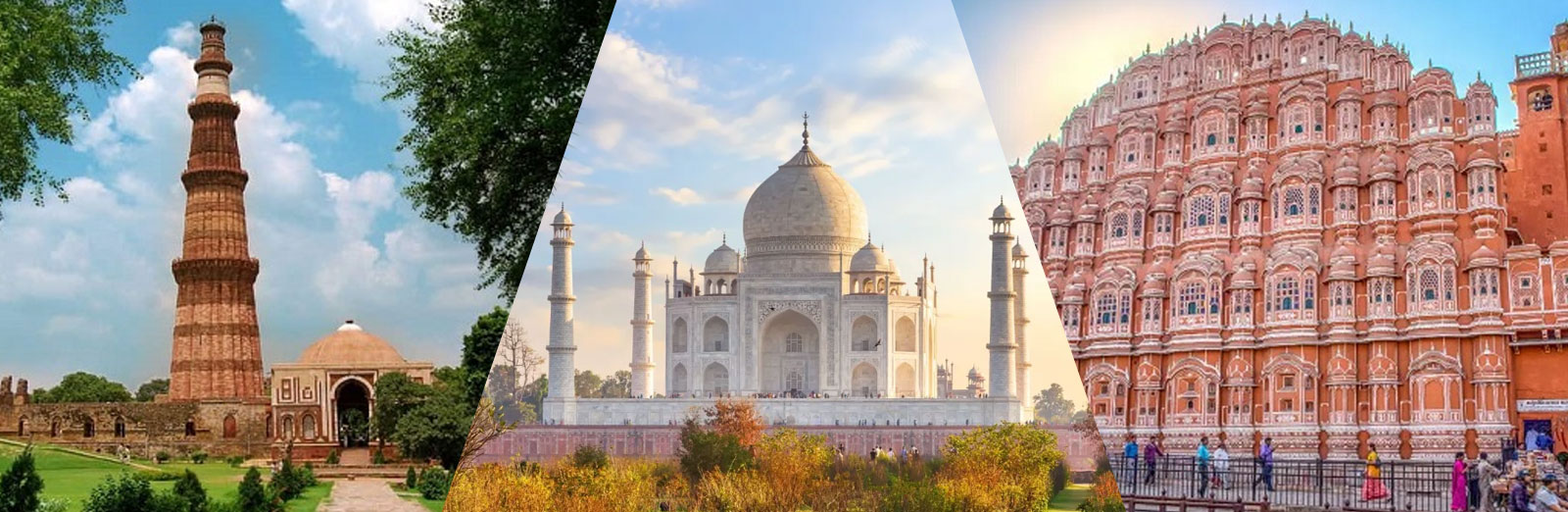
The Taj Mahal with a toddler can be a memorable family experience, but parents should prepare for security screening and walking. Large bags and certain items are restricted, so carrying only necessary permitted items can make entry easier. Current entry conditions and permitted items should be checked from official sources close to the visit.
The Taj Mahal is normally closed to general visitors on Fridays. Families should account for this before fixing hotel dates around an Agra stay.
An early visit can offer more comfortable conditions during warmer periods, but parents should balance this against the child's sleep schedule. Waking a toddler at an extreme hour after a late arrival can make the rest of the day difficult.
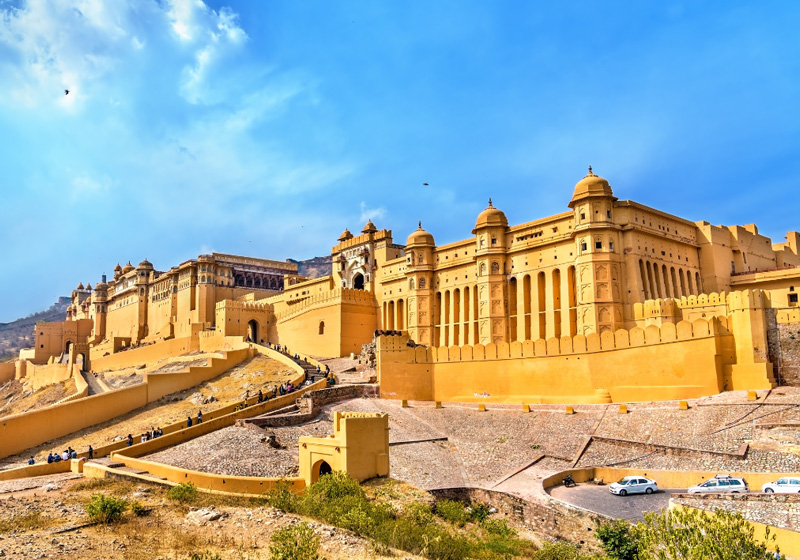
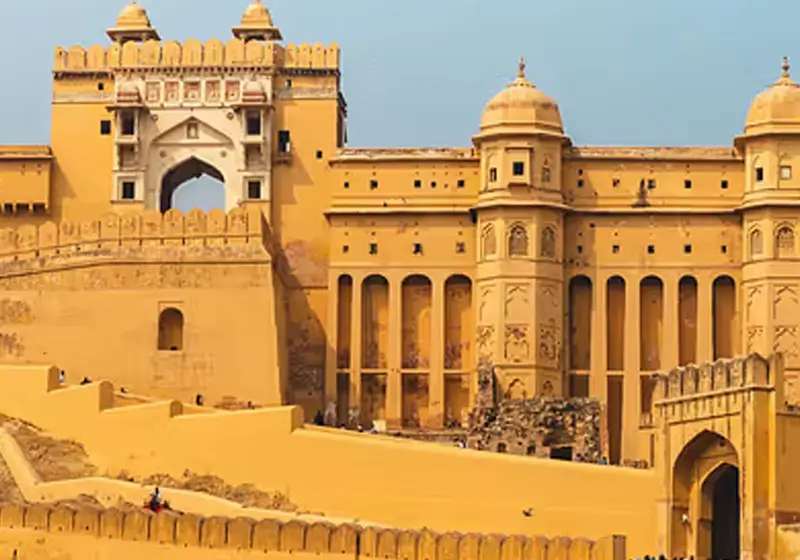
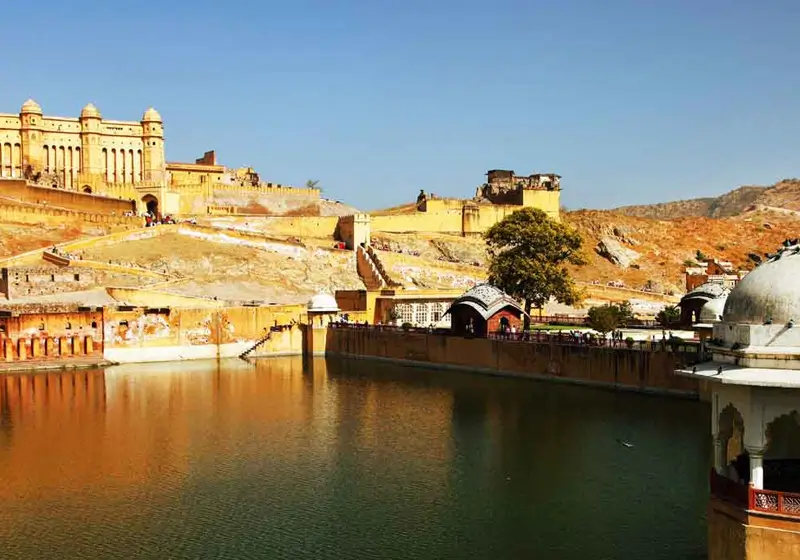
Amer Fort in Jaipur is another major attraction where families should expect walking, slopes and steps depending on the route taken inside. A private guide can help reduce unnecessary movement by directing the family efficiently through the sections most relevant to them.
Delhi attractions vary considerably. A private car allows parents to move between sites without repeatedly negotiating new transport. The driver can remain available while the family visits a monument, subject to local parking and vehicle restrictions.
The vehicle also provides a useful place to store items that are not permitted or needed inside a particular attraction, although passports, money and valuable electronics should remain securely with the travellers.
A stroller can be extremely useful in airports, hotels and smoother pedestrian areas, but it will not be equally convenient at every historic site. Uneven surfaces, stairs and crowds can make a lightweight carrier useful as an alternative for some families.
Parents should assess what they are personally comfortable carrying.
Weather deserves serious attention. During hot conditions, long periods outside around midday can be uncomfortable for young children. A sensible schedule can place outdoor sightseeing earlier in the day and use the afternoon for lunch, rest or an indoor activity.
Hydration should remain a priority. Parents should carry appropriate drinking water and offer fluids according to their child's normal needs and professional medical guidance.
Sun hats, suitable clothing and child-appropriate sun protection can also be useful. Families should follow product instructions and any advice provided by their child's healthcare professional.
Crowded markets require additional attention. Jaipur and Delhi offer fascinating shopping areas, but a busy market can be overwhelming for a toddler. Parents may prefer a shorter guided shopping visit, a quieter store or a private shopping appointment rather than several hours navigating dense crowds.
A private sightseeing tour for families in India also allows one parent to return to the hotel with the toddler while another continues sightseeing, although this may require transport arrangements if the family splits.
Nap time does not have to happen at exactly the same place every day. Some toddlers sleep comfortably in a car, while others need a dark hotel room. Parents know their child better than an itinerary designer does. The schedule should therefore work around the child's established habits where practical.
Meals should not be pushed too late because sightseeing has overrun. Keeping a few suitable snacks available can help during transfers, but proper meal breaks should still be included.
A driver and guide should know at the start of the day that the family is travelling with a young child and may need unscheduled breaks. This avoids the feeling that parents are disrupting a rigid programme whenever the toddler needs something.
Make your family holiday in India easy and enjoyable with a private driver, child car seats, family-friendly accommodation and flexible travel schedules. Discover India's famous destinations at your own pace while keeping your little ones comfortable throughout the journey.
The price of an India tour package with a toddler depends primarily on adult accommodation, vehicle category, trip length and hotel standard. Very young children may stay with parents under hotel child policies, but age limits, breakfast charges, extra beds and other rules vary between properties.
Parents should never assume that a toddler is automatically free everywhere.
Hotels can have different child policies. One may allow a young child to share existing bedding without an accommodation supplement, while another may charge for breakfast or a cot. If an extra bed is required, an additional nightly charge can apply.
For a private family trip using comfortable hotels and a chauffeur-driven vehicle, a broad ground budget can begin around ₹10,000–₹18,000 per day for a small family at a practical mid-range level, but the amount can rise substantially according to hotel category, city, season and inclusions.
A stronger four-star setup with a larger private vehicle can commonly move into the region of ₹18,000–₹30,000+ per family per day. Premium five-star hotels, suites, an Innova Crysta, private guides and additional services can push daily spending beyond ₹30,000–₹60,000+.
These are budgeting ranges, not fixed package quotations.
A luxury hotel can alone consume a large portion of the daily amount, particularly when a larger room or suite is selected.
Families should request the price in a format that shows what is included: hotel room, breakfast, private vehicle, driver expenses, tolls, parking, airport transfer and guides. Monument entrance tickets, lunches, dinners, child seats and additional activities should be identified separately if not included.
A child seat rental in India may carry an additional fee depending on the provider and equipment. The key issue should be suitability rather than obtaining the cheapest possible seat.
Parents should also confirm whether the same vehicle remains throughout an intercity journey. Using one car can reduce repeated luggage loading and allows the family to become familiar with the driver and vehicle.
For longer itineraries, keeping the same driver through multiple road-connected destinations can be particularly convenient.
The family should provide the operator with a short but specific requirements list before paying:
Toddler's age and approximate weight, required child-restraint type, passenger count, suitcase quantity, stroller size, desired hotel category, cot requirement, connecting-room requirement, dietary considerations and preferred daily pace should all be stated.
The operator can then build the trip around actual needs rather than applying a generic couple's itinerary to a young family.
Parents should also check cancellation terms. Children can become ill before a holiday, flights can change and unexpected situations occur. Hotel and transport cancellation conditions should be understood before deposits become non-refundable.
Travel insurance is another consideration for international families. Coverage varies significantly between policies, so travellers should read the terms applicable to cancellation, medical treatment, baggage and other risks rather than assuming all policies provide the same protection.
Any medical question concerning the toddler—including vaccinations, medicines, food safety or health precautions—should be discussed with an appropriately qualified healthcare professional. A tour operator can handle travel logistics but should not replace medical advice.
The strongest private India tour for a family with a toddler is not the itinerary containing the greatest number of attractions. It is the one where parents do not spend the entire holiday worrying about the next transfer, meal, nap or hotel check-in.
A spacious vehicle, correctly requested child restraint, practical hotels, slower sightseeing and realistic travel days create room for the family to enjoy India without making the toddler fit an adult sightseeing schedule.
India can be visited with a toddler when transport, accommodation and daily schedules are arranged around the child's needs. Private vehicles, suitable hotels, shorter sightseeing periods and regular breaks can make the journey considerably more manageable for parents.
Yes, selected transport providers can arrange child seats, but availability should be confirmed before booking. Provide the child's age and approximate weight and ask what restraint will be supplied. Parents with specific requirements may prefer to bring their own compatible seat.
A sedan can work with limited luggage, but an Innova Crysta or suitable MPV often provides more practical space for a stroller, suitcases and toddler supplies. Vehicle selection should be based on luggage as well as passenger numbers.
Many family-oriented hotels can provide a cot or crib, subject to availability. Request it when the room is reserved and ask whether any fee applies. Parents with specific requirements should confirm the type of cot offered.
Many larger hotels have connecting rooms, but availability is limited and depends on room category. Request interconnecting family rooms well in advance and remember that adjacent rooms are not necessarily connecting rooms.
A slower itinerary is generally more practical than frequent hotel changes. The appropriate number depends on trip duration, but staying two or more nights in key destinations can reduce packing, driving and repeated check-ins.
Families can visit the Taj Mahal with young children, subject to current monument entry rules. Parents should prepare for walking, security screening and weather conditions. The Taj Mahal is normally closed to general visitors on Fridays.
Hotels and restaurants can often prepare simple food or accommodate dietary requests, depending on the property. Parents should communicate allergies clearly. If a child requires a particular formula or specialist product, availability should be checked before travel.
A practical private trip can broadly begin around ₹10,000–₹18,000 per family per day at a mid-range level. Better four-star arrangements may cost ₹18,000–₹30,000+ daily, while luxury hotels, premium vehicles and private guides can push costs beyond ₹30,000–₹60,000 per day.
Confirm the private vehicle, child-seat arrangement, luggage capacity, hotel room size, cot or connecting-room request, breakfast, airport transfers, daily driving time, cancellation terms and all price inclusions. Providing these details before confirmation reduces surprises after arrival.
Fill in the details below. Our expert consultant will respond within 4 hours with a bespoke itinerary crafted just for you — completely free, no obligation.