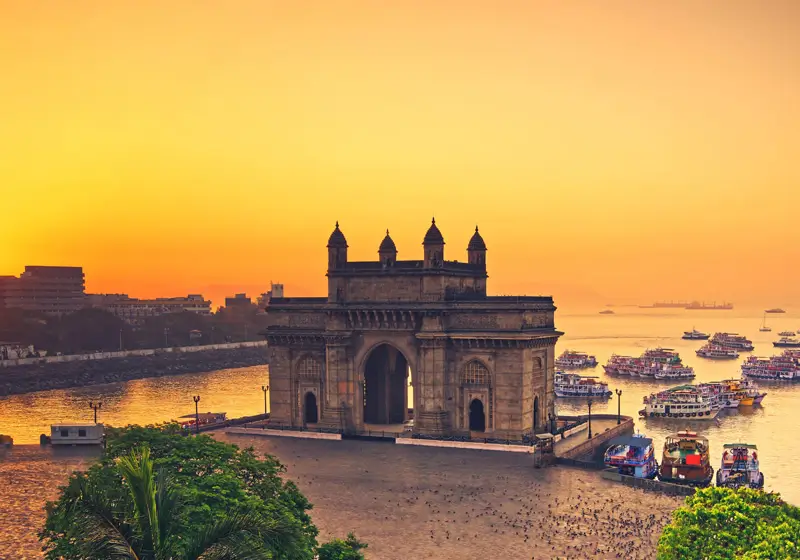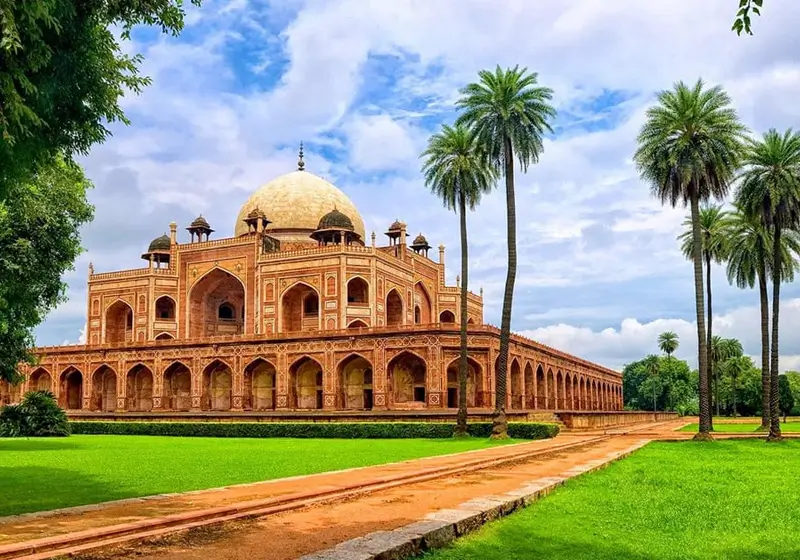
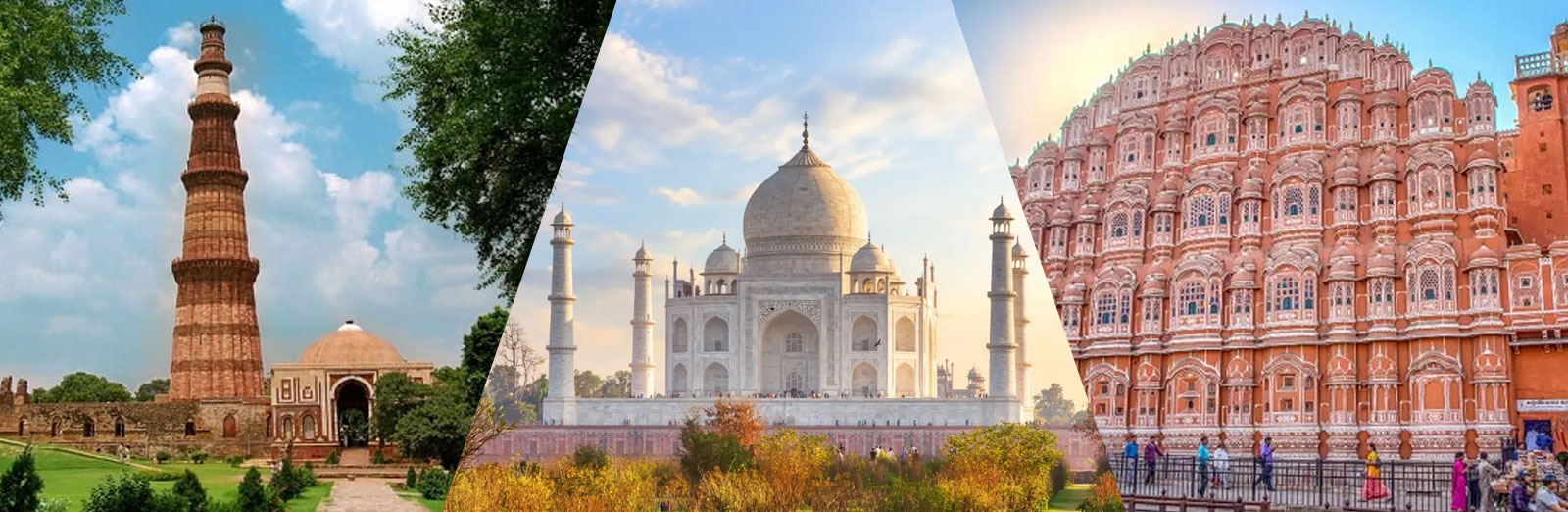
India offers French travellers a rare combination of monumental architecture, historic cities, royal palaces, traditional crafts, regional cuisine and some of Asia's most distinctive luxury hotels. A first journey can centre on Delhi, Agra and Jaipur, while travellers with more time can continue through Jodhpur and Udaipur or add Varanasi for a completely different cultural setting.
The quality of India tour packages from France depends less on the number of destinations and more on the way those destinations are connected. India is a large country, and an itinerary that appears attractive on paper can become tiring when too many long road journeys, early departures and one-night hotel stays are placed together.
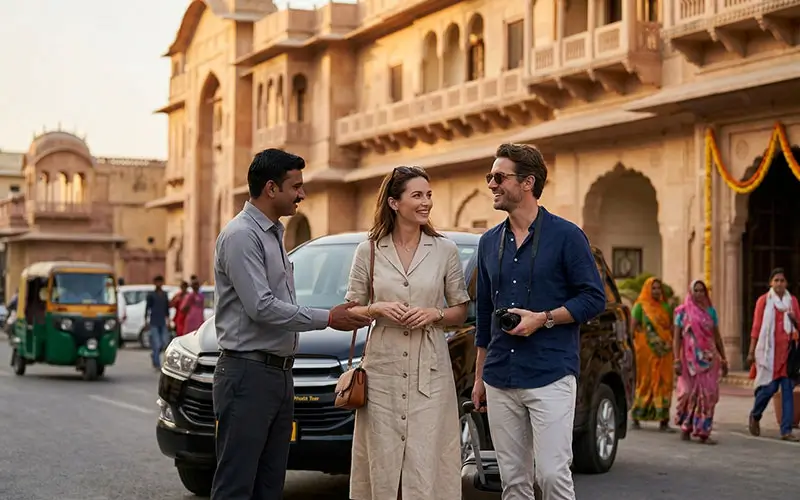
Private travel solves many of these problems. A dedicated air-conditioned vehicle can collect travellers directly from their hotel, departure times can be adjusted, meal stops can be made according to preference and local guides can provide detailed sightseeing without the fixed pace of a large coach group.
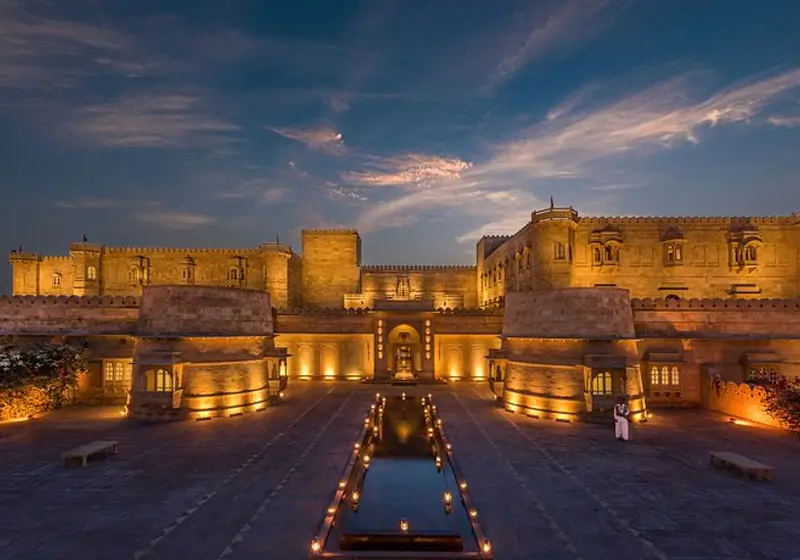
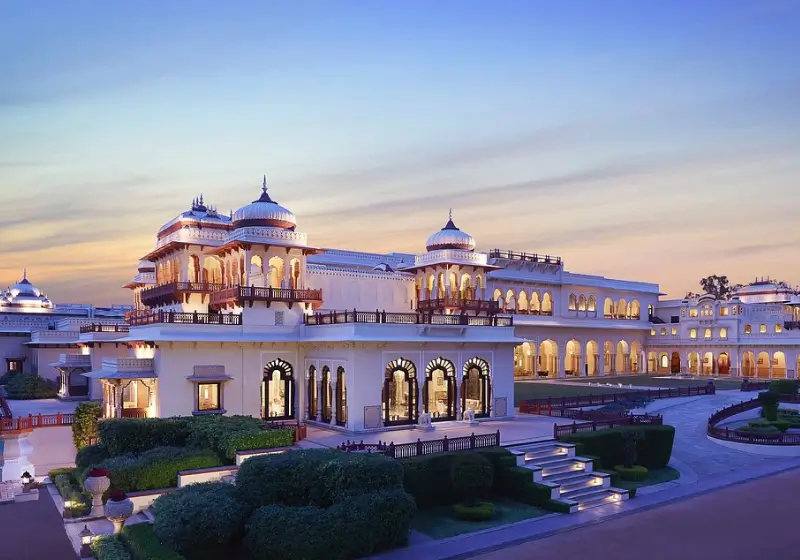
Accommodation is another important part of the journey. India has modern international-style hotels, restored havelis, historic residences and exceptional palace properties. French couples seeking a romantic holiday may allocate more of their budget to heritage hotels in Rajasthan, while families may prefer larger contemporary properties with convenient room configurations and recreational facilities.
A private India tour from France can also be arranged at several price levels. A comfortable four-star itinerary may provide excellent value, while five-star and palace-hotel holidays can cost substantially more. International airfare from France is usually best treated separately unless explicitly included in the package.
For practical budgeting, the price ranges below are shown in euros and deliberately use realistic higher-side figures. Exact quotations depend on season, hotel, room category, transport, guides, entrance fees and any domestic flights included in the route.
For travellers visiting India for the first time, Delhi, Agra and Jaipur remain one of the most effective combinations. The route contains several of northern India's most important monuments and can be completed primarily by private road transport, reducing the need for repeated domestic airport procedures.
A comfortable Golden Triangle tour from France should generally receive around seven days. Travellers arriving after an international flight should keep the first day relatively light. Airport transfer, hotel check-in and a relaxed evening are often more useful than immediately beginning several hours of sightseeing.
Delhi deserves at least two nights. The capital contains historic areas from very different periods, and a full sightseeing day can combine carefully selected attractions rather than attempting to cover the entire city.
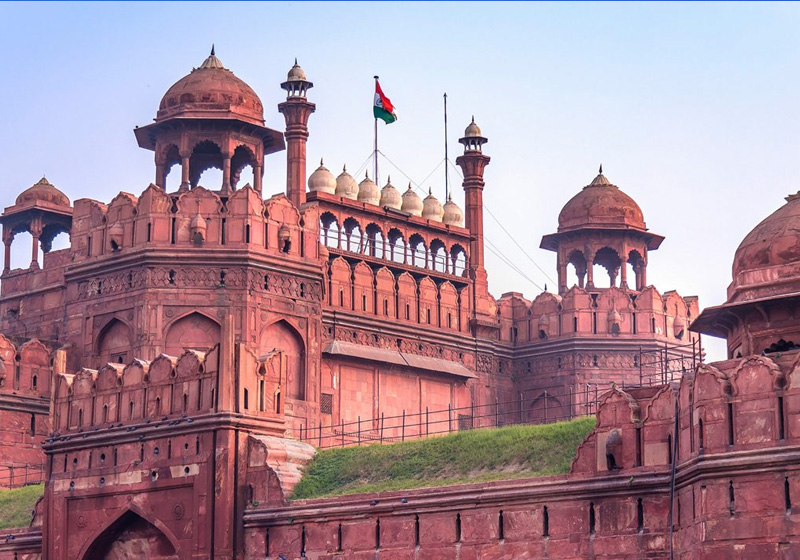
Old Delhi can include Jama Masjid and the lanes around Chandni Chowk. New Delhi offers major attractions such as Humayun's Tomb, Qutub Minar and India Gate. Travellers particularly interested in architecture may spend considerably longer at Humayun's Tomb or Qutub Minar, while those interested in street life and food may prefer more time in Old Delhi.
The benefit of a private Delhi tour with guide is the ability to regulate the pace. There is no requirement to leave a monument because a group coach is waiting.
Delhi to Agra normally requires around four hours by road in suitable traffic conditions. Travelling in a private vehicle allows the couple or family to leave directly from the hotel and stop for refreshments as necessary.
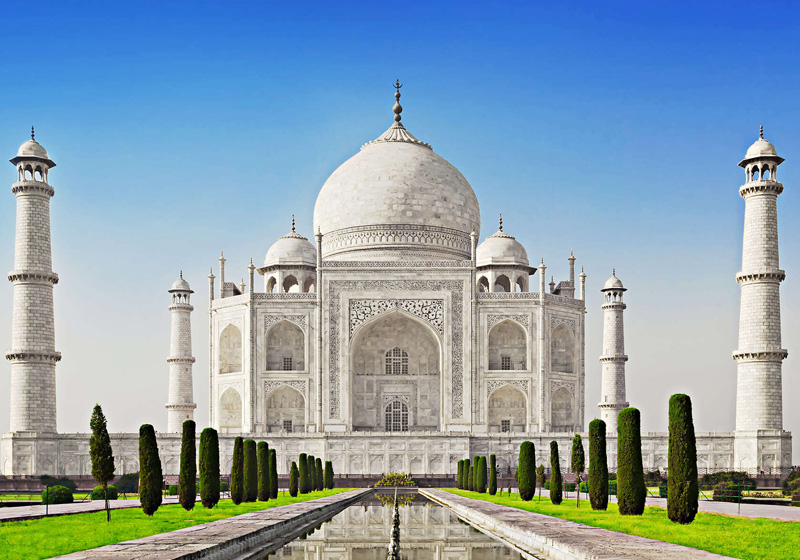
Agra should receive at least one night. Agra Fort can be visited on arrival, depending on the time available, while the Taj Mahal can be kept for the following morning.
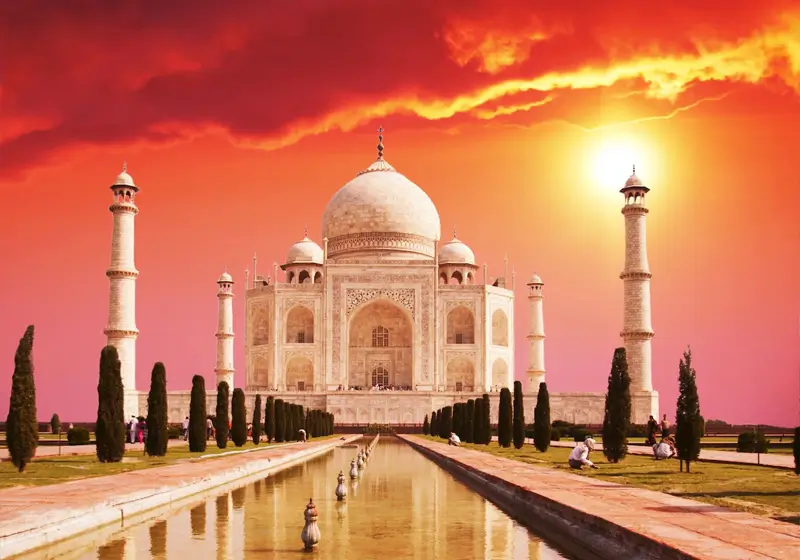
A sunrise Taj Mahal visit is particularly popular among couples and photographers, but it is not compulsory. Travellers who prefer a later breakfast or are visiting with children can enter later in the morning. The Taj Mahal is closed to general visitors on Fridays, which must be considered before the city dates are fixed.
The Taj Mahal should be given adequate time. A knowledgeable private guide can explain its architecture and history while also helping travellers move through the complex efficiently.
The road from Agra to Jaipur can include Fatehpur Sikri. The historic site is worthwhile, but travellers should recognise that it adds walking and sightseeing to an already substantial road day. Direct travel to Jaipur is a reasonable alternative for anyone wanting a lighter schedule.
Jaipur deserves two or three nights.
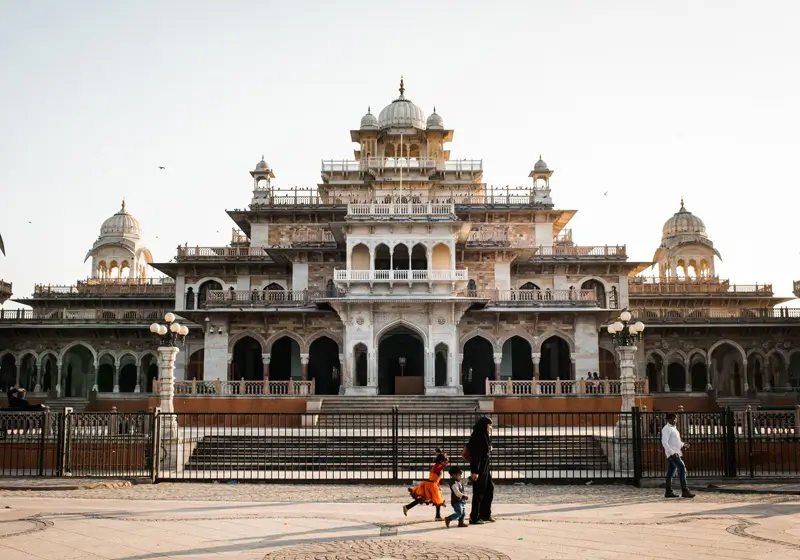
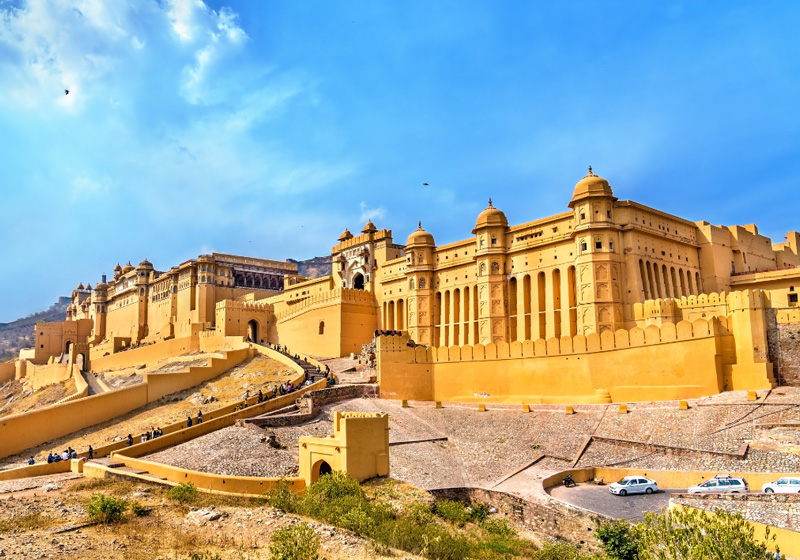
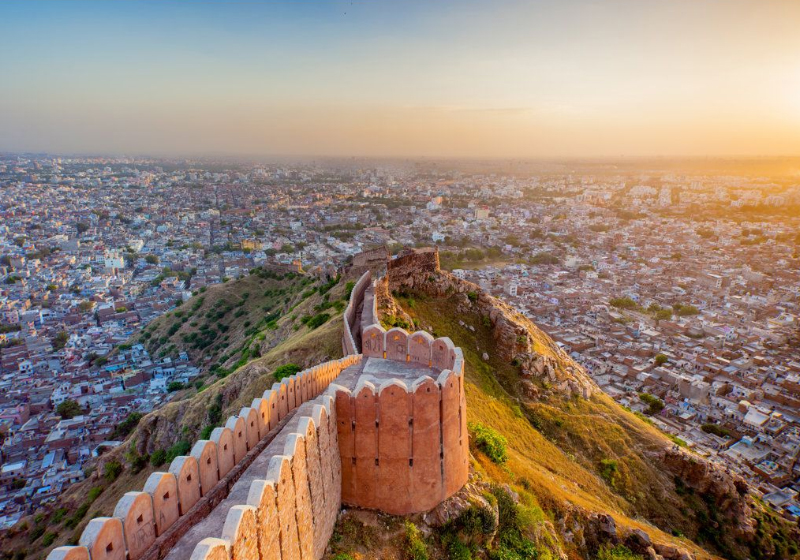
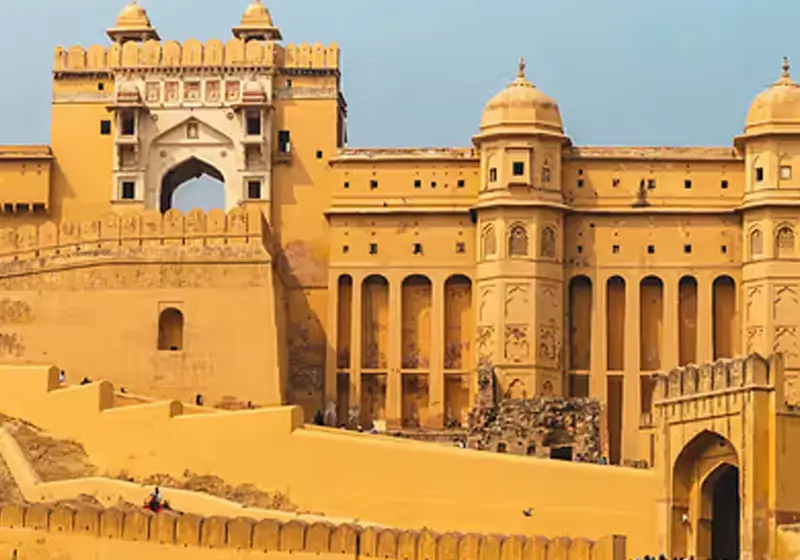
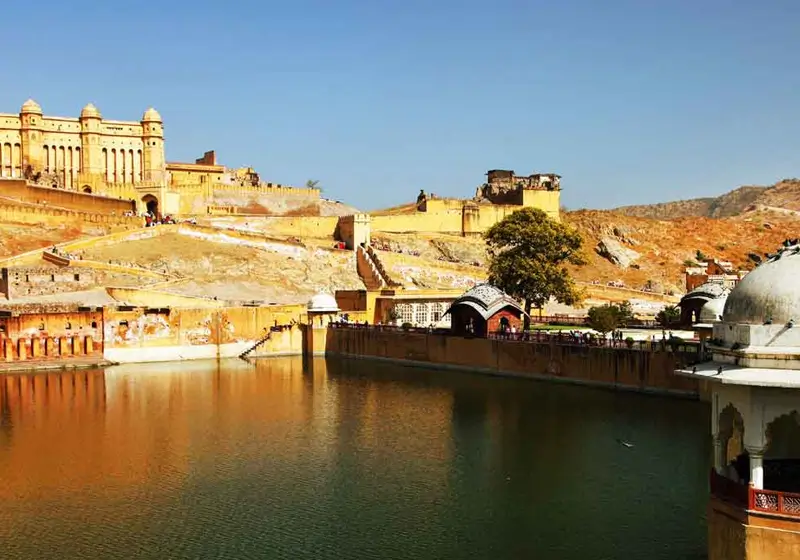
Amber Fort is the city's major fort experience and should receive a proper visit. City Palace and Jantar Mantar can be seen during another section of the day, while Hawa Mahal forms part of the historic city landscape.
French travellers interested in decorative arts may find Jaipur particularly rewarding. Textiles, block printing, jewellery, carpets, miniature painting and other crafts remain an important part of the city's commercial identity.
Shopping should remain voluntary. A high-quality private India holiday from France should never depend on compulsory commercial stops.
For two adults, a seven-day Golden Triangle itinerary using good four-star hotels can realistically cost approximately €1,700 to €2,500 for the couple, excluding France-India international airfare.
A genuine five-star private holiday can cost approximately €2,800 to €4,300 for two travellers.
A premium journey using prestigious hotels, Taj-view rooms, suites and high-end private services can move beyond €5,000 to €7,500 for a couple.
Hotel names and room categories should always be compared before deciding whether one quotation represents better value.
Travellers with ten to fourteen days can move beyond the standard Golden Triangle and spend substantially more time in Rajasthan. This is particularly attractive for visitors interested in architecture, historic hotels, traditional craftsmanship and road journeys through changing landscapes.
A Rajasthan tour package from France can retain Delhi and Agra before continuing through Jaipur, Jodhpur and Udaipur.
Jaipur provides the natural introduction to Rajasthan. Two or three nights allow the major monuments to be seen without turning each day into a long sequence of attractions.
After Jaipur, the private road journey to Jodhpur takes travellers deeper into Rajasthan. This is a substantial transfer, and the arrival evening should generally remain free.
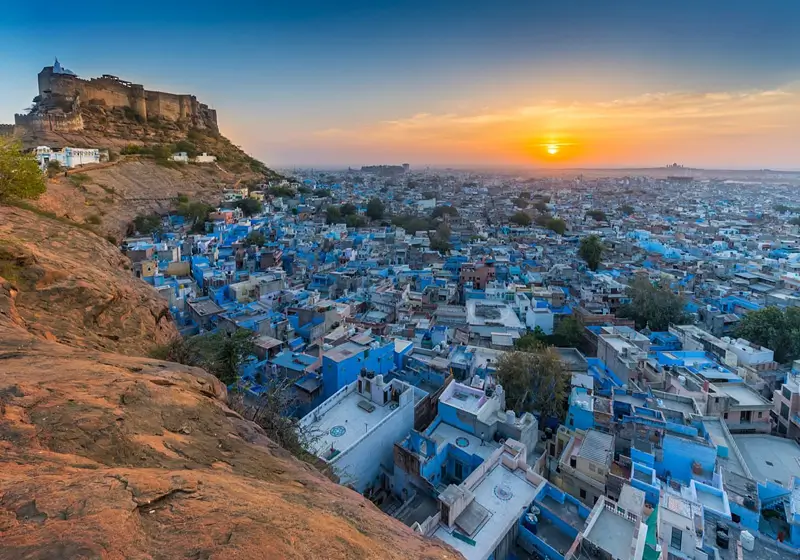
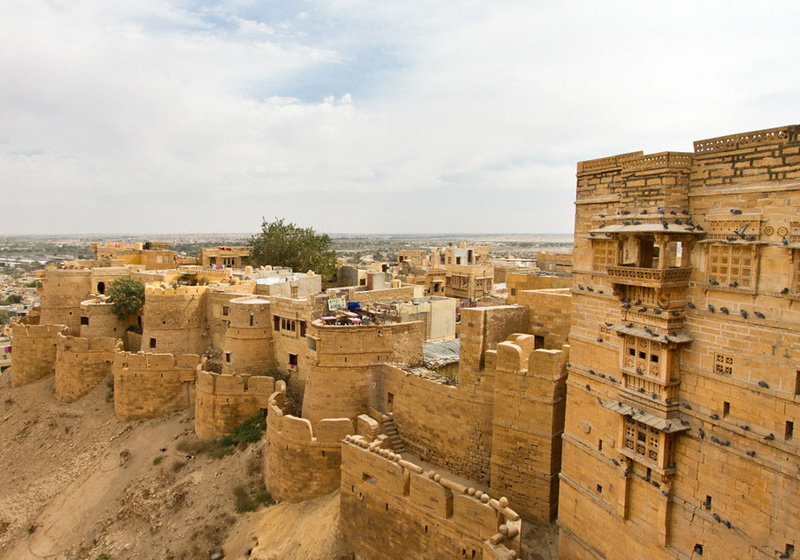
Jodhpur's most important attraction is Mehrangarh Fort. Rising above the city, the complex contains courtyards, museum collections, historic rooms and wide views across the surrounding urban landscape. Travellers interested in photography and architecture can spend several hours here without difficulty.
The old city below adds another dimension. Its narrow streets and blue-painted houses contrast strongly with the broader avenues and pink-toned architecture associated with Jaipur.
Jodhpur is also a strong destination for heritage accommodation. Restored properties range from smaller historic hotels to some of India's most prestigious luxury stays.
Two nights are sensible for a comfortable itinerary.
The journey from Jodhpur towards Udaipur can include a visit around Ranakpur when suitable for the selected route. This provides a meaningful break during the road transfer.
Udaipur changes the atmosphere again.
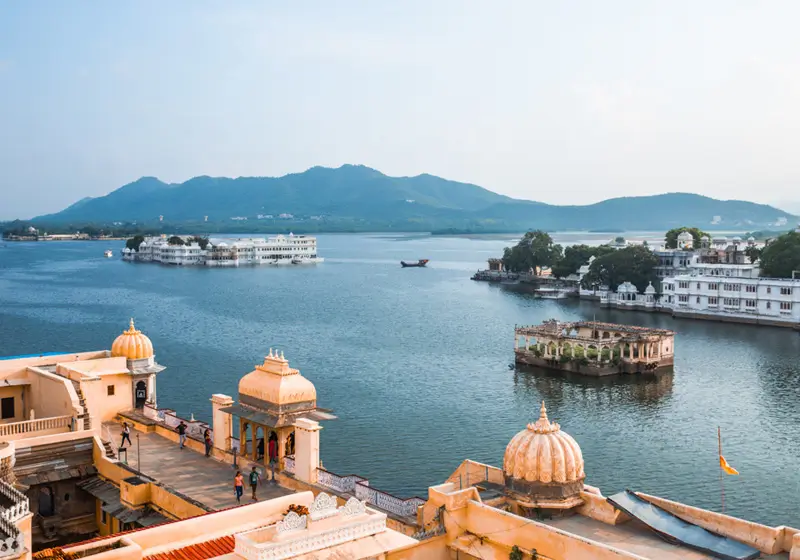
City Palace dominates the historic centre and contains courtyards, galleries and views across the lake area. Lake Pichola is central to the city's character, and boat services can be used when local operating conditions allow.
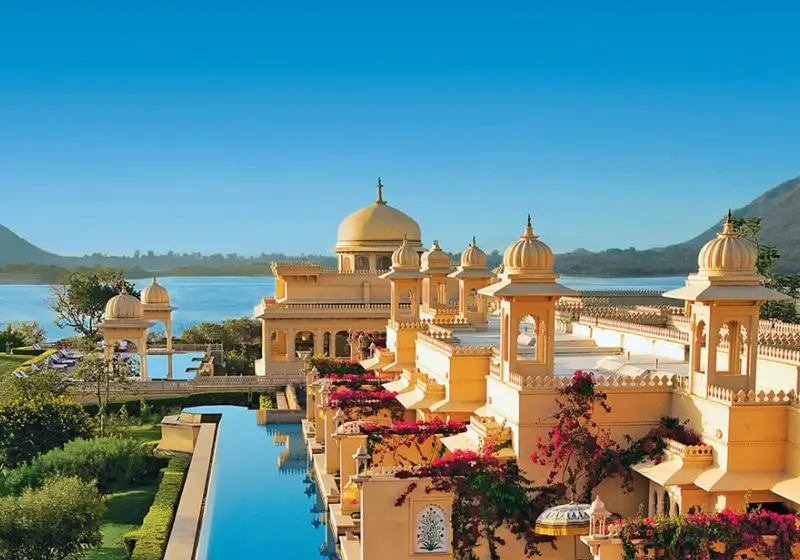
For couples, Udaipur can become the most romantic section of a luxury Rajasthan holiday from France. Lake-facing hotels and heritage properties can be exceptional, but they also create some of the largest accommodation price differences on the itinerary.
Travellers should confirm exactly what they are buying. A prestigious hotel may contain several room categories, and not every room necessarily offers a lake view. Paying for a specific view or suite should be reflected clearly in the reservation.
A ten-to-fourteen-day Rajasthan itinerary using quality four-star accommodation can realistically cost around €2,800 to €4,500 for two travellers, depending on duration.
Five-star arrangements can cost approximately €4,800 to €7,500 for a couple.
A premium itinerary using high-end palace and heritage hotels can easily reach €8,000 to €12,000 or more for two people.
Rather than using palace hotels every night, some travellers select premium heritage accommodation only in Jaipur, Jodhpur or Udaipur and use conventional five-star hotels elsewhere. This can create a strong luxury experience without allowing accommodation costs to dominate the entire budget.
Experience India in comfort with a private chauffeur, luxury and heritage hotels, expert local guides and personalised itineraries covering Delhi, Agra, Jaipur, Rajasthan and Varanasi. Get your custom India tour plan today.
Travellers who are more interested in cultural and religious traditions than an extended Rajasthan circuit can add Varanasi to Delhi, Agra and Jaipur.
A Golden Triangle and Varanasi tour from France usually works best with around ten to twelve days. Varanasi is geographically separate from the Delhi-Agra-Jaipur road circuit, so a suitable domestic flight or long-distance connection is normally required.
The city should receive at least two nights.
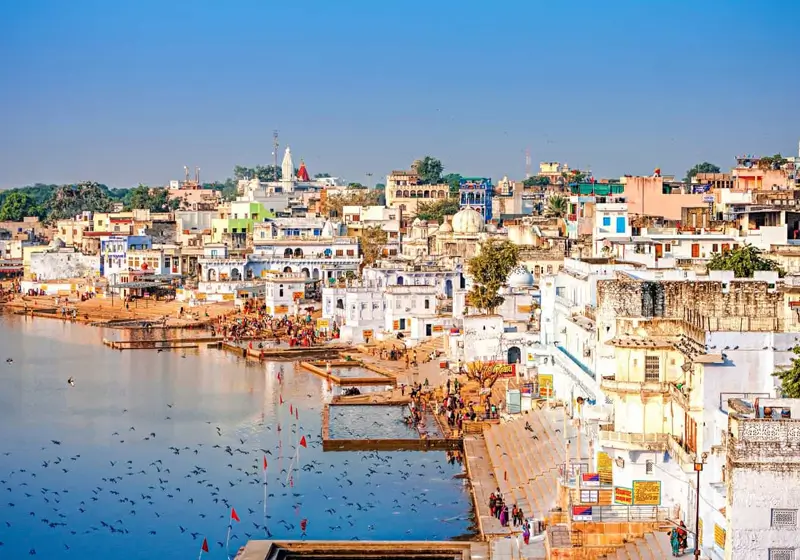
Varanasi is not a polished palace destination. Its significance comes from the Ganges, its historic ghats, temples, old lanes and the daily religious life that has shaped the city for generations.
The evening riverfront atmosphere attracts large numbers of visitors. A private guide can help travellers reach an appropriate viewing location and explain what is taking place without reducing the experience to a simple photo stop.
An early-morning boat ride is another widely requested activity, subject to river, weather and local operating conditions. The city looks very different from the water in the morning compared with the busy evening riverfront.
Walking is an unavoidable part of some old-city visits. Narrow lanes cannot always be accessed by regular tourist vehicles. Travellers with mobility concerns should therefore communicate their requirements before the itinerary is confirmed.
Varanasi also benefits from restraint. Trying to fill every hour with temples and ceremonies can become overwhelming. A carefully arranged cultural India tour from France should give visitors enough time to absorb the city rather than moving constantly between scheduled stops.
Adding Varanasi changes the package price because domestic transport and additional airport transfers are required.
For two travellers, a ten-to-twelve-day four-star Golden Triangle and Varanasi journey can realistically cost approximately €2,700 to €4,000 for the couple.
Five-star arrangements can range around €4,500 to €6,500 for two.
Premium hotels, upgraded rooms, private high-end services and flexible domestic air tickets can take the trip beyond €7,000.
The airfare should be quoted according to the actual travel dates rather than represented as a permanent fixed amount.
The phrase luxury India tour package from France covers an extremely broad market. A modern five-star city hotel and a prestigious historic palace may both be described as luxury accommodation while charging completely different nightly rates.
A realistic budget therefore begins with the required standard.
For two people travelling privately with quality four-star hotels, a dedicated road vehicle and selected local guides, approximately €240 to €350 per day for the couple is a useful higher-side ground budget.
A genuine five-star private journey can require approximately €400 to €600 per day for two travellers.
Premium luxury using iconic palace hotels, premium suites and high-value private services can exceed €700 to €1,100 per day for a couple.
These figures exclude international airfare unless specifically included.
Hotel seasonality can make a substantial difference. Popular properties may cost far more during high-demand periods than during quieter dates. Special events and festive periods can create additional premiums.
The room category is equally important.
In Agra, travellers requesting a direct or premium Taj Mahal view may pay substantially more than guests occupying the property's base room. In Udaipur, a lake-facing room can command a significant supplement. Suites at prestigious palace hotels can increase the accommodation budget dramatically.
Transport is comparatively predictable on the Golden Triangle and Rajasthan road sectors, but vehicle category still matters.
A couple may use a comfortable sedan or suitable MPV. Travellers who prefer additional space can request an upgraded vehicle. Families and small private groups require larger transport.
A comprehensive quotation should include fuel, tolls, parking, applicable interstate charges and driver expenses where the vehicle is being sold as a complete road service.
Guides are another cost component. Private licensed guides in Delhi, Agra and Jaipur can add considerably more value than attempting to visit major historic monuments without interpretation.
French-speaking guides may be available in important tourist cities, subject to availability. Travellers requiring a French speaking tour guide in India should request one well in advance because availability can be more limited than for English-speaking guides.
India's accommodation can become an important part of the journey rather than merely somewhere to sleep.
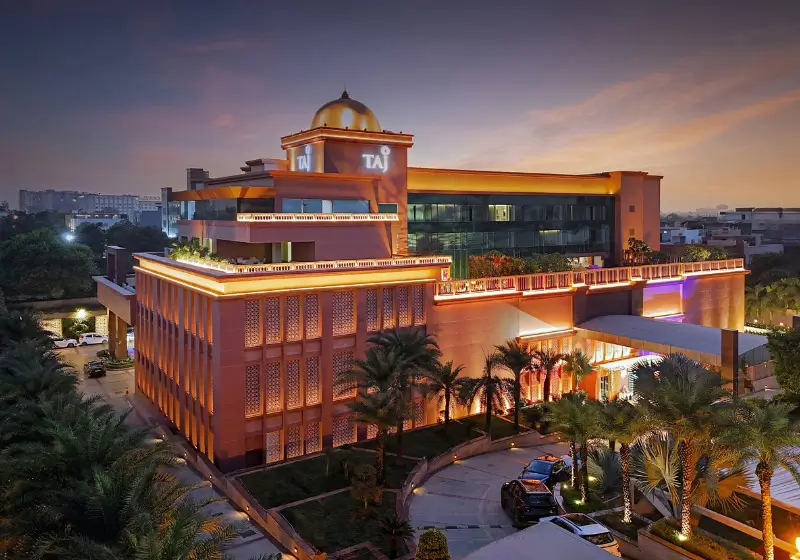
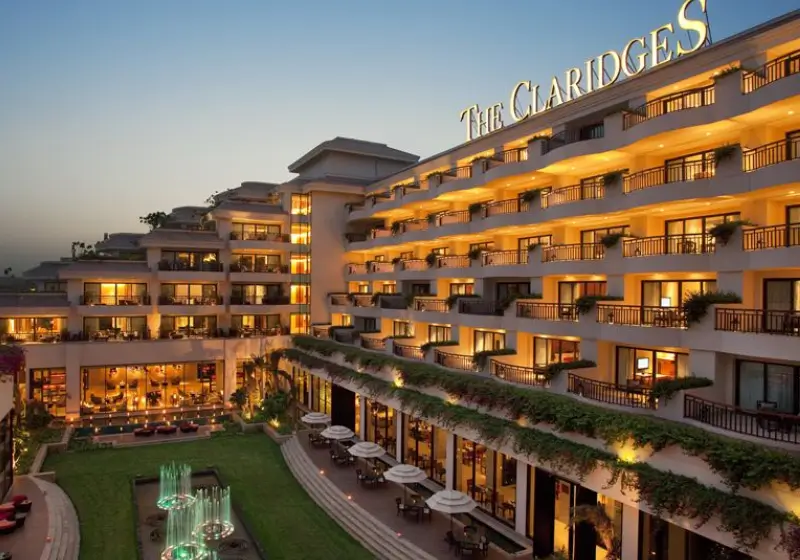
Delhi has a wide range of modern luxury hotels suited to travellers who want large rooms, extensive facilities and straightforward access after an international flight.
Agra offers both conventional luxury properties and premium hotels positioned around Taj Mahal views.
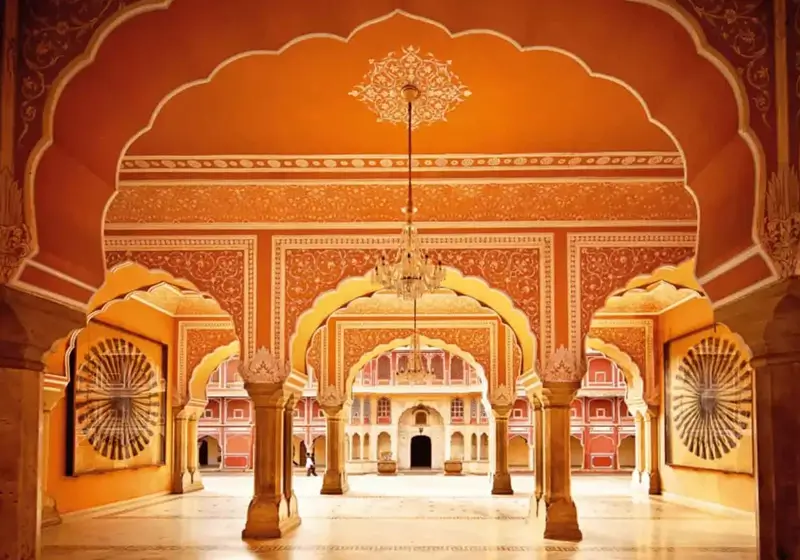
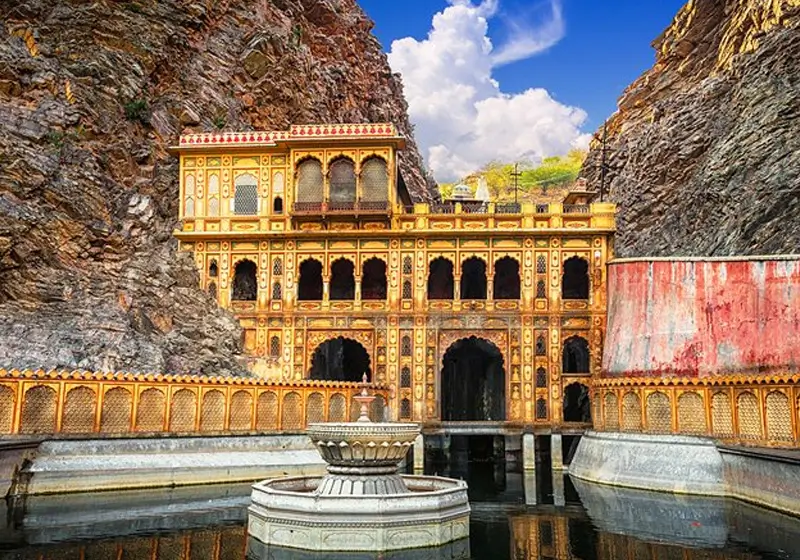
Jaipur is where heritage accommodation becomes especially interesting. Restored mansions, former royal residences and palace-style properties can provide a strong sense of place.
Jodhpur has its own exceptional heritage options, while Udaipur is known for some of India's most recognisable luxury lake hotels.
Travellers should decide how much of the holiday budget they want to allocate to accommodation.
A couple taking a luxury India honeymoon from France may value a prestigious Udaipur hotel enough to spend several hundred euros more for a particular room. A family spending most of the day sightseeing may prefer a high-quality five-star hotel with larger practical facilities.
The same decision applies to heritage hotels.
Historic properties can contain stairs, older layouts and rooms of different sizes because the building was not originally constructed as a modern hotel. This architectural individuality is part of their charm but should be considered by senior travellers or anyone with specific accessibility requirements.
A balanced itinerary can combine hotel styles.
Delhi may use a modern luxury hotel, Agra a property selected for its Taj Mahal outlook, Jaipur a heritage stay and Udaipur a lake-oriented luxury hotel. This creates variety without forcing travellers into the same accommodation style throughout the holiday.
Planning your India holiday from France? Let our India travel experts create a personalised private itinerary with comfortable transport, handpicked hotels, sightseeing and French-speaking guide options. Request your free custom itinerary today.
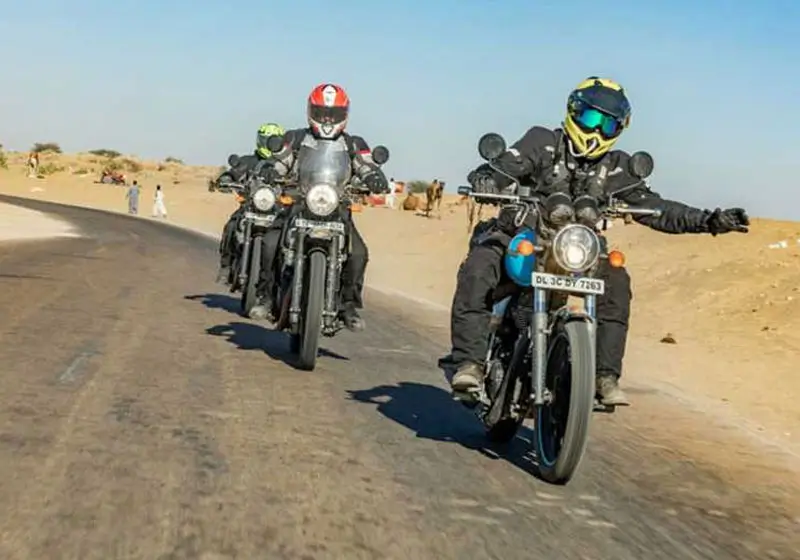
A substantial part of northern India is well suited to private road travel.
Delhi to Agra and Agra to Jaipur are practical private-car sectors. Rajasthan routes between Jaipur, Jodhpur and Udaipur also work naturally by road, although the journeys become longer.
A private car and driver in India for French tourists provides door-to-door transport between hotels. Travellers can stop for refreshments, adjust departure times and keep their luggage with them during appropriate road sectors.
The vehicle should be selected according to passenger numbers and luggage.
Two travellers may be comfortable in a quality sedan or MPV. Families with multiple large suitcases require more luggage capacity, while small private groups need a larger vehicle.
A driver should not be expected to replace a professional guide.
Local guides have specialist knowledge of monuments and city history. Delhi, Agra and Jaipur particularly benefit from guided visits because the historical context is substantial.
A French-speaking guide can be requested in selected cities, while English-speaking guides are generally more widely available.
Private guides also allow the level of detail to match the guest. A traveller interested in Mughal architecture may want an extended Taj Mahal and Agra Fort visit. Another traveller may prefer a concise explanation followed by more photography time.
This flexibility is one of the main advantages of private guided tours of India.
Indian cuisine varies greatly between regions, and a multi-city journey provides far more variety than eating the same familiar dishes every evening at the hotel.
Delhi offers an enormous range of restaurants, from traditional North Indian food to contemporary fine dining. Old Delhi is also known for historic food areas, although travellers with sensitive stomachs should be selective about where they eat.
Agra has Mughal-influenced cuisine alongside modern tourist restaurants.
Rajasthan introduces dishes associated with the region's climate and history. Jaipur and Jodhpur both offer substantial local dining options, while Udaipur combines traditional food with restaurants positioned around the lake.
A private holiday can keep lunch and dinner flexible. Breakfast is commonly included with hotel accommodation, while other meals can be selected each day.
Travellers interested in food can request a reputable cooking activity or guided market experience rather than relying solely on restaurants.
Traditional markets also deserve time.
Jaipur is particularly important for textiles, block printing, gemstones, jewellery and handicrafts. Jodhpur and Udaipur have their own local craft markets.
Expensive purchases should be made carefully. Travellers buying jewellery, carpets or high-value crafts should be comfortable with the seller, documentation, quality and final price.
A well-run private itinerary should never pressure guests into shopping. Market visits should be included because the travellers want them.
Around seven days works for Delhi, Agra and Jaipur. Ten to twelve days allows Varanasi or Udaipur to be added, while fourteen days is more suitable for a substantial Rajasthan route including Jodhpur and Udaipur.
For two travellers, a good four-star private arrangement can broadly cost €240–€350 per day for the couple. Five-star tours may require approximately €400–€600 per day, while premium luxury can exceed €700 per day for two.
Delhi, Agra and Jaipur provide a strong first journey because they combine the Taj Mahal, Mughal architecture, royal Rajasthan and traditional markets within a practical private road circuit.
French-speaking guides may be available in major tourist cities such as Delhi, Agra and Jaipur, subject to availability. Travellers should request them well in advance. English-speaking guides are generally more widely available.
Yes. Delhi, Agra, Jaipur, Jodhpur and Udaipur make a strong two-week route. The duration allows important cities to receive two or more nights rather than relying on repeated one-night stops.
Yes, particularly for travellers interested in India's religious traditions and historic riverfront culture. At least two nights are advisable, and a domestic transport connection will normally be required.
A genuine five-star seven-day private trip can cost approximately €2,800–€4,300 for two, excluding international airfare. Premium hotels, suites and special services can raise the cost beyond €5,000.
Rajasthan has many heritage and palace-style properties, particularly around Jaipur, Jodhpur and Udaipur. Prices vary significantly according to the property, room category and travel dates.
Not necessarily. Some packages include admission tickets while others charge them separately. Travellers should request a written list showing hotels, meals, guides, transport, tickets and taxes.
Yes. Private India tours from France can be adjusted for couples, families and senior travellers. Hotel rooms, vehicle size, sightseeing pace and free time can all be matched to the passengers, making a private itinerary particularly useful for travellers who want a comfortable multi-city holiday without following the fixed schedule of a large group.
Fill in the details below. Our expert consultant will respond within 4 hours with a bespoke itinerary crafted just for you — completely free, no obligation.