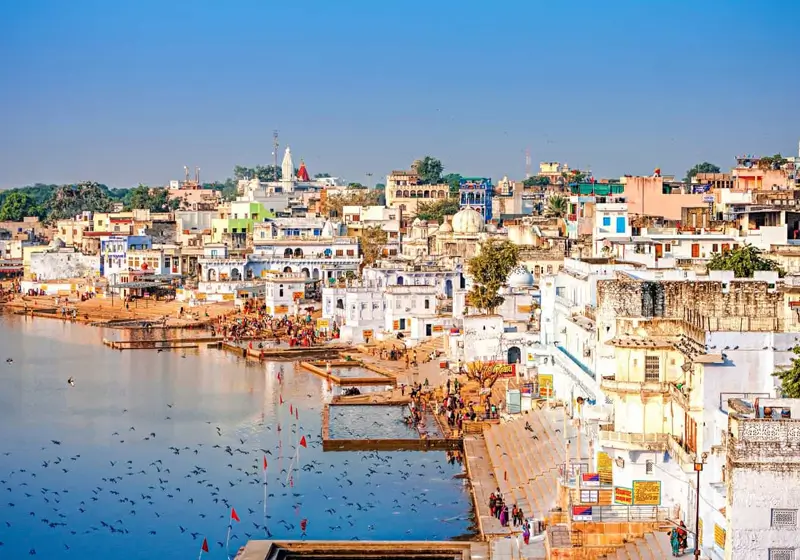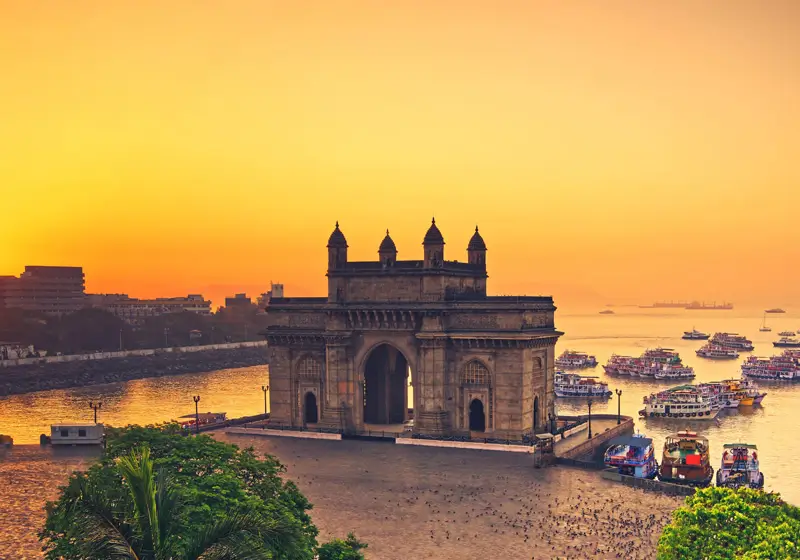
Itinerary ideas, cultural insights, luxury tips and practical planning guides for every India traveller.
India is a destination where the length of the holiday can completely change the quality of the journey. For travellers arriving from Germany, a ten-day visit can cover Delhi, Agra, Jaipur and one carefully selected extension, while two weeks provides enough time for a substantial Rajasthan circuit. Travellers with three weeks can combine the Golden Triangle, Rajasthan and another major region without turning every second day into an airport or hotel transfer.
Well-arranged India tour packages from Germany are particularly suited to travellers who want private transport, confirmed hotels and knowledgeable local guides while retaining control over their daily schedule. India is large, distances can be substantial and traffic conditions vary between cities. Having an experienced private driver for the road sectors can make the difference between a comfortable holiday and a journey dominated by transport logistics.
German travellers may arrive through Delhi, Mumbai or another major international gateway depending on their flight arrangements. For northern India, Delhi is usually the most practical starting point because it connects naturally with Agra, Jaipur and the wider Rajasthan circuit.
A private trip also allows accommodation to match the traveller. Some guests prefer reliable four-star hotels with good locations, while others want five-star city properties, historic havelis or prestigious palace hotels. Couples may value views and heritage atmosphere; families need appropriate room arrangements; senior travellers may place greater importance on lift access and a slower sightseeing schedule.
Cost should be examined in the same practical way. An inexpensive India holiday package from Germany may exclude monument tickets, local guides, airport transfers and domestic flights, while a higher quotation may include most ground arrangements. Comparing packages only by the total price can therefore be misleading.
The estimates below are stated in euros (€) and intentionally use realistic higher-side ranges for private travel. International airfare is treated separately unless specifically stated.
Ten days is a strong duration for a first private visit to northern India. It provides enough time to see Delhi, Agra and Jaipur without compressing each city into a few hours, while still leaving space for one worthwhile extension.
A 10 day India tour package from Germany can begin with two nights in Delhi. The arrival day should remain relatively light after the international journey, particularly for travellers who have taken an overnight flight or reached India after a connection.
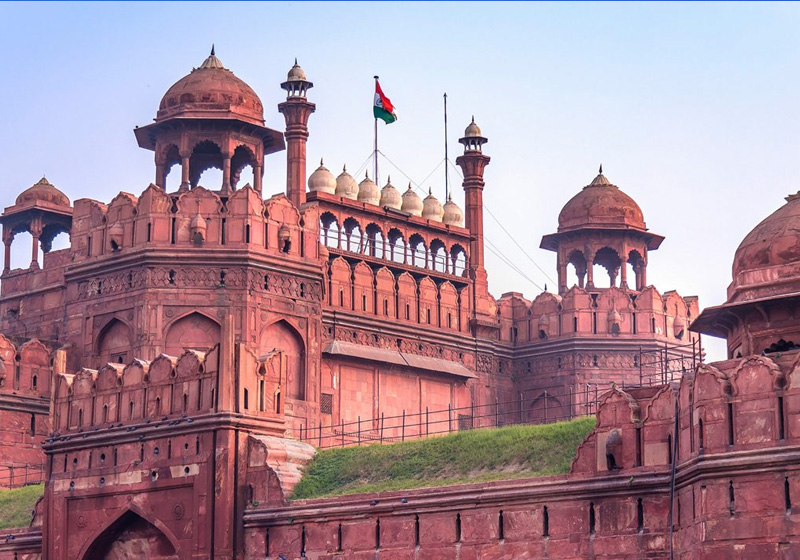
A full Delhi sightseeing day can then combine selected attractions in Old and New Delhi.
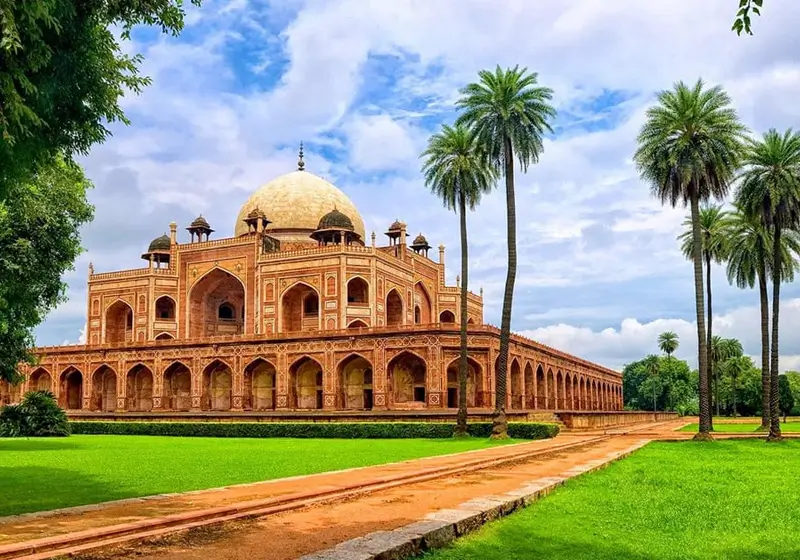
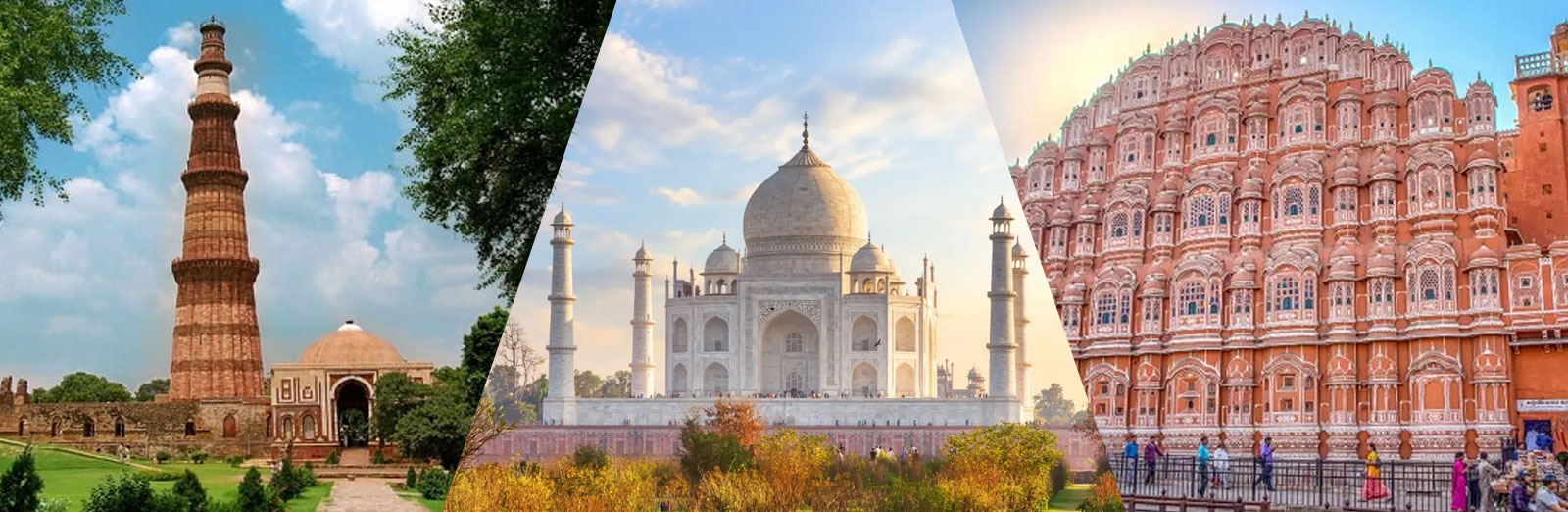
Old Delhi offers Jama Masjid and the historic streets around Chandni Chowk, while New Delhi contains Humayun's Tomb, Qutub Minar, India Gate and other important landmarks. Trying to visit every famous attraction in one day is unnecessary. A private guide can concentrate on the sites that match the travellers' interests.
The following journey from Delhi to Agra normally requires around four hours by road under suitable traffic conditions. Private road transport is particularly convenient on this sector because guests can leave directly from their hotel and stop for refreshments when required.
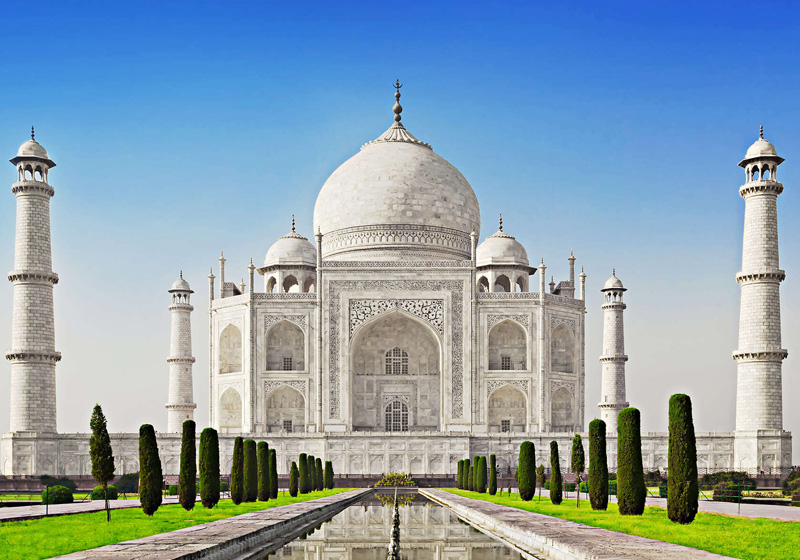
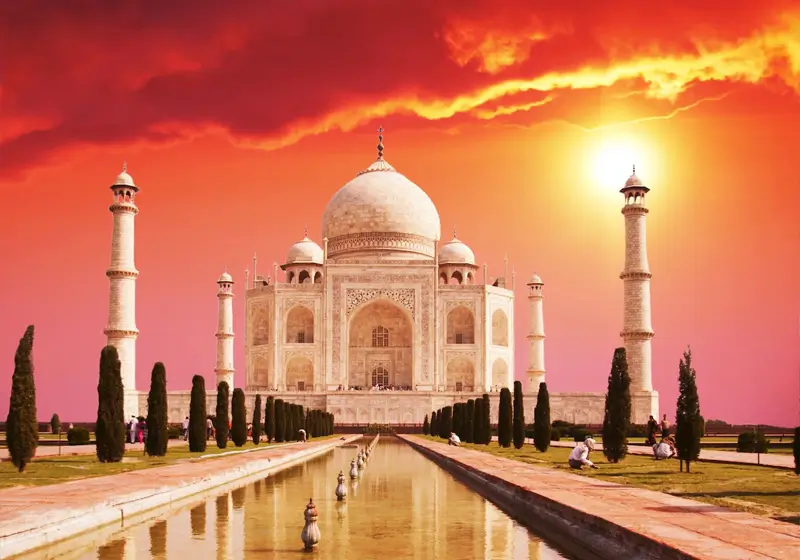
Agra should receive at least one night. Agra Fort can be visited on the arrival afternoon, leaving the Taj Mahal for the following morning.
Many travellers prefer to see the Taj Mahal early because temperatures can be more pleasant and the morning light is attractive for photography. A later visit remains perfectly practical for guests who do not want an early start. The Taj Mahal is closed to general visitors on Fridays, so the itinerary must account for the weekly closure.
Agra to Jaipur can include Fatehpur Sikri. This historic Mughal city is a worthwhile stop, but it increases the length of the road day. Travellers who value a lighter schedule can travel directly to Jaipur instead.
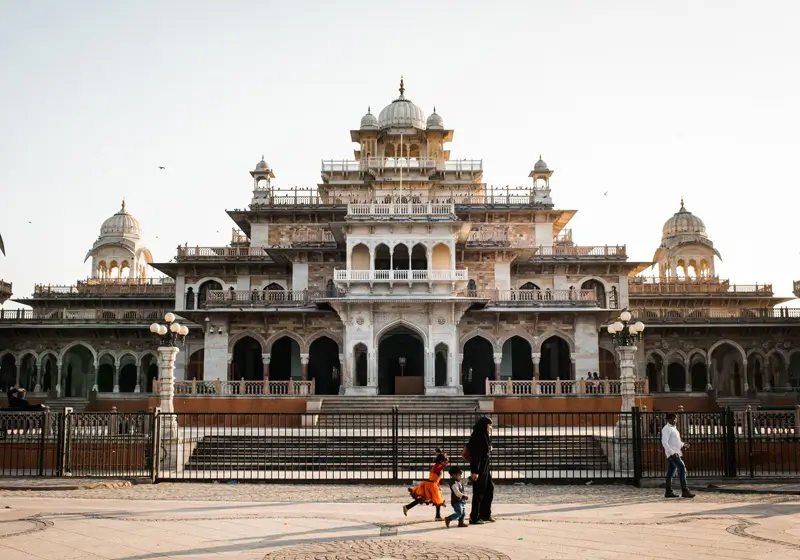
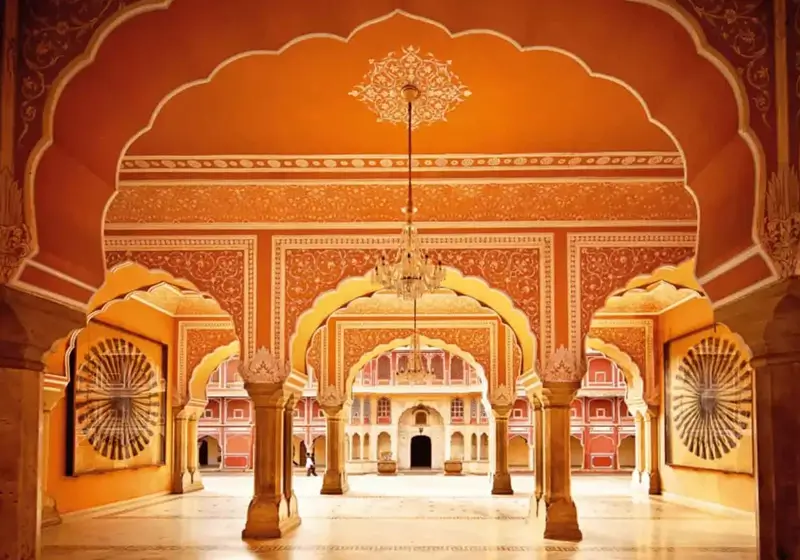
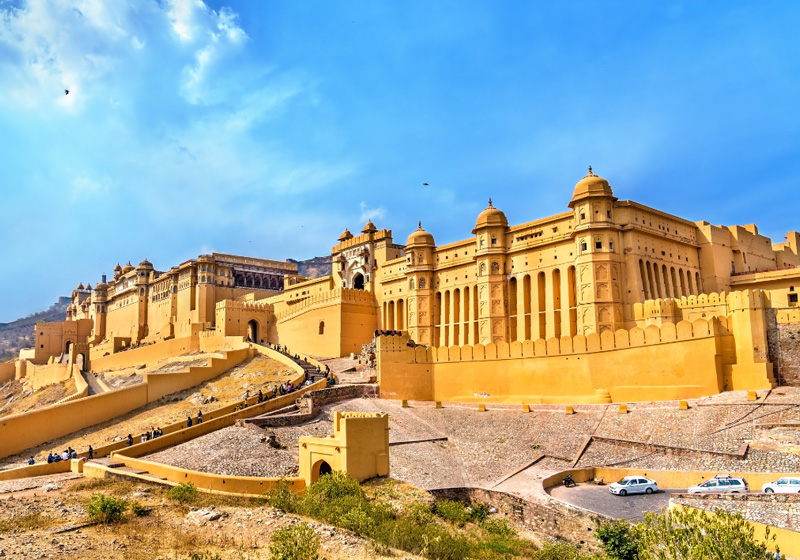
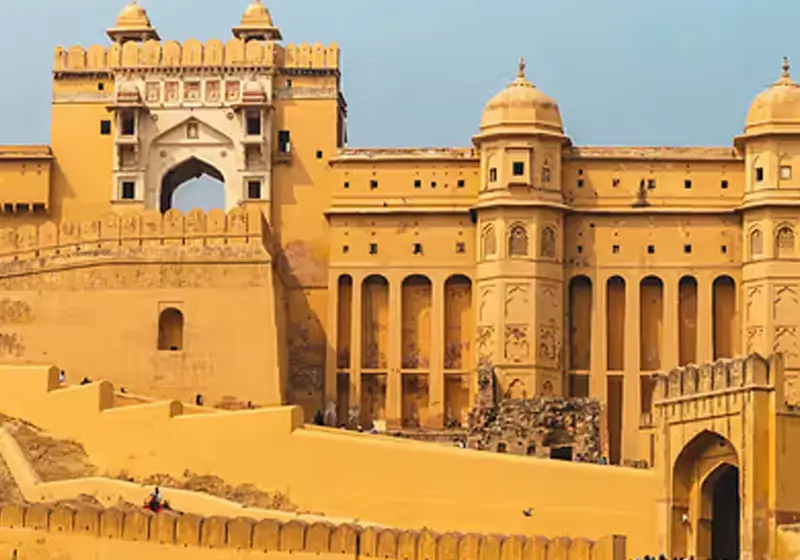
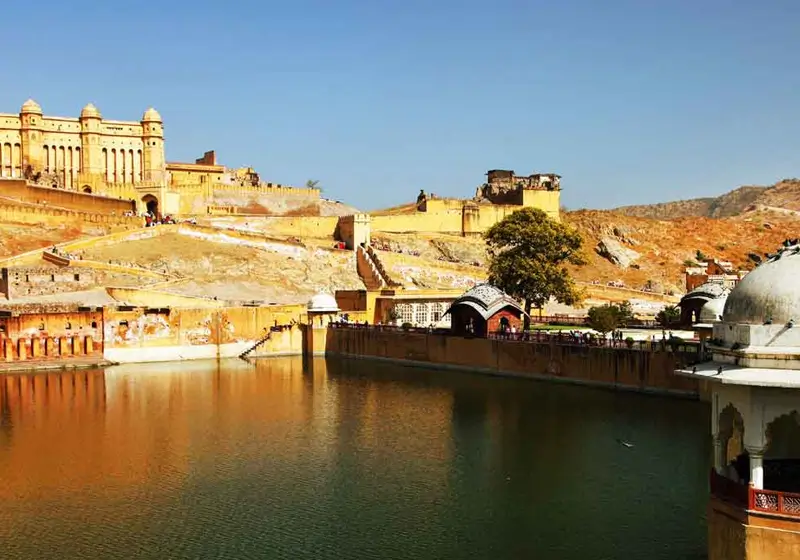
Jaipur deserves two or three nights on a ten-day journey. Amber Fort is one of the city's principal attractions, while City Palace, Jantar Mantar and Hawa Mahal provide a substantial second sightseeing section.
The remaining days can be used for Udaipur or Ranthambore.
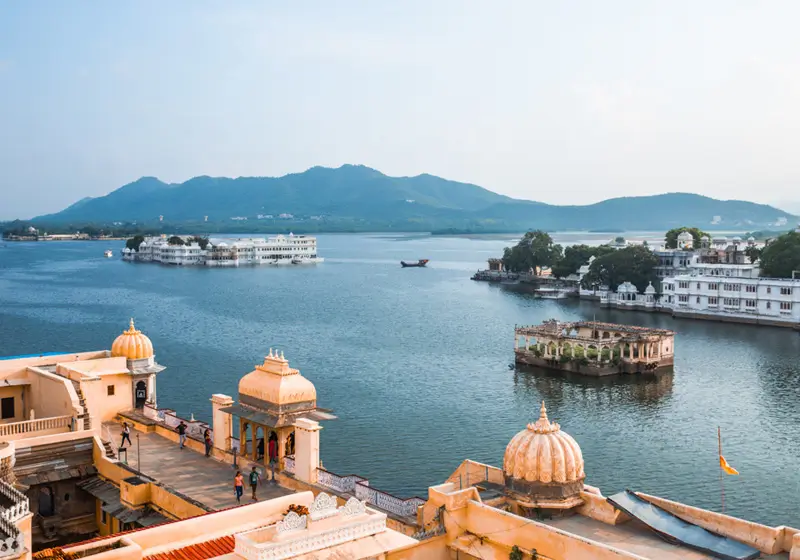
Udaipur is particularly suitable for couples and travellers interested in luxury heritage accommodation. City Palace, Lake Pichola and the historic centre create a different atmosphere from Jaipur. Keeping one evening relatively free can be more enjoyable than filling every hour with scheduled activities.
Ranthambore suits travellers who want wildlife. A Golden Triangle and Ranthambore tour from Germany should normally include at least two nights around the reserve so that safari arrangements do not become unnecessarily rushed.
Tiger sightings cannot be guaranteed. Safari tourism should be approached as a wildlife experience rather than as a guaranteed tiger encounter. Vehicle type, safari zone and departure time are subject to local rules and availability.
For two people sharing a room, a ten-day private trip using good four-star accommodation can reasonably cost around €2,400 to €3,400 for the couple, excluding Germany-India international flights.
A five-star private India tour from Germany may cost approximately €3,800 to €5,800 for two travellers.
Premium luxury using prestigious properties, upgraded rooms and high-end private services can take the ten-day cost beyond €6,500 to €9,000 for a couple.
Two weeks provides a much better opportunity to see Rajasthan beyond Jaipur. Instead of constantly adding flights, travellers can follow a logical private road route through Delhi, Agra, Jaipur, Jodhpur and Udaipur.
A 14 day India tour package from Germany can begin with two nights in Delhi, followed by one or two nights in Agra according to arrival and sightseeing times.
Jaipur can then receive at least two nights. On a longer holiday, three nights can be justified because travellers can see the principal monuments while also keeping time for markets, local crafts, food or simply an afternoon at the hotel.
After Jaipur, the journey can continue towards Jodhpur.
Road distances in Rajasthan should be treated realistically. A transfer that appears straightforward on a map can occupy much of the day. For this reason, major sightseeing should not automatically be scheduled immediately after every intercity drive.
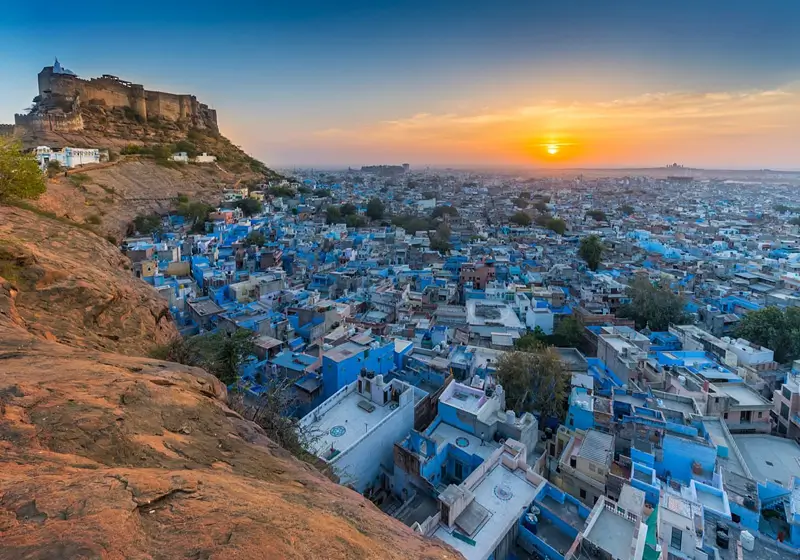
Jodhpur deserves two nights.
Mehrangarh Fort dominates the city and is one of Rajasthan's most substantial fort complexes. Visitors interested in architecture and history can spend considerable time within its courtyards and museum areas. The old city below offers another perspective through its narrow streets and blue-painted buildings.
Accommodation in Jodhpur can range from comfortable modern hotels to heritage properties and exceptional luxury hotels. The correct choice depends on the overall budget.
From Jodhpur, the journey can continue towards Udaipur. A suitable stop around Ranakpur can be incorporated depending on the route and travellers' interests.
Udaipur should receive at least two nights and can comfortably justify three on a relaxed itinerary.
City Palace is the major historic attraction, but the city should not be treated solely as another monument stop. Lake Pichola, the old city and the hotel setting are all part of the appeal.
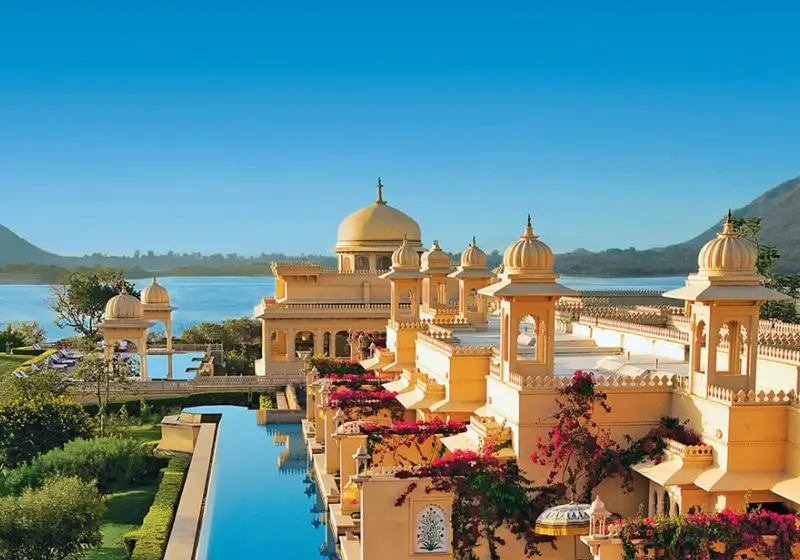
For couples booking a luxury Rajasthan tour from Germany, a lake-facing hotel room can be a major part of the holiday. Travellers should check the exact room category because not every room within a lakefront hotel necessarily provides the same view.
A fourteen-day journey can also include Pushkar or another carefully selected stop, but extra cities should only be added when they improve the route. Filling two weeks with eight or nine different hotels can reduce the value of having additional time.
For two people, a private fourteen-day Rajasthan journey using quality four-star hotels can realistically cost around €3,400 to €4,800 for the couple.
A five-star private itinerary can sit around €5,500 to €8,000 for two travellers.
Premium palace hotels, suites and high-end heritage accommodation can take a two-week India luxury tour from Germany beyond €9,000 to €13,000 for a couple.
The difference between these ranges is primarily accommodation and service level rather than the number of monuments visited.
Discover India with a personalized private tour from Germany, exploring the Golden Triangle, Rajasthan and iconic destinations with comfortable travel arrangements.
Three weeks gives travellers enough time to experience a more substantial section of India while maintaining a comfortable pace. The additional days should not simply be used to add a new city every night.
A strong 21 day India tour package from Germany can combine Delhi, Agra, Jaipur, Jodhpur, Udaipur and Varanasi, with additional stops selected according to interests and transport connections.
Delhi can receive two or three nights. A longer stay means travellers can divide Old and New Delhi sightseeing rather than forcing everything into a single day.
Agra can follow for the Taj Mahal and Agra Fort before the route enters Rajasthan.
Jaipur, Jodhpur and Udaipur can then form the main Rajasthan section. With three weeks available, two or three nights in important cities become practical rather than excessive.
This slower approach changes the character of the holiday.
Travellers can have breakfast without leaving the hotel at dawn every morning. Shopping can take place without sacrificing an important monument. A free afternoon can be used for the hotel pool, spa or independent walk. A road transfer does not need to be followed immediately by evening sightseeing.
Varanasi can then provide a strong cultural contrast to Rajasthan.
Because of the distance involved, a domestic flight or another suitable long-distance connection will normally be required. The itinerary should be arranged according to actual transport schedules rather than forcing an inefficient road route.
Varanasi deserves at least two nights and can justify three for travellers particularly interested in the city.
The riverfront is central to the experience. Evening ceremonies along the Ganges draw large numbers of visitors, while an early-morning boat journey, subject to local and river conditions, shows the ghats from a very different perspective.
Walking is also part of visiting the older parts of Varanasi because many narrow lanes are inaccessible to standard vehicles. Travellers with mobility limitations should communicate this in advance so sightseeing can be adapted.
Three-week travellers can also add a wildlife destination such as Ranthambore, but doing so requires careful sequencing. Safari availability and transport times should be checked before accommodation is fixed.
For two travellers, a quality four-star 3 week private India tour can reasonably cost approximately €5,000 to €7,000 for the couple.
A five-star journey may cost around €8,000 to €12,000 for two travellers.
Premium luxury using prestigious palace hotels, suites and high-end private services can exceed €14,000 to €20,000 for a couple.
Domestic flights, premium safari arrangements and expensive room upgrades can push the amount further.
A three-week itinerary should therefore be priced according to exact hotels and services rather than a generic per-day advertisement.
The phrase India tour cost from Germany can refer to very different holidays. A ten-day four-star Golden Triangle journey should not be compared with a three-week palace-hotel itinerary.
A practical way to estimate the ground budget is to calculate the expected daily cost for two travellers.
For a private holiday using good four-star hotels, private road transportation and local guides at selected destinations, approximately €240 to €340 per day for two people is a reasonable higher-side working range.
A genuine five-star private journey may require approximately €380 to €600 per day for the couple.
Premium luxury can exceed €700 to €1,000 per day for two, particularly when prestigious heritage properties, palace hotels and premium room categories are used.
International flights from Germany normally sit outside these figures.
Travellers should also allow for domestic airfare when visiting distant cities. A Delhi-Agra-Jaipur route can be completed largely by road, but adding Varanasi or a distant region may require flights.
Entrance tickets are another expense that should be identified in the quotation. Major monuments have separate admission charges, and foreign visitor rates can be higher than domestic visitor prices.
Meals vary according to the package.
Breakfast is commonly included with accommodation. Lunches and dinners can remain independent, which allows travellers to select restaurants. Half-board can be useful at remote resorts or hotels where nearby alternatives are limited.
Travellers should also maintain a personal budget for drinks, gratuities, shopping and optional activities.
The important point is to compare like with like. A private India package from Germany including five-star hotels, private guides, entrance fees and airport transfers should not be judged against a quotation that provides only hotels and a car.
Accommodation can be one of the most memorable parts of an India journey, particularly in Rajasthan.
Four-star hotels are often suitable for travellers who want reliable rooms, breakfast and convenient locations without allocating a large portion of the holiday budget to accommodation.
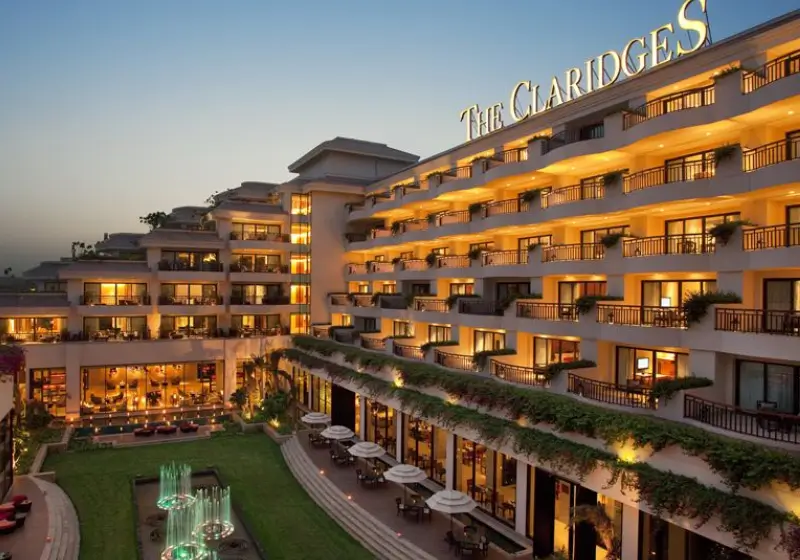
Five-star hotels generally provide more facilities, stronger service levels and larger public areas. They are especially useful in Delhi and other major cities where travellers may value international-style hotel infrastructure after long sightseeing days.
Heritage properties are different.
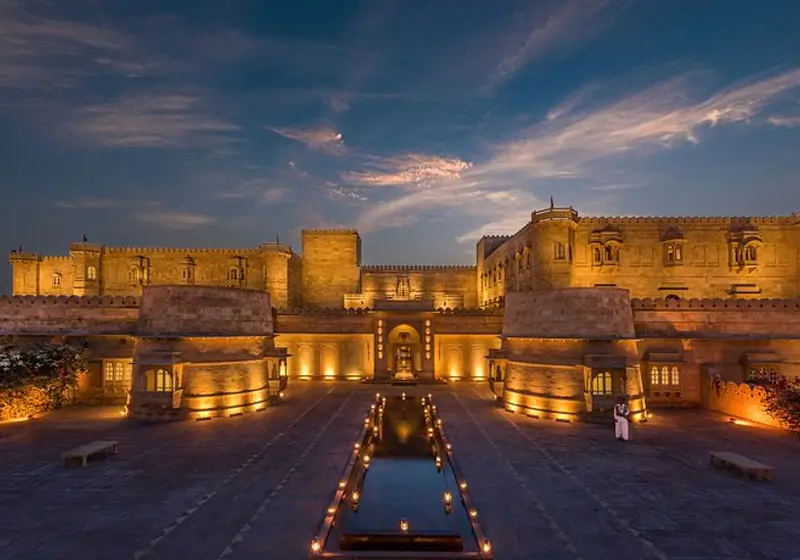
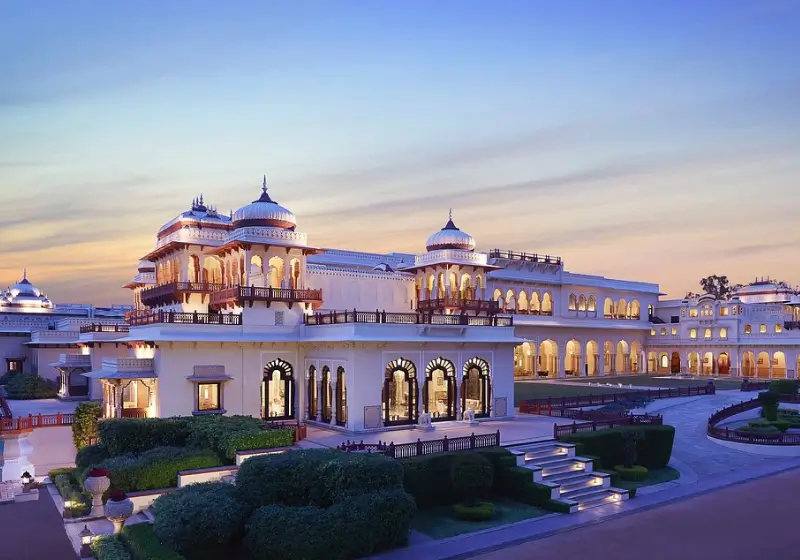
A restored haveli or palace can provide architectural character that a modern hotel cannot replicate. Jaipur, Jodhpur and Udaipur have particularly strong options.
Premium palace hotels can also be among the most expensive parts of a luxury India holiday from Germany. Travellers should decide whether they want this standard every night or only at selected destinations.
A practical compromise is to use good five-star hotels in Delhi and Agra and allocate more of the budget to a memorable heritage stay in Rajasthan.
Room categories should always be checked.
In Agra, travellers may pay extra for a room advertised with a Taj Mahal view. In Udaipur, lake-facing rooms can command large premiums. Suites can cost several times more than entry-level rooms at the same hotel.
Families should confirm the exact bedding arrangement rather than assuming a standard room will comfortably accommodate everyone.
Senior travellers should consider lifts, walking distances within the property and bathroom layout.
Hotel selection should therefore be based on how the property will actually be used, not only on its brand name.
Explore Delhi, Agra, Jaipur and Rajasthan with a tailor-made India tour, private transportation and flexible itineraries designed around your travel preferences.
Private road transport works particularly well across Delhi, Agra and Rajasthan.
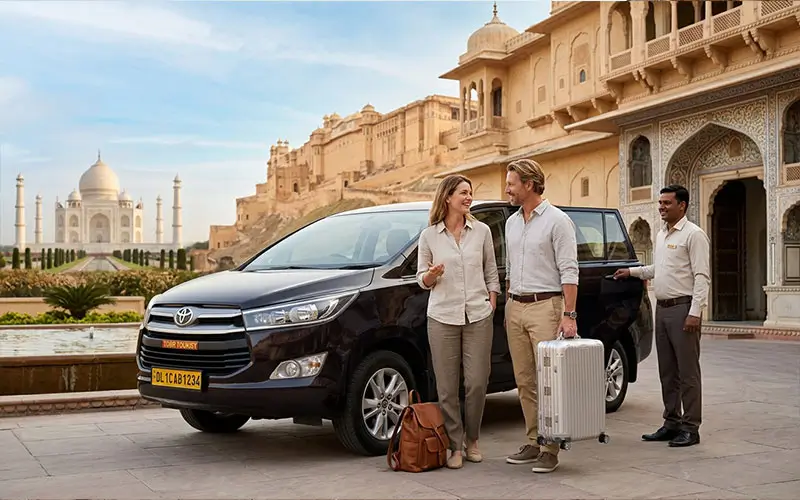
A private car and driver India tour allows guests to travel directly between hotels without repeatedly managing railway stations or shared coach schedules. Rest stops can be taken as required, and luggage remains in the private vehicle during appropriate road sectors.
Vehicle category should match both passenger numbers and luggage.
A couple with two medium suitcases may be comfortable in a suitable sedan or MPV. Travellers carrying several large bags should consider a vehicle with greater luggage capacity. Families and private groups require larger vehicles.
A transport quotation should state whether fuel, tolls, parking charges, applicable interstate taxes and driver expenses are included.
The driver should not be treated as a substitute for a licensed local sightseeing guide.
Delhi, Agra and Jaipur have complex histories that are much easier to appreciate with knowledgeable guides. Jodhpur and Udaipur can also benefit from local guiding.
Private guiding means the pace can be adjusted. Travellers interested in architecture can spend longer at a fort, while families can keep explanations shorter and move to the next activity.
German-speaking guides may be available in some major tourist cities, subject to availability and advance arrangements. Travellers specifically requiring a German speaking tour guide in India should request this early rather than assuming one can be arranged at the last minute.
English-speaking guides are generally more widely available.
Private travel becomes most valuable when the itinerary reflects who is travelling.
Couples may want heritage hotels, attractive room locations and free evenings. They may prefer fewer organised meals so they can select restaurants independently.
Families need suitable room arrangements and enough vehicle space for luggage. Children may enjoy major forts and the Taj Mahal but lose interest when every day contains several similar monuments.
A family itinerary should therefore include free afternoons and hotel time.
Senior travellers often benefit from additional nights in major destinations. A slow paced private India tour can still include Delhi, the Taj Mahal, Jaipur and Rajasthan's major forts without requiring guests to begin sightseeing early every morning.
Accessibility should be considered individually. Historic monuments were not designed to modern accessibility standards, and some involve stairs, slopes, uneven surfaces or substantial walking.
Guides should tell travellers what to expect before entering large sites.
The same practical thinking applies to road journeys. After five or six hours in a vehicle, an immediate evening sightseeing session may add little value. Checking into the hotel and having dinner can be the better choice.
A longer trip should feel more comfortable, not merely contain more destinations.
Ten days is suitable for the Golden Triangle with one carefully selected extension. Fourteen days works well for Delhi, Agra and Rajasthan, while twenty-one days provides enough time for Rajasthan plus Varanasi or another major addition.
For two travellers, a good four-star private tour can cost approximately €2,400–€3,400, excluding international flights. Five-star arrangements can range around €3,800–€5,800, with premium luxury costing more.
A quality four-star Rajasthan itinerary can cost approximately €3,400–€4,800 for two travellers. Five-star packages may reach €5,500–€8,000, depending heavily on hotel selection.
A four-star private arrangement can broadly cost €5,000–€7,000 for two, while a five-star journey can reach approximately €8,000–€12,000. Premium luxury can exceed €14,000.
Yes. Delhi, Agra and Jaipur combine major historic sites, the Taj Mahal and Rajasthan's royal architecture within a route that works efficiently with private road transportation.
German-speaking guides may be available in major tourist destinations, subject to availability. They should be requested well in advance. English-speaking guides are generally easier to arrange across a wider range of cities.
Fourteen days is considerably better for travellers wanting Jaipur, Jodhpur and Udaipur in addition to Delhi and Agra. Ten days is better kept to the Golden Triangle plus one Rajasthan extension.
Yes. Varanasi works very well within a longer itinerary and should receive at least two nights. A domestic flight or another suitable long-distance connection will normally be required.
Road-based India private tour packages from Germany can include a dedicated air-conditioned vehicle and driver. Domestic flights or other transport may be used for distant sectors. Exact transport inclusions should appear in the quotation.
Travellers should verify hotel names, room categories, meals, vehicle type, driver expenses, local guides, domestic flights, airport transfers, monument entrance fees and applicable taxes. These details provide a much more accurate picture of value than the advertised package price alone.
Fill in the details below. Our expert consultant will respond within 4 hours with a bespoke itinerary crafted just for you — completely free, no obligation.