Itinerary ideas, cultural insights, luxury tips and practical planning guides for every India traveller.
India gives South African travellers the opportunity to combine some of Asia's most famous monuments, historic cities, royal palaces, wildlife regions and luxury hotels within one private journey. Delhi, Agra and Jaipur provide an excellent introduction for a shorter holiday, while travellers with ten to fourteen days can continue into Rajasthan, Varanasi or selected wildlife destinations.
A well-arranged India tour package from South Africa should take long-haul travel into account. Visitors arriving from Johannesburg, Cape Town, Durban or another South African city may have connecting flights before reaching India. The first day should therefore not be overloaded with monuments immediately after arrival. A private airport transfer, comfortable hotel and sensible first evening can make the following days considerably more enjoyable.
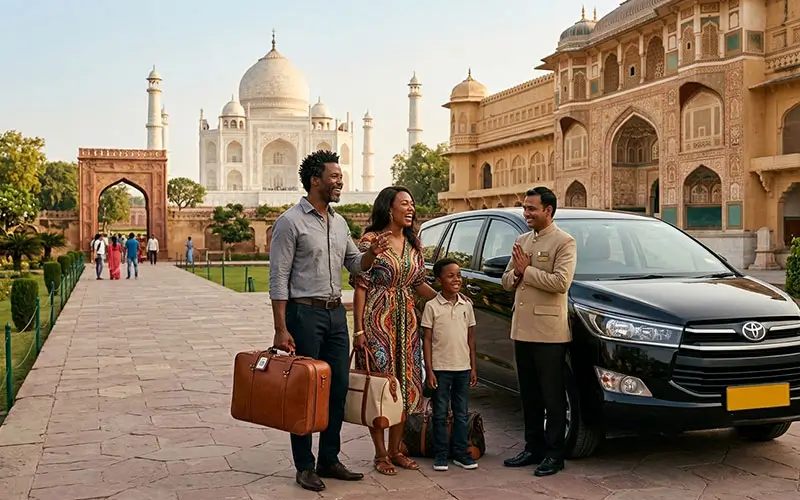
Private touring is particularly useful for South African couples, families, senior travellers and small groups. A dedicated air-conditioned vehicle removes dependence on fixed coach schedules, while private local guides can provide more meaningful visits to major historic sites. Departure times, lunch breaks and sightseeing duration can also be adjusted.
The route is the most important decision. Seven days works well for the Golden Triangle. Ten days allows Udaipur, Ranthambore or Varanasi to be added according to personal interests. Twelve to fourteen days gives travellers enough time for a substantial Rajasthan circuit without spending the entire holiday changing hotels.
Cost varies widely according to accommodation. A comfortable four-star private holiday and a luxury journey using prestigious palace hotels may follow exactly the same cities but have completely different prices.
For easy comparison, the estimates below are given in South African Rand (ZAR) and use realistic higher-side ranges. They should be treated as budgeting guidance rather than fixed tariffs because hotel rates, domestic airfares, room categories and seasonal demand change.
For a first journey to India, the Golden Triangle remains one of the most practical routes. Delhi introduces travellers to several layers of Indian history, Agra contains the Taj Mahal and Jaipur brings the forts and royal architecture of Rajasthan into the same road-based circuit.
A comfortable Golden Triangle tour from South Africa normally requires six to eight days. Trying to reduce Delhi, Agra and Jaipur to three or four nights can technically be done, but it produces long sightseeing days and leaves little room for delays or rest.
Delhi should ideally receive two nights. International travellers can use the arrival day for hotel check-in and recovery, particularly when their journey has involved a connection.
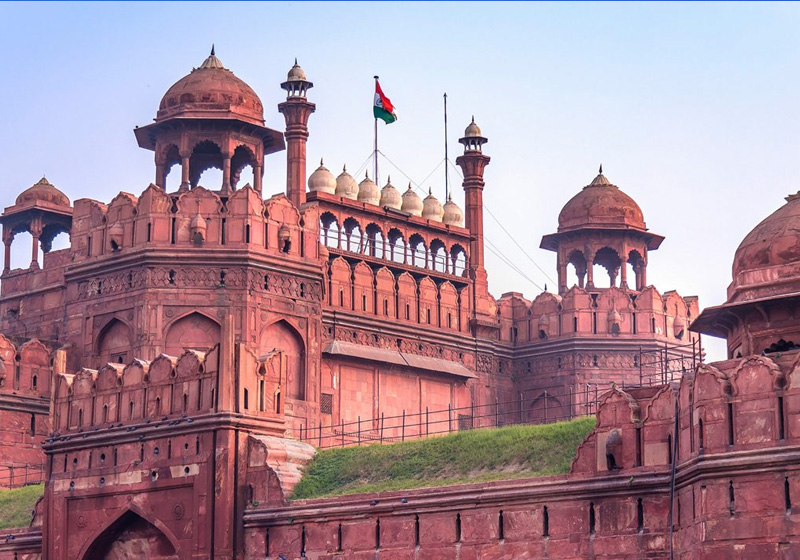
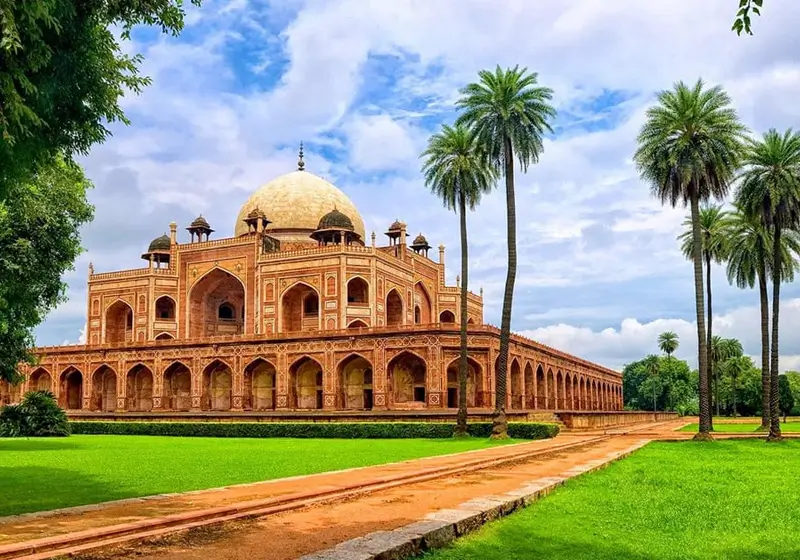
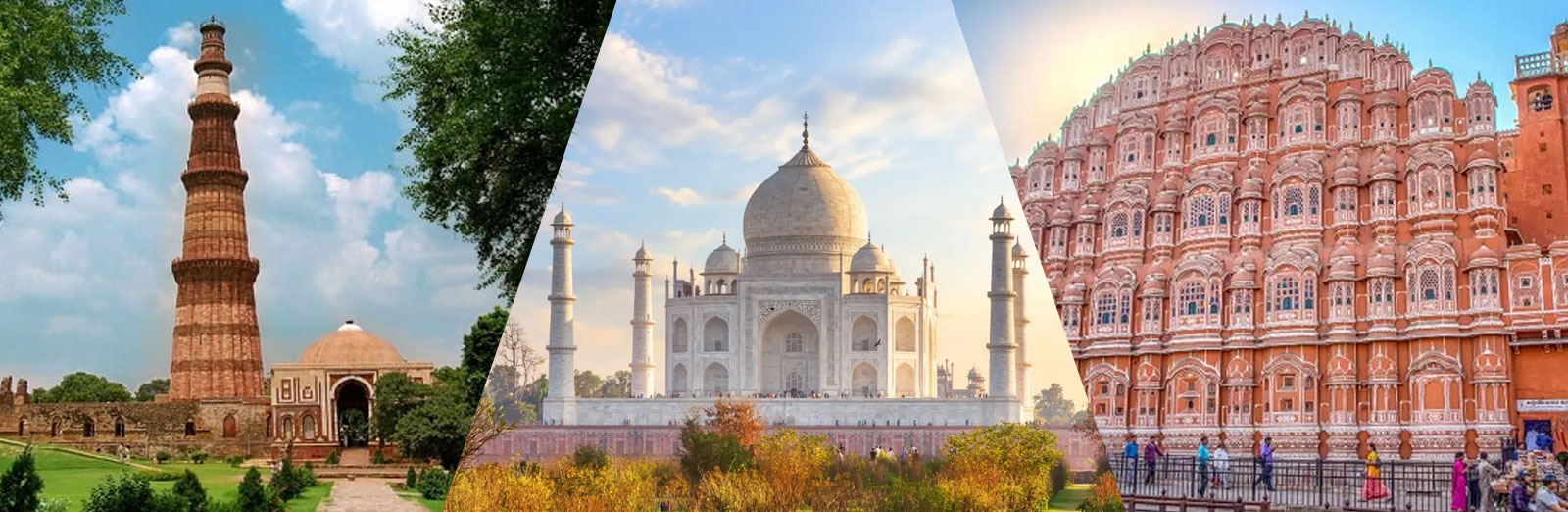
A full Delhi sightseeing day can then combine selected parts of Old and New Delhi. Jama Masjid and Chandni Chowk provide a historic old-city setting, while Humayun's Tomb, Qutub Minar, India Gate and the capital's broader avenues show a different side of the city.
A private guide can adjust the schedule according to the travellers. Families may prefer fewer monuments and a longer lunch, while travellers with a strong interest in history can spend more time at Qutub Minar or Humayun's Tomb.
Delhi to Agra usually requires approximately four hours by road under normal conditions, although actual time depends on traffic and pickup location. Travelling by private car allows stops to be made when necessary.
Agra deserves at least one night. Visitors arriving around midday can see Agra Fort in the afternoon and keep the Taj Mahal for the following morning.
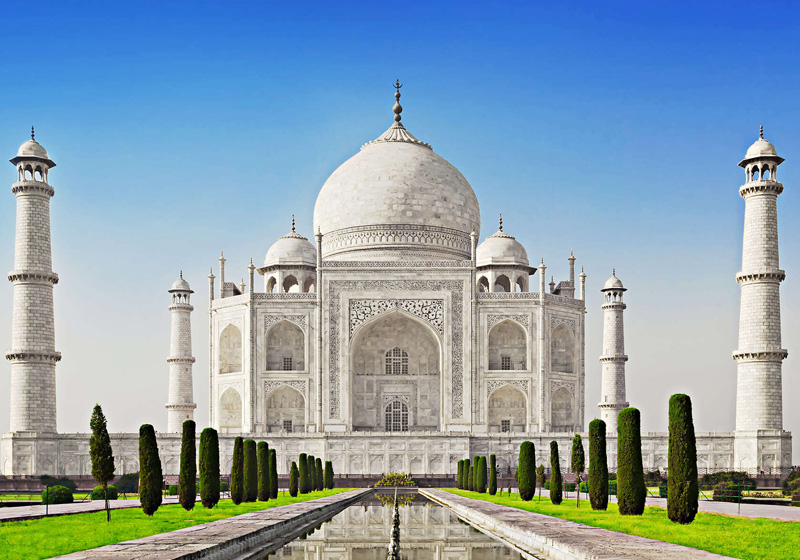
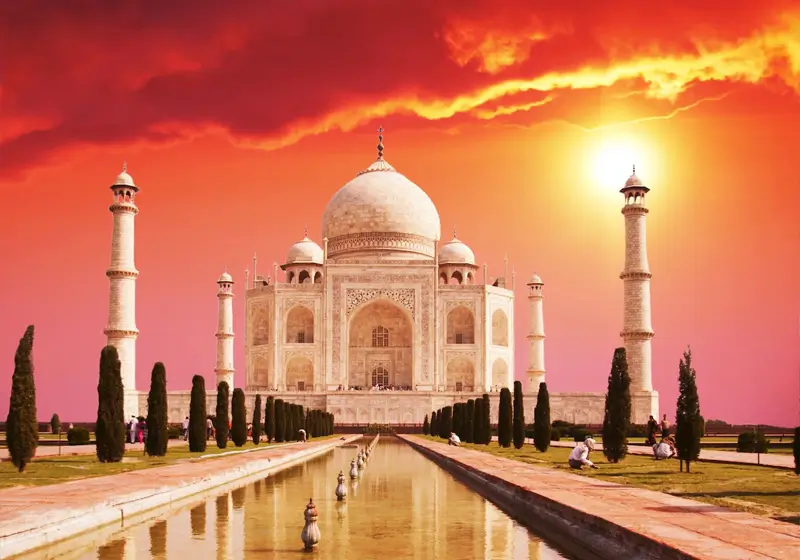
The Taj Mahal is usually the most anticipated part of an India private tour from South Africa. Sunrise visits are popular, but they are not essential. Couples who enjoy photography may prefer the early light, while families and senior travellers may be more comfortable with a later start.
The Taj Mahal is closed to general visitors on Fridays, so the route should be arranged around this restriction before hotels are confirmed.
After the Taj Mahal, travellers can continue towards Jaipur. Fatehpur Sikri can be visited along the road, although this makes the transfer day longer. Those who prefer a lighter schedule can travel directly to Jaipur.
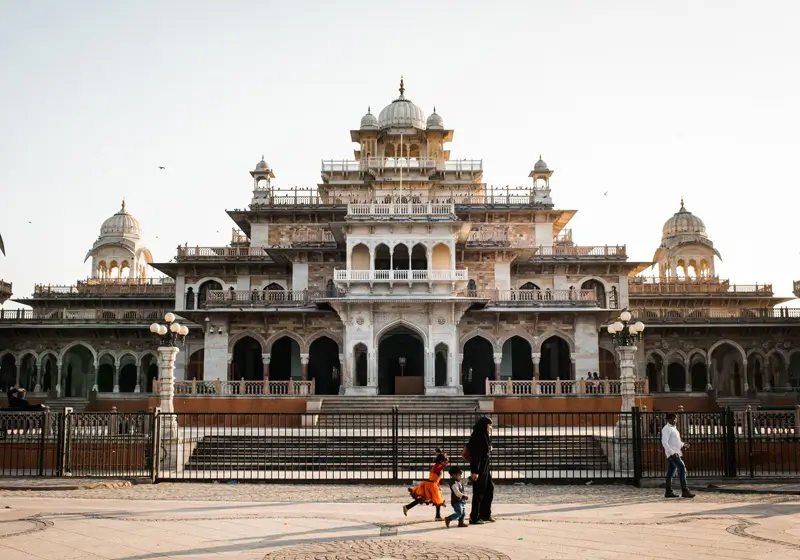
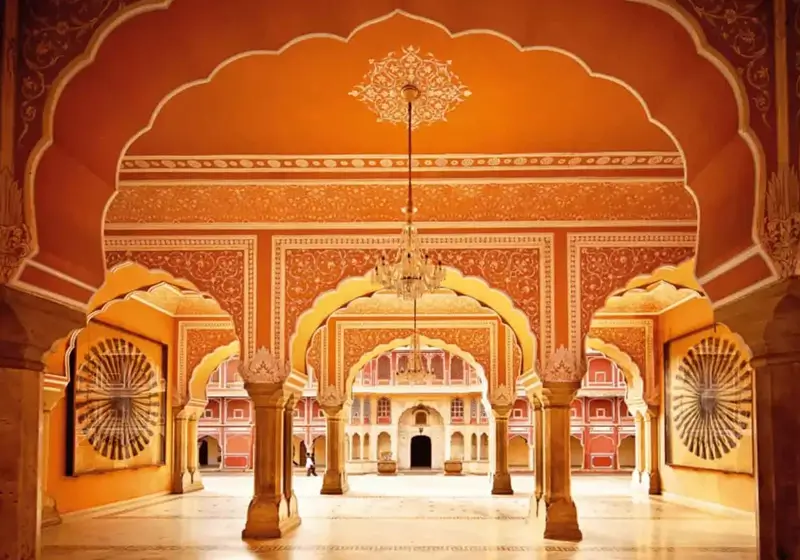
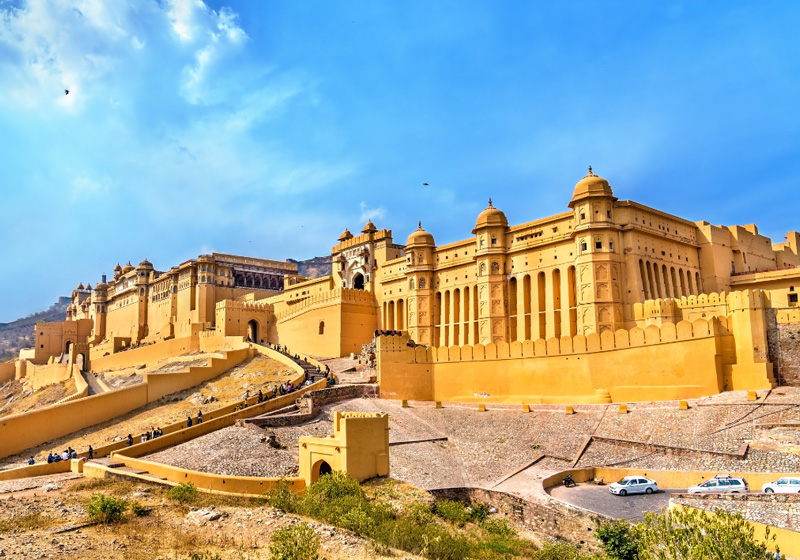
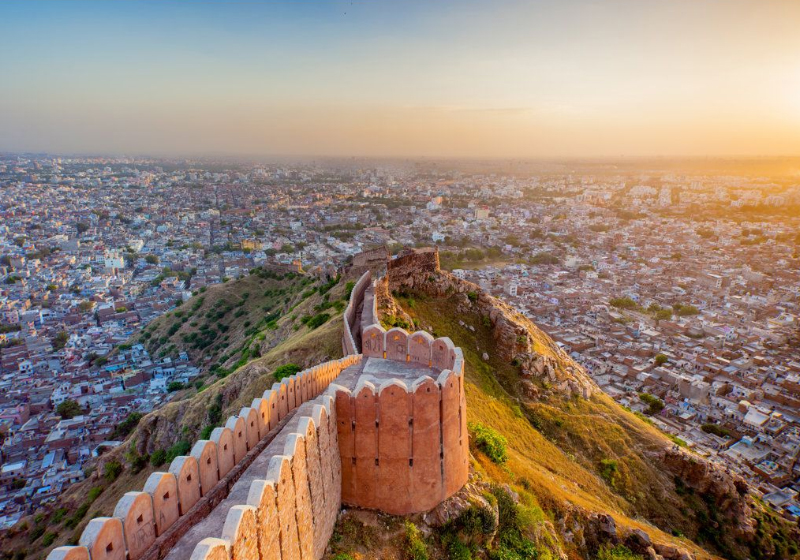
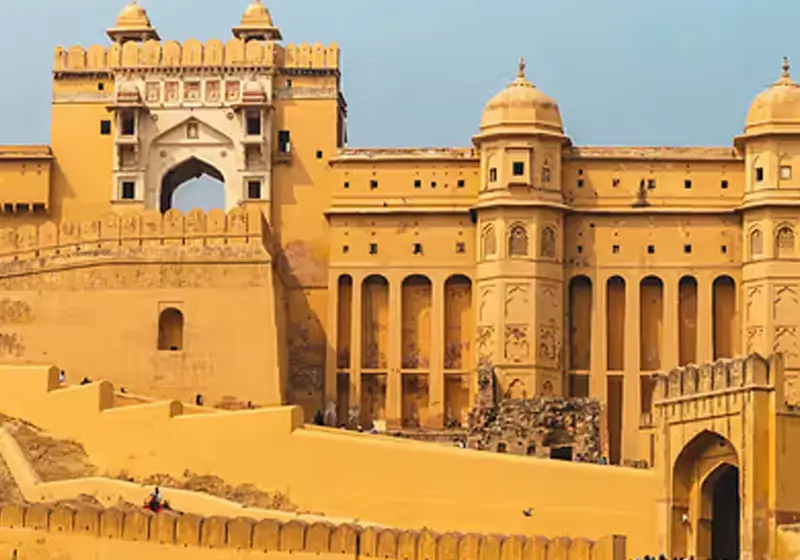
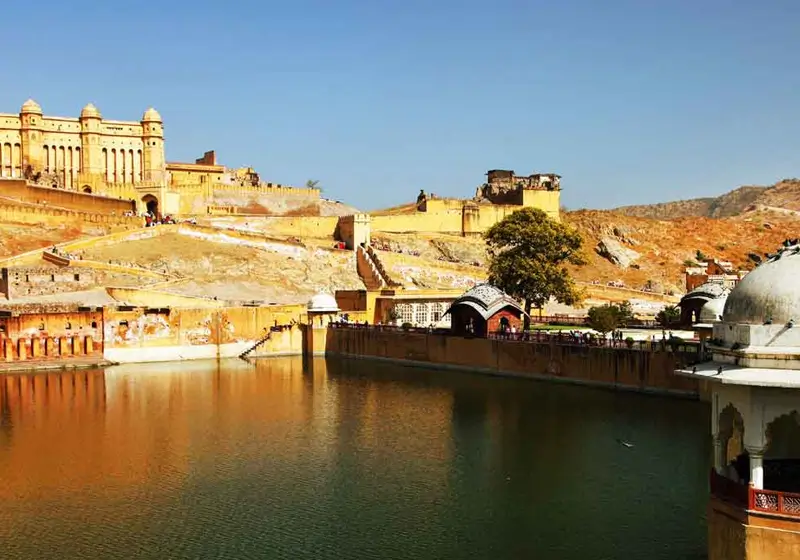
Jaipur should receive at least two nights. Amber Fort is a major visit and should not be squeezed between several other attractions. City Palace, Jantar Mantar and the Hawa Mahal area can form another sightseeing section.
Travellers interested in shopping may also want time for Jaipur's textiles, jewellery, carpets and handicrafts. Shopping should remain optional and should not replace important sightseeing unless specifically requested.
For two adults sharing one room, a private six-to-seven-day Golden Triangle journey using quality four-star hotels can realistically cost around ZAR 30,000 to ZAR 45,000 for the couple, excluding international flights.
A five-star India holiday from South Africa covering Delhi, Agra and Jaipur can cost approximately ZAR 50,000 to ZAR 75,000 for two travellers.
Premium hotels, Taj-view rooms, luxury suites, palace-style accommodation and upgraded private services can push a Golden Triangle holiday to ZAR 85,000 to ZAR 130,000 or more for two people.
These amounts become meaningful only when the quotation identifies the actual hotels, room types, vehicle, guides and included entrance fees.
Ten days gives South African travellers enough time to add one important destination to Delhi, Agra and Jaipur without making the holiday excessively rushed.
Ranthambore, Udaipur and Varanasi are three strong choices, but each produces a very different journey.
A Golden Triangle with Ranthambore tour from South Africa suits travellers who want to add wildlife to a historic itinerary. Ranthambore is known for its tiger reserve, but safari visitors should approach the experience realistically. No responsible operator can guarantee a tiger sighting. The value lies in entering the reserve, seeing its landscape and having the possibility of encountering a range of wildlife.
Safari availability requires particular attention. Jeep and larger shared safari options operate subject to local regulations, zones, schedules and availability. Travellers should provide passport details accurately when required for reservations.
Ranthambore should normally receive at least two nights. A one-night stop often leaves very little flexibility for safari scheduling.
Udaipur provides an entirely different extension.
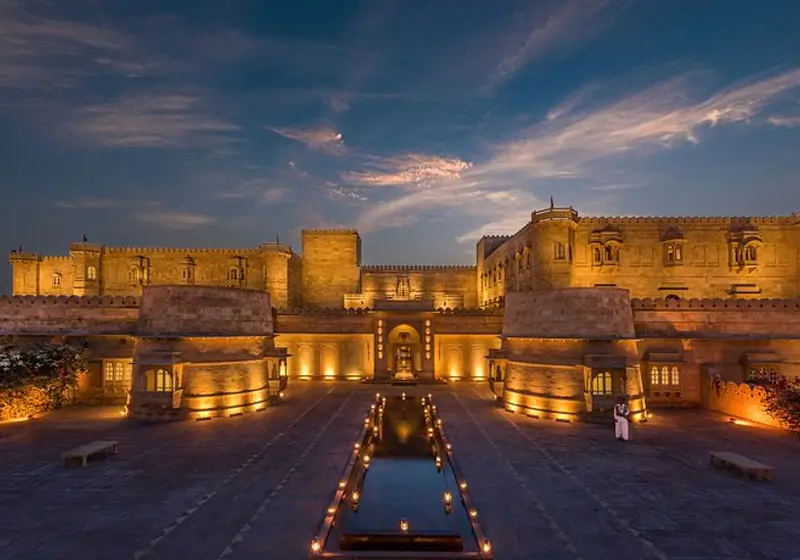
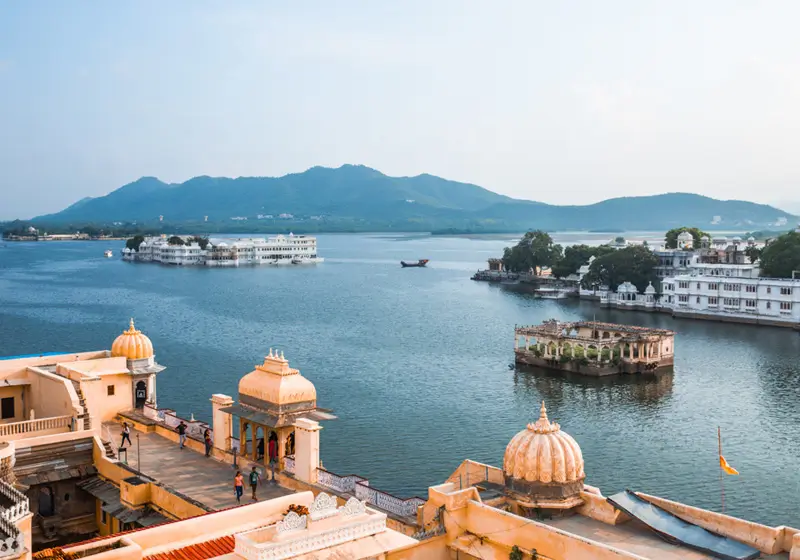
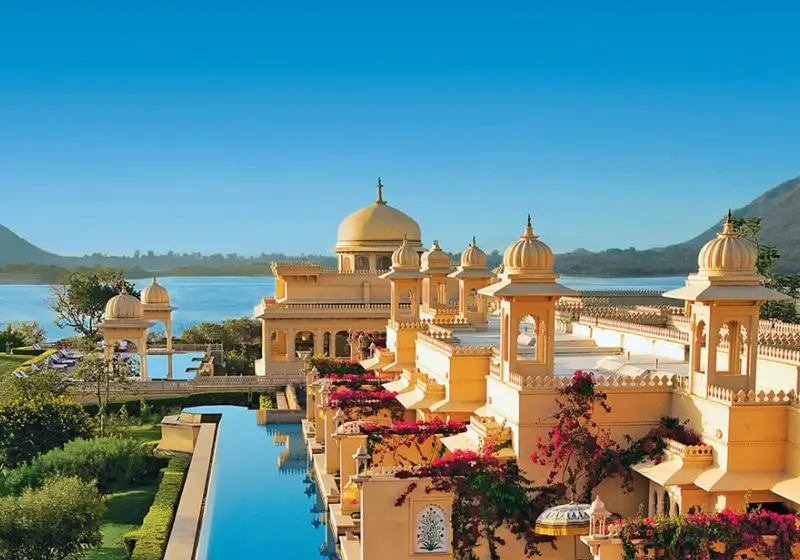
A Golden Triangle and Udaipur private tour is especially suitable for couples and luxury travellers. After Delhi, Agra and Jaipur, Udaipur adds lakes, palaces, heritage hotels and a calmer final section.
City Palace is the principal historic attraction, while Lake Pichola is central to the city's appeal. A boat ride can be included subject to operating conditions. Couples may also prefer to keep one evening free for a waterfront dinner or time at their hotel.
Hotel selection can dramatically affect the Udaipur budget. Premium lake-facing rooms and prestigious palace hotels can cost several times more than a standard room elsewhere in the city.
Varanasi is the strongest extension for travellers seeking a cultural and spiritual contrast.
A Golden Triangle and Varanasi tour from South Africa generally requires a domestic flight for part of the route. Varanasi deserves approximately two nights so travellers can experience both the evening riverfront atmosphere and an early-morning visit around the Ganges, subject to local conditions.
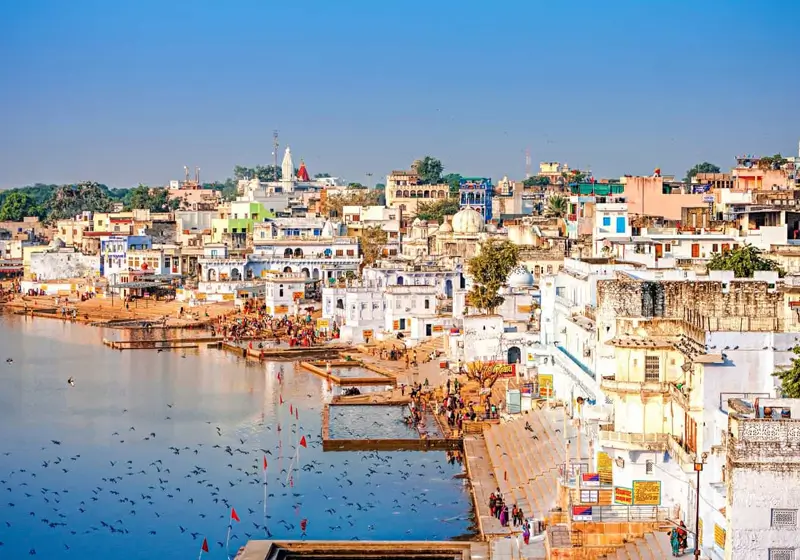
Varanasi is not similar to Jaipur or Udaipur. It can be crowded, intense and deeply traditional. A knowledgeable private guide is valuable, particularly within the old lanes where road vehicles have limited access.
A ten-day private tour for two people using quality four-star hotels can reasonably cost around ZAR 45,000 to ZAR 65,000 for the couple, depending on the selected extension.
A five-star version can range around ZAR 70,000 to ZAR 105,000 for two travellers.
Premium luxury can exceed ZAR 120,000, particularly when prestigious hotels, premium rooms, domestic flights and private high-value activities are included.
Discover India with a personalized private tour from South Africa, exploring the Golden Triangle, Rajasthan and iconic destinations with comfortable travel arrangements.
Travellers who can spend two weeks in India can move beyond the standard Golden Triangle and experience Rajasthan in greater depth.
A strong 14 day India tour from South Africa can combine Delhi, Agra, Jaipur, Jodhpur and Udaipur. The additional days should be used to create longer stays rather than filling the itinerary with a new hotel every night.
Delhi can receive two nights. Agra can follow for the Taj Mahal and Agra Fort before the route enters Rajasthan through Jaipur.
Jaipur deserves two or three nights on a longer holiday. This allows Amber Fort, City Palace, Jantar Mantar and the old-city area to be seen without rushing. A spare half-day can be used for shopping, a local meal, a craft-related activity or hotel downtime.
The road journey to Jodhpur is substantial, so travellers should not expect a major sightseeing programme immediately after arrival.
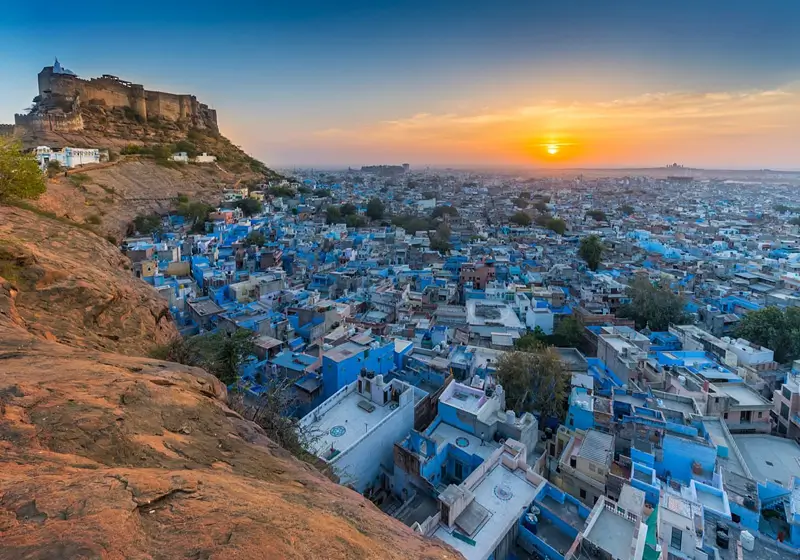
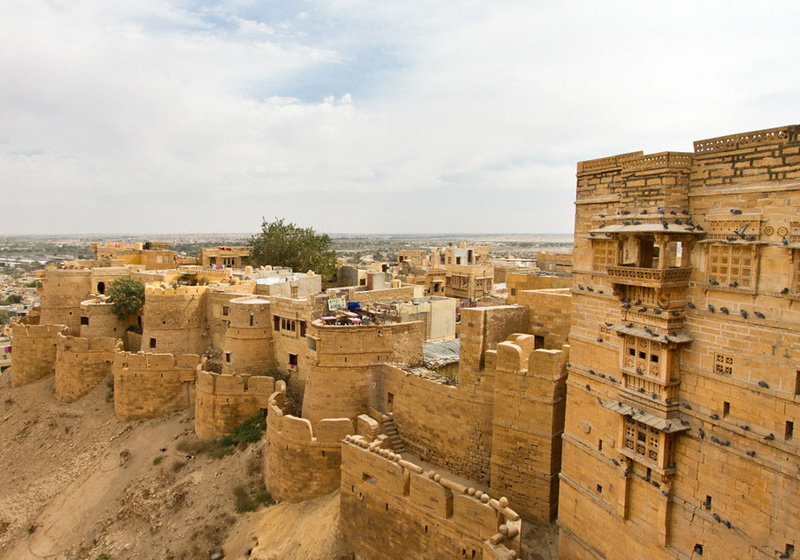
Mehrangarh Fort is the centrepiece of Jodhpur sightseeing. The fort rises above the city and contains courtyards, museum collections and extensive views. The old neighbourhoods below give Jodhpur its familiar blue-city character.
Two nights in Jodhpur allow the city to be enjoyed properly.
The journey from Jodhpur to Udaipur can include a suitable stop around Ranakpur depending on the chosen route and the travellers' interests. This turns a long transfer into a meaningful sightseeing day without requiring another hotel change.
Udaipur then provides an excellent final Rajasthan stop.
City Palace, Lake Pichola and the old city provide the sightseeing core, but travellers should also leave time for the property they have selected. This is particularly relevant for couples paying a premium for a lake-facing or heritage hotel.
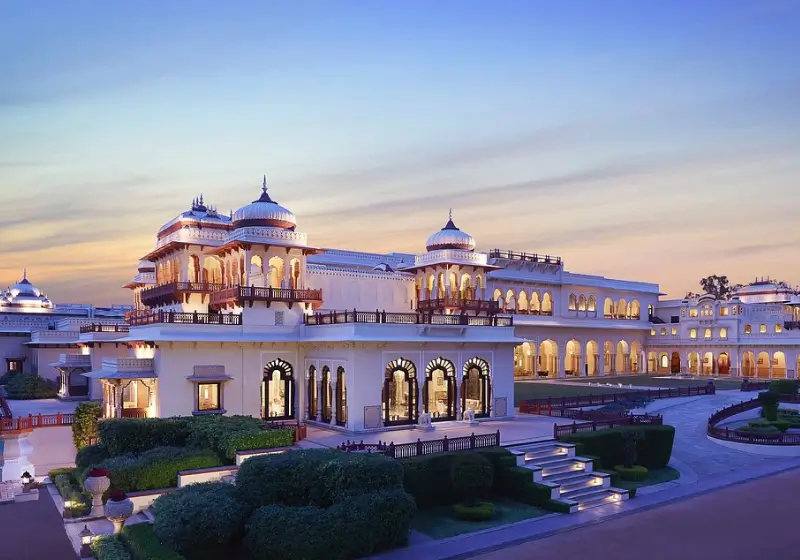
A private Rajasthan tour from South Africa can use modern luxury hotels, heritage properties or a combination of both. Heritage accommodation often creates a stronger sense of place, while modern hotels can provide more predictable facilities. There is no need to use only one style throughout the journey.
For two travellers, a quality four-star fourteen-day private itinerary can reasonably cost approximately ZAR 65,000 to ZAR 90,000, excluding South Africa-India international flights.
A five-star journey can move into approximately ZAR 100,000 to ZAR 150,000 for two.
Premium palace and heritage accommodation can take a two-week holiday beyond ZAR 160,000 to ZAR 220,000 for a couple, particularly when suites and special private services are selected.
A quotation at this level should provide precise hotel and room details. Terms such as "luxury accommodation" are not enough.
India can accommodate a wide range of budgets, but a fully private multi-city holiday should not be compared with backpacking costs or large-group coach rates.
For two travellers using quality four-star hotels, a private vehicle and selected local guides, a useful higher-side allowance is around ZAR 4,500 to ZAR 6,500 per day for the couple.
A genuine five-star private India tour package can require approximately ZAR 7,000 to ZAR 10,500 per day for two.
Premium luxury can exceed ZAR 12,000 to ZAR 18,000 per day for a couple, particularly when the itinerary uses prestigious palace hotels, premium suites or high-end resorts.
International airfare from South Africa should normally be considered separately unless the package explicitly includes it.
Domestic flights also need to be checked carefully. A Golden Triangle road itinerary may require no domestic flight, whereas Varanasi or another distant extension can add airfare, baggage restrictions and extra airport transfers.
Hotel category is usually one of the biggest cost variables.
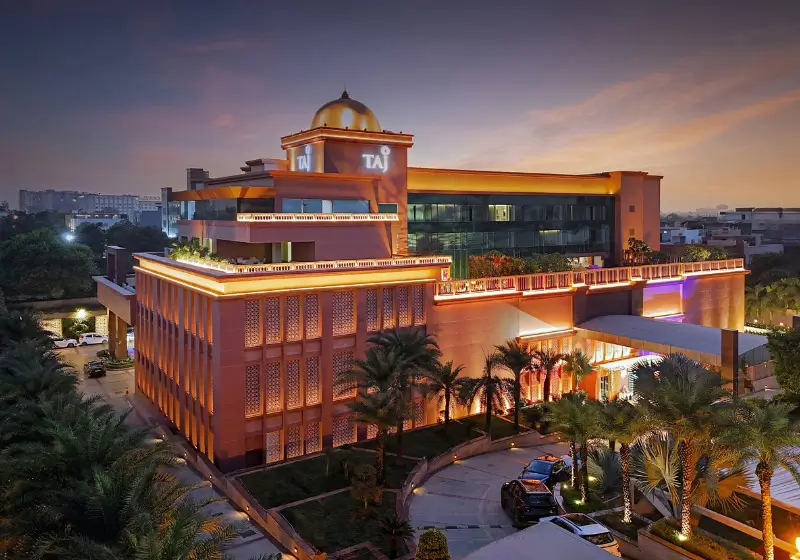
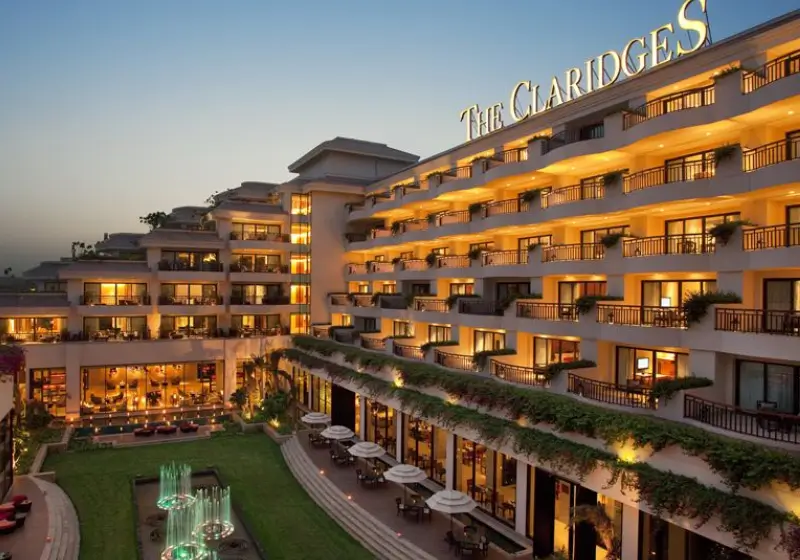
A four-star hotel may provide excellent comfort for travellers who expect to spend most of the day sightseeing. Five-star hotels add facilities, service and often better locations. Iconic palace and heritage properties can turn accommodation itself into one of the main experiences of the holiday.
Room category creates another price difference. A Taj-facing room in Agra or lake-facing room in Udaipur may cost considerably more than the property's standard room.
Meals also affect the quotation. Breakfast is commonly included. Lunches and dinners can remain independent, allowing travellers to select restaurants according to appetite and preferences.
Some South African travellers may prefer half-board, particularly when staying at remote resorts or heritage properties where outside dining requires additional transport.
Entrance fees should be clearly stated. Foreign visitor admission to major monuments can add a meaningful amount across a long itinerary.
The most useful India tour price from South Africa is therefore a detailed quotation rather than a low starting figure.
A private multi-city holiday relies heavily on the quality of ground arrangements.
The vehicle should suit the number of travellers and their luggage. A couple may be comfortable in a quality sedan or MPV, while families and small groups require more space.
South African travellers taking a two-week Rajasthan trip should pay particular attention to road comfort because several transfers can last many hours.
The transport quotation should state whether fuel, tolls, parking, applicable interstate charges and driver expenses are included.
A private driver in India for tourists handles road transport but should not automatically be treated as the professional sightseeing guide. Local guides are valuable at major historic sites in Delhi, Agra, Jaipur, Jodhpur and other destinations.
A good guide provides historical context while also regulating the pace of the visit. Families may need shorter explanations and more breaks. Senior travellers may require slower walking. Photography enthusiasts may want more time at particular viewpoints.
Hotels should be selected according to the traveller rather than merely according to star rating.
Families should confirm whether the package provides interconnecting rooms, family rooms, extra beds or two separate rooms.
Senior travellers may want lifts, easy vehicle access and rooms closer to restaurants or reception.
Couples may place greater value on views, heritage atmosphere and privacy.
These requirements should be addressed before confirmation rather than after arrival.
Explore Delhi, Agra, Jaipur and Rajasthan with a tailor-made India tour, private transportation and flexible itineraries designed around your travel preferences.
Food is a major part of travelling through India, and private itineraries give guests greater freedom over where they eat.
Breakfast is commonly served at the hotel. Lunch can be arranged near the sightseeing route, while dinner may be at the hotel or a selected restaurant.
Travellers should communicate dietary requirements in advance. Vegetarian food is widely available throughout India, but specific allergies or religious dietary requirements should always be stated clearly.
South African Muslim travellers requiring halal food should request suitable arrangements. Delhi and Agra have numerous Muslim communities and dining options, but travellers should not assume every restaurant serving meat follows the same sourcing or certification practices.
Daily personal expenditure varies considerably.
Travellers eating at good restaurants, purchasing drinks and leaving reasonable gratuities should keep a separate daily allowance outside the package. Shopping can create a much larger variable, particularly in Jaipur and Rajasthan where jewellery, carpets, textiles and handicrafts are widely available.
Travellers should purchase expensive items only when comfortable with the seller, documentation, quality and final price. A private tour should never depend on compulsory shopping stops.
The best route depends on duration and personal interests.
For approximately one week, Delhi, Agra and Jaipur are difficult to beat. The Golden Triangle India tour delivers the Taj Mahal, Mughal monuments and Rajasthan within a practical road circuit.
For ten days, travellers can add one substantial experience. Ranthambore is appropriate for wildlife, Udaipur for heritage and luxury, and Varanasi for cultural and spiritual depth.
For fourteen days, Rajasthan becomes particularly attractive. Delhi, Agra, Jaipur, Jodhpur and Udaipur provide a varied journey without the need to fly between every destination.
Travellers should avoid judging an itinerary by destination count. A fourteen-day holiday containing nine cities may sound impressive but can mean repeated packing, long road transfers and very little time to enjoy the hotels or destinations.
A private holiday becomes more valuable when there is enough flexibility to stop for lunch, return to the hotel early or spend an additional hour somewhere that genuinely interests the travellers.
For South African visitors making a long international journey to India, quality of time usually matters more than the number of cities printed on the booking voucher.
Seven days works well for Delhi, Agra and Jaipur. Ten days allows one major extension such as Ranthambore, Udaipur or Varanasi. Around fourteen days is preferable for a broader Rajasthan journey.
For two travellers, good four-star private arrangements can broadly require ZAR 4,500–ZAR 6,500 per day for the couple. Five-star trips may cost around ZAR 7,000–ZAR 10,500 per day, while premium luxury can cost considerably more.
Yes. Delhi, Agra and Jaipur provide a strong introduction to northern India and can be connected primarily by private road transport without requiring multiple domestic flights.
Yes. A ten-day itinerary provides a comfortable amount of time for the Golden Triangle and a Ranthambore extension. Safari availability should be checked in advance, and tiger sightings cannot be guaranteed.
Yes, particularly for couples and luxury travellers. Udaipur offers palaces, Lake Pichola, heritage hotels and a slower atmosphere after the busier Golden Triangle cities.
Yes. Varanasi can be added with a suitable domestic transport connection and should generally receive around two nights rather than being treated as a rushed day trip.
Many private India tours from South Africa include an air-conditioned vehicle and dedicated driver for road sectors. The quotation should specify fuel, tolls, parking and driver expenses.
Yes. Jaipur, Jodhpur and Udaipur have modern five-star hotels as well as luxury heritage and palace properties. Rates vary greatly according to property, season and room category.
Not necessarily. Many private packages begin after arrival in India, allowing travellers to select their preferred international flights independently. Any included airfare should be clearly identified in the quotation.
A detailed quotation should identify hotels, room categories, meals, private transport, airport transfers, guides, domestic flights where required, entrance tickets if included, applicable taxes and specifically booked activities. Comparing these details is more reliable than selecting an India tour package from South Africa solely because it has the lowest advertised starting price.
Fill in the details below. Our expert consultant will respond within 4 hours with a bespoke itinerary crafted just for you — completely free, no obligation.