Itinerary ideas, cultural insights, luxury tips and practical planning guides for every India traveller.
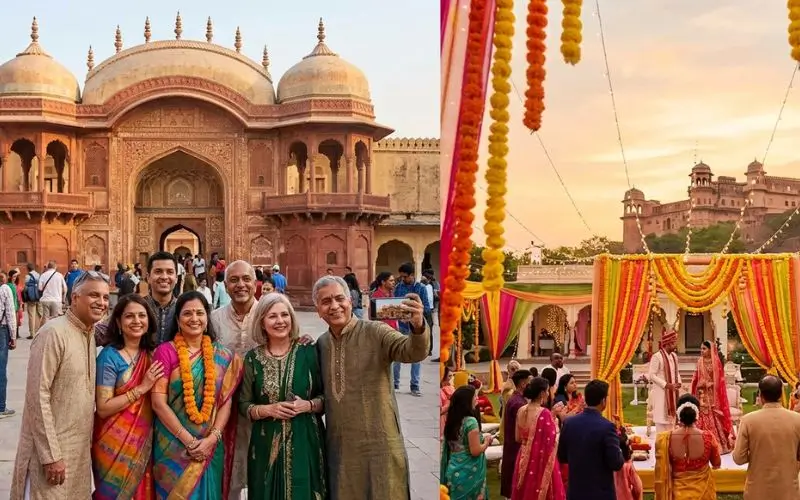
An Indian destination wedding is unlike almost any other celebration in the world. Multi-day festivities, vibrant colors, spectacular venues, traditional ceremonies, luxury hospitality, music, dance, and extraordinary cultural experiences create memories that guests often remember for years. For international travelers attending these celebrations, the wedding itself frequently becomes the centerpiece of a much larger journey. Rather than flying in solely for the event and returning home immediately afterward, many visitors are now extending their stay to explore the country through a carefully planned Golden Triangle Tour in India.
This trend has grown rapidly as destination weddings have become increasingly international. Couples frequently invite friends and family from North America, Europe, Australia, the Middle East, and other regions of the world. Since many guests are already traveling long distances, they naturally seek opportunities to experience more of India during their visit. The result has been a growing demand for Wedding Guest Tours in India that combine luxury travel with attendance at wedding celebrations.
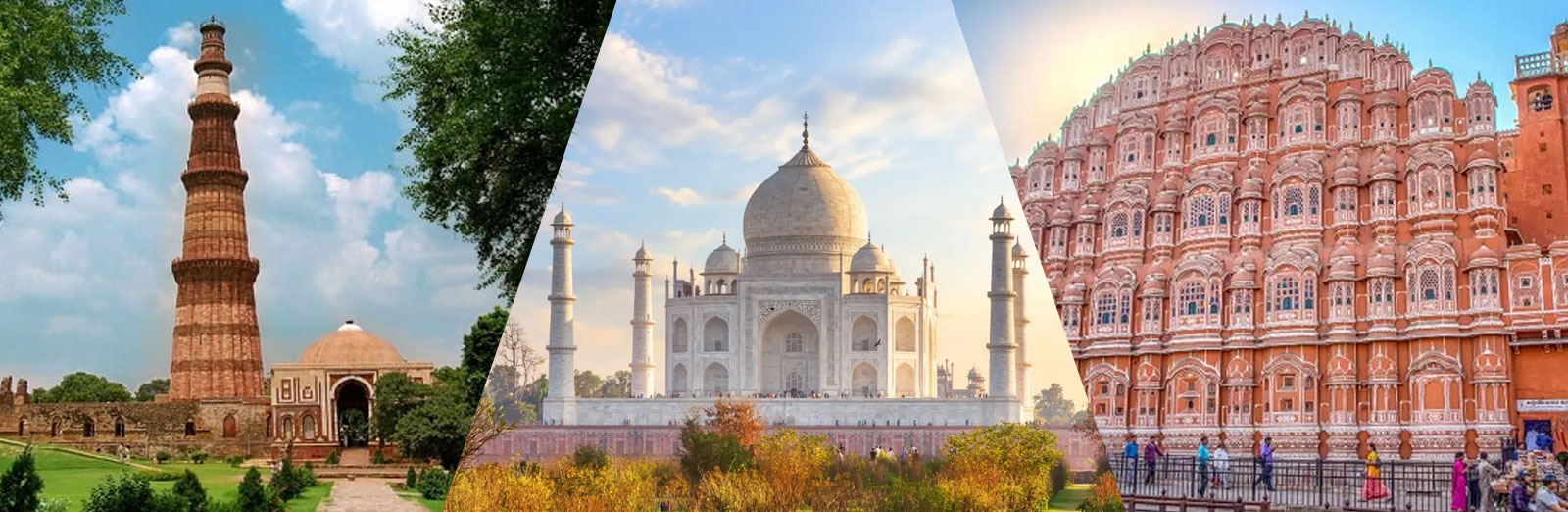
The Golden Triangle remains the most popular extension because it introduces travelers to three of India's most iconic destinations: Delhi, Agra, and Jaipur. Together, these cities provide an ideal overview of India's history, architecture, culture, cuisine, and hospitality. Visitors experience Mughal heritage, royal Rajasthan, vibrant markets, UNESCO World Heritage Sites, luxury hotels, and some of the country's most famous landmarks within a relatively short timeframe.
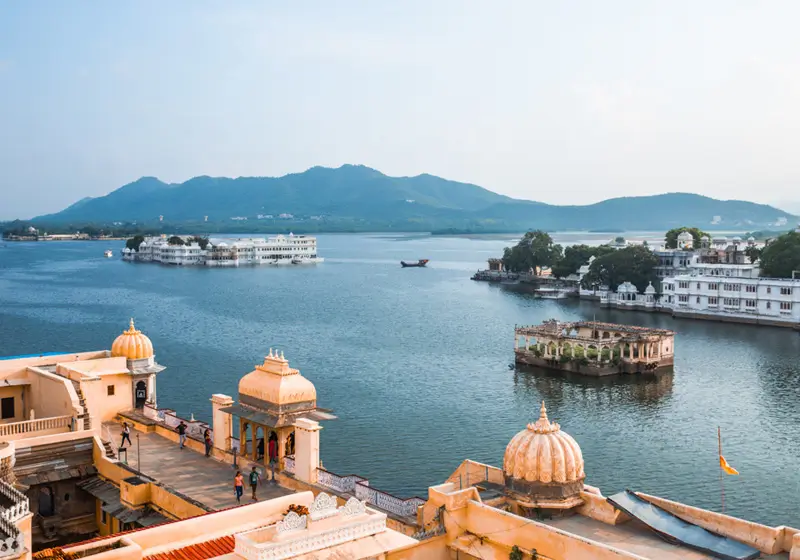
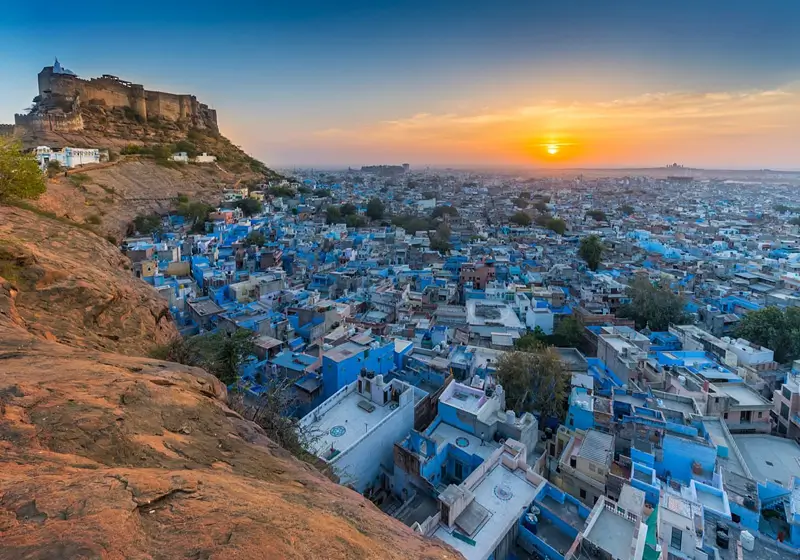
One reason this combination works so well is convenience. Many destination weddings take place in or near Rajasthan, Delhi, Agra, Udaipur, Jaipur, Jodhpur, or luxury palace hotels. These locations integrate naturally with Golden Triangle itineraries, allowing guests to travel efficiently without unnecessary logistical complexity.
Another important factor is cultural context. Wedding guests often arrive with limited knowledge of Indian traditions. Exploring the Golden Triangle before the wedding helps visitors better understand the history, customs, architecture, and cultural influences that shape the celebration. Conversely, traveling after the wedding allows guests to continue their cultural immersion while reflecting on the experience.
Luxury travelers particularly appreciate this approach because it transforms a wedding invitation into a comprehensive travel opportunity. Instead of viewing the wedding as a standalone event, they enjoy a balanced itinerary combining celebration, sightseeing, relaxation, cultural exploration, and premium hospitality.
The emotional value of extending the trip should not be underestimated. Weddings naturally bring people together, creating opportunities for shared experiences among family members and friends. Traveling before or after the celebration strengthens these connections further. Guests often form lasting memories not only of the wedding itself but also of the adventures surrounding it.
Travel advisors increasingly recommend adding a Golden Triangle Wedding Extension because it maximizes the value of long-haul travel. Guests who have already invested time and resources in reaching India can experience far more than a single event. The combination of wedding festivities and cultural exploration creates a richer and more rewarding journey.
For international visitors, attending an Indian wedding often becomes the catalyst for discovering a country they might not otherwise have explored. The Golden Triangle provides the perfect introduction, combining accessibility, comfort, and extraordinary attractions within a manageable itinerary. It transforms a wedding trip into a once-in-a-lifetime travel experience.
Many travelers choose to complete their Golden Triangle Tour Before an Indian Wedding, and there are several compelling reasons for this approach. Arriving in India a few days early allows guests to adjust gradually to the environment while enjoying some of the country's most celebrated destinations before the wedding schedule begins.
One of the biggest advantages is acclimatization. International flights can be long and tiring, particularly for travelers crossing multiple time zones. Spending several days exploring Delhi, Agra, and Jaipur before attending wedding events allows guests to recover from travel fatigue and arrive at the celebration feeling refreshed and energized.
The Golden Triangle also serves as an excellent introduction to Indian culture. Visitors encounter architecture, cuisine, customs, markets, and historical landmarks that provide valuable context for the wedding festivities ahead. By the time the celebration begins, guests often feel more comfortable and engaged because they have already developed familiarity with their surroundings.
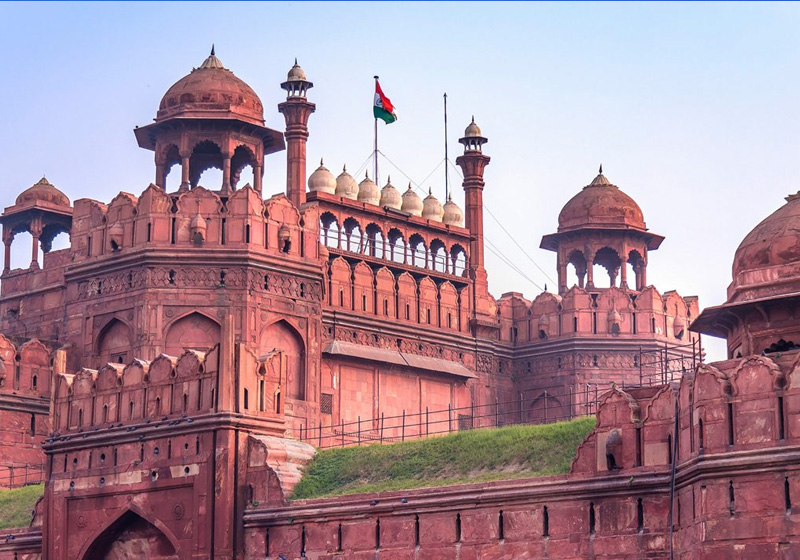
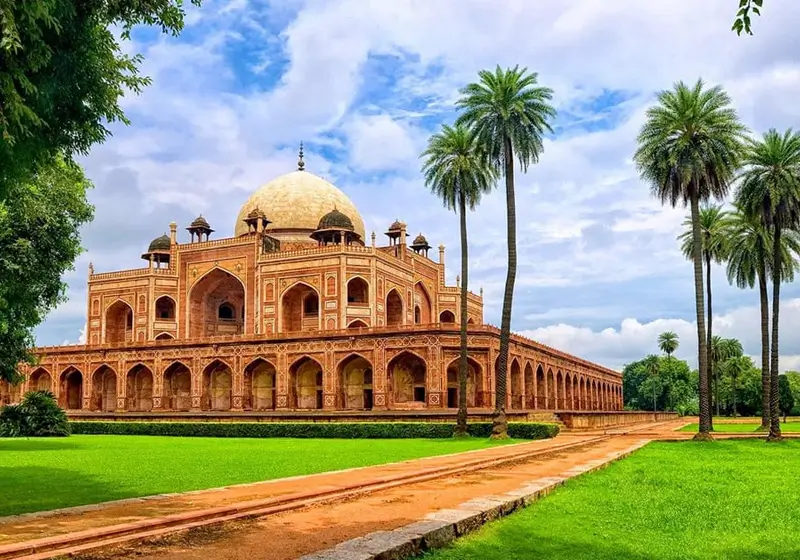
Delhi typically serves as the starting point. As India's capital city, it introduces visitors to a fascinating blend of old and new. Historic monuments, bustling markets, contemporary districts, and diverse culinary experiences provide a broad overview of Indian life. Exploring Delhi helps guests understand the complexity and diversity of the country before moving on to other destinations.
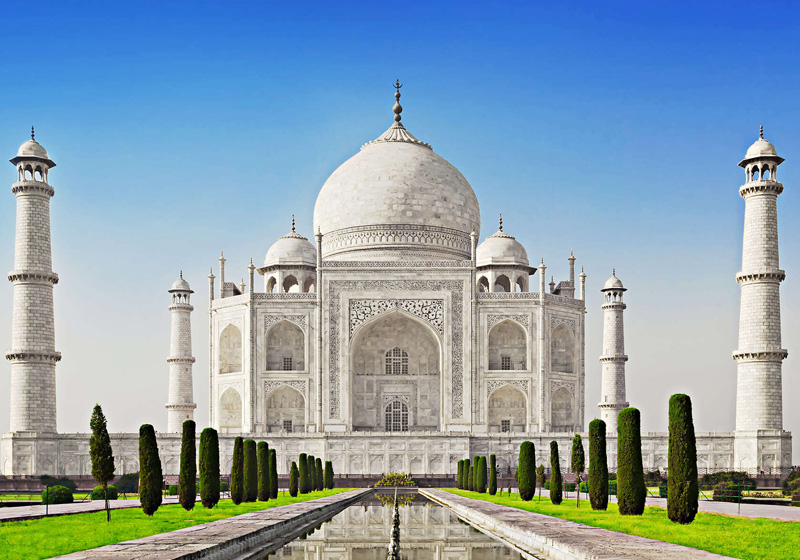
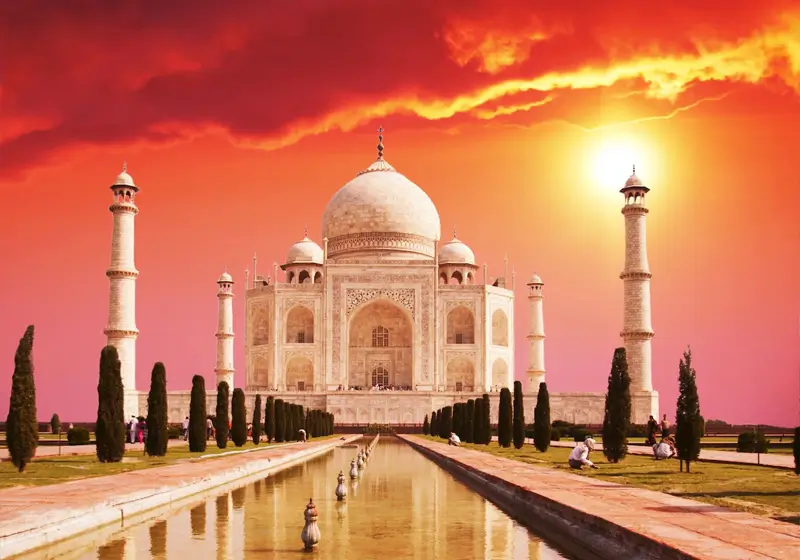
Agra offers one of the most iconic experiences in India through the Taj Mahal. Many travelers consider seeing the monument before a wedding particularly meaningful because it sets a romantic tone for the journey. The Taj Mahal's history as a symbol of love resonates naturally with wedding celebrations and creates memorable connections between travel experiences and personal events.
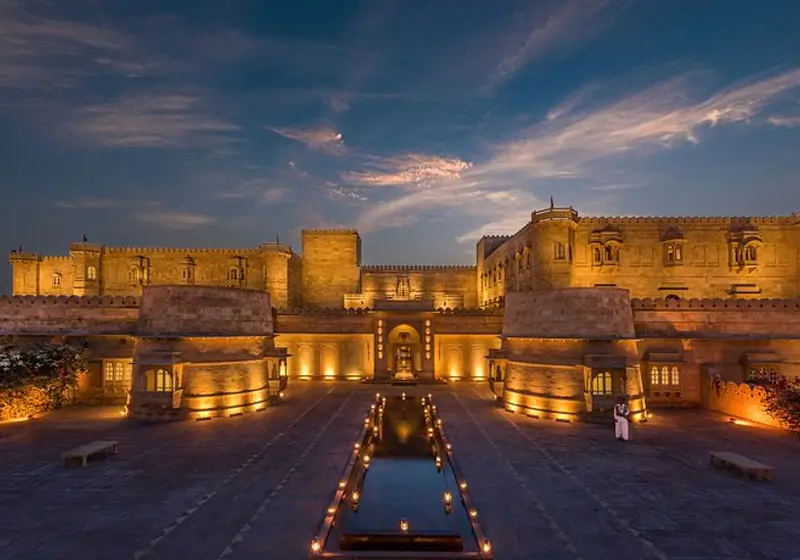
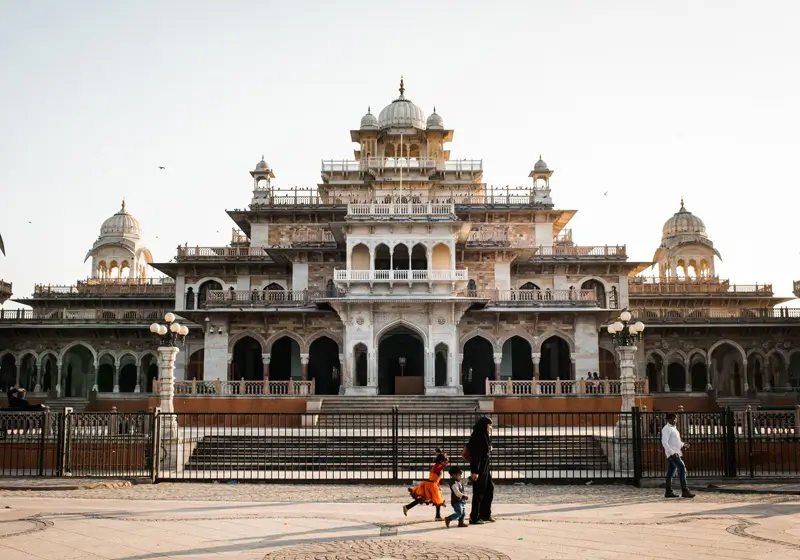
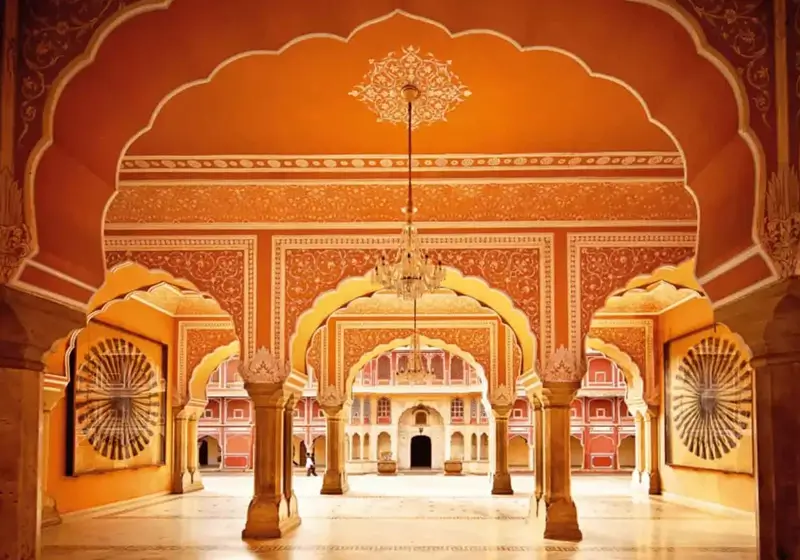
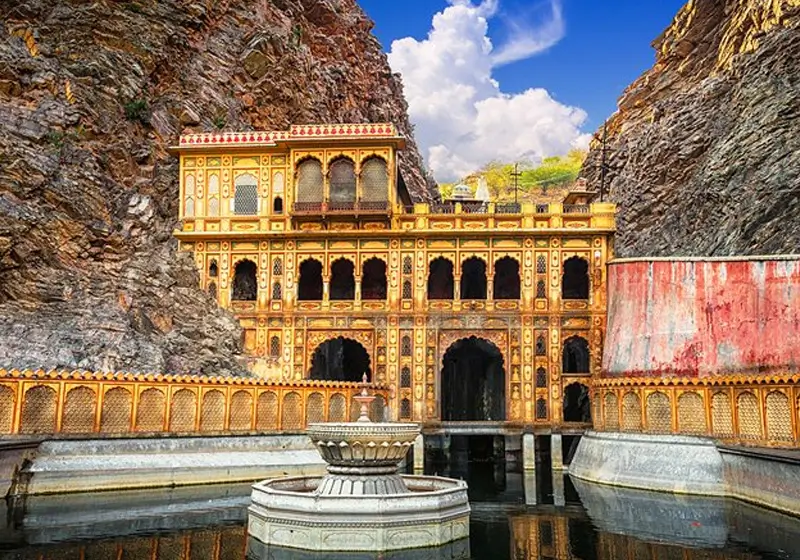
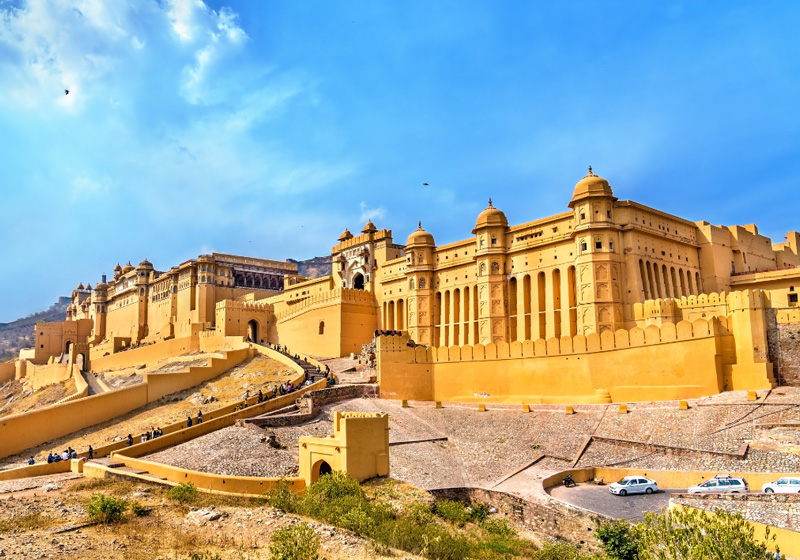
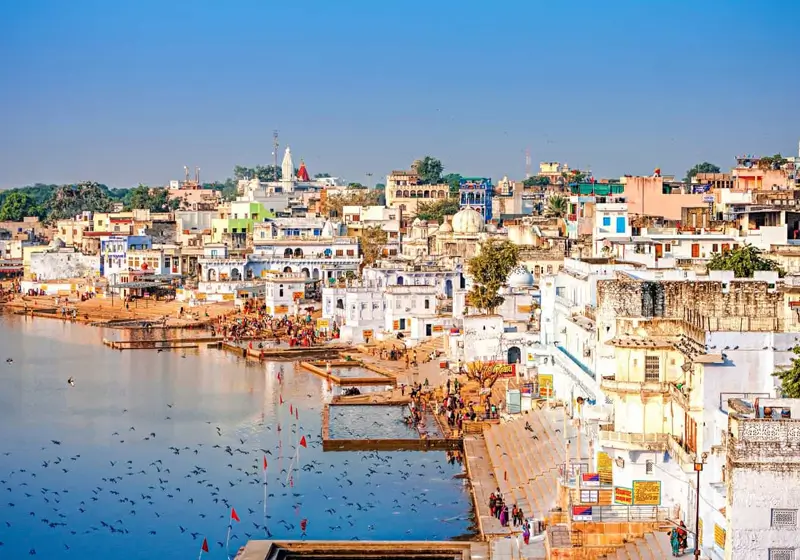
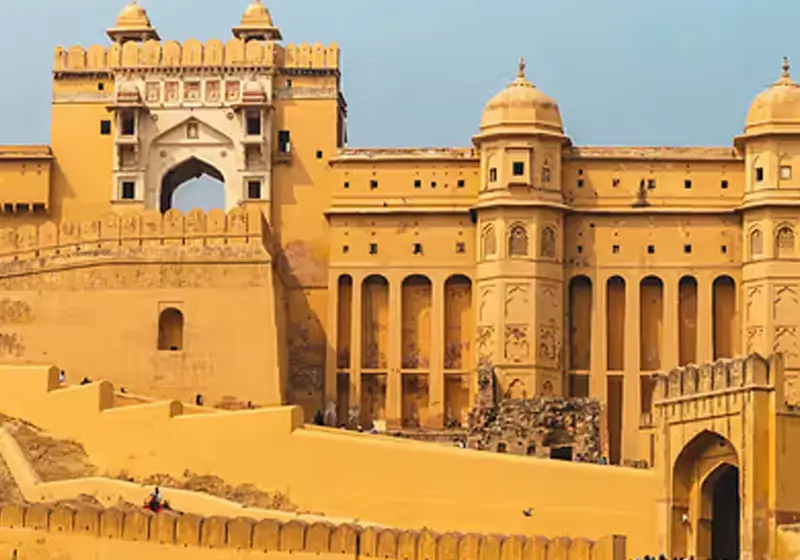
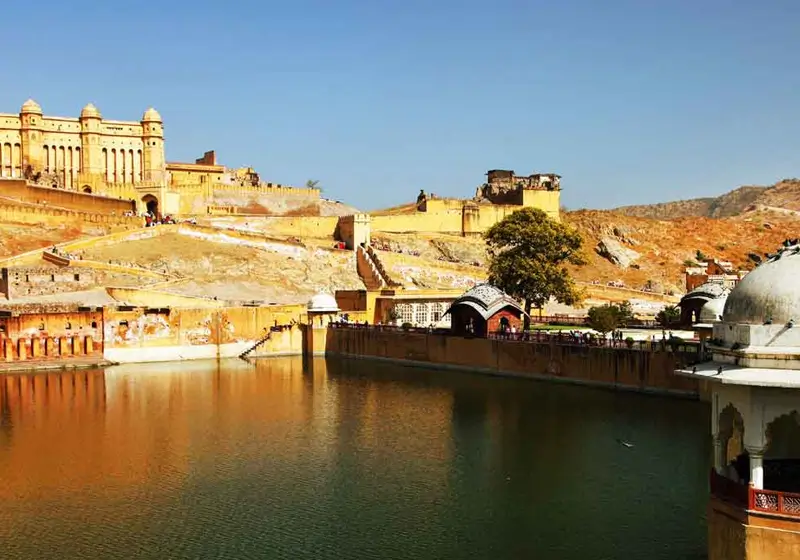
Jaipur adds another dimension through its royal heritage. Palaces, forts, colorful markets, artisan workshops, and luxury hotels introduce guests to Rajasthan's cultural richness. Since many destination weddings take place in heritage properties, experiencing Jaipur beforehand often enhances appreciation for wedding venues and traditions.
Traveling before the wedding also provides greater scheduling flexibility. Guests can explore at a relaxed pace without worrying about formal attire, event timings, or wedding commitments. They enjoy complete freedom to focus on sightseeing, photography, shopping, and cultural experiences.
Another benefit is the opportunity to arrive at the wedding already excited about India. Rather than spending the first few days adjusting to a new environment, guests begin the celebration with positive impressions and enthusiasm generated by their travel experiences. This mindset often contributes to greater enjoyment of the wedding itself.
For photographers and content creators, completing the Golden Triangle first also ensures that they have opportunities to capture iconic landmarks without competing priorities. Once wedding festivities begin, attention naturally shifts toward ceremonies and celebrations.
Many luxury travelers find that the pre-wedding approach creates a smoother overall journey. Sightseeing remains the primary focus initially, followed by relaxation and celebration during the wedding. This progression feels natural and balanced while maximizing enjoyment of both experiences.
An Indian wedding is only the beginning. Before you fly home, discover India's most iconic destinations through a personalized itinerary designed around your wedding schedule, comfort, and travel style.
Although traveling before the wedding offers numerous advantages, an equally strong case exists for completing the Golden Triangle Tour After an Indian Wedding. In fact, many guests prefer this approach because it allows them to transition gradually from the excitement of wedding celebrations into a more relaxed travel experience.
Indian weddings are renowned for their energy. Multiple ceremonies, social gatherings, entertainment programs, and celebrations often fill several consecutive days. While these events are enjoyable, they can also be intense. Extending the trip afterward provides opportunities to unwind while continuing to explore the country.
One of the greatest benefits is flexibility. Wedding schedules occasionally change due to logistical considerations, weather conditions, or cultural traditions. Planning sightseeing after the event eliminates concerns about potential conflicts and allows guests to focus fully on the celebration while it is taking place.
Traveling after the wedding also enables visitors to apply what they have learned during the festivities. Guests often gain greater understanding of Indian culture, family traditions, cuisine, and hospitality through direct participation in wedding events. Exploring the Golden Triangle afterward allows them to interpret attractions and cultural experiences through this richer perspective.
Many travelers appreciate the emotional rhythm created by this sequence. The wedding serves as the highlight of the trip, followed by a period of reflection and exploration. Visiting historic landmarks, heritage sites, and cultural attractions after the celebration often feels more meaningful because guests are already immersed in the cultural context.
Luxury travelers frequently enjoy ending their journey with several days of sightseeing and relaxation. After the social intensity of wedding events, private guided tours, spa experiences, heritage hotels, and leisurely exploration provide welcome balance. The combination creates a travel experience that feels complete rather than rushed.
Photography opportunities also remain excellent. Guests often arrive at the Golden Triangle destinations carrying memories of colorful ceremonies, elegant venues, and cultural traditions. These experiences influence how they view and photograph India's landscapes, architecture, and daily life.
Another advantage involves social connections. Wedding guests frequently develop friendships with other attendees during the celebration. Some choose to continue traveling together afterward, creating group experiences that extend beyond the wedding itself. Shared exploration strengthens relationships and generates additional memories.
For travelers interested in shopping, post-wedding itineraries provide opportunities to purchase souvenirs, textiles, jewelry, and handicrafts without worrying about transporting items during wedding events. Jaipur's artisan markets and Delhi's shopping districts become particularly attractive during this phase of the journey.
Ultimately, the decision depends on personal preferences. Both approaches work exceptionally well. The important point is that extending the trip allows guests to experience far more of India than they would by attending the wedding alone.
You're already traveling to India for an unforgettable celebration—why stop there? Extend your trip with a private Golden Triangle journey filled with royal palaces, the Taj Mahal, vibrant bazaars
Designing a successful Luxury Wedding Guest Tour India requires thoughtful planning. The goal is to balance wedding commitments with cultural exploration while ensuring comfort, convenience, and flexibility throughout the journey.
Most itineraries begin in Delhi because of its international flight connections. Travelers typically spend one or two nights exploring key attractions before continuing to Agra and Jaipur. This route minimizes travel time while maximizing access to major highlights.
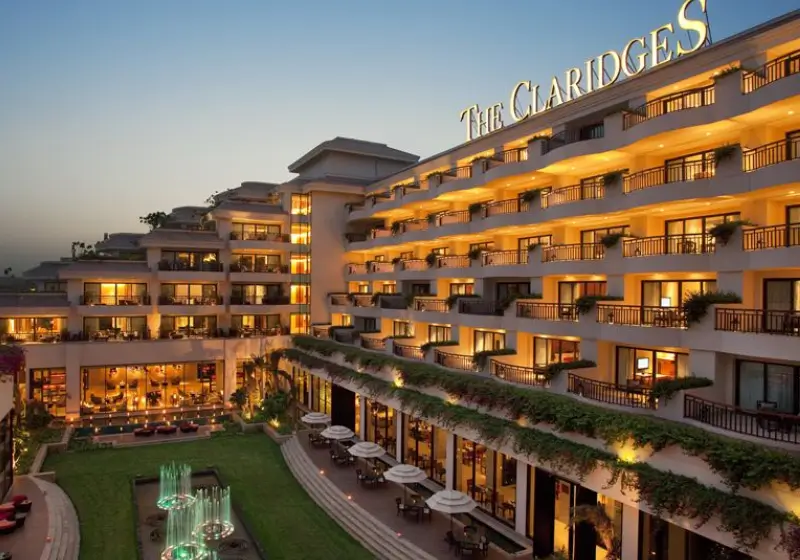
Luxury accommodations play an important role in the experience. Heritage hotels, palace properties, and premium resorts complement both the Golden Triangle and destination wedding environments. Guests enjoy consistent standards of comfort while experiencing different aspects of India's hospitality traditions.
Private transportation is generally recommended because it provides flexibility and convenience. Professional drivers, air-conditioned vehicles, and personalized service allow travelers to focus on enjoyment rather than logistics. This approach is particularly valuable for wedding guests carrying formal attire and luggage.
Cultural experiences enrich the itinerary significantly. Cooking classes, artisan workshops, private dining events, village visits, hot air balloon rides, and wellness activities add variety while providing deeper engagement with local traditions. These experiences complement wedding festivities by showcasing different dimensions of Indian culture.
Travel advisors often recommend including free time as well. While structured activities are important, opportunities for relaxation, shopping, and independent exploration contribute to overall satisfaction. Over-scheduling can diminish enjoyment, particularly when combined with multi-day wedding events.
The ideal itinerary also considers group dynamics. Some guests prefer traveling independently, while others enjoy shared experiences with family members or friends. Flexible planning accommodates both preferences and allows travelers to customize their journeys according to personal interests.
Luxury wedding guest tours ultimately succeed because they combine celebration with exploration. Travelers experience not only a remarkable wedding but also the history, culture, hospitality, and beauty that make India such a compelling destination.
Few travel opportunities combine cultural immersion, celebration, and exploration as effectively as an Indian destination wedding. Guests are invited not only to attend an event but also to experience traditions, hospitality, and community in deeply personal ways.
Adding a Golden Triangle Tour before or after the wedding transforms the invitation into something even more meaningful. Travelers gain opportunities to explore iconic landmarks, engage with local culture, stay in extraordinary hotels, and create memories that extend far beyond the celebration itself.
Whether guests choose to travel before the wedding, afterward, or both, the combination consistently delivers exceptional results. The wedding provides emotional connection and cultural immersion, while the Golden Triangle offers historical context, architectural beauty, and broader understanding of India.
For international visitors, this approach maximizes the value of long-distance travel while creating balanced and memorable itineraries. Instead of a single event, they experience a complete journey encompassing heritage, hospitality, culture, and celebration.
An Indian wedding may be the reason travelers come to India, but the Golden Triangle often becomes the reason they leave with a deeper appreciation for the country itself.
A wedding guest tour combines attendance at a destination wedding with sightseeing and cultural travel experiences.
It includes Delhi, Agra, and Jaipur, offering iconic attractions and easy accessibility.
Both options work well. The choice depends on personal preferences and travel schedules.
Most travelers spend between five and eight days exploring the route.
Yes. Numerous luxury heritage hotels and premium resorts are available throughout the Golden Triangle.
Private transportation provides flexibility, comfort, and convenience for wedding guests.
Yes. The Taj Mahal is one of the most popular attractions included in Golden Triangle itineraries.
Delhi and Jaipur offer excellent shopping for textiles, jewelry, handicrafts, and souvenirs.
Absolutely. Many families extend their trips to include cultural and historical attractions.
Most international travelers consider it one of the best ways to maximize their experience in India.
Fill in the details below. Our expert consultant will respond within 4 hours with a bespoke itinerary crafted just for you — completely free, no obligation.