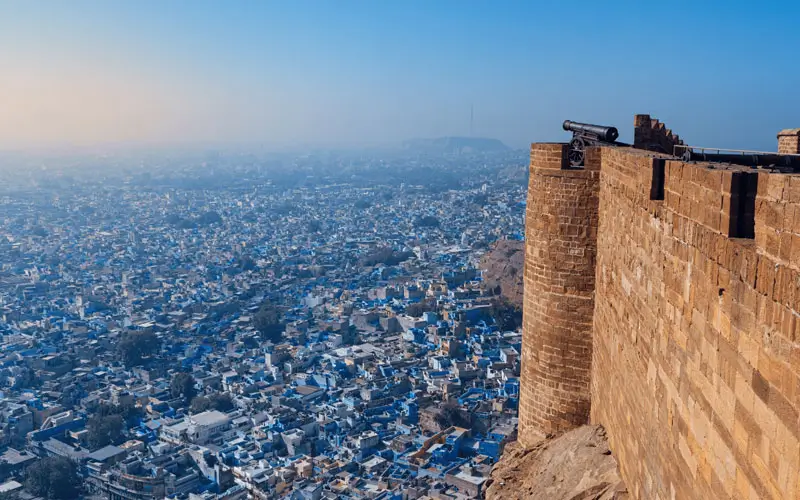
Jodhpur is one of Rajasthan’s most historically layered and visually distinctive cities. Often called the Blue City, Jodhpur derives its identity from the vast stretch of blue-painted houses clustered around its old city. These blue structures are not merely decorative; they represent a combination of cultural tradition, climatic adaptation, and social history that has evolved over centuries. A Jodhpur sightseeing tour is essentially a journey through these layers of time, architecture, and daily life.
The city was founded as a strategic capital on the edge of the Thar Desert, serving as a stronghold for the Marwar region. Its location made it both a defensive center and a trading hub. Over time, the city grew outward from its fort, developing neighborhoods, markets, and residential zones that retained strong community structures. The blue color, originally associated with specific communities, gradually became a unifying visual identity for the city.
Jodhpur’s atmosphere differs noticeably from other Rajasthani cities. It feels more rugged, more desert-oriented, and deeply rooted in martial history. This character becomes evident as soon as one enters the city and sees Mehrangarh Fort towering above everything else. The fort is not just a monument; it is the axis around which the city’s identity revolves. Sightseeing in Jodhpur therefore requires more than surface-level visits. It requires understanding how geography, climate, and royal history shaped the city’s structure and lifestyle.
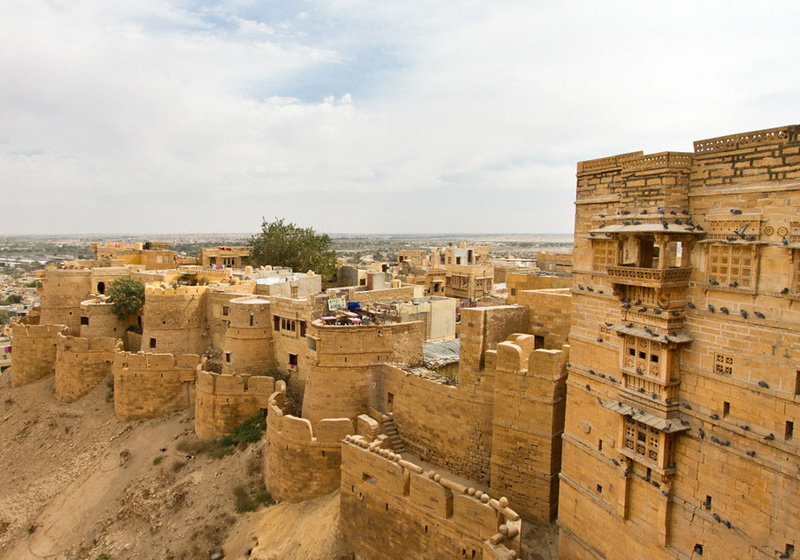
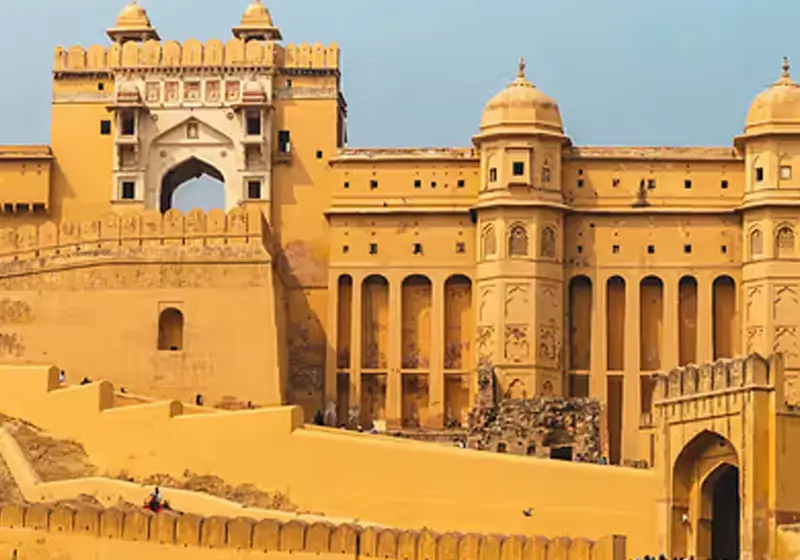
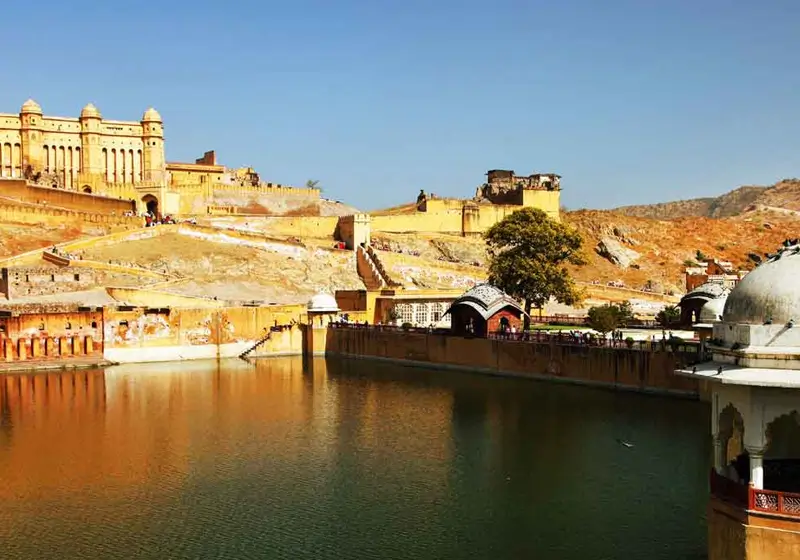
No Jodhpur sightseeing tour can be complete without dedicating significant time and attention to Mehrangarh Fort. Rising dramatically from a rocky hill, the fort dominates the skyline and acts as a constant reminder of Jodhpur’s royal legacy. Built to serve as an impregnable stronghold, Mehrangarh reflects the military foresight and architectural ambition of the Rathore rulers.
The approach to the fort itself is part of the experience. As visitors ascend towards its massive gates, the scale of the fort becomes increasingly apparent. Thick stone walls, sharp turns, and elevated viewpoints were deliberately designed to defend against invasions. Once inside, the fort reveals a different side of royal life through ornate palaces, courtyards, and galleries.
The interiors showcase exquisite craftsmanship, including intricate carvings, mirror work, and preserved artifacts that narrate stories of royal ceremonies, warfare, and governance. The fort’s museums provide context to Jodhpur’s political and cultural history, helping visitors understand how the rulers balanced power with patronage of art and culture.
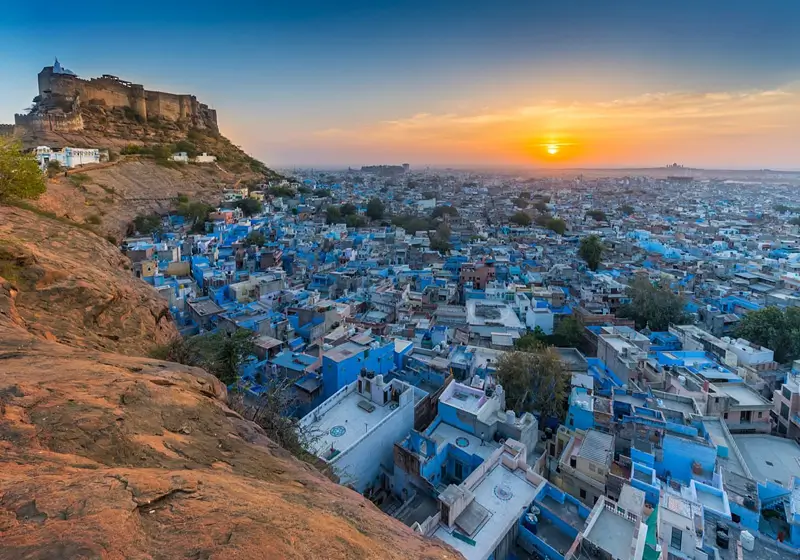
One of the most memorable aspects of Mehrangarh Fort is its panoramic view of the Blue City below. From this height, the dense cluster of blue houses stretches outward, offering a visual explanation of why Jodhpur earned its nickname. This perspective transforms sightseeing into a moment of reflection, connecting architectural grandeur with the everyday lives of the people below.
Descending from Mehrangarh Fort leads travelers directly into the heart of the Blue City. The old town of Jodhpur is a maze of narrow streets, traditional homes, local temples, and bustling bazaars. This area represents the living heritage of the city, where history continues to coexist with modern routines. A Jodhpur sightseeing tour through the old city offers insights that monuments alone cannot provide.
Walking through these streets reveals how closely knit the community is. Homes are built close together, often sharing walls and courtyards. The blue-painted exteriors serve both practical and symbolic purposes, reflecting sunlight and creating a sense of uniform identity. As sunlight shifts throughout the day, the shades of blue change, creating a dynamic visual experience.
Markets within the old city are central to daily life. Vendors sell spices, textiles, handicrafts, and everyday goods, while small eateries serve traditional snacks and meals. These markets are lively and sensory-rich, filled with sounds, colors, and aromas. For travelers, this environment provides an authentic cultural encounter that goes beyond sightseeing checklists.
Navigating the old city requires patience and awareness due to its narrow lanes and high foot traffic. However, these same characteristics contribute to its charm. Observing local interactions, traditional occupations, and everyday rituals adds depth to the sightseeing experience and helps visitors understand Jodhpur as a living city rather than a static heritage site.
Ready to experience Jodhpur’s rich culture, historic forts and vibrant markets? Contact us now to plan your perfect sightseeing tour with comfort and convenience!
While Mehrangarh Fort forms the core of Jodhpur’s identity, the city’s architectural landscape extends far beyond its walls. Umaid Bhawan Palace stands as a contrasting symbol of Jodhpur’s later royal period. Built during a time of transition, the palace combines traditional Rajput elements with modern influences, reflecting changing tastes and circumstances.
The palace complex includes expansive gardens, museum sections, and residential areas that showcase royal lifestyle in a different era. Its sheer scale and symmetry make it one of the most impressive structures in Rajasthan. Including such sites in a Jodhpur sightseeing tour helps balance the rugged fort architecture with refined palace aesthetics.
Jodhpur also features cenotaphs, gardens, and smaller heritage structures scattered across the city. These sites often commemorate royal lineage and provide quieter spaces for reflection. Their architectural styles vary, offering insights into how design evolved across different periods of Jodhpur’s history.
Together, these architectural elements present a comprehensive narrative of the city’s evolution. They illustrate how Jodhpur adapted to changing political, economic, and cultural contexts while retaining its core identity.
Jodhpur’s cultural life extends beyond monuments and buildings. Music, cuisine, festivals, and daily rituals form an integral part of the city’s identity. A Jodhpur sightseeing tour that includes cultural experiences allows travelers to connect with the city on a more personal level.
Viewpoints around Mehrangarh Fort and nearby hills offer opportunities to observe the city from different perspectives. Sunrise and sunset moments are particularly striking, as the city’s blue tones interact with changing light. These moments often leave lasting impressions, adding emotional depth to the journey.
Food culture in Jodhpur reflects the realities of desert life. Traditional dishes are designed to be hearty and flavorful, using ingredients that withstand arid conditions. Sampling local cuisine adds another layer to sightseeing, connecting taste with place and tradition.
The rhythm of sightseeing in Jodhpur benefits from thoughtful pacing. Alternating between forts, city walks, palaces, and cultural stops prevents fatigue and keeps the experience engaging. The city rewards travelers who allow time for observation, reflection, and unstructured moments alongside planned visits.
Jodhpur’s scale, terrain, and density make structured sightseeing especially valuable. Planning routes, timing visits, and balancing activities help travelers experience more without feeling overwhelmed. A well-organized Jodhpur sightseeing tour ensures that major attractions receive appropriate attention while leaving space for spontaneous discoveries.
Structured sightseeing also supports comfort, particularly for families, senior travelers, and visitors unfamiliar with desert environments. Reduced unnecessary movement, efficient transitions, and thoughtful scheduling improve overall enjoyment.
Jodhpur is a city that reveals itself gradually. Its stories are embedded in stone walls, painted houses, bustling markets, and quiet viewpoints. A carefully planned sightseeing approach transforms a visit into a meaningful exploration of history, culture, and everyday life in the Blue City.
The blue-painted houses in the old city create its distinctive identity.
Mehrangarh Fort remains the city’s most significant landmark.
Major attractions can be covered with proper planning.
The fort is large, so pacing is important for comfort.
Yes, they are active residential and market areas.
Local markets, cuisine, and daily life add cultural depth.
Yes, viewpoints offer panoramic city views.
The city offers rich architectural and historical experiences.
Planning improves comfort and coverage.
Its blue architecture, desert setting, and fort-dominated skyline set it apart.
Fill in the details below. Our expert consultant will respond within 4 hours with a bespoke itinerary crafted just for you — completely free, no obligation.