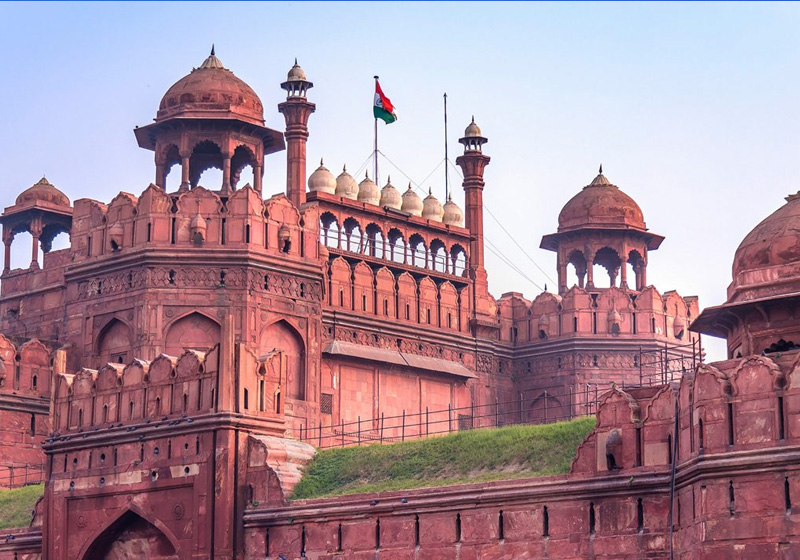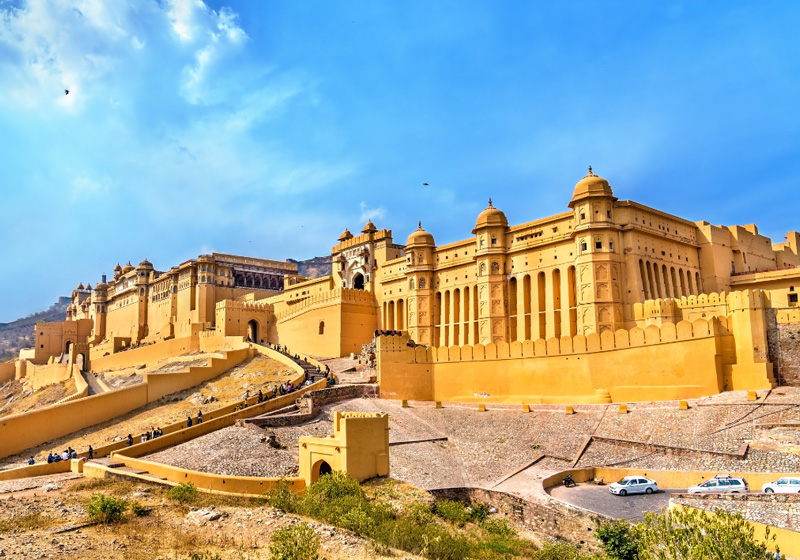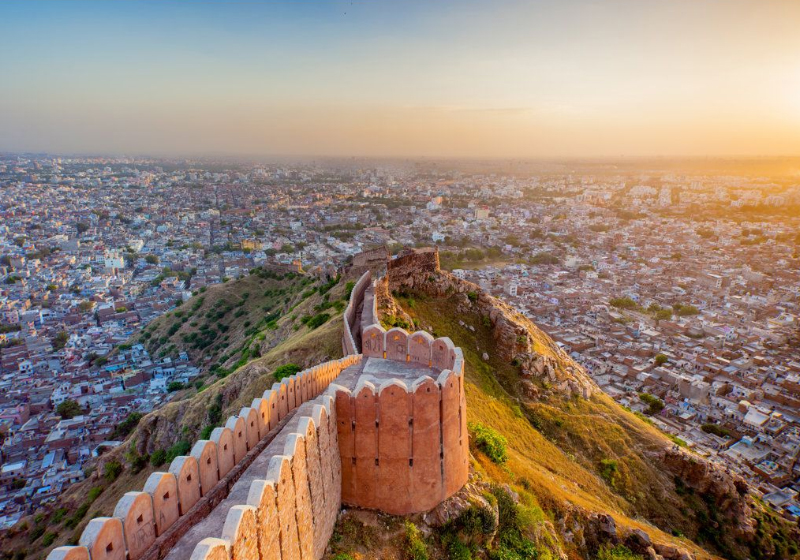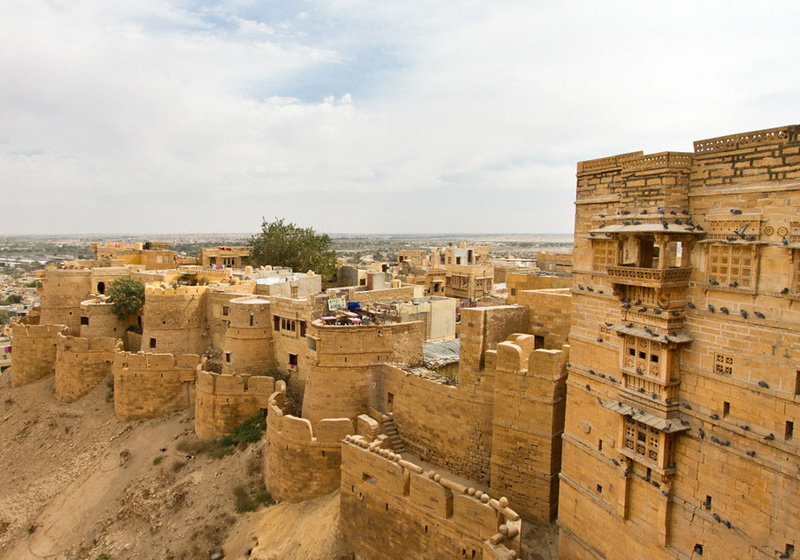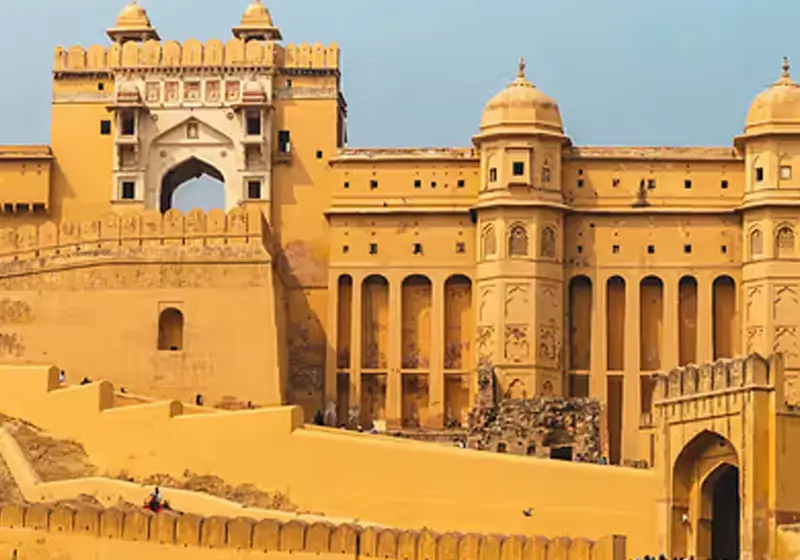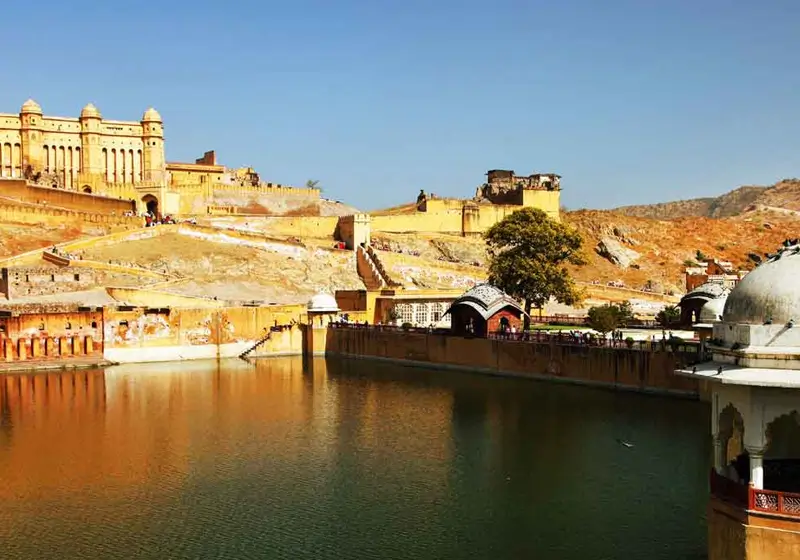
Jaipur, the capital of Rajasthan and part of the famous Golden Triangle, is often celebrated for its iconic Amber Fort, Nahargarh Fort, and Jaigarh Fort. While these three dominate most travel itineraries, the region around Jaipur is dotted with several other forts that remain underexplored. These lesser-known forts are scattered across villages, hills, and old trade routes. Many of them were built by Rajput rulers, local chieftains, or even Mughal commanders, and today they stand as silent reminders of Rajasthan’s layered history.
For travellers who want to step away from crowded monuments, these hidden forts provide peace, authenticity, and raw heritage. Some are in ruins yet breathtaking in their setting, while others still echo with tales of battles and royal legends. This blog highlights seven lesser-known forts around Jaipur, explaining their history, architecture, and why they deserve a place in your itinerary.
Located about 40 kilometers from Jaipur, Samode Fort sits atop the rugged Aravalli Hills and overlooks the charming village of Samode. Unlike the polished grandeur of Amber, this fort feels raw and untouched. Its history dates back to the 16th century when it was built as a defensive outpost by the local rulers. The fort later became part of the Samode Palace estate, which is now a heritage hotel.
What makes Samode Fort unique is its location. The trek up to the fort is adventurous and offers panoramic views of the countryside. Once inside, visitors find crumbling walls, courtyards, and secret passageways that still carry an air of mystery. Photographers often find Samode Fort rewarding for sunrise or sunset shots, when the light turns the surrounding hills golden. It is not crowded, which means travellers can enjoy a peaceful exploration without the rush of tour groups.
Achrol Fort, located about 30 kilometers from Jaipur, is another forgotten gem. Built around the 16th century, this fort once served as a stronghold for the Kachwaha Rajputs. Though now partially in ruins, Achrol retains its grandeur with old bastions, gateways, and watchtowers.
The fort is a popular spot for trekking and rappelling activities organised by adventure groups. Its rugged terrain and ruined architecture create an atmospheric setting for explorers who enjoy combining history with outdoor activities. The fort also offers sweeping views of nearby villages and hills, giving a sense of how these forts once controlled vast rural landscapes.
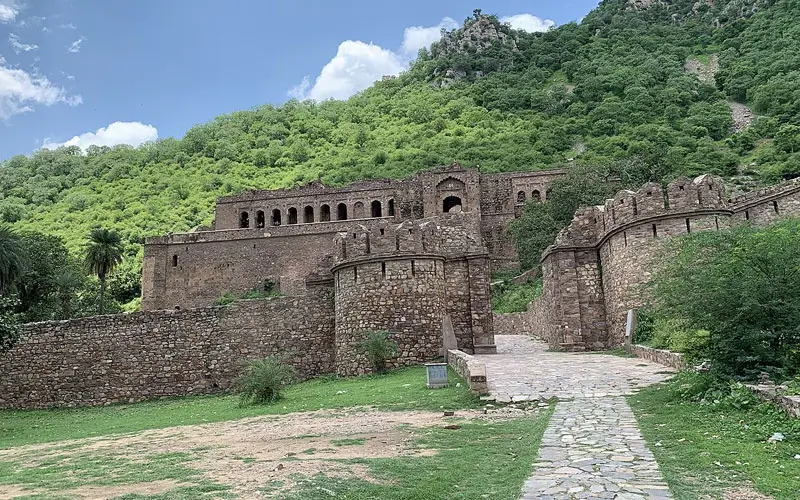
Though technically closer to Alwar district, Bhangarh is easily accessible from Jaipur (about 85 kilometers away) and is often included in offbeat itineraries. Known as one of the most “haunted” sites in India, Bhangarh Fort carries legends that attract both history enthusiasts and thrill seekers.
Built in the 16th century by Raja Bhagwant Das for his son, Madho Singh, the fort town once had temples, palaces, and bazaars. Today it lies abandoned, with ruined structures surrounded by hills. Entry is restricted after sunset due to its eerie reputation. While the ghost stories make it famous, its architecture and the surrounding natural beauty are equally captivating. For offbeat travellers, Bhangarh provides both a historic and atmospheric experience unlike any other fort near Jaipur.
Located near Chandlai Lake about 30 kilometers from Jaipur, Chandlai Fort is a small but historically significant fortification. Unlike grand forts, Chandlai was built mainly as a watchtower to guard trade routes and water sources.
The charm of Chandlai lies in its solitude. The nearby lake attracts migratory birds, making the area appealing for birdwatchers and photographers. The fort itself, though in ruins, provides a rustic backdrop to the serene setting. Few tourists ever make it here, so it is perfect for those who want to experience local life without crowds.
Situated around 45 kilometers from Jaipur, Jobner Fort has both historical and religious significance. Built by the local rulers of Jobner, the fort later became associated with a revered Sufi saint, and today the area draws both history enthusiasts and devotees.
The fort’s architecture is simple compared to Amber or Nahargarh, but its hilltop location offers wide views of the surrounding region. Pilgrims often climb to the fort for blessings, and travellers who venture here find themselves immersed in both heritage and spirituality. The combination of local religious traditions and old Rajput architecture makes Jobner Fort stand out among Jaipur’s lesser-known sites.
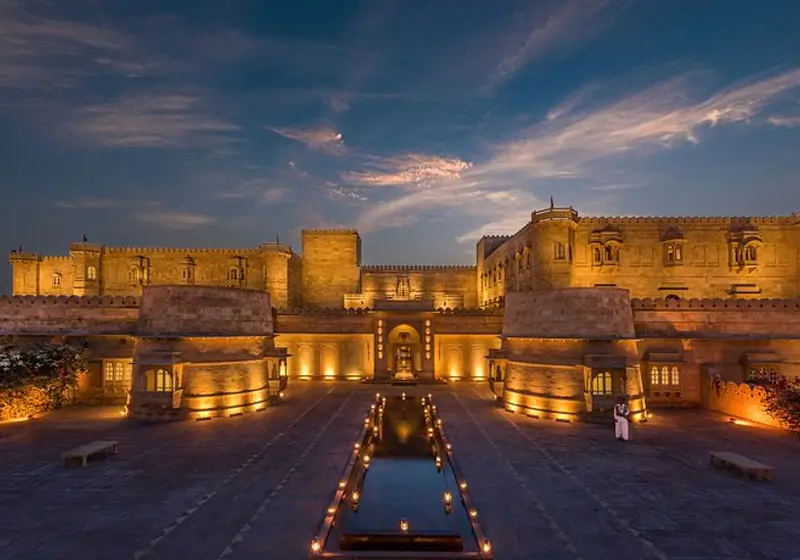
About 40 kilometers east of Jaipur, Madhogarh Fort is another gem that remains off the typical tourist trail. Built in the 18th century, it was once a stronghold for Rajput warriors and later became associated with Mughal campaigns in Rajasthan. Today, Madhogarh has been partially restored as a heritage stay, giving travellers the rare chance to sleep inside an old fort.
Staying at Madhogarh Fort allows visitors to experience village life up close, enjoy traditional meals, and listen to folk music in a historic setting. For travellers seeking both heritage and cultural immersion, Madhogarh offers a unique combination.
While technically a bit further (around 160 kilometers from Jaipur), Karauli Fort deserves mention among hidden gems accessible from the city. Known as Bhanwar Vilas Palace, this fort complex has stunning courtyards, painted halls, and temples. Unlike Jaipur’s busy attractions, Karauli receives fewer tourists, preserving its authentic charm.
The town of Karauli is also famous for its Krishna temples and traditional crafts, making it worth the extra travel. For those who have more time, adding Karauli to a Golden Triangle trip creates a deeper connection with Rajasthan’s heritage.
While Amber, Nahargarh, and Jaigarh dominate Jaipur’s identity, the lesser-known forts provide a different kind of experience. They lack the crowds, the polished tourist infrastructure, and the bustling souvenir shops, but they compensate with solitude, raw history, and authenticity. Standing inside a ruined fort with only the sound of the wind and the sight of endless countryside is an experience that connects travellers to Rajasthan’s past in a more intimate way.
These forts also highlight the scale of Rajput and Mughal influence in the region. Every hill and village seems to have a fort or watchtower, built not just for defence but also to protect trade routes, water bodies, and cultural hubs. Visiting them reveals how deeply intertwined architecture and everyday life were in Rajasthan’s history.
Travellers planning to explore these forts should remember that facilities are minimal. Carry water, wear comfortable walking shoes, and plan visits during the daytime. Some forts require light trekking, so fitness helps. Hiring local guides adds context and stories that make the ruins come alive. For photographers, early mornings and evenings provide the best light. Since these forts are less visited, they are also safer to explore in groups rather than alone.
Fill in the details below. Our expert consultant will respond within 4 hours with a bespoke itinerary crafted just for you — completely free, no obligation.