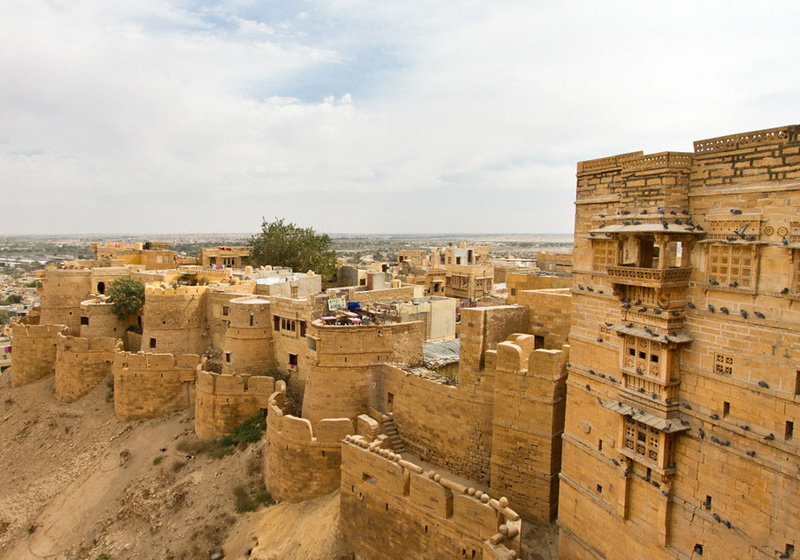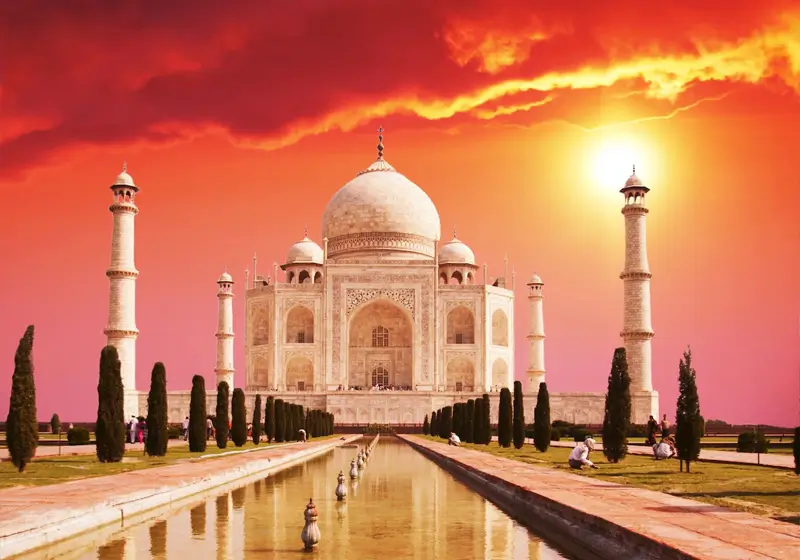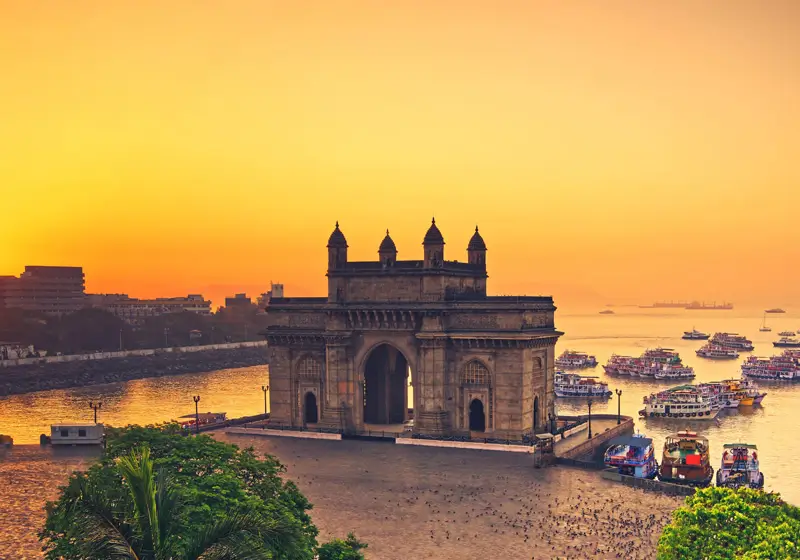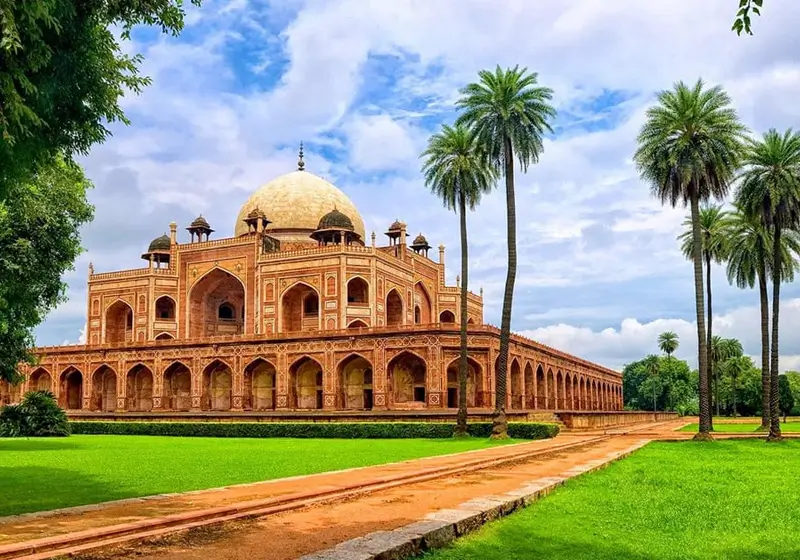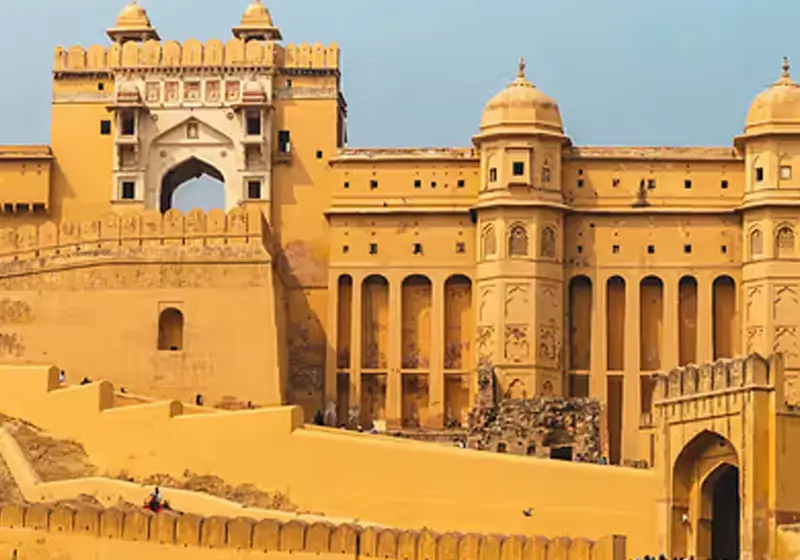
Modern travel is changing. For decades, international tourism revolved around sightseeing, shopping, luxury hotels, and famous landmarks. While those elements continue to attract visitors, many travelers are now searching for something deeper. They want journeys that improve wellbeing, reduce stress, create meaningful memories, and provide personal transformation. This growing interest has led to the rapid rise of Meditation Tours in India, a form of travel that combines exploration with self-reflection, mindfulness, and spiritual growth.
India occupies a unique position in this movement because meditation is not simply an activity that was added to tourism. Meditation has been woven into Indian culture, philosophy, and spiritual traditions for thousands of years. Across the country, sacred rivers, mountain monasteries, temple towns, forest retreats, and peaceful countryside communities have long served as places where seekers pursued inner awareness and mental clarity. Long before wellness tourism became popular, people traveled across India in search of wisdom, silence, and spiritual understanding.
For international visitors, one of the most appealing aspects of a Spiritual Tour in India is the authenticity of the experience. Meditation here is not viewed merely as a relaxation technique. Instead, it is often presented as part of a broader philosophy that includes mindfulness, compassion, self-discipline, emotional balance, and conscious living. This deeper perspective allows travelers to engage with meditation in a more meaningful way than they might experience elsewhere.
The diversity of meditation experiences available across India is another reason for its global appeal. Some travelers prefer structured retreats guided by experienced teachers, while others seek quiet environments where they can practice independently. There are silent retreats lasting several days, luxury wellness programs combining meditation with yoga and Ayurveda, monastery stays in the Himalayas, and cultural journeys that integrate meditation into broader travel itineraries. This variety ensures that every traveler can find a format suited to their interests and comfort level.
Many visitors arrive expecting to learn meditation techniques but soon realize that the environment itself contributes significantly to the experience. Watching sunrise over a sacred river, listening to temple bells in the distance, sitting quietly in a mountain monastery, or observing daily life in a spiritual town naturally encourages mindfulness. Even simple moments become opportunities for reflection.
Another factor driving interest in Mindfulness Travel in India is the increasing stress associated with modern lifestyles. Professionals, entrepreneurs, remote workers, and busy families often spend much of their lives connected to technology and surrounded by constant stimulation. Meditation tours provide a rare opportunity to disconnect from digital distractions and reconnect with the present moment. Travelers frequently report improved focus, reduced anxiety, better sleep, and a renewed sense of perspective after spending time in meditation-focused environments.
India also offers remarkable value compared with many international wellness destinations. Visitors can access highly respected teachers, authentic spiritual communities, beautiful accommodations, and transformative experiences at a cost that is often significantly lower than comparable retreats elsewhere in the world. This accessibility has made India one of the most sought-after destinations for wellness-oriented travelers from North America, Europe, Australia, and beyond.
The beauty of meditation travel is that it does not require previous experience. Many people who join a meditation tour have never practiced meditation before. The supportive environments found at reputable retreats allow beginners to learn gradually while experienced practitioners deepen their existing knowledge. Whether someone is seeking stress relief, spiritual exploration, emotional healing, or personal growth, meditation tours provide an accessible starting point.
For travelers planning a journey through India, incorporating meditation can transform an ordinary vacation into an experience that continues to influence daily life long after returning home. Rather than simply collecting photographs, travelers often leave with practical tools for maintaining balance, clarity, and wellbeing. This lasting impact explains why meditation tourism continues to attract visitors from around the world and why India remains its most respected destination.
Some journeys change your destination—others change your perspective. Explore India's most peaceful meditation retreats and sacred landscapes through thoughtfully curated experiences that help you reconnect with your mind, body, and soul.
One of the greatest strengths of India's wellness tourism sector is the diversity of meditation experiences available. Unlike destinations that focus on a single approach, India offers a wide spectrum of traditions, philosophies, and retreat formats. Understanding these options helps travelers choose the experience that best matches their goals and expectations.
Many international visitors begin their journey with a guided meditation retreat. These programs typically include daily meditation sessions, introductory teachings, breathing exercises, mindfulness practices, and opportunities for personal reflection. Guided retreats are particularly suitable for beginners because experienced instructors provide structure and support throughout the experience. Participants learn practical techniques they can continue using long after the retreat ends.
A growing number of travelers are drawn to Silent Meditation Retreats in India. During these programs, participants voluntarily avoid speaking for several days while focusing entirely on meditation and self-observation. The absence of conversation creates an environment where mental distractions gradually decrease, allowing individuals to develop greater awareness of their thoughts and emotions. Although silent retreats can initially feel challenging, many participants describe them as among the most transformative experiences of their lives.
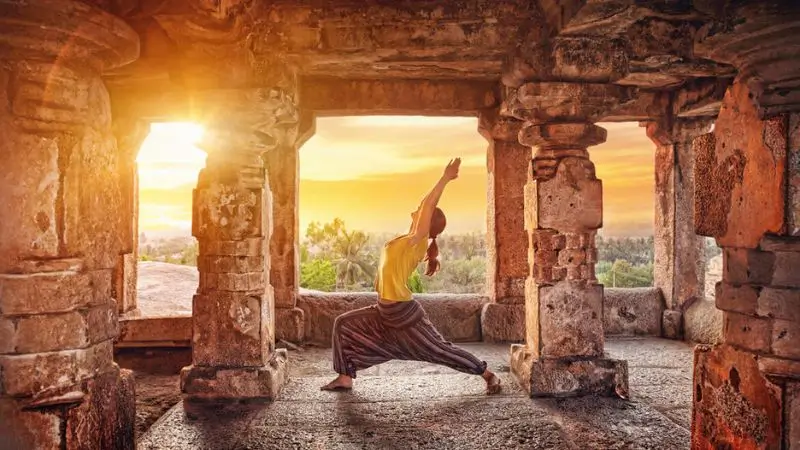
Another popular option involves combining meditation with yoga. These Yoga and Meditation Retreats India programs integrate physical movement, breathwork, relaxation techniques, and mindfulness practices into a holistic wellness experience. Yoga prepares the body for meditation by releasing physical tension, while meditation helps calm the mind and deepen self-awareness. The combination is particularly appealing to travelers seeking both physical and mental wellbeing.
Luxury meditation retreats have become increasingly popular among international visitors who prefer high levels of comfort while pursuing personal growth. These retreats often include private accommodations, wellness treatments, healthy cuisine, nature excursions, personalized instruction, and spa facilities. Luxury programs demonstrate that meditation and comfort can coexist without compromising authenticity.
Some travelers seek meditation experiences rooted in specific spiritual traditions. Buddhist meditation retreats focus on mindfulness, compassion, and awareness practices. Hindu meditation centers may emphasize mantra meditation, spiritual philosophy, and devotional practices. Other retreats integrate elements from multiple traditions while maintaining a welcoming environment for people of all backgrounds and beliefs.
Nature-based meditation retreats are another significant category. These programs take place in forests, mountains, deserts, countryside settings, or coastal regions where natural surroundings support introspection. Many travelers find it easier to meditate when surrounded by peaceful landscapes rather than urban environments. The rhythm of nature naturally encourages slower thinking and greater presence.
Cultural meditation tours provide yet another option. Rather than remaining in a single retreat center, travelers visit multiple spiritual destinations while participating in meditation sessions along the way. Such journeys might include sacred temples, monasteries, pilgrimage sites, historic spiritual centers, and traditional communities. This format appeals to visitors who wish to combine personal growth with exploration and cultural discovery.
There are also specialized meditation programs focused on specific goals such as stress management, emotional resilience, professional burnout recovery, mindful leadership, creativity enhancement, or personal transformation. These retreats often attract professionals seeking practical tools that can be applied directly to everyday life.
An important advantage of meditation tours in India is their inclusiveness. Contrary to common misconceptions, participants are not expected to adopt particular religious beliefs. Most programs welcome individuals from diverse backgrounds and encourage personal exploration rather than doctrinal instruction. This openness allows travelers to engage with meditation in ways that align with their own values and interests.
The variety available means there is no single "correct" meditation tour. The ideal choice depends on personal preferences, travel style, previous experience, and desired outcomes. Some travelers seek silence and solitude, while others enjoy structured learning environments. Some prioritize luxury and comfort, while others prefer simplicity and traditional settings. India's meditation tourism landscape accommodates all of these preferences.
As interest in Wellness Travel India continues to grow, the range of available experiences is likely to expand even further. Yet despite this diversity, the central purpose remains the same: creating opportunities for greater awareness, inner peace, and meaningful personal growth through mindful travel.
India's spiritual geography is incredibly diverse, offering destinations that differ dramatically in atmosphere, landscape, and cultural traditions. Each location provides unique opportunities for meditation and reflection, allowing travelers to choose environments that resonate with their personal preferences.
Among the most respected destinations is Dharamshala in Himachal Pradesh. Nestled in the Himalayan foothills, this mountain town is internationally recognized for its strong Buddhist influence and peaceful atmosphere. Many travelers are drawn to Dharamshala because of its serene environment, monasteries, meditation centers, and stunning natural surroundings. The slower pace of life encourages introspection, while the mountain scenery creates a sense of calm that supports mindfulness practice.
Bodh Gaya occupies a special place in global meditation tourism. It is widely regarded as one of the most significant spiritual destinations in the world because it is associated with the enlightenment of the Buddha. Pilgrims and meditation practitioners from numerous countries visit Bodh Gaya to meditate beneath descendant trees connected to this historic event. The atmosphere of devotion and contemplation makes it one of India's most powerful destinations for spiritual reflection.
Kerala offers a completely different meditation experience. Instead of mountain monasteries or pilgrimage centers, visitors find tranquil backwaters, tropical landscapes, and wellness retreats that integrate meditation with Ayurveda and holistic healing. The region's relaxed environment appeals particularly to travelers seeking stress reduction and physical rejuvenation alongside mindfulness practice.
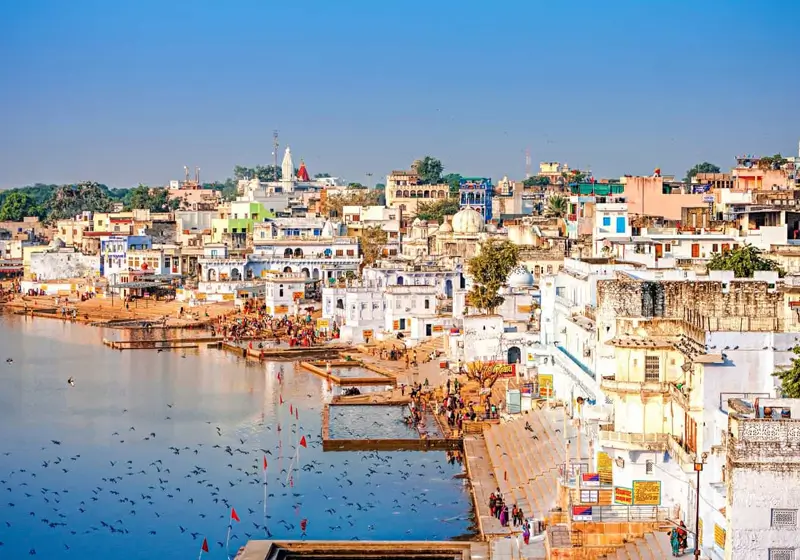
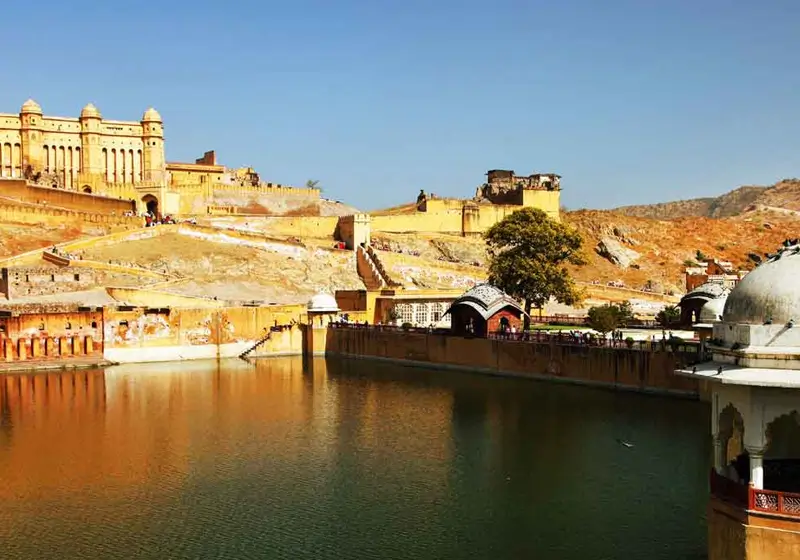
Pushkar, located in Rajasthan, combines spiritual heritage with a laid-back atmosphere. The sacred lake, historic temples, and slower rhythm of life create conditions that naturally support meditation. Many visitors choose Pushkar because it allows them to experience spirituality while also enjoying cultural exploration and traditional hospitality.
While Dharamshala, Bodh Gaya, Kerala, and Pushkar are among the most recognized meditation destinations, India's spiritual landscape extends far beyond these locations. Many travelers discover that some of the most memorable meditation experiences occur in places that receive relatively little attention from mainstream tourism.
Ladakh, located in the far north of India, provides one such opportunity. Surrounded by dramatic mountain scenery and home to centuries-old Buddhist monasteries, the region offers a level of silence that is increasingly rare in the modern world. The vast landscapes encourage contemplation, while monastery visits allow travelers to observe spiritual traditions that have remained largely unchanged for generations. Meditation in Ladakh often feels less like an activity and more like a natural response to the environment itself.
Auroville in Tamil Nadu presents a completely different approach to mindful living. Established as an international community dedicated to human unity and conscious living, Auroville attracts travelers interested in meditation, sustainability, personal growth, and alternative lifestyles. Visitors participate in meditation sessions, mindfulness workshops, community activities, and wellness programs while experiencing a unique social experiment that continues to inspire people from around the world.
Varanasi offers another profound meditation experience. While often associated with religious ceremonies and spiritual rituals, the city also provides countless opportunities for personal reflection. Watching sunrise over the Ganges, observing evening ceremonies, or simply sitting quietly along the river can become powerful forms of meditation. The city's atmosphere encourages visitors to contemplate themes such as impermanence, gratitude, and the deeper meaning of life.
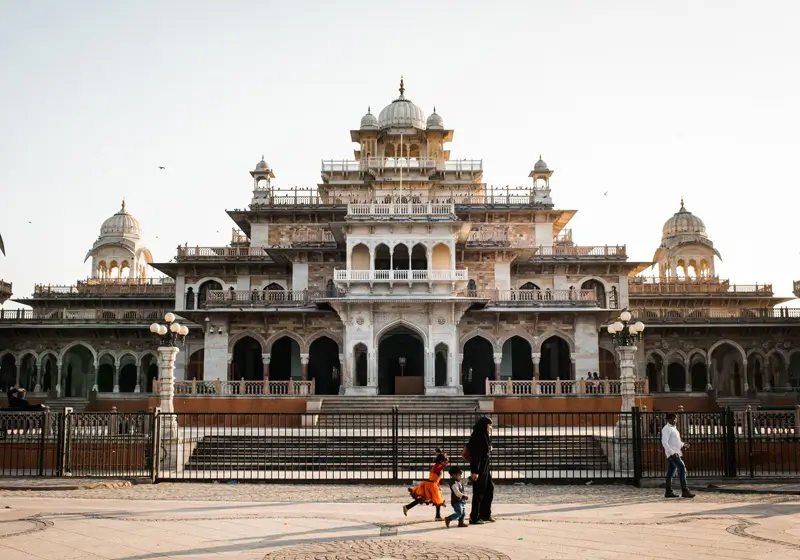
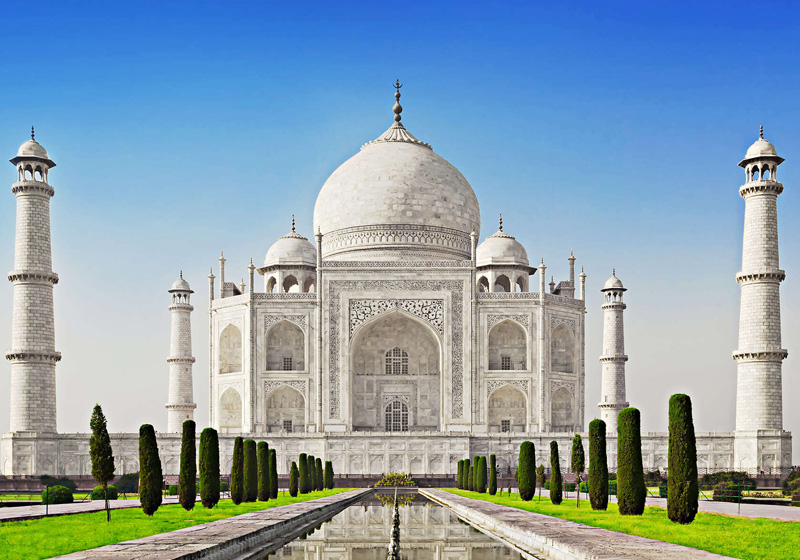
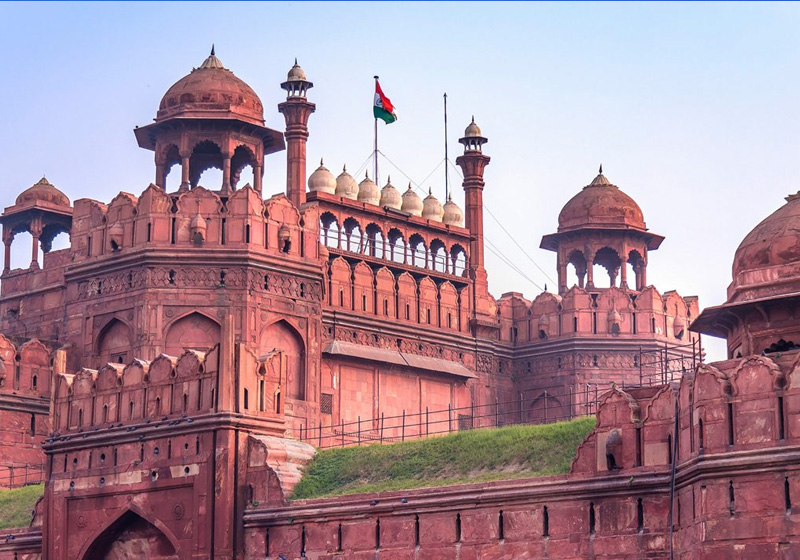
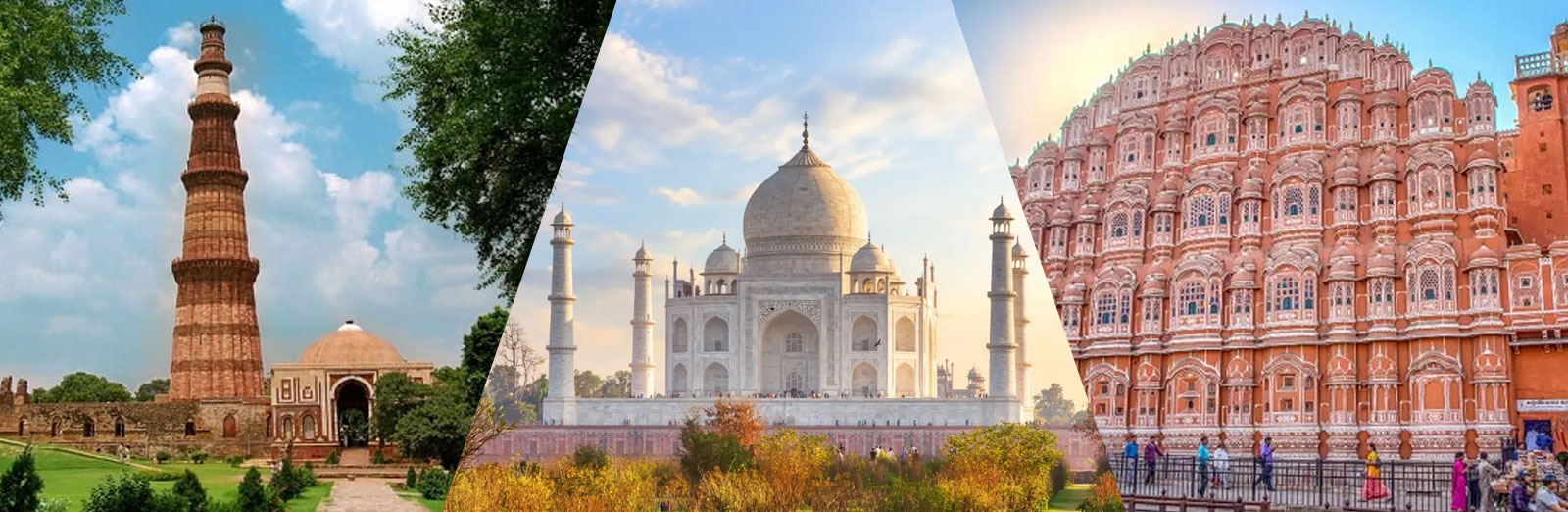
Many travelers are surprised to discover that meditation experiences can also be incorporated into classic cultural itineraries. A traveler exploring Delhi, Agra, and Jaipur may spend several days in a wellness retreat before or after the journey, creating a balanced itinerary that combines sightseeing with personal wellbeing. This approach has become increasingly popular among visitors seeking meaningful travel rather than purely destination-focused tourism.
The diversity of meditation destinations ensures that every traveler can find an environment aligned with their personality and goals. Some individuals thrive in structured retreat environments, while others prefer meditation integrated into broader cultural exploration. India's unique combination of spiritual heritage and geographic diversity makes both approaches equally accessible.
Many travelers initially book a Meditation Tour in India because they are curious about mindfulness or interested in stress reduction. However, the benefits often extend far beyond these original motivations. Meditation changes not only how people think but also how they experience travel itself.
Traditional tourism often encourages constant movement. Travelers rush from one attraction to another, attempting to maximize every moment of their itinerary. While this approach can be exciting, it may also lead to exhaustion and superficial engagement with destinations. Meditation introduces a different perspective. Rather than focusing exclusively on quantity, travelers begin to appreciate quality of experience.
Simple moments become more meaningful. Watching the sunrise over a lake, walking through a quiet village, listening to birds in a forest, or enjoying a cup of tea in silence can provide as much satisfaction as visiting a famous monument. Meditation teaches individuals to become more present, and this presence significantly enhances travel experiences.
Many participants report that meditation improves their ability to adapt to unfamiliar environments. Traveling in a foreign country inevitably involves unexpected situations, cultural differences, and occasional challenges. Meditation cultivates patience, emotional resilience, and greater acceptance, allowing travelers to navigate these experiences with increased ease.
Another frequently reported benefit is improved cultural sensitivity. Mindfulness encourages observation without judgment. Rather than immediately comparing unfamiliar customs to their own backgrounds, travelers become more open to understanding different perspectives. This creates richer interactions with local communities and deeper appreciation for cultural diversity.
Photography habits often change as well. While participants continue taking photographs, many become less concerned with documenting every moment and more interested in fully experiencing the present. The result is often a more balanced and fulfilling journey.
Meditation tours also provide rare opportunities for digital disconnection. Many retreats encourage reduced screen time or complete digital detox periods. Initially challenging for some travelers, this temporary separation from constant notifications frequently becomes one of the most valued aspects of the experience. Participants rediscover the ability to focus, relax, and engage fully with their surroundings.
The combination of meditation and travel creates a powerful environment for personal reflection. Removed from daily routines and familiar responsibilities, individuals often gain fresh perspectives on their priorities, relationships, careers, and long-term goals. This clarity is one reason many travelers describe meditation tours as transformative rather than simply enjoyable.
For international visitors seeking more than sightseeing alone, meditation travel offers an opportunity to return home not only with memories but also with practical skills that continue to provide benefits long after the journey ends.
Meditation and luxury are no longer viewed as opposing concepts. In recent years, a growing number of premium wellness properties have demonstrated that authentic spiritual experiences can coexist with exceptional comfort, personalized service, and world-class hospitality.
Luxury Meditation Retreats in India appeal particularly to international travelers who wish to combine personal growth with high-quality accommodations and carefully curated experiences. These retreats often feature private villas, wellness suites, organic cuisine, spa facilities, personalized wellness consultations, and highly experienced instructors.
Kerala remains one of the leading destinations for luxury meditation travel. Wellness resorts throughout the region integrate meditation programs with Ayurveda, yoga, therapeutic treatments, and nutrition planning. Guests enjoy peaceful natural surroundings while benefiting from comprehensive wellness services designed to support both physical and mental wellbeing.
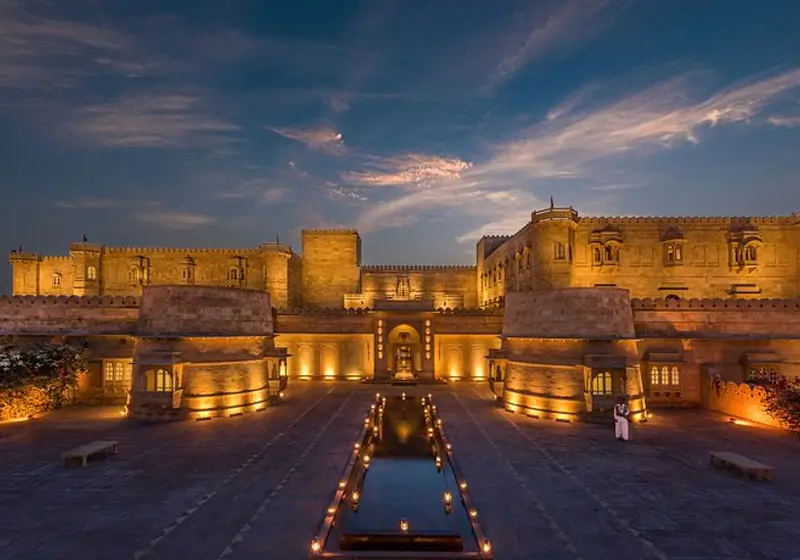
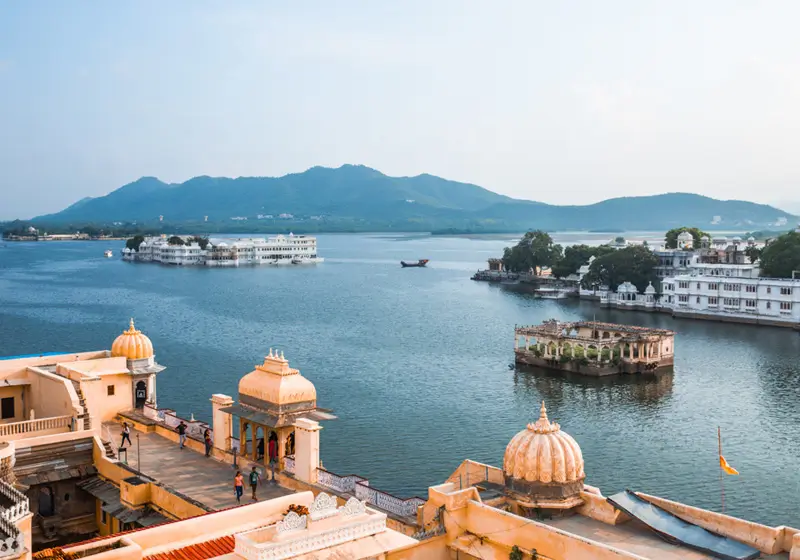
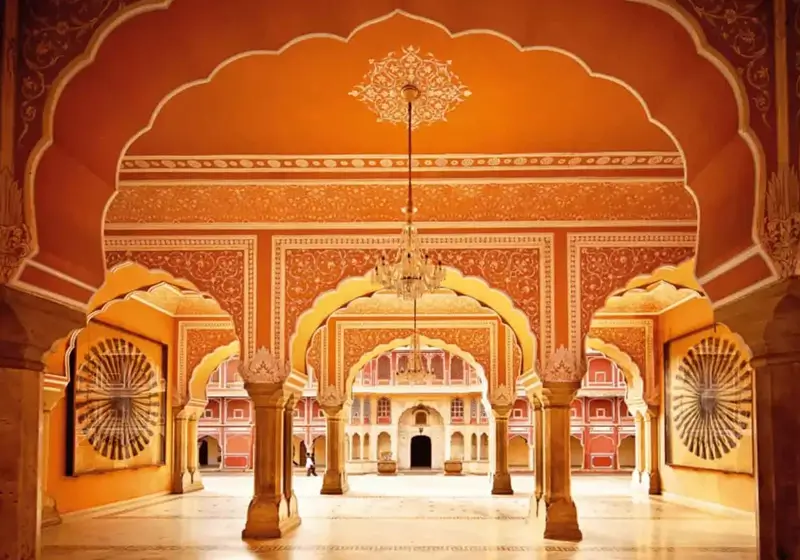
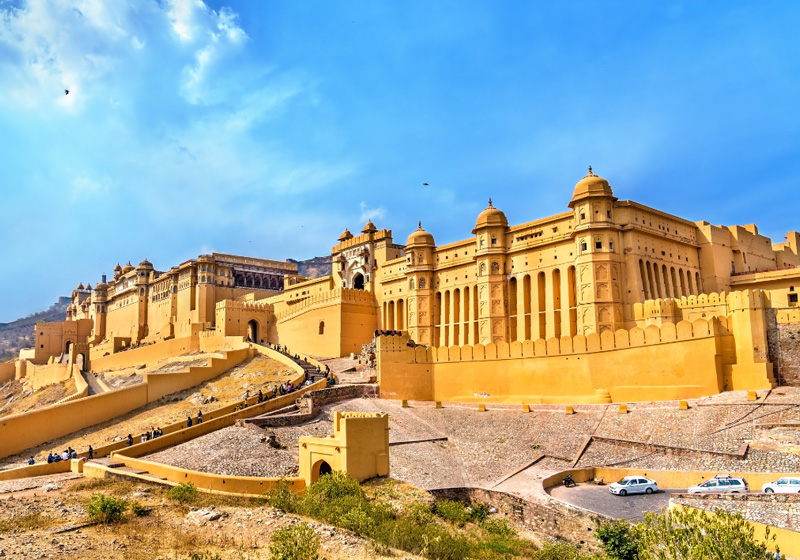
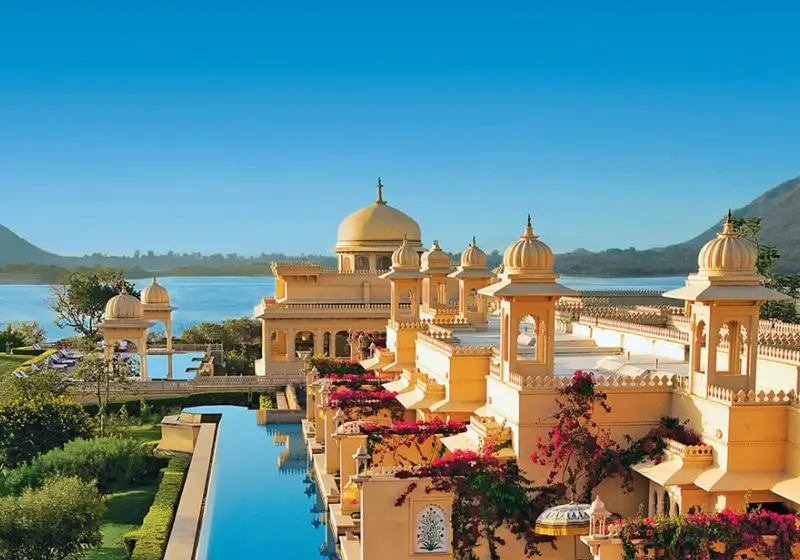
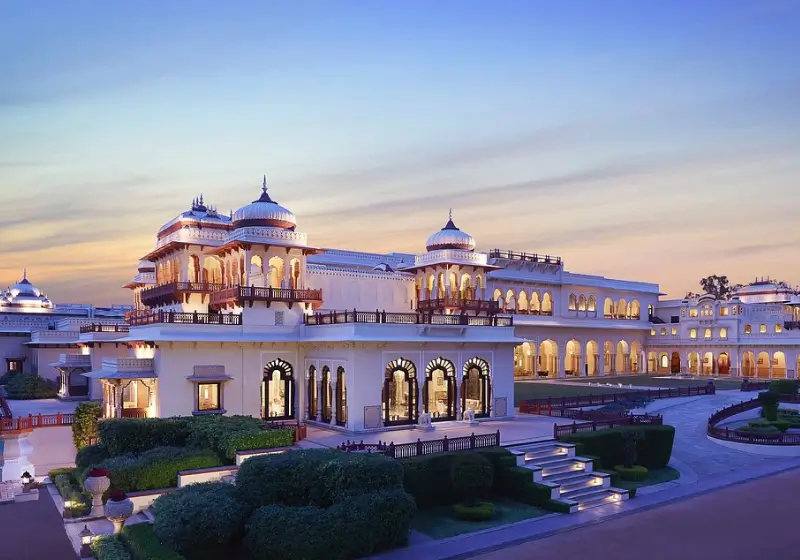
Rajasthan has also emerged as a significant destination for luxury spiritual tourism. Historic palace hotels and boutique heritage properties increasingly offer meditation sessions, mindfulness experiences, wellness programs, and guided spiritual activities. Practicing meditation within centuries-old royal settings creates a distinctive blend of heritage and wellness that appeals strongly to international visitors.
The Himalayan regions provide another compelling option. Luxury mountain retreats combine breathtaking scenery with meditation instruction, nature immersion, and wellness-focused hospitality. Many travelers find that the natural beauty of the mountains enhances the effectiveness of meditation practice, creating experiences that feel both restorative and inspiring.
Personalization is a defining feature of luxury meditation travel. Rather than following standardized schedules, guests often receive programs tailored to their individual goals. Some focus on stress management, others on mindfulness development, emotional balance, creativity enhancement, or deeper spiritual exploration.
Another advantage of luxury retreats is accessibility for beginners. Travelers who may feel intimidated by traditional ashrams or intensive meditation centers often find luxury wellness environments more approachable. Professional staff, comfortable accommodations, and supportive instruction create a welcoming atmosphere for individuals with little or no previous meditation experience.
The growing popularity of Luxury Wellness Travel in India reflects broader changes in traveler preferences. Increasingly, people value experiences that contribute to long-term wellbeing rather than temporary entertainment. Meditation retreats align perfectly with this trend by offering benefits that continue well beyond the duration of the trip.
Experience handpicked meditation retreats, luxury wellness stays, and sacred destinations where every day is an opportunity to recharge your mind and restore your spirit.
Successful meditation travel begins with thoughtful planning. Because India offers such a wide variety of experiences, selecting the right program is essential for achieving the desired outcome.
The first step involves clarifying personal goals. Some travelers seek relaxation and stress relief, while others are interested in spiritual exploration, mindfulness training, emotional healing, or advanced meditation practice. Understanding these objectives helps narrow the available options.
Duration is another important consideration. Short retreats lasting three to five days provide an introduction to meditation and mindfulness, while longer programs allow for deeper immersion. Many experienced travelers recommend at least one week for individuals hoping to experience meaningful benefits.
Choosing the right environment also matters. Mountain retreats, coastal wellness centers, forest sanctuaries, spiritual towns, and countryside properties each offer distinct atmospheres. The ideal choice depends largely on personal preferences and travel style.
Travelers should also consider whether they prefer structured programs or flexible experiences. Some retreats follow detailed daily schedules with multiple meditation sessions, while others allow participants greater freedom to balance meditation with independent exploration.
For international visitors combining meditation with broader travel plans, integrating wellness experiences into existing itineraries often works particularly well. A meditation retreat before a cultural tour can establish a calm mindset, while a retreat afterward provides an opportunity to process and reflect upon travel experiences.
Packing requirements are generally simple. Comfortable clothing, appropriate footwear, a reusable water bottle, personal medications, and an open mind are usually sufficient. Most retreat centers provide detailed preparation guidelines before arrival.
The most important recommendation is to approach meditation travel without unrealistic expectations. Meditation is not about achieving perfection or instantly eliminating stress. Instead, it involves developing greater awareness and cultivating a healthier relationship with thoughts, emotions, and daily experiences. Travelers who embrace this perspective often gain the most from their journeys.
India's rich spiritual heritage provides an exceptional environment for this process. Whether practicing in a Himalayan monastery, a tropical wellness resort, a desert retreat, or a sacred pilgrimage town, visitors encounter traditions that have helped people cultivate inner peace for centuries.
Common benefits include reduced stress, improved focus, better emotional balance, increased self-awareness, and a deeper travel experience.
Yes. India offers numerous luxury wellness retreats that combine meditation with premium accommodations and wellness services.
They can be challenging initially, but many beginners successfully complete silent retreats with proper guidance.
Comfortable clothing, personal essentials, a reusable water bottle, and any necessary medications.
Yes. Many travelers add meditation retreats before or after visiting Delhi, Agra, and Jaipur.
No. Most meditation programs welcome participants from all backgrounds and belief systems.
A retreat lasting 5–10 days generally provides enough time to experience meaningful benefits.
Popular destinations include Dharamshala, Bodh Gaya, Kerala, Pushkar, Ladakh, Auroville, and Varanasi.
Yes. Most meditation retreats welcome beginners and provide step-by-step instruction.
A meditation tour combines travel with guided meditation sessions, mindfulness practices, spiritual experiences, and wellness activities.
A meditation tour combines travel with guided meditation sessions, mindfulness practices, spiritual experiences, and wellness activities.
Yes. Most meditation retreats welcome beginners and provide step-by-step instruction.
Popular destinations include Dharamshala, Bodh Gaya, Kerala, Pushkar, Ladakh, Auroville, and Varanasi.
A retreat lasting 5–10 days generally provides enough time to experience meaningful benefits.
No. Most meditation programs welcome participants from all backgrounds and belief systems.
Yes. Many travelers add meditation retreats before or after visiting Delhi, Agra, and Jaipur.
Comfortable clothing, personal essentials, a reusable water bottle, and any necessary medications.
They can be challenging initially, but many beginners successfully complete silent retreats with proper guidance.
Yes. India offers numerous luxury wellness retreats that combine meditation with premium accommodations and wellness services.
Common benefits include reduced stress, improved focus, better emotional balance, increased self-awareness, and a deeper travel experience.
Fill in the details below. Our expert consultant will respond within 4 hours with a bespoke itinerary crafted just for you — completely free, no obligation.