Itinerary ideas, cultural insights, luxury tips and practical planning guides for every India traveller.
Travelling to India during the monsoon often raises questions for international visitors. Many assume that heavy rain continues throughout the day and makes sightseeing impossible, while others believe it is one of the country's most rewarding travel seasons. The reality lies somewhere in between. Monsoon travel offers greener landscapes, fewer crowds, attractive hotel prices, and a different perspective on India's famous destinations, but it also requires flexible planning and an understanding of regional weather patterns.
India is a vast country, and the rainy season does not affect every region in the same way or at the same time. While some areas receive frequent downpours, others experience only short afternoon showers followed by several hours of pleasant weather. Because of these differences, travelling during the monsoon can be highly enjoyable when destinations are chosen carefully.
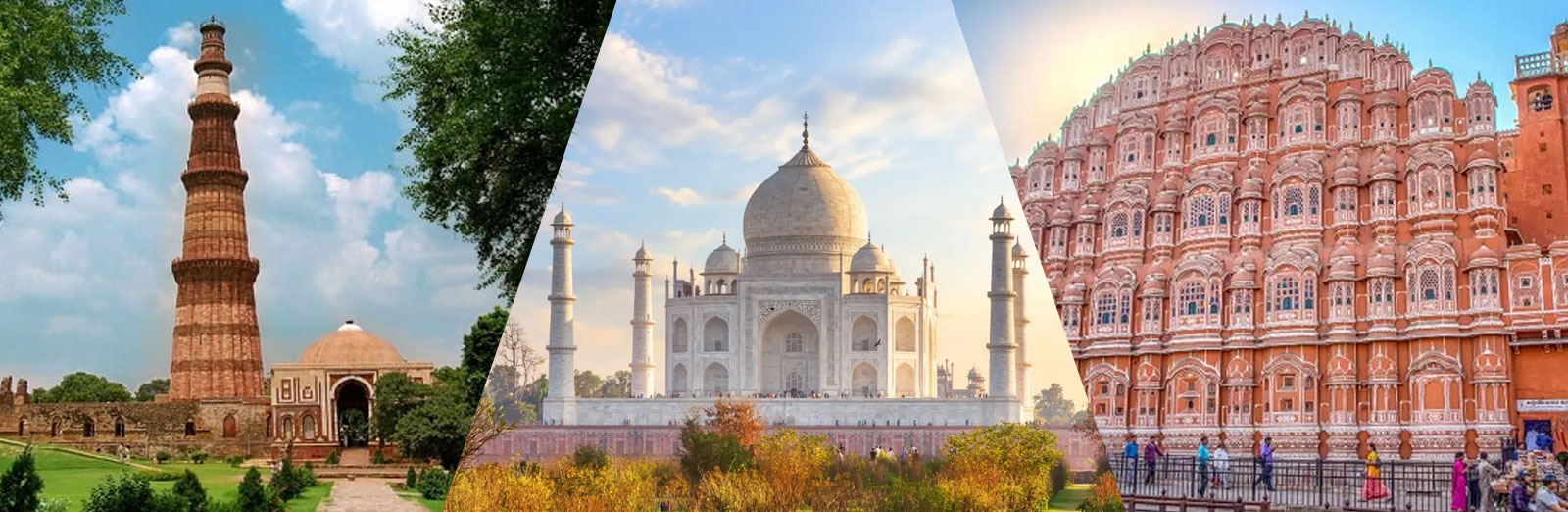
For visitors planning a Golden Triangle Tour covering Delhi, Agra, and Jaipur, the monsoon season usually does not prevent sightseeing. Rain generally arrives in short spells rather than lasting all day, allowing tourists to continue visiting major attractions with minor adjustments to their schedule.
Many experienced travellers intentionally choose the rainy season because famous monuments appear cleaner, gardens become greener, the air feels fresher after rainfall, and popular tourist sites are often much less crowded than during the busy winter months.
Understanding both the advantages and the challenges of monsoon travel helps visitors decide whether this season matches their travel style and expectations.
The southwest monsoon generally arrives in India during June and gradually moves across different parts of the country before continuing until September.
Although these months are commonly referred to as the rainy season, rainfall varies significantly between regions.
Northern India, including Delhi, Agra, and Jaipur, usually receives moderate rainfall between late June and September. Heavy showers are often followed by sunshine later in the day, making sightseeing possible with careful planning.
States such as Kerala, Goa, Karnataka, and parts of the Northeast receive much heavier rainfall and may experience longer periods of wet weather.
Because India's climate differs from one region to another, checking the weather forecast for your specific destination before travelling is always advisable.
Rainfall during the Indian monsoon is not usually continuous throughout the day. Many destinations experience heavy showers lasting from thirty minutes to two hours, followed by clear skies and comfortable temperatures.
Humidity does increase during this period, particularly in large cities. However, rainfall also helps reduce dust levels and refreshes gardens, parks, forests, and historical monuments.
Average daytime temperatures remain between 28°C and 36°C in much of northern India, while evenings often become cooler after rain.
Visitors should expect occasional changes to sightseeing plans because weather conditions can change quickly, especially during July and August.
One of the biggest reasons travellers choose the rainy season is the noticeable reduction in tourist crowds. Famous attractions that are extremely busy during winter often feel much more relaxed between July and September.
Photography also becomes more enjoyable because visitors have greater opportunities to capture monuments without large groups of people in the background. Gardens surrounding historical sites become greener, flowers bloom throughout many cities, and the landscape appears much more colourful after rainfall.
Accommodation prices are another major advantage. Many hotels reduce their room rates during the monsoon, allowing visitors to stay in higher-quality properties without increasing their travel budget. Luxury hotels that may be expensive during peak season often become considerably more affordable.
Flights, private tours, and transport services also frequently offer better availability compared with the busy winter months.
For travellers seeking a quieter holiday with lower costs, the monsoon can provide excellent value.
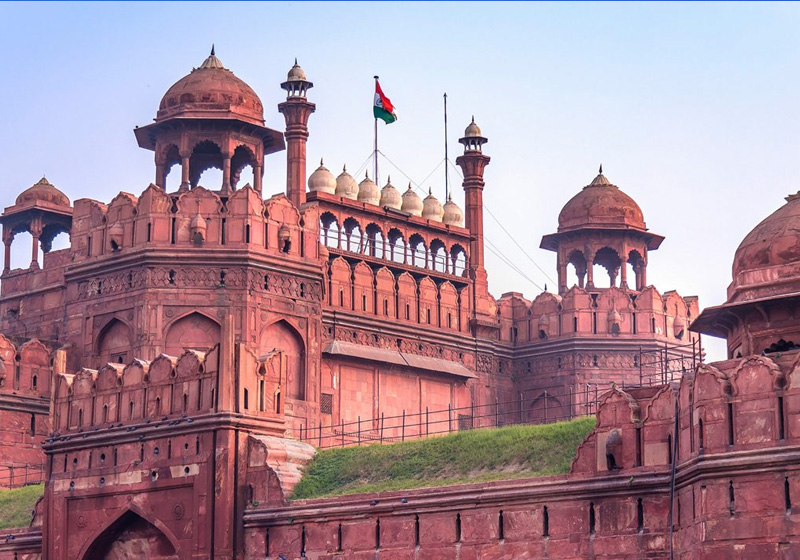
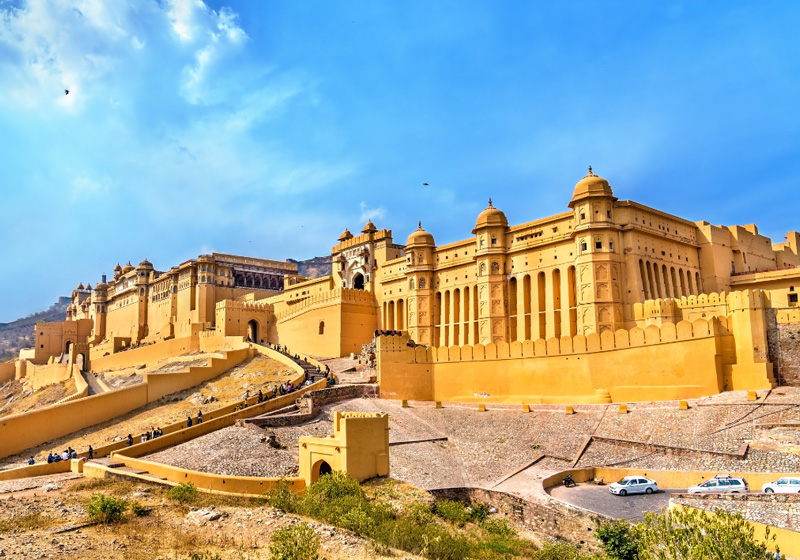
Rainy-season travel can offer a completely different side of India — greener landscapes, fewer crowds, cooler sightseeing hours, and better-value hotels and tours. From the Taj Mahal and Jaipur's magnificent forts to Delhi's historic landmarks, the Golden Triangle remains an excellent choice for a monsoon holiday.
Despite its advantages, travelling during the rainy season also presents certain challenges that visitors should understand before booking their trip.
Occasional heavy rain can temporarily interrupt sightseeing, particularly when visiting outdoor monuments, forts, wildlife parks, or rural destinations. Roads in some cities may become congested after intense rainfall, resulting in longer travel times between attractions.
Humidity is another factor to consider. Even when rain has stopped, the air often feels warm and moist, especially during July and August.
Outdoor activities such as walking tours, cycling excursions, and safaris may occasionally require schedule adjustments depending on weather conditions.
Travellers who prefer guaranteed sunshine every day may find the monsoon less suitable than the winter tourist season.
For many international visitors, the answer is yes.
Delhi, Agra, and Jaipur continue welcoming tourists throughout the rainy season because most major attractions remain open. Rain rarely lasts throughout the day, allowing sightseeing to continue with only minor changes to daily schedules.
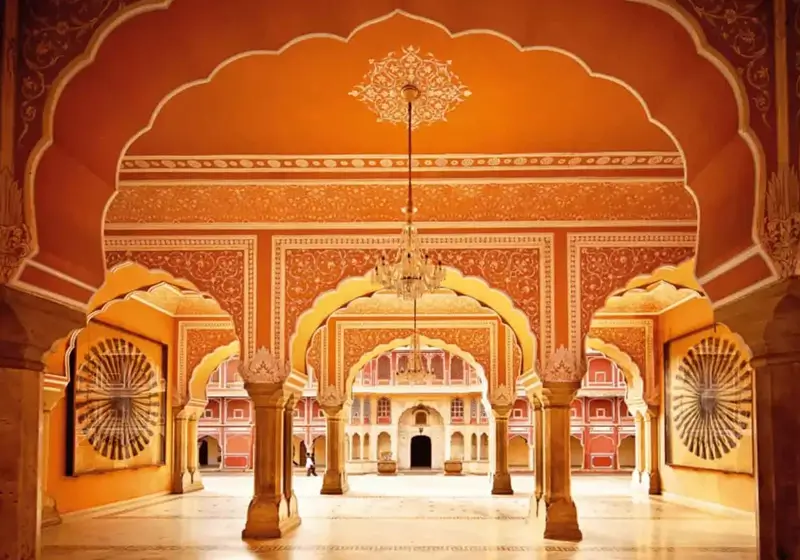
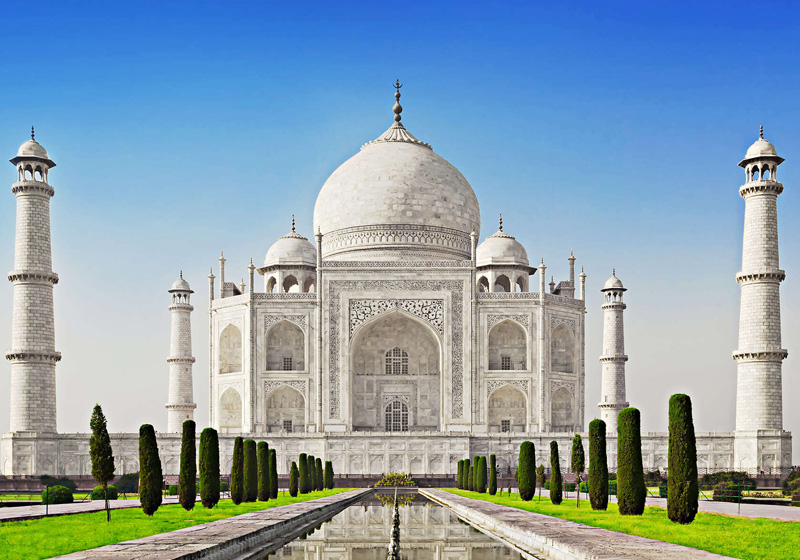
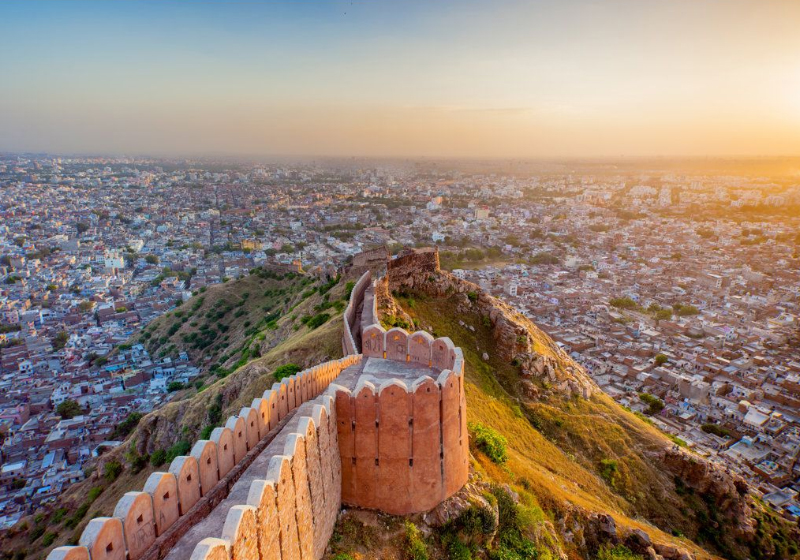
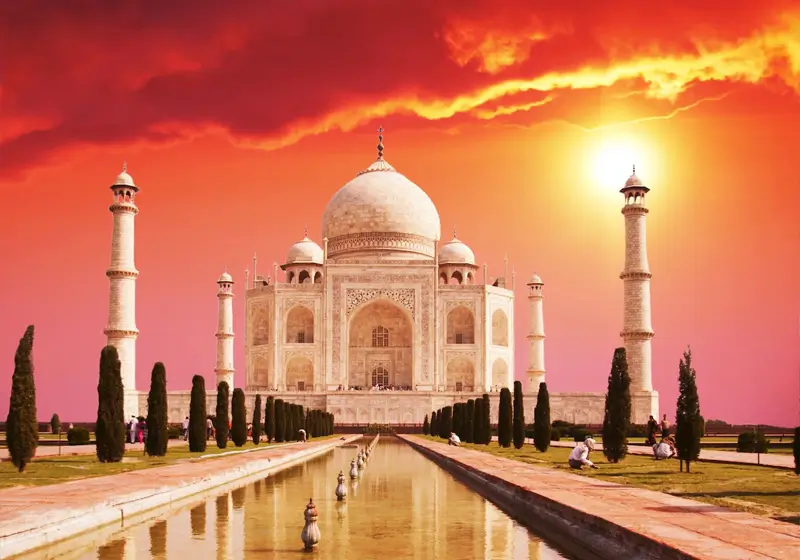
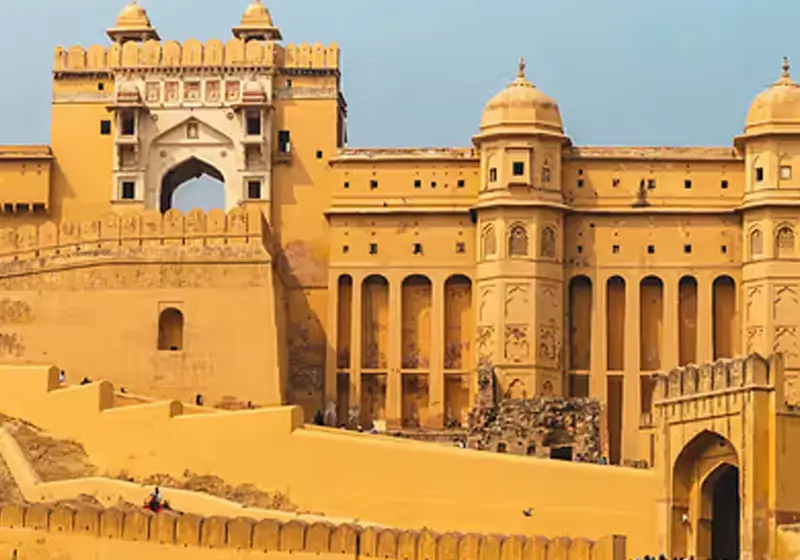
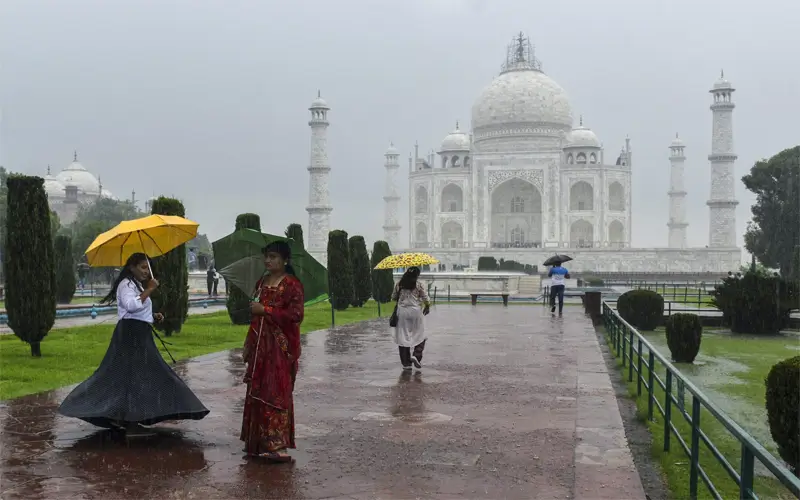
The Taj Mahal appears particularly beautiful after rainfall, when the surrounding gardens become greener and the marble reflects soft light under cloudy skies. Similarly, Jaipur's forts and palaces gain a fresh appearance, while Delhi's historic monuments become more pleasant to visit after temperatures cool following afternoon showers.
Since visitor numbers are generally lower than during winter, travellers often spend less time waiting in queues and enjoy a more relaxed sightseeing experience.
Although the rainy season affects much of the country, several destinations become even more attractive after the arrival of the monsoon. Fresh greenery, cooler temperatures, waterfalls, and cleaner surroundings give many regions a completely different appearance compared with the dry summer months.
Delhi, Agra and Jaipur
The Golden Triangle remains one of the safest and most convenient travel routes during the rainy season. Rainfall in these cities is usually intermittent rather than continuous, allowing visitors to continue sightseeing comfortably.
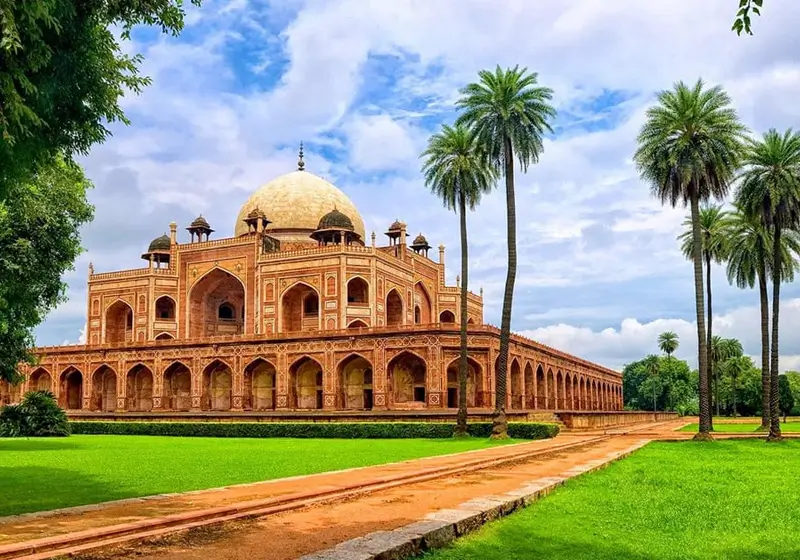
The gardens surrounding the Taj Mahal become lush and vibrant, Jaipur's pink sandstone monuments appear freshly washed after rain, and Delhi's historic parks and Mughal monuments look particularly attractive under cloudy skies. Since tourist numbers are lower than during winter, travellers often enjoy a quieter experience at famous attractions.
Udaipur
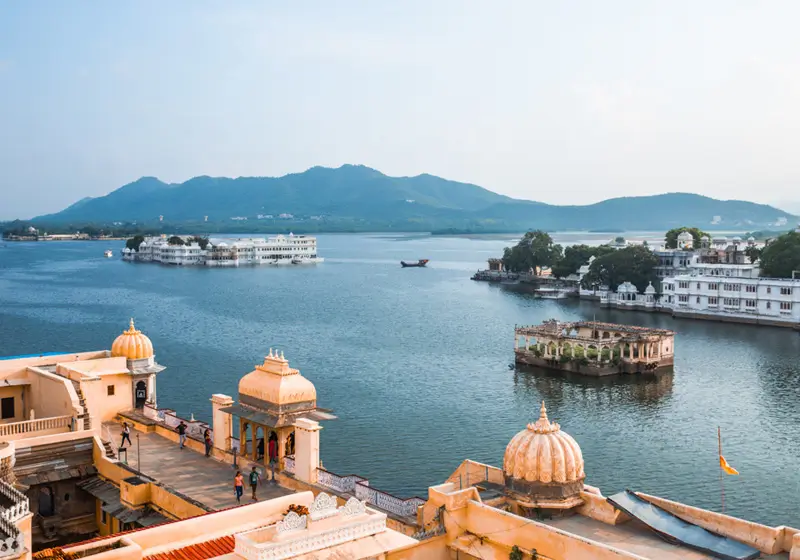
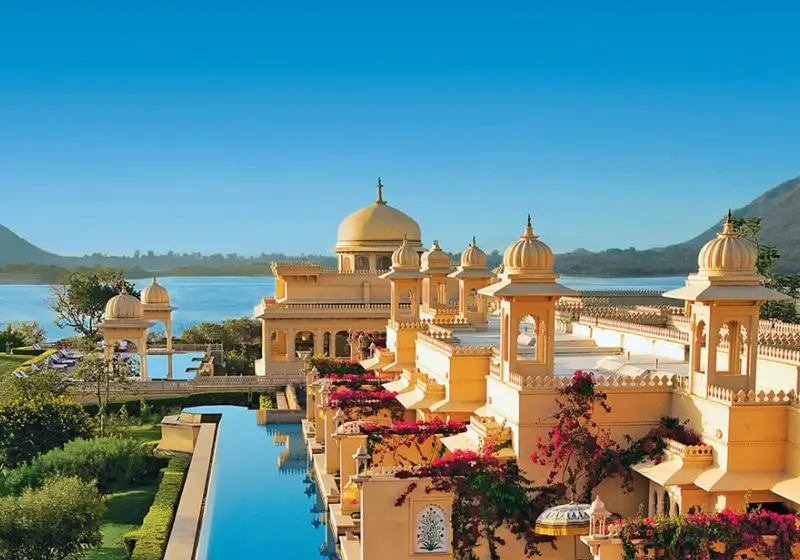
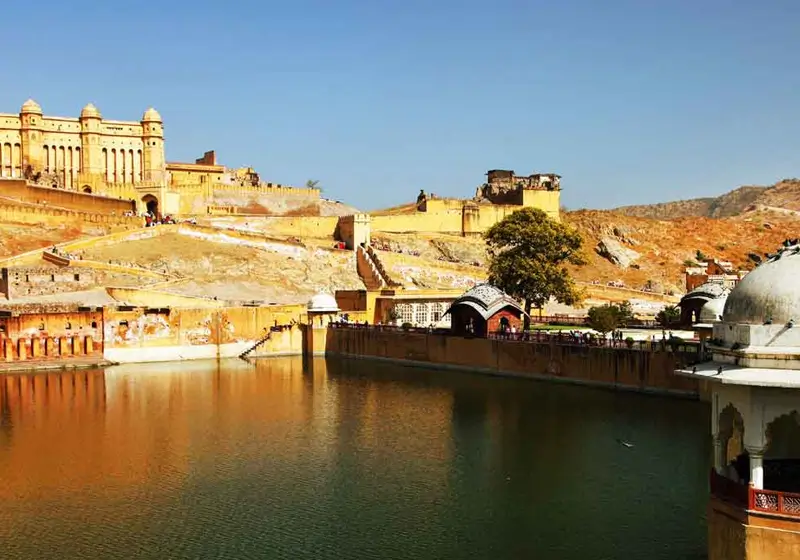
Often called the City of Lakes, Udaipur becomes especially picturesque during the monsoon. Rain fills the lakes, surrounding hills turn green, and boat rides on Lake Pichola offer beautiful views of the City Palace and Lake Palace.
The cooler weather also makes walking through the old city more comfortable than during the intense summer heat.
Kerala
Kerala receives some of India's heaviest rainfall, but many travellers intentionally visit during this season because of its natural beauty. Tea plantations become greener, waterfalls flow at full strength, and the famous backwaters offer a peaceful atmosphere surrounded by tropical landscapes.
The monsoon season is also traditionally associated with Ayurvedic wellness treatments, as many wellness centres consider this period suitable for therapeutic programmes.
Ladakh
Unlike much of India, Ladakh experiences very little rainfall because it lies in a rain-shadow region of the Himalayas. While many parts of the country receive heavy showers, Ladakh enjoys clear skies, making it one of the best destinations for travellers who want to avoid the monsoon altogether.
Valley of Flowers, Uttarakhand
The Valley of Flowers National Park reaches its peak beauty between July and September, when thousands of alpine flowers bloom across the Himalayan valley. This UNESCO World Heritage Site is one of the most spectacular seasonal destinations in India, although visitors should be prepared for occasional rain during the trek.
Most tourist destinations remain accessible during the rainy season, but some regions require additional planning because of heavy rainfall or changing road conditions.
Mountain areas occasionally experience landslides after prolonged rain, particularly in parts of Himachal Pradesh, Uttarakhand, Sikkim, and the Northeastern states. Road journeys may take longer than expected, and temporary closures sometimes occur.
Certain beaches along the western coastline experience rough sea conditions, making swimming unsafe during parts of the monsoon. Boat services to some islands may also operate on limited schedules depending on weather conditions.
Travellers planning wildlife safaris should check seasonal park closures, as several national parks temporarily close during the monsoon to protect wildlife and maintain visitor safety.
Checking local weather forecasts a few days before travelling helps minimise unexpected disruptions.
One of the strongest advantages of travelling during the rainy season is the opportunity to reduce overall travel expenses.
Hotels frequently offer attractive seasonal discounts because visitor numbers decline after the summer holidays. Depending on the destination and category of accommodation, travellers may save 20% to 50% compared with peak winter prices.
Approximate costs during the monsoon include:
Private tour operators also introduce seasonal offers, making the Golden Triangle Tour more economical during this period.
Packing appropriately makes travelling during the rainy season much more comfortable.
Recommended items include:
Although rain is expected, temperatures can still remain warm, so lightweight breathable clothing is usually the most practical choice.
Experience India at a slower and more peaceful pace during the rainy season. We'll help you choose the right destinations, plan around local weather conditions, and create a comfortable itinerary covering the highlights you don't want to miss.
Weather occasionally affects travel schedules, particularly during heavy afternoon showers.
When travelling between cities, it is advisable to allow additional time for road journeys because traffic congestion may increase after rainfall. Booking trains and flights in advance remains the best way to avoid last-minute changes during busy weekends.
App-based taxis operate normally in most major cities, although waiting times may increase briefly during periods of heavy rain.
Travellers using private vehicles should avoid driving through flooded roads, even if the water appears shallow.
The monsoon is generally a safe season for travelling in India, provided visitors exercise normal precautions.
Wear shoes with good grip because marble floors, stone pathways, and fort steps may become slippery after rain. Keep passports, cameras, and electronic devices protected inside waterproof bags or pouches.
Drink bottled or filtered water, particularly during hot and humid weather, and remain hydrated throughout the day.
If heavy rain begins while visiting an outdoor monument, waiting under a sheltered area is usually more comfortable than continuing immediately.
Checking the weather forecast each evening allows travellers to organise the following day's sightseeing more efficiently.
For travellers who value lower prices, fewer crowds, greener landscapes, and a more peaceful sightseeing experience, the rainy season can be an excellent time to visit India. The weather requires a little flexibility, but it rarely prevents visitors from enjoying the country's major attractions.
The Golden Triangle remains one of the most reliable routes during the monsoon because Delhi, Agra, and Jaipur continue operating normally throughout the season. With sensible planning, waterproof clothing, and realistic expectations about occasional showers, many visitors find the monsoon to be one of the most rewarding times to experience India's history, culture, and architecture.
The southwest monsoon generally lasts from June to September, although rainfall varies across different regions.
Yes. Most major tourist destinations remain safe and accessible with sensible planning and weather awareness.
No. In many parts of India, rainfall occurs in short spells followed by several hours of dry weather.
Yes. Delhi, Agra, and Jaipur remain among the best destinations to visit during the monsoon.
Yes. Many hotels offer seasonal discounts ranging from 20% to 50%, depending on the destination.
Lightweight clothing, waterproof footwear, a rain jacket, and a compact umbrella are recommended.
Yes. The Taj Mahal remains open and often looks especially beautiful after rainfall.
The Golden Triangle, Udaipur, Kerala, Ladakh, and the Valley of Flowers are among the most popular choices.
Some wildlife parks remain open, while others close temporarily during the rainy season. Visitors should check individual park schedules before travelling.
Yes. Services generally continue as scheduled, although occasional weather-related delays are possible during periods of heavy rain.
Yes. Comprehensive travel insurance can provide valuable protection against unexpected delays, cancellations, or medical emergencies.
Not necessarily. Travellers who are comfortable with occasional rain often enjoy quieter attractions, greener scenery, and lower travel costs compared with the peak tourist season.
Fill in the details below. Our expert consultant will respond within 4 hours with a bespoke itinerary crafted just for you — completely free, no obligation.