Photographers from around the world often describe India as one of the most visually fascinating destinations on the planet. Every street corner, historical monument, and rural village presents a scene that feels alive with color, movement, and storytelling. Unlike destinations where beauty is concentrated in a few famous locations, India offers visual inspiration almost everywhere.
The country’s landscapes range from Himalayan mountains to tropical beaches, deserts, forests, ancient temples, and vibrant cities. Each region presents a unique visual identity shaped by centuries of culture, architecture, and daily traditions. This extraordinary diversity makes photography in India an endless exploration for both professional photographers and passionate travelers.
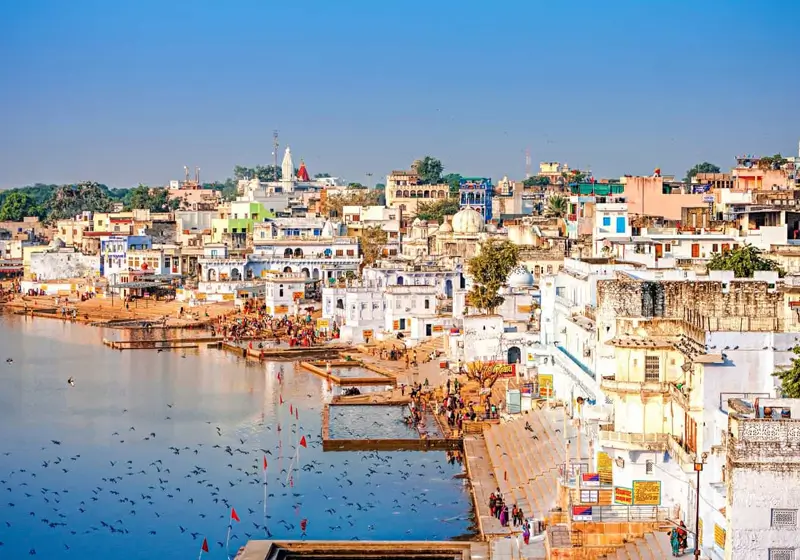
What truly sets India apart is the combination of history, culture, and everyday life happening simultaneously in public spaces. A morning walk through a market might reveal artisans at work, colorful produce stalls, temple rituals, and architectural backdrops that have stood for hundreds of years. These elements combine to create a visual richness rarely found elsewhere.
For travelers who love photography, India is not just a destination. It is an ever-changing canvas filled with stories waiting to be captured.
One of the primary reasons India is considered highly photogenic is its geographical diversity. The country contains almost every type of landscape imaginable, creating endless possibilities for photographers.
In the north, the Himalayan region offers dramatic mountain scenery with snow-covered peaks, alpine lakes, and ancient monasteries perched on cliffs. These landscapes provide breathtaking opportunities for mountain photography in India, especially during sunrise and sunset when the peaks glow in golden light.
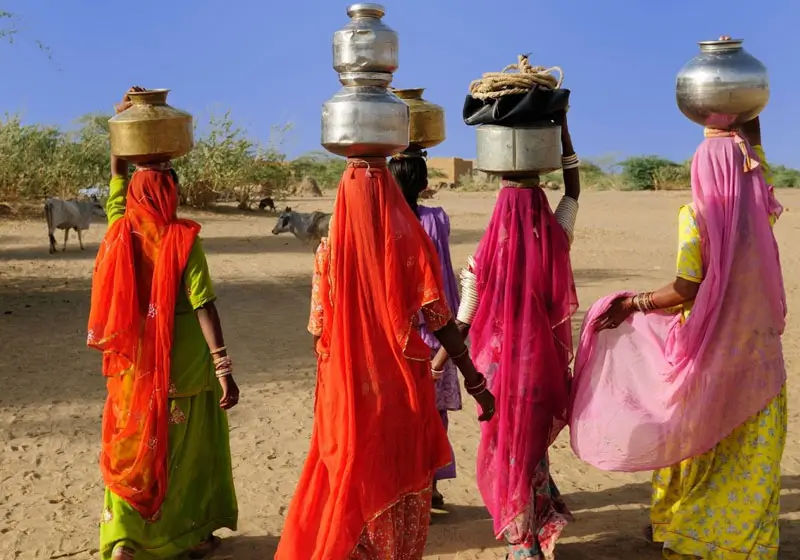
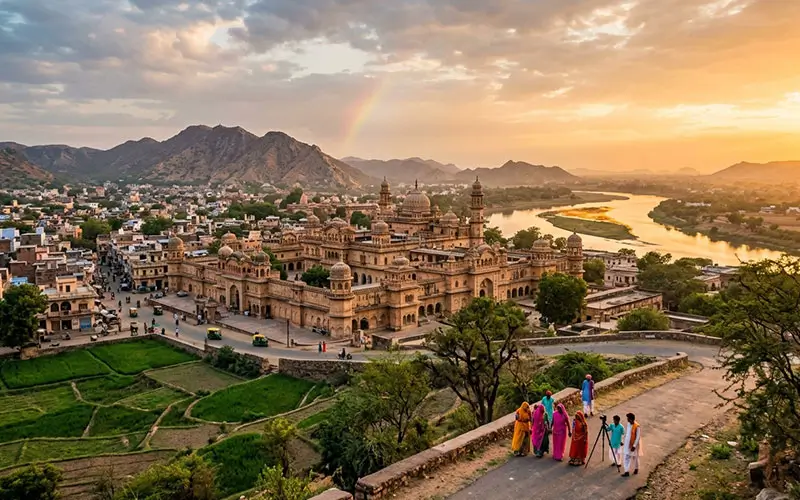
Moving west, the Thar Desert in Rajasthan presents a completely different visual environment. Sand dunes, camel caravans, and desert villages create a timeless atmosphere that feels almost cinematic. The desert landscape combined with colorful Rajasthani clothing creates powerful photographic contrasts.
Southern India introduces tropical landscapes filled with coconut palms, backwaters, and lush greenery. Kerala’s waterways and traditional houseboats offer tranquil scenes that appeal to landscape photographers.
The diversity of terrain ensures that photographers never encounter the same environment twice, making travel photography in India continuously exciting.
From iconic landmarks to hidden scenic gems, plan a journey filled with breathtaking views and picture-perfect moments. Let us help you create a travel experience that’s as stunning as your photos.
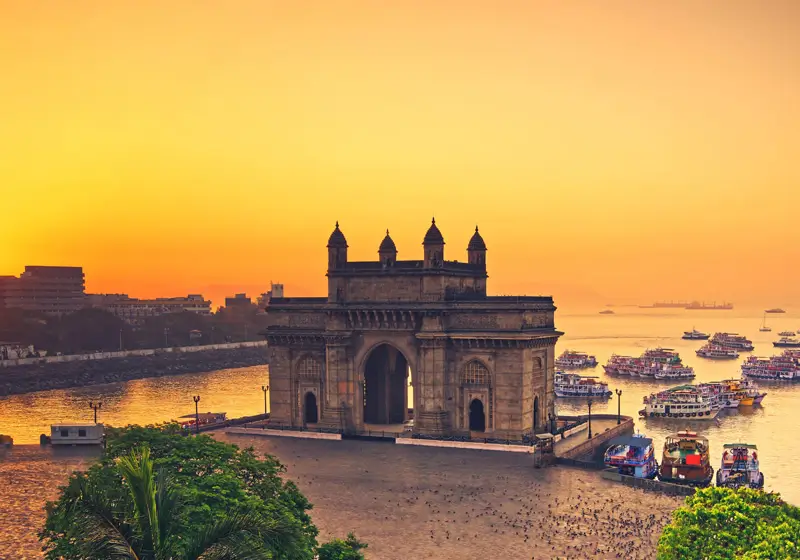
Chat On WhatsApp Contact UsIndia’s architecture is another major reason photographers are drawn to the country. Across thousands of years of history, empires, kingdoms, and religious traditions have shaped an architectural heritage that is incredibly varied.
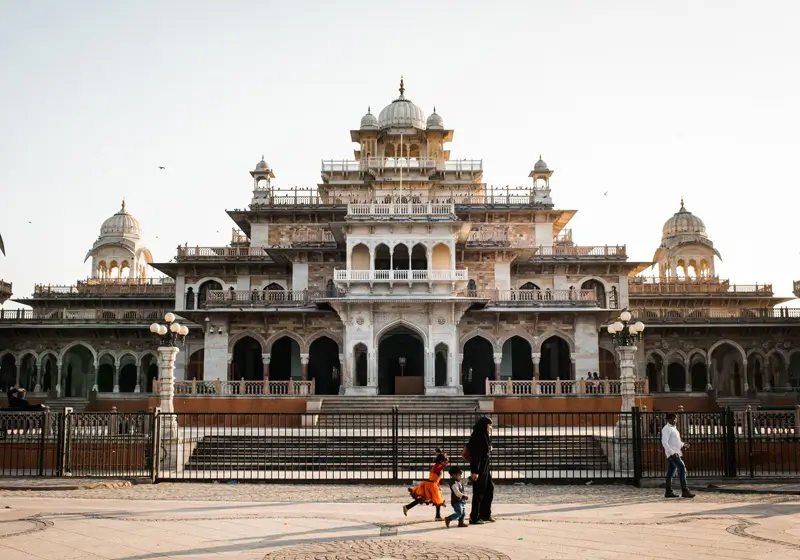
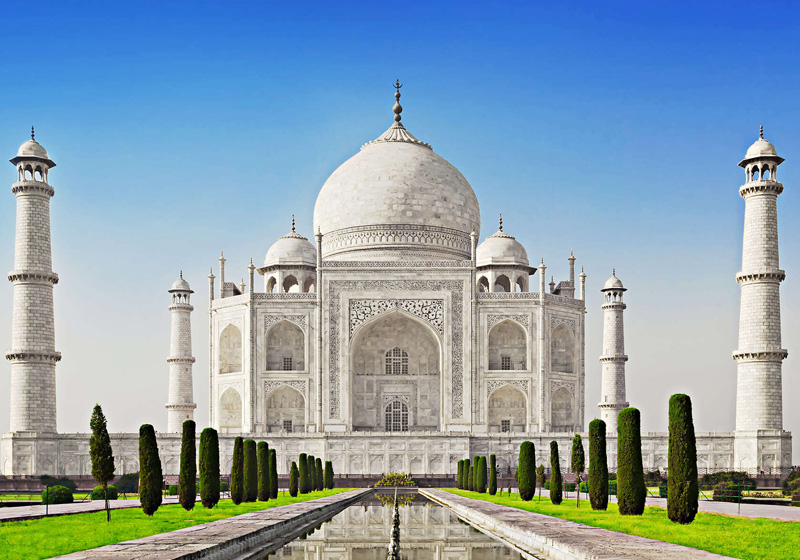
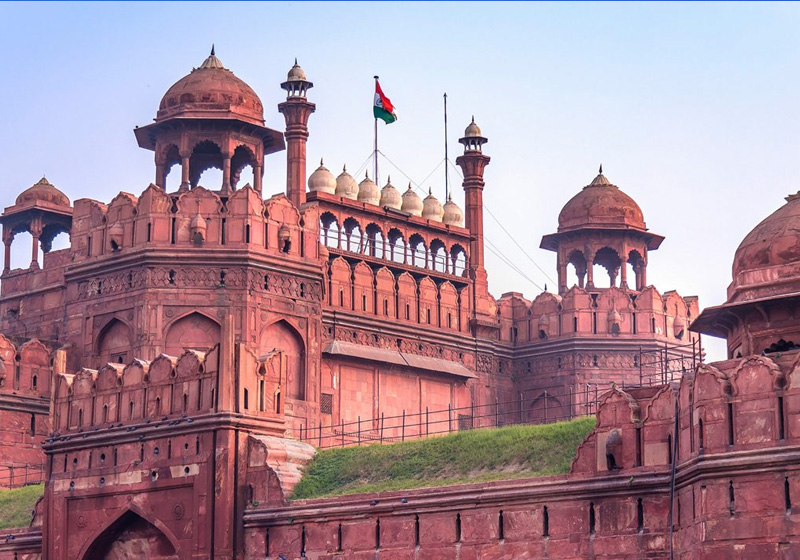
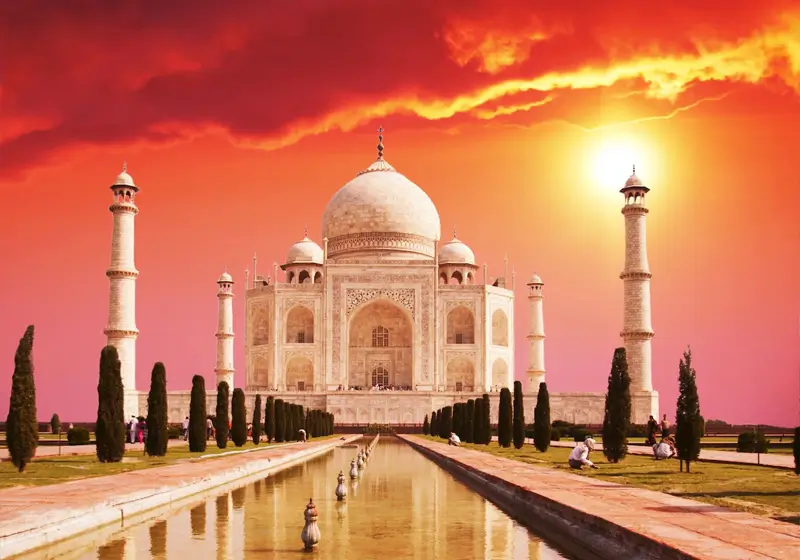
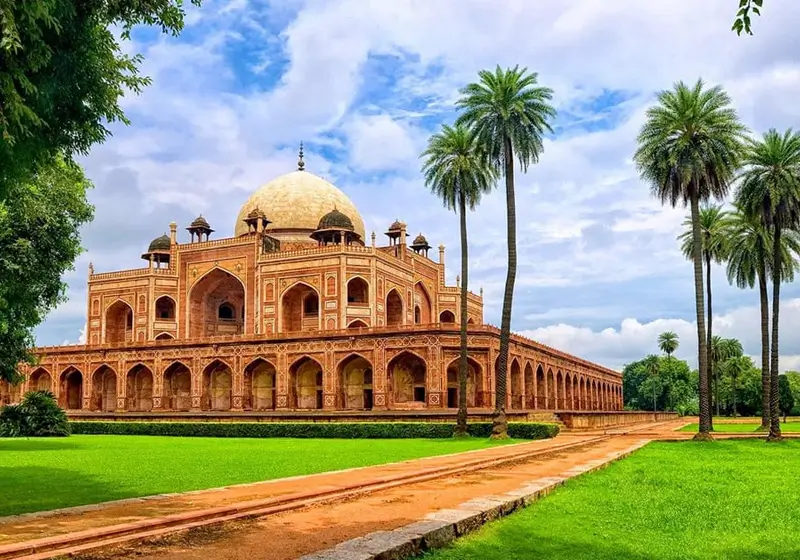
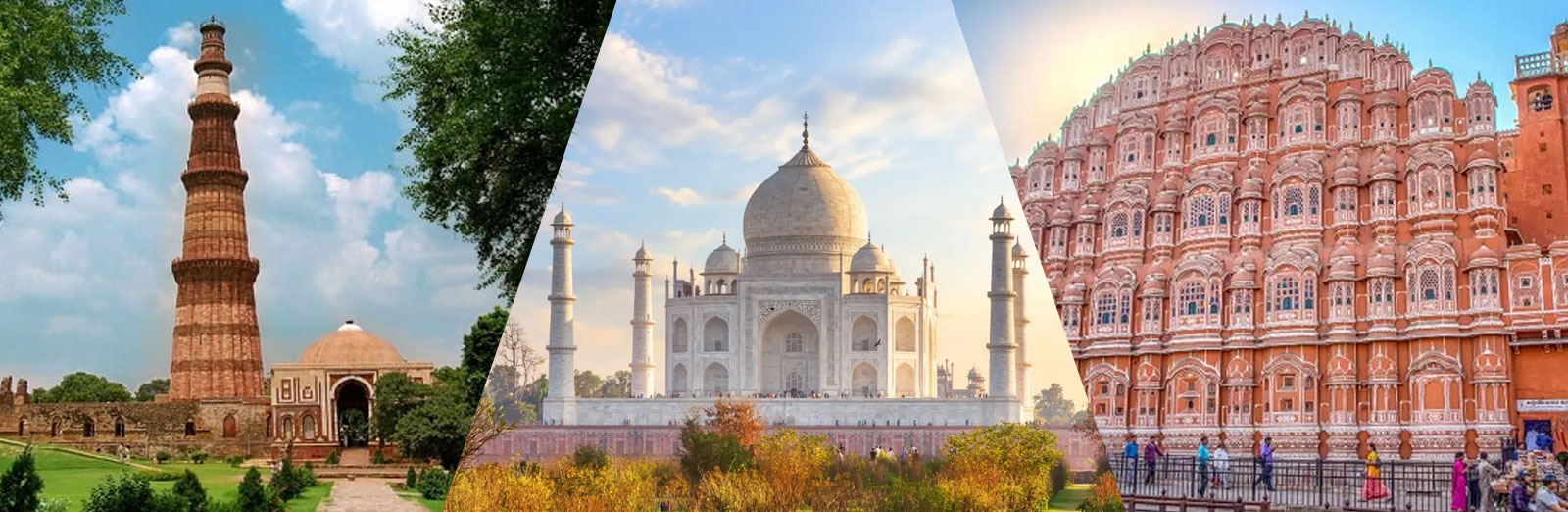
Mughal architecture provides some of the most iconic landmarks, including the Taj Mahal, Humayun’s Tomb, and the Red Fort in Delhi. These monuments combine symmetry, marble craftsmanship, and intricate carvings that photograph beautifully in different lighting conditions.
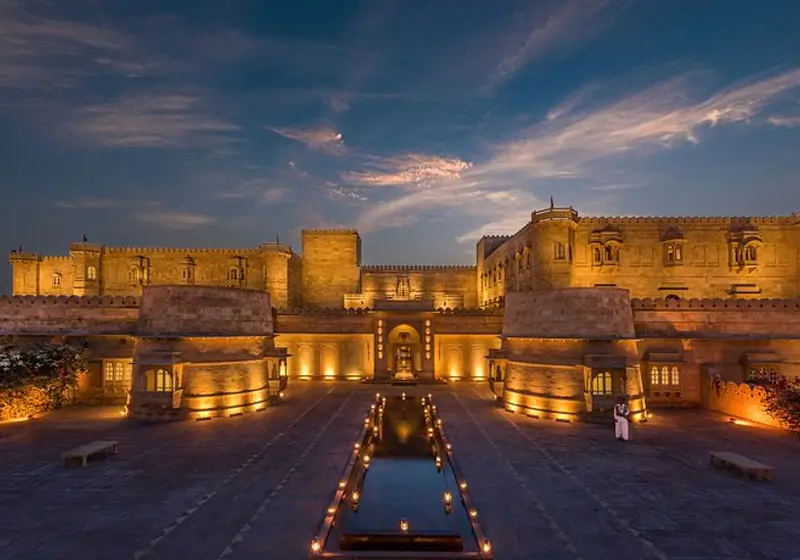
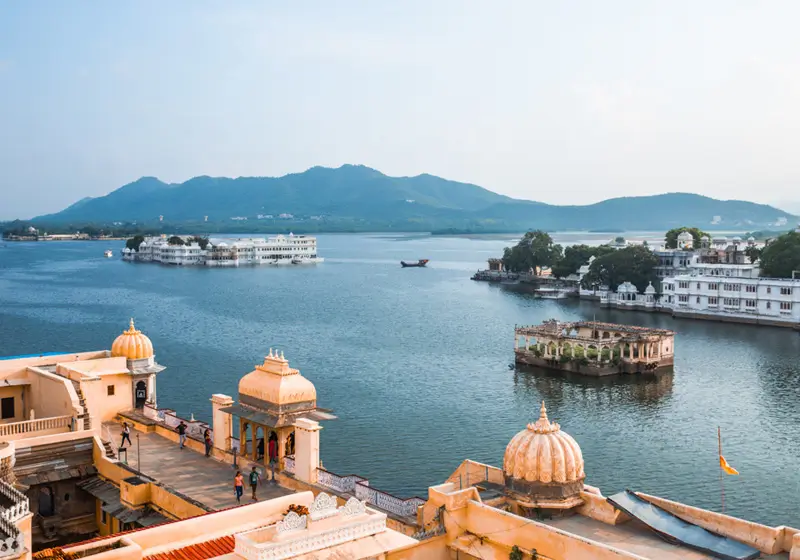
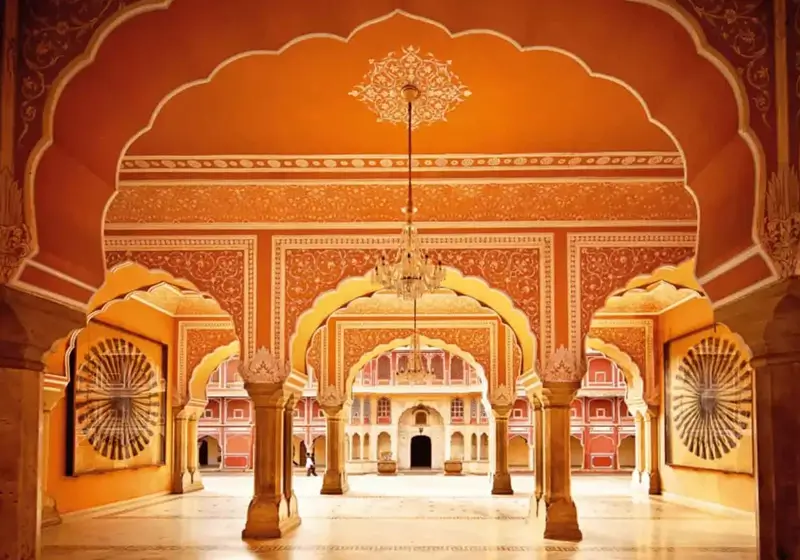
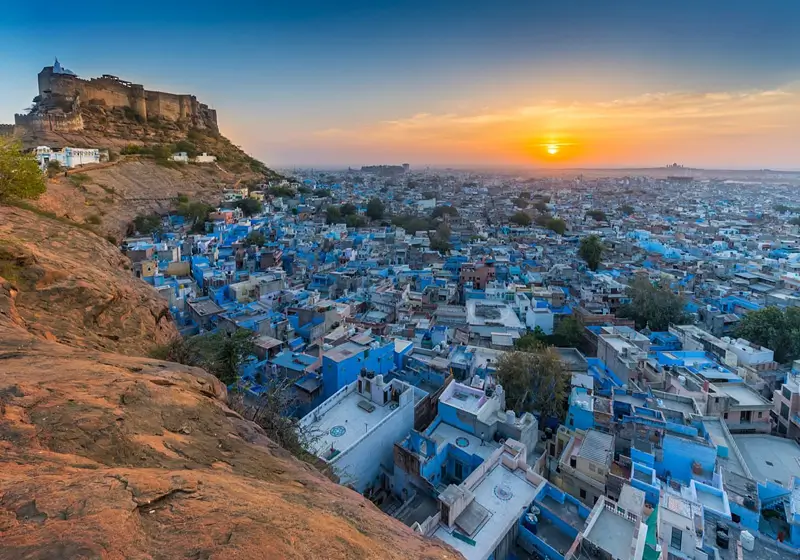
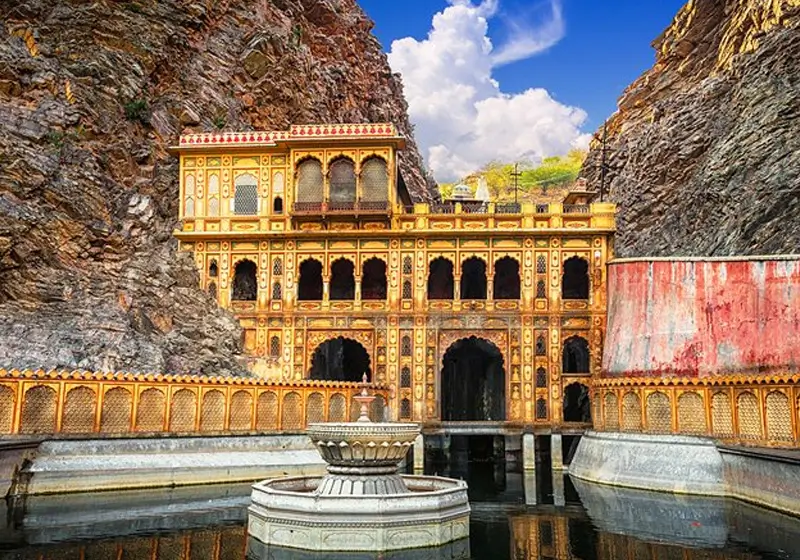
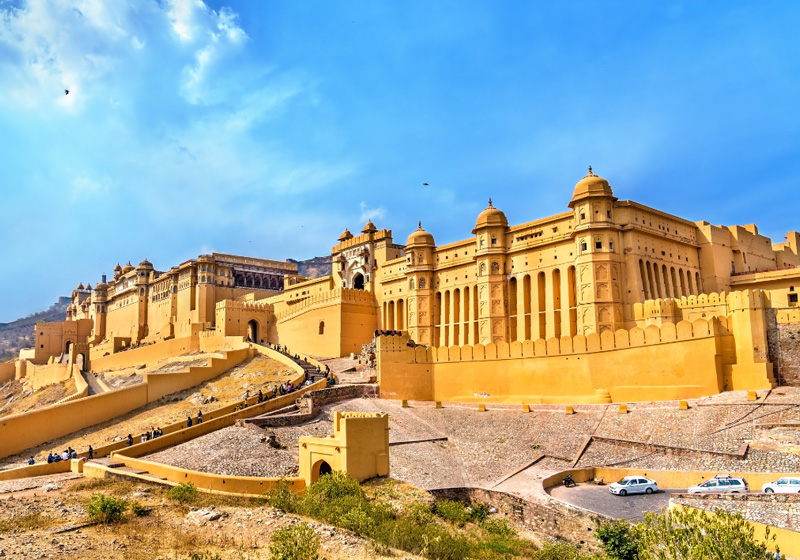
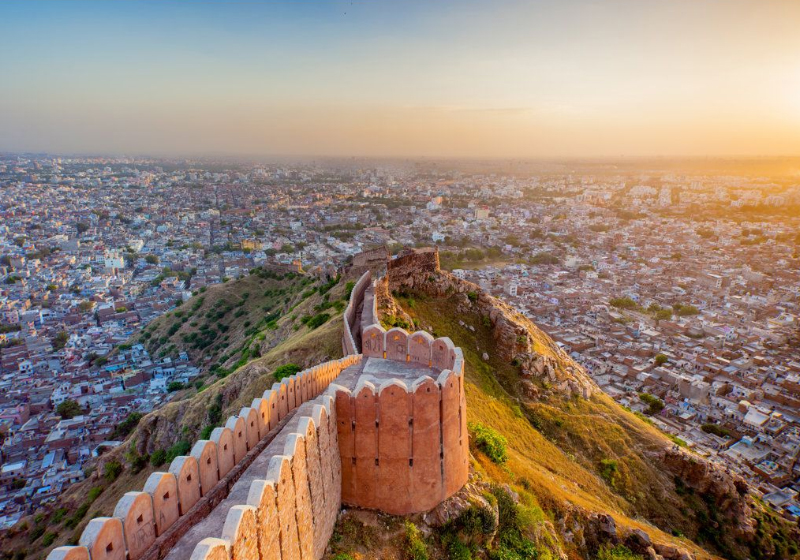
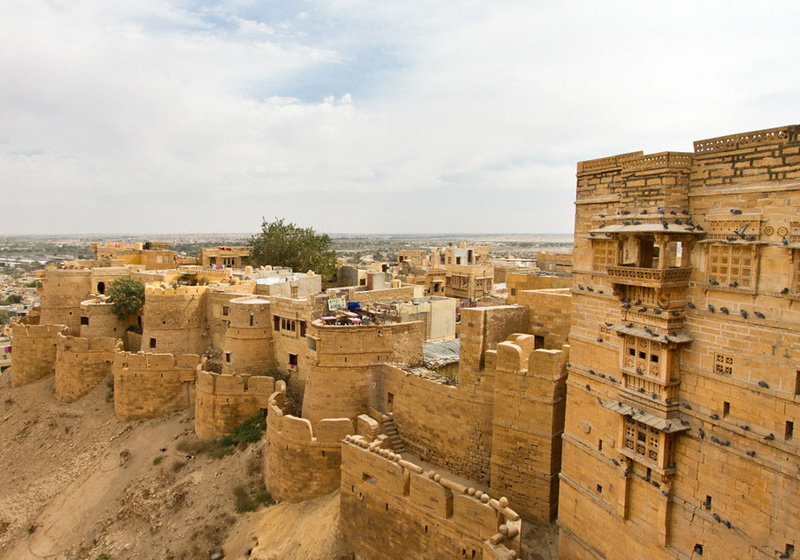
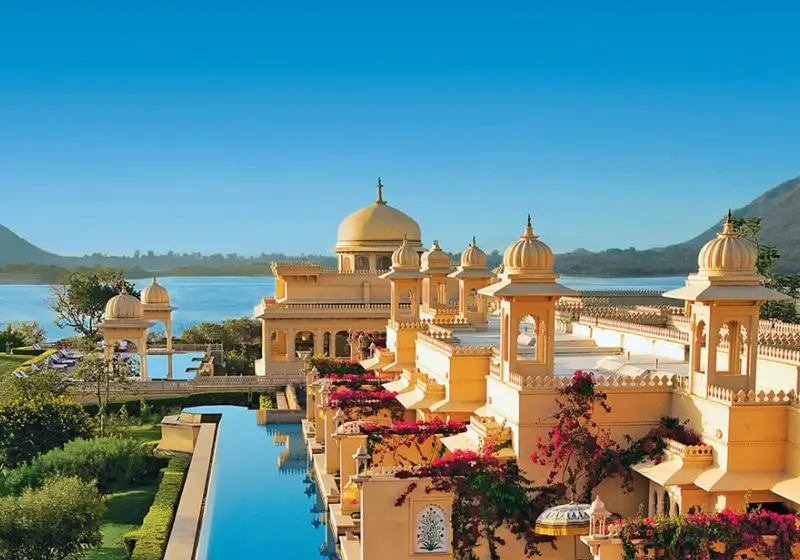
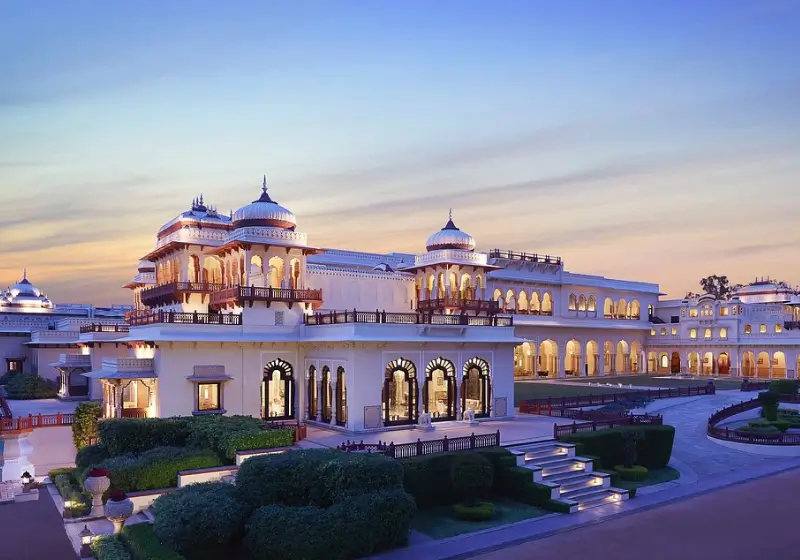
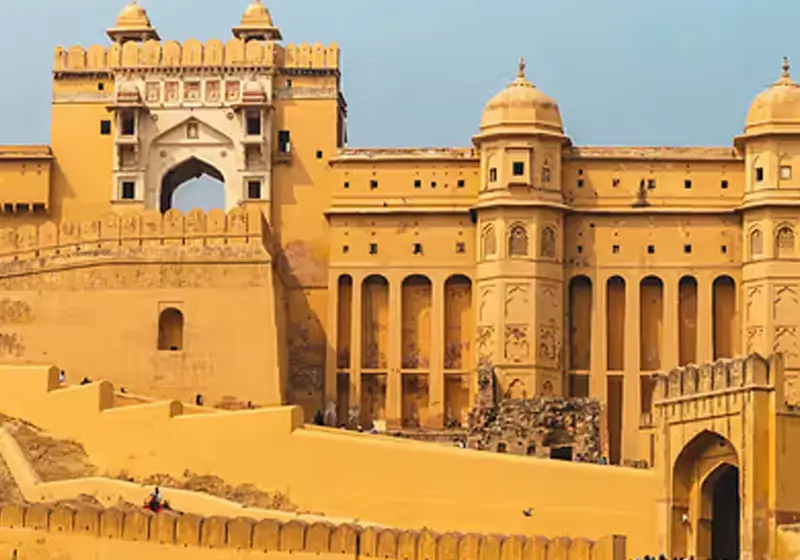
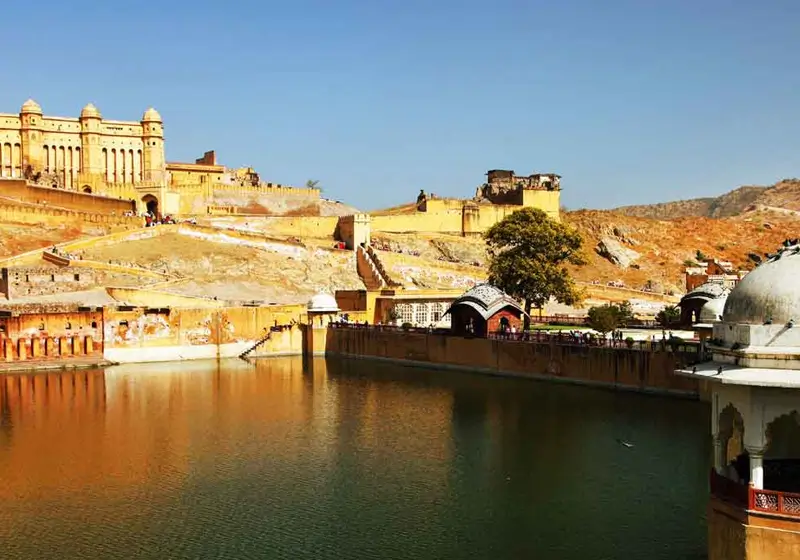
Rajasthan’s royal palaces and forts add another dimension to architectural photography. Structures such as Amer Fort, Mehrangarh Fort, and the City Palace of Udaipur showcase grand courtyards, ornate balconies, and dramatic hilltop settings.
Temple architecture in southern India features towering gateways called gopurams, covered with colorful sculptures representing mythological stories. These structures provide extraordinary opportunities for architectural photography in India.
From ancient temples to colonial-era buildings and modern skylines, India offers a remarkable architectural timeline visible through photography.
Color is one of the defining elements of India’s visual culture. Unlike many destinations where neutral tones dominate the landscape, India embraces vibrant colors in everyday life.
Markets display piles of spices in shades of red, yellow, and orange. Textiles and garments feature bold patterns and rich pigments. Festivals introduce bursts of color through decorations, clothing, and ceremonial rituals.
The Holi festival, often called the Festival of Colors, is one of the most photographed cultural events in the world. During Holi celebrations, people throw colored powders into the air, creating dynamic scenes filled with motion and energy.
These visual elements make color photography in India particularly captivating. Photographers often find that even simple moments—such as a vegetable market or a street vendor—offer compositions filled with striking colors.
The vibrant palette of Indian life creates images that are visually unforgettable.
Another reason India attracts photographers is the richness of everyday street life. Cities and towns are full of activity, with countless moments unfolding throughout the day.
Street vendors preparing food, artisans crafting handmade goods, families shopping in markets, and children playing in narrow lanes all contribute to the visual storytelling of daily life.
Photographers interested in street photography in India often find endless subjects within a few blocks of any busy neighborhood. The energy of public spaces combined with expressive human interactions creates powerful visual narratives.
Unlike controlled environments, street scenes capture the authenticity of real life. These moments reveal the cultural rhythms that define Indian society.
For photographers who enjoy documenting human stories, India provides an extraordinary environment filled with genuine expressions and emotions.
India celebrates hundreds of festivals throughout the year, many of which transform entire cities into vibrant spectacles. These celebrations offer some of the most dynamic photography opportunities available anywhere.
Diwali, the Festival of Lights, illuminates homes, temples, and streets with thousands of lamps and candles. The glow of lights combined with colorful decorations creates magical nighttime scenes.
Navratri and Durga Puja bring elaborate decorations, music, and dance performances that reflect regional traditions. Eid celebrations introduce festive markets and communal gatherings.
Each festival introduces unique visual elements including costumes, rituals, and decorations that enrich cultural photography in India.
For photographers, festivals provide opportunities to capture not only visual beauty but also the emotional energy of communities celebrating together.
India is also a remarkable destination for wildlife photography. The country’s national parks protect diverse ecosystems that support many species found nowhere else in the world.
Tigers, leopards, elephants, rhinos, and numerous bird species inhabit forests and wetlands across the country. Wildlife reserves such as Ranthambore, Bandhavgarh, and Kaziranga attract photographers hoping to capture rare animal sightings.
Safari experiences allow visitors to observe animals in their natural habitats while learning about conservation efforts that protect these species.
For wildlife enthusiasts, wildlife photography in India offers thrilling opportunities to document some of the world’s most iconic animals.
These natural environments add another dimension to India’s already rich photographic landscape.
Explore stunning destinations, capture unforgettable moments, and create a journey filled with beauty at every step. Let our experts design a trip that’s perfect for both travel and photography lovers.
Chat On WhatsApp Contact UsLight plays an important role in photography, and India offers remarkable lighting conditions throughout the day. Early mornings often reveal soft golden light illuminating historic monuments and city streets.
Sunrise at the Taj Mahal is particularly famous for its gentle glow reflecting off white marble surfaces. Similarly, desert landscapes in Rajasthan become especially dramatic during sunset when the sky turns warm shades of orange and red.
Evening scenes in cities introduce another visual layer as streetlights, markets, and illuminated buildings create atmospheric compositions.
These changing lighting conditions enhance landscape photography in India, allowing photographers to capture different moods and textures throughout the day.
India’s photogenic quality goes far beyond picturesque landscapes or famous landmarks. What makes the country truly extraordinary for photographers is the constant interplay between culture, history, and everyday life.
Moments of beauty appear unexpectedly—whether in a quiet temple courtyard, a bustling marketplace, or a rural village street. These scenes reveal stories that reflect the complexity and richness of Indian society.
For photographers seeking inspiration, India offers an endless supply of subjects that combine visual beauty with meaningful cultural context.
It is this combination of diversity, color, architecture, and human expression that makes India one of the most photogenic countries in the world.
Its landscapes, culture, architecture, and vibrant street life create endless photography opportunities.
Jaipur, Udaipur, Varanasi, Delhi, and Agra are popular photography destinations.
Yes, daily life in markets and streets offers authentic storytelling moments.
Yes, festivals provide colorful and energetic cultural scenes.
Mountains, deserts, forests, beaches, rivers, and historic cities.
Yes, national parks offer opportunities to photograph tigers and other wildlife.
Sunrise and sunset often provide the most dramatic lighting.
Yes, most monuments allow photography with certain guidelines.
Yes, the country offers extraordinary visual diversity.
Permits may be required for certain wildlife parks or restricted areas.
Fill in the details below. Our expert consultant will respond within 4 hours with a bespoke itinerary crafted just for you — completely free, no obligation.