India is one of the most diverse countries in the world when it comes to landscapes, wildlife, and cultural heritage. From the deserts of Rajasthan to the forests of central India and the mountains of the Himalayas, the country offers extraordinary opportunities for travelers who want to explore nature responsibly. In recent years, eco travel in India has become increasingly popular among international visitors who seek meaningful experiences that respect local communities and protect the environment.
Eco tourism is not simply about visiting natural places. It focuses on responsible travel practices, supporting local communities, conserving wildlife, and minimizing environmental impact. Travelers who follow sustainable tourism practices in India often gain deeper insights into the country’s traditions, ecosystems, and rural life.
For eco travelers, India provides countless opportunities to connect with nature. Whether staying in a rural village, exploring national parks, supporting local artisans, or enjoying organic farm experiences, there are many ways to experience the country responsibly.
Below are some of the most meaningful experiences that eco travelers should not miss while exploring India.
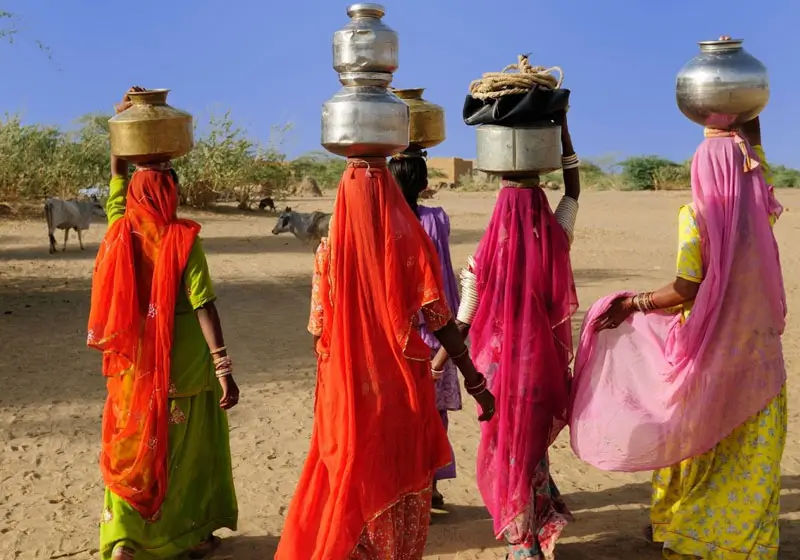
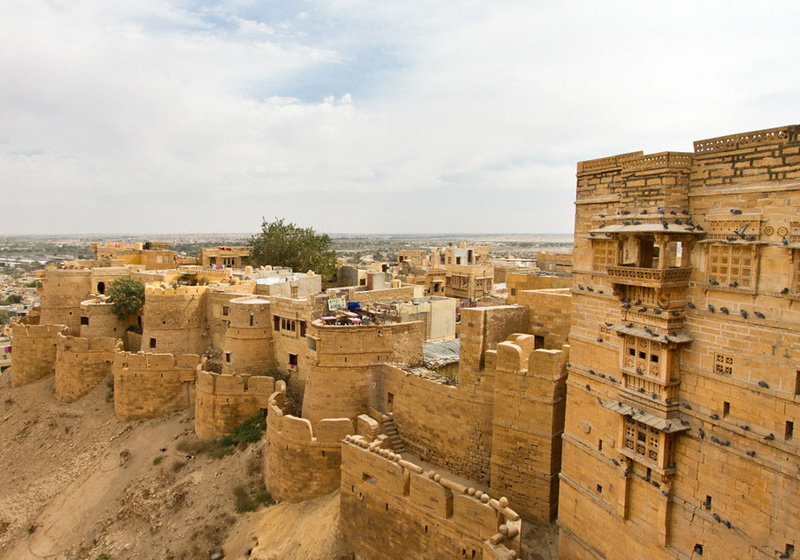
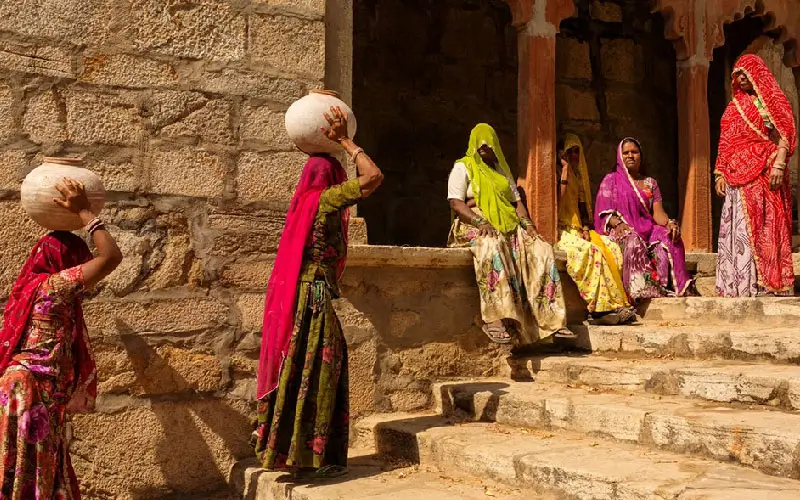
One of the most authentic ways to experience sustainable travel in India is by spending time in rural villages. Rajasthan offers remarkable opportunities for travelers to interact with local communities while learning about traditional lifestyles that have remained largely unchanged for centuries.
Village experiences often include visiting local farms, participating in traditional cooking, learning handicraft skills, and understanding the daily life of rural families. These experiences allow travelers to see a side of India that goes far beyond famous monuments and tourist attractions.
Eco travelers who participate in village experiences often contribute directly to the local economy. Many community-run tourism initiatives ensure that income generated from tourism supports village development, education, and environmental conservation.
Ready to explore India’s most iconic experiences? Whether it’s the Golden Triangle, wildlife safaris, or cultural journeys.
Chat On WhatsApp Contact UsIndia is home to some of the world’s most extraordinary wildlife reserves. Travelers who care about conservation often choose eco friendly wildlife safaris in India to observe animals in their natural habitat.
National parks such as Ranthambore, Bandhavgarh, Kanha, and Kaziranga provide opportunities to see animals like tigers, elephants, leopards, and rhinos. These protected areas are managed with strict conservation guidelines to protect biodiversity.
Responsible safari tourism encourages visitors to respect wildlife habitats, follow park regulations, and avoid disturbing animals. Many eco lodges located near national parks also promote sustainable practices such as solar energy, water conservation, and waste reduction.
Wildlife safaris offer eco travelers a chance to witness the incredible diversity of India’s natural ecosystems while supporting conservation efforts.
Across India, many hospitality providers have embraced environmentally responsible tourism practices. Eco friendly hotels in India focus on reducing environmental impact while providing comfortable accommodations for travelers.
These properties often use renewable energy, rainwater harvesting systems, organic gardens, and locally sourced building materials. Many sustainable resorts also work closely with surrounding communities by employing local staff and supporting regional agriculture.
Eco travelers who stay in environmentally responsible accommodations contribute to tourism models that prioritize conservation and sustainability.
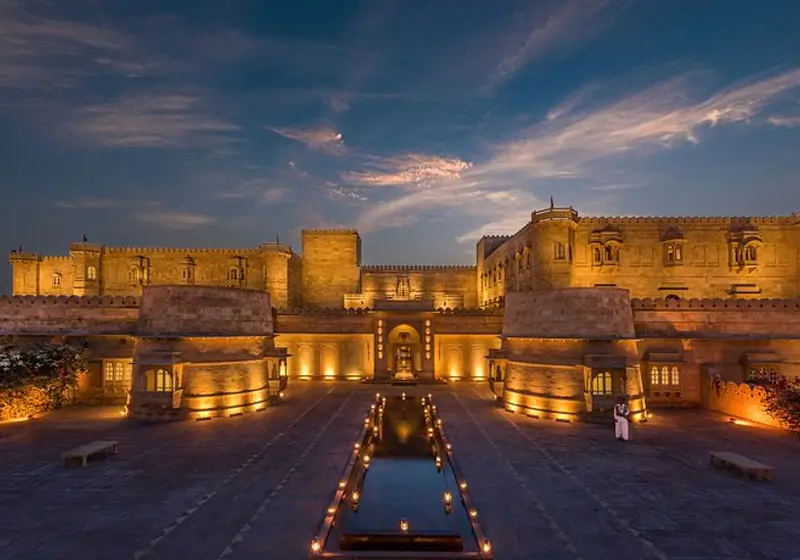
In regions such as Rajasthan, Kerala, and the Himalayas, eco lodges often offer breathtaking natural surroundings while maintaining strong commitments to environmental responsibility.
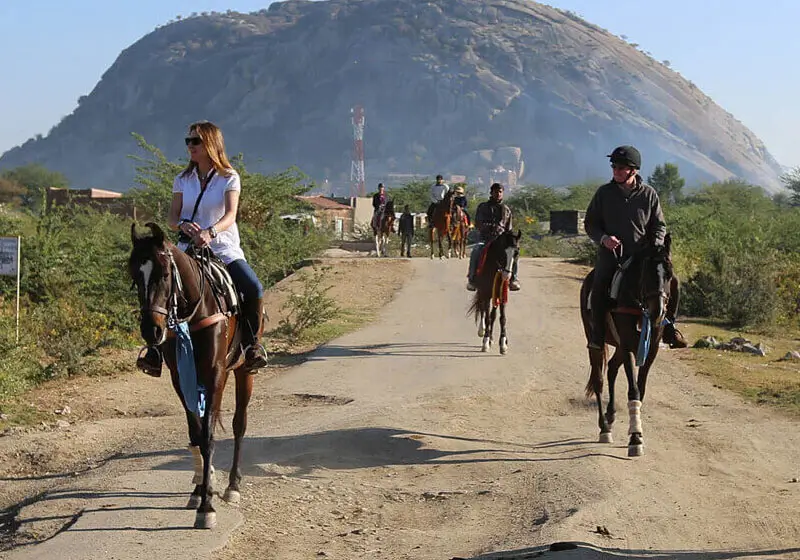
Traveling across India by road provides one of the most immersive ways to explore the country’s natural beauty. Scenic journeys allow travelers to witness diverse landscapes including forests, deserts, rivers, and rural villages.
Many eco travelers choose private car tours in India because they allow flexibility to explore lesser-known areas and support local tourism businesses along the route.
Road journeys also make it easier to visit small towns, wildlife reserves, and artisan villages that are not easily accessible through other forms of transportation.
Traveling by road encourages slow travel, allowing visitors to appreciate the changing landscapes and cultural diversity of India.
India’s craft traditions are deeply connected to local culture and sustainability. Many artisans continue to use natural dyes, handmade techniques, and locally sourced materials that have been passed down for generations.
Eco travelers often visit artisan villages in Rajasthan and Gujarat to observe traditional crafts such as block printing, pottery, weaving, and metalwork.
These visits not only provide unique cultural experiences but also help preserve traditional craftsmanship. Purchasing handmade products directly from artisans supports local communities and encourages sustainable livelihoods.
Craft villages offer a fascinating insight into India’s artistic heritage while promoting responsible tourism practices.
Many natural landscapes in India are closely tied to spiritual traditions. Mountains, rivers, forests, and lakes often hold religious significance and are protected by cultural beliefs.
Eco travelers who explore these sacred landscapes often gain a deeper appreciation for the relationship between nature and spirituality in Indian culture.
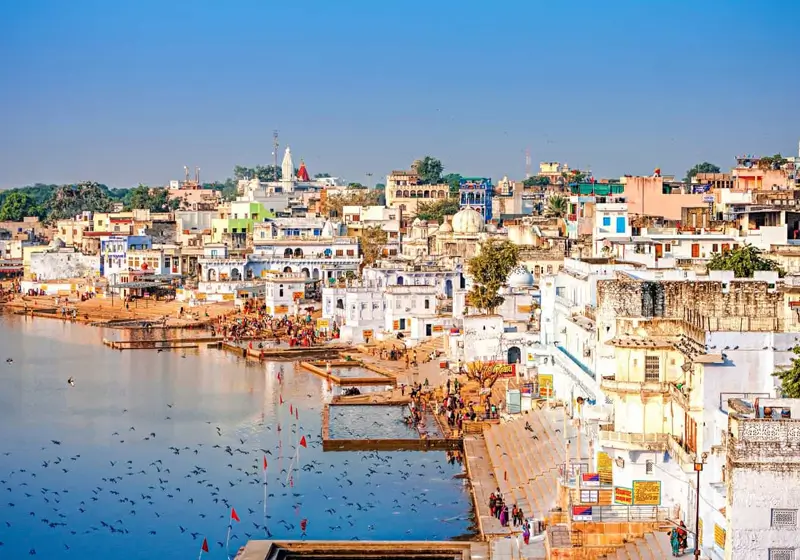
Destinations such as the Himalayas, the Ganges River, and desert temples in Rajasthan offer opportunities for travelers to experience the spiritual side of nature.
These journeys often encourage mindfulness and respect for the natural world.
Farm stays have become an increasingly popular form of eco tourism in India. These experiences allow travelers to stay on working farms where they can learn about organic agriculture and sustainable food production.
Guests often participate in farming activities such as harvesting crops, preparing traditional meals, and understanding natural farming methods.
Farm stays provide a relaxing environment where travelers can disconnect from busy city life and reconnect with nature.
These experiences also promote responsible agriculture and support rural livelihoods.
Discover India like never before with our curated travel experiences. Enjoy private tours, expert guides, and unforgettable moments across India’s most famous destinations.
Chat On WhatsApp Contact UsIndia’s geography includes a remarkable variety of ecosystems ranging from tropical forests to deserts and high mountain landscapes. Eco travelers often design itineraries that include multiple natural environments.
Exploring different ecosystems helps travelers understand the importance of biodiversity and conservation. It also highlights how local communities adapt their lifestyles to different climates and landscapes.
Travelers who explore India’s natural diversity gain a broader understanding of the country’s environmental heritage.
Responsible tourism organizations across India work to ensure that tourism benefits both local communities and natural environments.
Many programs promote wildlife conservation, sustainable agriculture, waste reduction, and community education.
Eco travelers who support responsible tourism initiatives in India help create positive economic and environmental impact.
Choosing locally owned businesses, community experiences, and eco friendly accommodations can make a significant difference in promoting sustainable travel.
One of the most fascinating aspects of traveling in India is the close connection between culture and nature. Festivals, traditions, food, and architecture often reflect the landscapes where communities live.
Eco travelers who immerse themselves in these traditions often discover that sustainable living practices have been part of Indian culture for centuries.
Experiencing this balance between culture and environment provides meaningful insights into how societies can coexist with nature.
India offers countless opportunities for eco travelers to explore responsibly while learning from local traditions and conservation efforts.
Fill in the details below. Our expert consultant will respond within 4 hours with a bespoke itinerary crafted just for you — completely free, no obligation.